Artwork
Pakomatkalla Egyptiin. Neitsyt Maria imettää Jeesus-lasta
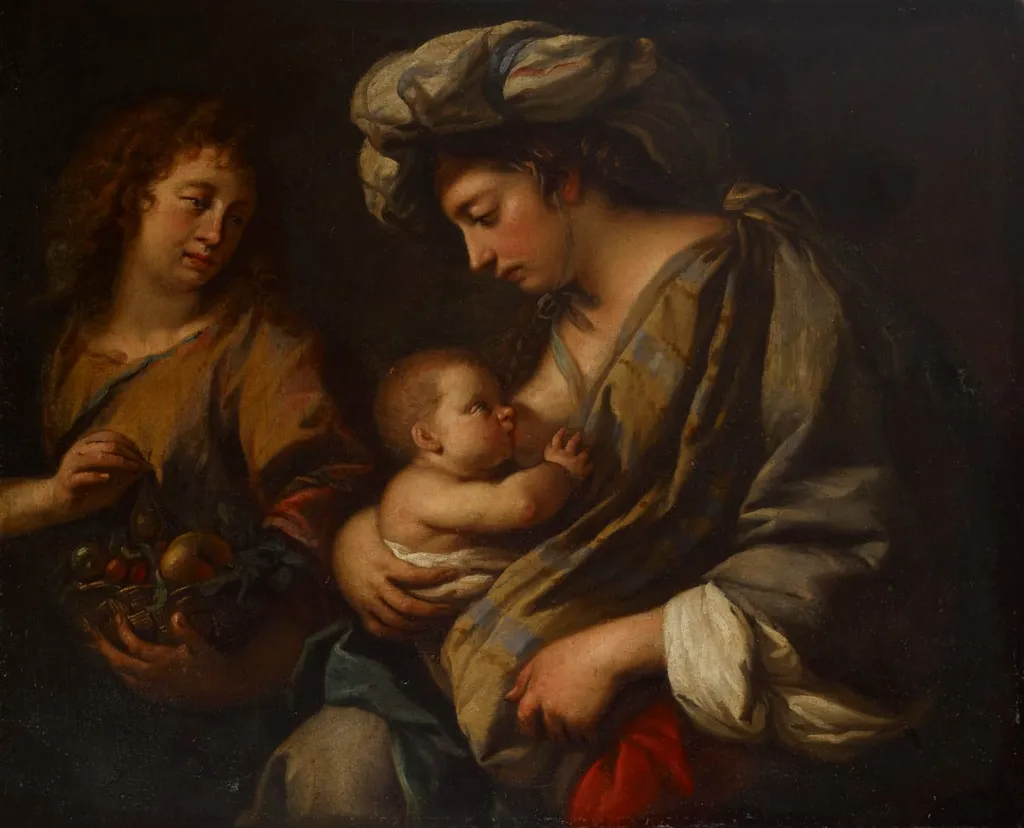
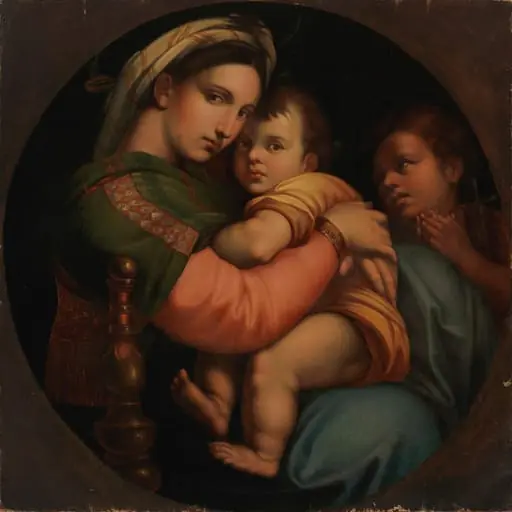
Pakomatkalla Egyptiin. Neitsyt Maria imettää Jeesus-lasta is an unspecified painting by Guercino. It is held in the collection of the Finnish National Gallery. This work depicts the Virgin Mary nursing the infant Jesus, accompanied by a second woman holding a basket of fruit.
About this work
Overview
This work depicts the Virgin Mary nursing the infant Jesus, accompanied by a second woman holding a basket of fruit. The composition is tightly focused on the two figures, set against a dark, unmodeled background. Soft, directional light enhances the volume of the forms, drawing attention to the quiet intimacy of the moment without decorative distraction.
Subject & Meaning
The scene presents a domestic yet sacred moment: Mary breastfeeding Jesus, a common theme in Christian art symbolizing divine nurture and human vulnerability. The presence of the second woman, bearing fruit, may allude to abundance or the earthly context of the Holy Family’s journey, subtly reinforcing themes of care and provision beyond the spiritual.
Technique & Style
The artist employs chiaroscuro to model the figures with gentle gradations of light and shadow, creating a sense of three-dimensionality. The dark background isolates the subjects, heightening emotional focus. Brushwork is restrained, favoring smooth transitions and rounded forms, particularly in the baby’s soft contours and Mary’s serene expression.
History & Provenance
The painting’s title, 'Pakomatkalla Egyptiin,' references the Flight into Egypt, suggesting it was created within a Finnish or Nordic devotional tradition. Its origin and early ownership remain undocumented, but its style aligns with late 19th- or early 20th-century religious imagery produced in regions with strong Lutheran cultural influences.
Context
Produced during a period when religious subjects remained popular in Nordic art despite secularizing trends, this work reflects a quiet, personal piety. It diverges from grand ecclesiastical altarpieces, instead offering a modest, humanized vision of biblical narrative suited to private devotion or domestic spaces.
Legacy
The painting contributes to a modest but persistent tradition of Nordic religious imagery that prioritizes emotional restraint and domestic realism over theatricality. Though not widely exhibited, it remains a representative example of how biblical themes were adapted into intimate, culturally grounded visual forms in the early modern period.
Artist & collection
Artist

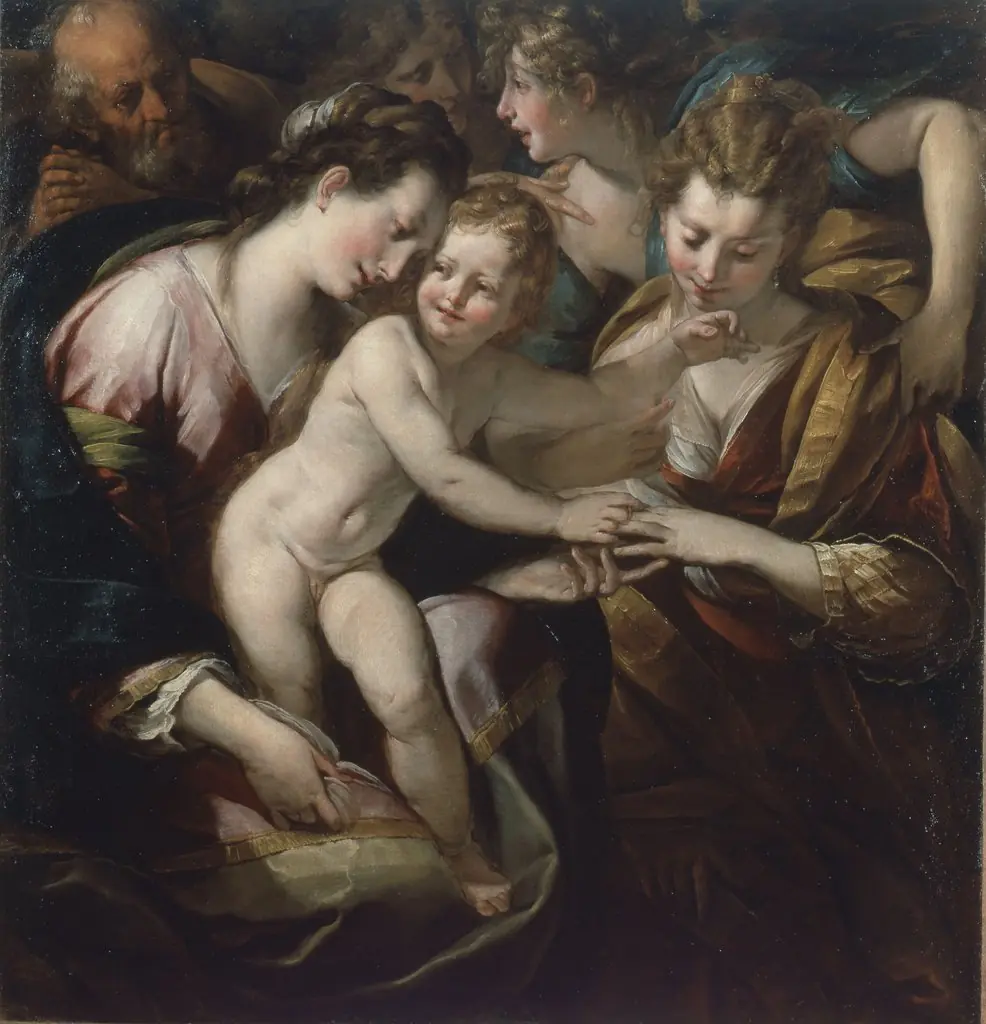 Mystic Marriage of Saint Catherine
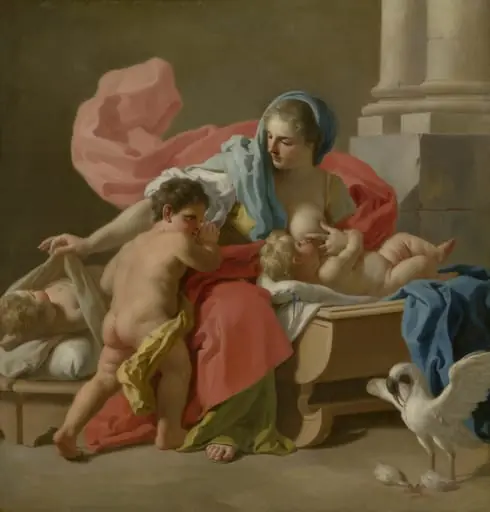 Allegory of Charity
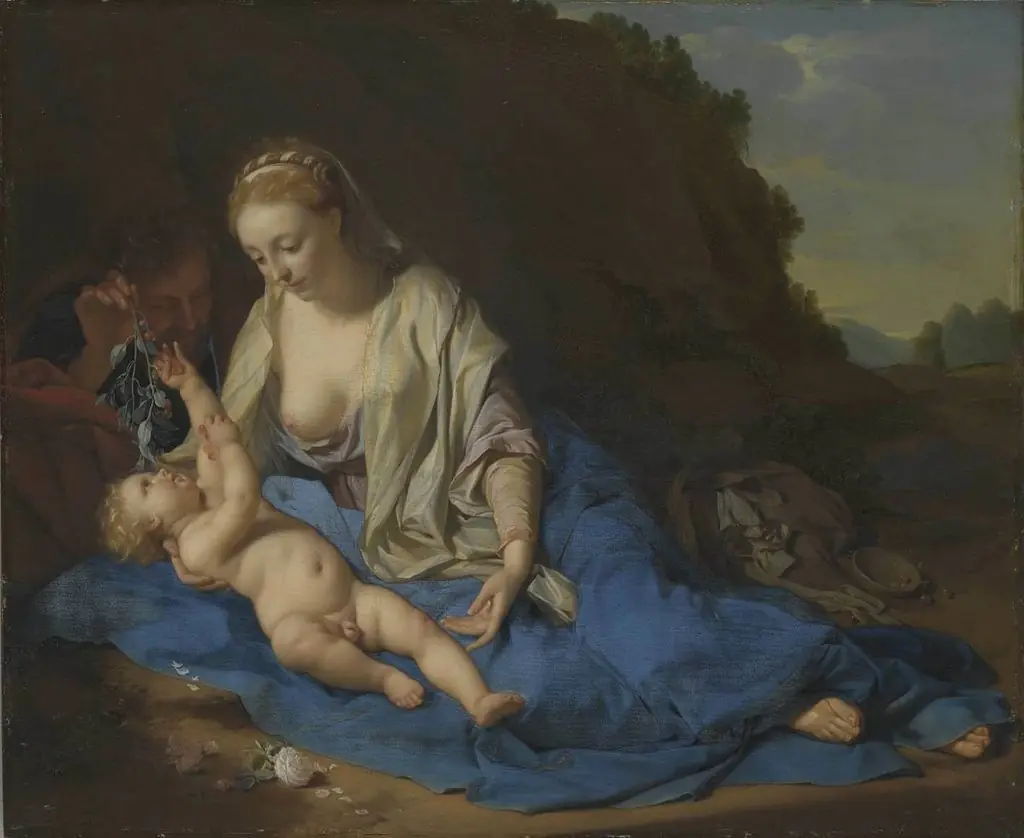 Rest on the Flight into Egypt
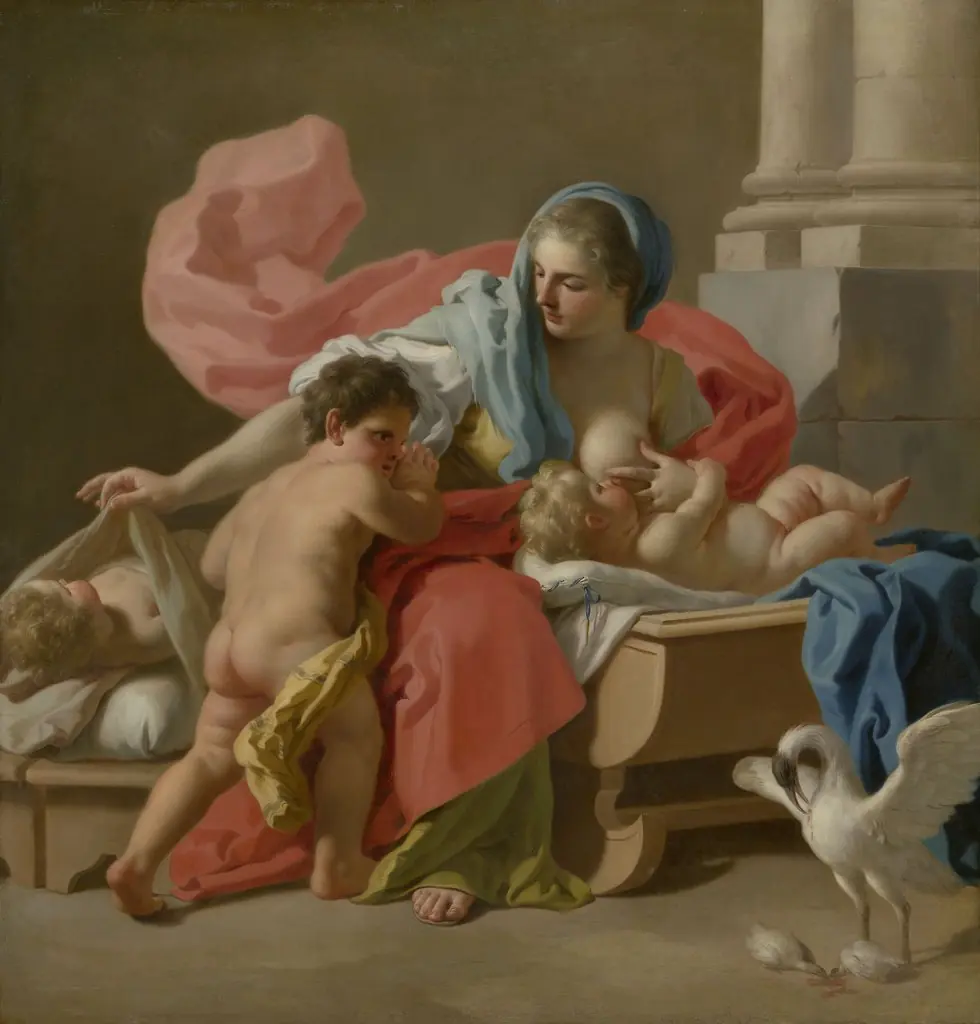 Charity
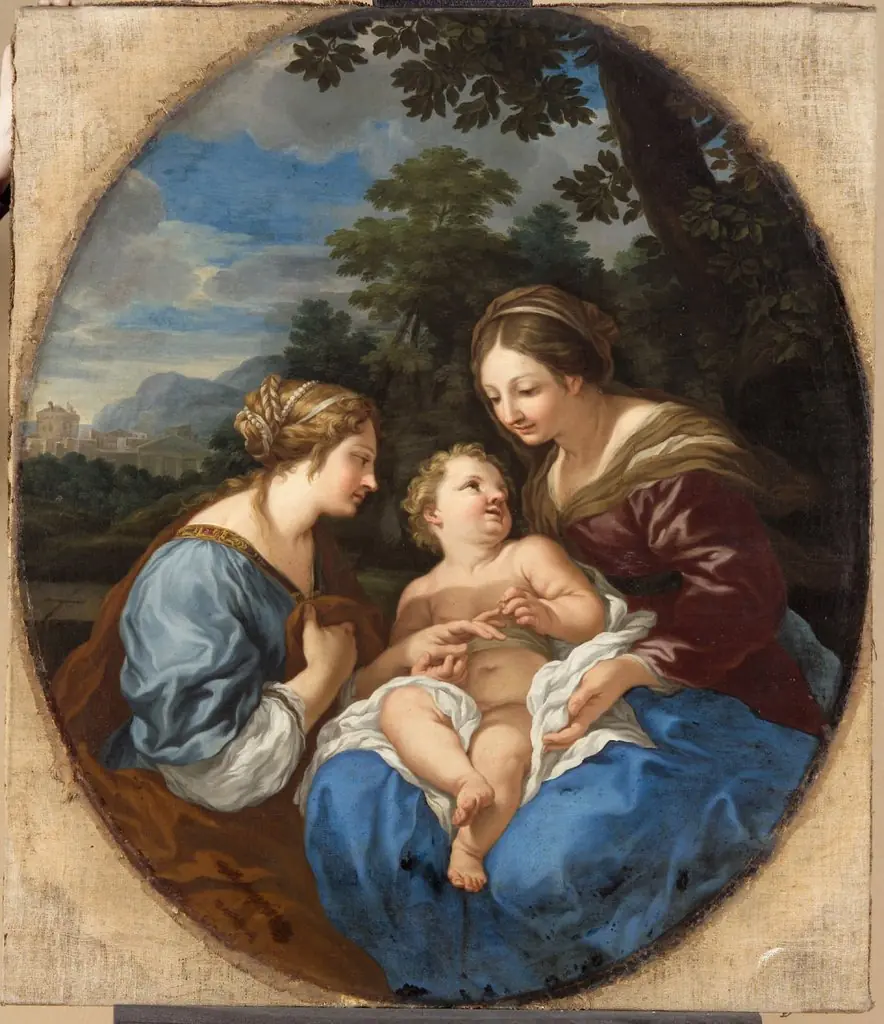 Mystic marriage of Saint Catherine of Alexandria
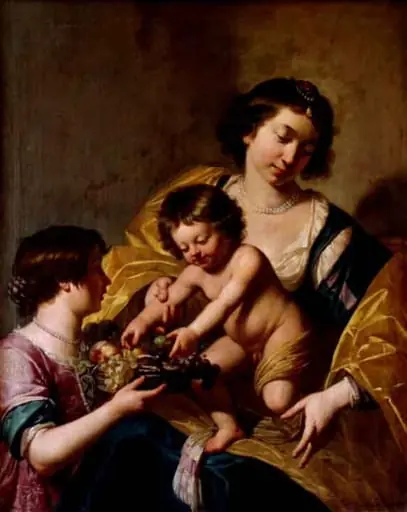 Maria cu pruncul
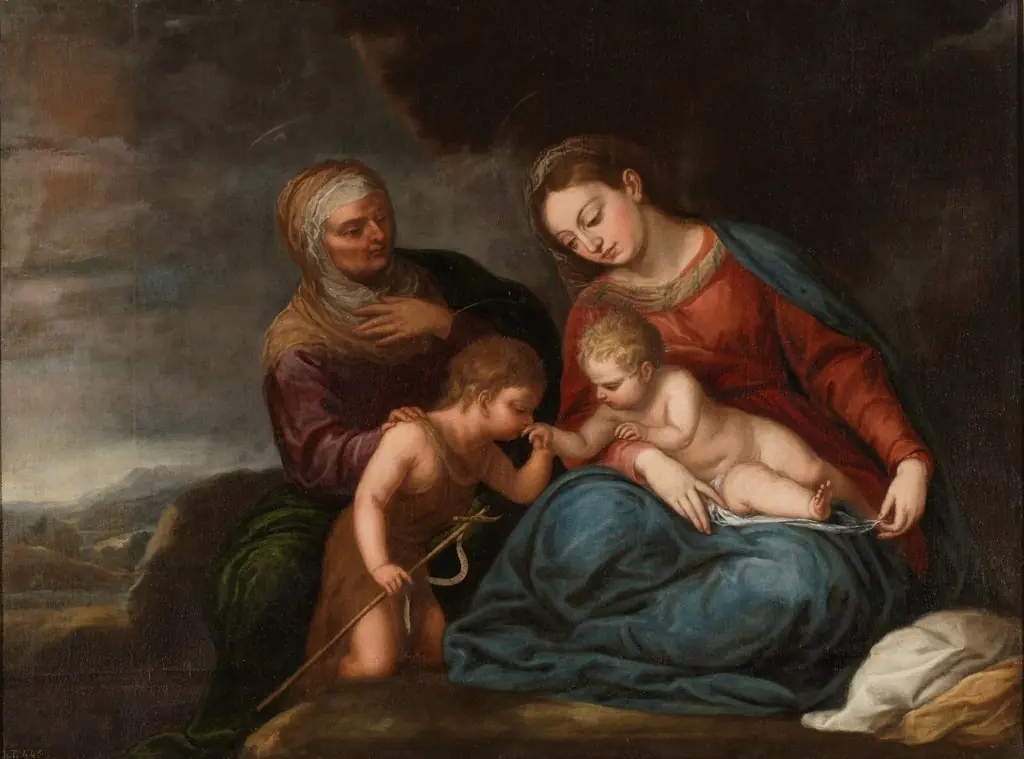 The Virgin and Child with Saints Elizabeth and John
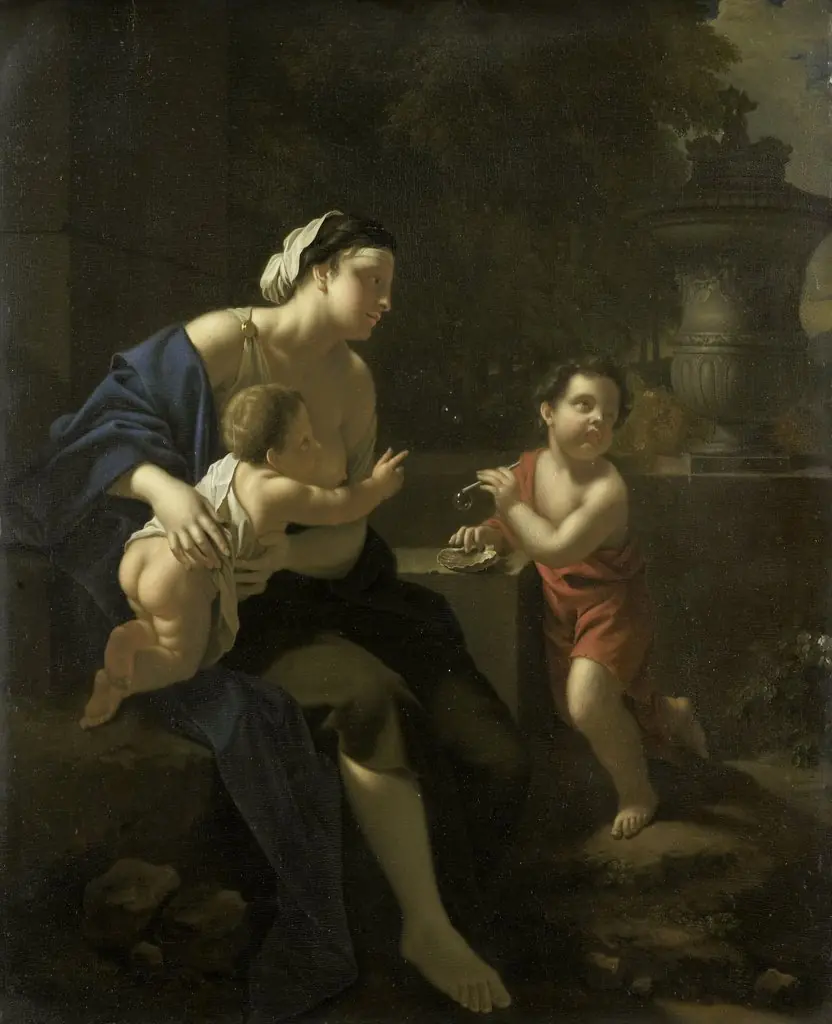 Blowing Bubbles
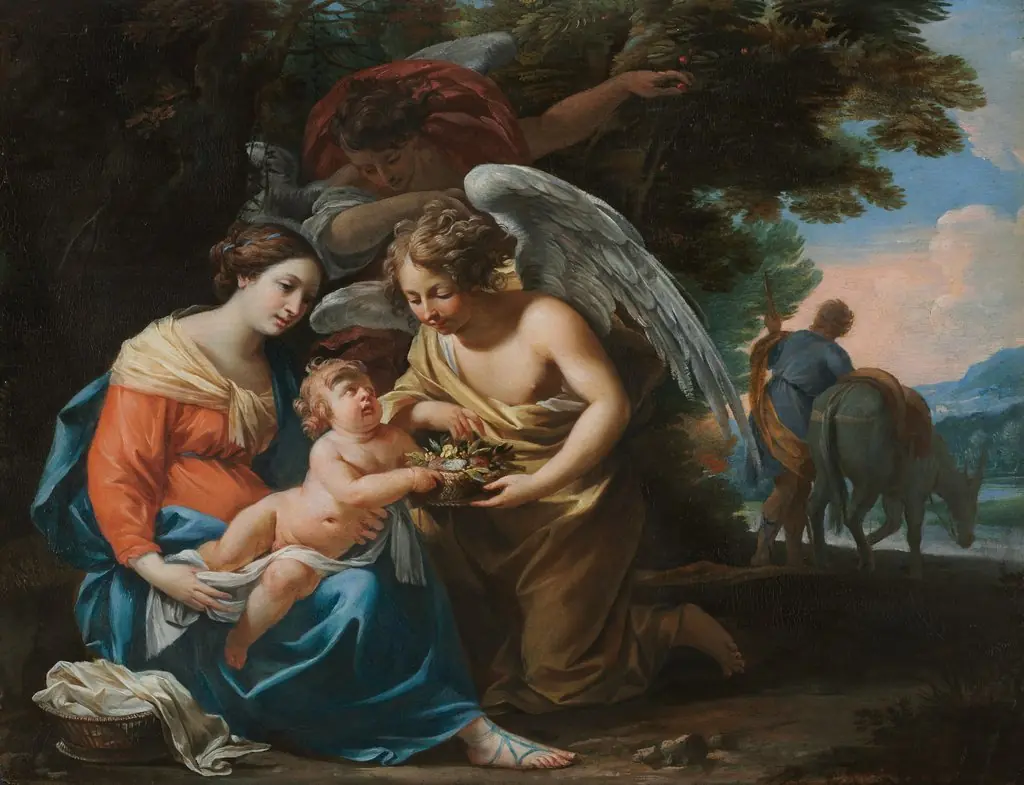 Rest on the Flight into Egypt
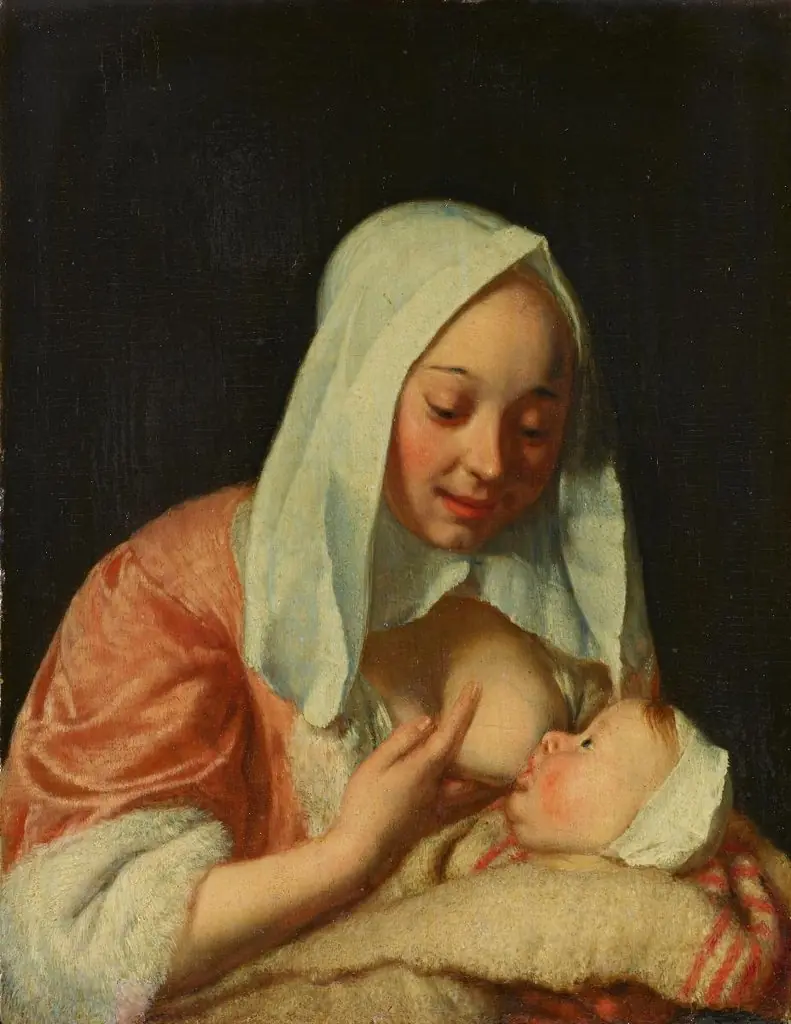 Mutter, ihr Kind stillend
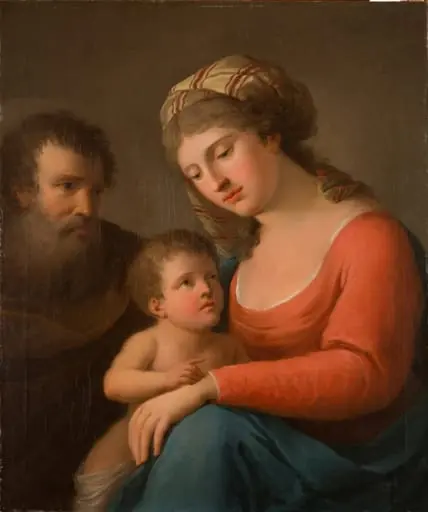 Die Heilige Familie
 Madonna della Sedia, kopio Rafaelin (Raffaello Sanzio) mukaan