Artwork
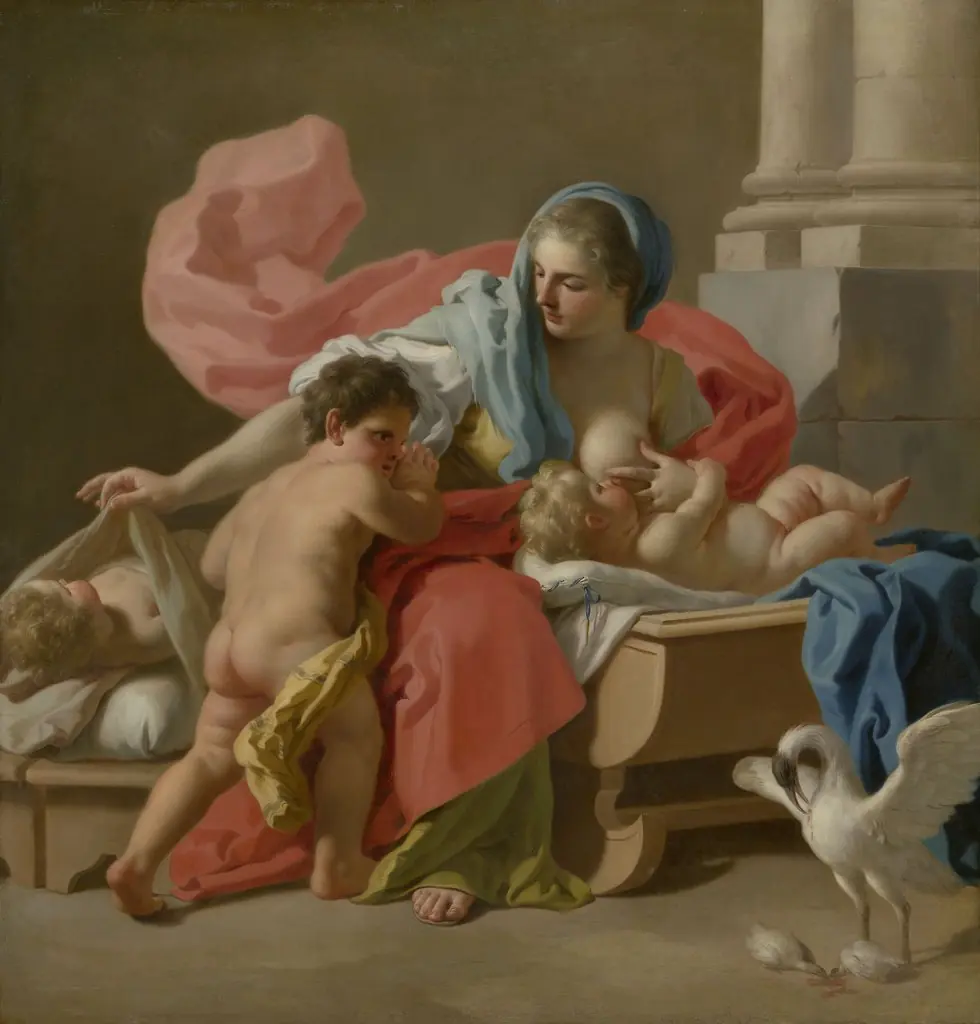
Allegory of Charity
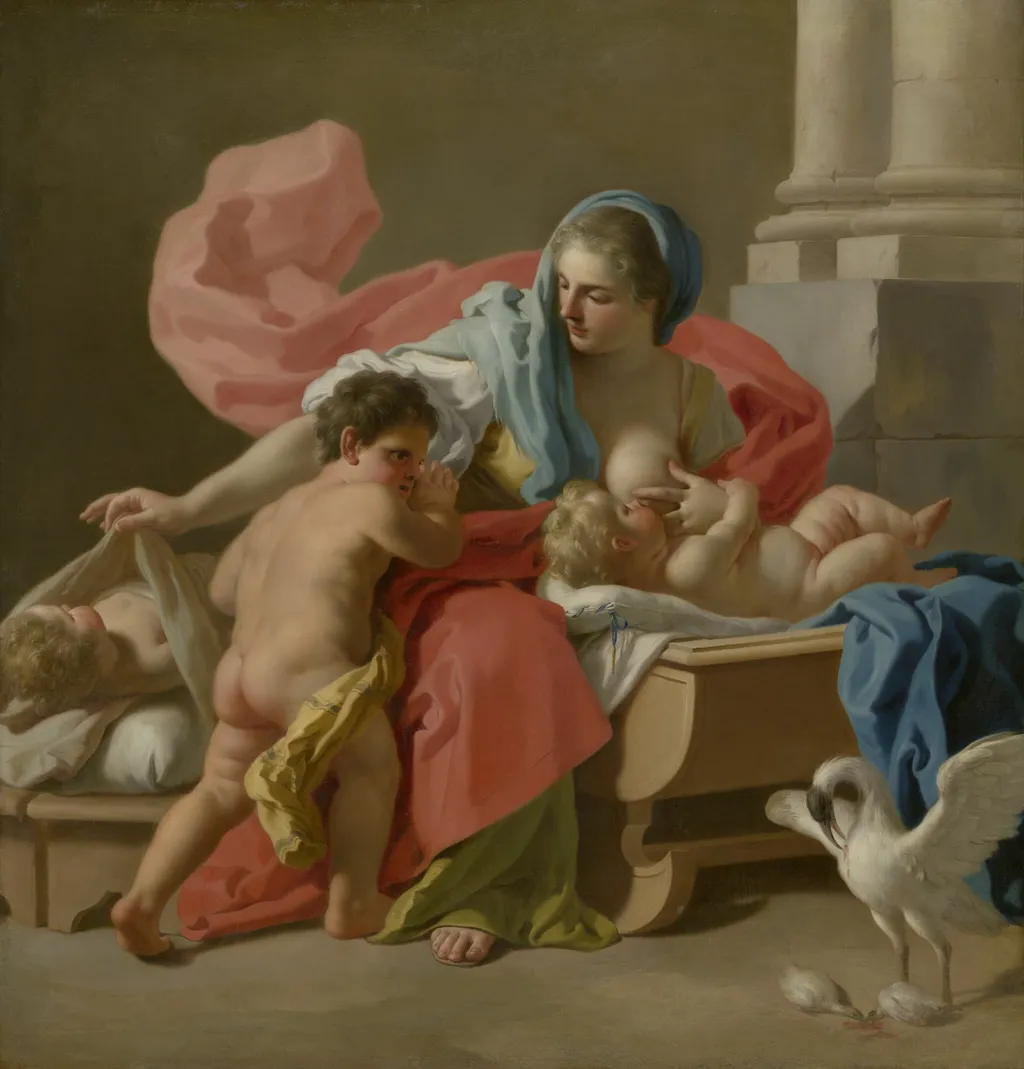
Allegory of Charity is an oil painting by the Baroque artist Francesco de Mura. It dates from 1744 and is held in the collection of the Art Institute of Chicago.
About this work
Overview
Allegory of Charity is an oil on canvas painting depicting the virtue of charity through symbolic representations of maternal sacrifice and selfless love.
Subject & Meaning
The painting contrasts two maternal figures: a human mother nurturing children and a pelican feeding its young with her own blood, a Christian symbol of self-sacrifice. The scene embodies the virtue of charity, emphasizing the themes of nurturing and sacrifice.
Technique & Style
Characterized by grand, calm figures and dynamic drapery, the work reflects Francesco de Mura’s distinctive style, blending serenity with expressive elements. Notable is the juxtaposition of soft lighting on the mother’s face and attire with the vibrant, sharp details of the pelican.
History & Provenance
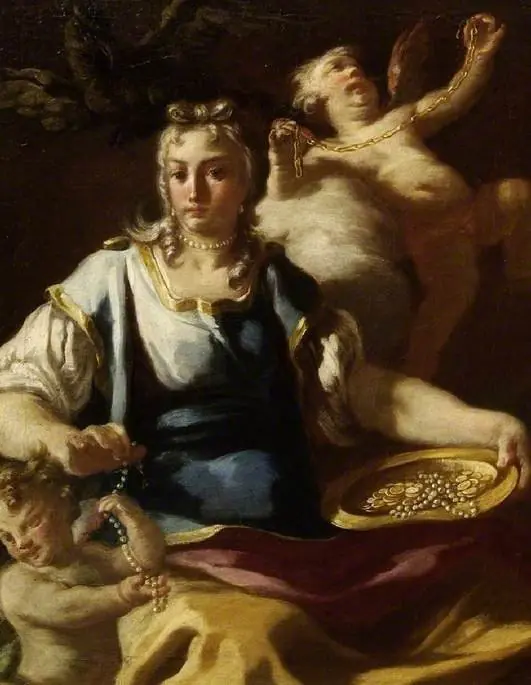
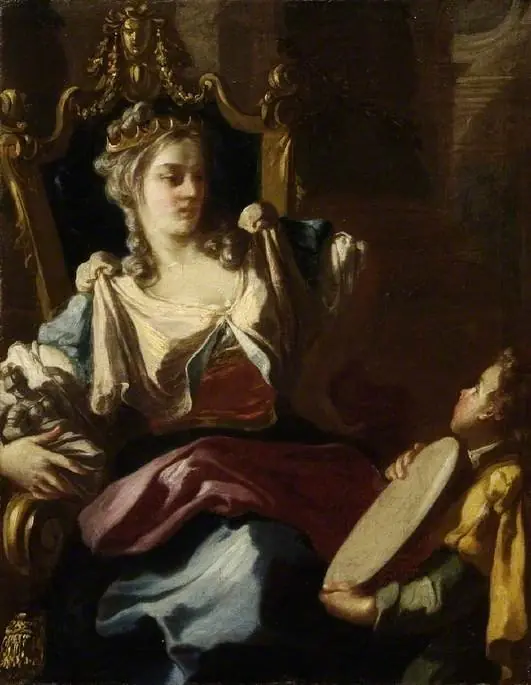
Originally part of a set of five virtue allegories commissioned for the Palace of the King of Savoy in northwest Italy, this painting was created during de Mura’s 1740s tenure with the royal court. Evidence suggests the canvas was initially curved to fit a Rococo room decoration, later altered to a rectangular shape.
Context
Commissioned for a royal palace, the work was intended to adorn a space above doors, reflecting the artistic patronage of the King of Savoy and the prevalent Rococo aesthetic of the time.
Legacy
While specific legacy details of this piece are not highlighted, it represents de Mura’s contribution to 18th-century European art, particularly the Neapolitan school’s influence on broader artistic practices.
Own this work as a print
Artist & collection
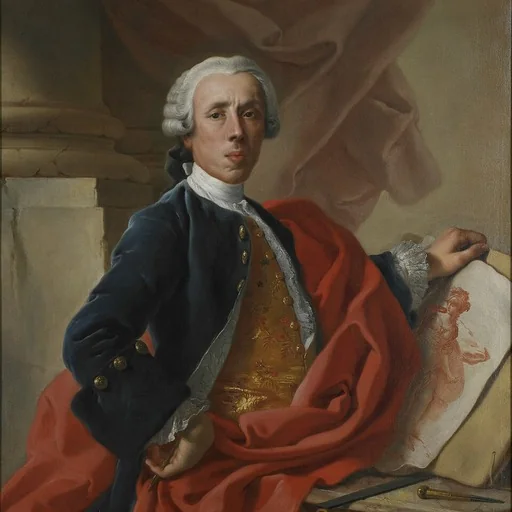
Artist
Francesco de Mura (21 April 1696 – 19 August 1782) was an Italian painter of the late-Baroque period, active mainly in Naples and Turin. His late work reflects the style of neoclassicism.