Artwork
Turcoaică
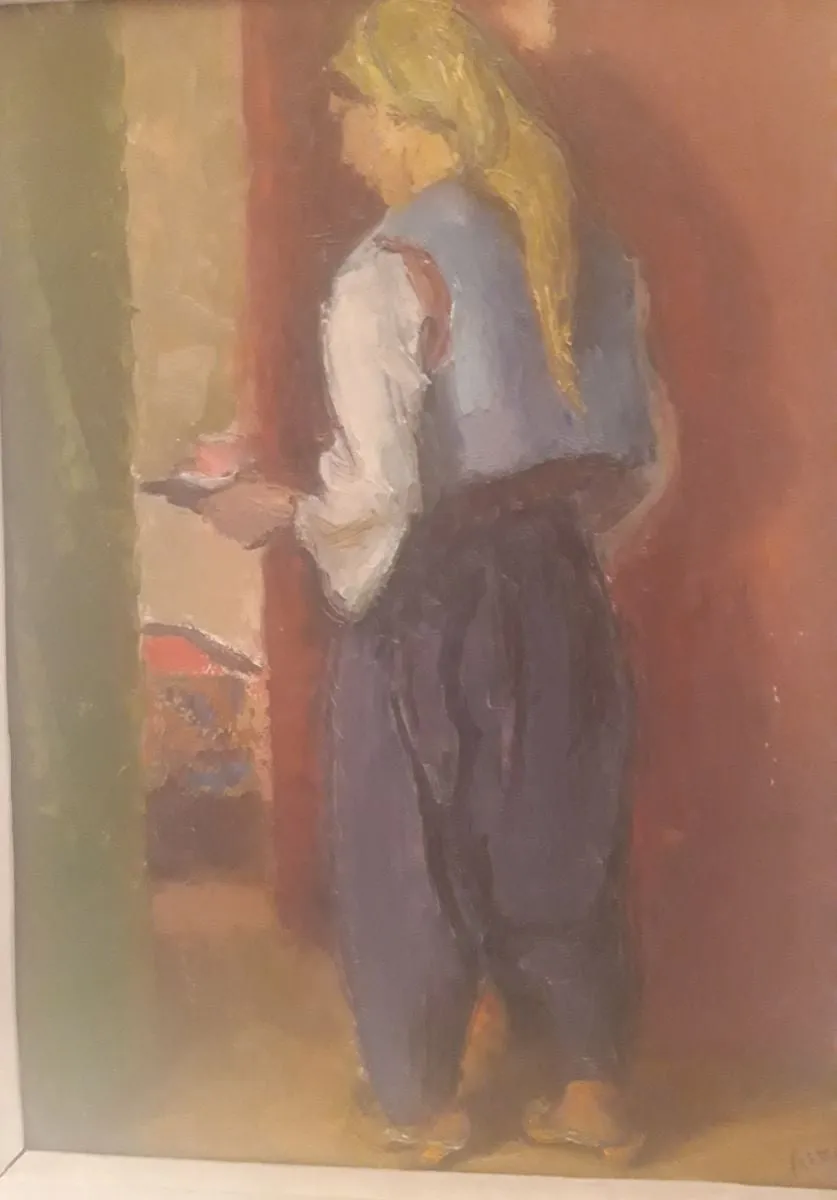
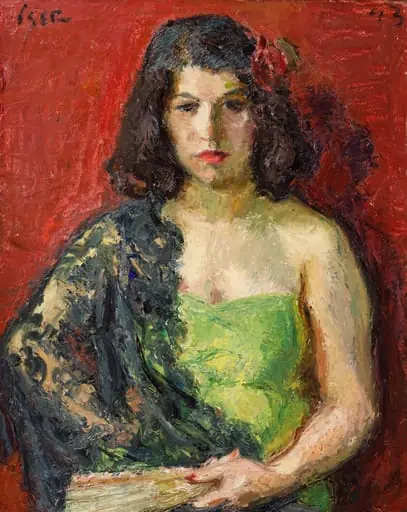
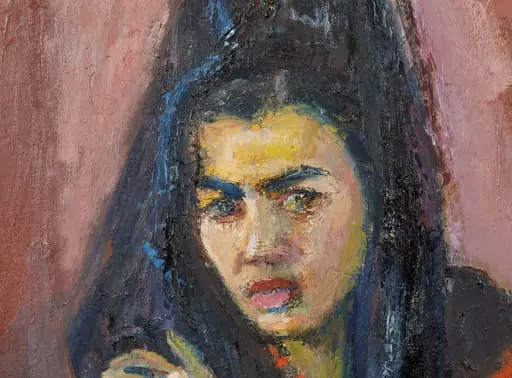
Turcoaică is an unspecified painting by Iosif Iser. It is held in the collection of the Bucharest Municipality Museum.
About this work
Overview
The painting resides in the Museum of Ethnography, where it is presented as part of a broader collection of regional cultural expressions.
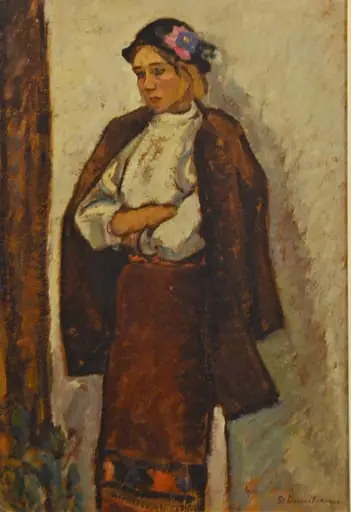
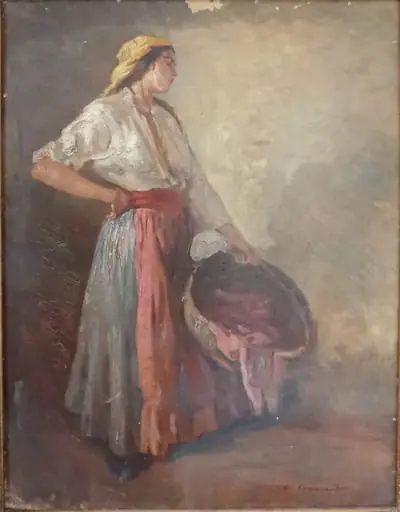
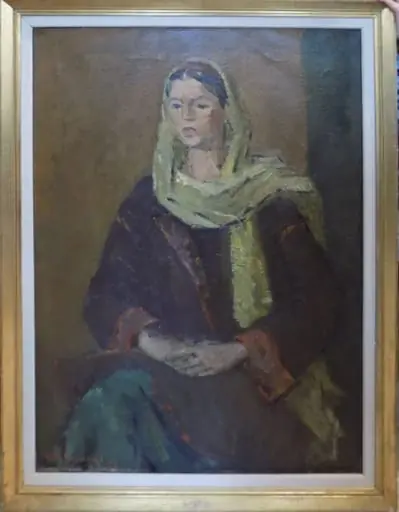
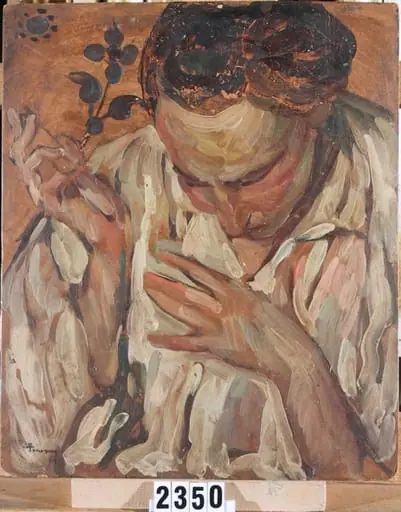
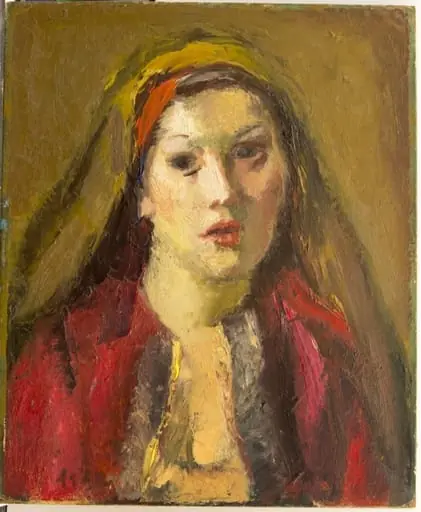
"Turcoaică" is a portrait painted by Iosif Iser, depicting a woman in quiet repose. Rendered in muted earth tones with soft transitions, the work conveys stillness through gentle brushwork and a restrained palette. The subject, dressed in a simple white shirt and dark trousers, holds a small vessel, suggesting domestic ritual. The painting resides in the Museum of Ethnography, where it is presented as part of a broader collection of regional cultural expressions.
Subject & Meaning
The figure in "Turcoaică" is portrayed without ornament or theatricality, emphasizing everyday presence over narrative drama. Her attire and the object she holds—a cup or plate—hint at routine domesticity, possibly tied to regional customs. The absence of context or symbolic elements invites contemplation of individual dignity within ordinary life, aligning with early 20th-century ethnographic interests in unidealized human types.
Technique & Style
Iser employs subtle chiaroscuro to model the figure’s form, avoiding harsh contrasts. Soft sfumato blurs edges, particularly around the hair and shoulders, enhancing the sense of calm. Brushstrokes are blended rather than textured, with minimal impasto, favoring smooth surfaces that reinforce the painting’s tranquil mood. The warm, earthy background merges with the figure’s skin tones, unifying the composition in a single tonal harmony.
History & Provenance
The painting entered the collection of the Museum of Ethnography following its creation in the early 20th century, likely acquired during Iser’s period of ethnographic study in Romania’s rural regions. Its preservation there reflects institutional interest in documenting local life through art. No significant changes in ownership or restoration are documented, and it has remained in the museum’s permanent display since acquisition.
Context
Created during a time when Romanian artists increasingly turned to rural subjects, "Turcoaică" aligns with a broader movement to capture regional identity beyond urban elite culture. Iser’s focus on unadorned figures reflects influences from both academic realism and emerging ethnographic aesthetics. The work avoids romanticization, instead presenting its subject with observational neutrality, consistent with scholarly efforts to record folk life.
Legacy
Though not widely exhibited outside institutional settings, "Turcoaică" remains a representative example of Iser’s approach to portraiture within ethnographic art. It contributes to the historical record of how Romanian artists engaged with rural communities, using quiet realism to convey cultural specificity. The painting continues to inform studies on visual anthropology and early modern Romanian art practices.
Artist & collection
Artist
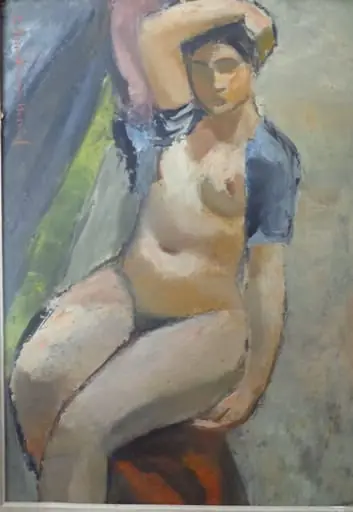
Iosif Iser painted everyday life with a focus on people and places. His 1933 work *Paris. Strada Mouffetard* shows a lively street scene in Paris, while *Nud pe fotoliu* depicts a seated nude figure. His brushwork…