Artwork
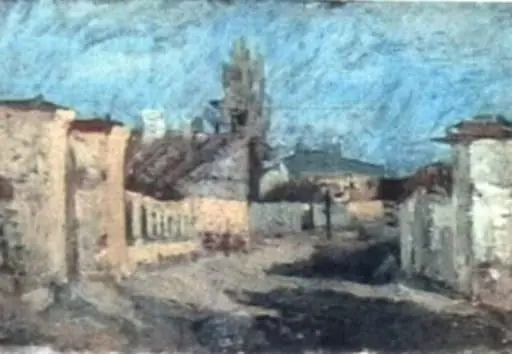
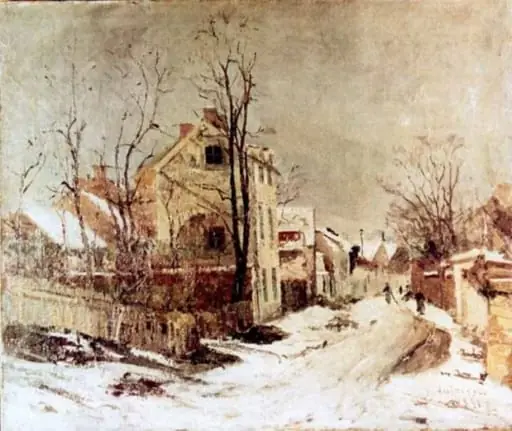
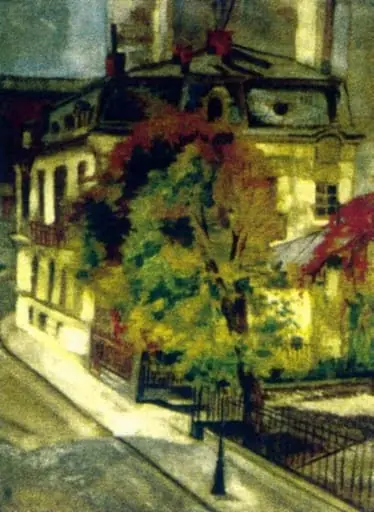
Stradă la Barbizon
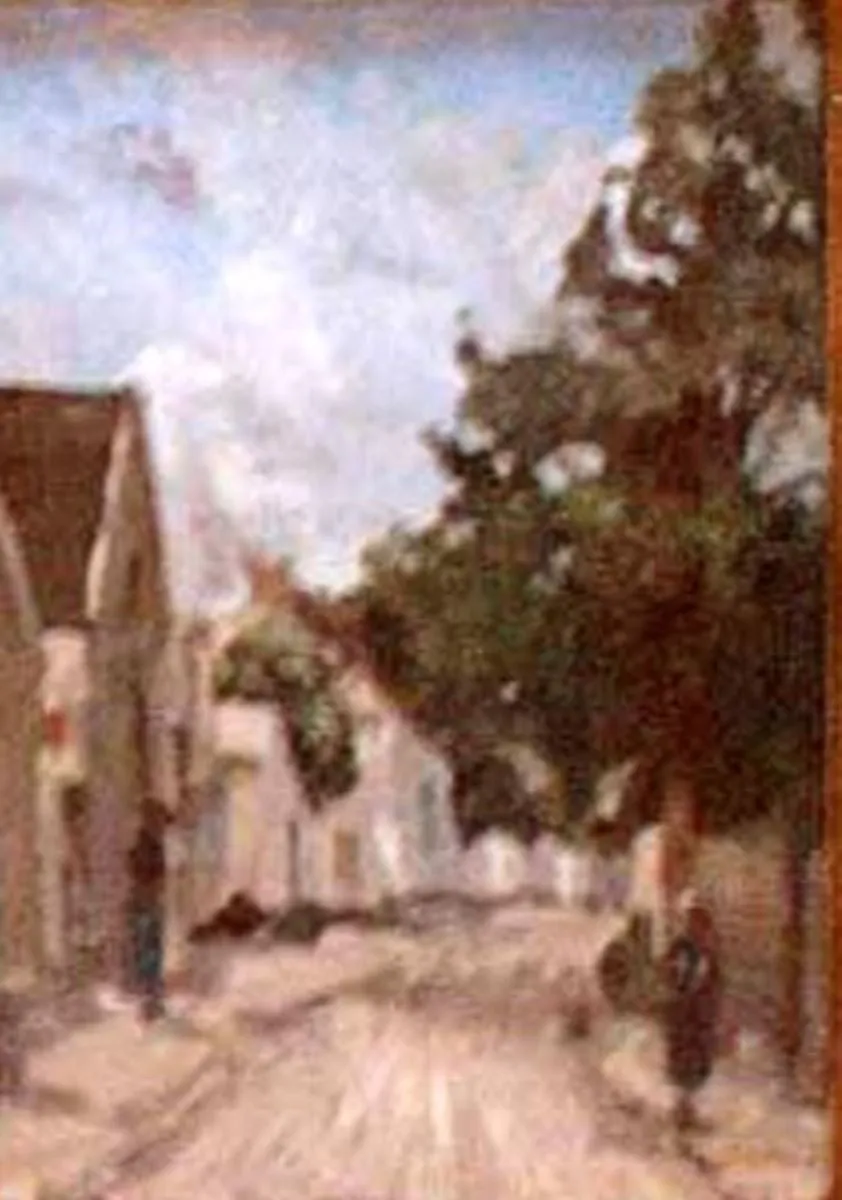
Stradă la Barbizon is an unspecified painting by Ion Andreescu. It dates from 1850 and is held in the collection of the National Museum of Art of Romania.
About this work
Overview
The composition captures a moment of quiet stillness, with snow lightly coating the ground, rooftops, and the bare branches of trees that line the way.
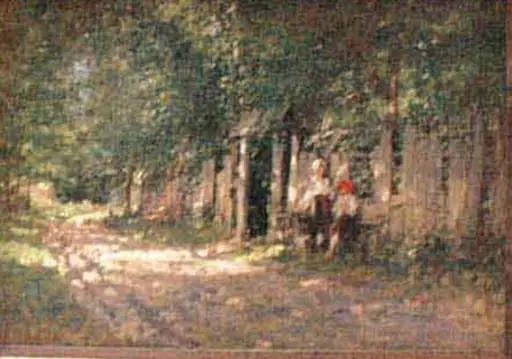
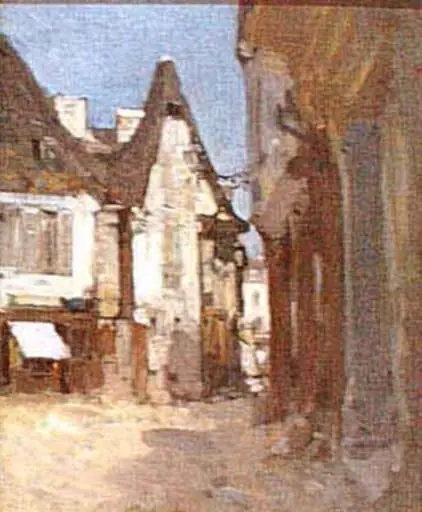
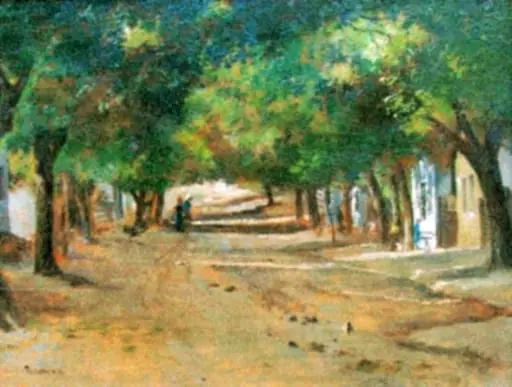
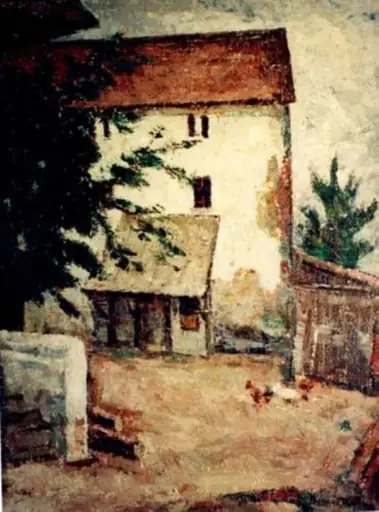
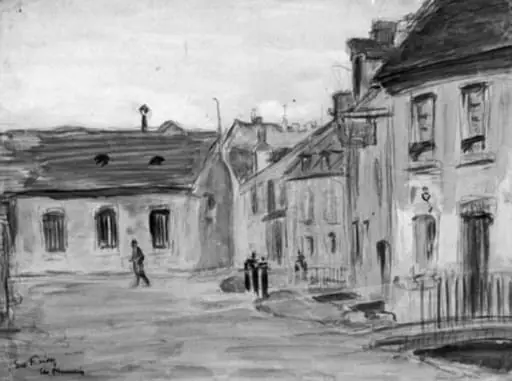
Ion Andreescu’s canvas titled *Stradă la Barbizon* depicts a tranquil winter scene of a narrow street flanked by aged façades. The composition captures a moment of quiet stillness, with snow lightly coating the ground, rooftops, and the bare branches of trees that line the way. The work’s subdued palette and calm atmosphere invite the viewer to contemplate everyday life in a modest, rural setting.
Subject & Meaning
The painting presents a modest urban thoroughfare, its weathered walls marked by patches of flaking paint and rough stone. Snow‑laden shrubs and skeletal trees frame the view, emphasizing the passage of time and the resilience of ordinary structures against the elements. By focusing on a simple, unadorned street, Andreescu underscores the dignity of commonplace environments.
Technique & Style
Andreescu employs a pronounced impasto technique, laying thick, tactile brushstrokes that give the masonry and foliage a palpable texture. The visible paint builds a sense of materiality, allowing the viewer to almost feel the cold stone and the weight of snow. The handling of light is restrained, with muted tones that enhance the wintry mood without dramatic contrast.
History & Provenance
Created around the mid‑19th century, *Stradă la Barbizon* reflects Andreescu’s early engagement with plein‑air observation, a practice he later refined in his career. The work entered private collections before being acquired by a regional museum, where it has been displayed as part of exhibitions exploring Romanian landscape painting of the period.
Context
The title references Barbizon, the French village that inspired a generation of painters to work outdoors and depict rural life directly. Although Andreescu never visited the French school, the painting’s emphasis on natural light, texture, and everyday scenery aligns with the broader European shift toward realism and the study of atmosphere in the 1850s.
Artist & collection
Artist
Ion Andreescu painted quiet scenes of everyday life and landscapes in the late 1800s.