Artwork
Προσωπογραφία του Ανδρέα Νικ. Λόντου
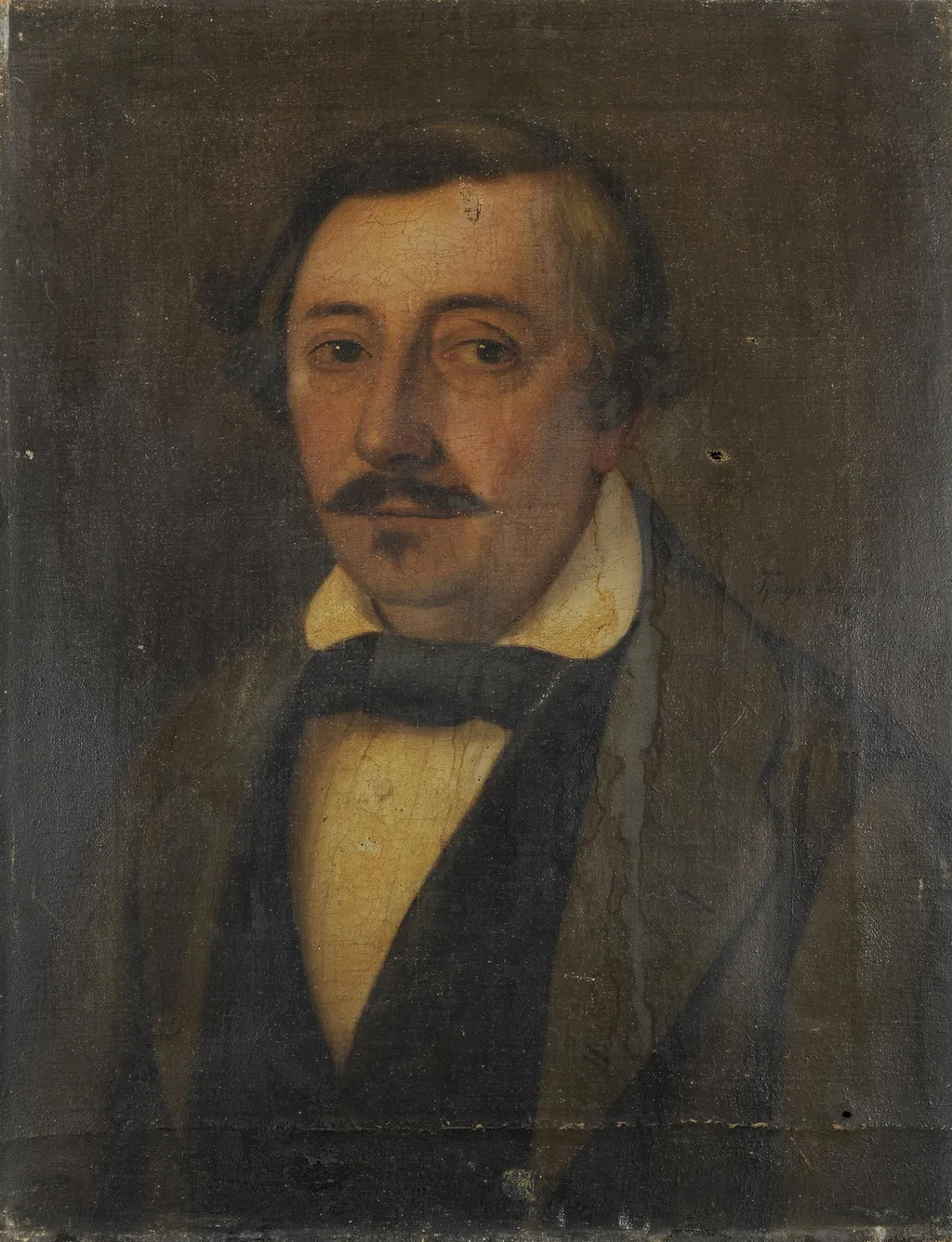
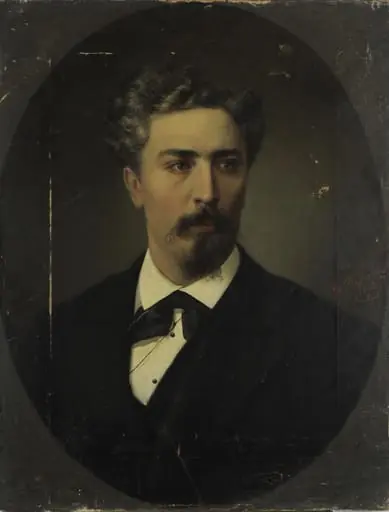
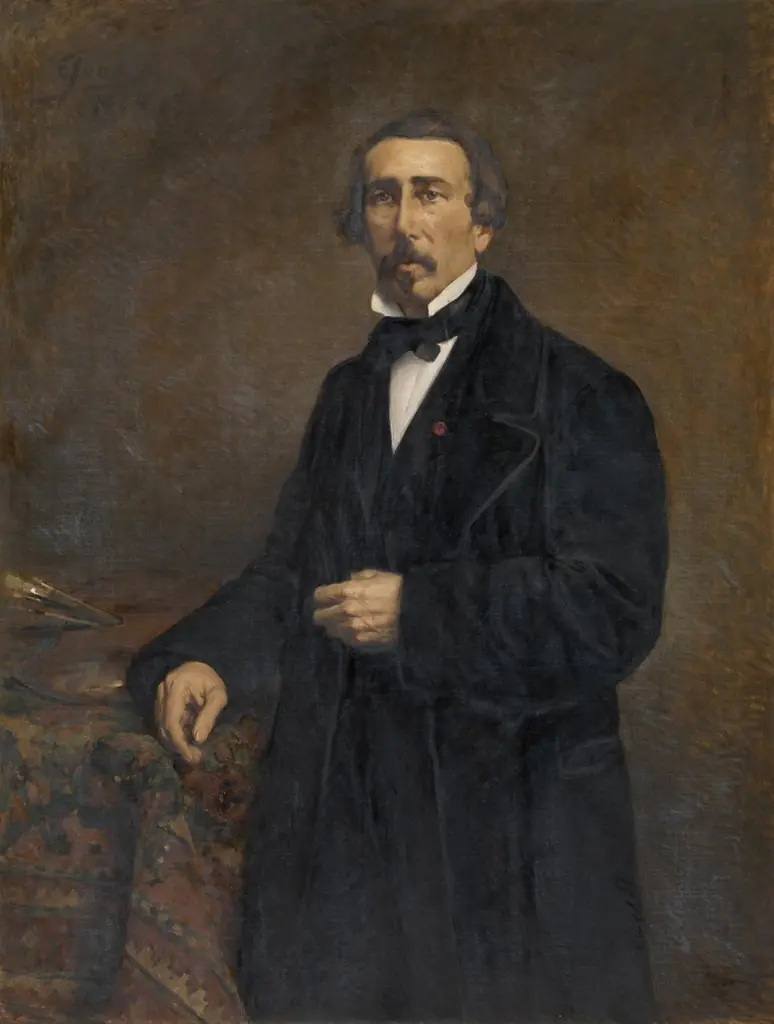
Προσωπογραφία του Ανδρέα Νικ. Λόντου is an unspecified painting by the Impressionist artist Kallivokas Dionysios. It dates from 1852 and is held in the collection of the Historical & Ethnological Society of Greece. Painted in 1852 by Dionysios Kallivokas, this portrait depicts Andreas N.
About this work
Overview
Painted in 1852 by Dionysios Kallivokas, this portrait depicts Andreas N. Loundou, a Greek figure of the 19th century. Executed in oil on canvas, the work is part of the Museum of Ethnography’s collection. Its restrained composition and muted palette reflect the period’s emphasis on individual dignity and quiet introspection, typical of early modern Greek portraiture.
Subject & Meaning
The subject, Andreas N. Loundou, is portrayed with a composed, forward gaze and a neutral expression, suggesting contemplation rather than emotion. His attire—a white shirt and black vest—indicates middle-class status and modesty. The absence of symbolic objects or elaborate settings focuses attention on his presence, implying a portrait intended to convey character rather than social status.
Technique & Style
Kallivokas employs a realistic approach with careful attention to texture and form. The rendering of fabric, facial hair, and skin tone is precise yet unembellished. The dark, non-descript background isolates the figure, enhancing the psychological intensity. Brushwork is controlled, avoiding theatricality, and light falls evenly to emphasize structural clarity over dramatic contrast.
History & Provenance
The portrait entered the Museum of Ethnography’s holdings in the early 20th century, likely through donation or institutional acquisition. Its preservation suggests it was valued as a cultural document rather than a decorative piece. While little is documented about Loundou’s life, the painting’s survival reflects its significance as a record of individual identity in post-Ottoman Greece.
Context
Created during a period of national redefinition after Greek independence, such portraits often served to affirm emerging civic identities.
Created during a period of national redefinition after Greek independence, such portraits often served to affirm emerging civic identities. Artists like Kallivokas moved away from religious iconography toward secular representation, capturing ordinary citizens with dignity. This work aligns with broader trends in Greek visual culture that prioritized realism and personal presence over idealization.
Legacy
Though not widely exhibited, the portrait remains a representative example of mid-19th-century Greek portraiture. It contributes to scholarly understanding of how ordinary individuals were visually documented during a time of social transformation. Kallivokas’s restrained style influenced later generations of Greek artists seeking authenticity over ornamentation in figurative work.
Artist & collection
Artist
Museum
Historical & Ethnological Society of Greece
Continue through works from the same source collection.
 Portrait of a Man
 Portrait of the Mining Engineer Nikolay Teplov
 Arkkitehti, insinööri Georg Theodor Polycron Chiewitz (1815-1862)
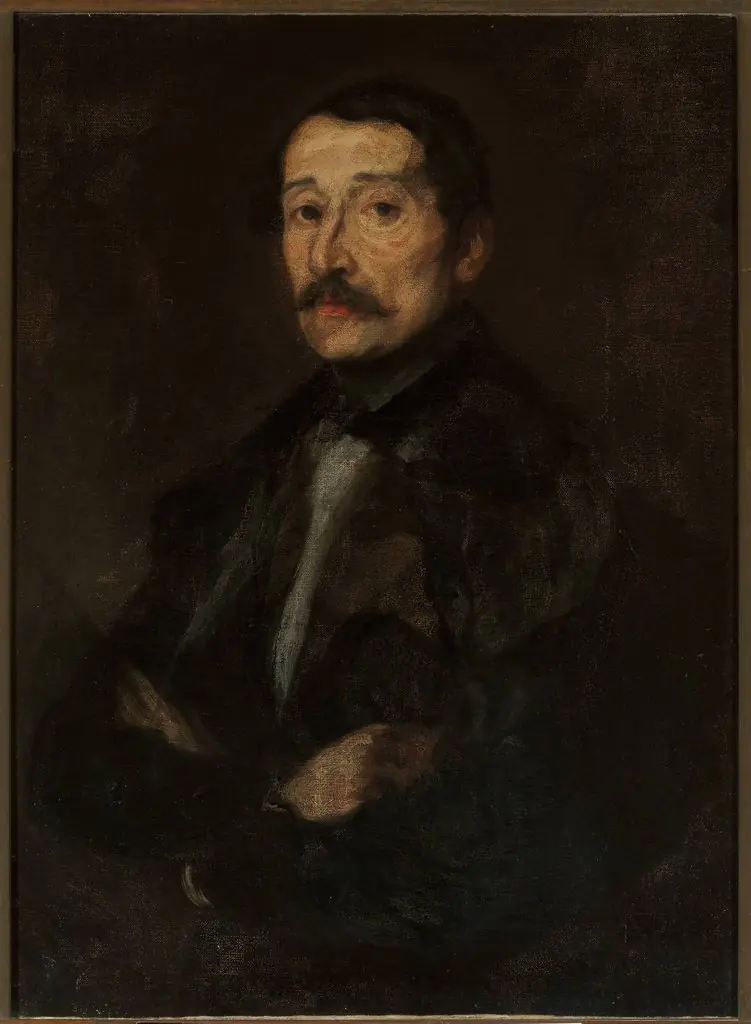 Portrait of Eustachy Wąsowicz
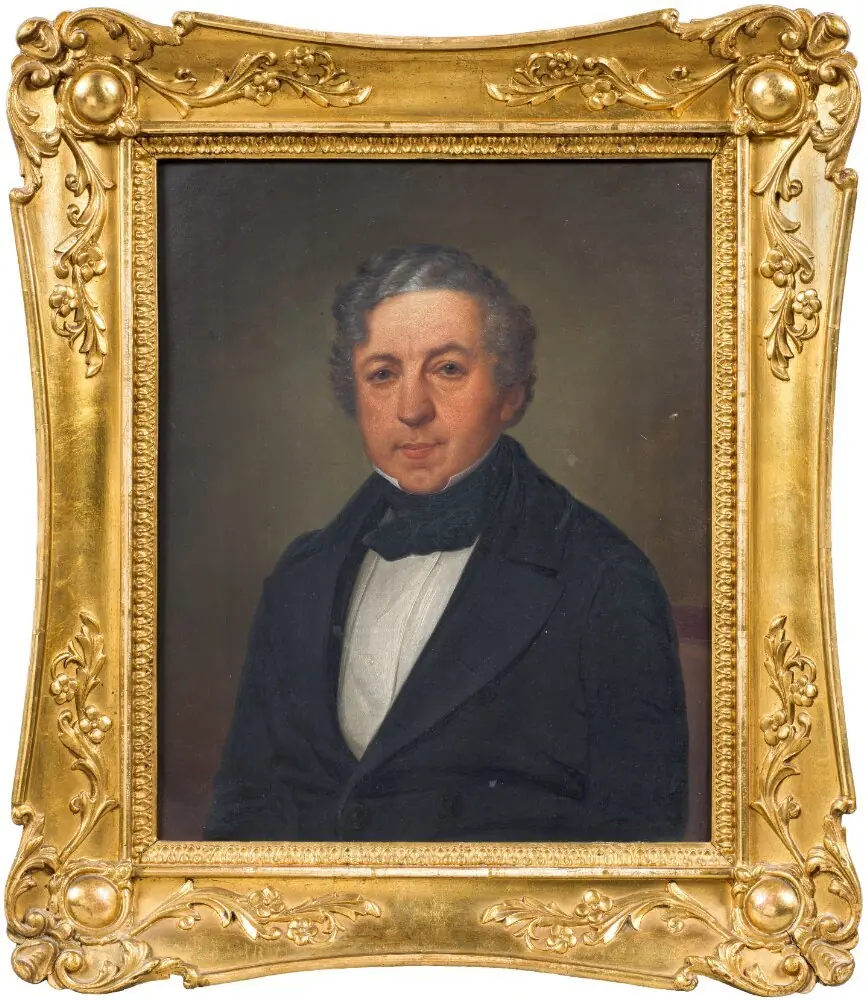 Julius Geber (1816-1876), wholesale dealer, banker, married to Hilda Philipson
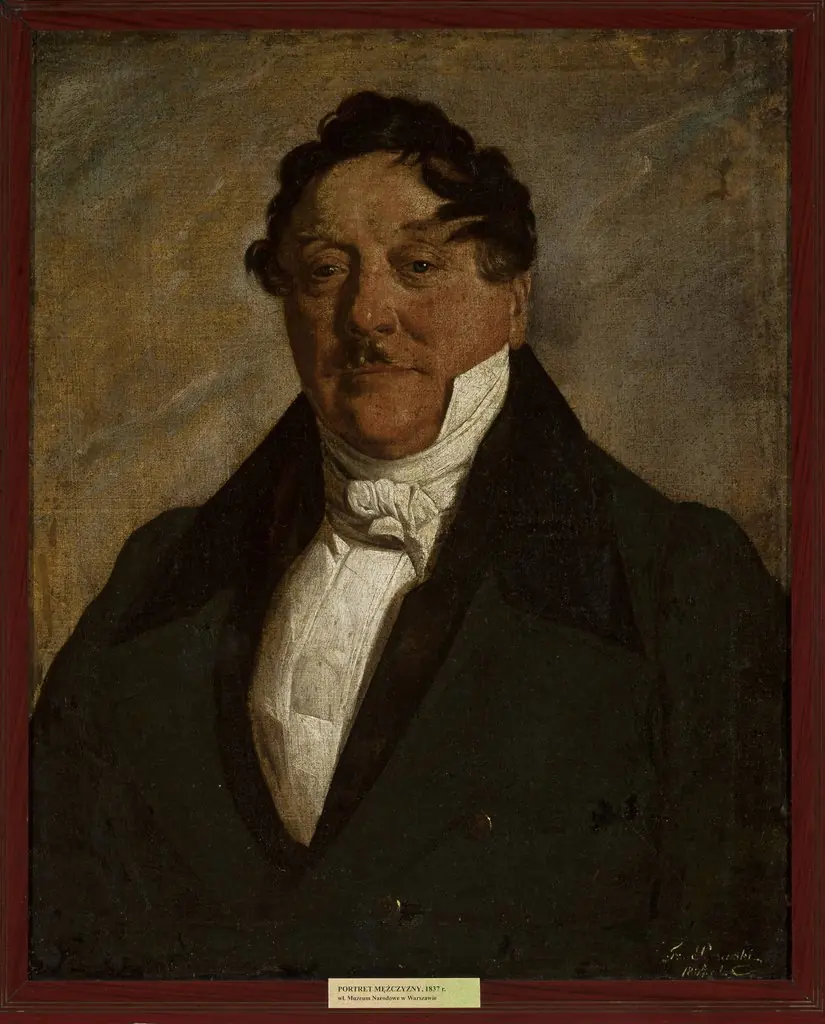 Portrait of a man in a white jabot
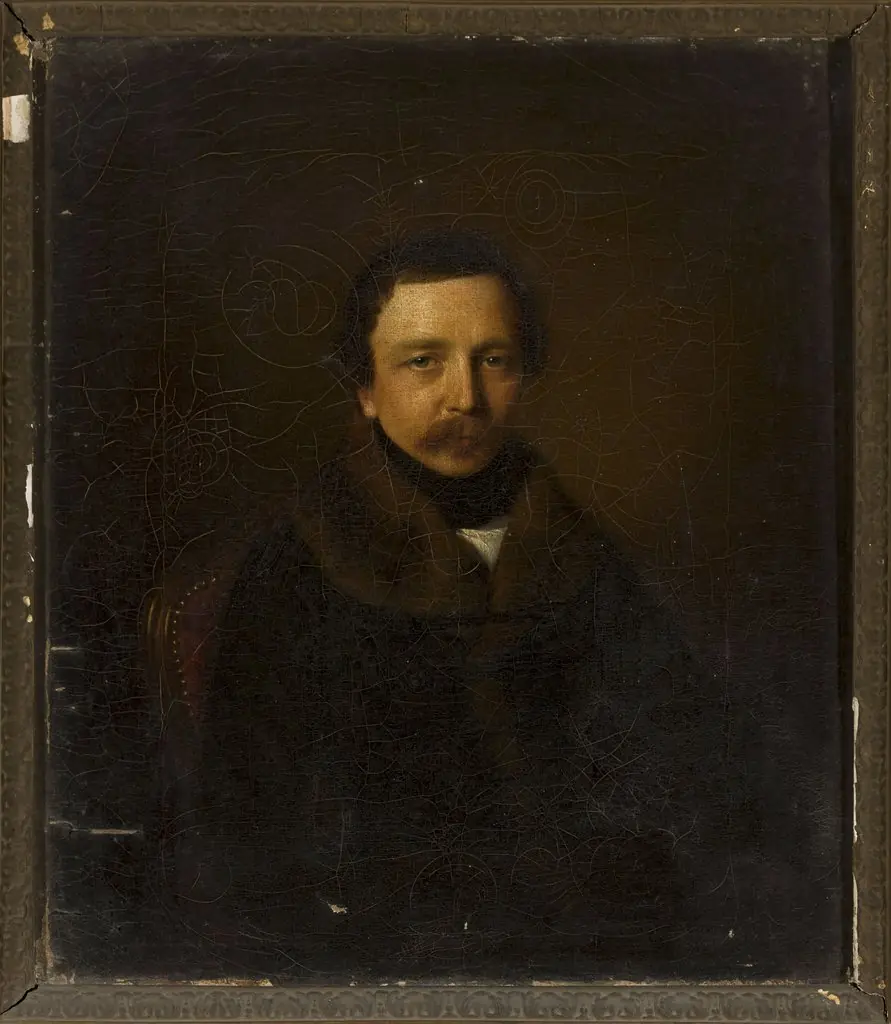 Portrait of a man in a coat with a fur collar
 The Painter Jacob Jacobs