Artwork
Προσωπογραφία του Στεφάνου Ν. Δραγούμη
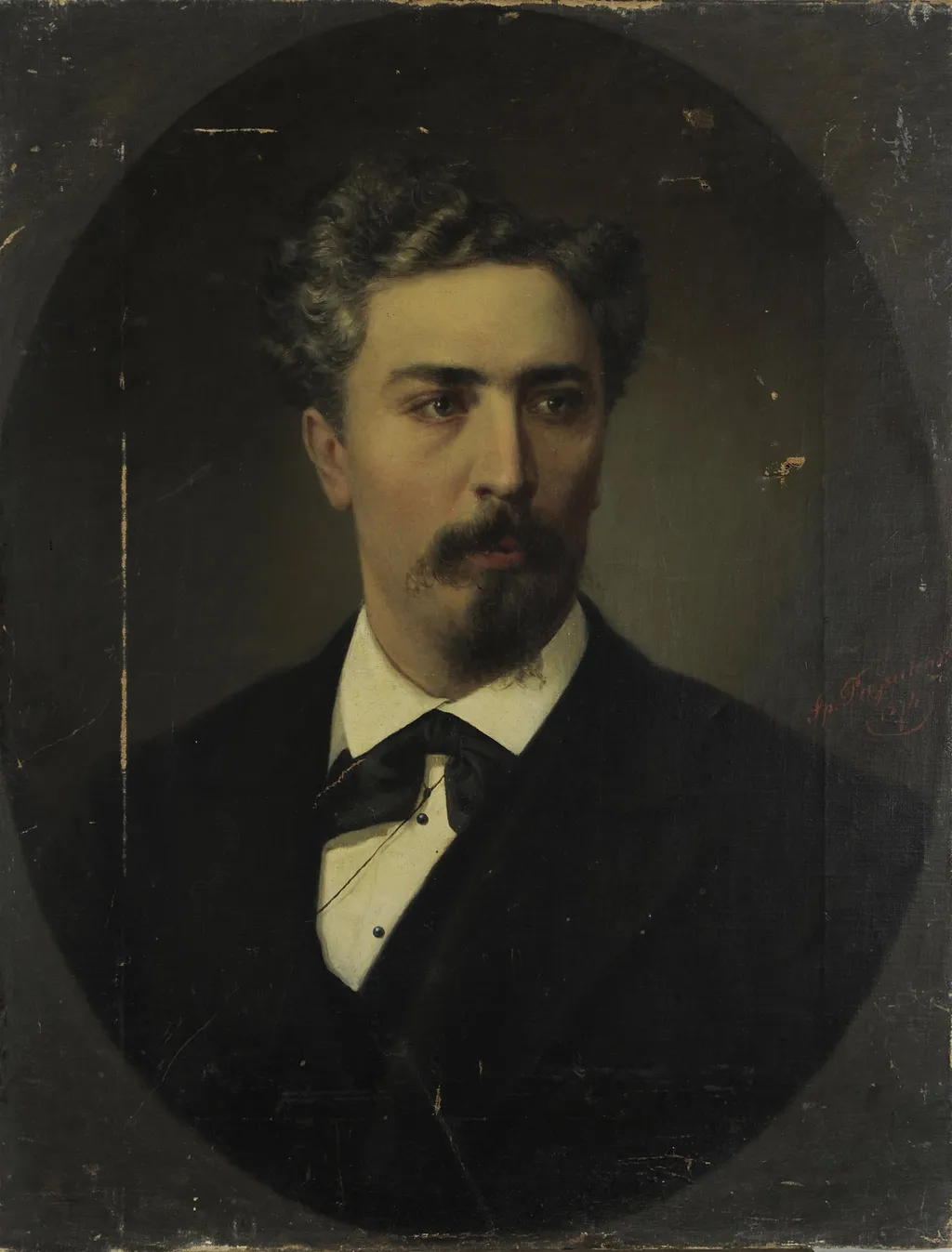
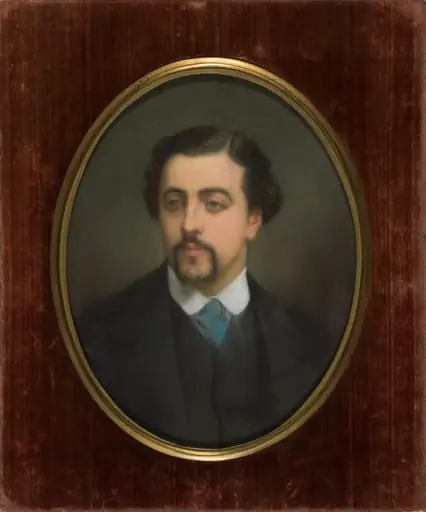
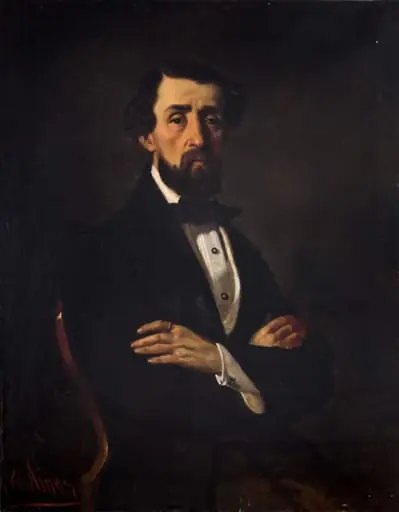
Προσωπογραφία του Στεφάνου Ν. Δραγούμη is an unspecified painting by the Impressionist artist Prossalendis Spyridon. It dates from 1874 and is held in the collection of the Historical & Ethnological Society of Greece.
About this work
Overview
Its restrained palette and precise rendering reflect a commitment to realism, characteristic of mid-to-late 19th-century Greek portraiture.
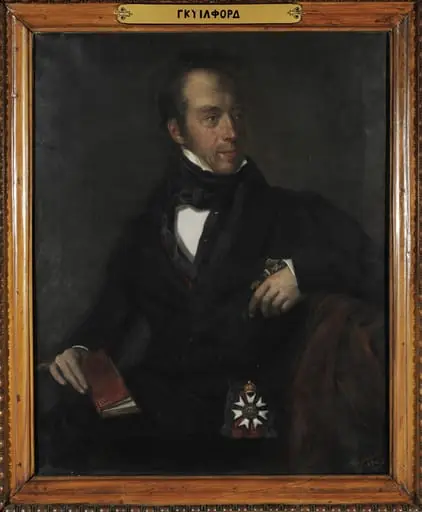
Painted in 1874 by Prossalendis Spyridon, this portrait depicts Stephanos N. Dragoumis, a figure associated with Greece’s modernizing elite. Executed in oil on canvas, the work belongs to the collection of the Museum of Ethnography. Its restrained palette and precise rendering reflect a commitment to realism, characteristic of mid-to-late 19th-century Greek portraiture. The subject’s formal attire and composed demeanor suggest social standing and personal gravity.
Subject & Meaning
Stephanos N. Dragoumis, a prominent intellectual and public figure of his time, is portrayed with solemnity and direct engagement. His gaze meets the viewer without embellishment, conveying a sense of introspection and authority. The absence of symbolic props or contextual elements focuses attention on his identity as an individual shaped by the cultural and political currents of post-Ottoman Greece. The portrait functions as a quiet assertion of personal dignity within a rapidly changing society.
Technique & Style
Spyridon employs a tightly controlled realism, emphasizing texture in the fabric of the suit, the sheen of the tie, and the fine detail of facial hair. Brushwork is subdued, avoiding theatricality; shadows define the contours of the face with subtlety. The dark, neutral background isolates the figure, enhancing the psychological presence of the sitter. Light falls evenly, avoiding dramatic contrasts, reinforcing the portrait’s restrained and dignified tone.
History & Provenance
The painting entered the Museum of Ethnography’s collection in the early 20th century, likely through donation or institutional acquisition tied to the cultural preservation efforts of the period. Its survival and continued display suggest recognition of Dragoumis’s significance in Greek public life. No record of prior ownership or exhibition prior to museum acquisition is widely documented, but its presence in the collection underscores its role as a historical artifact of elite identity.
Context
Created during a period of national consolidation after Greek independence, the portrait reflects the aspirations of a new educated class seeking to define modern Greek identity. Dragoumis, as a statesman and writer, embodied this transition. Portraiture of this era often served to legitimize social status through visual formality, aligning with European conventions while asserting local cultural continuity. The work stands as a quiet testament to the values of restraint and intellectual gravitas favored by Greece’s emerging bourgeoisie.
Legacy
Though not widely reproduced or publicly celebrated, the portrait remains a key example of 19th-century Greek academic portraiture. It contributes to the historical record of individuals who shaped modern Greece’s cultural institutions. Its preservation in a museum of ethnography, rather than fine arts, signals its value as a document of social identity as much as artistic achievement, offering insight into the visual language of elite self-representation during a formative era.
Artist & collection
Artist
Museum
Historical & Ethnological Society of Greece
Continue through works from the same source collection.