Artwork
Aigrette
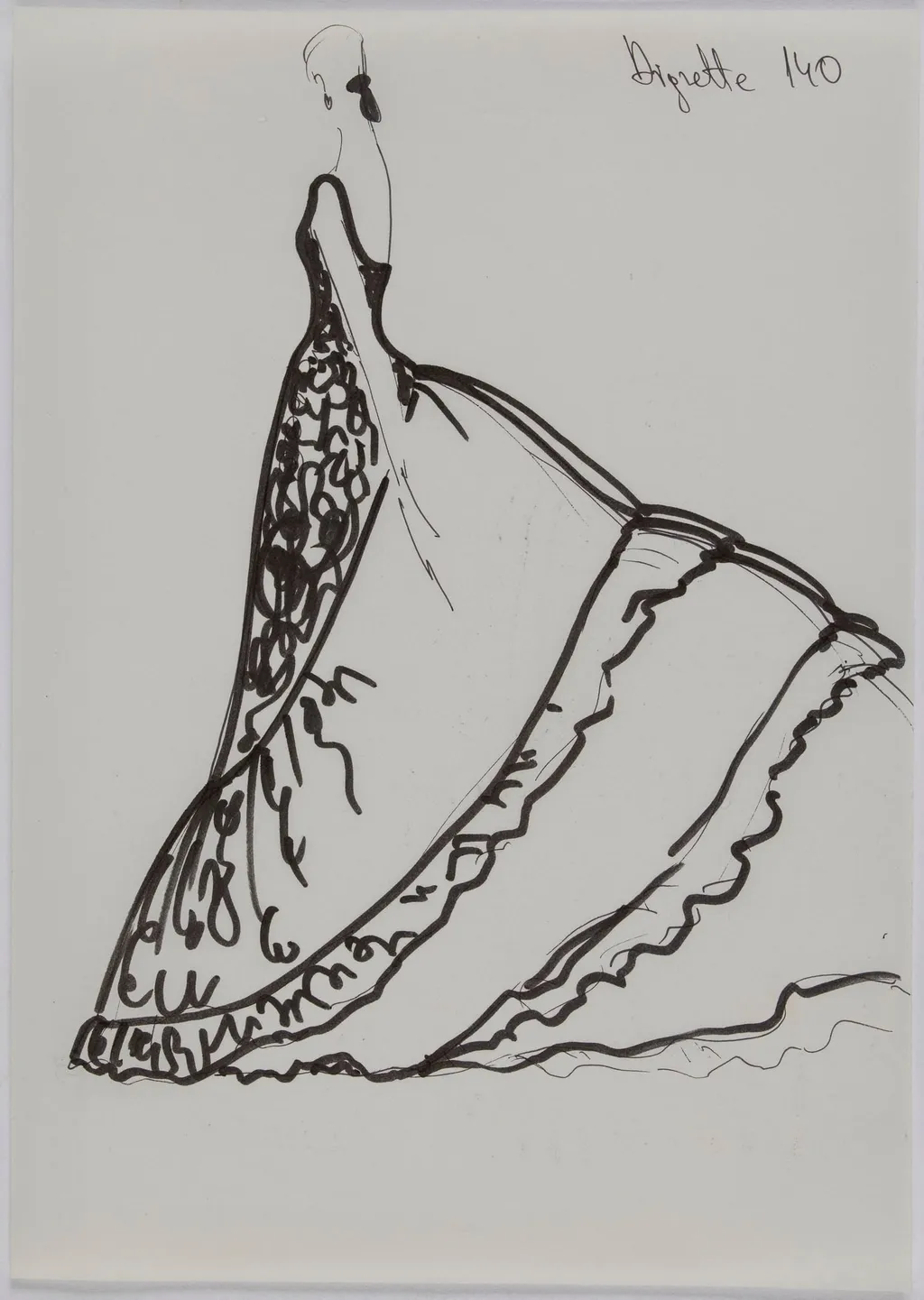
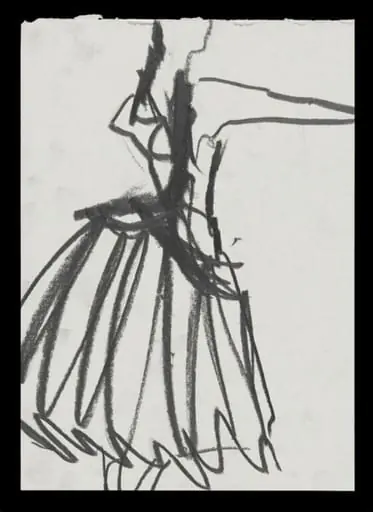
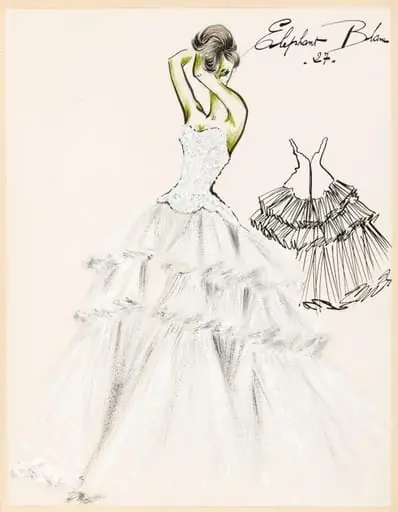
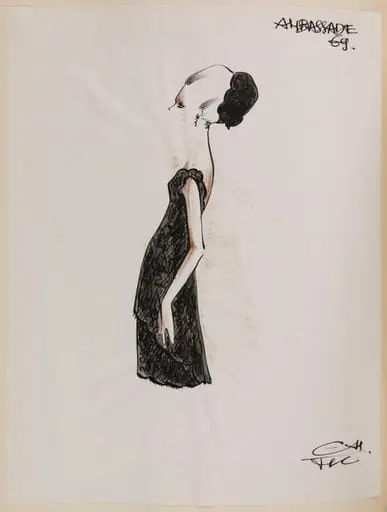
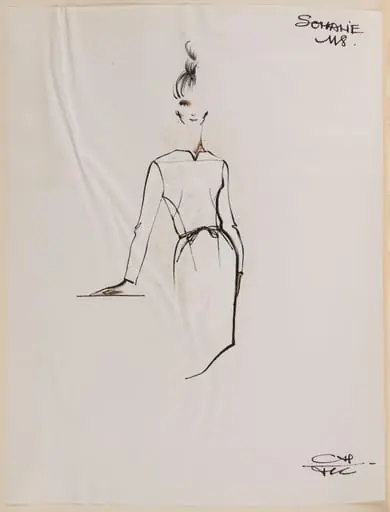
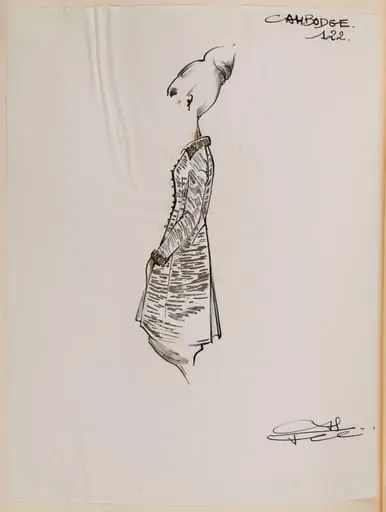
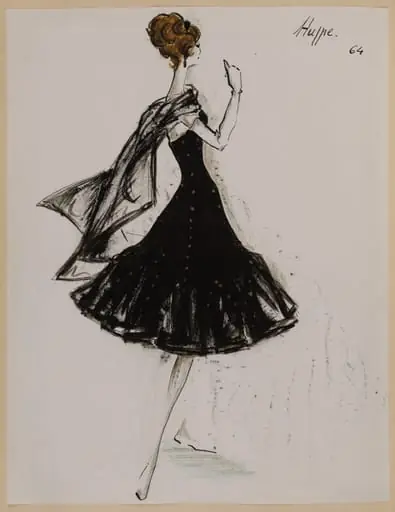
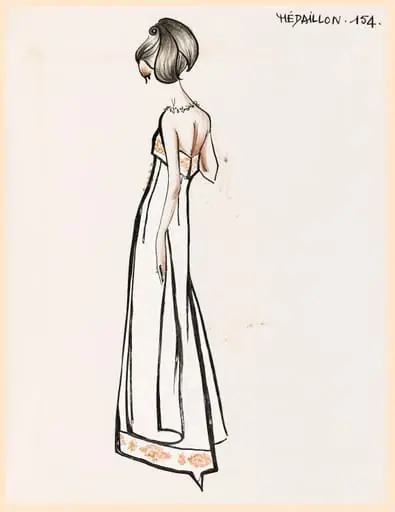
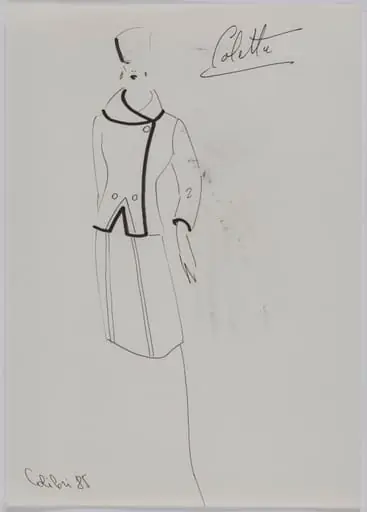
Aigrette is a drawing by Marie-Louise Carven. It dates from 1960 and is held in the collection of the Palais Galliera - Musée de la Mode de la Ville de Paris.
About this work
Overview
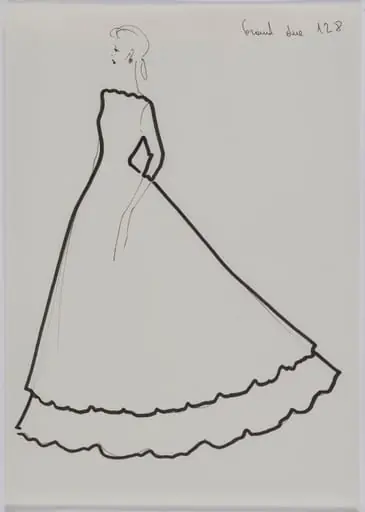
Aigrette is a black-and-white drawing of a dress, created around 1960, associated with the French fashion designer Marie-Louise Carven.
Aigrette is a black-and-white drawing of a dress, created around 1960, associated with the French fashion designer Marie-Louise Carven. The work captures a long, flowing garment with a high neckline and full skirt, rendered in meticulous detail. Though the drawing itself is not a garment, it reflects Carven’s design sensibility, emphasizing lightness and structure. It resides in the Museum of Ethnography’s collection as a record of mid-century fashion illustration.
Subject & Meaning
The dress depicted in Aigrette embodies Carven’s signature focus on elegant, wearable forms suited to petite figures. Its high neckline and voluminous skirt suggest a blend of modesty and movement, typical of postwar French femininity. The intricate patterns imply ornamentation derived from traditional textiles or lace, reinterpreted for modern dressmaking. The drawing serves as a design artifact, preserving the aesthetic ideals of a designer who prioritized practical grace over theatricality.
Technique & Style
The drawing employs fine hatching and cross-hatching to convey the texture and weight of lightweight fabric, likely silk or cotton. Shading is used to suggest the natural fall of the skirt and the crispness of the neckline, creating depth without color. The realistic rendering emphasizes fabric behavior—how it gathers, drapes, and responds to gravity. This technique reflects the precision expected in fashion illustration of the period, where clarity and detail were essential for production.
History & Provenance
Marie-Louise Carven founded her fashion house in 1945 and was among the earliest French couturiers to develop a ready-to-wear line. Aigrette dates from the height of her influence in the late 1950s and early 1960s, a time when her designs gained international recognition. The drawing entered the Museum of Ethnography’s collection as part of a broader effort to document fashion as cultural expression, rather than merely high art or luxury.
Context
In the postwar era, French fashion shifted toward accessibility and functionality. Carven’s designs, including those like Aigrette, responded to changing lifestyles and the rise of the modern woman. While Paris remained the center of haute couture, designers like Carven helped bridge the gap between custom tailoring and mass production. This drawing reflects that transition, capturing a garment designed for everyday elegance rather than ceremonial display.
Legacy
Aigrette stands as a testament to Carven’s role in democratizing fashion through thoughtful design and innovation, including her patent for the push-up bra. Though her name is less prominent today, her influence on silhouette and proportion endured in mid-century womenswear. The drawing’s preservation in an ethnographic museum underscores its value as a cultural document—evidence of how fashion articulated social norms and personal identity in its time.
Artist & collection
Artist
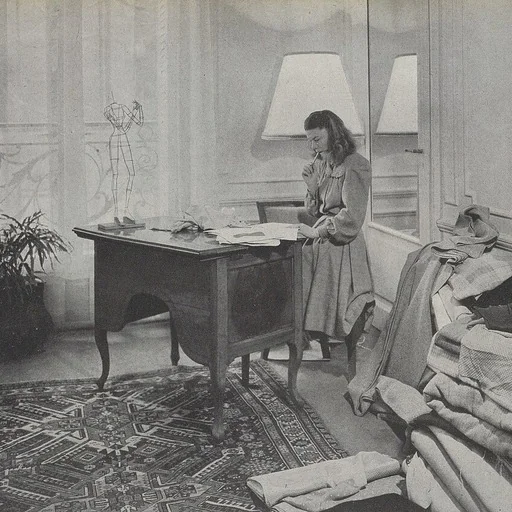
Marie-Louise Carven (31 August 1909 – 8 June 2015), born Carmen de Tommaso, was a French fashion designer who founded the house of Carven in 1945.
Museum
Palais Galliera - Musée de la Mode de la Ville de Paris
Continue through works from the same source collection.
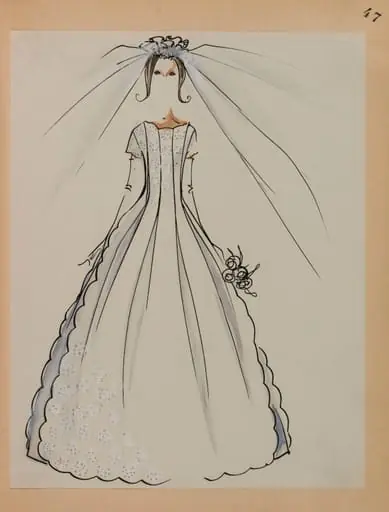 Robe de mariée festonnée et son voile
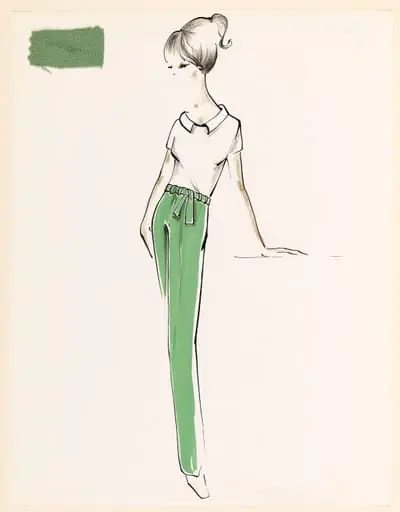 Haut blanc à manches courtes et pantalon vert à ceinture nouée
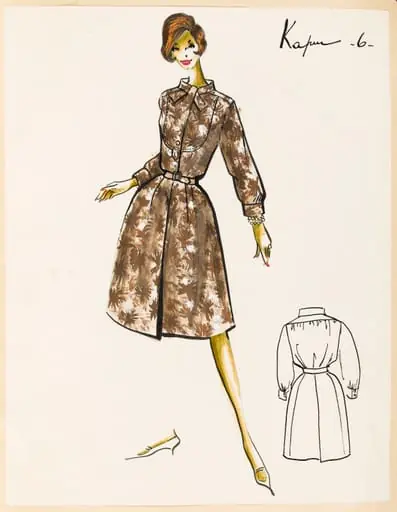 Kapur
Kapur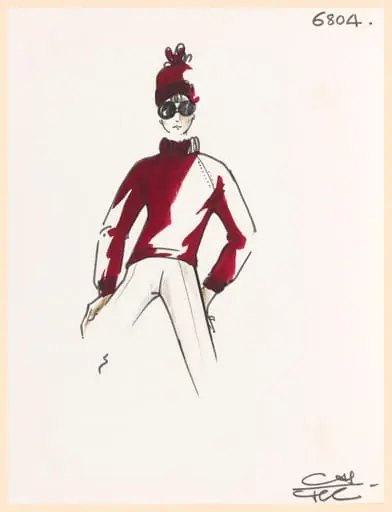 Pull-over à manches longues pourpre, bonnet assorti, pantalon et lunettes de soleil
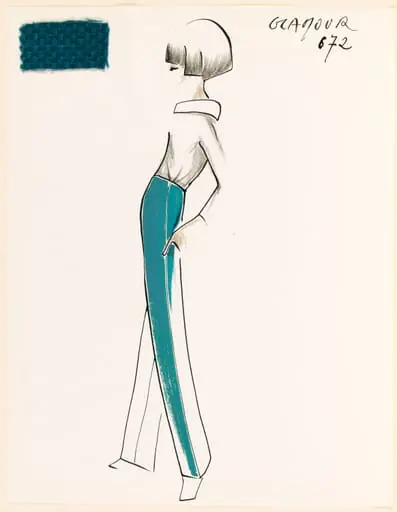 GLAMOUR
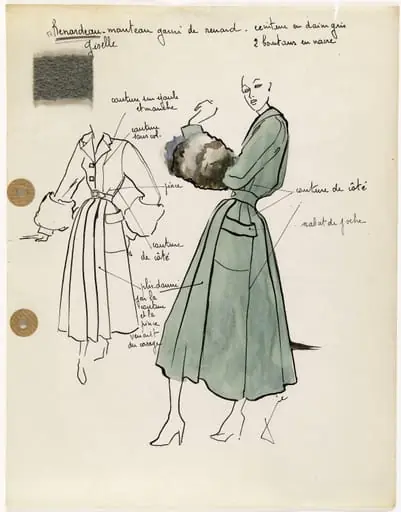 'Renardeau'
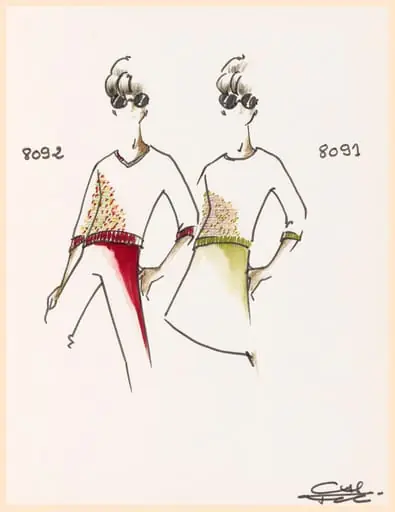 Pull-over à manches trois quarts et à encolure V à motifs multicolores, pantalon cerise et lunettes de soleil
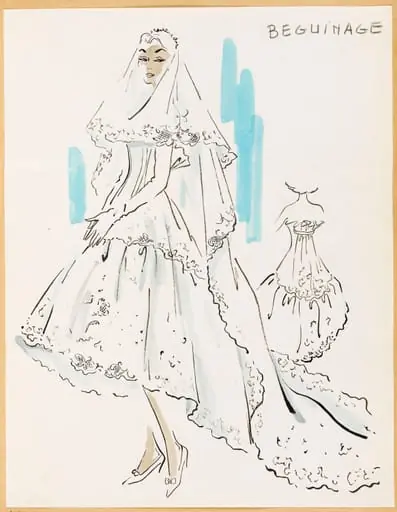 Béguinage
![[illisible], by Marie-Louise Carven](https://artifactworldgallery.com/img/marie-louise-carven--illisible--16484d01d88768f4-w320.webp)