Artwork
Candeur
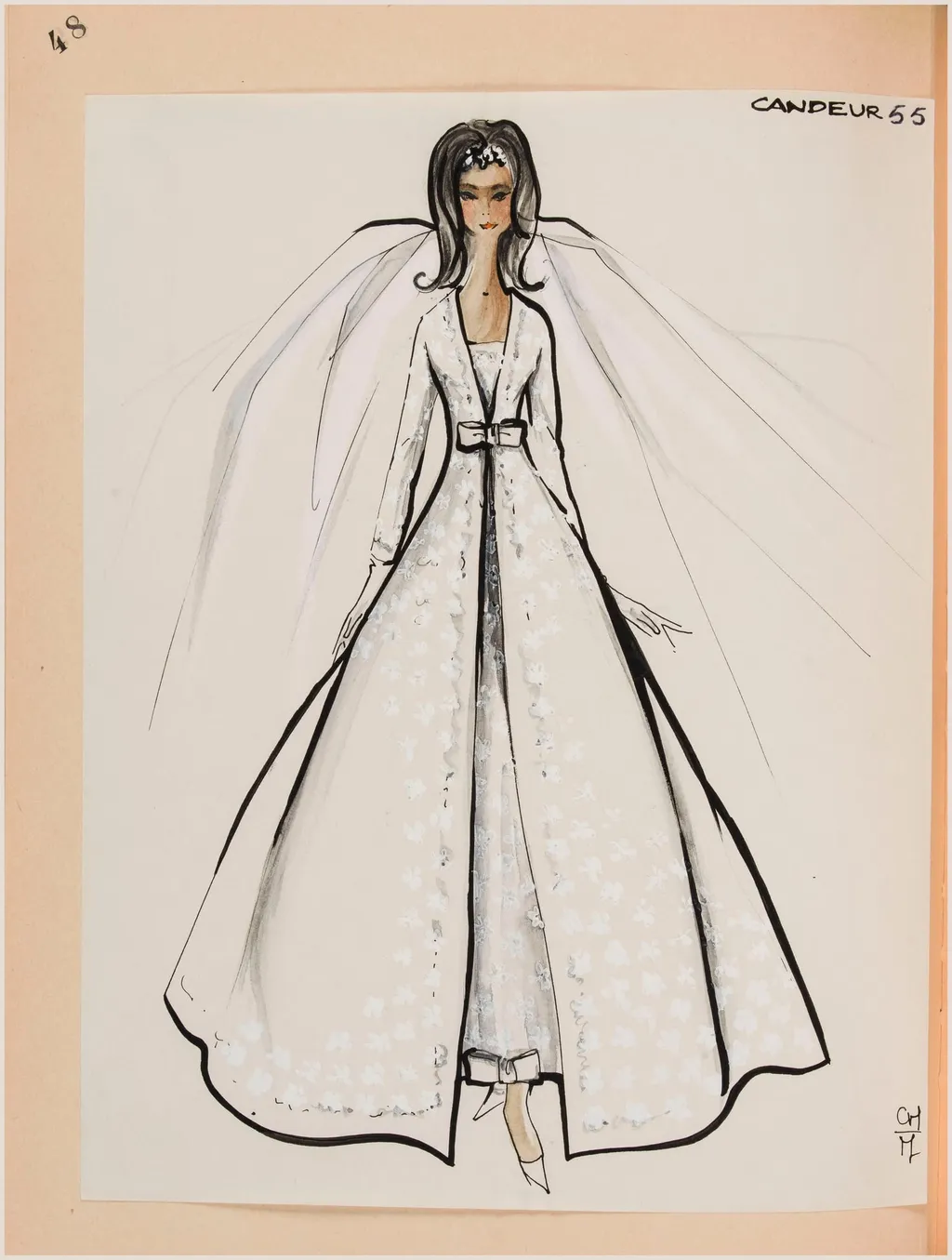
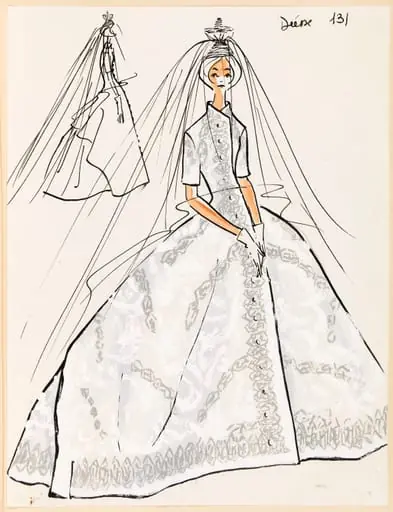
Candeur is a drawing by Marie-Louise Carven. It dates from 1963 and is held in the collection of the Palais Galliera - Musée de la Mode de la Ville de Paris.
About this work
Her sleeves are sheer, and the skirt flares out dramatically, almost touching the floor.
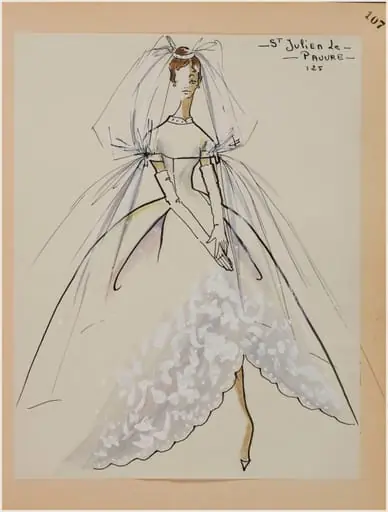
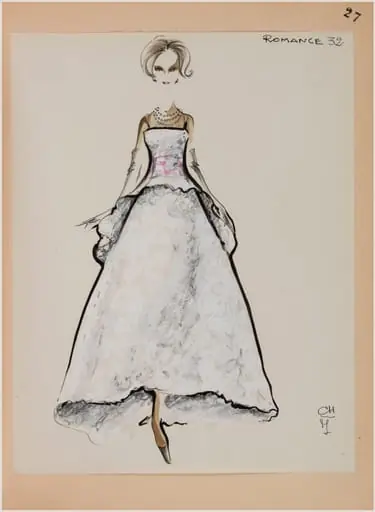
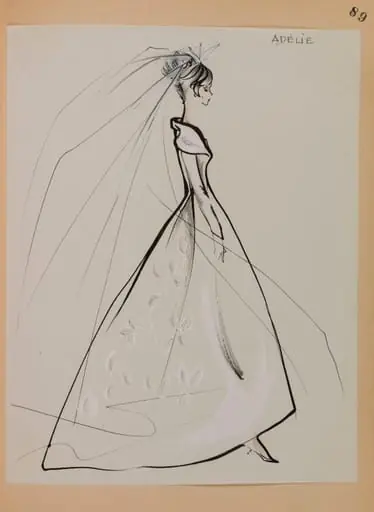
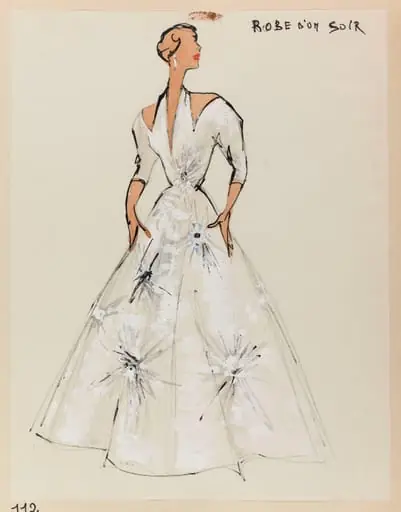
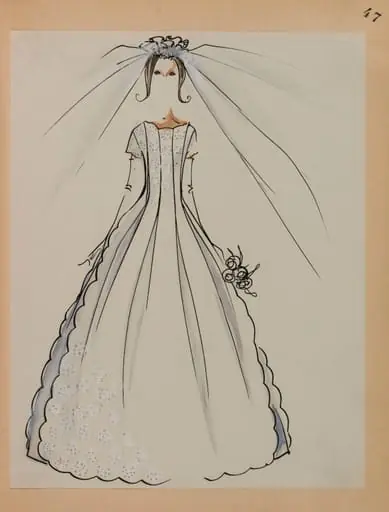
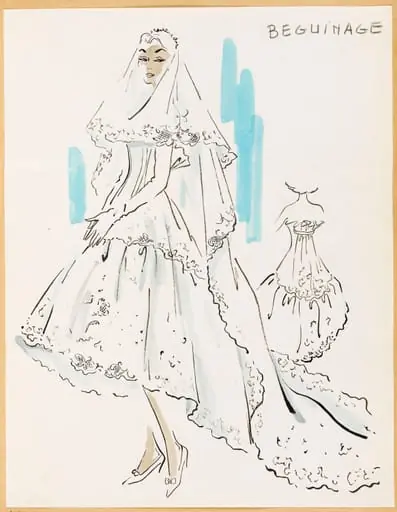
This sketch shows a woman in a long, flowing wedding dress. The dress is light with a dotted pattern and has a deep V-neck with a bow at the waist. Her sleeves are sheer, and the skirt flares out dramatically, almost touching the floor. The artist used loose, confident brushstrokes to suggest movement and fabric texture.
The dress looks like it’s made for a special occasion, with a veil trailing behind her. The bow at the waist adds a touch of elegance. This drawing was made in 1963 by Marie-Louise Carven.
If you like this style, look up voile.
Overview
Created in 1963 by French designer Marie-Louise Carven, *Candeur* is a preparatory sketch for a wedding gown, executed in ink and watercolor. It reflects Carven’s signature focus on delicate fabrics and tailored silhouettes for smaller frames. The drawing resides in the Museum of Ethnography’s collection, where it is valued as a document of mid-century French fashion design rather than as a finished garment.
Subject & Meaning
The sketch depicts a bride in a lightweight, floor-length dress with a deep V-neck and a small bow at the waist. A translucent veil trails behind her, suggesting ceremony and movement. The design avoids heavy ornamentation, emphasizing grace and simplicity. It conveys an ideal of quiet elegance, aligned with Carven’s philosophy of understated femininity suited to modern, active women.
Technique & Style
Carven employed loose, fluid brushwork to suggest the drape and weight of voile fabric, allowing the paper’s texture to contribute to the sense of airiness. Delicate lines define the sheer sleeves and flared skirt, while the dotted pattern is implied through sparse, rhythmic marks. The confident, uncorrected strokes convey spontaneity and a deep familiarity with textile behavior, characteristic of her design process.
History & Provenance
Marie-Louise Carven founded her fashion house in 1945 and pioneered ready-to-wear collections in Parisian couture. *Candeur* was drawn during a period when she was refining her approach to accessible luxury. The sketch entered the Museum of Ethnography’s holdings as part of a broader effort to document everyday fashion as cultural artifact, distinguishing it from traditional haute couture archives.
Context
In the early 1960s, Parisian fashion was shifting toward practicality and youth-oriented styles. Carven’s work stood apart by maintaining refinement without excess. *Candeur* reflects this moment: a wedding dress designed for ease and mobility, suited to a generation seeking both tradition and modernity. Its focus on lightweight materials like voile aligned with broader trends in postwar textile innovation.
Legacy
Though *Candeur* was never mass-produced, it exemplifies Carven’s lasting influence on the democratization of fashion. Her integration of couture sensibilities into ready-to-wear paved the way for future designers. The sketch remains a quiet testament to her ability to balance poetic form with wearable function, influencing how bridal wear is conceived beyond grandeur.
Artist & collection
Artist
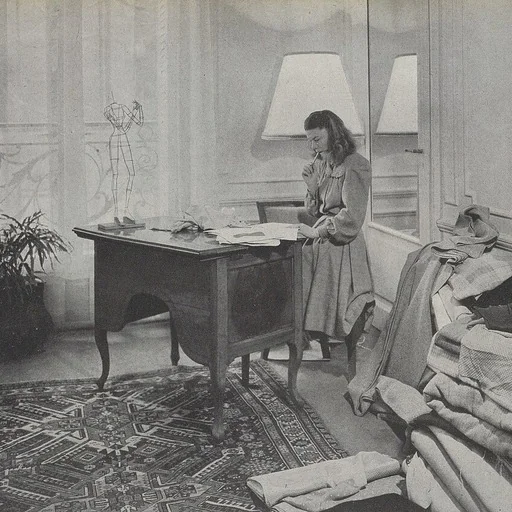
Marie-Louise Carven (31 August 1909 – 8 June 2015), born Carmen de Tommaso, was a French fashion designer who founded the house of Carven in 1945.
Museum
Palais Galliera - Musée de la Mode de la Ville de Paris
Continue through works from the same source collection.
 Robe de mariée festonnée et son voile
 Haut blanc à manches courtes et pantalon vert à ceinture nouée
 Kapur
Kapur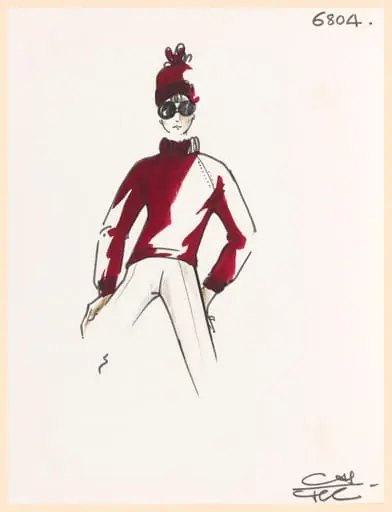 Pull-over à manches longues pourpre, bonnet assorti, pantalon et lunettes de soleil
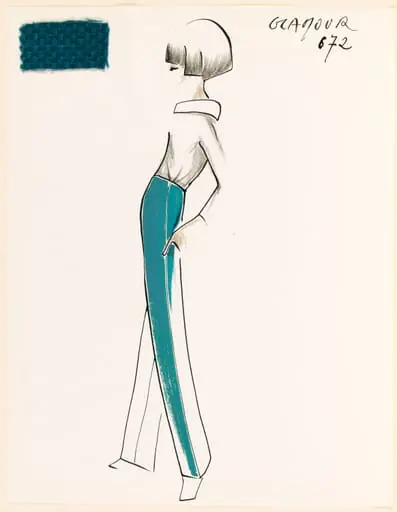 GLAMOUR
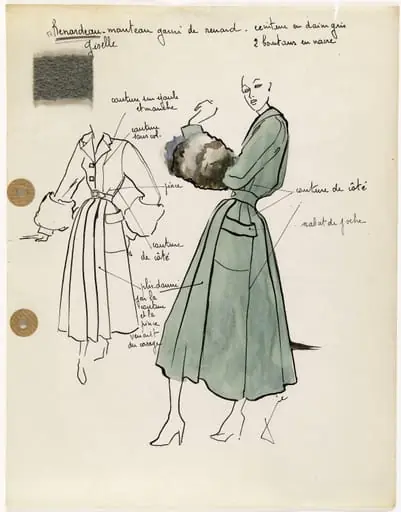 'Renardeau'
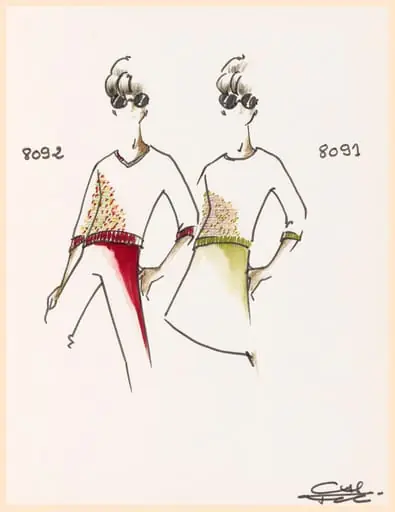 Pull-over à manches trois quarts et à encolure V à motifs multicolores, pantalon cerise et lunettes de soleil
 Béguinage