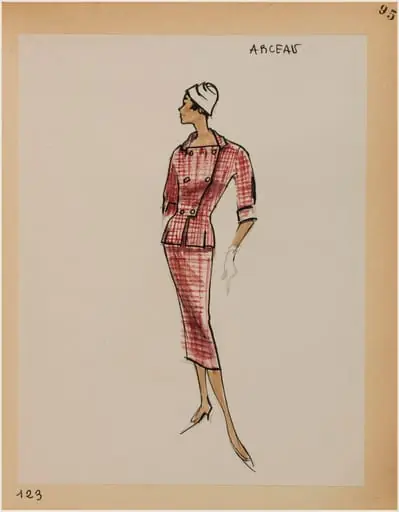
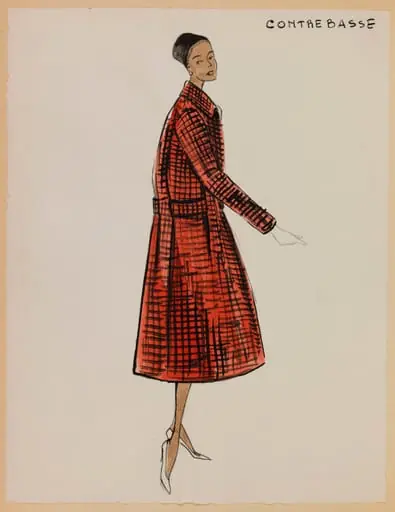
Artwork
Croix de Noailles
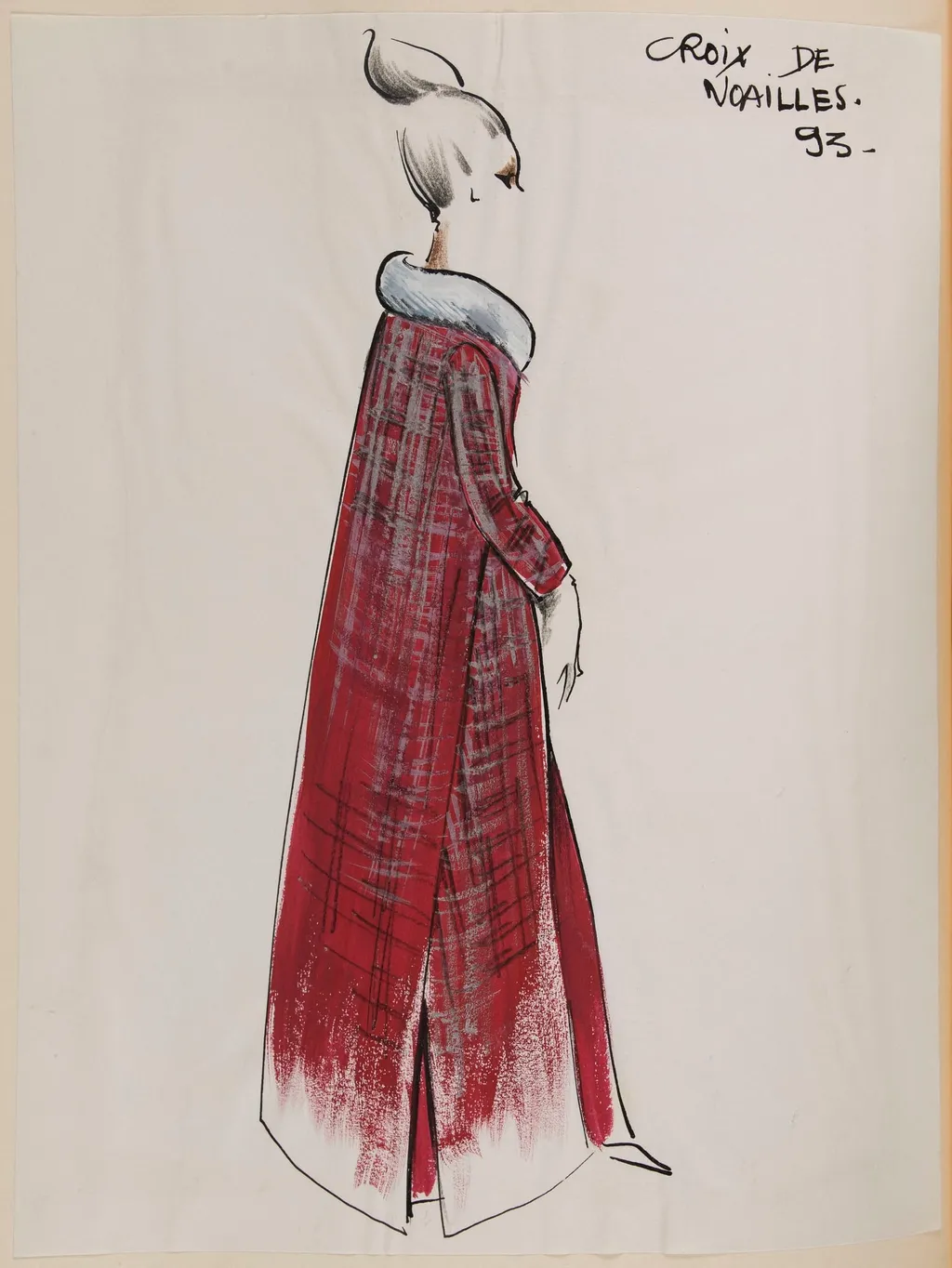
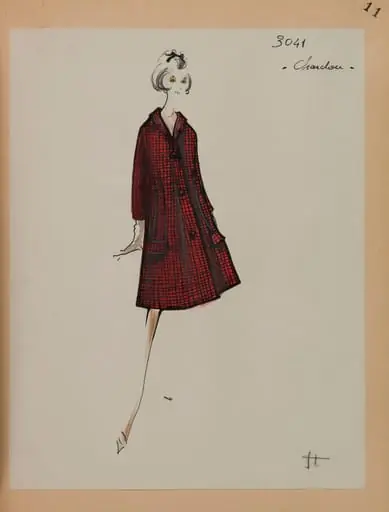
Croix de Noailles is a drawing by Marie-Louise Carven. It dates from 1963 and is held in the collection of the Palais Galliera - Musée de la Mode de la Ville de Paris.
About this work
Overview
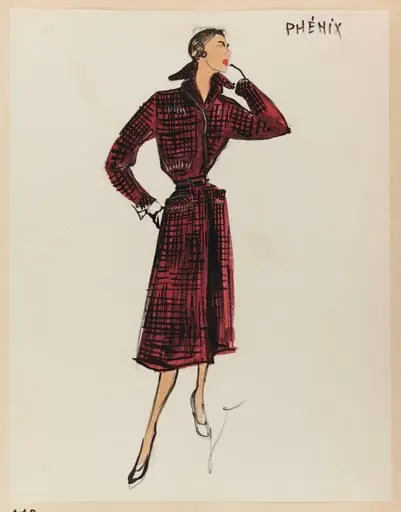
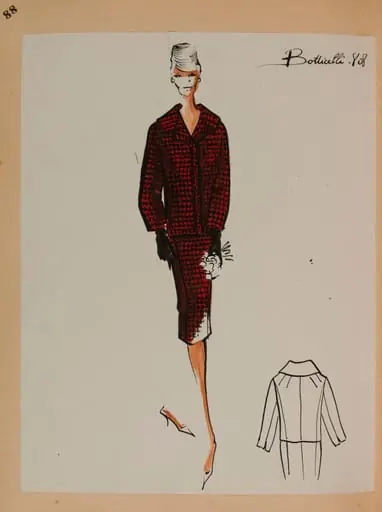
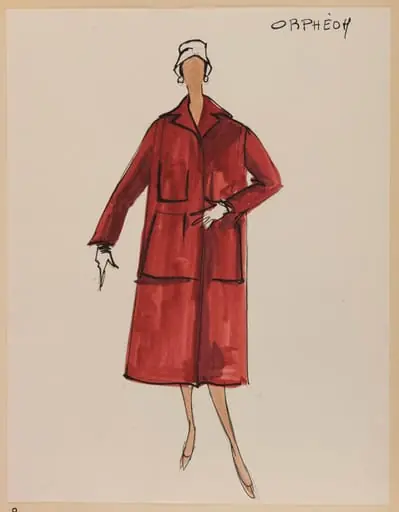
Executed in ink and wash, it captures a single garment in motion, suggesting the fluidity of fabric and the precision of her vision.
Created around 1963, *Croix de Noailles* is a fashion sketch by Marie-Louise Carven, founder of the Parisian house Carven. Though often associated with ready-to-wear innovation, this work reflects her hand-drawn design process. Executed in ink and wash, it captures a single garment in motion, suggesting the fluidity of fabric and the precision of her vision. The piece resides in the Museum of Ethnography’s collection, bridging fashion and material culture.
Subject & Meaning
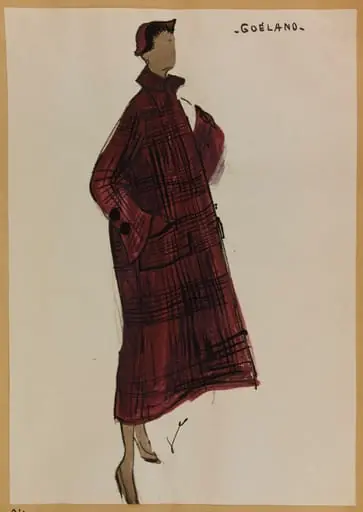
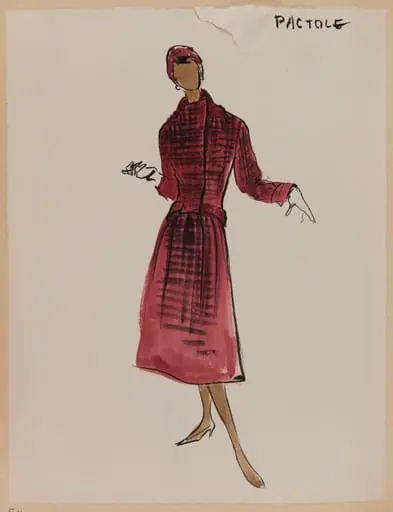
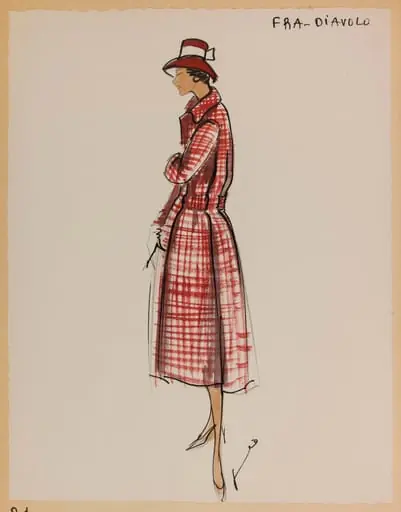
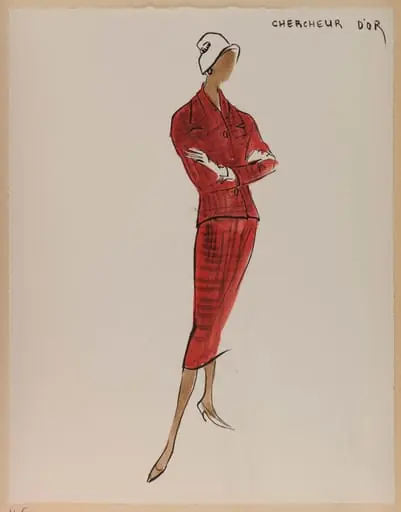
The sketch depicts a woman in a long, red dress with a high collar and broad sleeves, its dark plaid pattern suggesting a structured yet romantic silhouette. The fabric appears translucent in places, hinting at layering and movement. The title, inscribed in the corner, may reference a family or location, though its exact significance remains unconfirmed. The design balances elegance with practicality, reflecting Carven’s focus on wearable art for the modern woman.
Technique & Style
Carven employed loose, expressive ink strokes to convey texture and form, using fine hatching and stippling to suggest shadow and depth. The dress’s folds are rendered with swift, confident lines, while areas of transparency are implied through sparse ink washes. The drawing avoids rigid detail, favoring suggestion over precision—typical of fashion illustration meant to communicate mood and drape rather than technical blueprint.
History & Provenance
The sketch entered the Museum of Ethnography’s collection as part of a broader effort to document 20th-century fashion as cultural artifact. Carven, who launched her label in 1945, was among the first French couturiers to embrace prêt-à-porter, making her sketches valuable records of design evolution. This piece, dated to the early 1960s, aligns with her shift toward accessible, yet refined, garments for everyday life.
Context
In the 1960s, Parisian fashion was redefining itself amid postwar social change. Carven’s work stood apart by prioritizing the petite figure and lightweight materials, countering the heavier silhouettes of haute couture. *Croix de Noailles* reflects this ethos—its flowing form and delicate detailing catered to a new generation of women seeking both grace and ease in dress. The sketch embodies a quiet revolution in women’s wardrobes.
Legacy
Though not widely exhibited, Carven’s sketches like *Croix de Noailles* remain important for understanding the transition from couture to ready-to-wear. They reveal how design thinking was communicated before mass production, preserving the intimacy of the creative process. Her influence endures in the emphasis on proportion and wearability that continues to shape contemporary fashion design.
Artist & collection
Artist
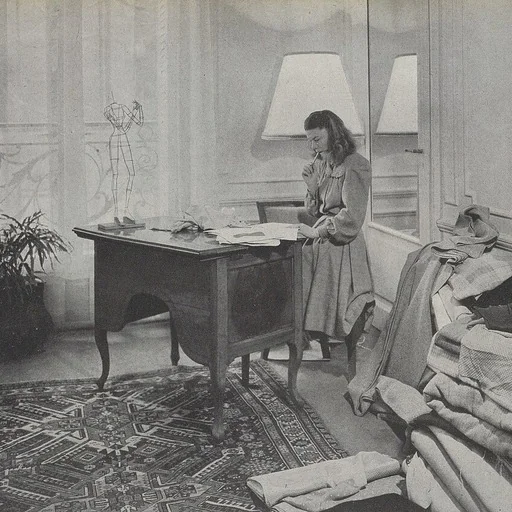
Marie-Louise Carven (31 August 1909 – 8 June 2015), born Carmen de Tommaso, was a French fashion designer who founded the house of Carven in 1945.
Museum
Palais Galliera - Musée de la Mode de la Ville de Paris
Continue through works from the same source collection.
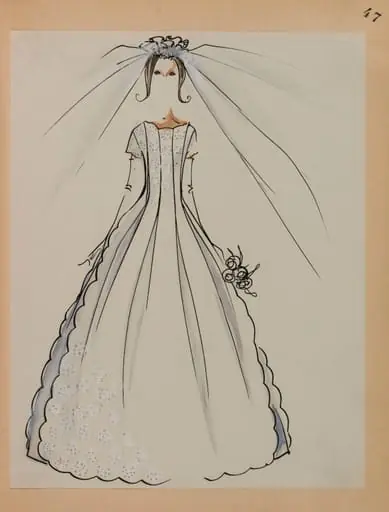 Robe de mariée festonnée et son voile
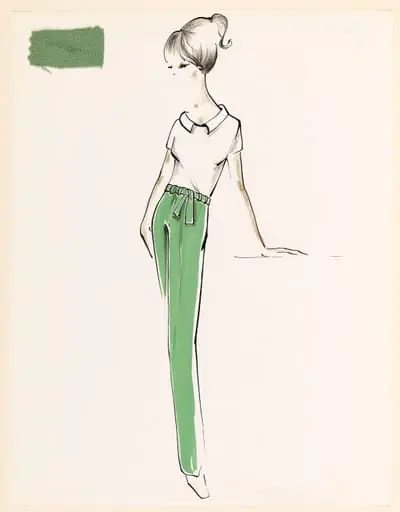 Haut blanc à manches courtes et pantalon vert à ceinture nouée
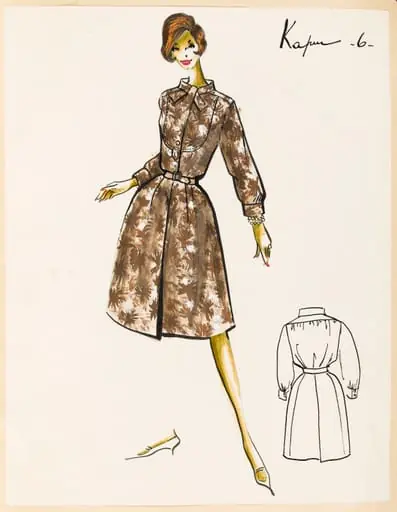 Kapur
Kapur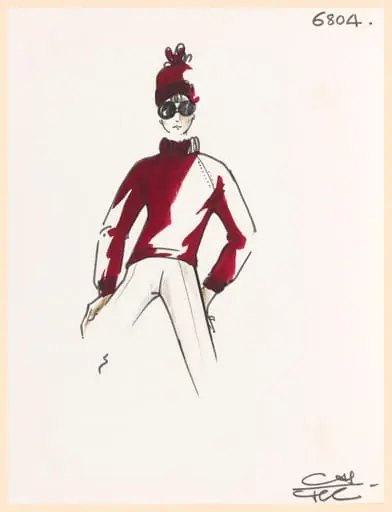 Pull-over à manches longues pourpre, bonnet assorti, pantalon et lunettes de soleil
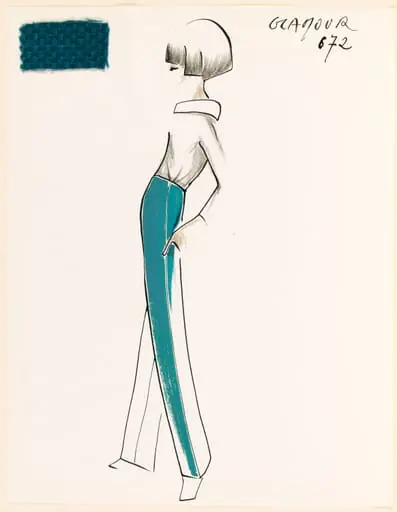 GLAMOUR
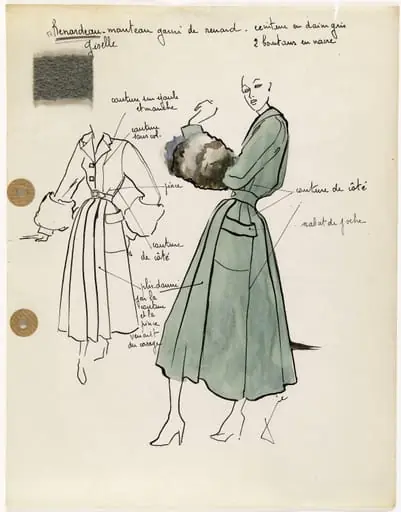 'Renardeau'
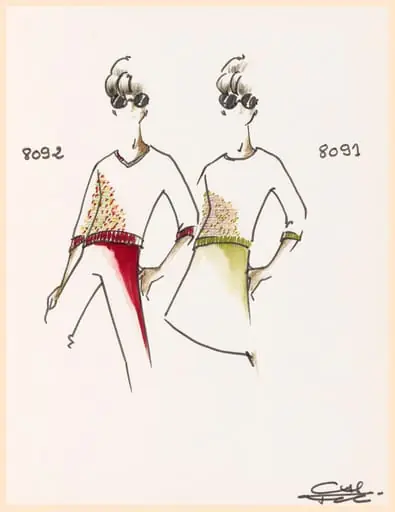 Pull-over à manches trois quarts et à encolure V à motifs multicolores, pantalon cerise et lunettes de soleil
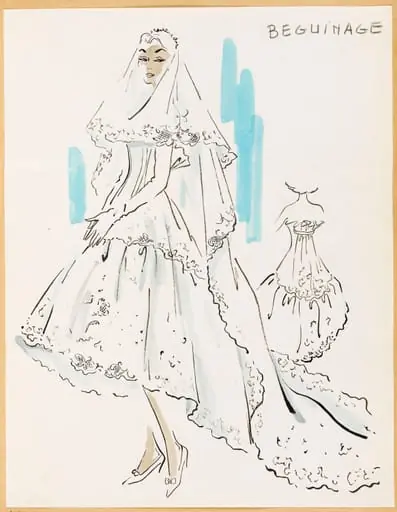 Béguinage