Artwork
Rapide
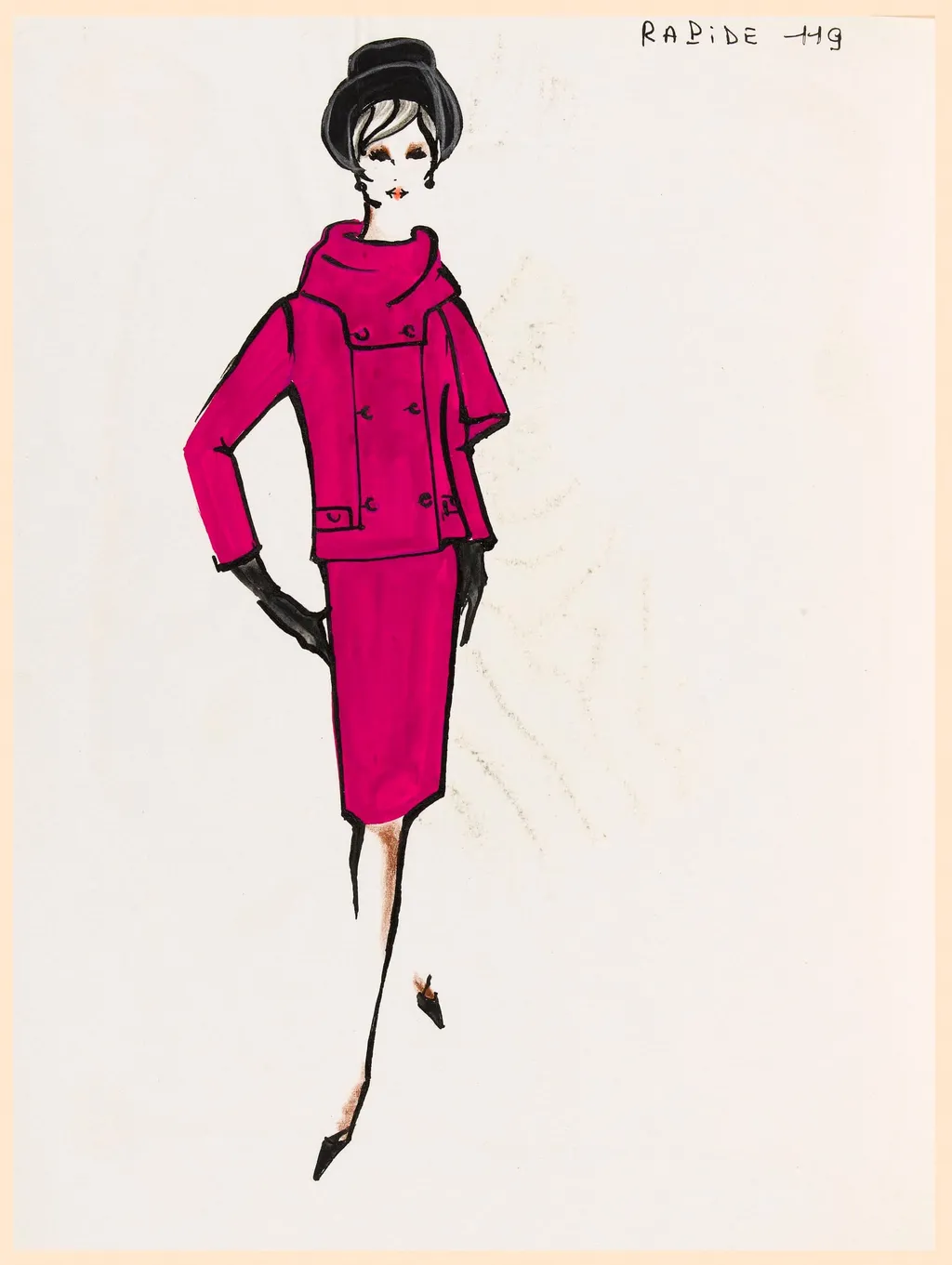
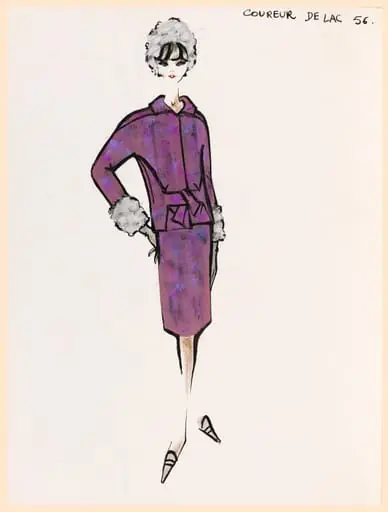
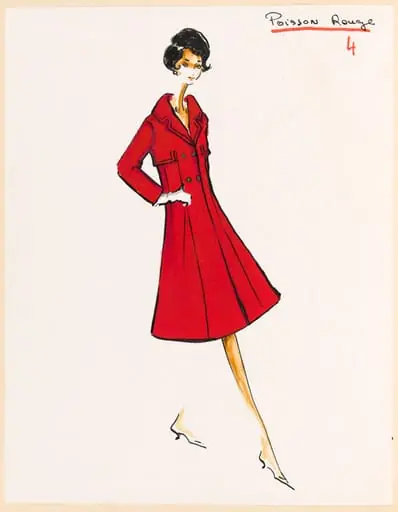
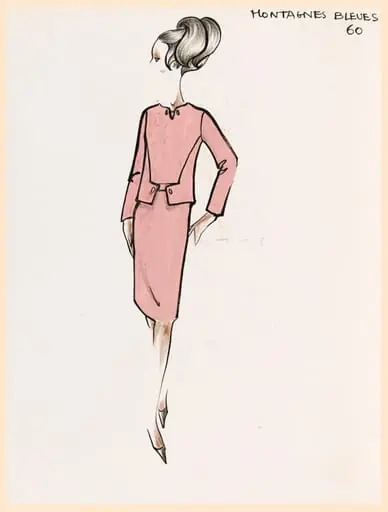
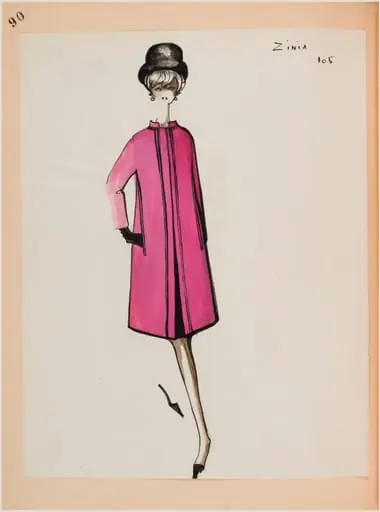
Rapide is a drawing by Marie-Louise Carven. It dates from 1962 and is held in the collection of the Palais Galliera - Musée de la Mode de la Ville de Paris.
About this work
Overview
Created by French designer Marie-Louise Carven, the work reflects her influence beyond fashion design into visual representation.
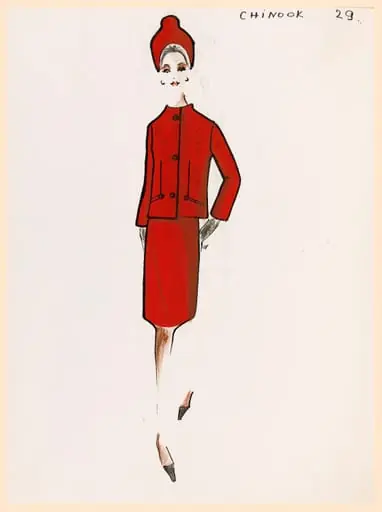
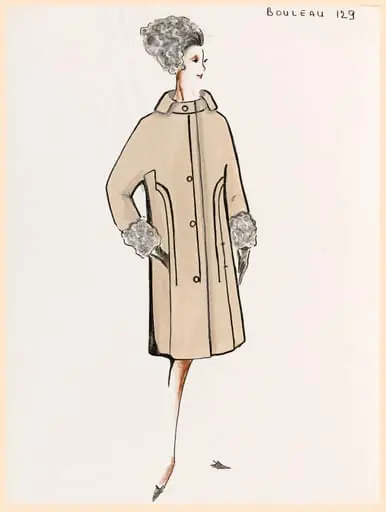
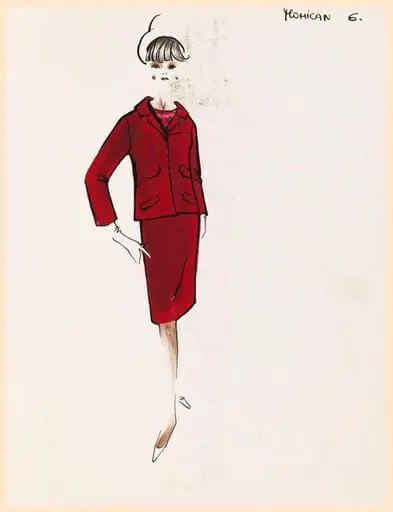
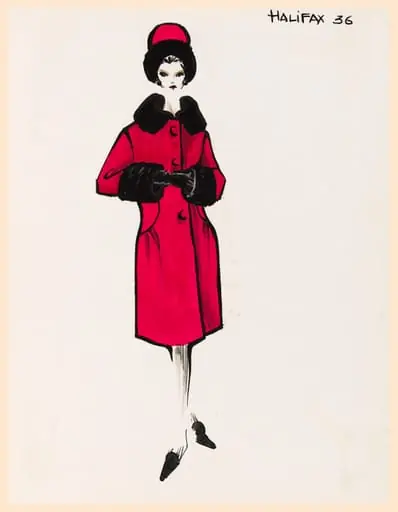
Rapide is a painted portrait from approximately 1962, depicting a woman dressed in a formal pink ensemble. Created by French designer Marie-Louise Carven, the work reflects her influence beyond fashion design into visual representation. Though Carven is primarily known for clothing, this image serves as a personal articulation of her aesthetic ideals. The piece resides in the Museum of Ethnography, suggesting its cultural significance beyond the runway.
Subject & Meaning
The subject is a woman dressed in a tailored, high-necked jacket and knee-length skirt, accessorized with elbow-length gloves, a black hat, and heels. Her short hair and composed posture convey a sense of modern poise. The outfit, neither theatrical nor casual, embodies mid-century French femininity—refined, controlled, and quietly assertive. The absence of context or narrative emphasizes the attire itself as the focus, aligning with Carven’s design philosophy of elegance in everyday wear.
Technique & Style
Rendered in a flat, restrained palette with soft edges, the painting favors clarity over texture. The beige background isolates the figure, directing attention to the precision of the clothing’s lines and the symmetry of its details. Brushwork is deliberate but unobtrusive, avoiding dramatic lighting or emotional intensity. This stylistic restraint mirrors the clean silhouettes Carven championed in her fashion, translating textile design into pictorial form with quiet authority.
History & Provenance
Created around 1962, Rapide emerged during Carven’s active years as a couturier and early adopter of ready-to-wear fashion. Though her label was founded in 1945, this image appears to be a private or promotional artifact rather than a commercial product. Its acquisition by the Museum of Ethnography indicates recognition of its role in documenting mid-century French dress culture, positioning it as a cultural document rather than a fine art object.
Context
In the early 1960s, Parisian fashion was shifting toward accessibility, and Carven was among the first to bridge haute couture with prêt-à-porter. Rapide reflects this transition: the outfit is luxurious yet wearable, designed for a woman navigating urban life with grace. The painting’s formality contrasts with the era’s growing informality, suggesting a deliberate preservation of traditional elegance amid changing social norms.
Legacy
Rapide endures as a visual record of Carven’s design ethos—minimalist structure, attention to proportion, and respect for the female form. While not widely exhibited, its presence in a museum of ethnography underscores its value as an artifact of everyday style. It contributes to broader understandings of how fashion designers shaped cultural identity beyond garments, using imagery to articulate ideals of modern femininity.
Artist & collection
Artist
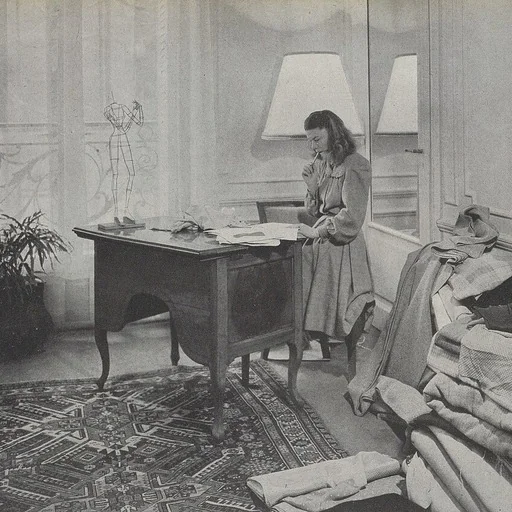
Marie-Louise Carven (31 August 1909 – 8 June 2015), born Carmen de Tommaso, was a French fashion designer who founded the house of Carven in 1945.

Museum
Palais Galliera - Musée de la Mode de la Ville de Paris
Continue through works from the same source collection.
 Robe de mariée festonnée et son voile
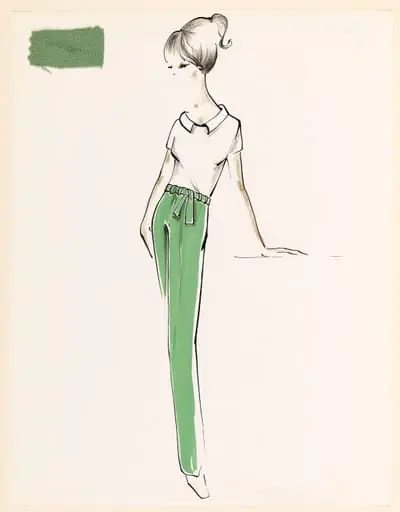 Haut blanc à manches courtes et pantalon vert à ceinture nouée
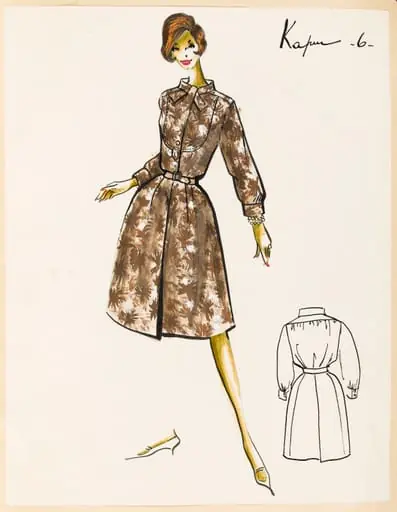 Kapur
Kapur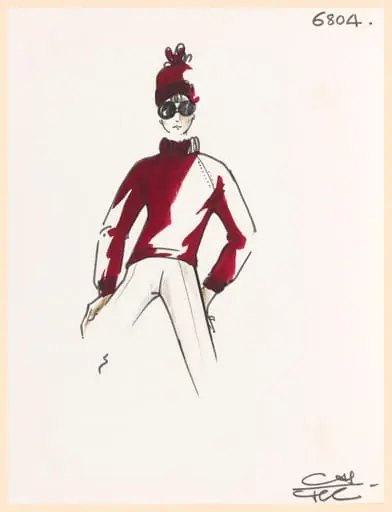 Pull-over à manches longues pourpre, bonnet assorti, pantalon et lunettes de soleil
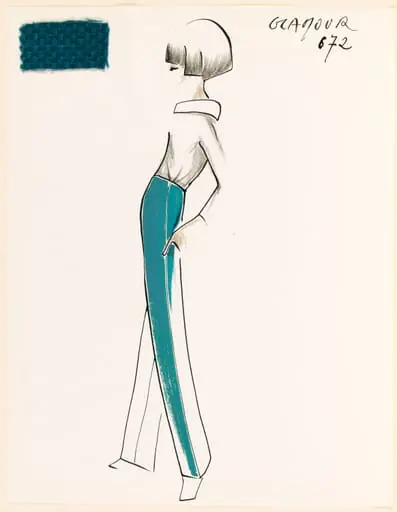 GLAMOUR
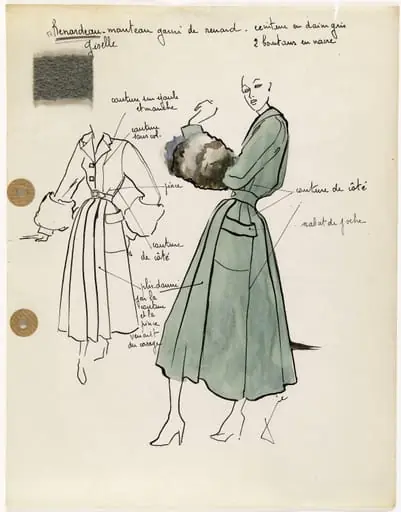 'Renardeau'
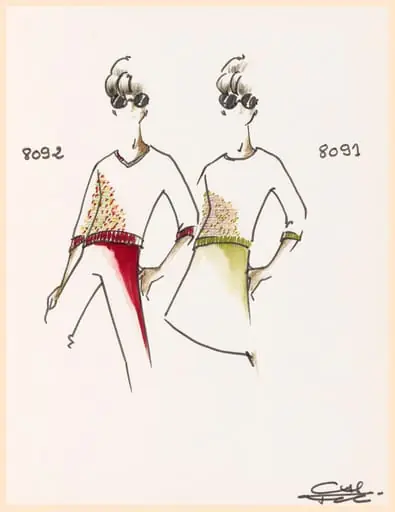 Pull-over à manches trois quarts et à encolure V à motifs multicolores, pantalon cerise et lunettes de soleil
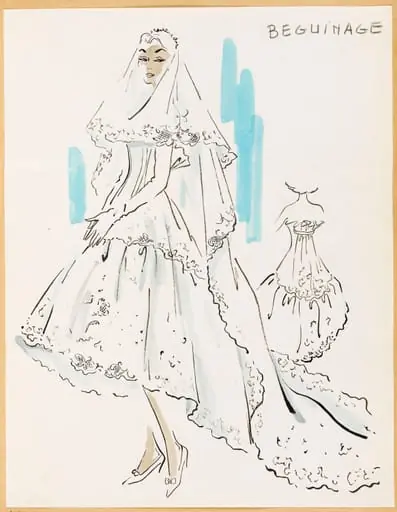 Béguinage