Artwork
Sablé
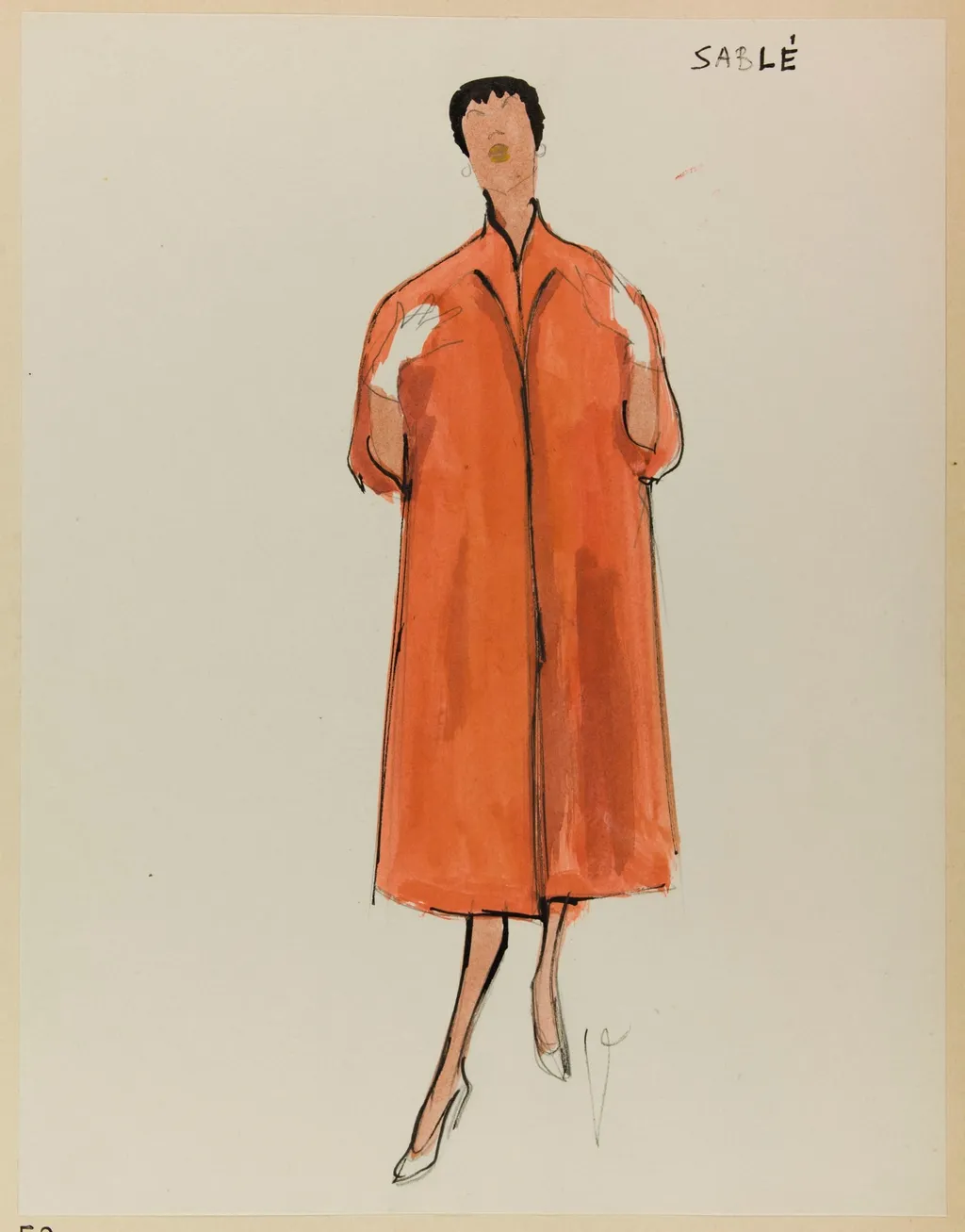
Sablé is a drawing by Marie-Louise Carven. It dates from 1953 and is held in the collection of the Palais Galliera - Musée de la Mode de la Ville de Paris.
About this work
Overview
Executed in loose, rapid lines, it reflects the informal, exploratory nature of design drafting rather than a polished illustration.
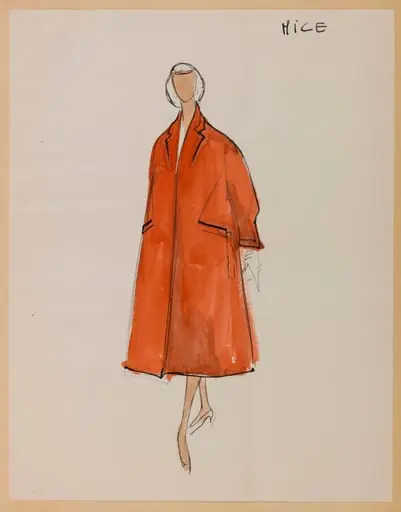
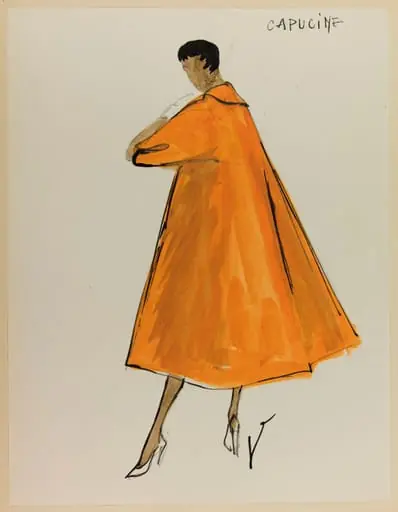
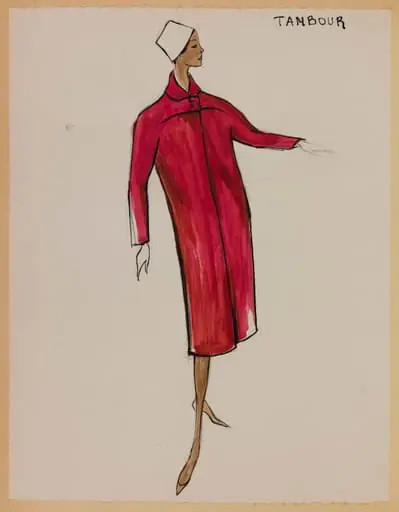
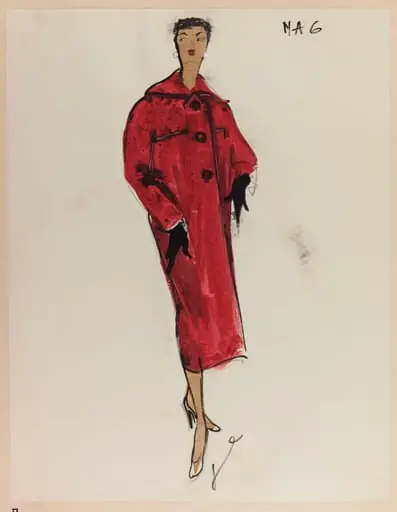
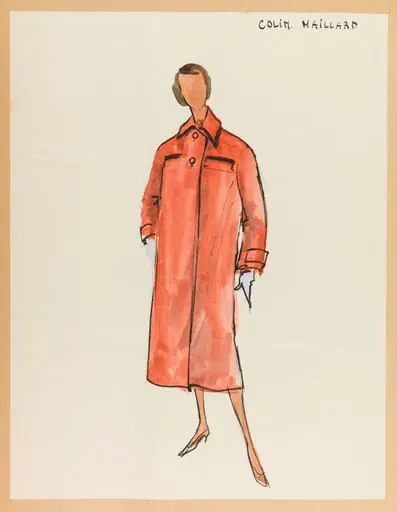
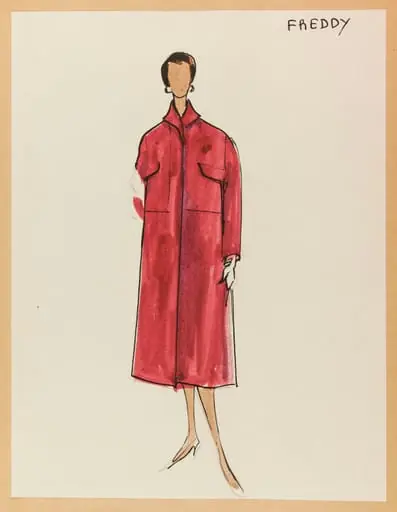
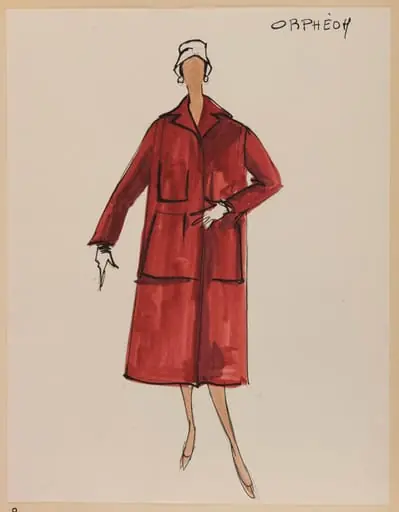
Created around 1953 by French designer Marie-Louise Carven, *Sablé* is a fashion sketch depicting a woman in a long red coat with thick sleeves and a high collar. Executed in loose, rapid lines, it reflects the informal, exploratory nature of design drafting rather than a polished illustration. The sketch bears the word 'Sablé' in the corner, likely identifying the garment’s name or style. It resides in the Museum of Ethnography’s collection as part of its documentation of mid-century womenswear.
Subject & Meaning
The figure in the sketch is rendered simply, with hands tucked into pockets and modest footwear, suggesting practicality over ornamentation. The coat’s structured silhouette—long, fitted at the waist, and warmly detailed—hints at a garment designed for daily wear in cooler climates. The absence of facial features or elaborate context emphasizes the clothing itself as the focus, aligning with Carven’s emphasis on wearable, functional design for the modern woman.
Technique & Style
Carven’s sketch employs swift, unrefined pencil lines that convey movement and immediacy, typical of fashion ideation rather than presentation. The lack of color or shading, combined with minimal detail in the figure, directs attention to the coat’s form and proportions. This approach reflects the designer’s process: capturing ideas quickly to test silhouette and structure before production, consistent with her ready-to-wear philosophy.
History & Provenance
Marie-Louise Carven established her fashion house in Paris in 1945, gaining recognition for tailoring garments to petite frames and using lightweight, refined fabrics. *Sablé* dates from the early 1950s, a period when her brand was expanding its ready-to-wear offerings. The sketch entered the Museum of Ethnography’s collection as part of a broader effort to document everyday clothing practices, preserving design artifacts that reflect postwar civilian fashion.
Context
In postwar France, ready-to-wear fashion emerged as a response to economic constraints and shifting gender roles. Carven’s designs, including garments like *Sablé*, catered to women seeking practical yet elegant clothing for urban life. The sketch’s simplicity mirrors a cultural shift away from haute couture exclusivity toward accessible, mass-produced styles that prioritized comfort and adaptability in daily routines.
Legacy
Carven’s work, including sketches like *Sablé*, contributed to the normalization of ready-to-wear as a legitimate design discipline. Her focus on proportion and wearable detail influenced later designers who prioritized the female form without excessive ornament. The sketch remains a quiet testament to the quiet revolution in fashion: transforming clothing from ceremonial to functional, and from bespoke to broadly available.
Artist & collection
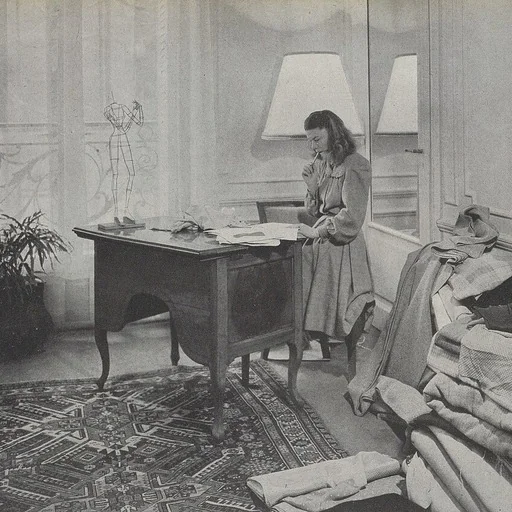
Artist
Marie-Louise Carven (31 August 1909 – 8 June 2015), born Carmen de Tommaso, was a French fashion designer who founded the house of Carven in 1945.
Museum
Palais Galliera - Musée de la Mode de la Ville de Paris
Continue through works from the same source collection.
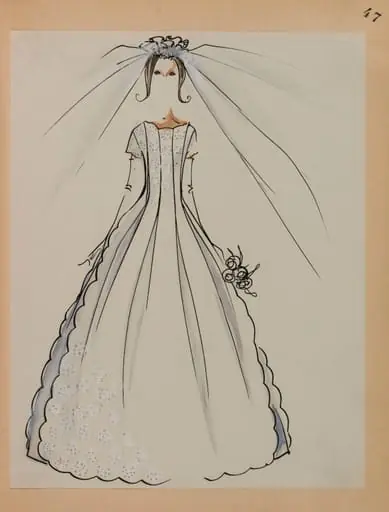 Robe de mariée festonnée et son voile
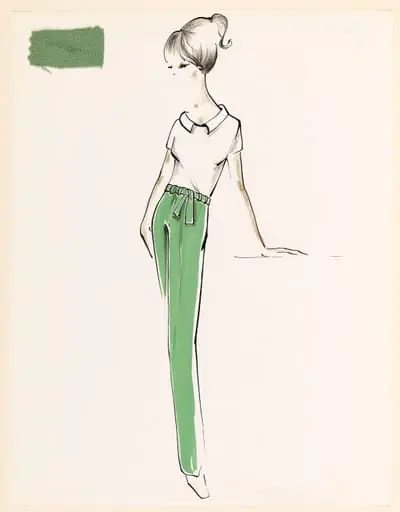 Haut blanc à manches courtes et pantalon vert à ceinture nouée
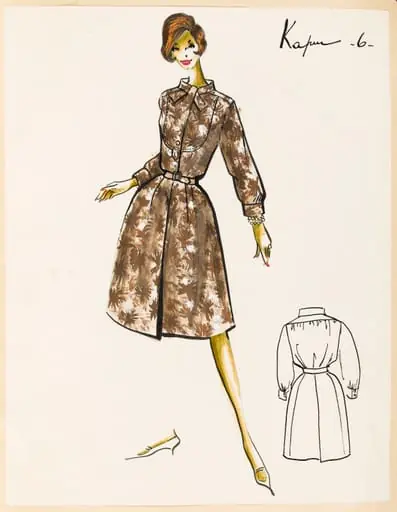 Kapur
Kapur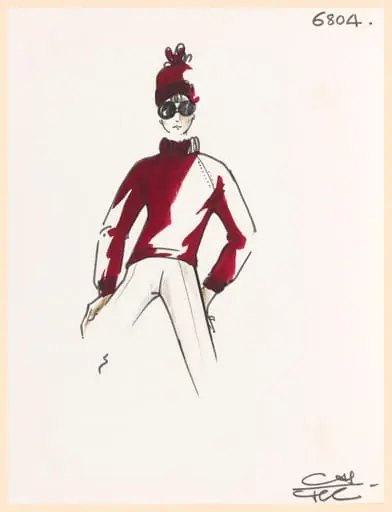 Pull-over à manches longues pourpre, bonnet assorti, pantalon et lunettes de soleil
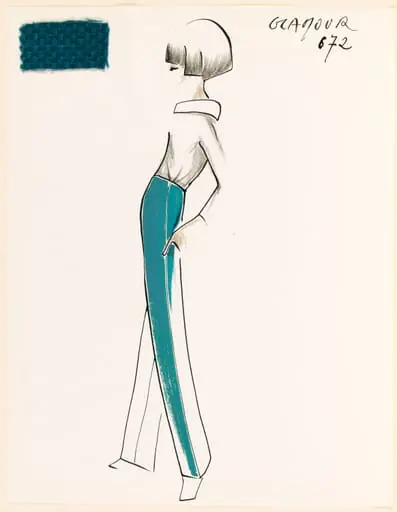 GLAMOUR
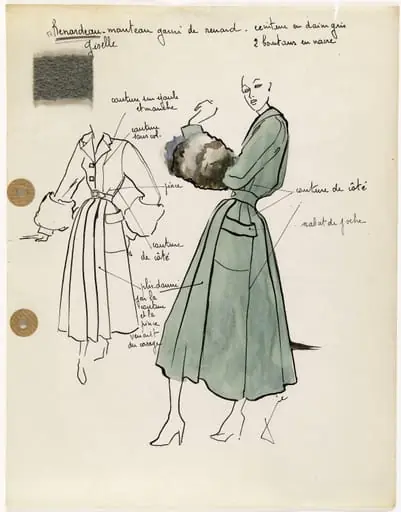 'Renardeau'
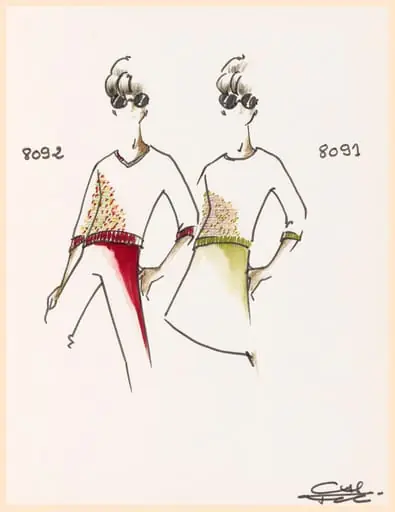 Pull-over à manches trois quarts et à encolure V à motifs multicolores, pantalon cerise et lunettes de soleil
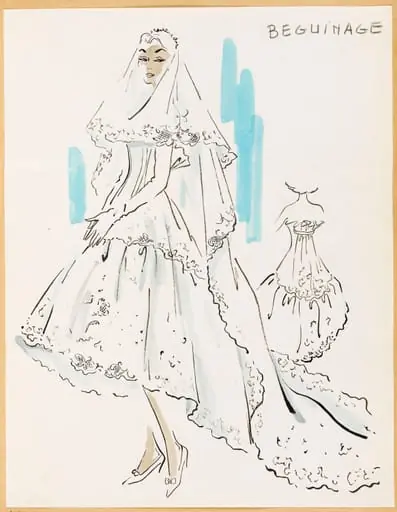 Béguinage