Artwork
Wedding cake
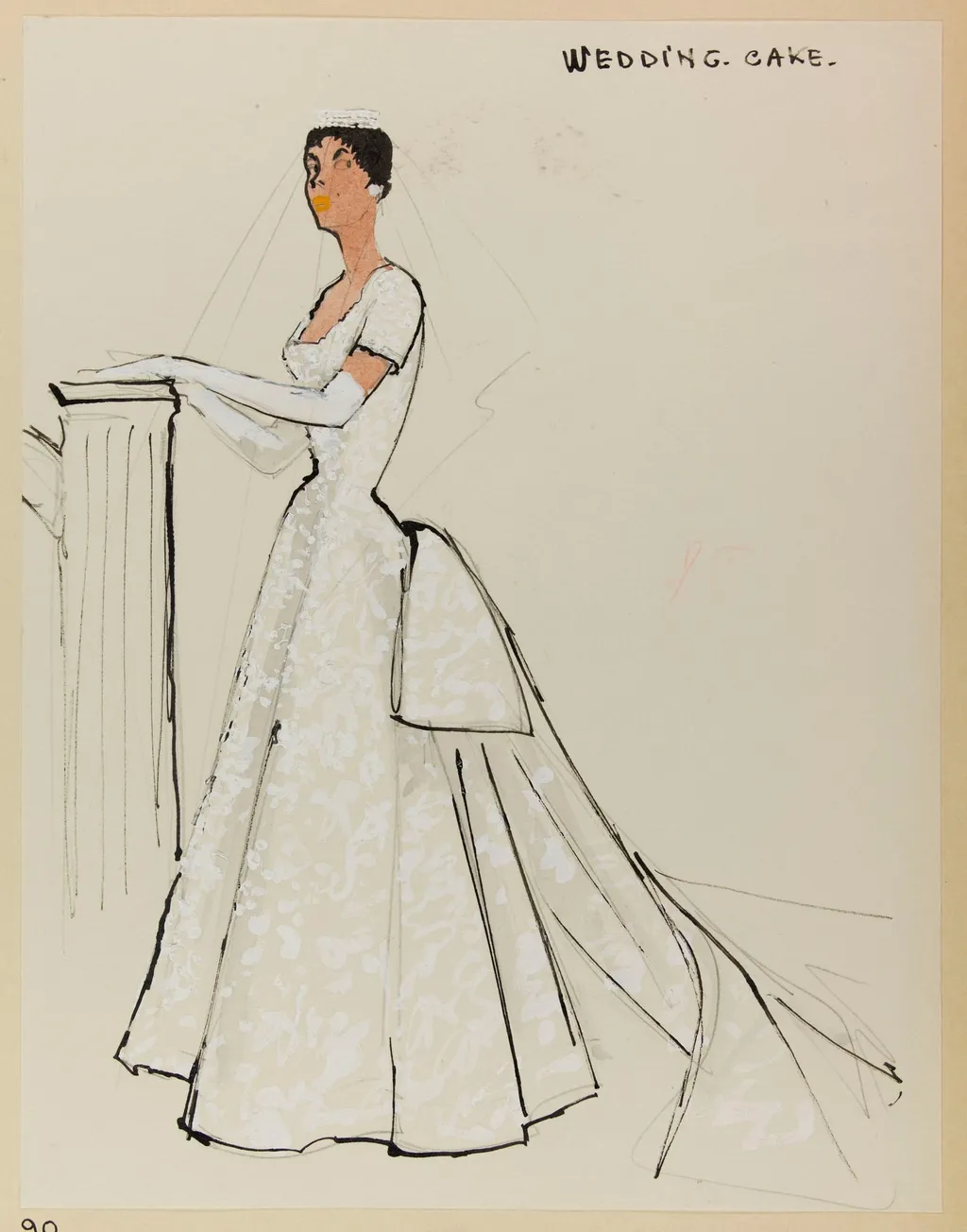
Wedding cake is a drawing by Marie-Louise Carven. It dates from 1953 and is held in the collection of the Palais Galliera - Musée de la Mode de la Ville de Paris.
About this work
Overview
Though primarily known for ready-to-wear clothing and delicate fabrics, Carven also produced conceptual drawings that bridged fashion design and visual art.
Created around 1953, *Wedding Cake* is a pencil sketch by French designer Marie-Louise Carven, founder of the fashion house Carven established in 1945. Though primarily known for ready-to-wear clothing and delicate fabrics, Carven also produced conceptual drawings that bridged fashion design and visual art. This piece, now held by the Museum of Ethnography, reflects her interest in translating garment ideas into evocative imagery beyond the runway.
Subject & Meaning
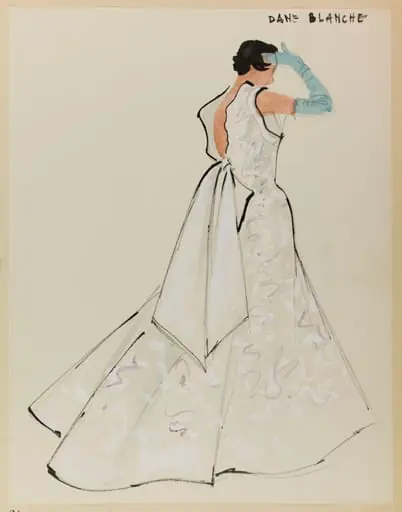
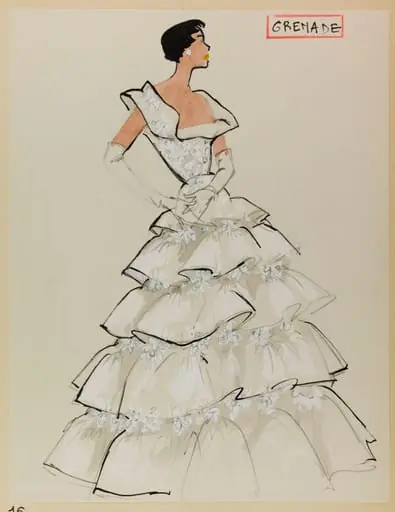
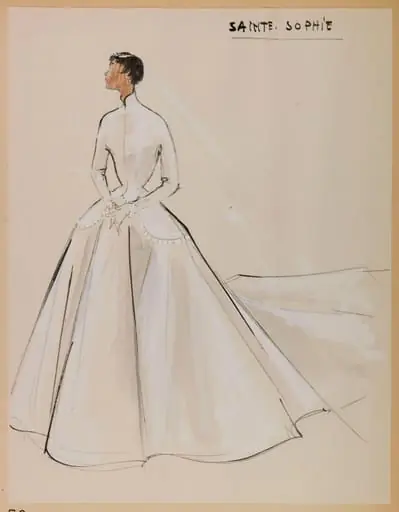
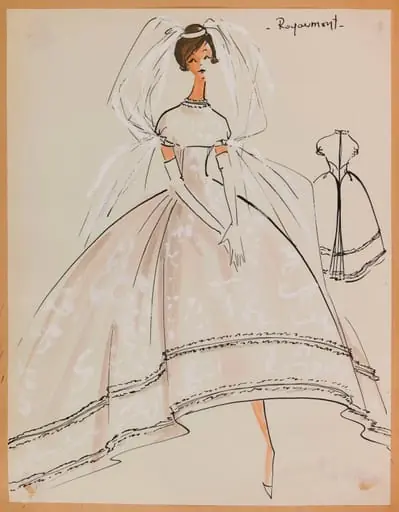
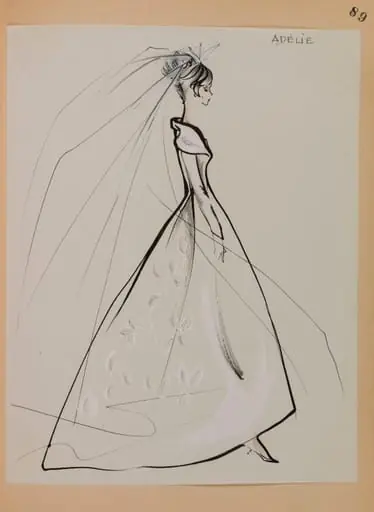
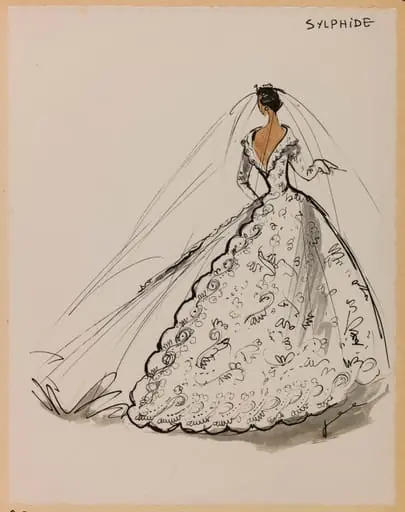
The drawing depicts a woman in a wedding gown with a fitted bodice and full, floral-patterned skirt, veiled and holding a bouquet. Her stance, one hand resting on a slender pedestal, suggests a ceremonial presence. The title *Wedding Cake* implies the pedestal is a cake, merging the symbolism of bridal tradition with the visual form of a confection. The image evokes ritual without literalism, focusing on elegance and quiet ceremony.
Technique & Style
Carven rendered the figure with loose, fluid pencil lines that convey movement and spontaneity. The sketch lacks fine detail, emphasizing gesture over precision. The floral pattern on the skirt is suggested rather than defined, and the veil flows in soft, unstructured strokes. This unfinished quality reflects the drawing’s function as a design study—intended to capture an idea quickly, not to serve as a finished illustration.
History & Provenance
The sketch entered the collection of the Museum of Ethnography as part of a broader acquisition of fashion-related materials documenting mid-20th-century design practices. Its presence in an ethnographic context, rather than a fashion museum, signals an interest in cultural rituals surrounding dress. While its exact origin within Carven’s studio is undocumented, it aligns with her practice of sketching concepts for both haute couture and emerging prêt-à-porter lines.
Context
In the early 1950s, Carven was pioneering accessible fashion for smaller frames, challenging the dominance of voluminous postwar silhouettes. Her sketches, like this one, reveal how she balanced tradition with modernity—using bridal imagery not as nostalgia but as a vehicle for refined, wearable design. The drawing reflects a broader trend among designers to treat fashion as both art and cultural expression.
Legacy
Though not widely exhibited, *Wedding Cake* remains a quiet testament to Carven’s ability to merge conceptual thinking with practical design. It illustrates how fashion sketches functioned as personal archives of aesthetic intent. The piece contributes to understanding how mid-century designers navigated the transition from couture to ready-to-wear, preserving the human touch in an increasingly industrialized industry.
Artist & collection
Artist
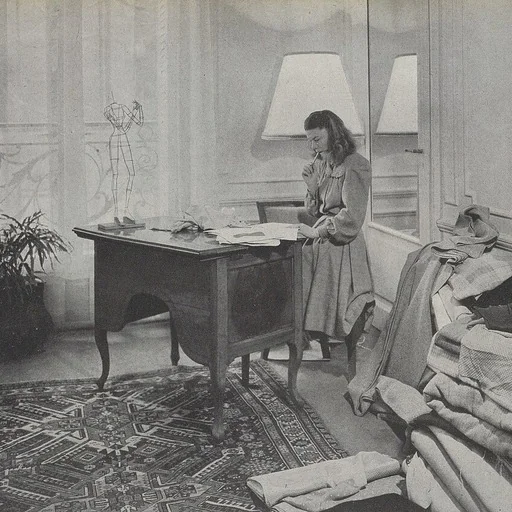
Marie-Louise Carven (31 August 1909 – 8 June 2015), born Carmen de Tommaso, was a French fashion designer who founded the house of Carven in 1945.
Museum
Palais Galliera - Musée de la Mode de la Ville de Paris
Continue through works from the same source collection.
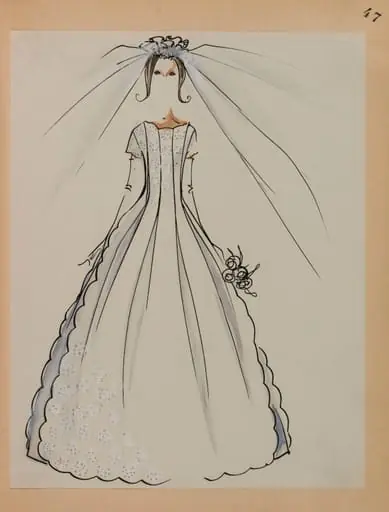 Robe de mariée festonnée et son voile
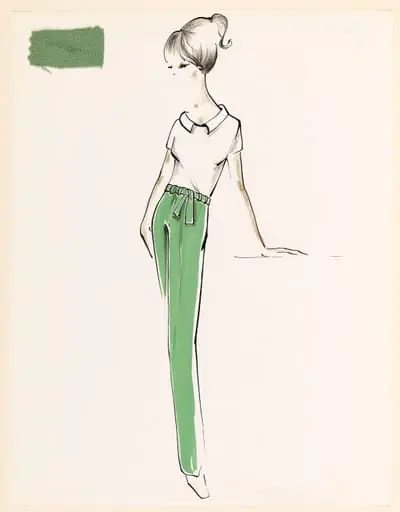 Haut blanc à manches courtes et pantalon vert à ceinture nouée
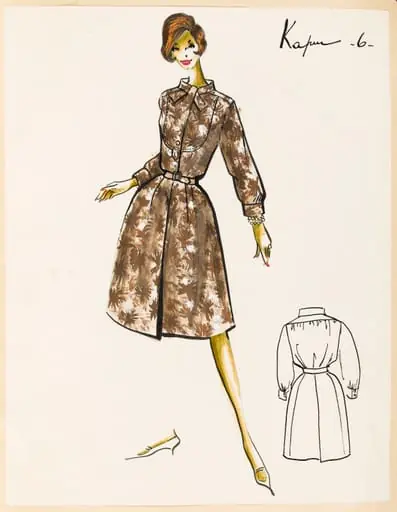 Kapur
Kapur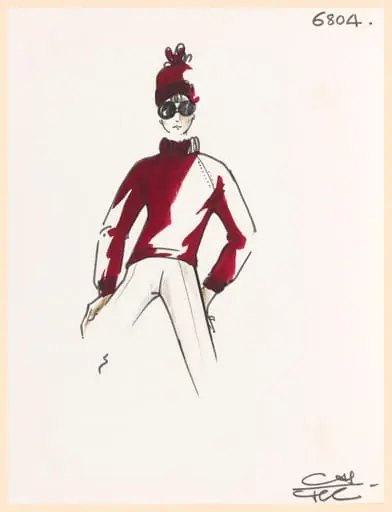 Pull-over à manches longues pourpre, bonnet assorti, pantalon et lunettes de soleil
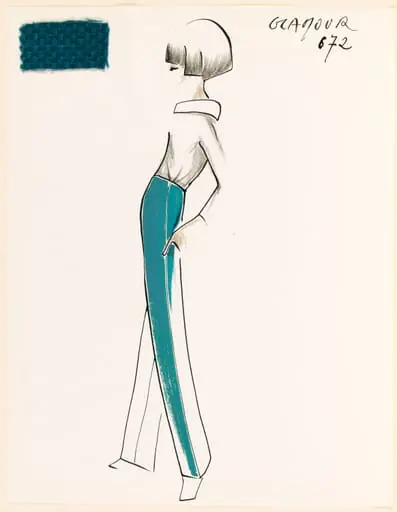 GLAMOUR
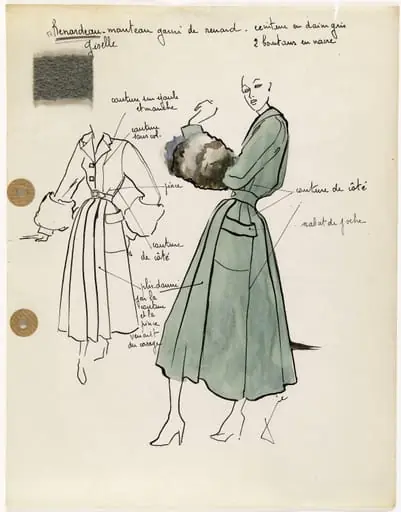 'Renardeau'
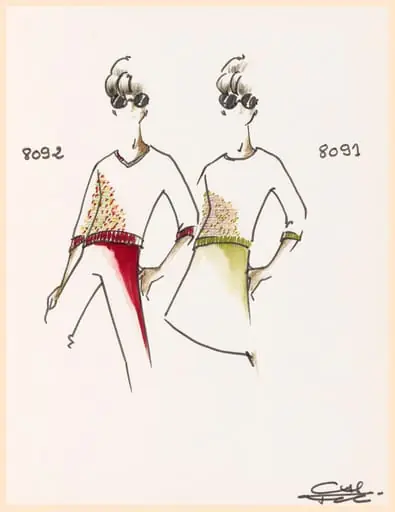 Pull-over à manches trois quarts et à encolure V à motifs multicolores, pantalon cerise et lunettes de soleil
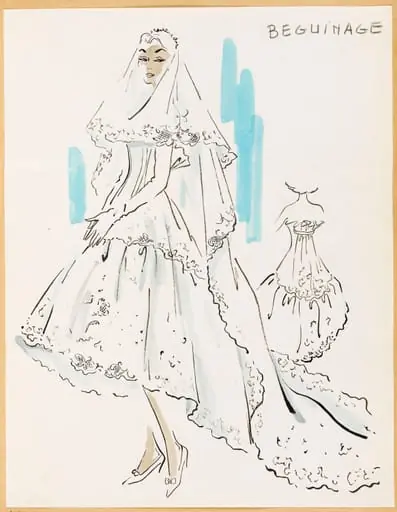 Béguinage