Artwork
Portrait of a young woman
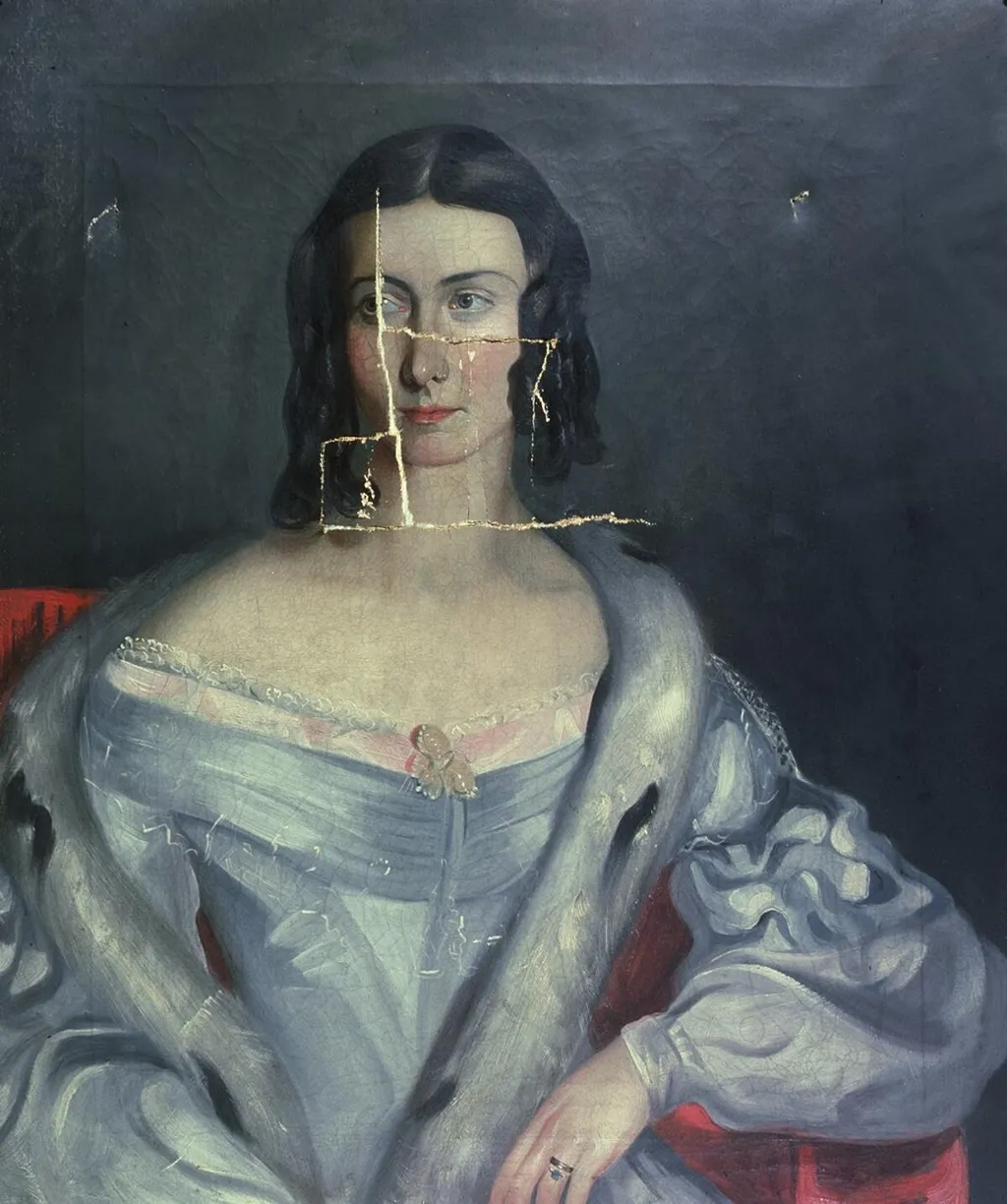
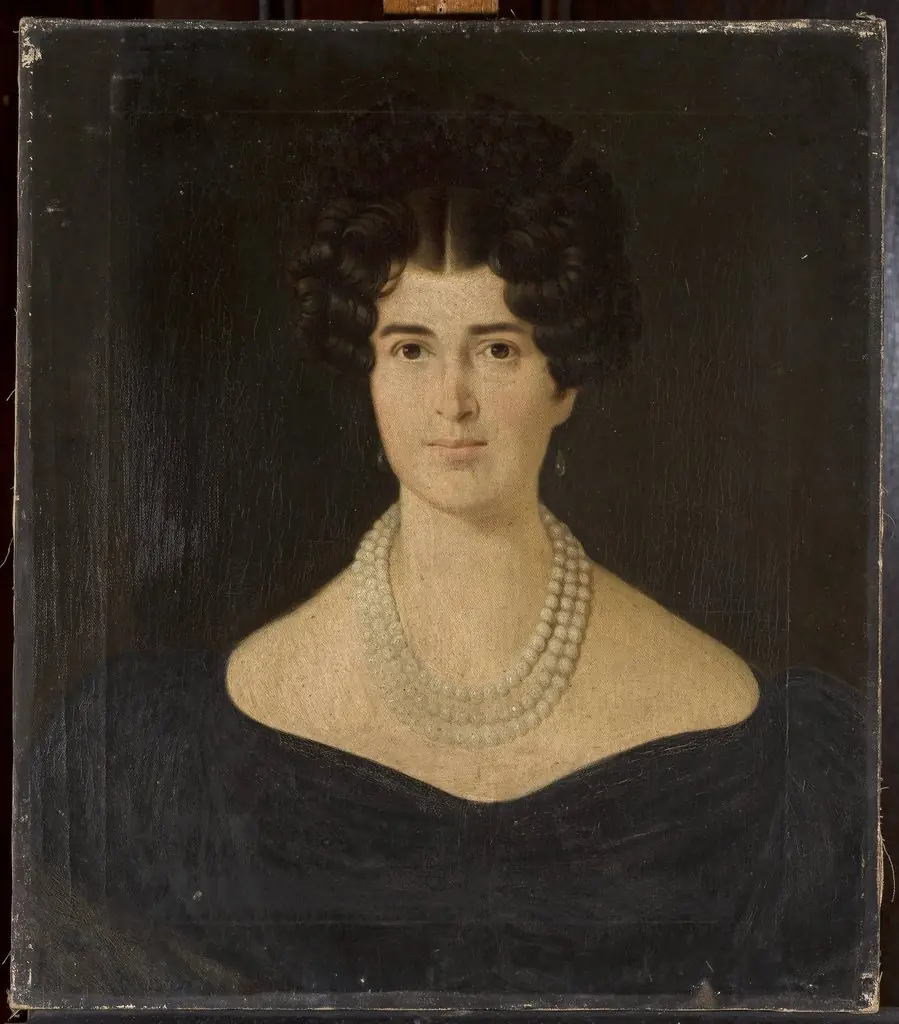
Portrait of a young woman is an oil painting by the Biedermeier artist Unknown. It dates from 1840 and is held in the collection of the National Library of Wales.
About this work
Overview
The composition centers on a seated figure against a dark, unadorned background, emphasizing her stillness and introspection.
An unidentified artist rendered this oil portrait of a young woman in the late Renaissance or early Baroque period. The composition centers on a seated figure against a dark, unadorned background, emphasizing her stillness and introspection. The painting’s surface shows visible cracking, consistent with age and material aging, reinforcing its historical distance. No signature or documented provenance survives, but stylistic cues align with Northern European portraiture of the time.
Subject & Meaning
The woman, dressed in a modest yet refined light-colored gown with long sleeves and a low neckline, holds a quiet dignity. Her right hand rests on a red-fabric armrest, and a ring adorns her finger, suggesting social standing or marital status. The absence of symbolic objects or elaborate setting directs focus to her presence alone, conveying an intimate, perhaps private, moment rather than public display.
Technique & Style
Oil paint was applied with restrained brushwork, favoring subtle gradations of tone over vivid color. The dark background isolates the figure, enhancing three-dimensionality through chiaroscuro. The texture of the dress and the soft fall of her hair are rendered with delicate precision, while the cracked varnish reflects natural aging rather than intentional effect. The style avoids theatricality, aligning with the quiet realism common in domestic portraiture of the era.
History & Provenance
The painting’s origin and early ownership remain undocumented. No archival records, inscriptions, or exhibition histories have been traced to confirm its creation context or early collectors. Its survival suggests it was preserved within a private collection, likely in Northern Europe, though no definitive geographic link has been established. The condition indicates it was not heavily restored, preserving its original material state.
Context
During the 16th and early 17th centuries, secular portraiture flourished among urban elites in regions like the Netherlands and Flanders. Women were frequently depicted in domestic interiors, dressed in contemporary attire, with minimal props to signal virtue and restraint. This portrait fits within that tradition, reflecting a cultural preference for understated elegance and psychological presence over grandeur.
Legacy
Though unattributed and lacking a documented lineage, the portrait contributes to the broader understanding of non-noble portraiture from its period. Its quiet intensity and technical restraint offer insight into how individual identity was conveyed without heraldic symbols. It remains a representative example of the era’s intimate visual language, valued for its authenticity rather than fame.
Artist & collection

 Domestic Scene
 Giacomo and Cardinal Marco, investing Andrea, Abbot of San Zeno, with his Benefice
 The Nymph of Fontainebleau
 Portrait of a Woman
 Madonna and Child with Saints in the Enclosed Garden
 Venus and Minerva
 Family Group of Four on Sofa
 Wall painting from Room H of the Villa of P. Fannius Synistor at Boscoreale
 Portrait of a young woman
 Mrs Eugenie Maria Wynne (Crowe)
 Portret de femeie
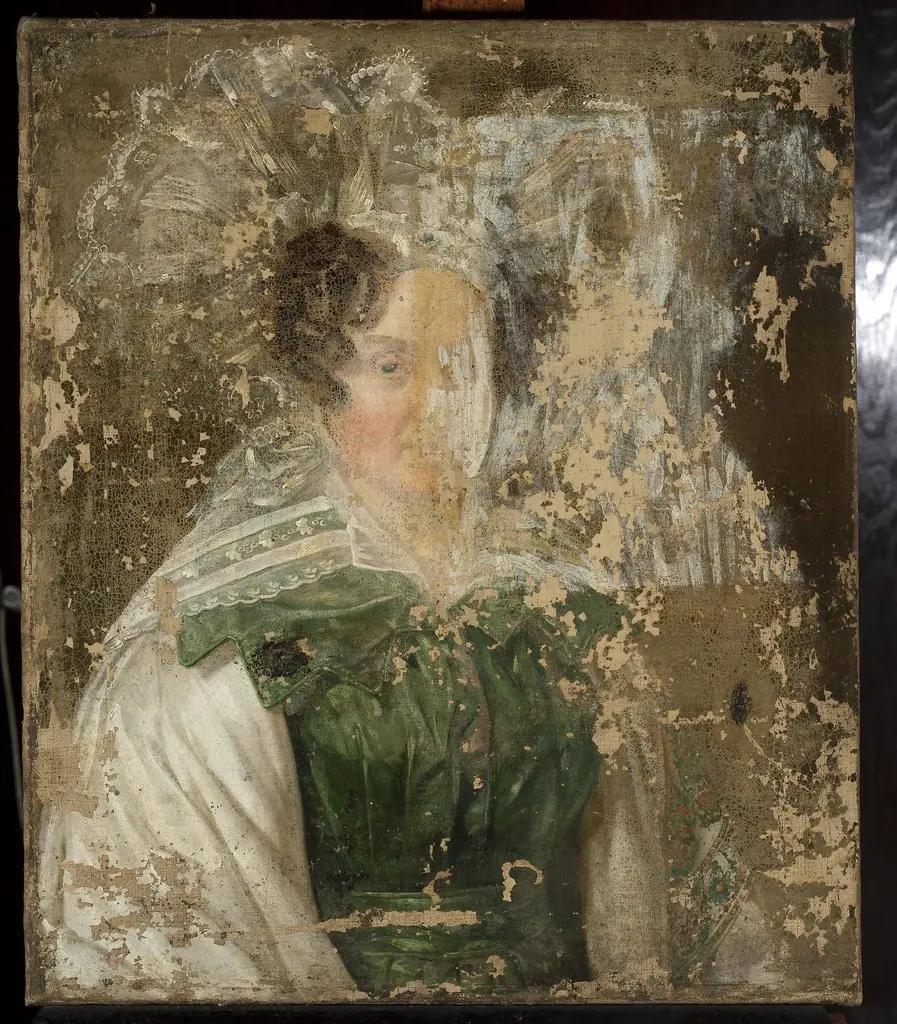 Portrait of a woman
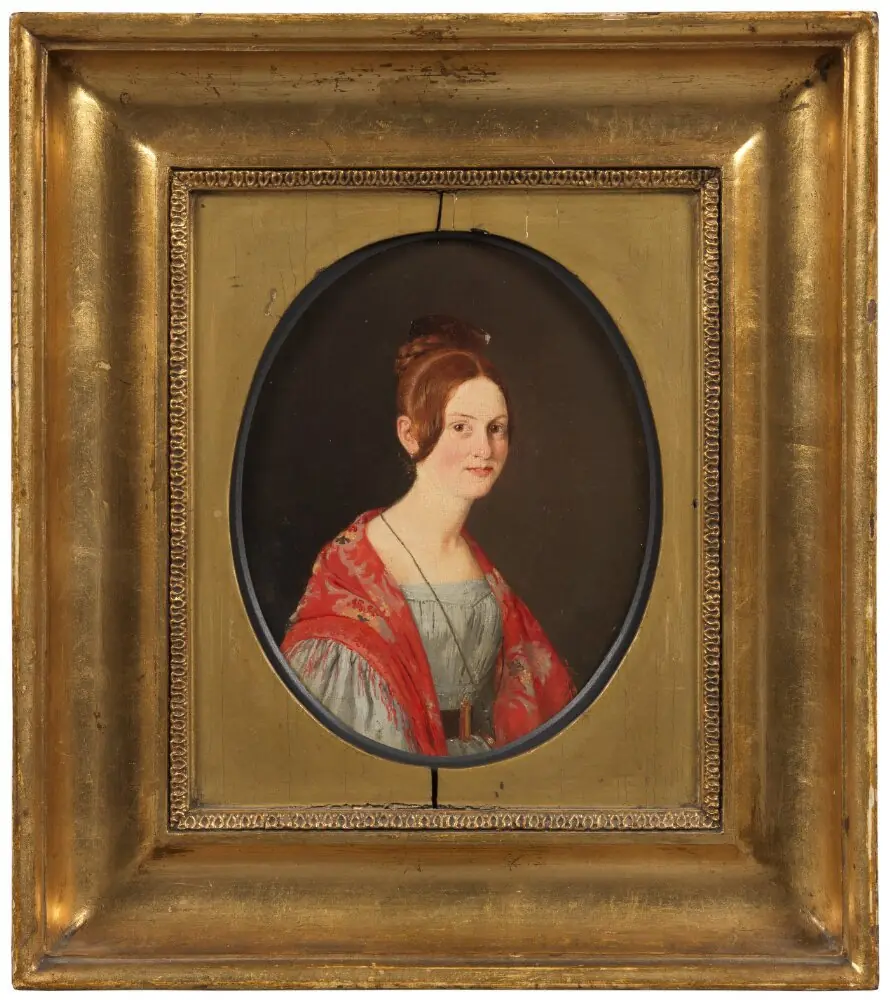 Portrait of Ane Elisabeth (Elise) Gurlitt, né Saxild (1817-39)
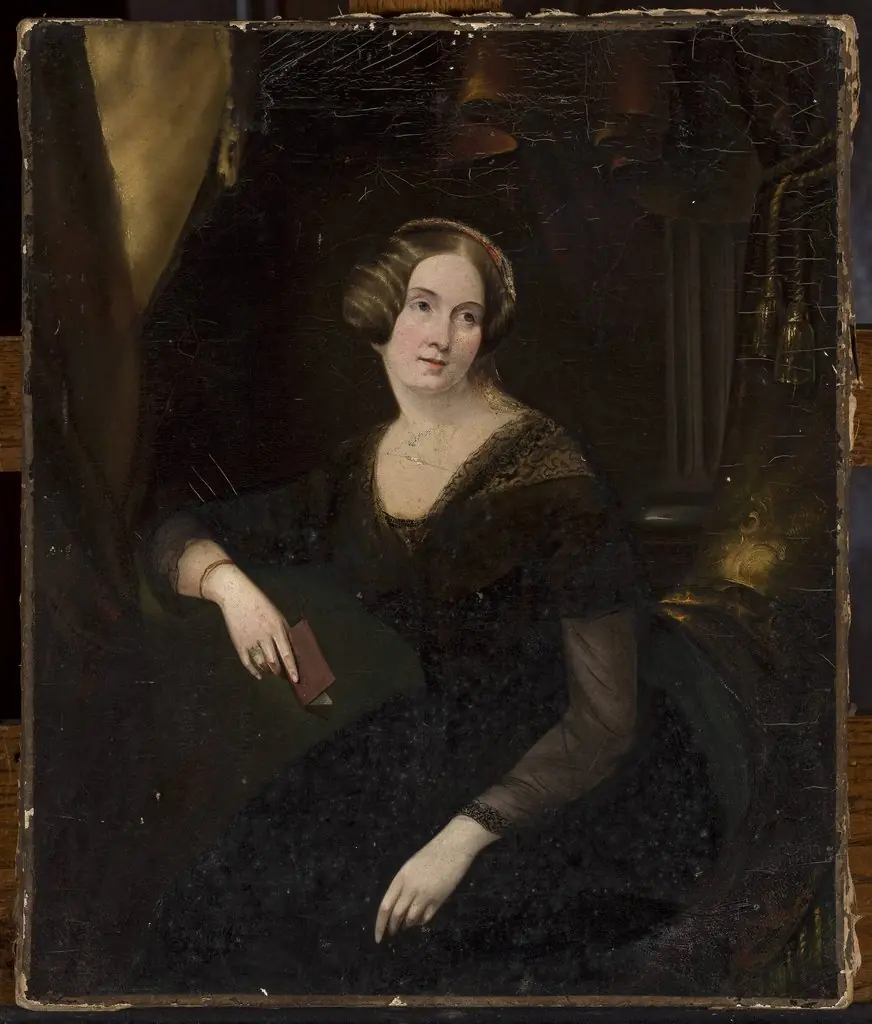 Portrait of a woman
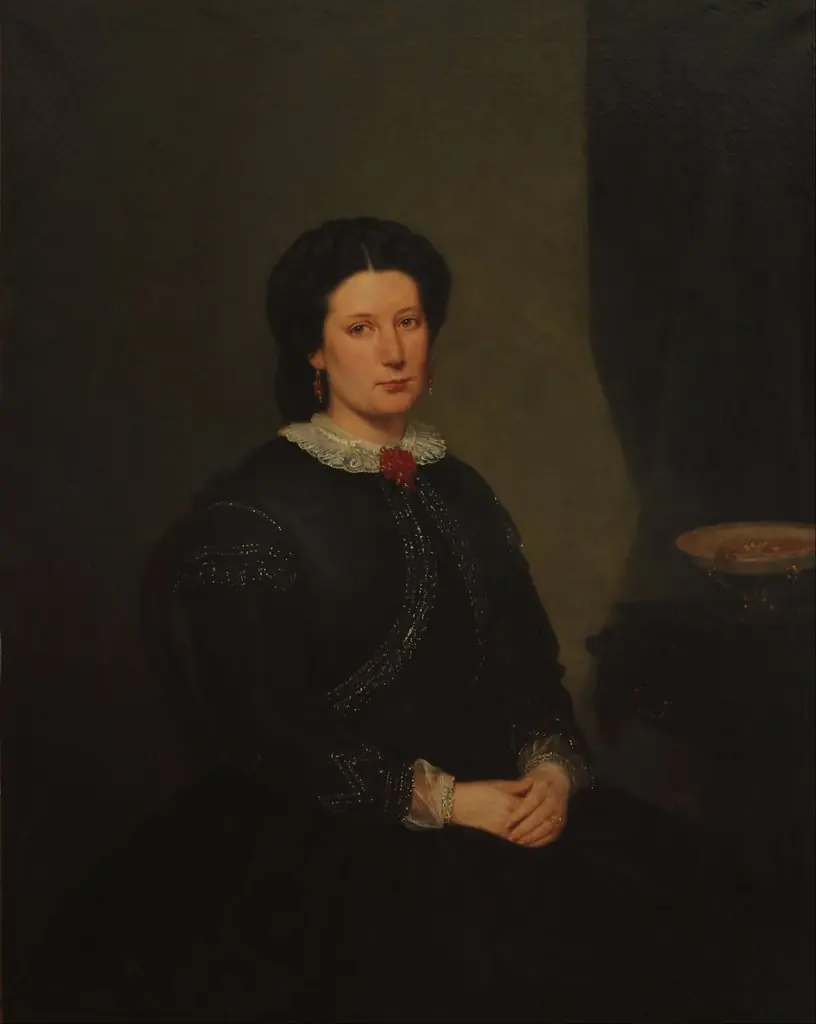 Retrato de la Señora Adela Eastman de Barros
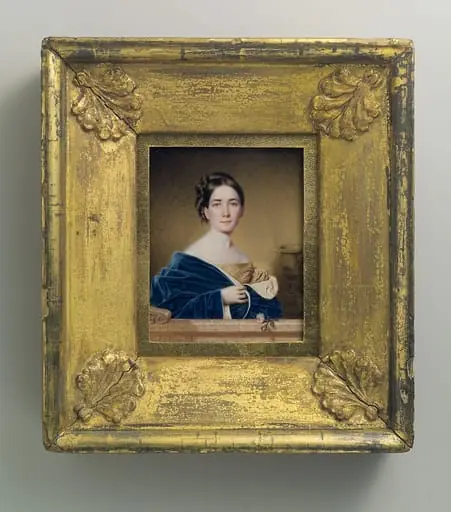 Mrs. John Wood Dodge (Mary Louise Dodge)
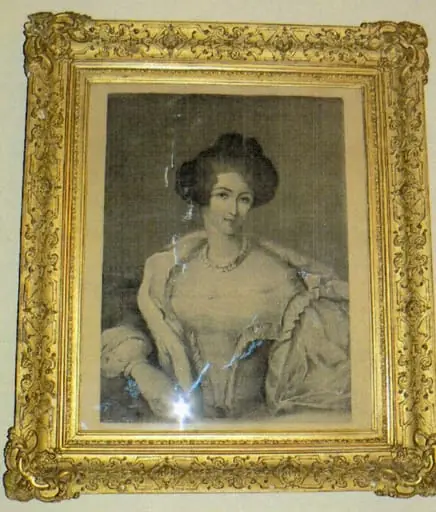 Catinca Stavilă-Kogălniceanu
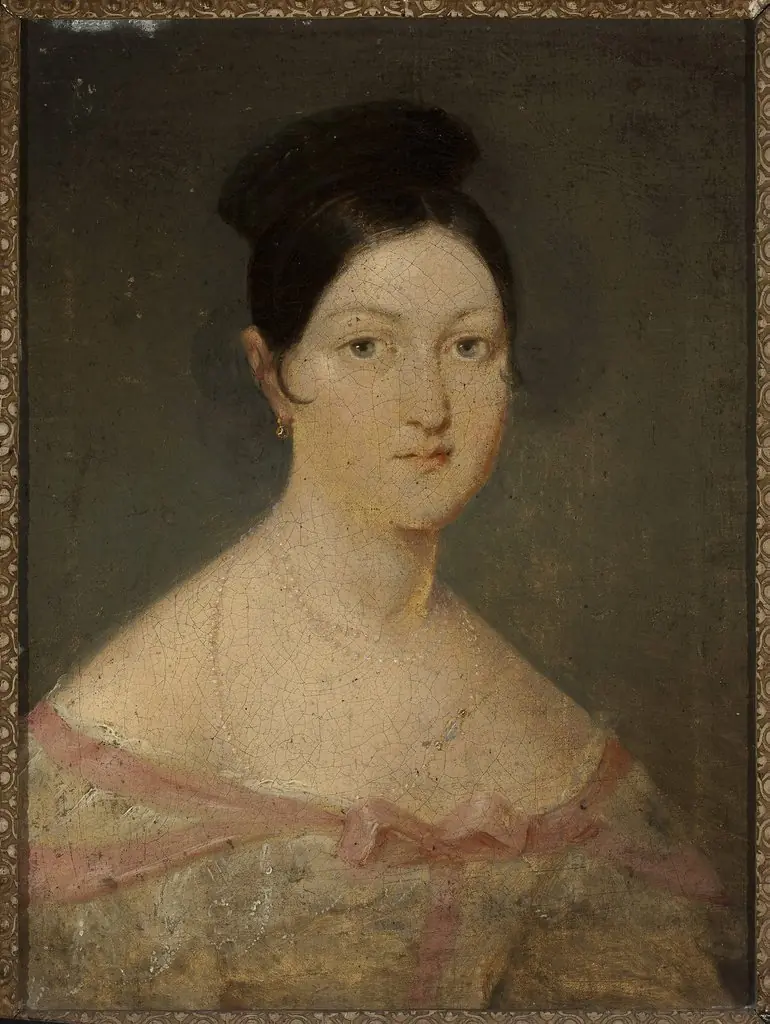 Portrait of a woman
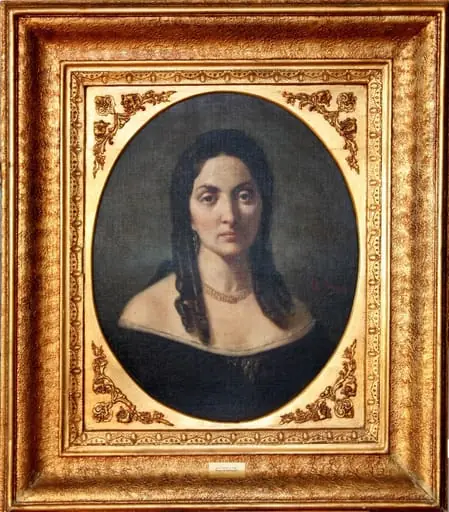 Portret Ana Davila
 Portrait of Józefina Deboli née Drużbacka