Artwork
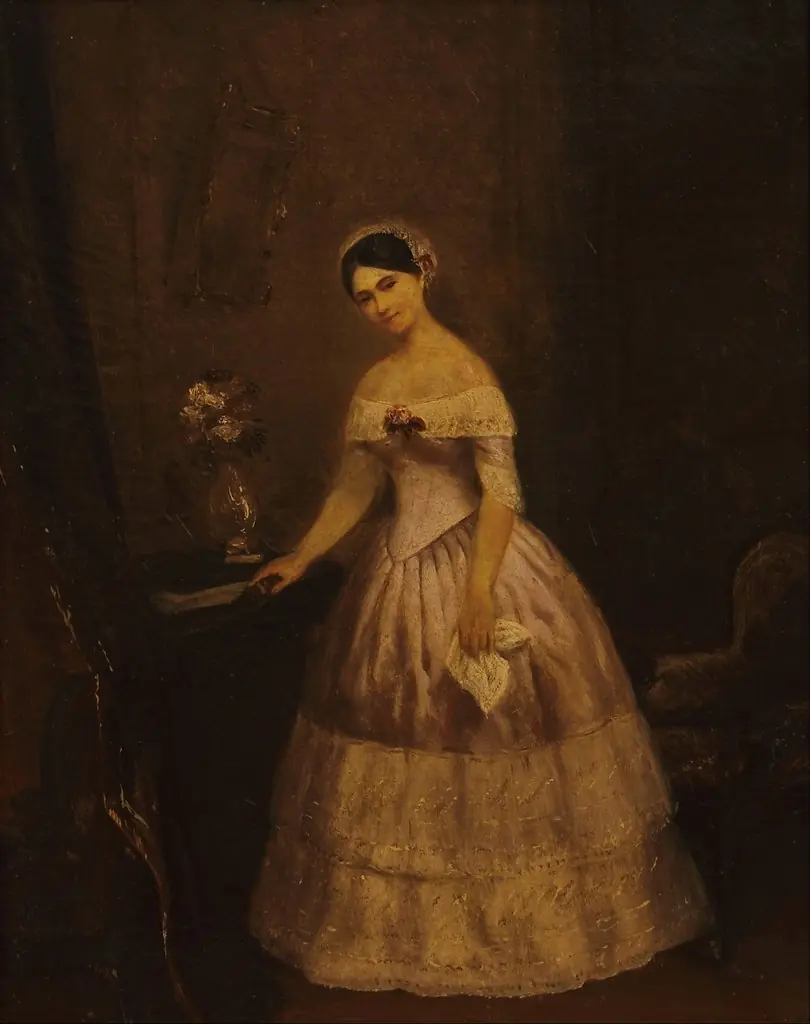
Retrato de la Señora Adela Eastman de Barros
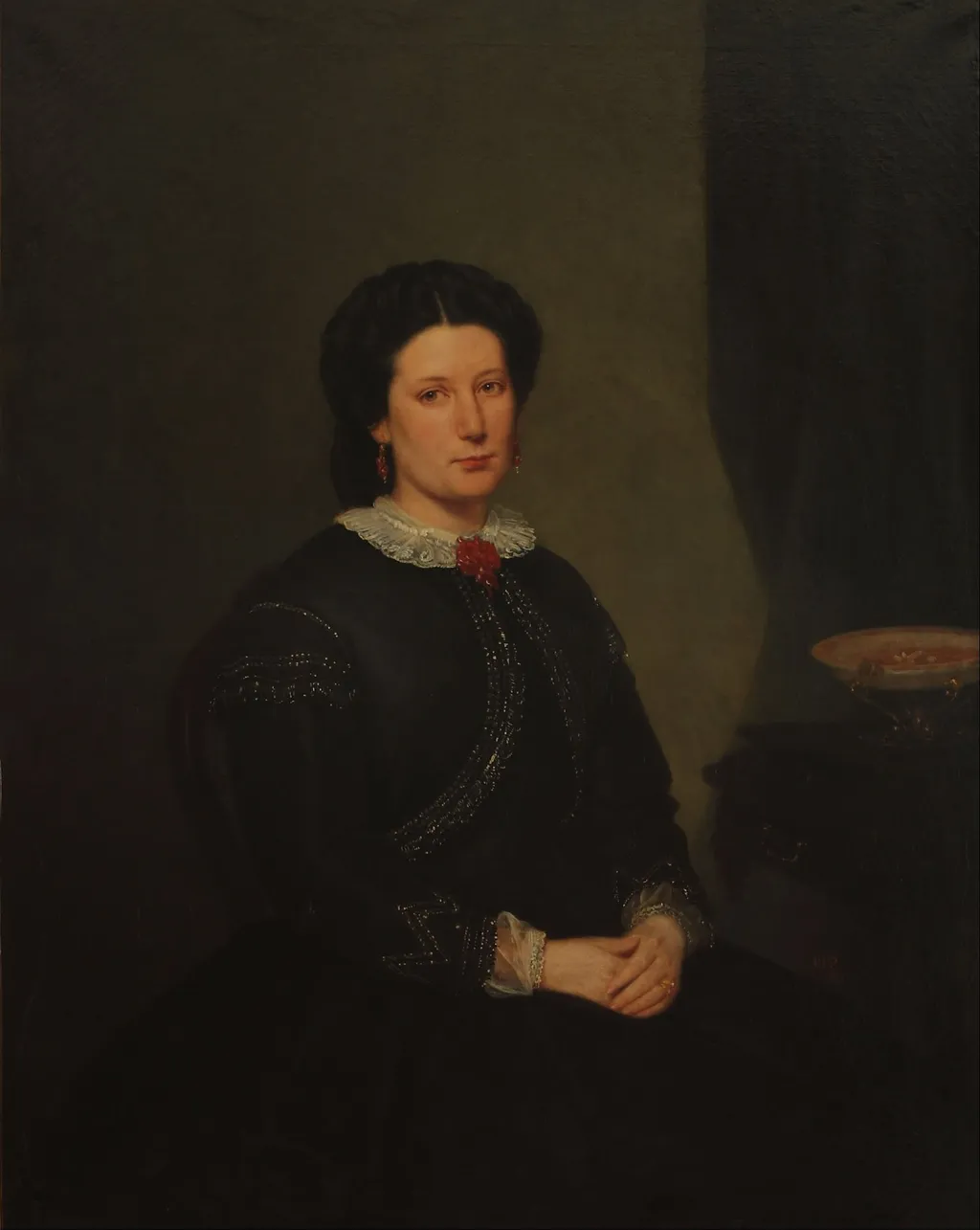
Retrato de la Señora Adela Eastman de Barros is an oil painting by the Realist artist Prilidiano Pueyrredón. It dates from 1865 and is held in the collection of the National Museum of Fine Arts, Argentina.
About this work
Overview
The work is part of the permanent collection at the National Museum of Fine Arts in Buenos Aires, where it reflects early Argentine artistic development.
Painted in 1865 by Argentine artist Prilidiano Pueyrredón, this oil portrait captures Adela Eastman de Barros, a woman of social standing in mid-19th-century Buenos Aires. Pueyrredón, trained in both art and engineering, brought a quiet precision to his portraiture, aligning with the broader realism movement. The work is part of the permanent collection at the National Museum of Fine Arts in Buenos Aires, where it reflects early Argentine artistic development.
Subject & Meaning
The subject, Adela Eastman de Barros, is depicted with composed dignity, her hands gently clasped before her. Her attire—black dress with white lace trim and a red brooch—signals modest refinement, typical of elite women of the era. The stillness of her posture and direct gaze convey quiet self-possession, avoiding theatricality. The portrait does not seek to idealize but to record presence, reflecting a cultural shift toward personal, intimate representation in Argentine society.
Technique & Style
Pueyrredón employs chiaroscuro to model the figure with subtle gradations of light, emphasizing the contours of the face and hands against a deep, neutral background. The brushwork is controlled, with fine attention to textile textures—lace, silk, and the metallic glint of the brooch. The palette is restrained, dominated by dark tones relieved by delicate highlights, reinforcing the portrait’s solemnity and psychological depth without overt sentimentality.
History & Provenance
Commissioned during a period of growing cultural institutionalization in Argentina, the portrait entered the National Museum of Fine Arts in Buenos Aires in the late 19th century. Its preservation reflects early efforts to document national artistic heritage. While little is known of its immediate provenance, its inclusion in the museum’s foundational collection underscores its recognized significance as a representative work of Argentine realism.
Context
In 1860s Argentina, portraiture served as both personal commemoration and social documentation. Pueyrredón’s work emerged alongside the nation’s efforts to define a cultural identity distinct from European models. His focus on local subjects, rendered with technical restraint, contrasted with the romanticized styles still prevalent elsewhere. This portrait exemplifies how Argentine artists began to articulate domestic life through a lens of quiet realism.
Legacy
Pueyrredón’s portrait of Adela Eastman de Barros remains a touchstone for understanding the evolution of Argentine painting. It exemplifies the transition from European academic traditions toward a more localized, introspective mode of representation. The work continues to inform scholarly discourse on 19th-century visual culture in Latin America, valued for its restraint and historical resonance rather than its novelty.
Own this work as a print
Artist & collection
Artist
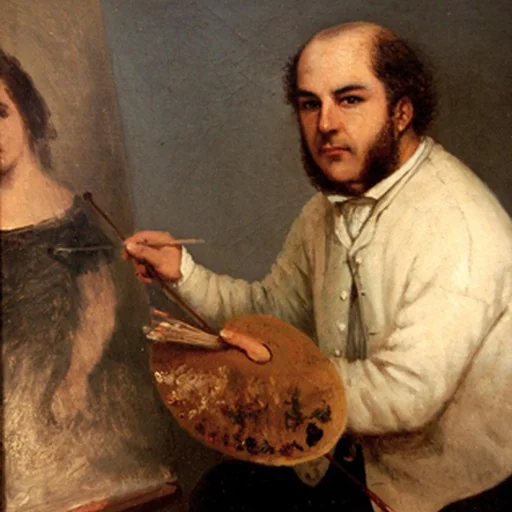
Prilidiano Pueyrredón (January 24, 1823 – November 3, 1870) was an Argentine painter, architect and engineer. One of the country's first prominent painters, he was known for his costumbrist sensibility and preference for everyday themes.

Museum
National Museum of Fine Arts, Argentina
Continue through works from the same source collection.
 Portrait of Doña Inés N. de Aldao
 Anna Helena Lovisa Jägerhorn
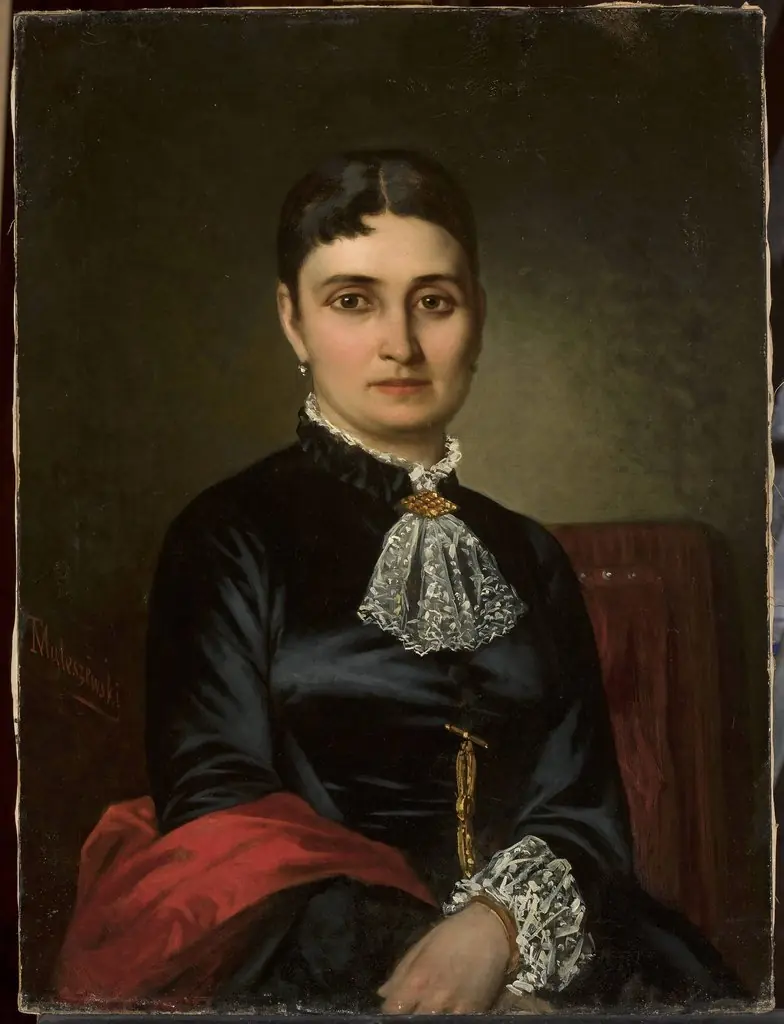 Portrait of Apolonia Anaszkowska
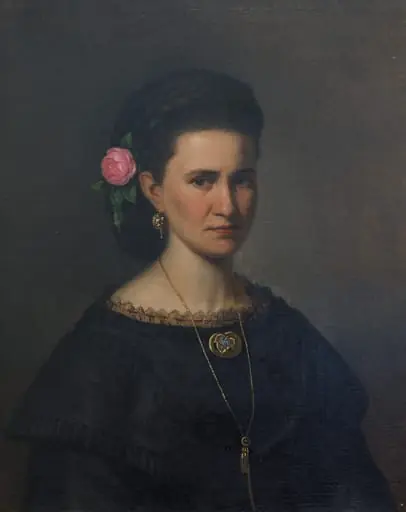 Portret de femeie
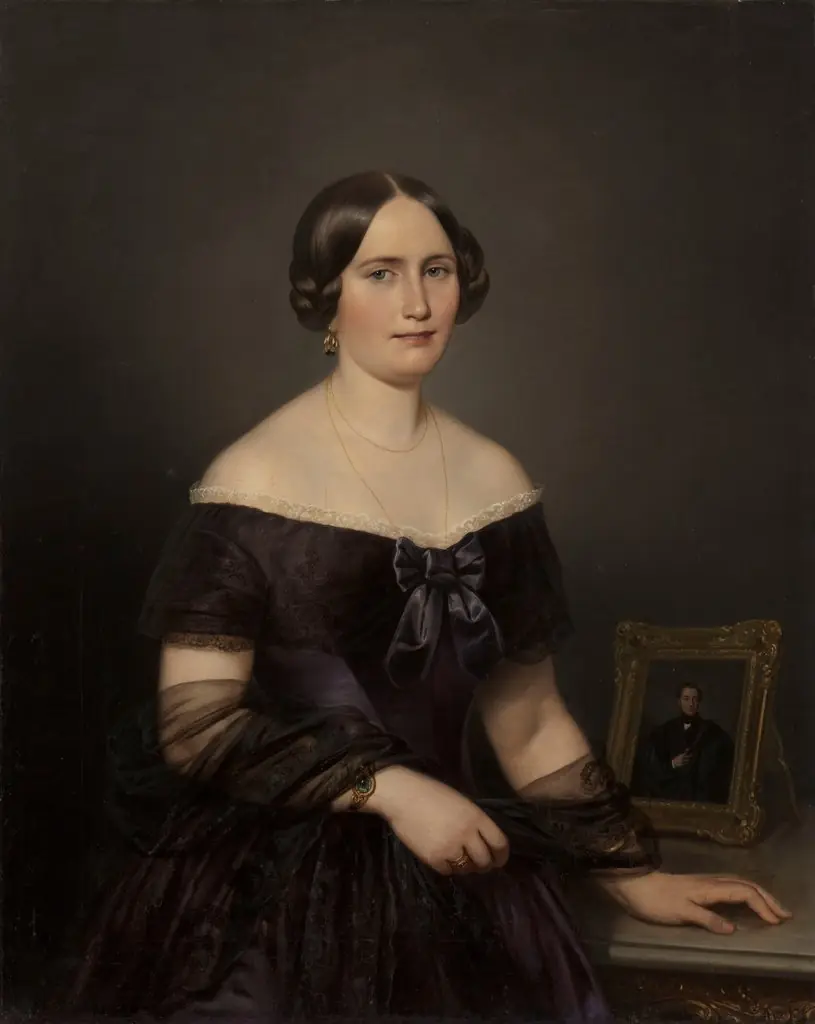 Ksenia Cavos
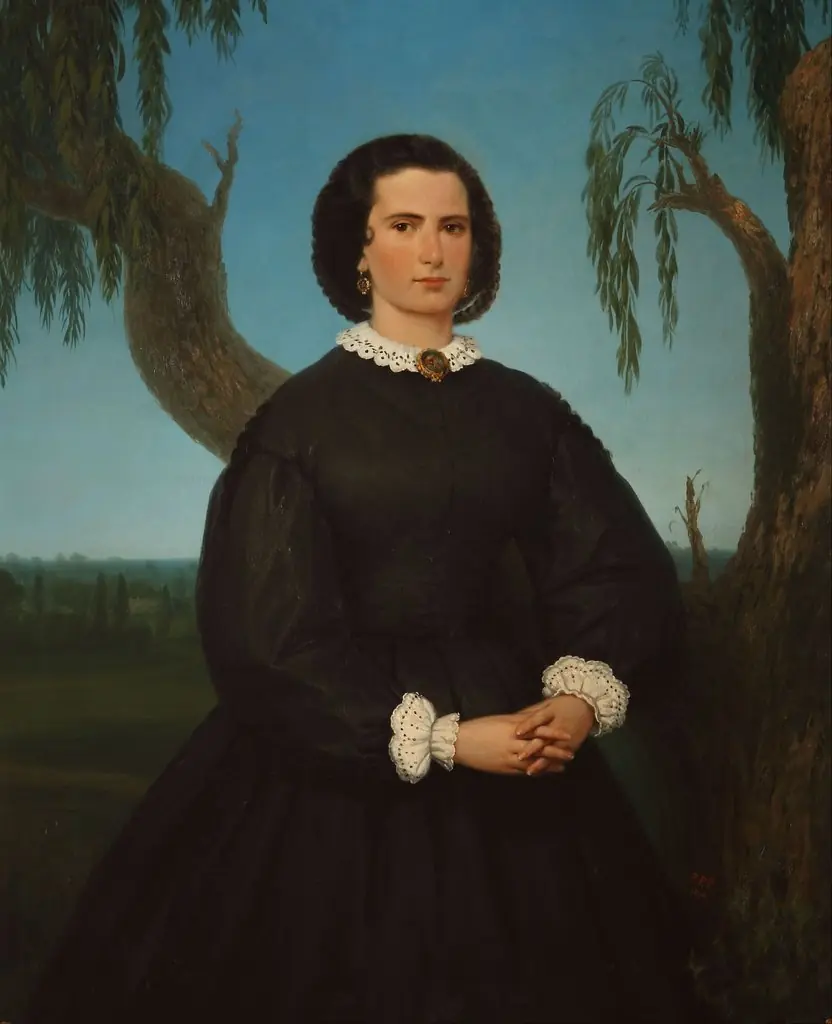 Retrato de Doña Josefa Sáenz Valiente
 Portrait of Princess Tenisheva
 Mary Francis Gleason Vandervoort
 Portrait of Maria Sędziak née Żyżniewska
 Amparo Romero
 Retrato de Manuelita Rosas (estudio)