Artwork
The Month of Pusa (December-January), from a manuscript of the Barahmasa ("Twelve Months")
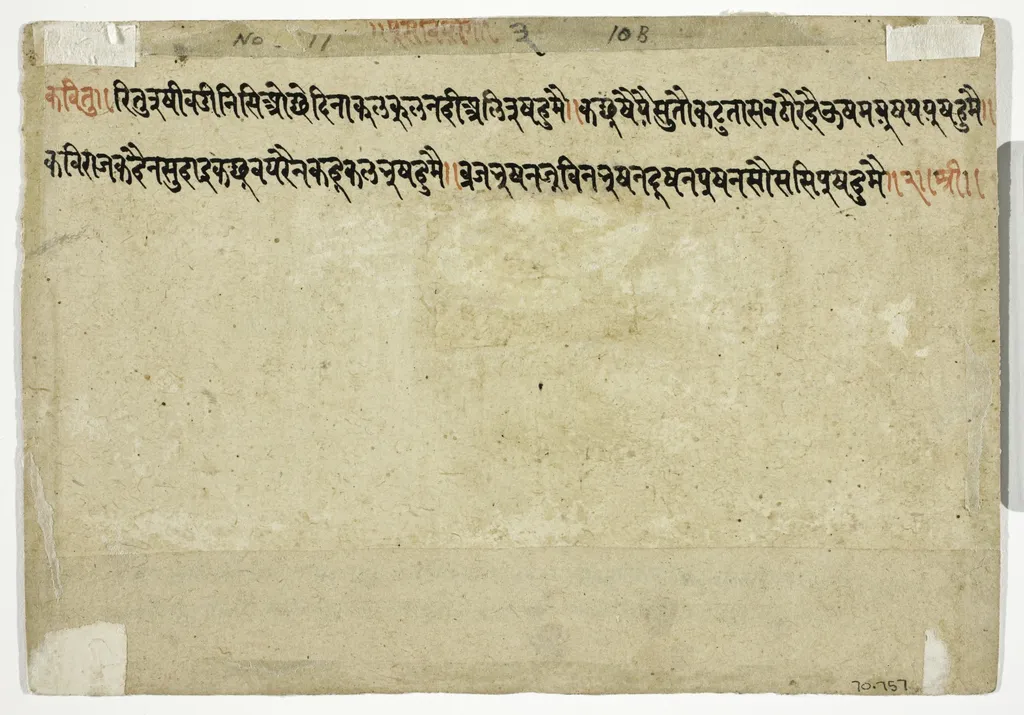
The Month of Pusa (December-January), from a manuscript of the Barahmasa ("Twelve Months") is an unspecified painting by Unknown. It is held in the collection of the Detroit Institute of Arts.
About this work
Overview
This painting is one of twelve in a manuscript series illustrating the Barahmasa, a poetic tradition that maps the year’s months to emotional and natural cycles. Created in the Pahari style, it depicts the winter month of Pusa, corresponding to December and January. The scene captures quiet rural life during cold weather, emphasizing stillness and introspection over festive activity.
Subject & Meaning
The painting portrays villagers huddled near a hearth, wrapped in woolen garments, while a lone figure walks through frost-laden fields. Domestic warmth contrasts with the barren landscape, reflecting the emotional solitude associated with winter in the Barahmasa tradition. The imagery evokes longing and patience, aligning with poetic verses that link seasonal hardship to human yearning.
Technique & Style
Executed in opaque watercolor on paper, the work uses muted earth tones and delicate brushwork to convey chill and stillness. Figures are rendered with subtle detail, their postures conveying fatigue and quiet endurance. The background employs soft gradients to suggest misty air, while minimal architectural elements ground the scene in a Himalayan foothill setting.
History & Provenance
The manuscript likely originated in the early 18th century in the hill kingdoms of northern India, possibly under the patronage of a local ruler or courtly poet. It remained in private collections until the 20th century, when it entered a public institution. Its survival in near-complete form is rare, as many Barahmasa manuscripts were dispersed or lost over time.
Context
The Barahmasa genre emerged from North Indian literary traditions, blending folk poetry with devotional themes. Each month was associated with a woman’s emotional state, often tied to separation from a lover. This painting reflects how regional artists translated textual imagery into visual narratives, adapting poetic conventions to local landscapes and seasonal realities.
Legacy
The series influenced later Pahari and Rajasthani painters who adopted its intimate, narrative approach to seasonal cycles. Though not widely exhibited, its quiet realism and emotional restraint set a precedent for regional painting that prioritized atmosphere over spectacle. Scholars continue to study it as a bridge between literary and visual culture in pre-colonial India.
Artist & collection

 Domestic Scene
 Giacomo and Cardinal Marco, investing Andrea, Abbot of San Zeno, with his Benefice
 The Nymph of Fontainebleau
 Portrait of a Woman
 Madonna and Child with Saints in the Enclosed Garden
 Venus and Minerva
 Family Group of Four on Sofa
 Wall painting from Room H of the Villa of P. Fannius Synistor at Boscoreale
 The Month of Aghan (November-December), from a manuscript of the Barahmasa ("Twelve Months")
 The Month of Kartik (October-November), from a manuscript of the Barahmasa ("Twelve Months")
 The Month of Vaisakha (April-May), from a manuscript of the Barahmasa ("Twelve Months")
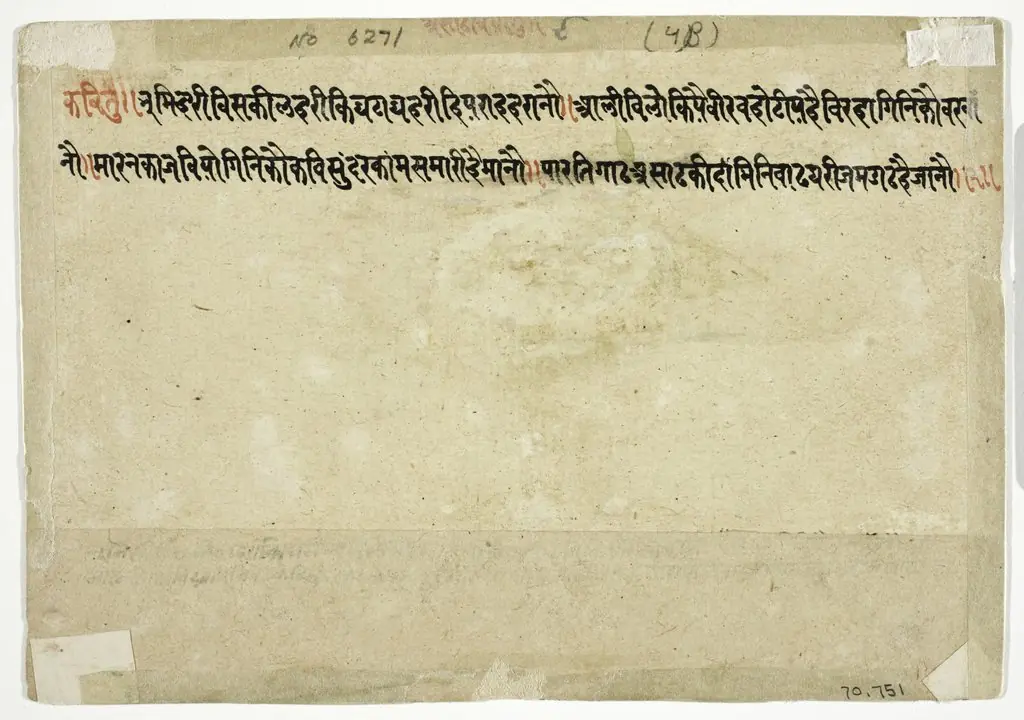 The Month of Asadha (June-July), from a manuscript of the Barahmasa ("Twelve Months")
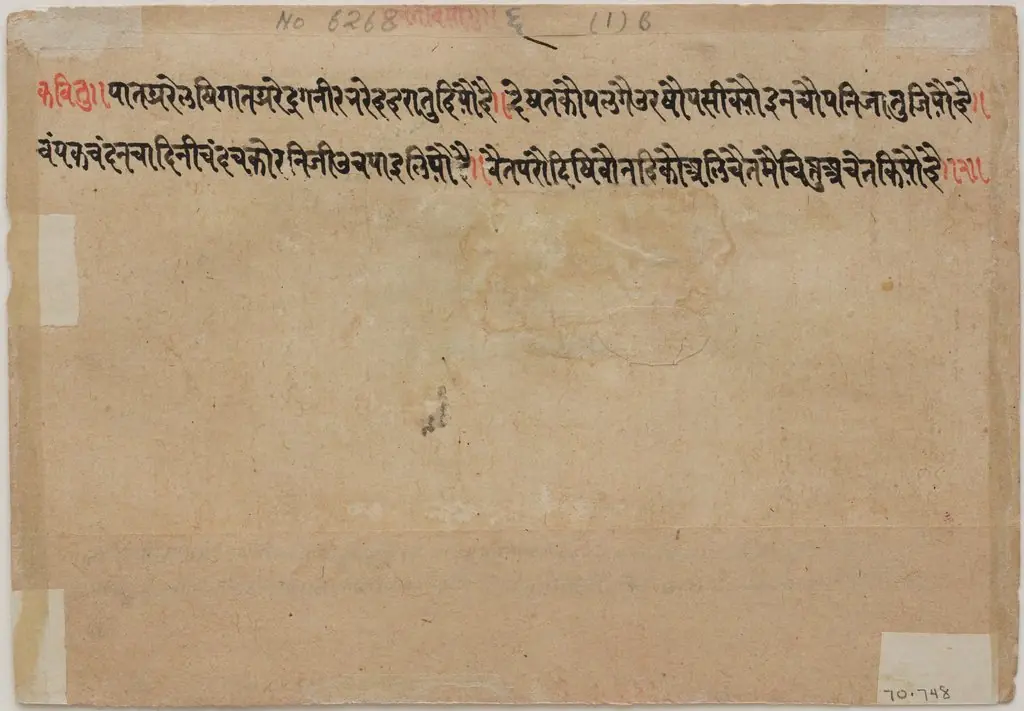 The Month of Chaitra (March-April), from a manuscript of the Barahmasa ("Twelve Months")
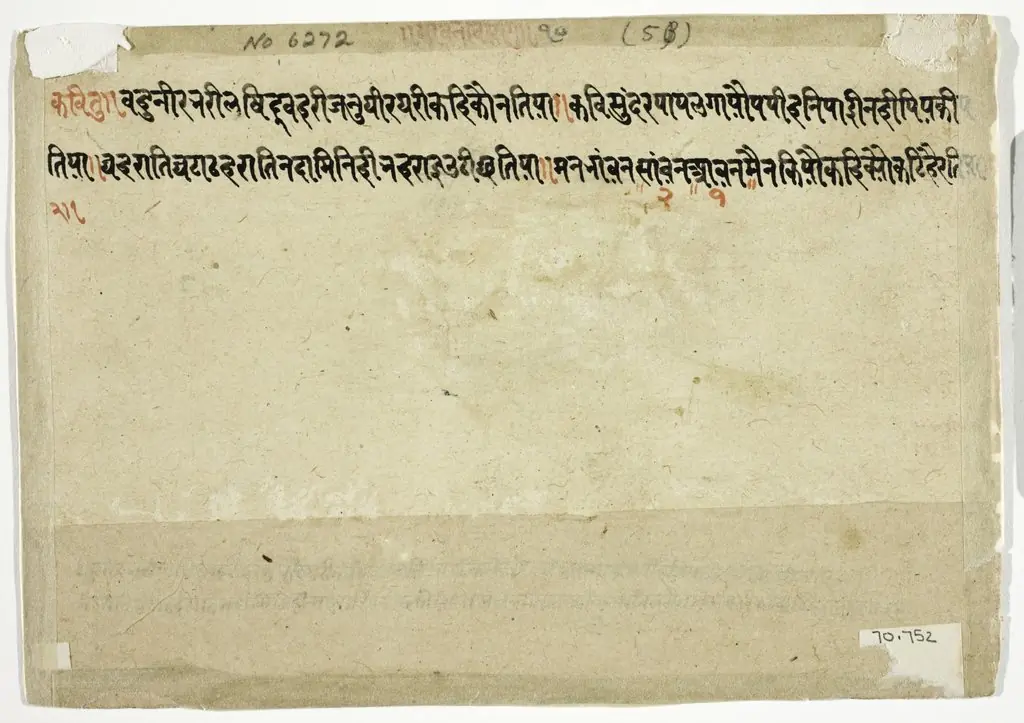 The Month of Shravana (July-August), from a manuscript of the Barahmasa ("Twelve Months")
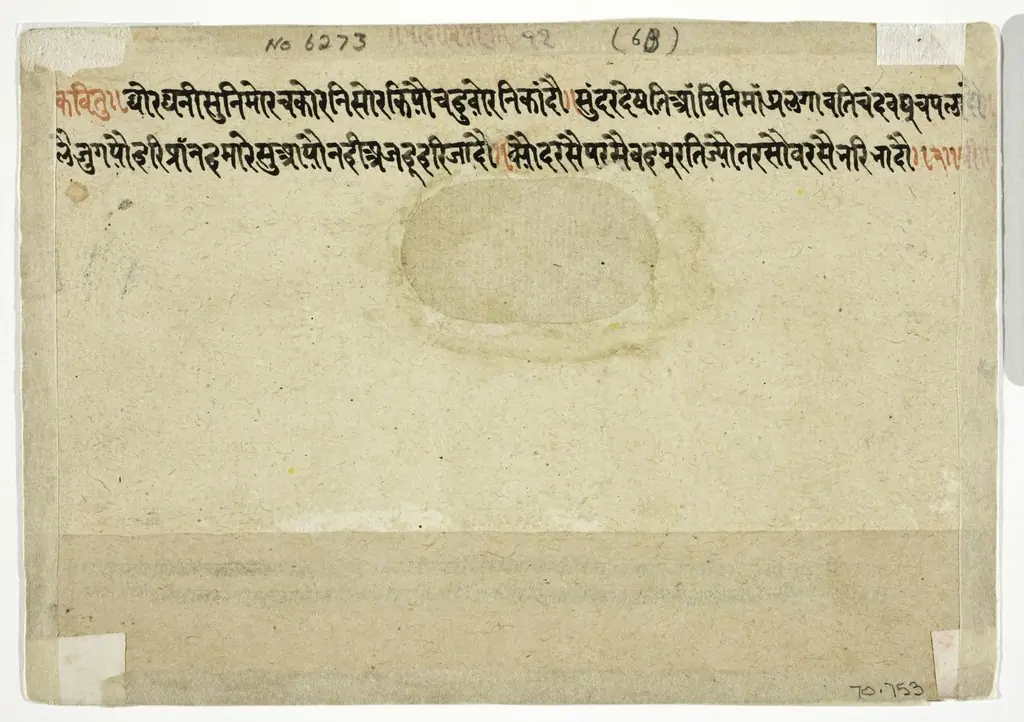 The Month of Bhado (August-September), from a manuscript of the Barahmasa ("Twelve Months")
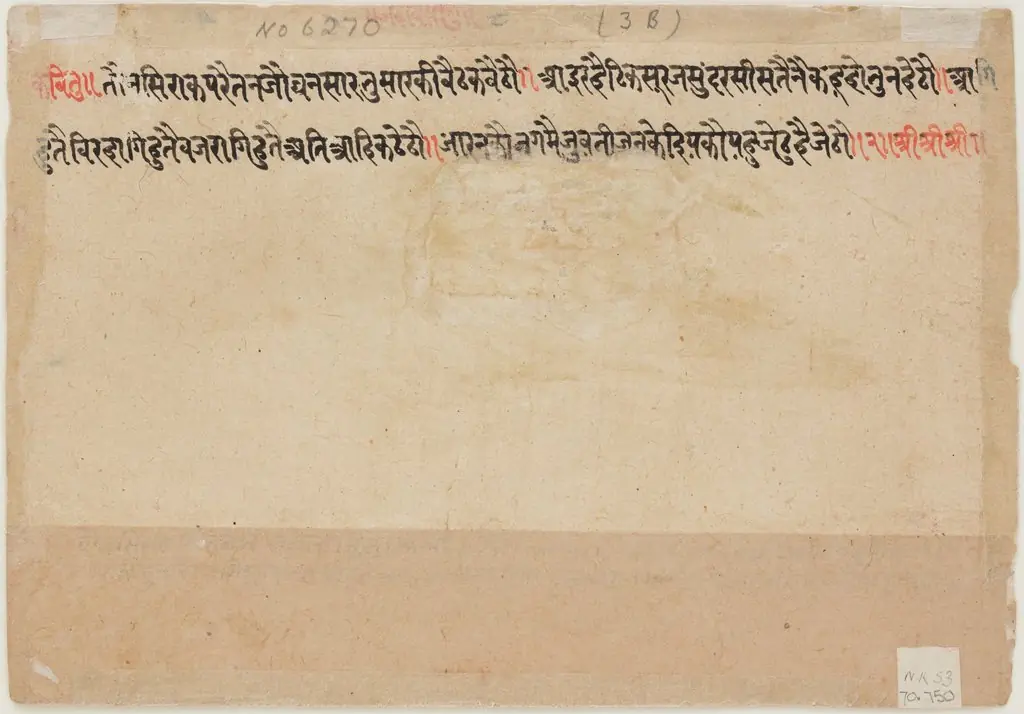 The Month of Jyeshtha (May-June), from a manuscript of the Barahmasa ("Twelve Months")
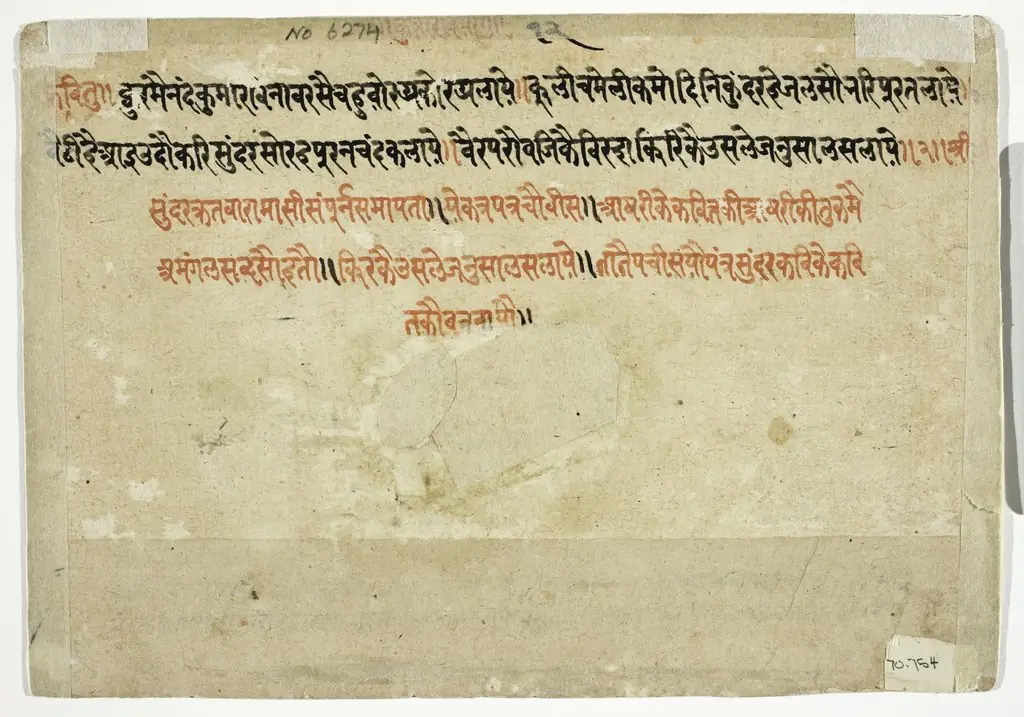 The Month of Ashvin (September-October), from a manuscript of the Barahmasa ("Twelve Months")