Artwork
Hirtenknabe mit Vieh auf der Weide
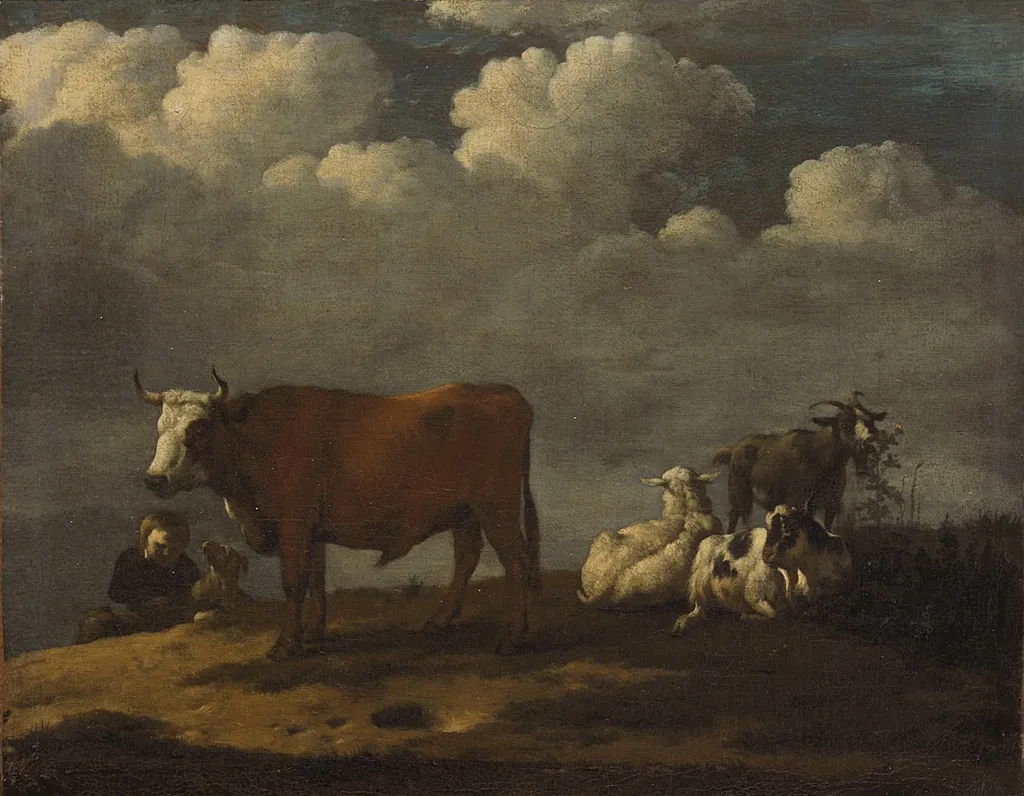
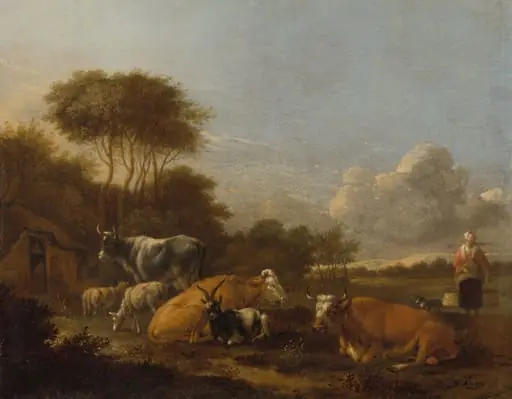
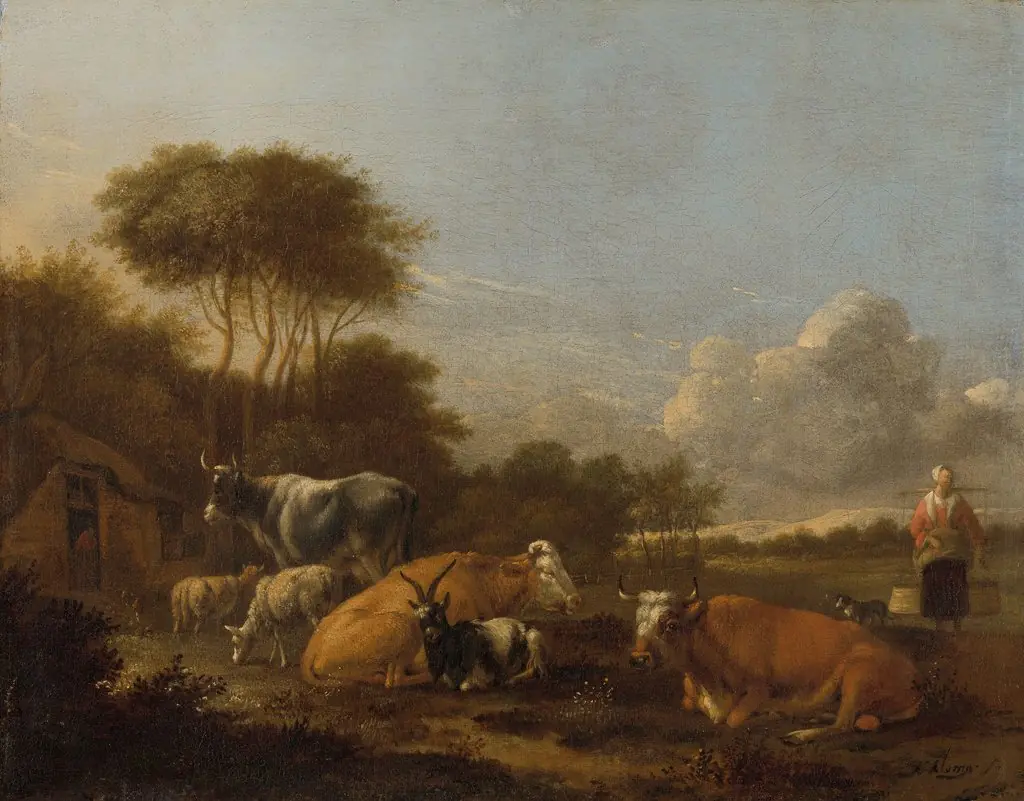
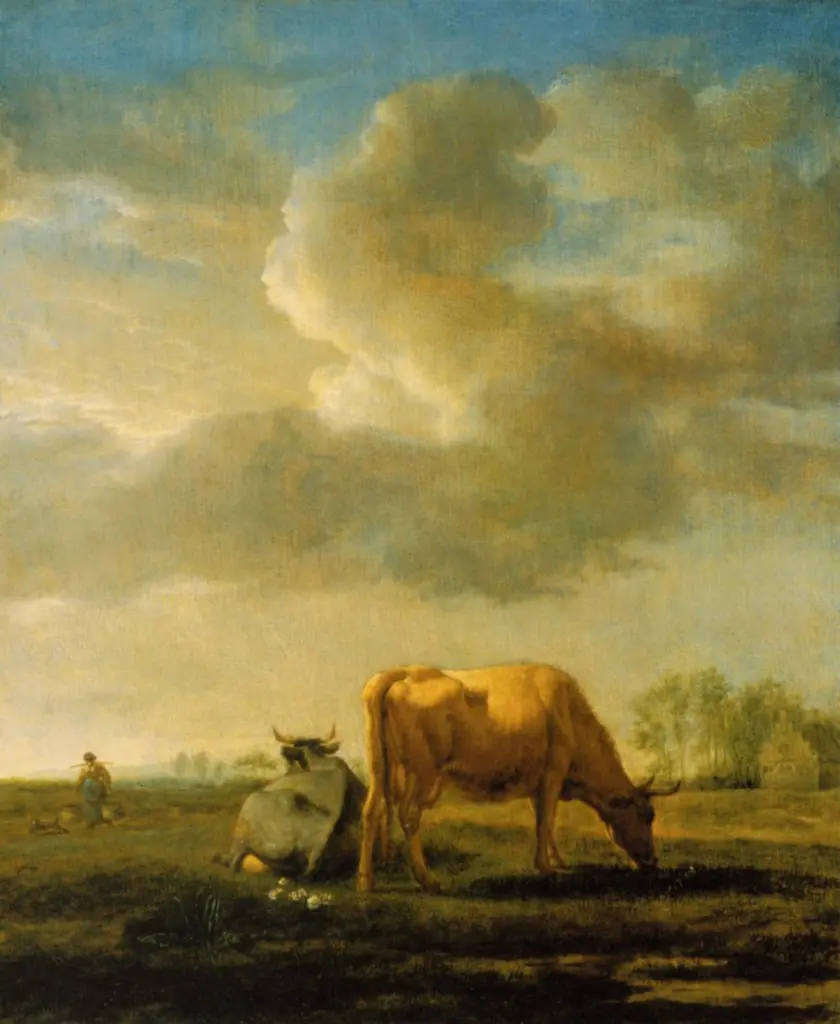
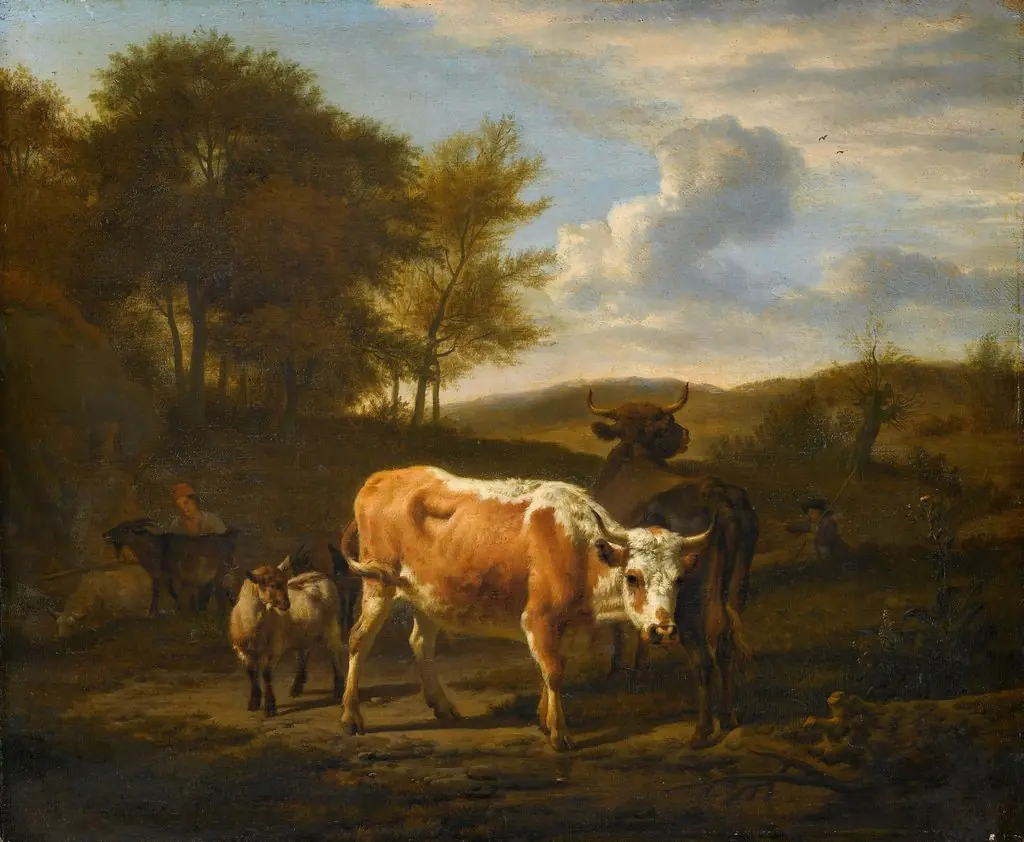
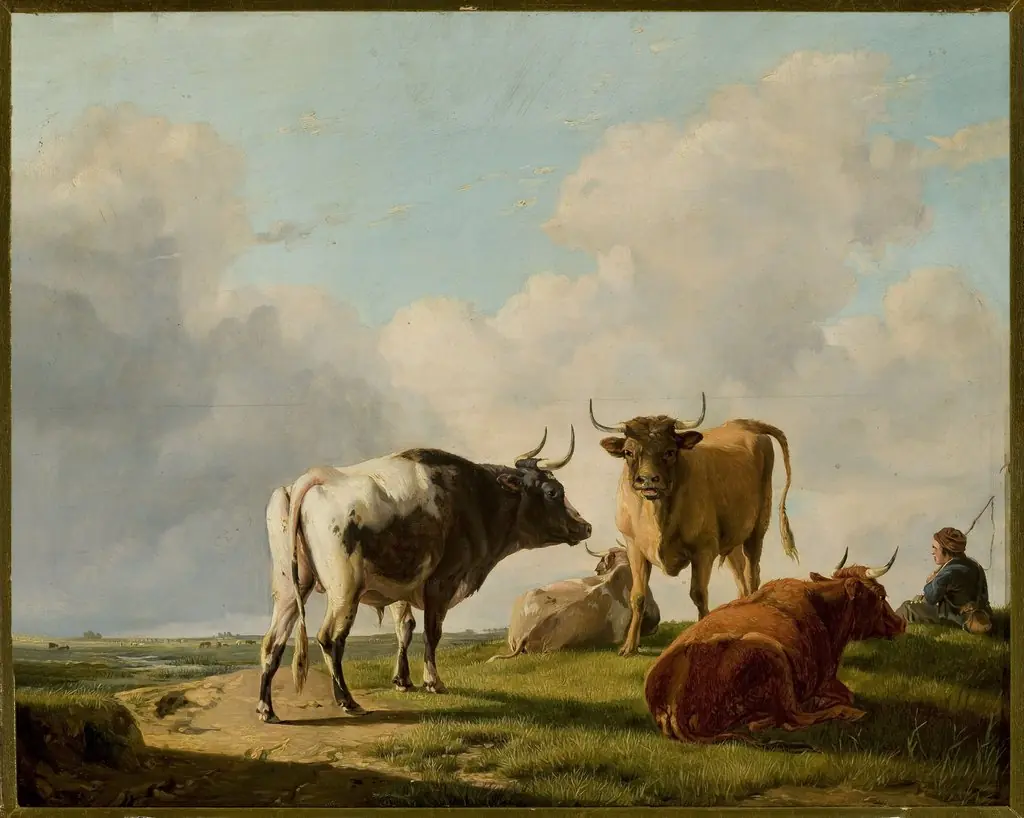
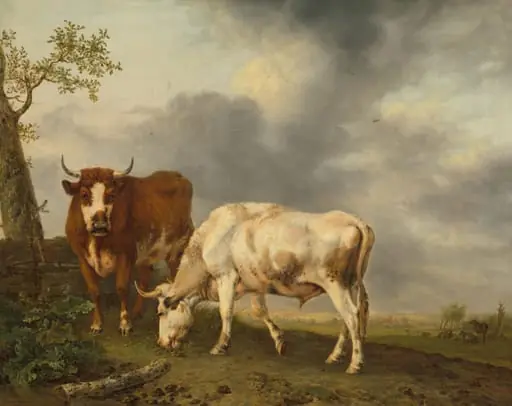
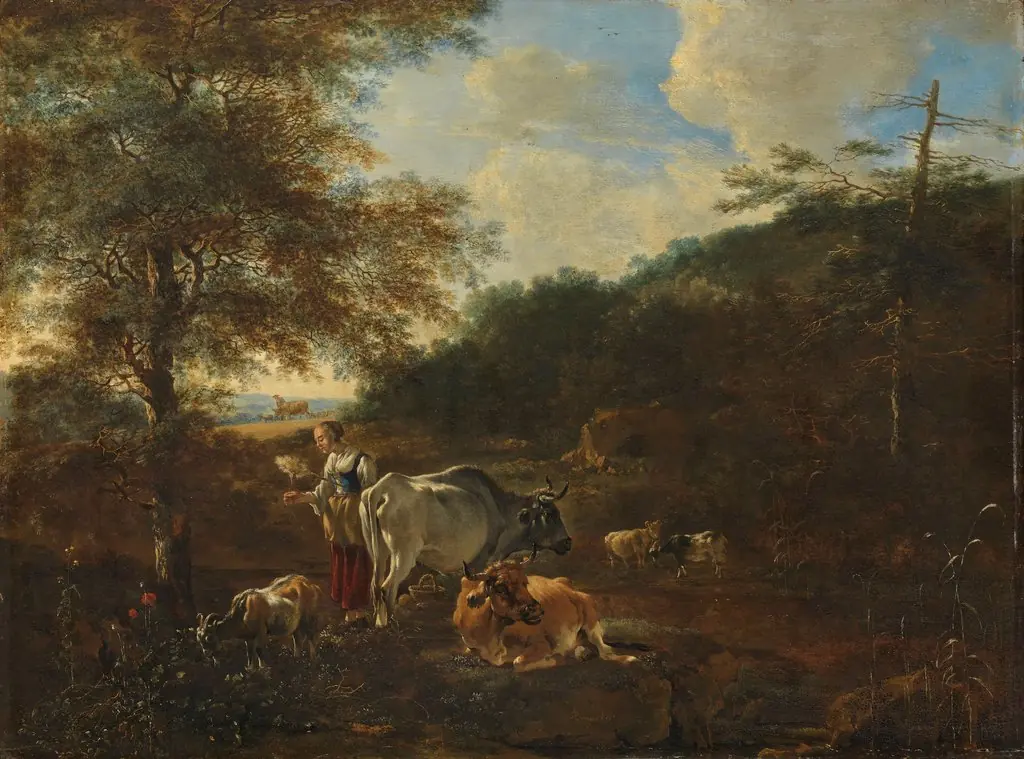
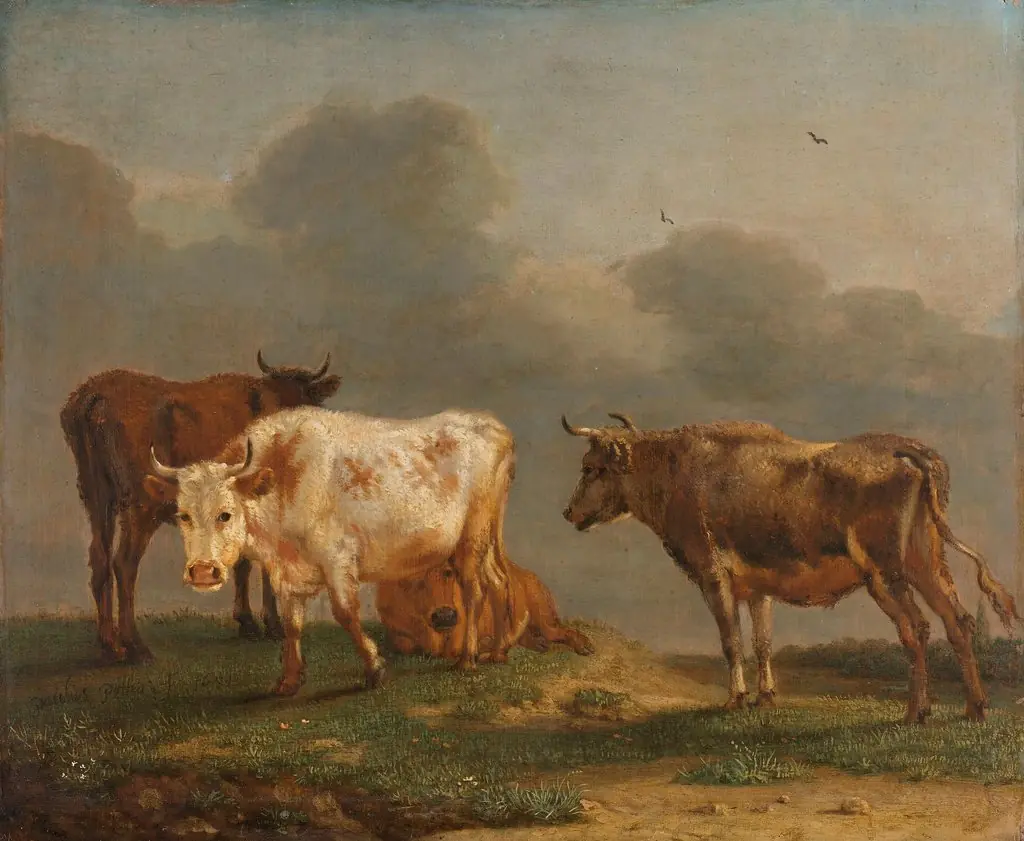
Hirtenknabe mit Vieh auf der Weide is an unspecified painting by the Flemish Baroque painting artist Unknown. It dates from 1670 and is held in the collection of the Kunsthistorisches Museum. The work presents a quiet pastoral scene in which a brown cow with distinctive white facial markings occupies the foreground.
About this work
Overview
The work presents a quiet pastoral scene in which a brown cow with distinctive white facial markings occupies the foreground. Adjacent to the animal, a cluster of goats gathers, while a seated figure accompanied by a dog rests on the left side. Above, a cloud‑filled sky stretches, lending the composition a tranquil, open atmosphere.
Subject & Meaning
At its core, the painting illustrates everyday rural life, emphasizing the harmonious relationship between shepherd, livestock, and the natural environment. The calm posture of the man and the placid demeanor of the animals suggest a moment of peaceful coexistence, inviting contemplation of the simplicity and stability of agrarian existence.
Technique & Style
The artist employs chiaroscuro, creating pronounced contrasts between illuminated and shadowed areas to model forms and convey depth. This interplay of light and darkness enhances the three‑dimensionality of the figures and landscape, while the muted palette and soft brushwork contribute to the work’s serene mood.
History & Provenance
The painting, titled "Hirtenknabe mit Vieh auf der Weide," originates from a period when genre scenes of shepherd life were popular among Northern European artists. Though specific details of its creation and ownership are scarce, the piece has been documented in regional collections that focus on rural genre painting.
Context
During the era of its production, depictions of pastoral labor served both decorative and didactic purposes, reflecting contemporary ideals of virtue tied to the countryside. The inclusion of a shepherd boy, livestock, and a dog aligns with common symbolic motifs that celebrated diligence, stewardship, and the bond between humans and animals.
Artist & collection

 Domestic Scene
 Giacomo and Cardinal Marco, investing Andrea, Abbot of San Zeno, with his Benefice
 The Nymph of Fontainebleau
 Portrait of a Woman
 Madonna and Child with Saints in the Enclosed Garden
 Venus and Minerva
 Family Group of Four on Sofa
 Wall painting from Room H of the Villa of P. Fannius Synistor at Boscoreale