Artwork
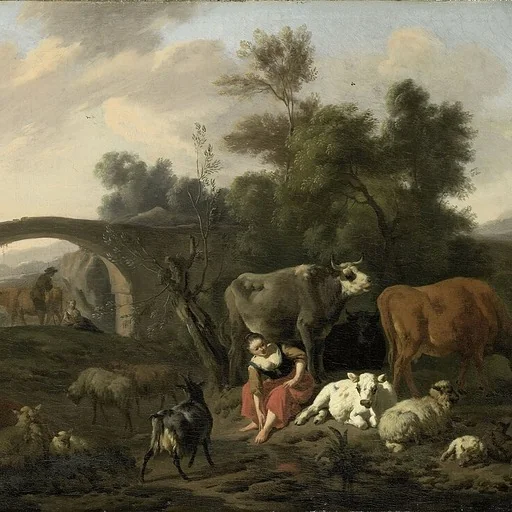
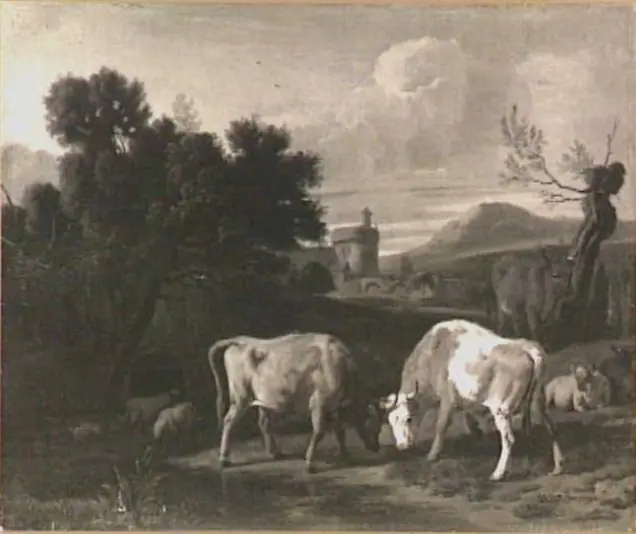
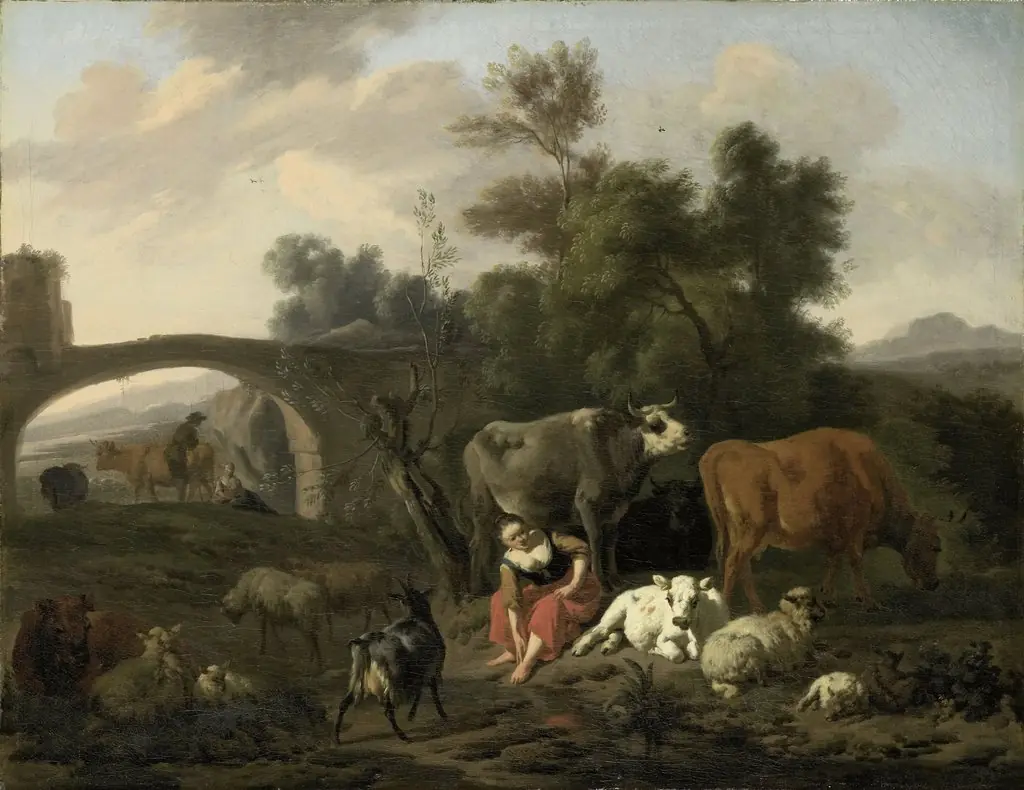
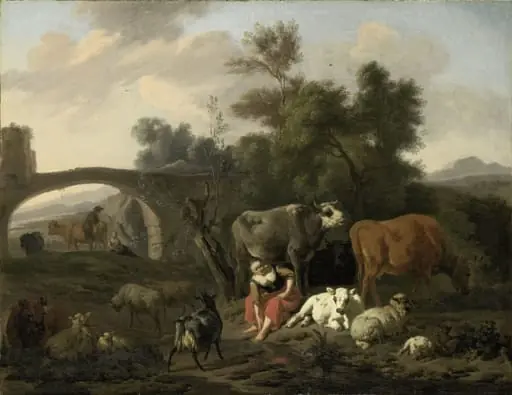
Cows on a Footbridge
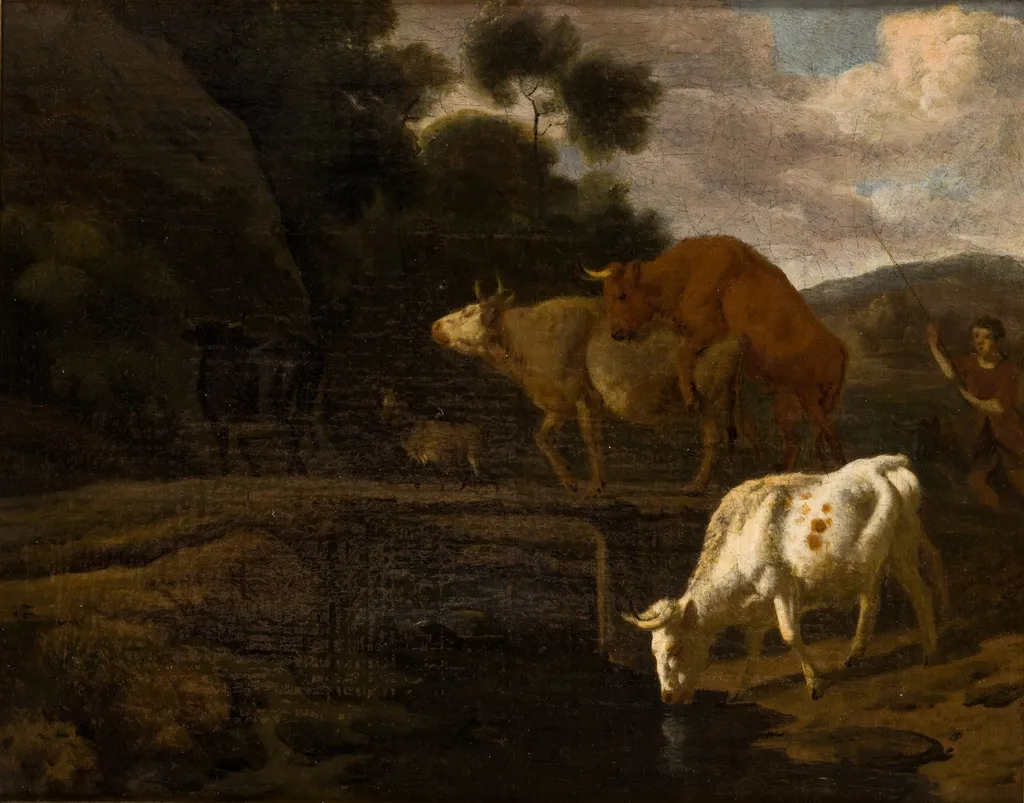
Cows on a Footbridge is an oil painting by Dirck van der Bergen. It dates from 1682 and is held in the collection of the National Museum in Kraków.
About this work
Overview
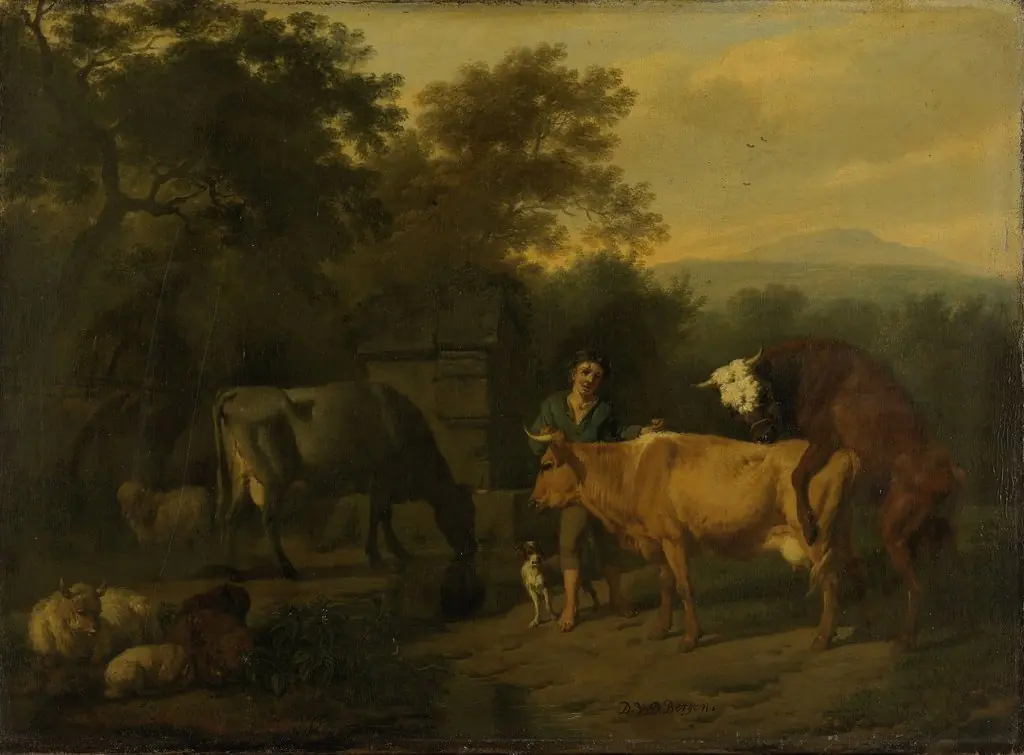
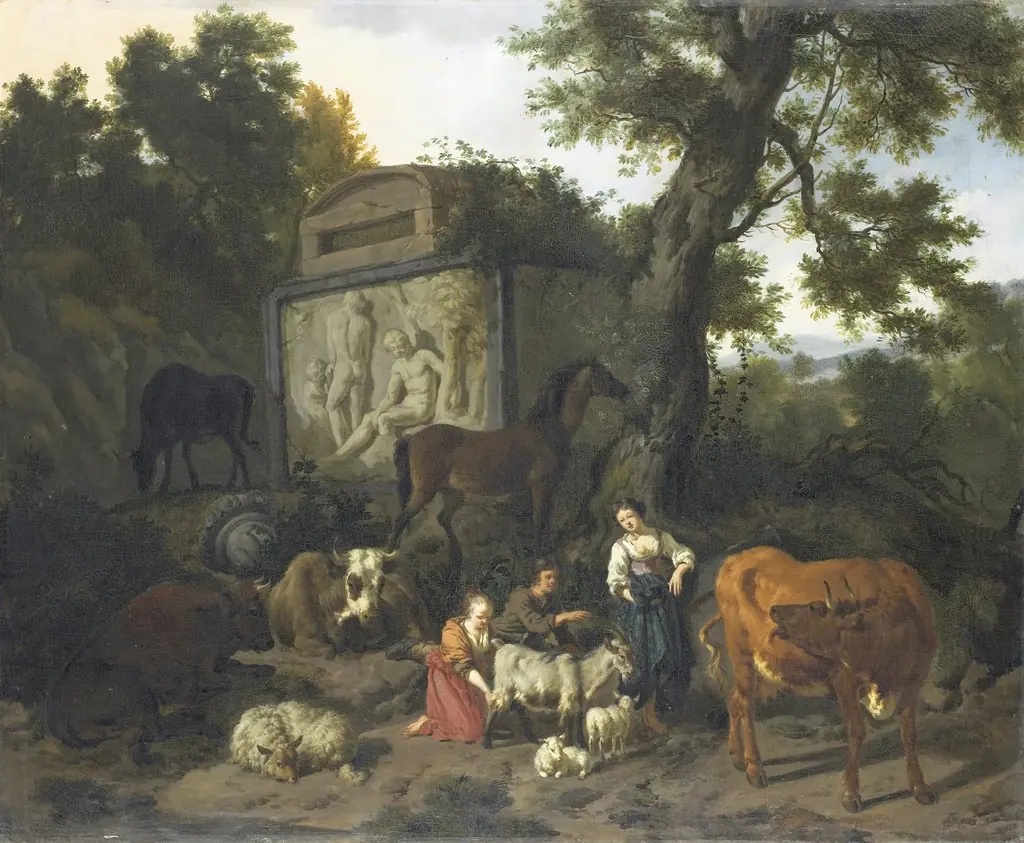
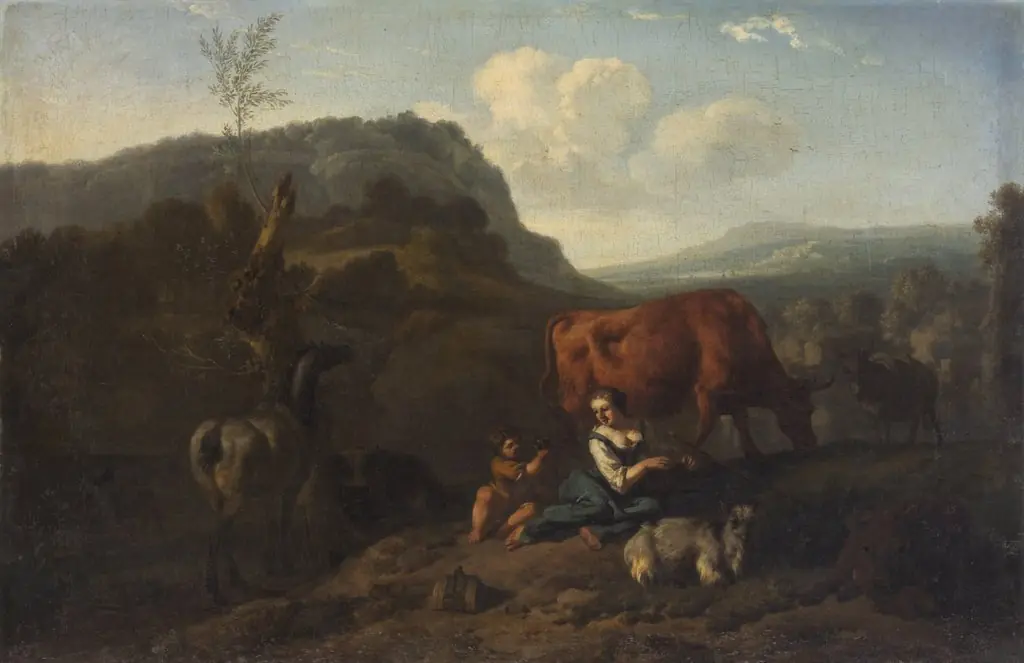
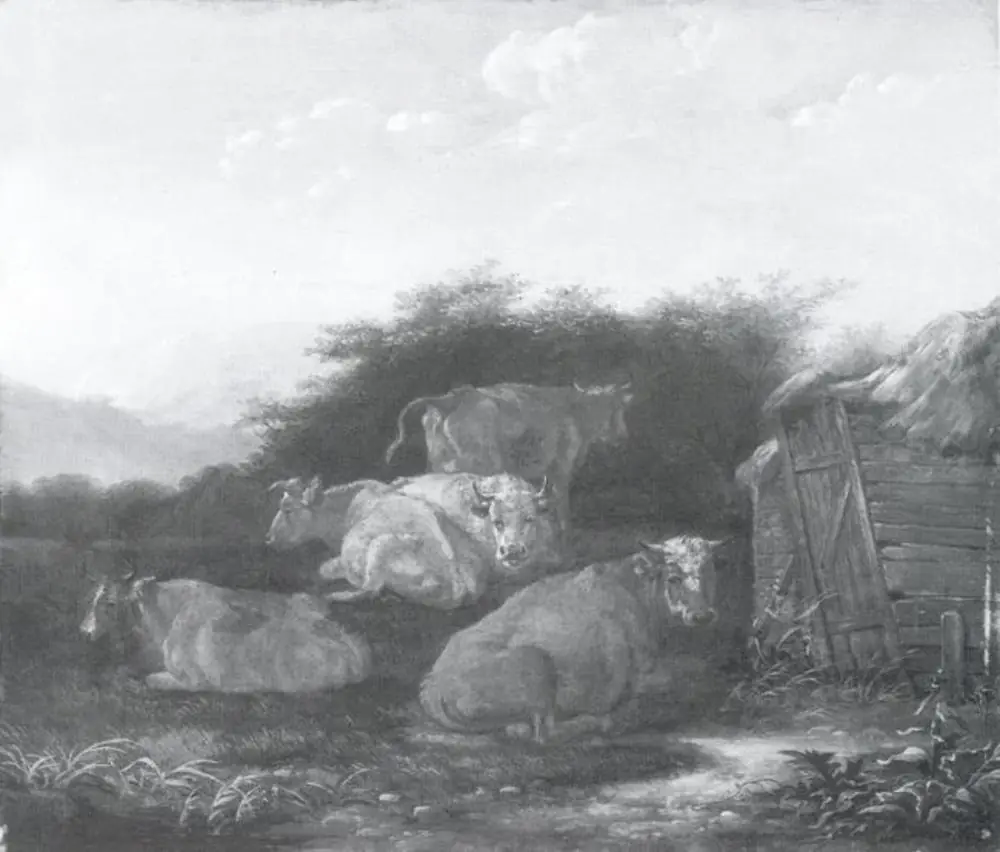
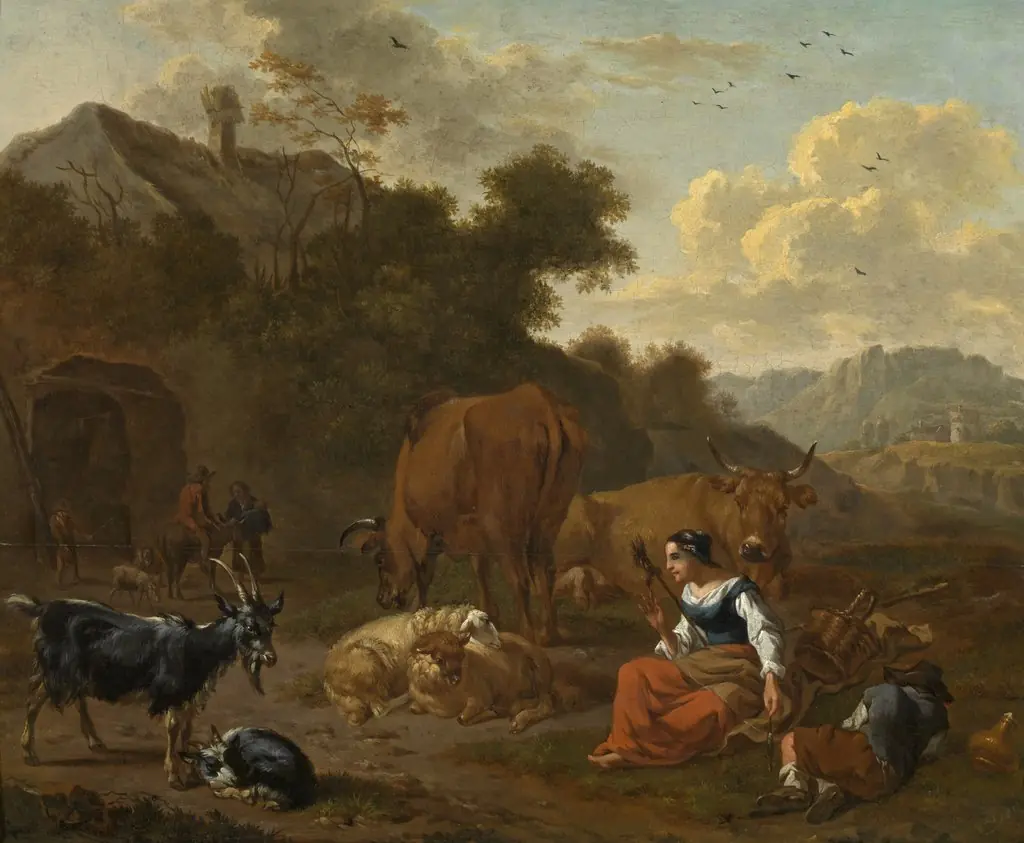
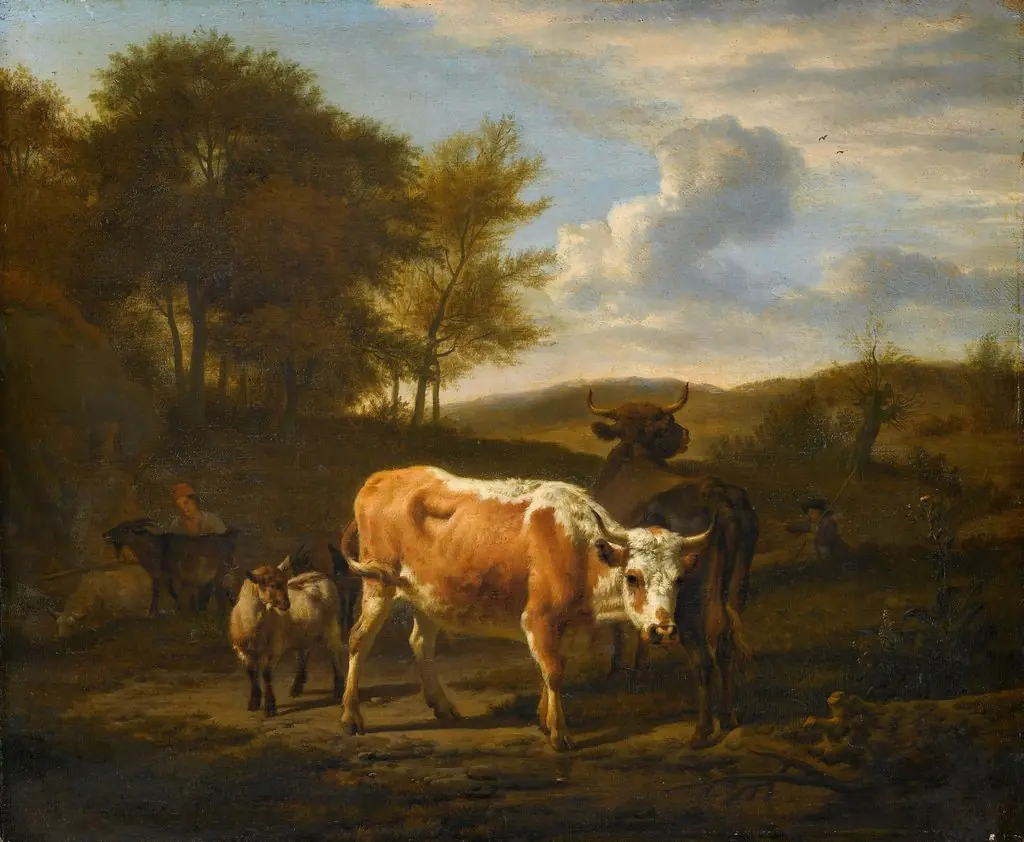
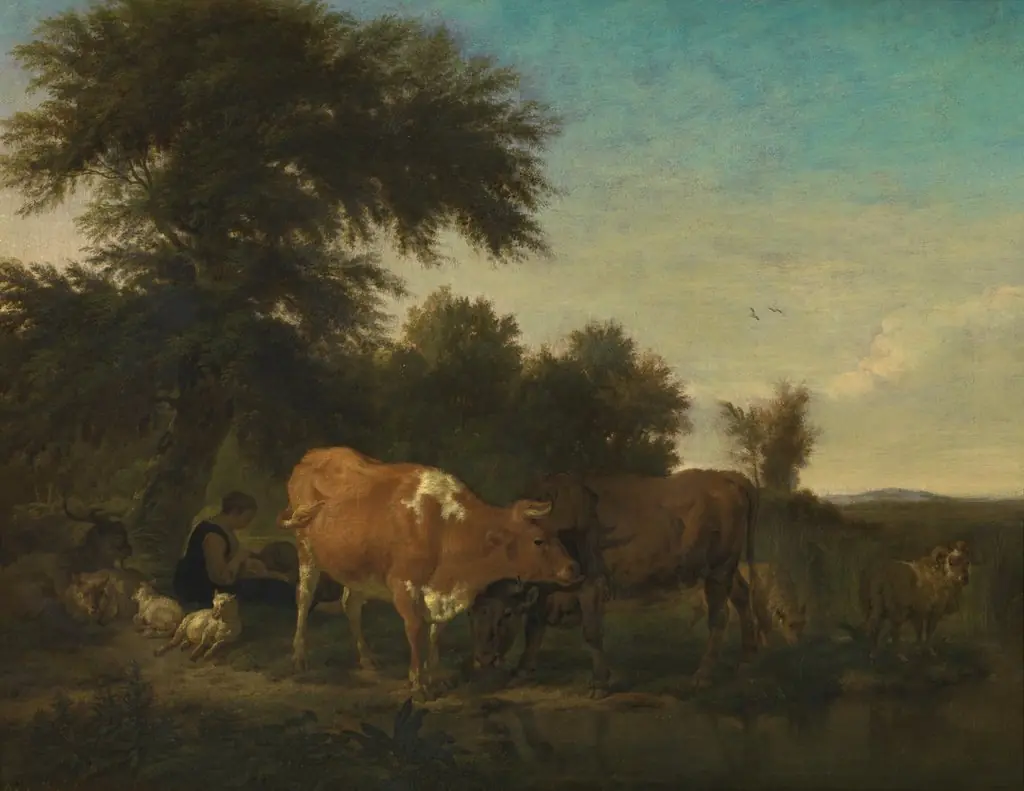
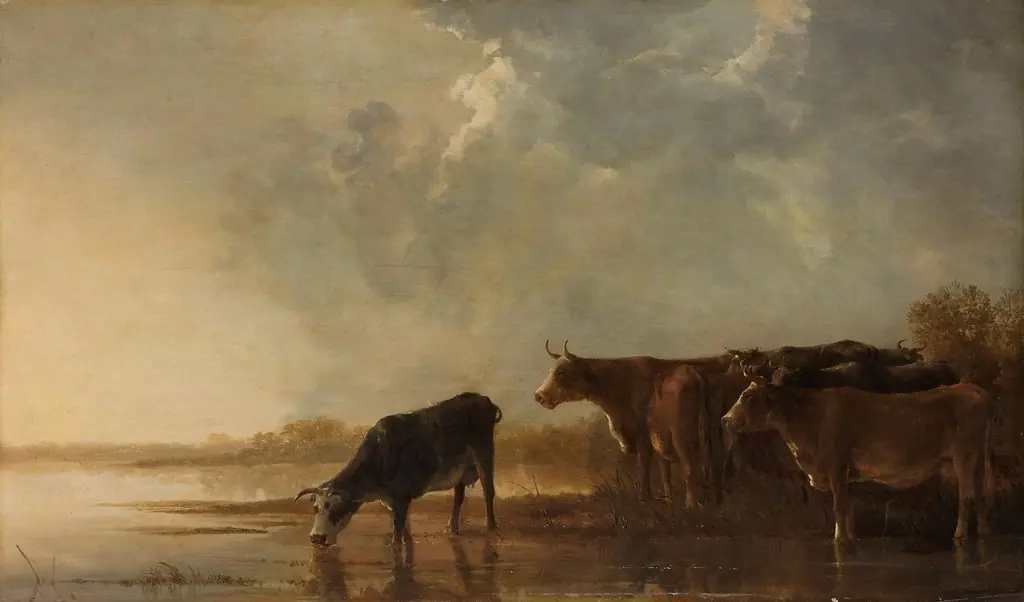
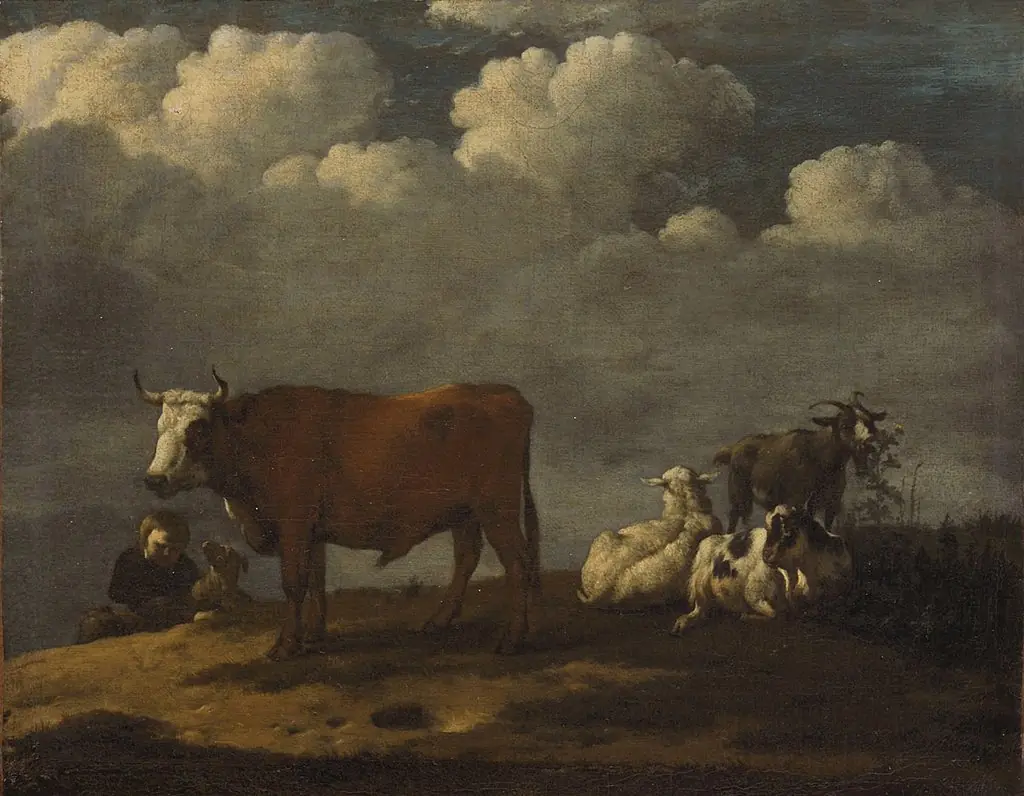
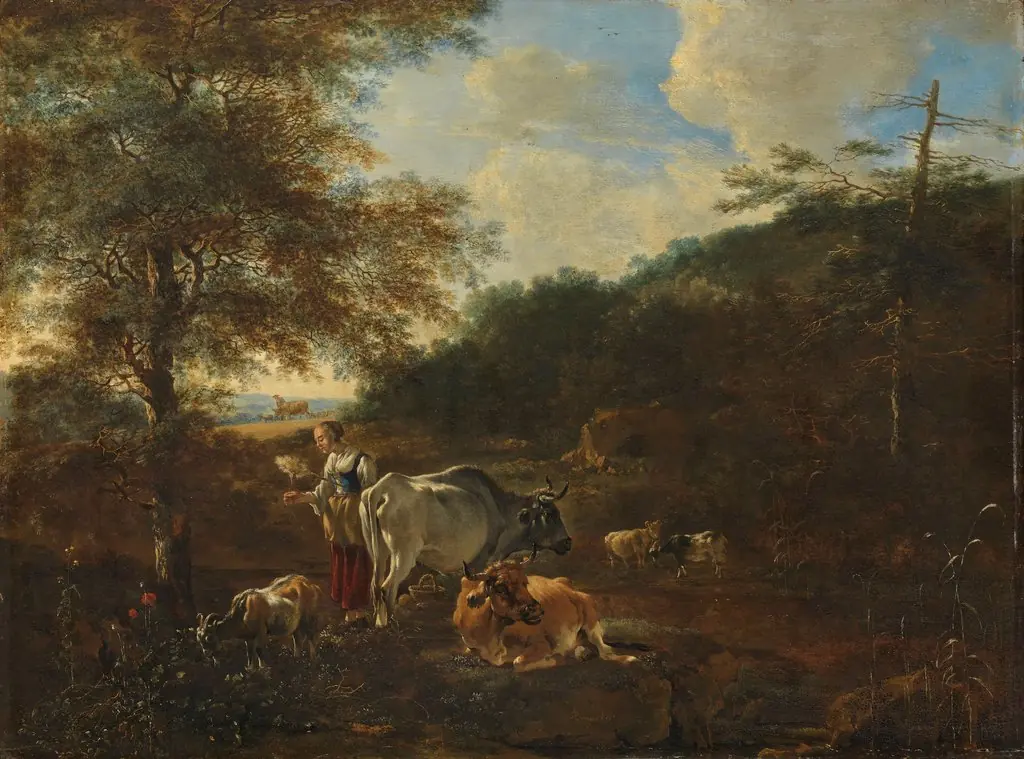
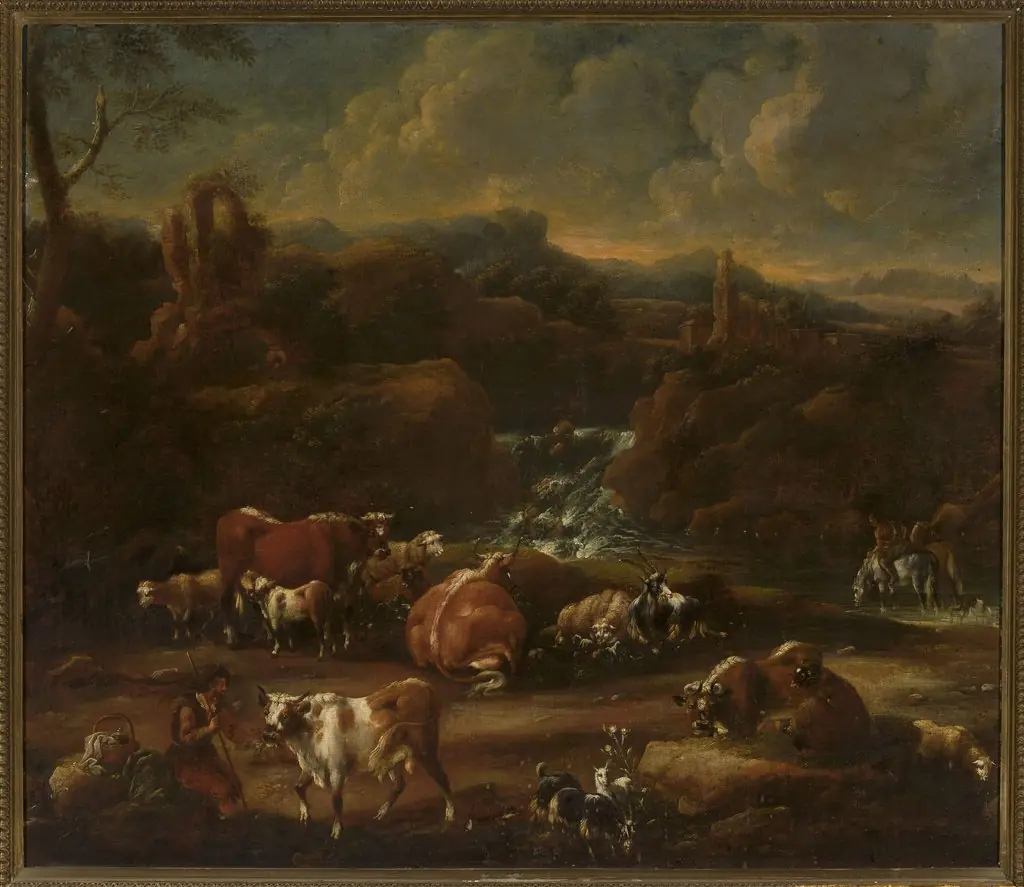
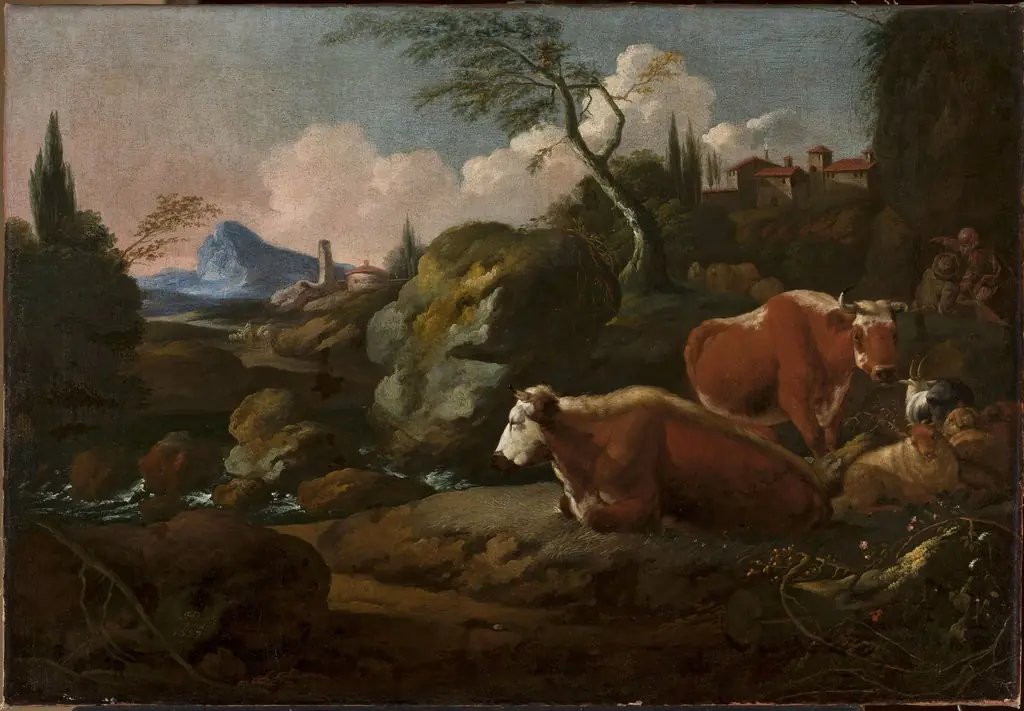
It portrays a quiet rural moment: a wooden footbridge arches over a shallow stream, with several cattle crossing slowly.
Cows on a Footbridge is an oil painting dated around 1682, attributed to Dirck van der Bergen. It portrays a quiet rural moment: a wooden footbridge arches over a shallow stream, with several cattle crossing slowly. The composition is grounded in everyday observation, avoiding dramatic flair. The work is part of the collection at the National Museum in Kraków, where it has been held for much of the modern era.
Subject & Meaning
The painting presents a modest agricultural scene, focusing on livestock moving across a simple bridge. No narrative or symbolic layer is overt; instead, it reflects the rhythm of rural life in the late 17th century. The presence of a distant figure with a pole suggests pastoral oversight, reinforcing the painting’s function as a quiet record of labor and land use rather than an idealized vision.
Technique & Style
Van der Bergen employs muted, earthy pigments to render the cows and landscape, with soft transitions between light and shadow. The brushwork is deliberate but unobtrusive, favoring naturalism over theatrical contrast. The sky is rendered with loose, cloudy strokes, and the foliage is suggested rather than meticulously detailed, contributing to a sense of calm and spatial depth without overt stylization.
History & Provenance
The painting’s early ownership is undocumented, but it entered the National Museum in Kraków in the 19th century, likely through regional acquisitions or donations. Its attribution to Dirck van der Bergen is based on stylistic comparison with other known works from his circle. It has remained in Polish public collection since, with no record of significant restoration or relocation.
Context
Created during the Dutch Golden Age, the painting aligns with a broader trend of genre scenes depicting rural labor and animal husbandry. Though not from the Netherlands, van der Bergen’s work reflects the influence of Dutch landscape traditions. Such images appealed to urban patrons seeking connection to agrarian life, even as Europe’s economic centers expanded.
Legacy
Dirck van der Bergen’s oeuvre remains relatively obscure, and this painting is among the few securely attributed works. It contributes to the understanding of regional adaptations of Dutch pastoral themes in Central Europe. While not widely studied, it serves as a quiet example of how everyday rural motifs were preserved in art beyond major artistic centers.
Own this work as a print
Artist & collection