Artwork
Portrait of a Bearded Man
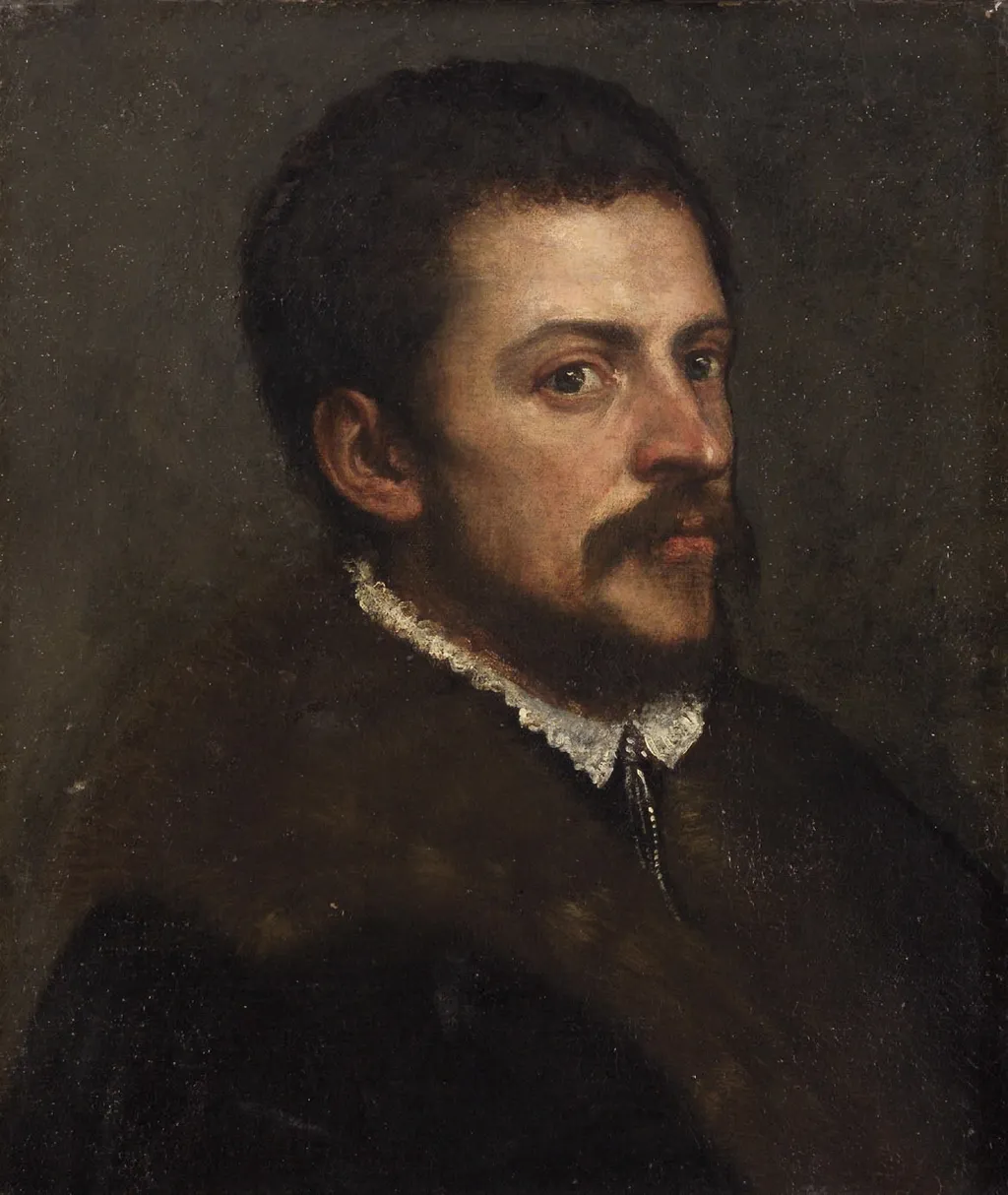
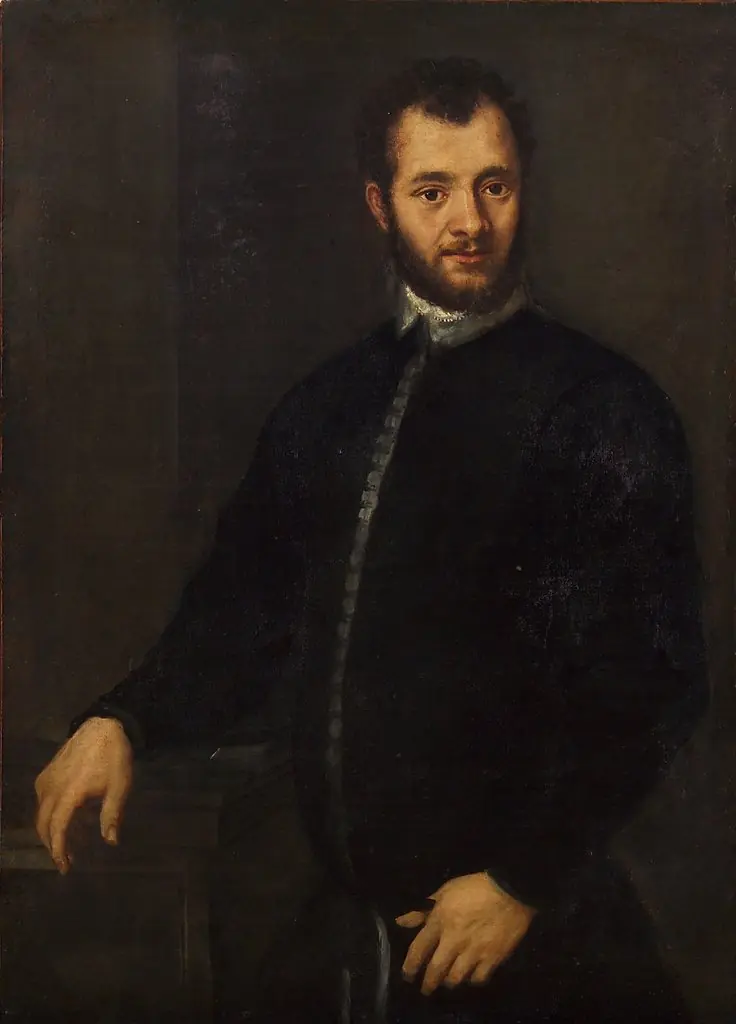
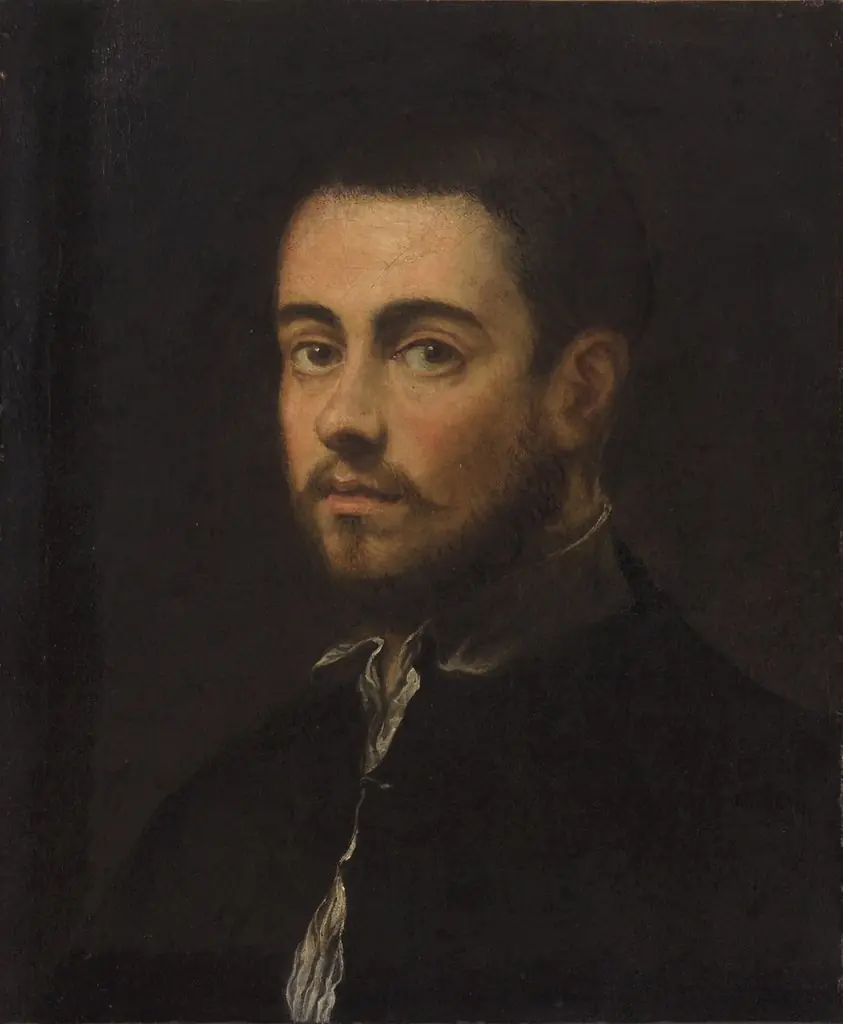
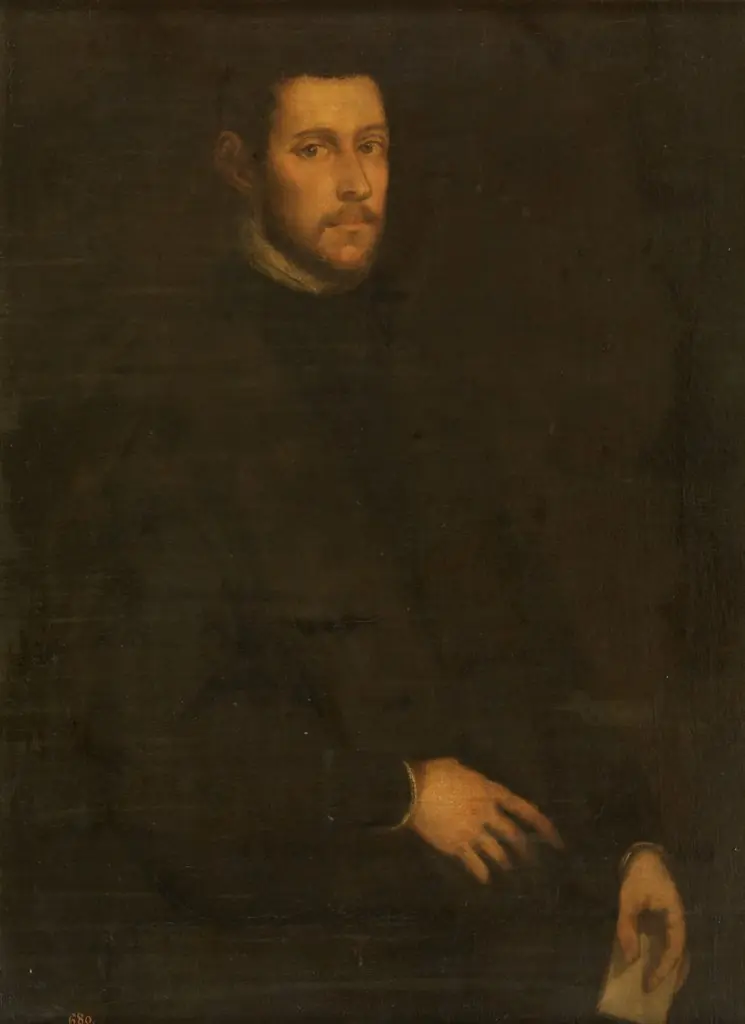
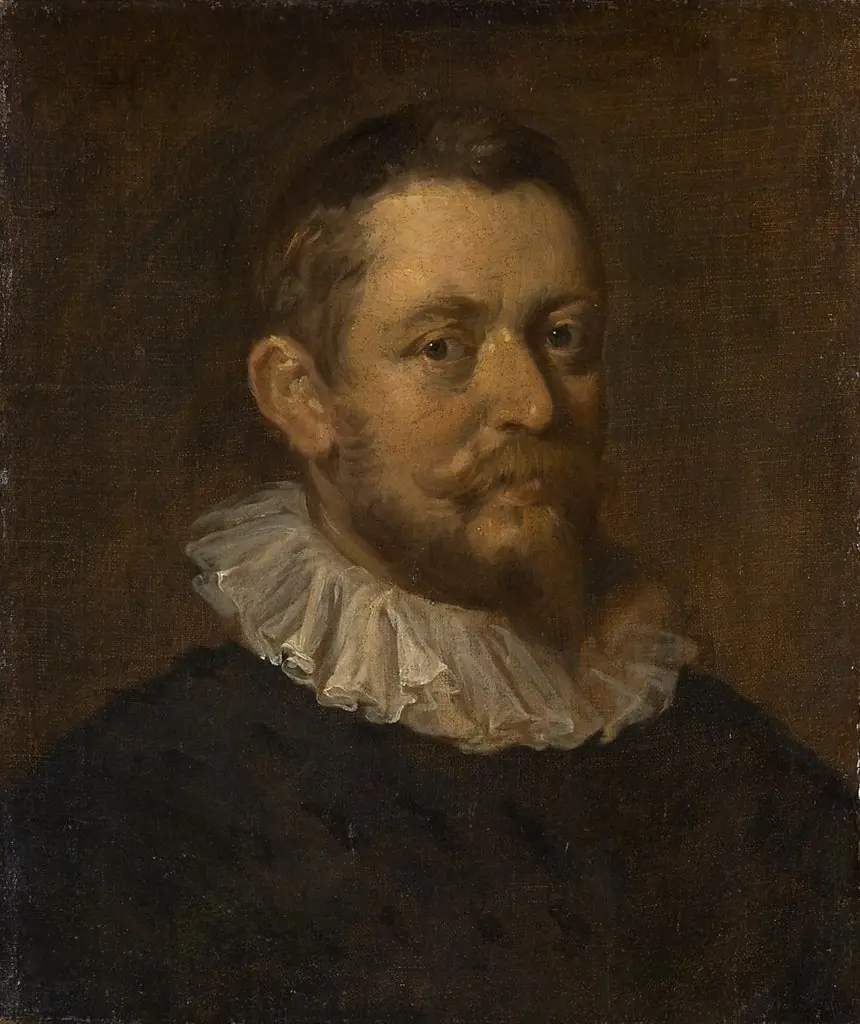
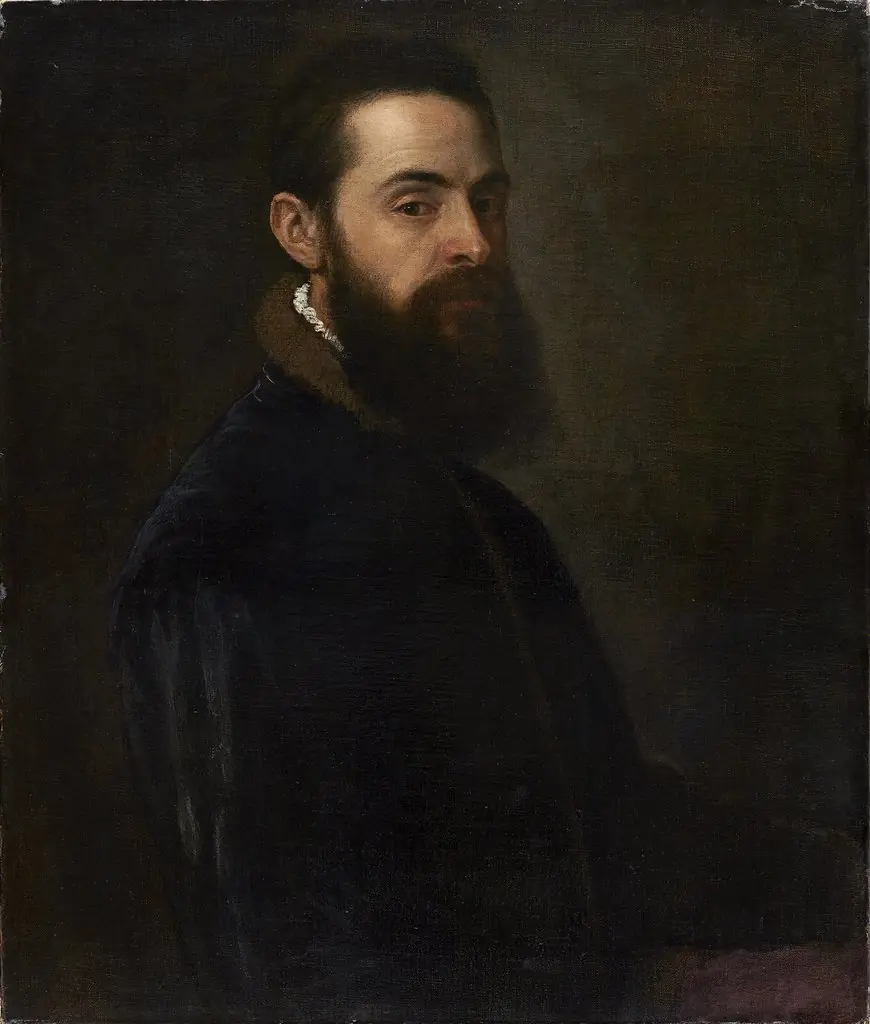
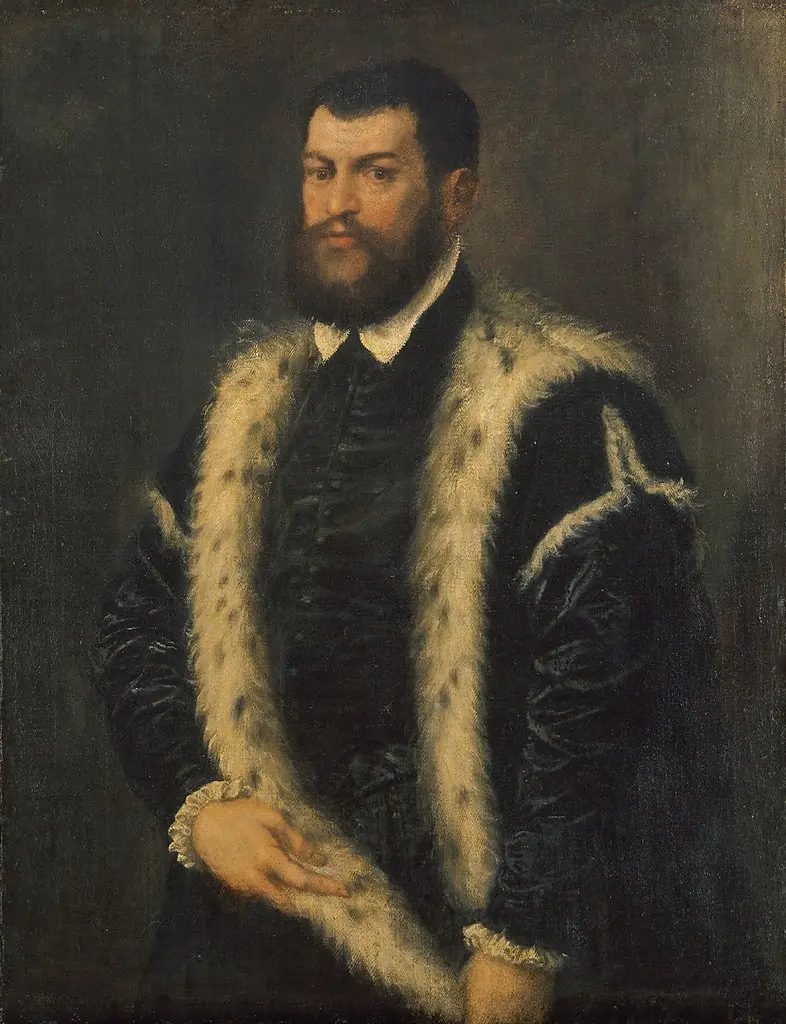
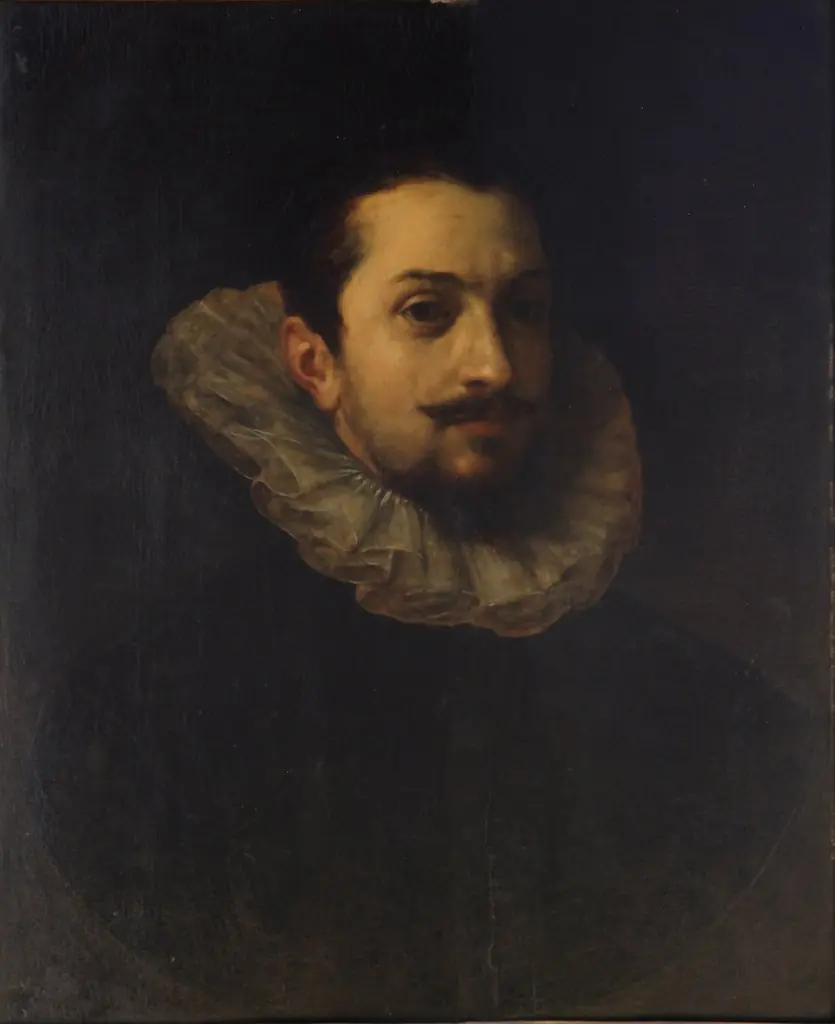
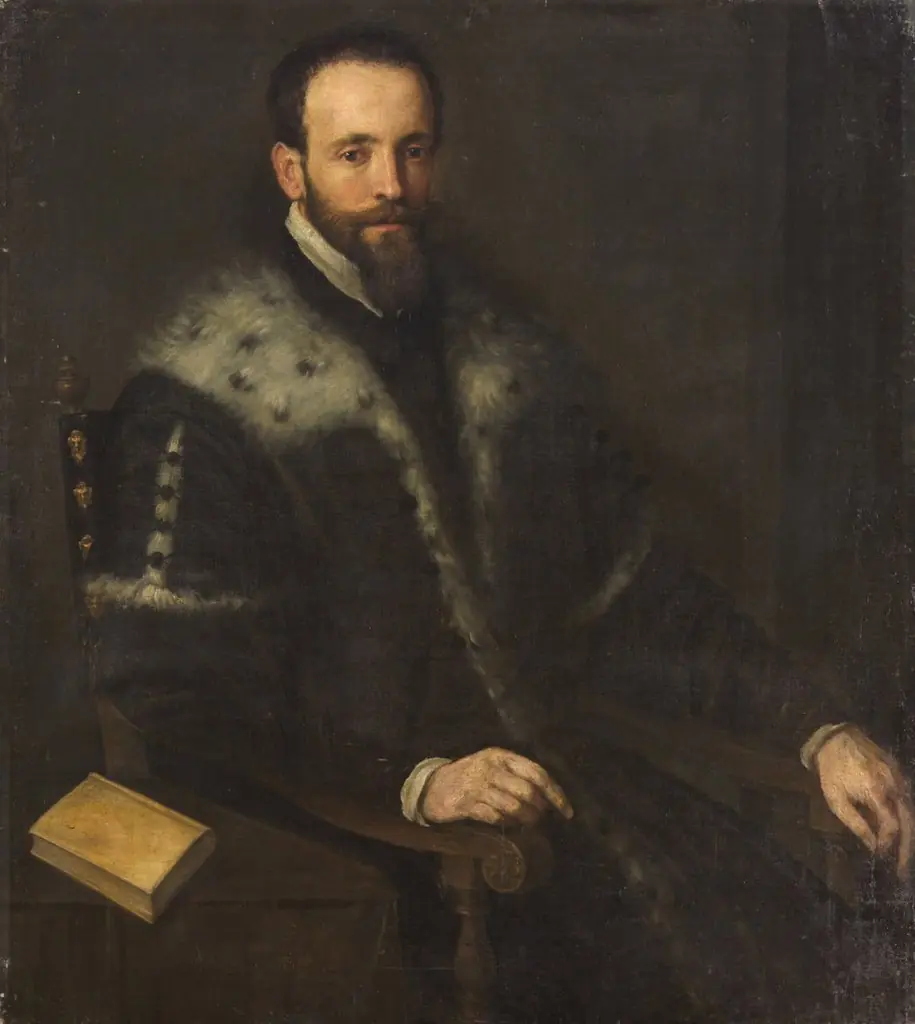
Portrait of a Bearded Man is an oil painting by the Mannerist artist Titian. It dates from 1560 and is held in the collection of the Kunsthistorisches Museum.
About this work
Overview
Created around 1560, the oil painting known as *Portrait of a Bearded Man* is attributed to the Venetian artist Titian. It is part of the collection of the Kunsthistorisches Museum in Vienna and exemplifies the mannerist tendencies that marked the later phase of the Italian Renaissance. The work presents a solitary male sitter rendered with careful attention to colour and form.
Subject & Meaning
The figure is a middle‑aged man with a dark beard and moustache, his head turned slightly away from the viewer. He wears a white, ruffled collar and a dark coat, set against an unadorned, sombre background that isolates his visage. The calm, serious expression and modest pose suggest a portrait intended to convey status and personal dignity rather than narrative content.
Technique & Style
The palette relies on deep, muted tones punctuated by the bright white of the collar, reflecting the master’s renowned control of colour and atmospheric effect.
Titian employs soft, blended brushwork to model the sitter’s skin, achieving a subtle transition between light and shadow that enhances three‑dimensionality. The use of chiaroscuro—contrasting illuminated facial features with a dark backdrop—focuses attention on the face. The palette relies on deep, muted tones punctuated by the bright white of the collar, reflecting the master’s renowned control of colour and atmospheric effect.
History & Provenance
The painting entered the Kunsthistorisches Museum’s holdings in the 19th century, though its earlier ownership records are fragmentary. It has been catalogued as a work from Titian’s mature period, produced after his extensive career that began in his native Pieve di Cadore and concluded with his death in 1576. Its attribution rests on stylistic analysis and documented provenance.
Context
During the mid‑16th century, Venetian portraiture emphasized rich colour, refined surface treatment, and a focus on the sitter’s psychological presence. Titian’s approach combined these elements with a mannerist sensibility, favoring elegant poses and heightened expressiveness. The painting reflects the broader artistic currents of the period, wherein portraiture served both as a personal record and as a display of the patron’s cultural refinement.
Artist & collection
Artist
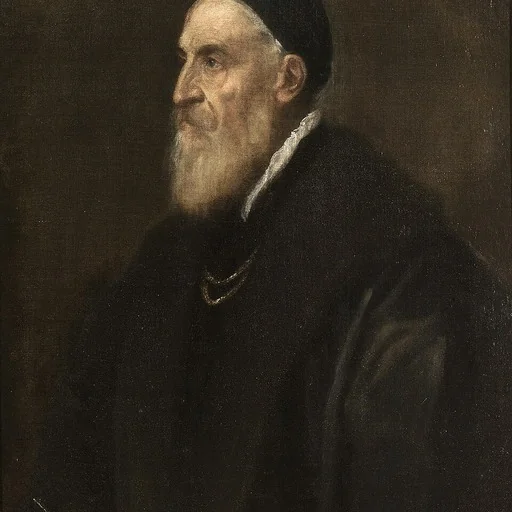
Tiziano Vecellio (Italian: ; c. 1488/1490 – 27 August 1576), Latinized as Titianus, hence known in English as Titian ( TISH-ən), was an Italian Renaissance painter. The most important artist of Renaissance Venetian…