Artwork
Bildnis eines Mannes im Lehnstuhl
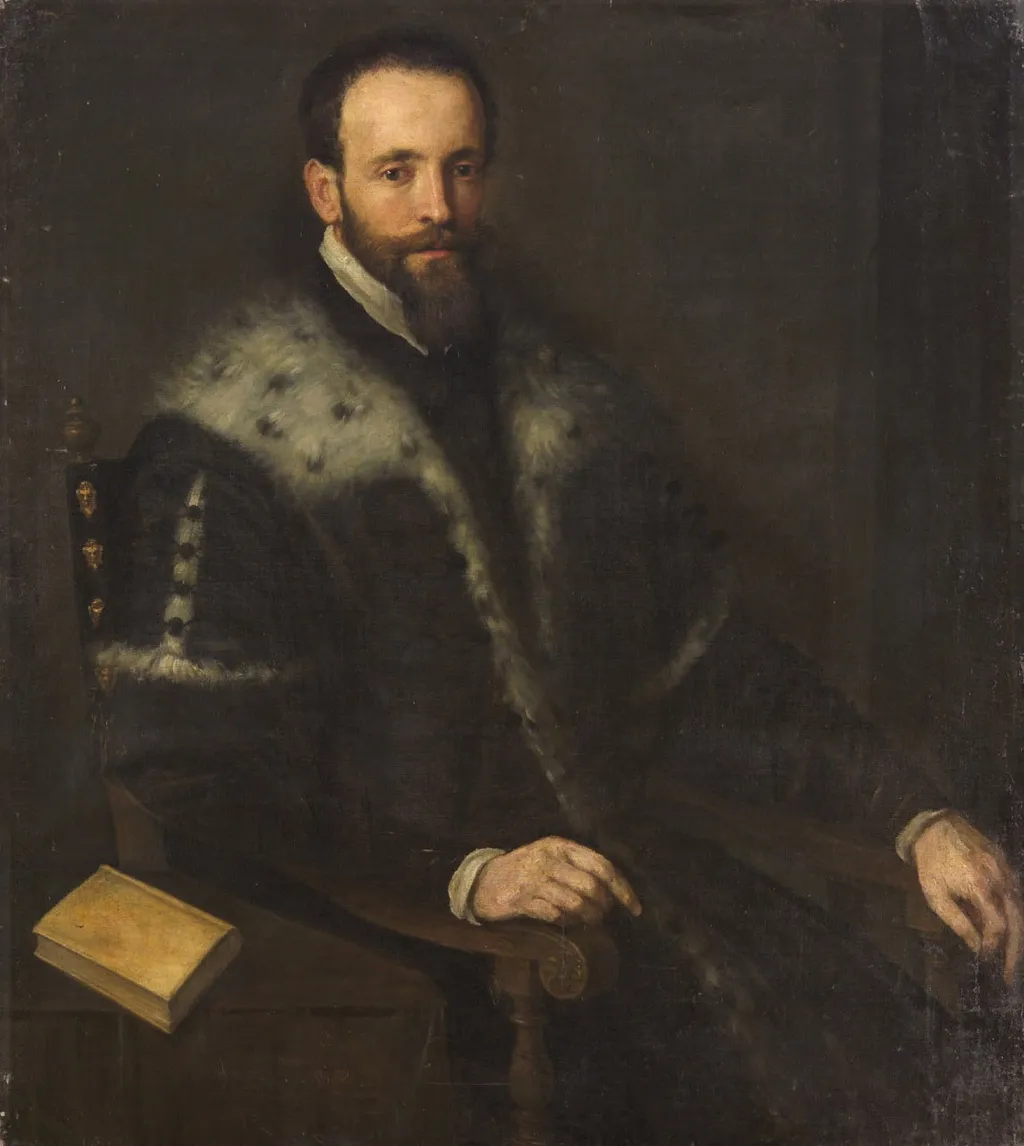
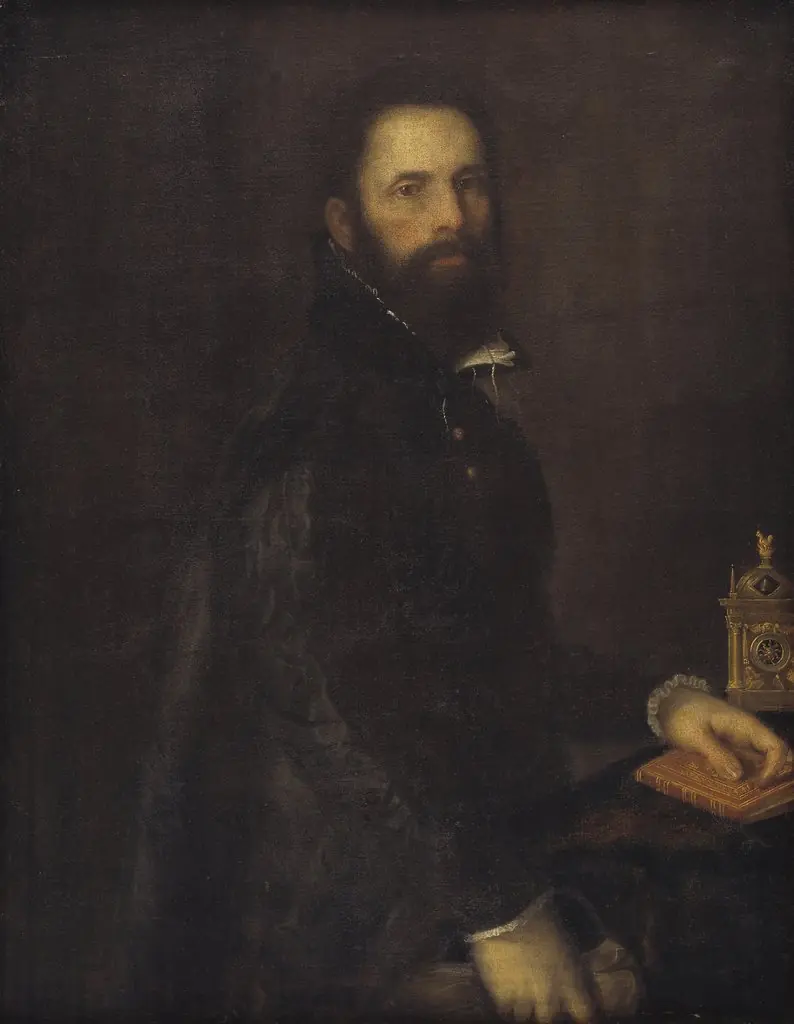
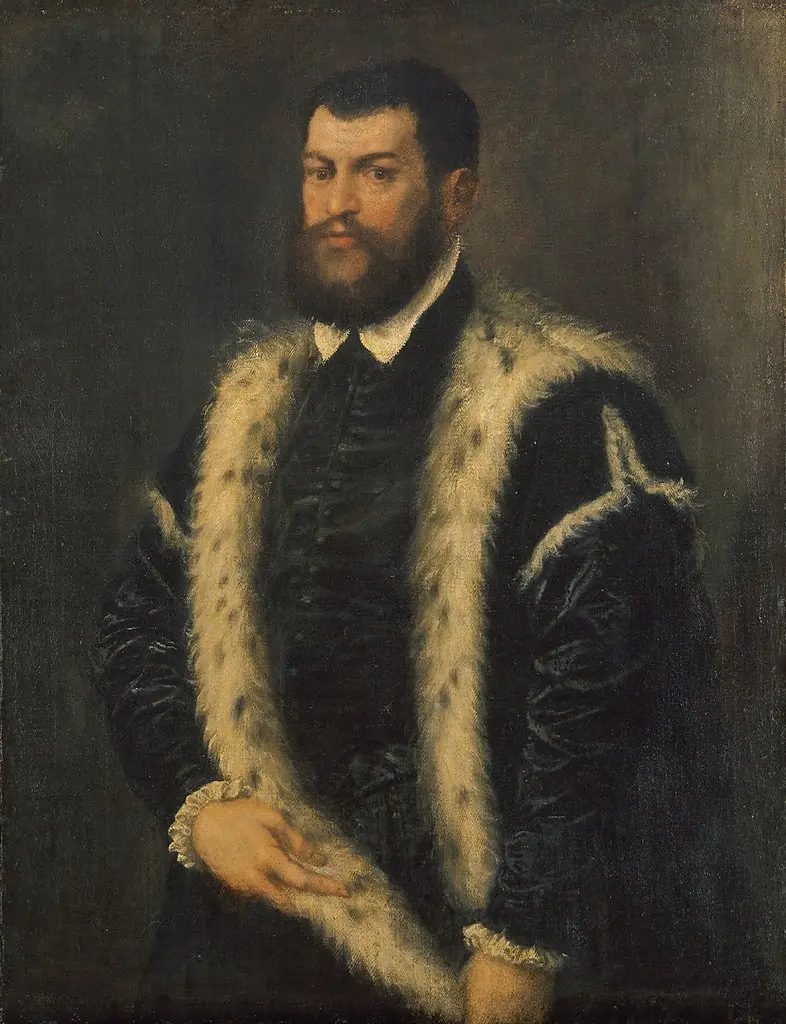
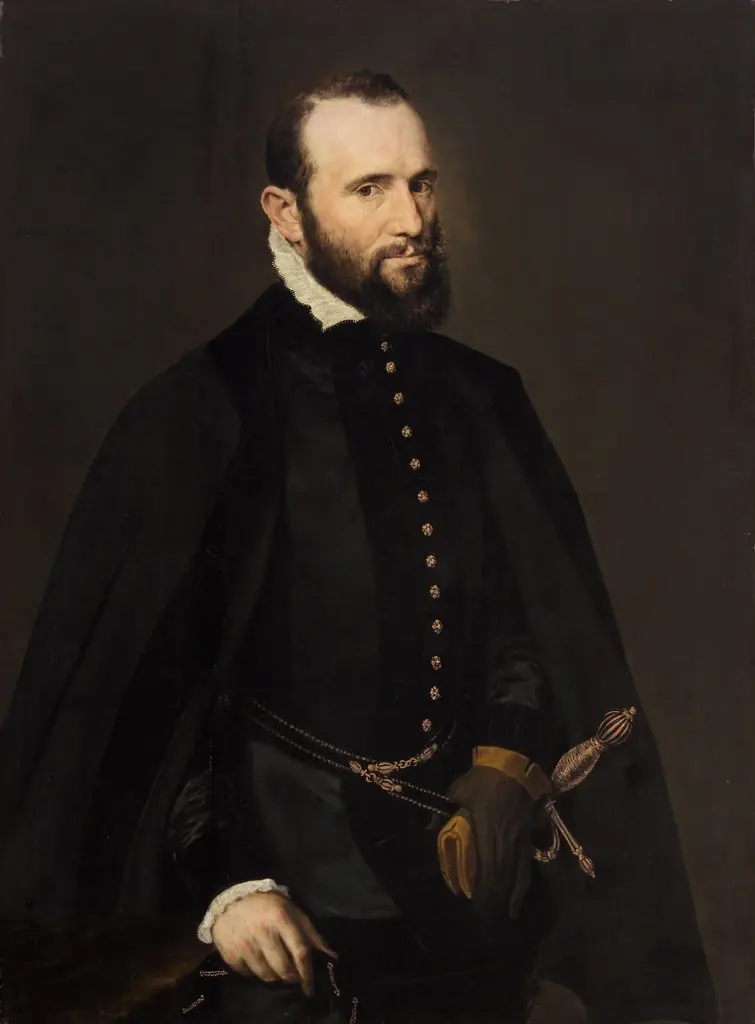
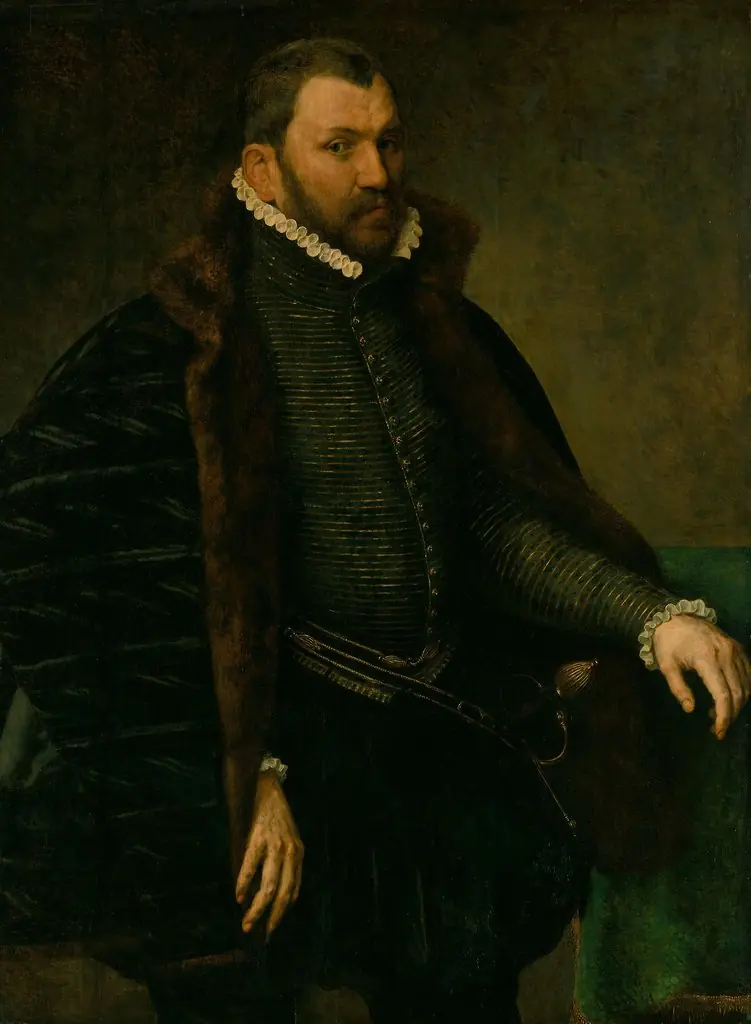
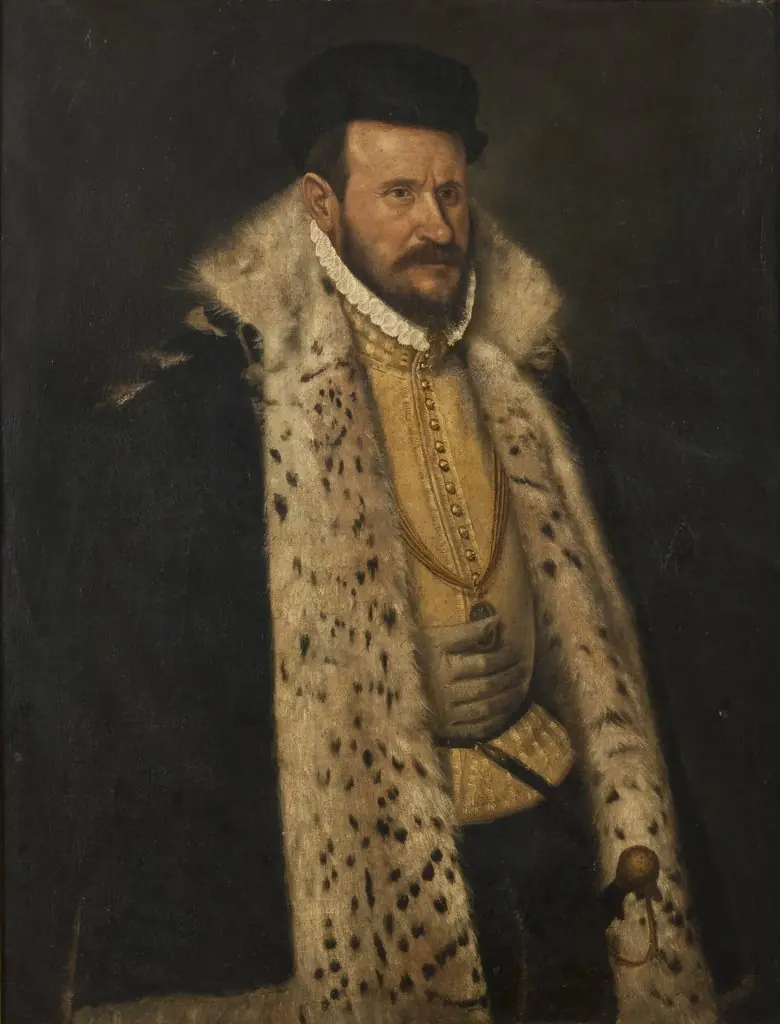
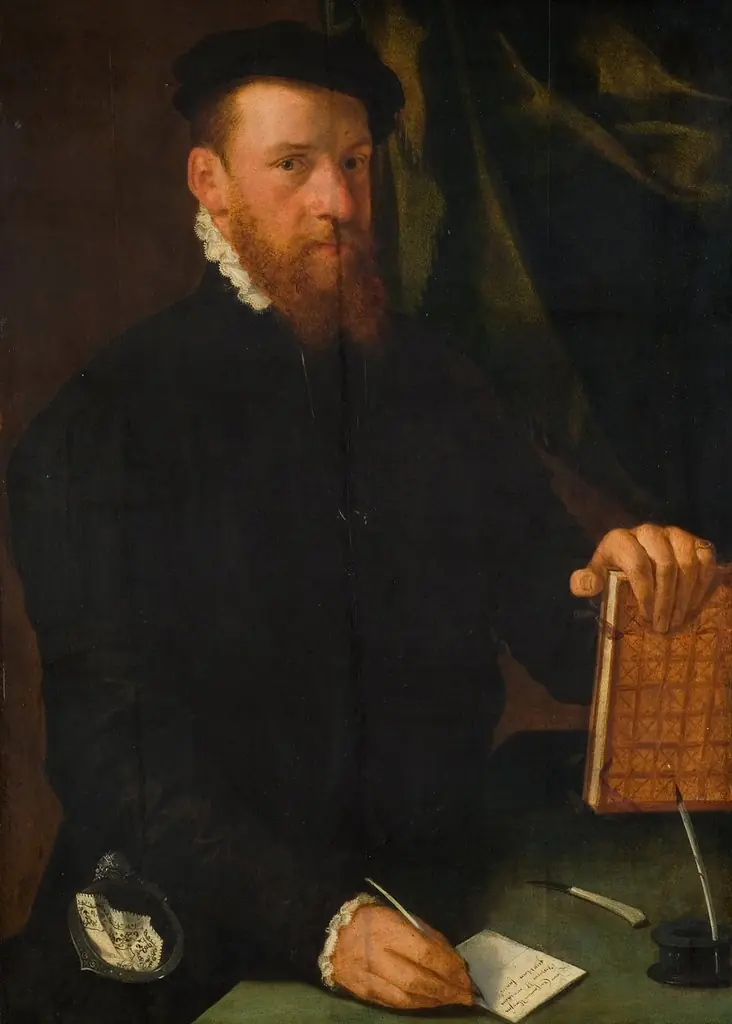
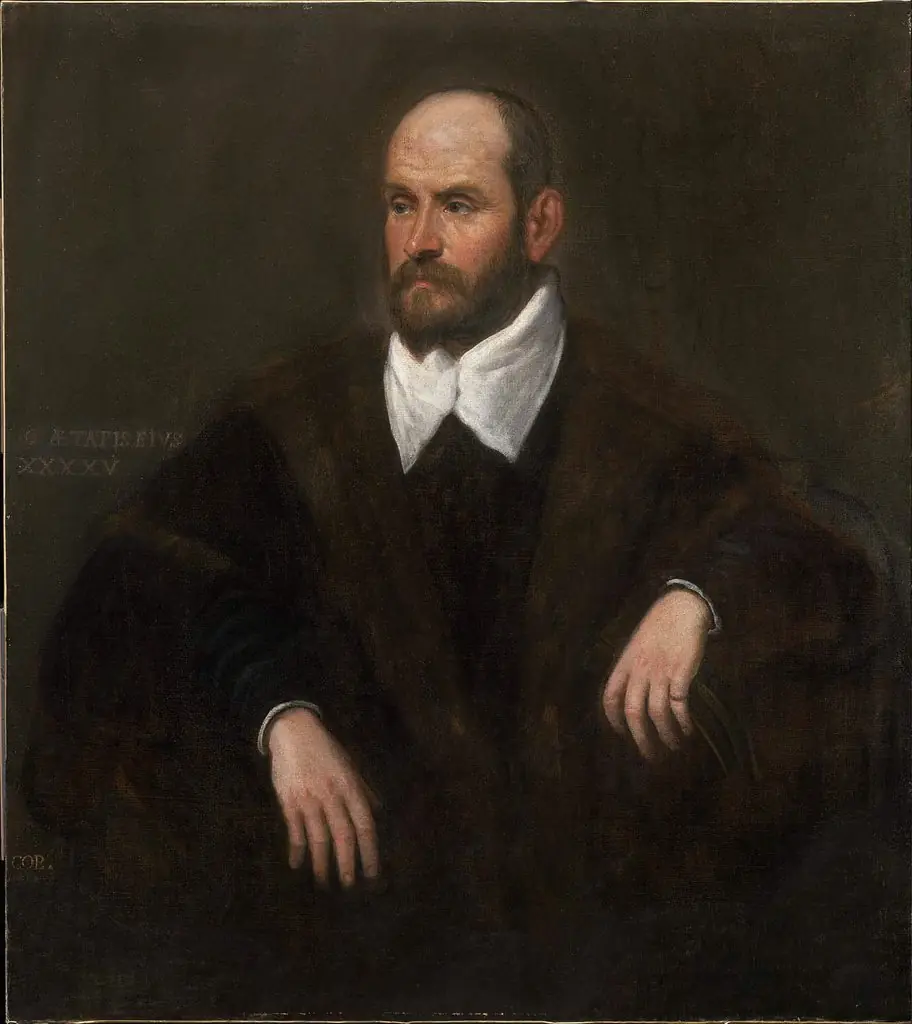
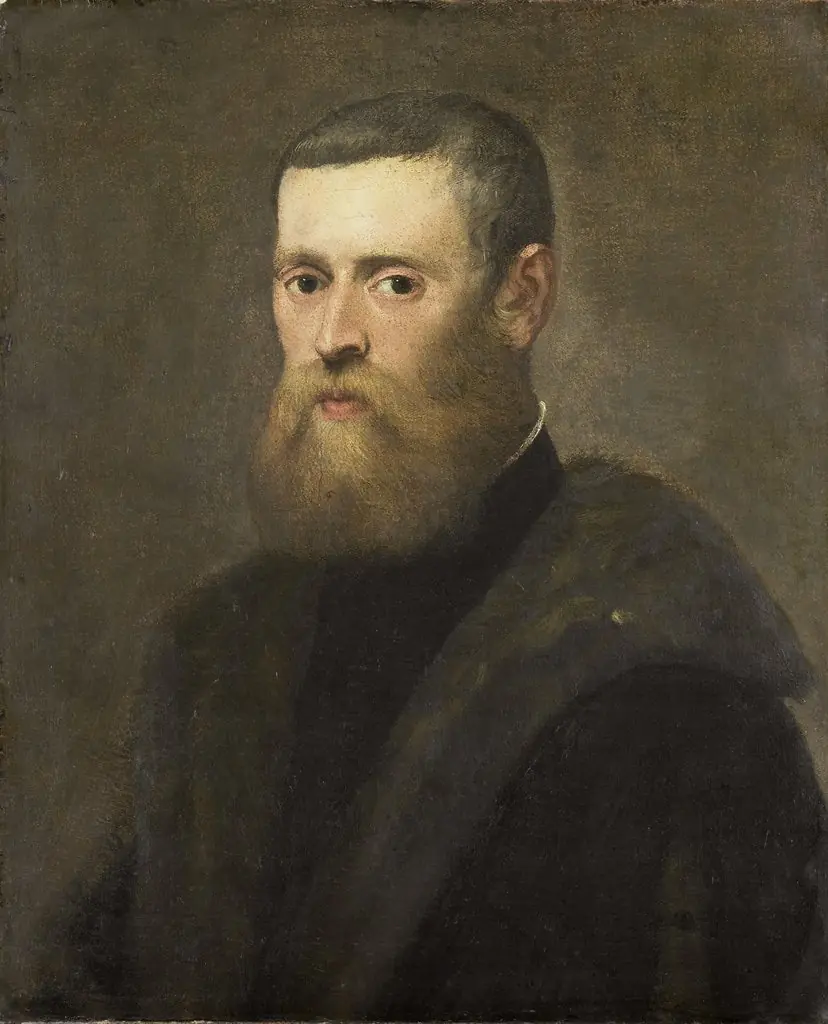
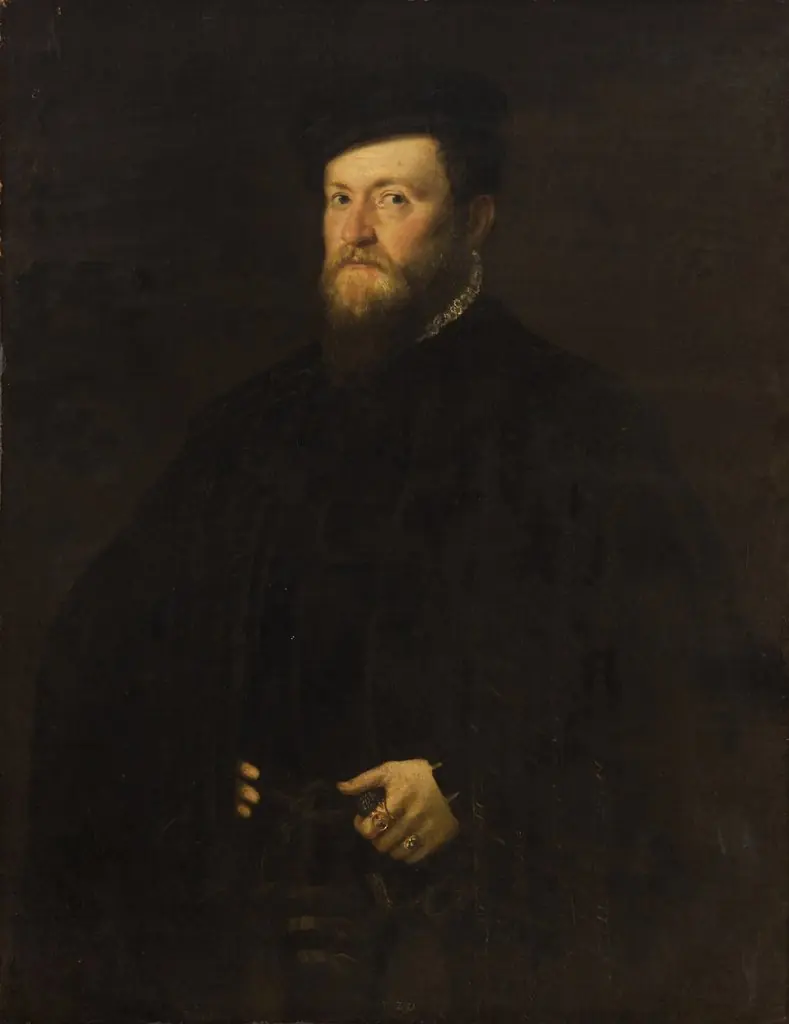
Bildnis eines Mannes im Lehnstuhl is an unspecified painting by the Mannerist artist Unknown. It dates from 1590 and is held in the collection of the Kunsthistorisches Museum. This portrait captures a man seated in a wooden armchair, his posture composed and still.
About this work
Overview
His dark jacket, lined with white fur, and the quiet lighting suggest a figure of means, neither ostentatious nor modest.
This portrait captures a man seated in a wooden armchair, his posture composed and still. A book rests on a small table beside him, reinforcing an association with intellectual life. His dark jacket, lined with white fur, and the quiet lighting suggest a figure of means, neither ostentatious nor modest. The background recedes into shadow, focusing attention on the figure and the subtle interplay of light across his form.
Subject & Meaning
The man’s attire and the presence of a book imply a scholarly or cultivated identity, typical of early modern European elites who valued literacy and private contemplation. His hand rests casually on the chair’s arm, conveying quiet authority rather than performative grandeur. The scene avoids theatricality, instead presenting introspection as a form of dignity, aligning with portraiture that valued inner character over external display.
Technique & Style
The artist employs chiaroscuro to model the figure with soft gradations of light and shadow, enhancing the three-dimensionality of the form. The dark, unadorned background isolates the subject, heightening the tactile quality of fabric and skin. Brushwork is restrained yet precise, particularly in the rendering of the fur collar and the book’s edges, suggesting a deliberate focus on texture and quiet realism over decorative flourish.
History & Provenance
The painting’s origins are tied to a regional workshop active in the late 16th or early 17th century, where portraiture for local elites was common. Its survival through private collections indicates it was valued as a personal record rather than a public monument. No definitive documentation of its commission or early ownership exists, but its style aligns with northern European traditions of intimate, non-idealized portraiture.
Context
During this period, portraits of learned men were increasingly commissioned by urban professionals and minor nobility, reflecting broader cultural shifts toward individualism and the value of education. Unlike courtly portraits, these works emphasized personal identity and quiet refinement. The subdued palette and domestic setting reflect a move away from ceremonial grandeur toward more private, contemplative representations.
Legacy
This painting exemplifies a quiet tradition of northern European portraiture that prioritized psychological presence over symbolic embellishment. Though not attributed to a major name, its technical restraint and emotional subtlety place it within a broader movement that influenced later realist traditions. Its endurance in collections speaks to its resonance as a document of ordinary dignity in an era of evolving social identity.
Artist & collection

 Domestic Scene
 Giacomo and Cardinal Marco, investing Andrea, Abbot of San Zeno, with his Benefice
 The Nymph of Fontainebleau
 Portrait of a Woman
 Madonna and Child with Saints in the Enclosed Garden
 Venus and Minerva
 Family Group of Four on Sofa
 Wall painting from Room H of the Villa of P. Fannius Synistor at Boscoreale