Artwork
Tales of Genji
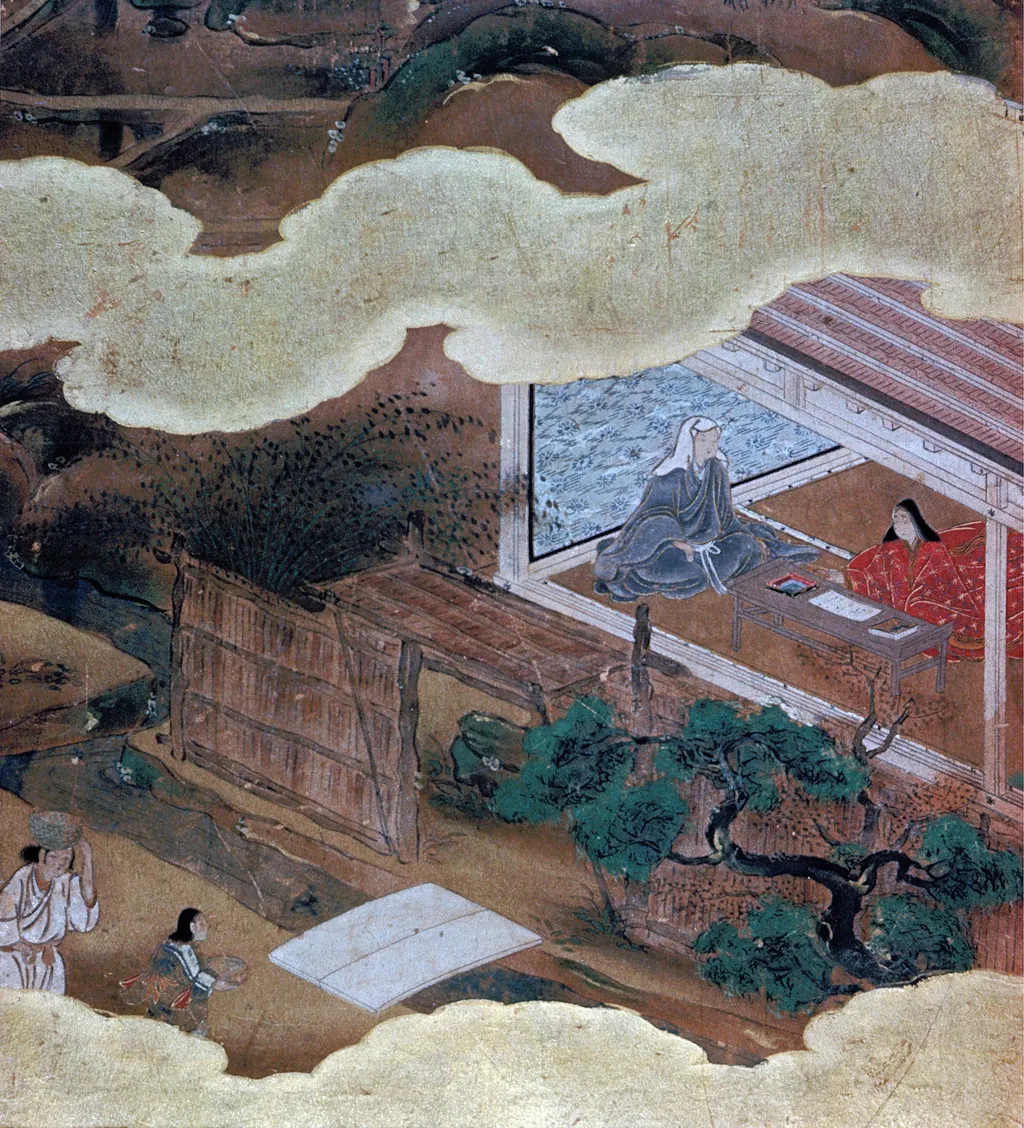
Tales of Genji is an unspecified painting by Unknown. It is held in the collection of the Detroit Institute of Arts. This painting illustrates a quiet moment from The Tale of Genji, a classic Japanese literary work.
About this work
Overview
The composition balances human presence with the natural world beyond the window, using restrained color and soft contours to evoke a meditative atmosphere.
This painting illustrates a quiet moment from The Tale of Genji, a classic Japanese literary work. It captures an intimate interior scene with minimal furnishings, emphasizing stillness and reflection. The composition balances human presence with the natural world beyond the window, using restrained color and soft contours to evoke a meditative atmosphere. The figures are arranged to suggest unspoken connection rather than direct interaction.
Subject & Meaning
The woman in red, likely a court lady, gazes outward, her posture hinting at contemplation or longing. The man, seated with his back turned, remains anonymous, reinforcing the theme of emotional distance within courtly life. The sparse room and distant landscape reflect the impermanence and solitude central to Genji’s narrative. The scene conveys inner emotion through absence of action, aligning with Heian-era aesthetics of restraint and subtlety.
Technique & Style
The artist employs delicate ink lines and muted pigments to create a hushed visual tone. The figures are rendered with fine detail, while the background landscape is suggested rather than fully defined, using soft washes of color. The window frame acts as a compositional device, linking interior and exterior spaces. This approach reflects Yamato-e traditions, prioritizing emotional resonance over realistic depth or dramatic contrast.
History & Provenance
The painting belongs to a series of illustrated scenes from The Tale of Genji, likely produced in the 17th century during the Edo period. Such works were commissioned by aristocratic patrons or wealthy merchants interested in classical literature. Though the specific artist is unknown, the style aligns with the Rinpa school’s emphasis on poetic imagery and refined decorative sensibility. Its survival suggests continued cultural reverence for Genji’s narrative.
Context
During the Edo period, there was a revival of interest in Heian-period literature among urban elites. Paintings like this one served as visual companions to the text, allowing audiences to experience Genji’s world through imagery. The emphasis on solitude, nature, and quiet emotion mirrored contemporary ideals of wabi-sabi and mono no aware, reinforcing the cultural value placed on transience and understated beauty.
Legacy
This work contributes to a broader tradition of narrative painting rooted in classical Japanese literature. Its quiet intensity influenced later artists who sought to convey psychological depth through minimalism. Though not widely exhibited, such pieces remain important references in studies of Japanese visual culture, illustrating how literature and art intertwined to express complex emotional landscapes beyond words.
Artist & collection

 Domestic Scene
 Giacomo and Cardinal Marco, investing Andrea, Abbot of San Zeno, with his Benefice
 The Nymph of Fontainebleau
 Portrait of a Woman
 Madonna and Child with Saints in the Enclosed Garden
 Venus and Minerva
 Family Group of Four on Sofa
 Wall painting from Room H of the Villa of P. Fannius Synistor at Boscoreale
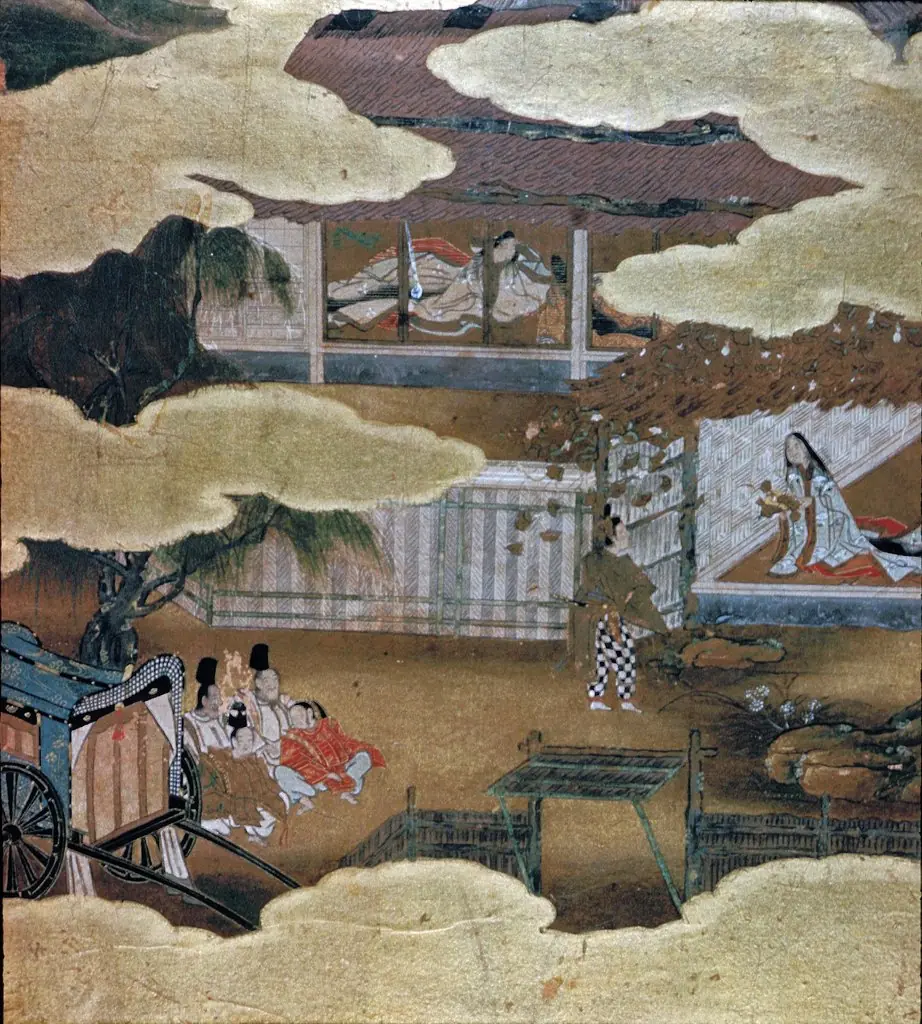 Tales of Genji
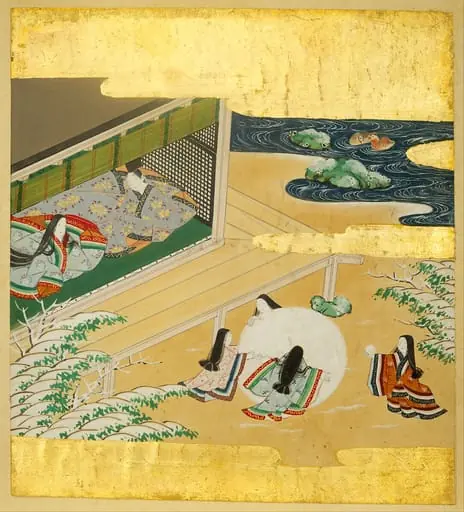 源氏物語画帖|The Tale of Genji (Genji Monogatari)
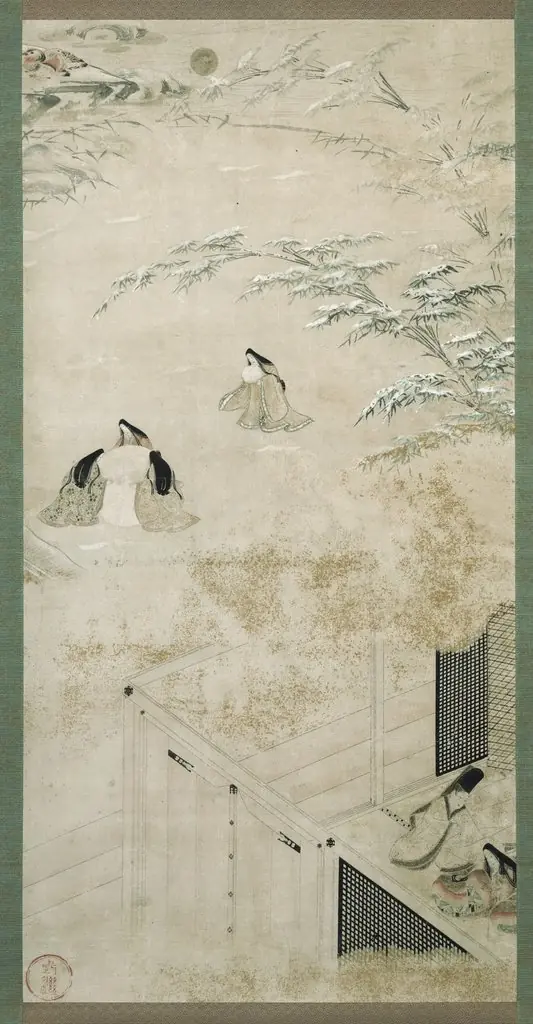 Scene from the Tale of Genji: from the chapter "The Morning Glory"
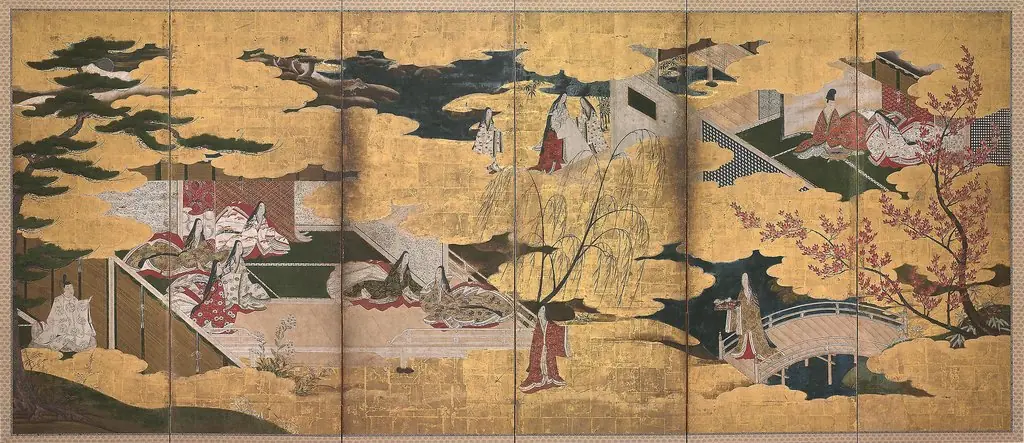 The Tale of Genji
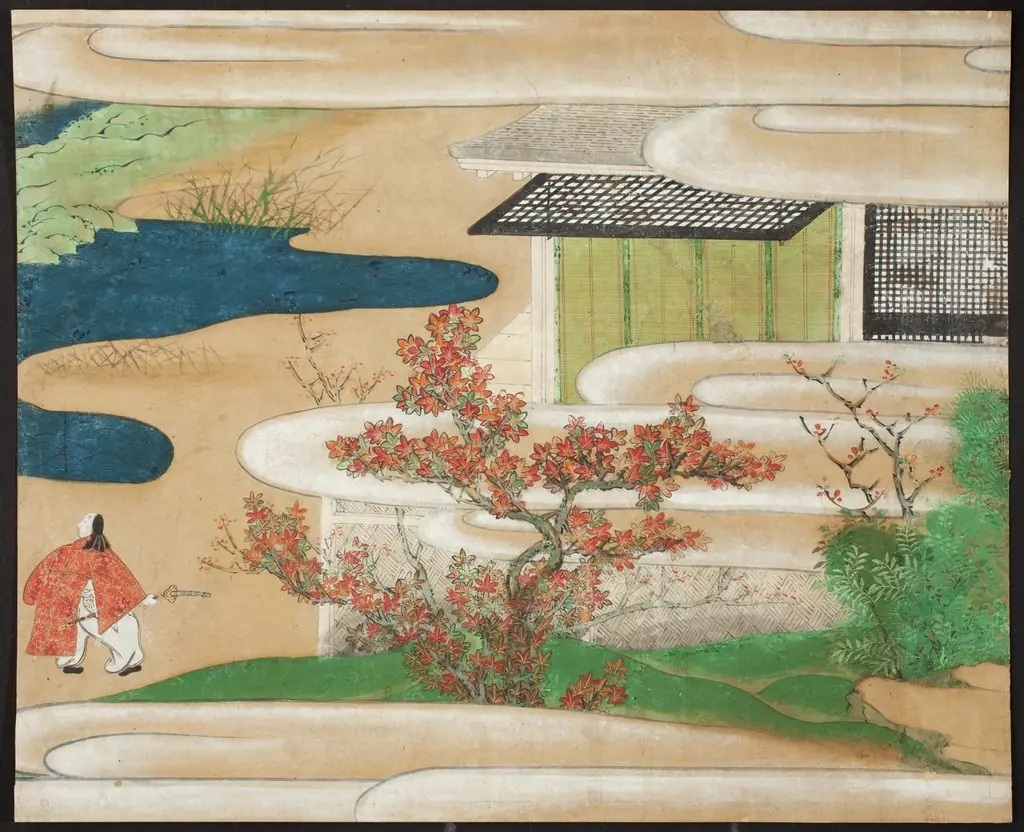 Genji Monogatari
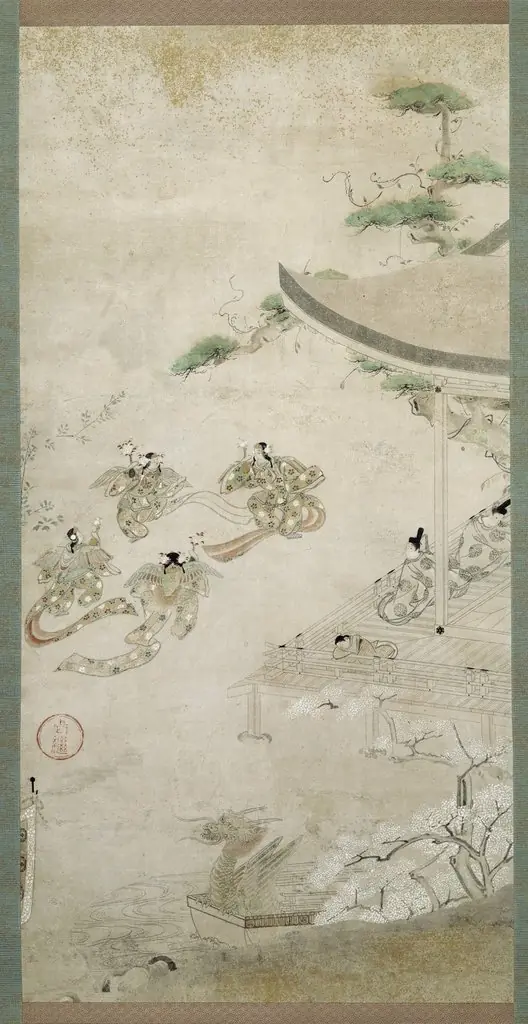 Scene from the Tale of Genji: from the chapter "Butterflies"
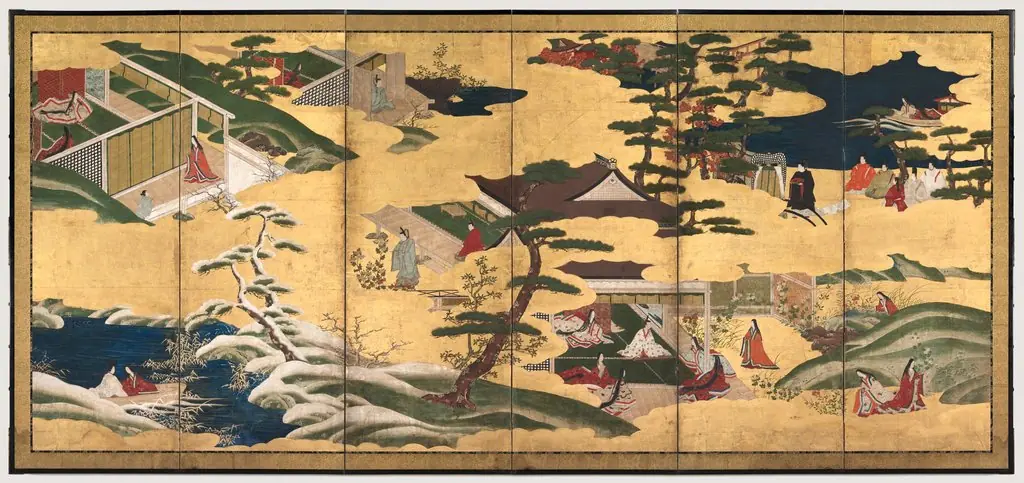 Scenes from the Tale of Genji
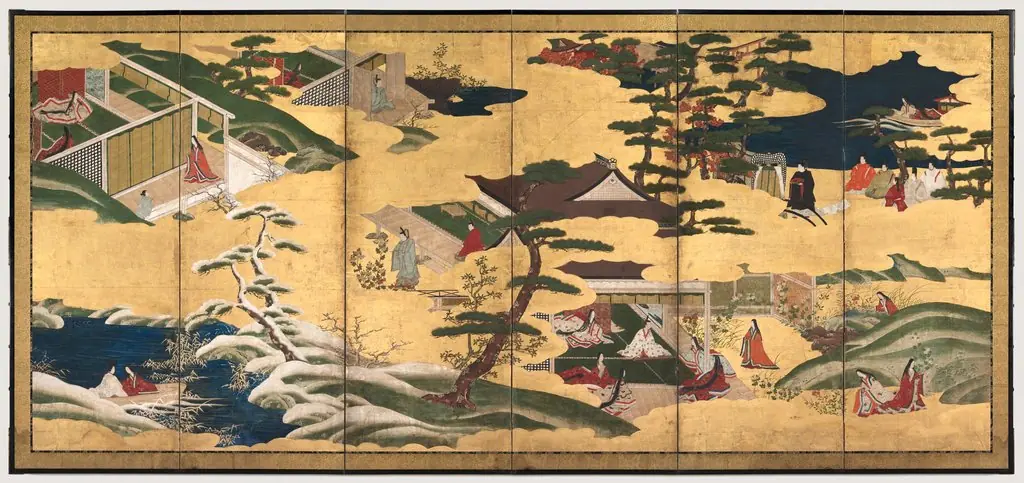 Scenes from the Tale of Genji
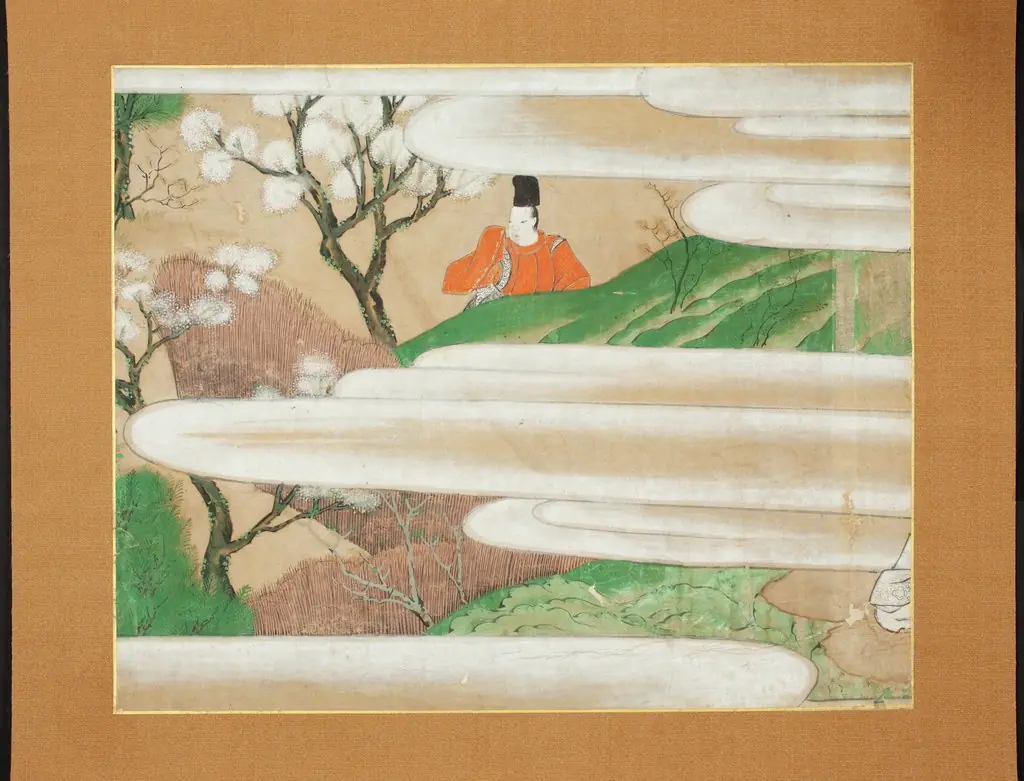 Genji Monogatari
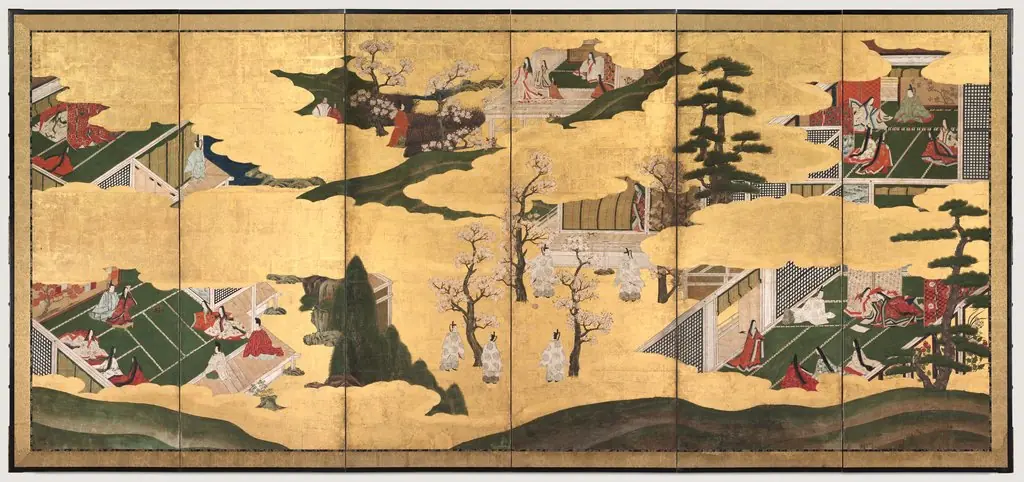 Scenes from the Tale of Genji
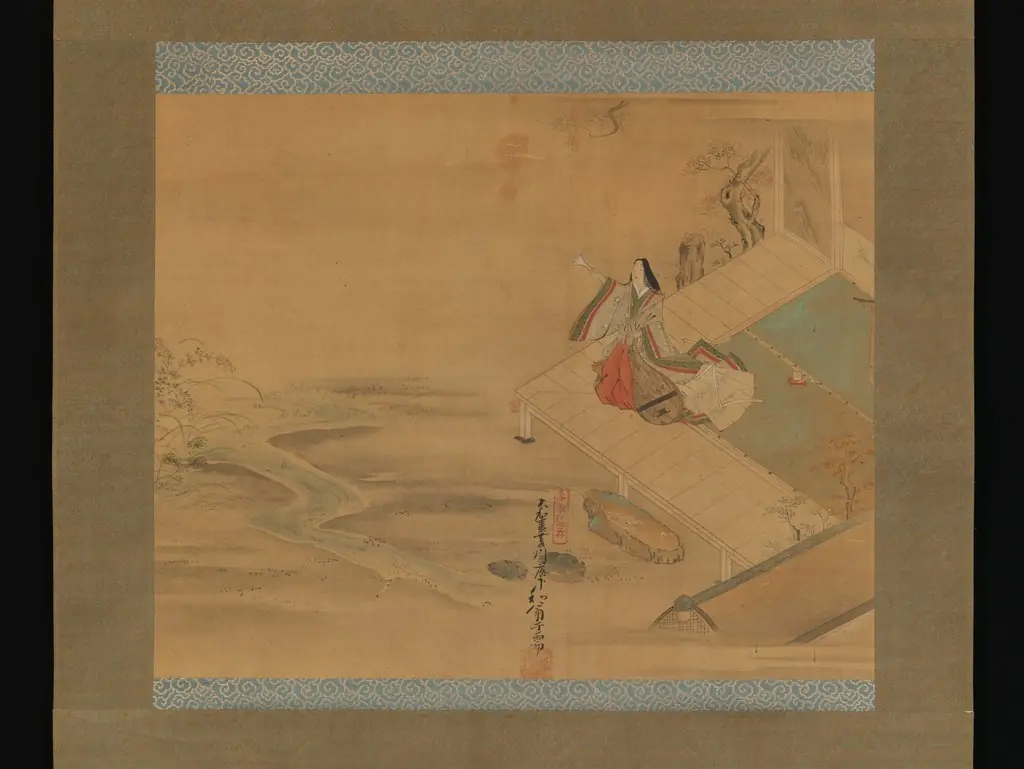 Princess Ogimi from the "Bridge Maiden" (Hashihime) chapter from The Tale of Genji (Genji Monogatari)