Artwork
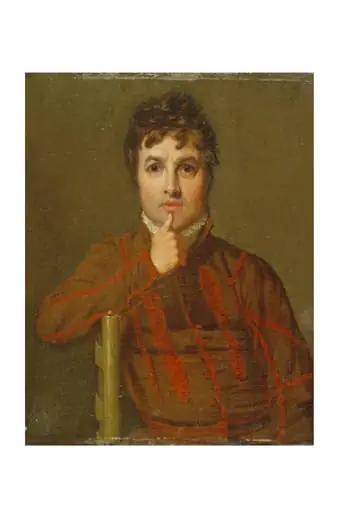
John Philip Kemble (1757–1823), in a Comic Role
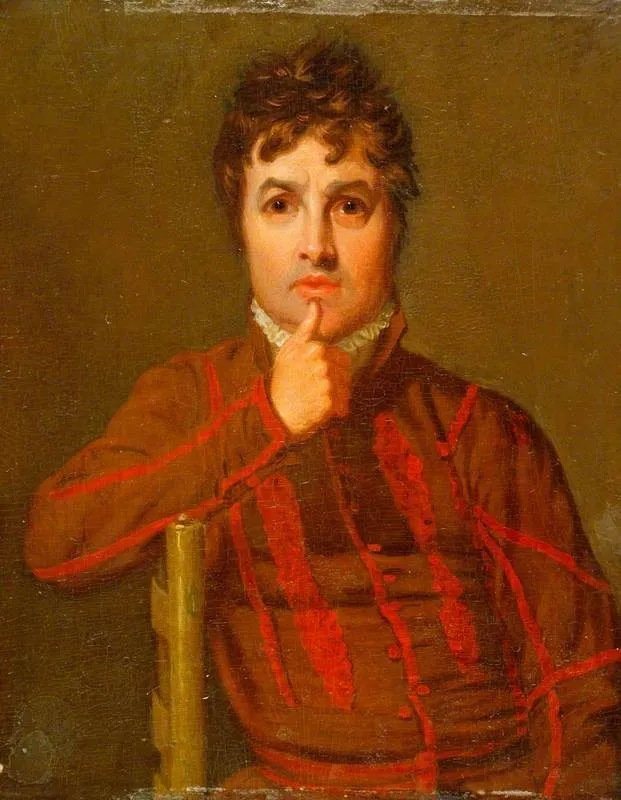
John Philip Kemble (1757–1823), in a Comic Role is an oil painting by the Neoclassicist artist Unknown. It dates from 1804 and is held in the collection of the Victoria and Albert Museum. This oil painting portrays John Philip Kemble, a prominent 18th-century actor, captured mid-performance in a comic character.
About this work
Overview
This oil painting portrays John Philip Kemble, a prominent 18th-century actor, captured mid-performance in a comic character.
This oil painting portrays John Philip Kemble, a prominent 18th-century actor, captured mid-performance in a comic character. Rendered with careful attention to light and shadow, the figure emerges from a flat brown background, his posture and expression suggesting introspection rather than broad farce. The composition isolates him in a moment of quiet deliberation, contrasting with the expected exuberance of comic theater.
Subject & Meaning
Kemble, known for his refined stage presence, is depicted not in a grand tragic role but in a lighter, character-driven part. His raised hand near the chin implies contemplation, hinting at the actor’s internal processing of his role. The choice to portray him in comic attire, yet with solemnity, reflects his reputation for elevating comedic performance through psychological depth rather than physical exaggeration.
Technique & Style
The artist employs chiaroscuro to model the figure with subtle gradations of light, giving volume to the fabric of the striped jacket and the ruffled collar. The solid brown background eliminates distraction, focusing attention on the face and hands. Brushwork is controlled, with soft transitions between tones, emphasizing realism over theatrical flourish. The gold-toned chairback adds a muted accent without disrupting the painting’s restrained palette.
History & Provenance
Painted during Kemble’s active years on the London stage, the portrait likely originated from a commission by a patron or theater associate. Its survival suggests it was valued as a record of his artistic persona rather than a public monument. No definitive record of its early ownership exists, but its preservation indicates it remained within private or theatrical circles after Kemble’s death in 1823.
Context
In early 19th-century Britain, actors like Kemble were increasingly regarded as serious cultural figures. Portraits of performers in character, rather than in formal dress, reflected this shift. This image aligns with a broader trend of depicting actors in roles that revealed their interpretive skill, bridging the gap between stage art and fine art, and affirming theater’s place in intellectual life.
Legacy
The portrait endures as a quiet testament to Kemble’s influence on acting as an art of nuance. Unlike more flamboyant depictions of his contemporaries, this image captures the restraint and intellectualism he brought to comedy. It contributes to the historical understanding of how performance was visually documented and respected in an era when theater was gaining cultural legitimacy.
Artist & collection

 Domestic Scene
 Giacomo and Cardinal Marco, investing Andrea, Abbot of San Zeno, with his Benefice
 The Nymph of Fontainebleau
 Portrait of a Woman
 Madonna and Child with Saints in the Enclosed Garden
 Venus and Minerva
 Family Group of Four on Sofa
 Wall painting from Room H of the Villa of P. Fannius Synistor at Boscoreale
 Selbstporträt
 Portrait of Don Juan Antonio Cuervo
 Général Auguste-Marie-Henri Picot, comte de Dampierre (1756-1793)
 Portrait of Wojciech Męciński
 Portrait of Bertrand Barère
 Portrait of Michał Kleofas Ogiński
 Don Juan Lorenzo Gutiérrez Altamirano de Velasco y Flores
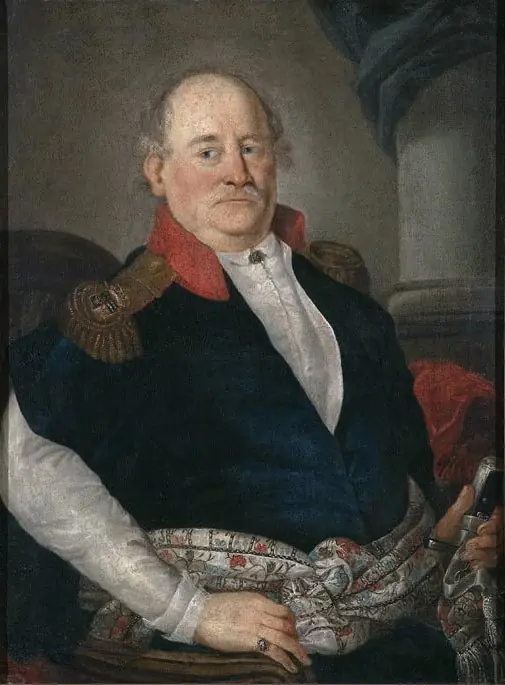 Portrait of Marcin Morawski (1770–1830)
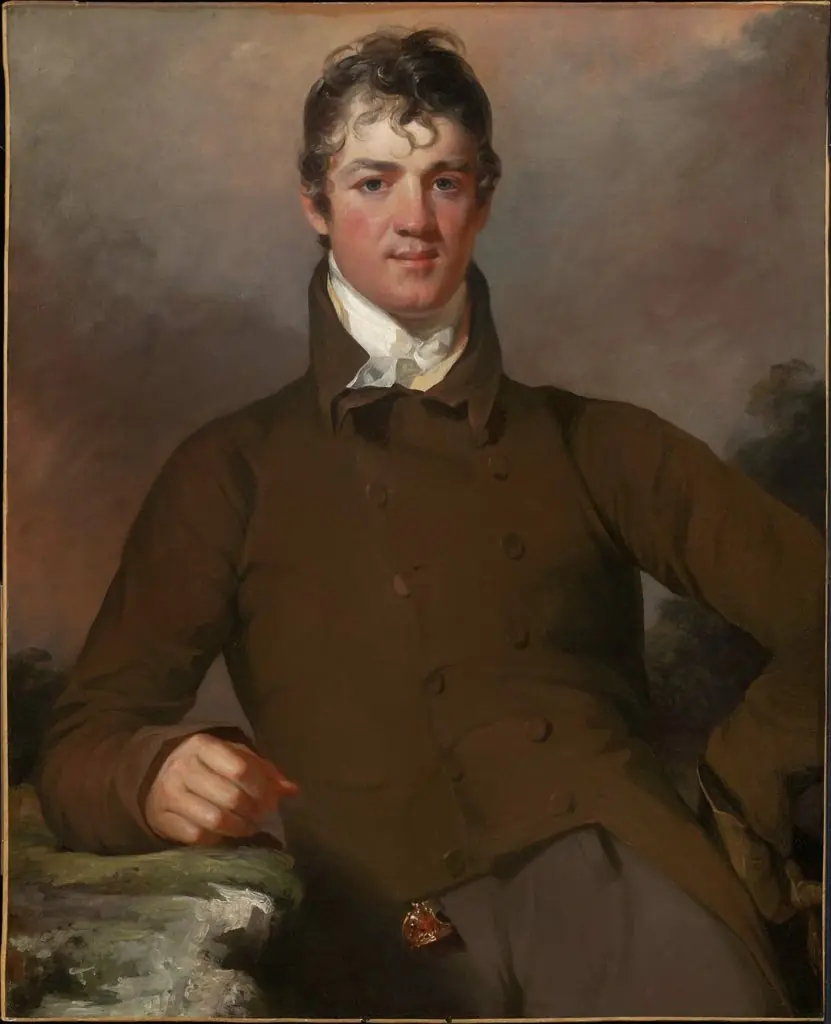 John Myers
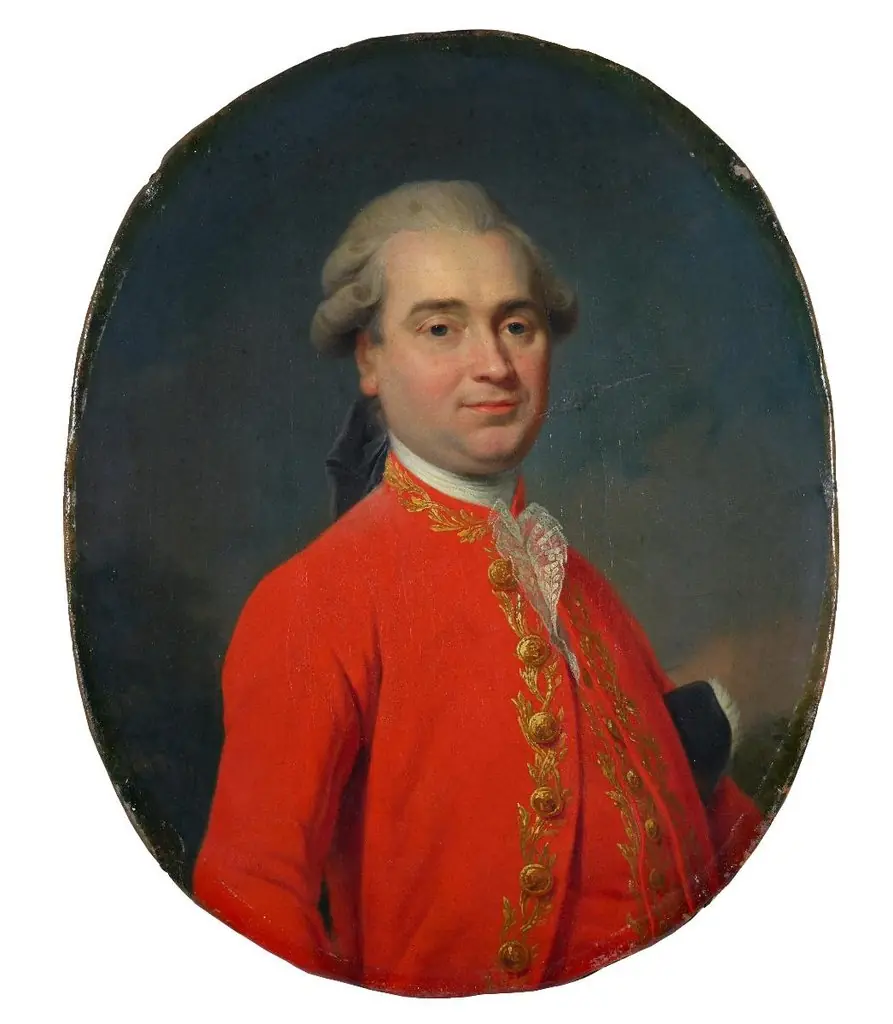 Bildnis eines Herrn im roten Kleid
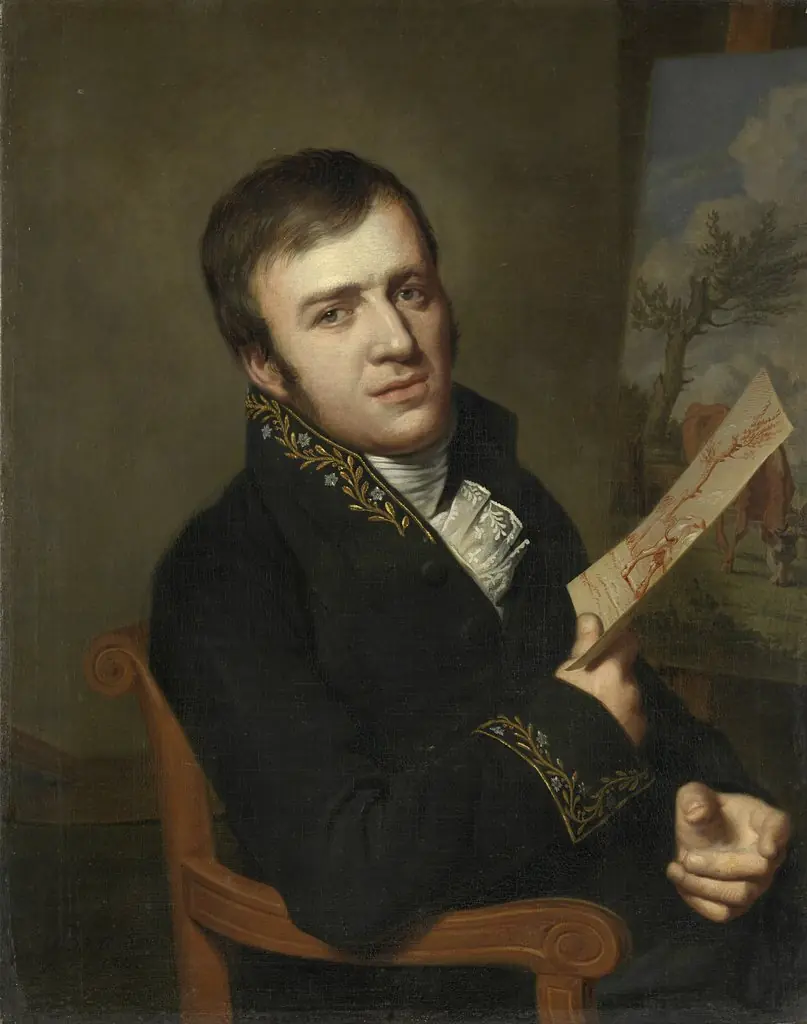 Jan Kobell II, Painter, in the Uniform of a Member of the Royal Institute of Sciences, Literature and Fine Arts
 John Philip Kemble in a Comic Role