Artwork
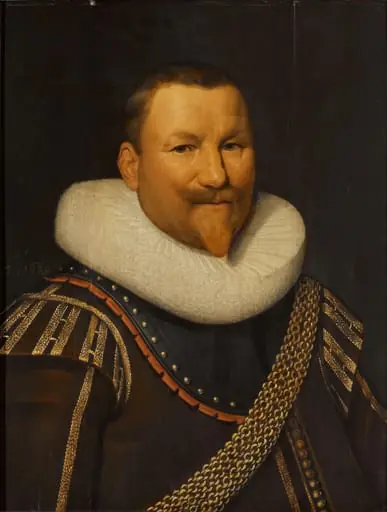
Portrait of Pieter Pietersz Heijn (1577-1629)
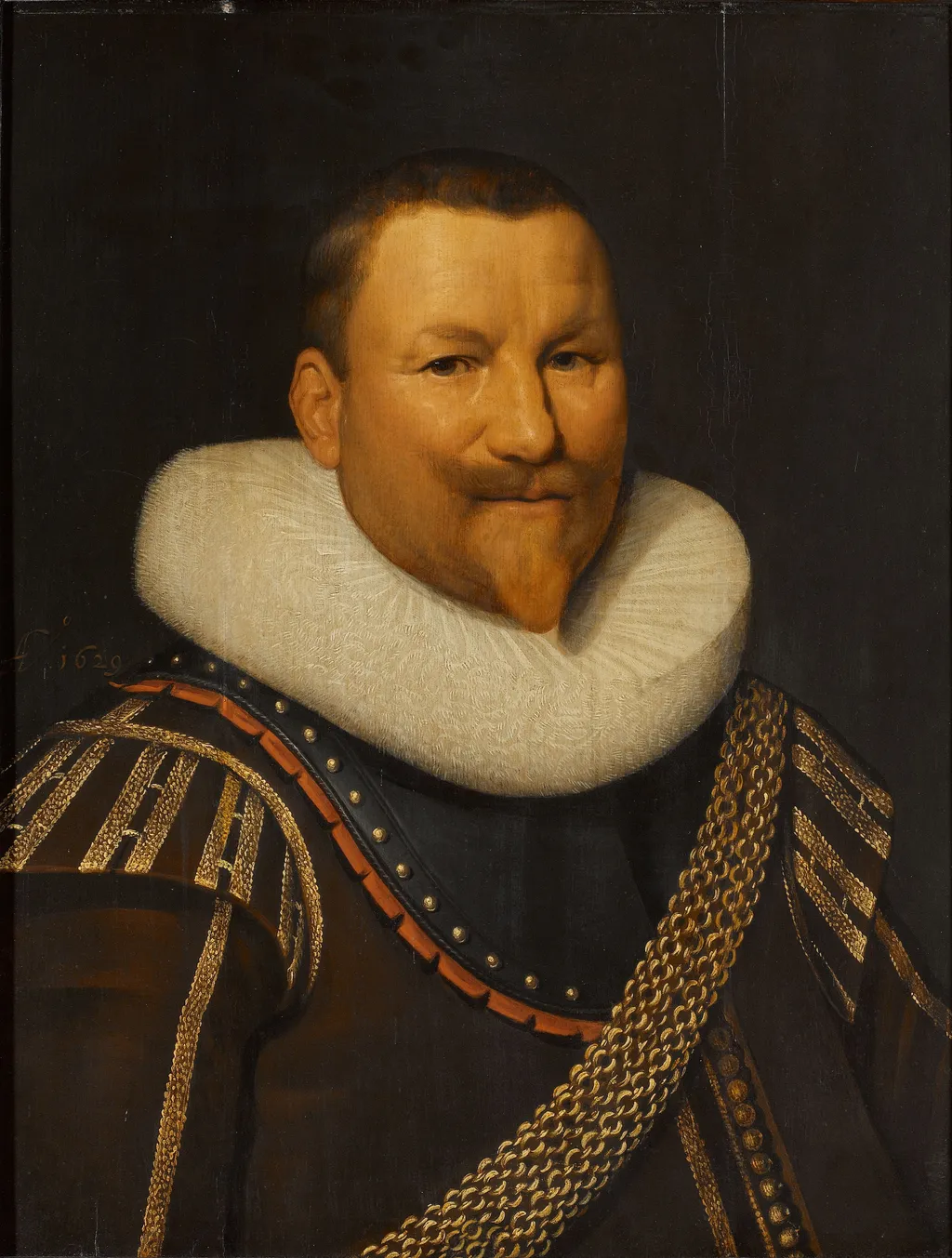
Portrait of Pieter Pietersz Heijn (1577-1629) is an oil painting by the Dutch Golden Age artist Unknown. It dates from 1629 and is held in the collection of the Rijksmuseum. The oil painting titled *Portrait of Pieter Pietersz Heijn* presents a seated gentleman from the early seventeenth century.
About this work
Overview
The oil painting titled *Portrait of Pieter Pietersz Heijn* presents a seated gentleman from the early seventeenth century. He is rendered against a dark backdrop, his gaze turned slightly to his right. The composition emphasizes the sitter’s attire, highlighting a crisp white ruffled collar and a dark jacket trimmed with gold detailing on the shoulders and chest.
Subject & Meaning
The work portrays Pieter Pietersz Heijn (1577–1629), a figure whose identity is known from the inscription of his name and dates. The dignified pose and sumptuous clothing suggest a status of wealth or civic standing, typical of portraiture intended to convey the sitter’s social position and personal virtue.
Technique & Style
Executed in oil on canvas, the portrait employs a restrained palette of deep shadows and illuminated whites to model the figure. Fine brushwork delineates the texture of the fabric and the subtle sheen of the gold accents, while the dark background serves to isolate the sitter and intensify the contrast between light and shade.
History & Provenance
The painting is documented as a seventeenth‑century work, though specific details of its commission, ownership, or exhibition history are not recorded in the available sources. Its survival in a museum collection indicates it has been preserved as an example of Dutch portraiture from the period.
Artist & collection

 Domestic Scene
 Giacomo and Cardinal Marco, investing Andrea, Abbot of San Zeno, with his Benefice
 The Nymph of Fontainebleau
 Portrait of a Woman
 Madonna and Child with Saints in the Enclosed Garden
 Venus and Minerva
 Family Group of Four on Sofa
 Wall painting from Room H of the Villa of P. Fannius Synistor at Boscoreale