Artwork
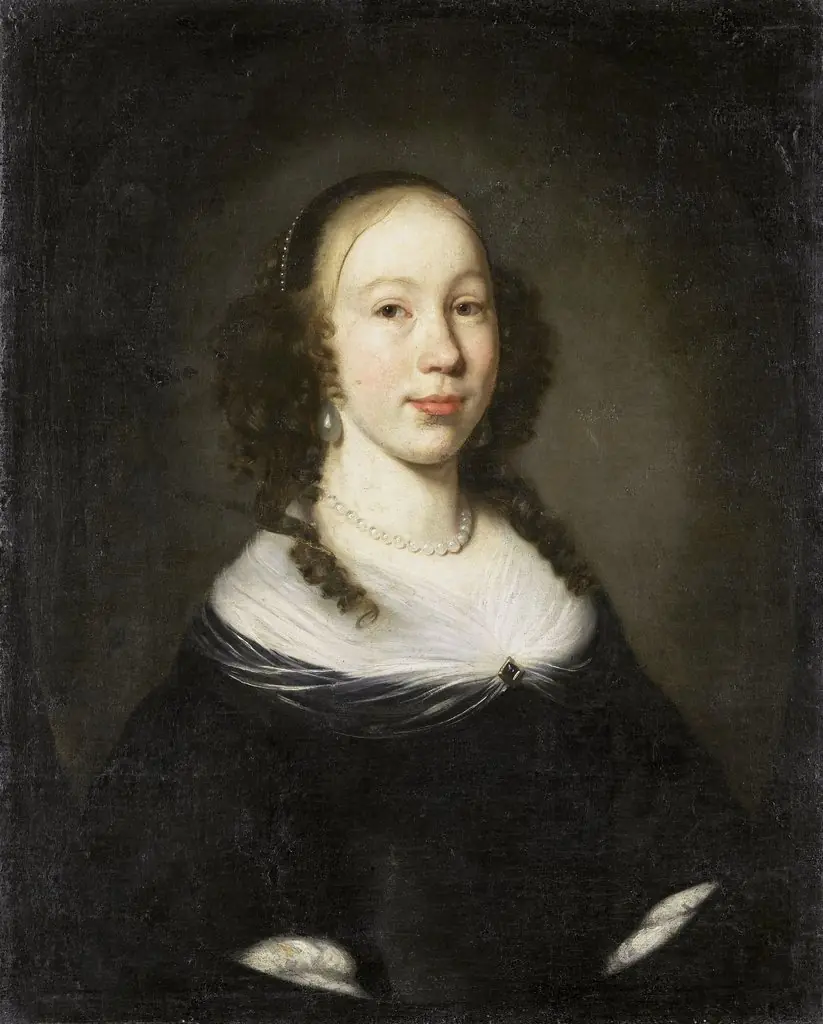
Portrait of a Lady
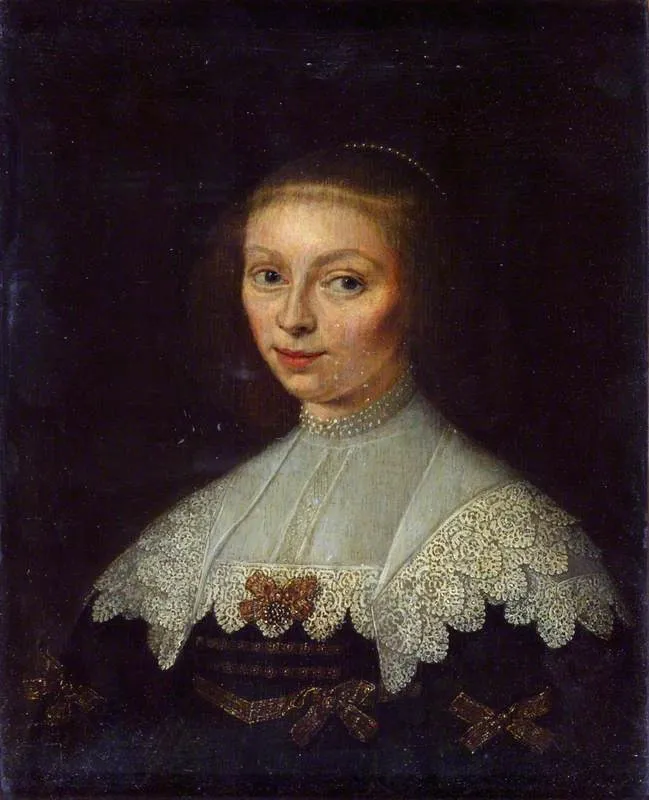
Portrait of a Lady is an oil painting by the Dutch Golden Age artist Unknown. It dates from 1630 and is held in the collection of the Victoria and Albert Museum. This oil painting presents a formal portrait of a woman, rendered with quiet precision.
About this work
Overview
Light falls deliberately across her face and attire, enhancing texture and volume while minimizing environmental distraction.
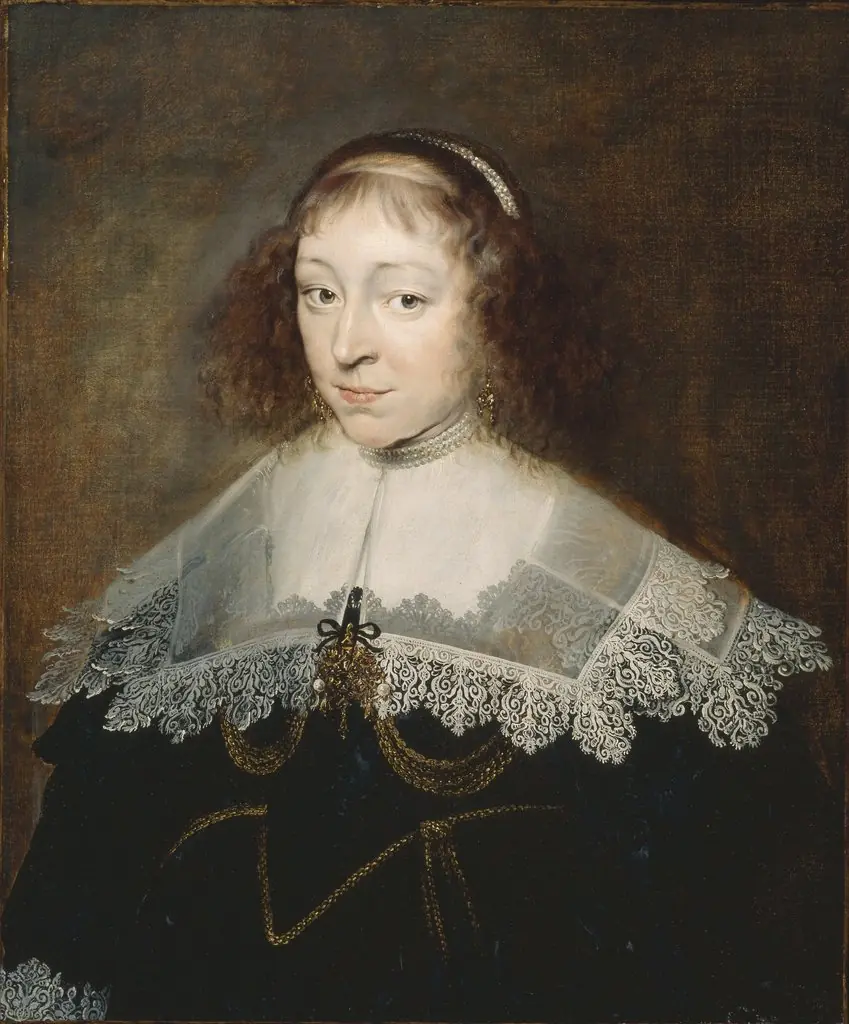
This oil painting presents a formal portrait of a woman, rendered with quiet precision. The composition focuses tightly on her upper body, set against a deep, unmodulated background that isolates her figure. Light falls deliberately across her face and attire, enhancing texture and volume while minimizing environmental distraction. The restrained palette and controlled lighting suggest a deliberate emphasis on presence over narrative.
Subject & Meaning
The woman’s composed demeanor, with eyes lowered and gaze steady, conveys introspection rather than engagement. Her attire—white lace, dark fabric, and pearl jewelry—signals status and refinement, typical of elite portraiture in the period. No attributes or symbols hint at identity or occupation, suggesting the portrait’s purpose was to affirm social standing through dignity and decorum rather than personal narrative.
Technique & Style
The artist employs chiaroscuro to model form with subtle gradations of light and shadow, particularly on the face and lace collar. Brushwork is refined, with fine detailing in the embroidery and pearls contrasting the smoother rendering of skin. The dark background enhances the three-dimensionality of the figure, a technique rooted in Northern Renaissance traditions that prioritize tactile realism over atmospheric depth.
History & Provenance
The painting’s origin and early ownership remain undocumented. No signature or inscription is noted, and its first recorded appearance in collections dates to the 19th century. Stylistic analysis suggests a late 16th or early 17th century origin, possibly from the Low Countries or Northern Spain, though no definitive attribution has been established.
Context
During the period of its creation, formal portraiture served as a tool for displaying wealth and moral restraint, especially among women of the upper classes. The absence of elaborate settings or symbolic objects aligns with a trend toward intimate, psychologically nuanced depictions, reflecting broader shifts in private commissioning practices away from overt heraldry toward personal stillness.
Legacy
The painting contributes to a broader corpus of unattributed portraits from the early modern era that prioritize psychological subtlety over individual identification. Its preservation reflects ongoing scholarly interest in the visual language of quiet authority in women’s portraiture, though its lack of provenance limits its role in broader artistic narratives.
Artist & collection

 Domestic Scene
 Giacomo and Cardinal Marco, investing Andrea, Abbot of San Zeno, with his Benefice
 The Nymph of Fontainebleau
 Portrait of a Woman
 Madonna and Child with Saints in the Enclosed Garden
 Venus and Minerva
 Family Group of Four on Sofa
 Wall painting from Room H of the Villa of P. Fannius Synistor at Boscoreale
 Portrait of a Lady
 Portrait of a Lady
 Portrait of Volkera van Beresteyn (1624–1653), wife of Salomon van Schoonhoven (1617–1653)
 Portrait of a Young Woman
 The Young Housekeeper
 Portrait of a Woman
 Aeltje van der Graft
 Girl Holding a Fan
 Portrait of Grietje Adriaensdr Grootes (1588-1624)
 Portret de femeie
 Portrait of a Girl, Aged 15
 Portrait of a young woman