Artwork
Portrait of a Woman
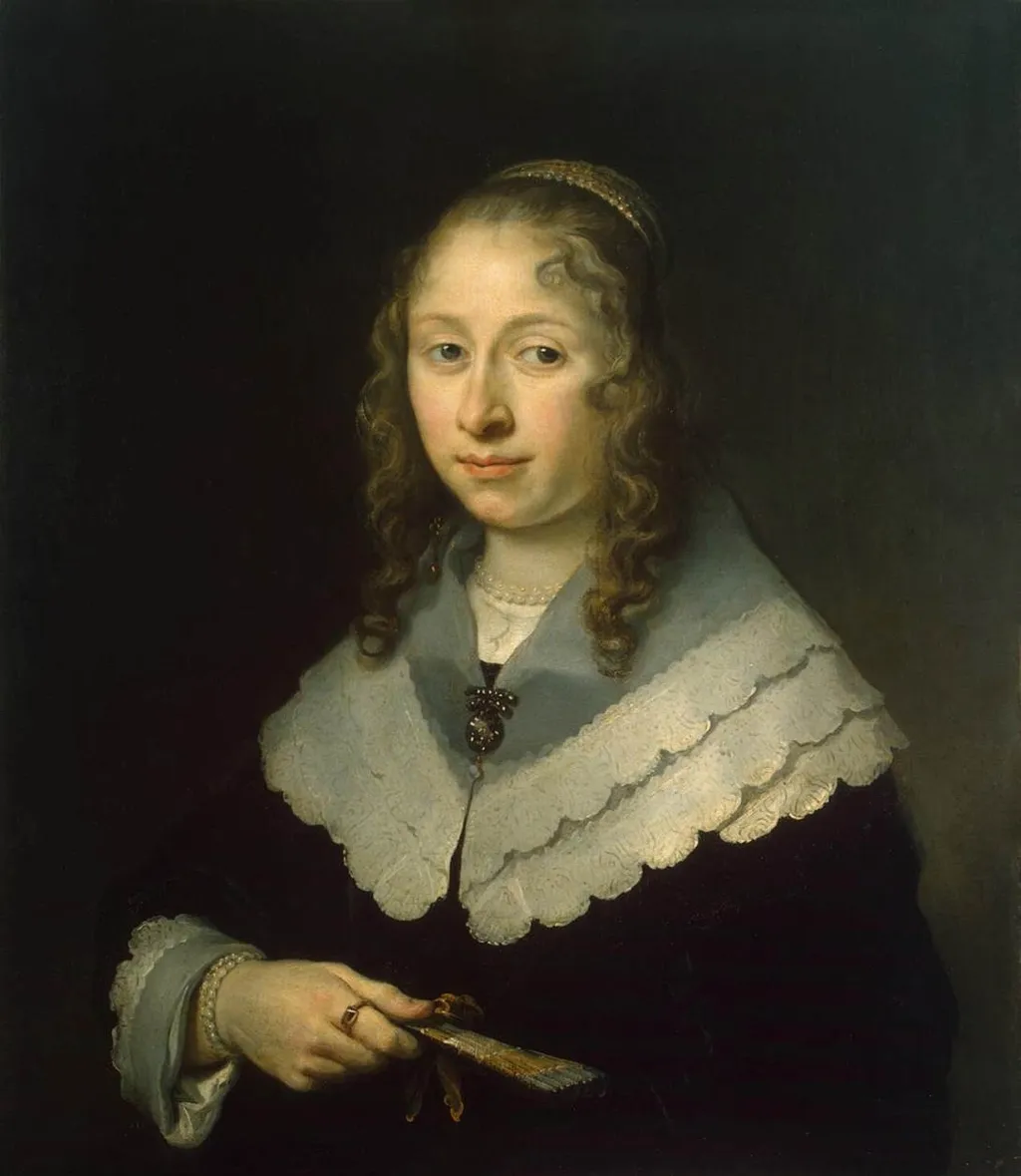
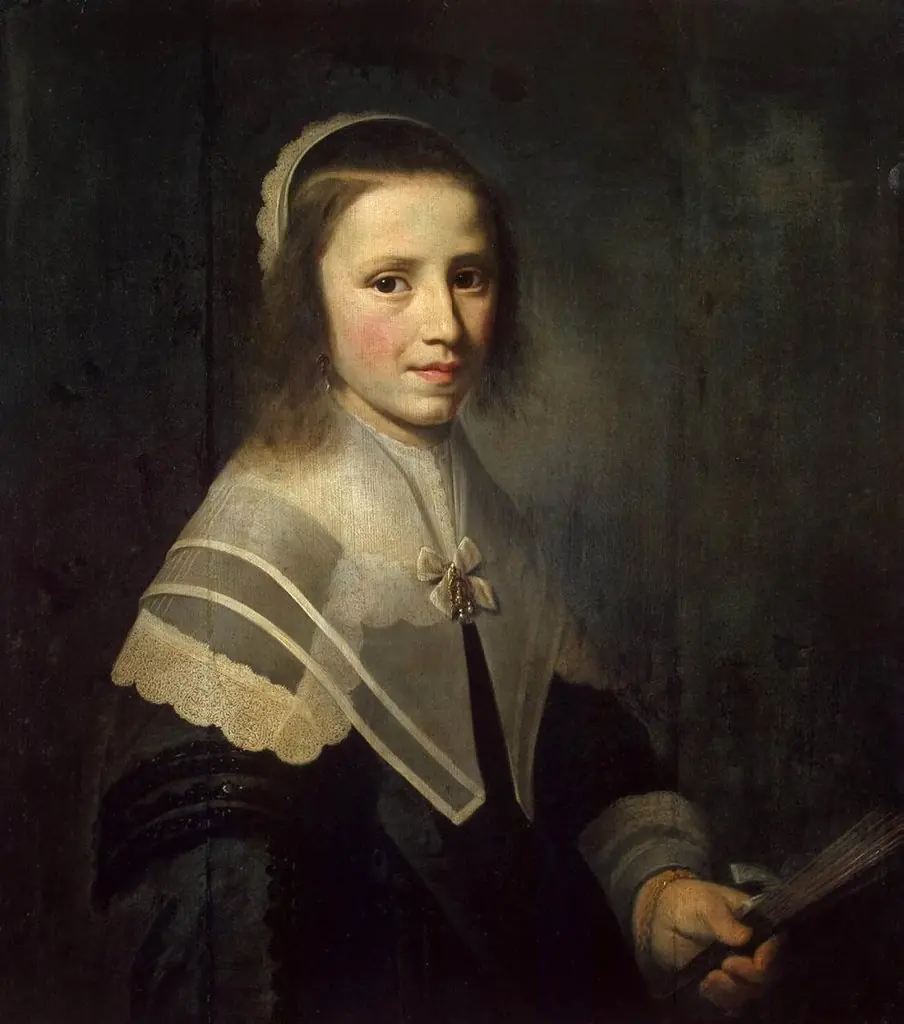
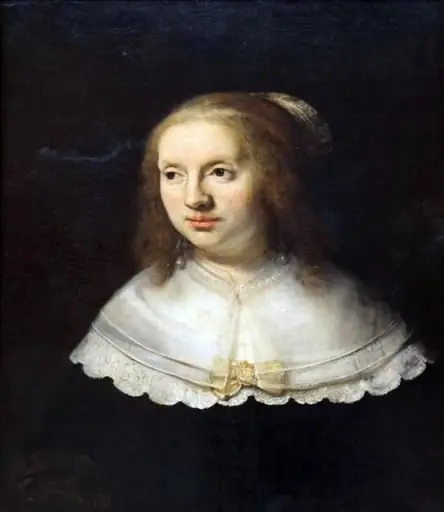
Portrait of a Woman is an oil painting by the Dutch Golden Age artist Govert Flinck. It dates from 1645 and is held in the collection of the Hermitage Museum.
About this work
Overview
Govert Flinck’s 1645 oil painting entitled Portrait of a Woman is part of the collection of the State Hermitage Museum. The work presents a single sitter, rendered against an unadorned dark backdrop, allowing the figure to dominate the visual field. The portrait exemplifies mid‑seventeenth‑century Dutch portraiture in both scale and compositional restraint.
Subject & Meaning
The sitter is a woman with light brown hair gathered at the back of her head. She wears a dark gown accented by a broad white lace collar and a conspicuous necklace, and she holds an open hand fan in her right hand. The fan, a fashionable accessory of the period, suggests both refinement and the social rituals of courtly display.
Technique & Style
Flinck employs a pronounced chiaroscuro, contrasting illuminated planes of the face and dress with the surrounding gloom.
Flinck employs a pronounced chiaroscuro, contrasting illuminated planes of the face and dress with the surrounding gloom. Careful modeling of light on the skin and fabric creates a sense of three‑dimensionality, while the smooth handling of oil paint renders the lace and metalwork of the collar and necklace with delicate texture. The overall effect is a controlled, naturalistic rendering typical of Dutch Baroque portraiture.
History & Provenance
Created in 1645, the painting entered the holdings of the State Hermitage Museum, where it remains on public display. Documentation traces its acquisition to the museum’s 19th‑century expansion of Dutch collections, reflecting the Hermitage’s long‑standing interest in works by prominent Dutch masters such as Flinck.
Context
Flinck, a pupil of Rembrandt, worked in the Dutch Republic during a period when portraiture served both personal commemoration and the display of wealth. The sitter’s attire and the inclusion of a fan align with contemporary fashions among the urban elite, while the restrained background reflects the artist’s focus on psychological presence rather than narrative setting.
Artist & collection

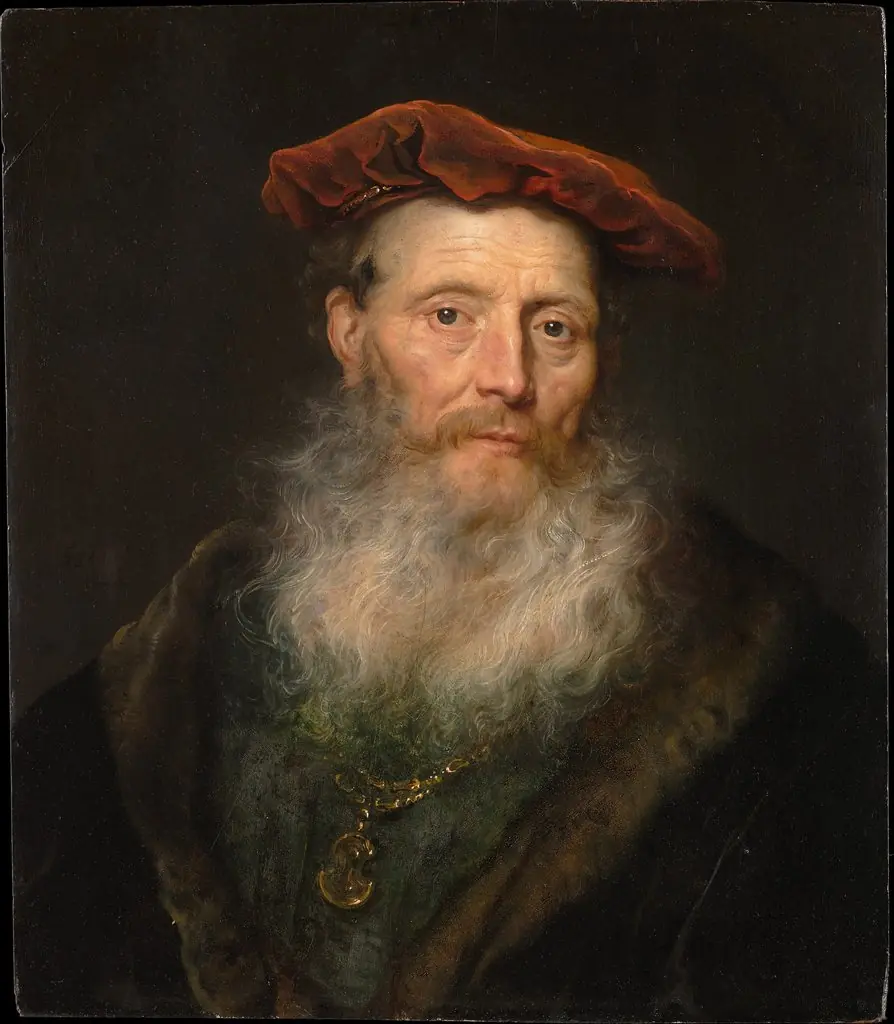 Bearded Man with a Velvet Cap
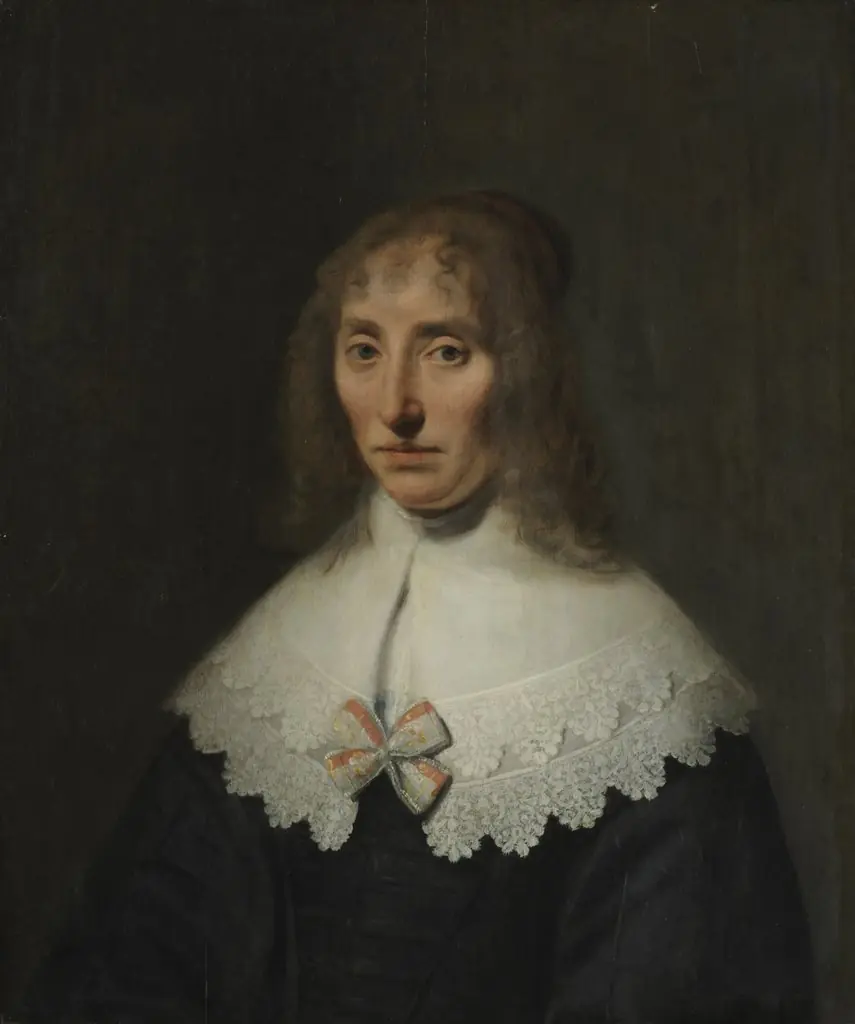 Portrait of a Woman
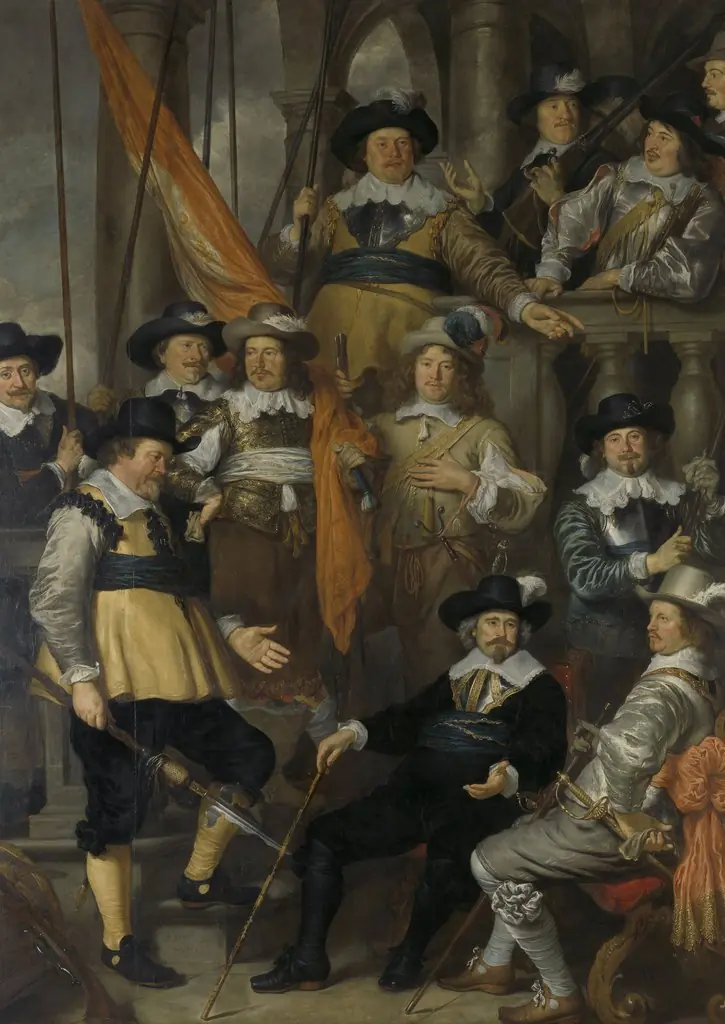 The Company of Captain Albert Bas and Lieutenant Lucas Conijn
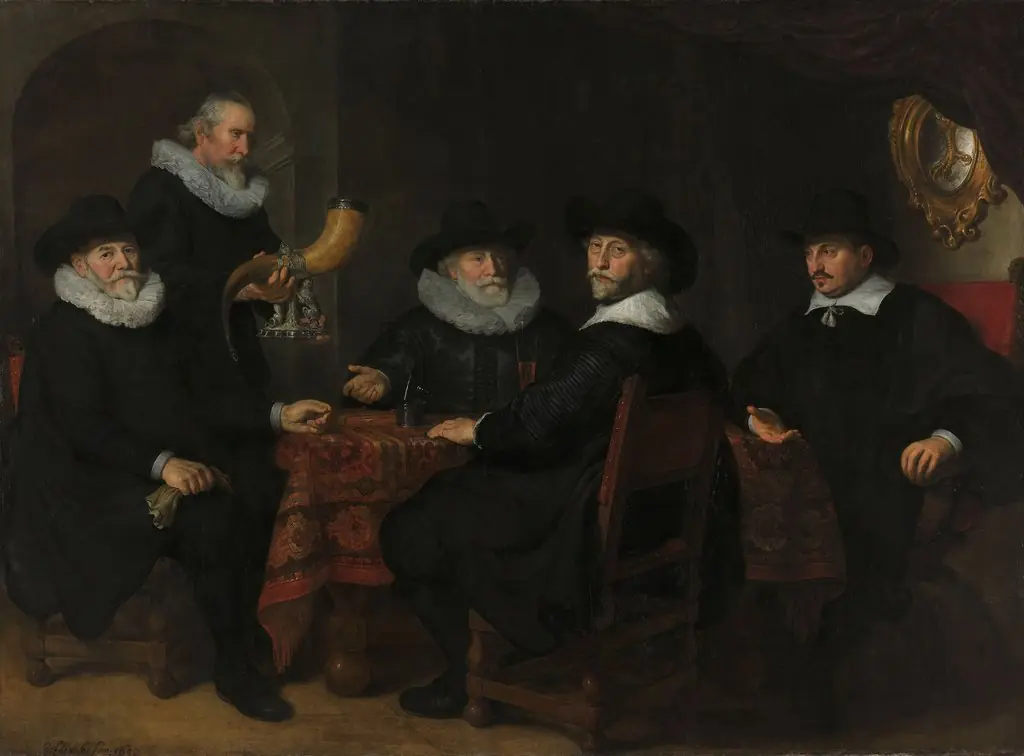 Four directors of the arquebusier's guild, Amsterdam, 1642
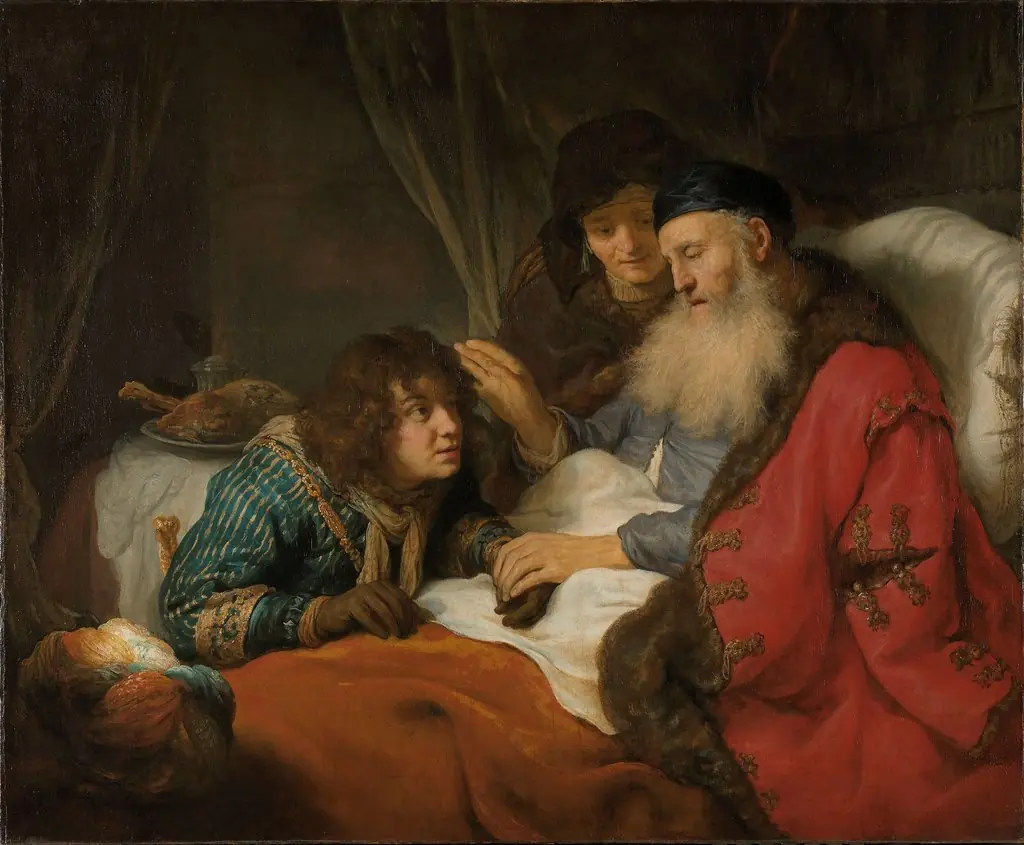 Isaac Blessing Jacob
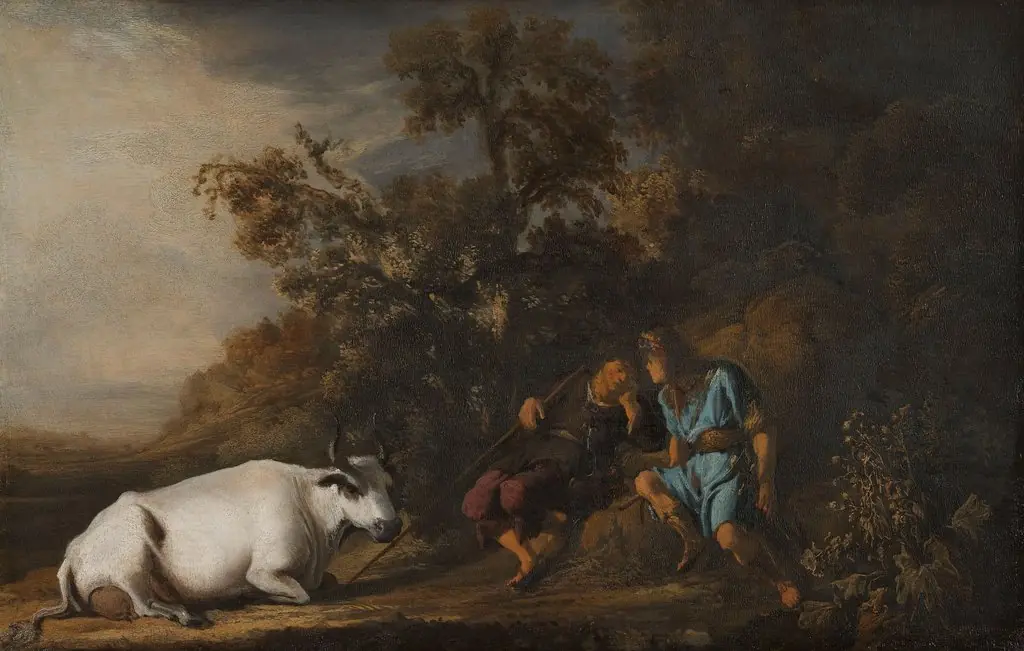 Mercury, Argus and Io
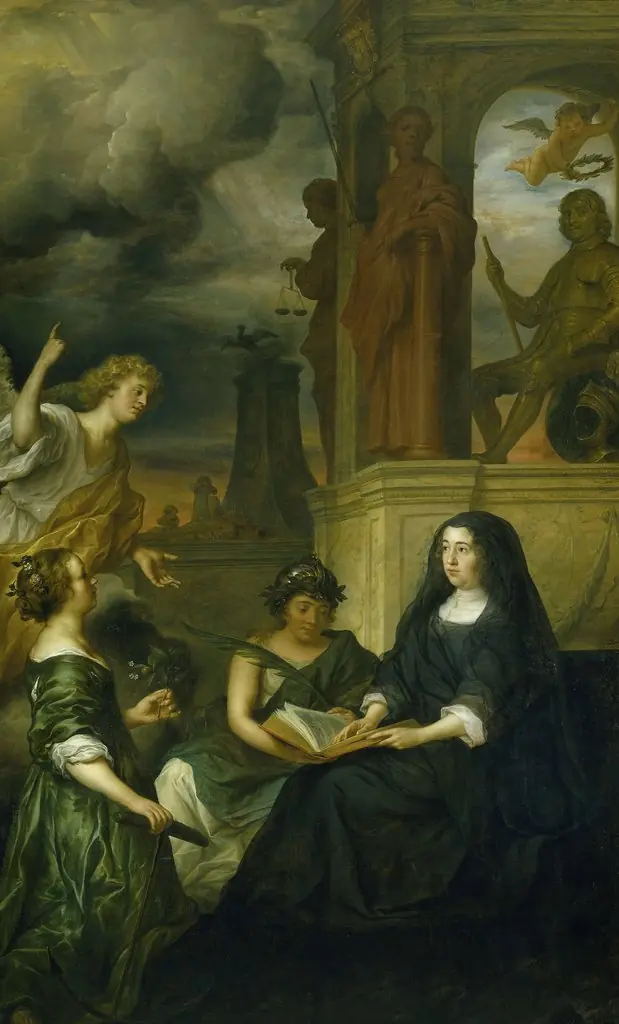 Allegory on the memory of Frederik Hendrik (1584-1647), prince of Orange, with the portrait of his widow Amalia van Solms
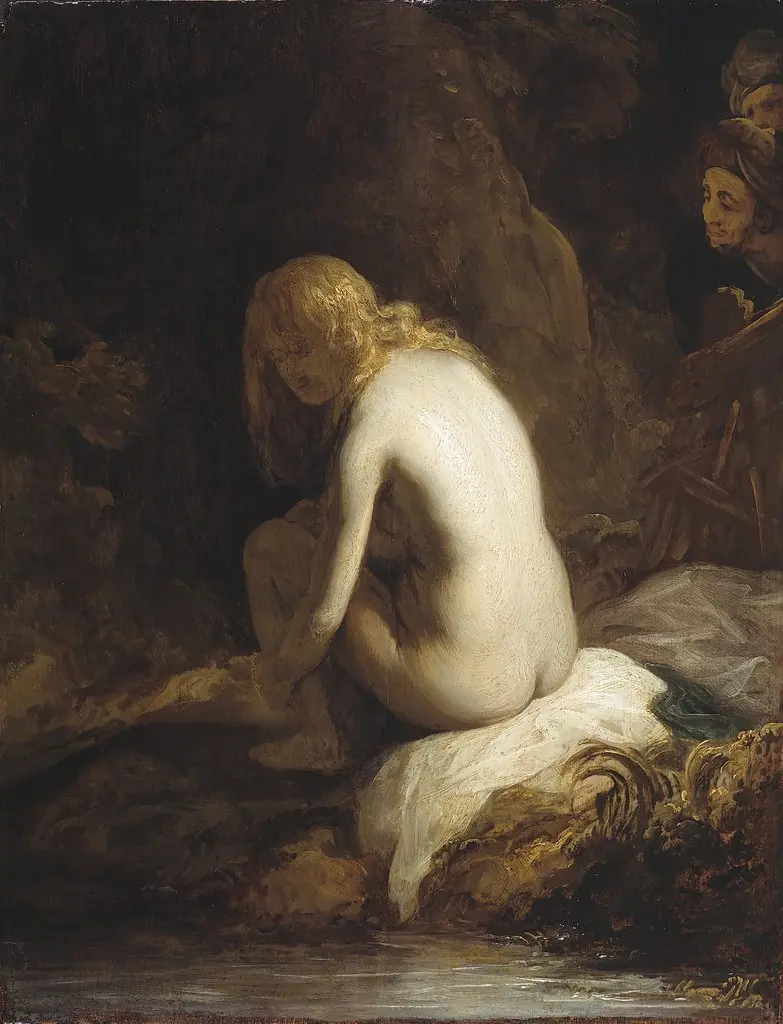 Susanna and the Elders
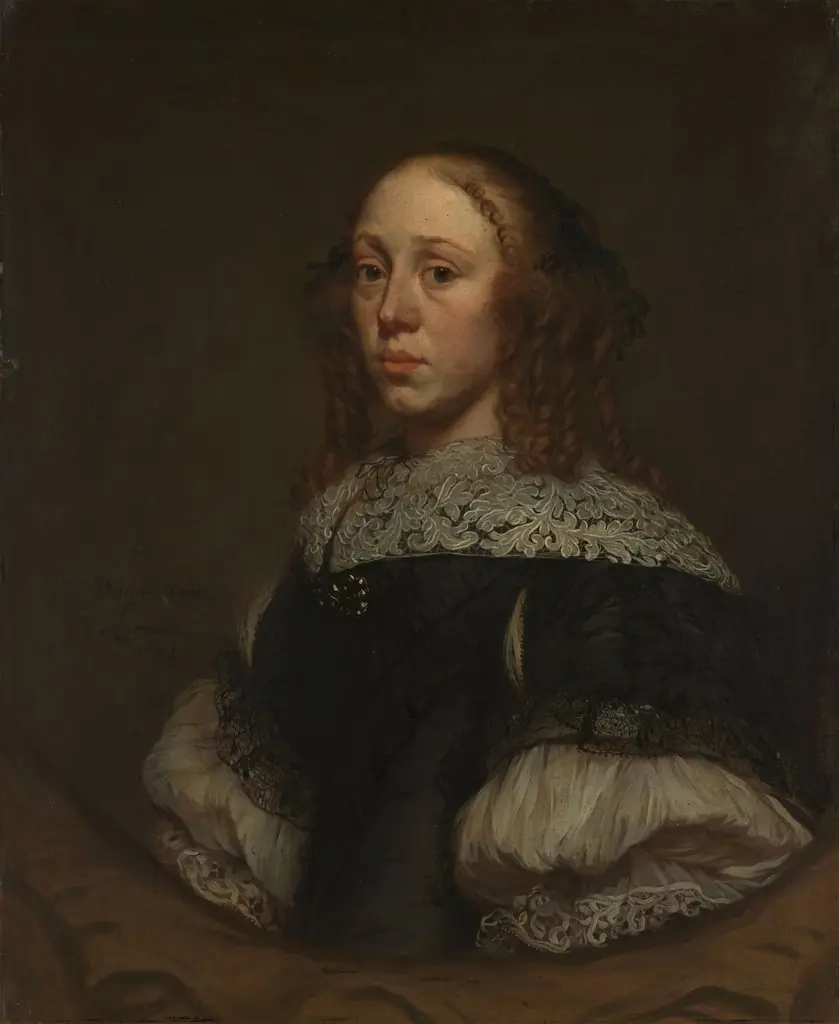 Portrait of a woman
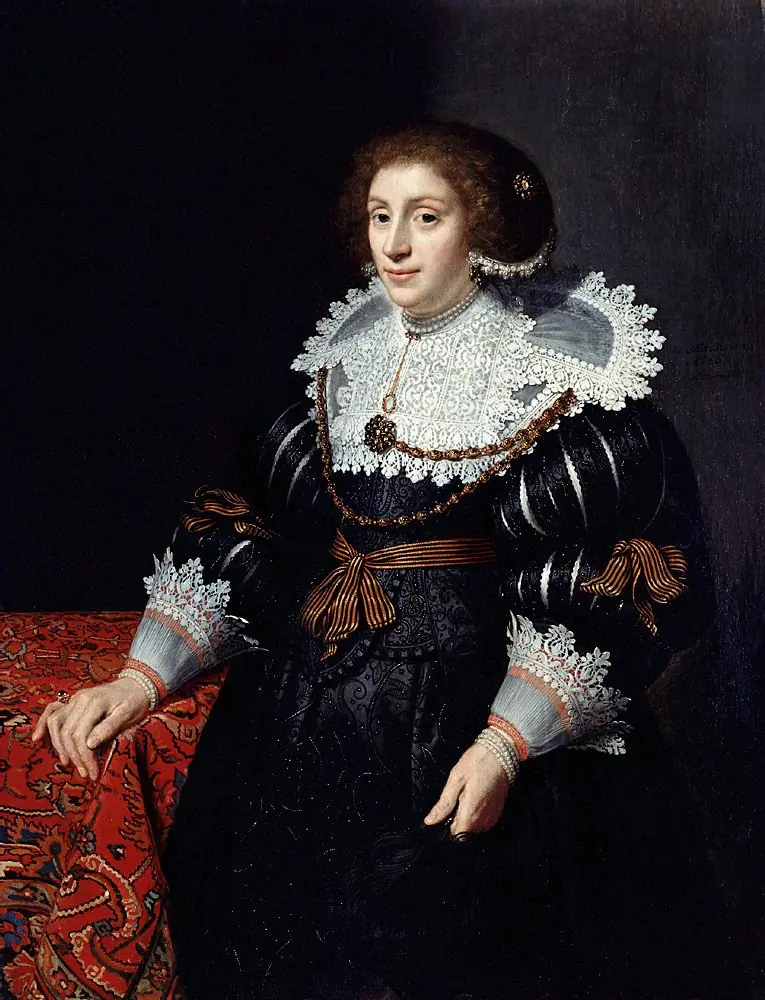 Portrait of a Woman
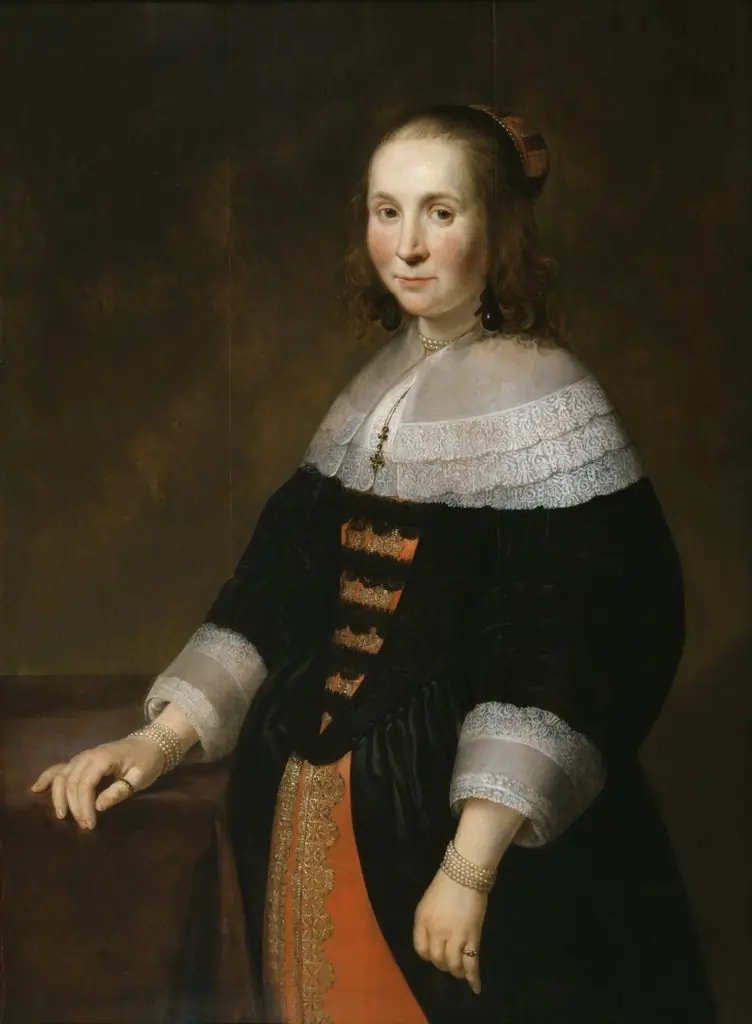 Portrait of a Wife
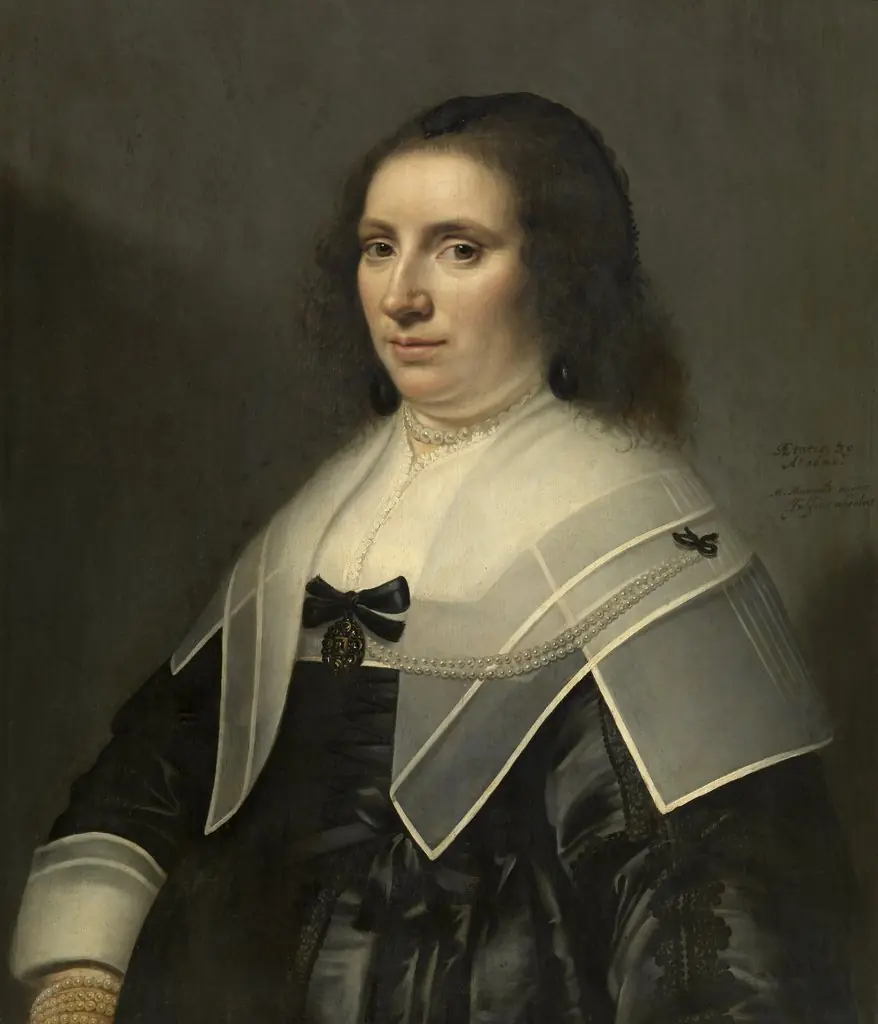 Portrait of Christina Pijll
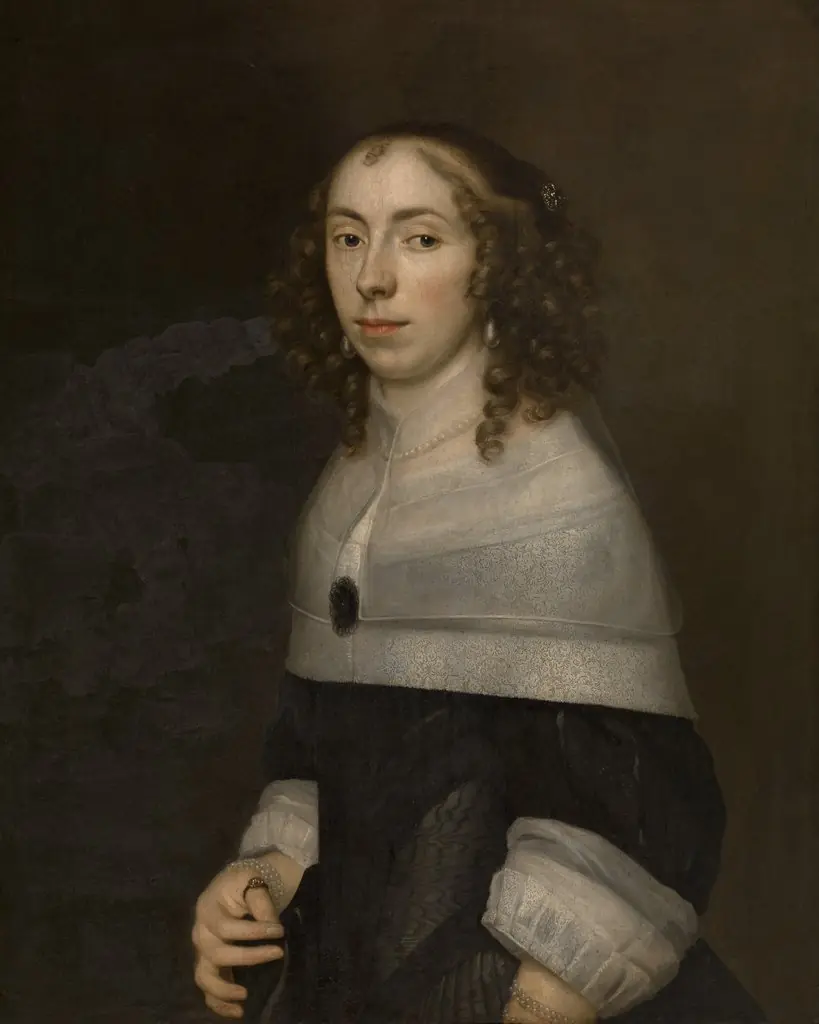 Portrait of Geertruijd Coenen (1635-1716)
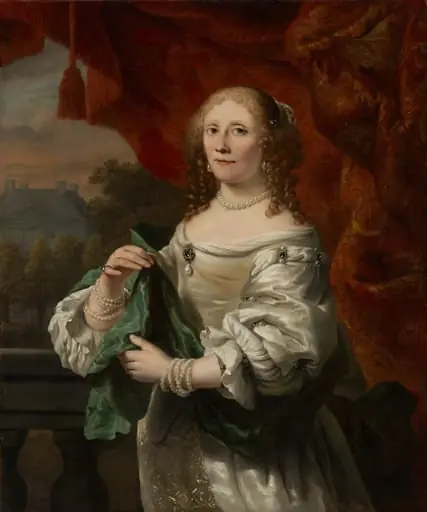 Portrait of a Woman
 Girl Holding a Fan
 Portrait of Volkera van Beresteyn (1624–1653), wife of Salomon van Schoonhoven (1617–1653)
 Portrait of a young woman
 Portrait of a Young Woman
 Portret de femeie