Artwork
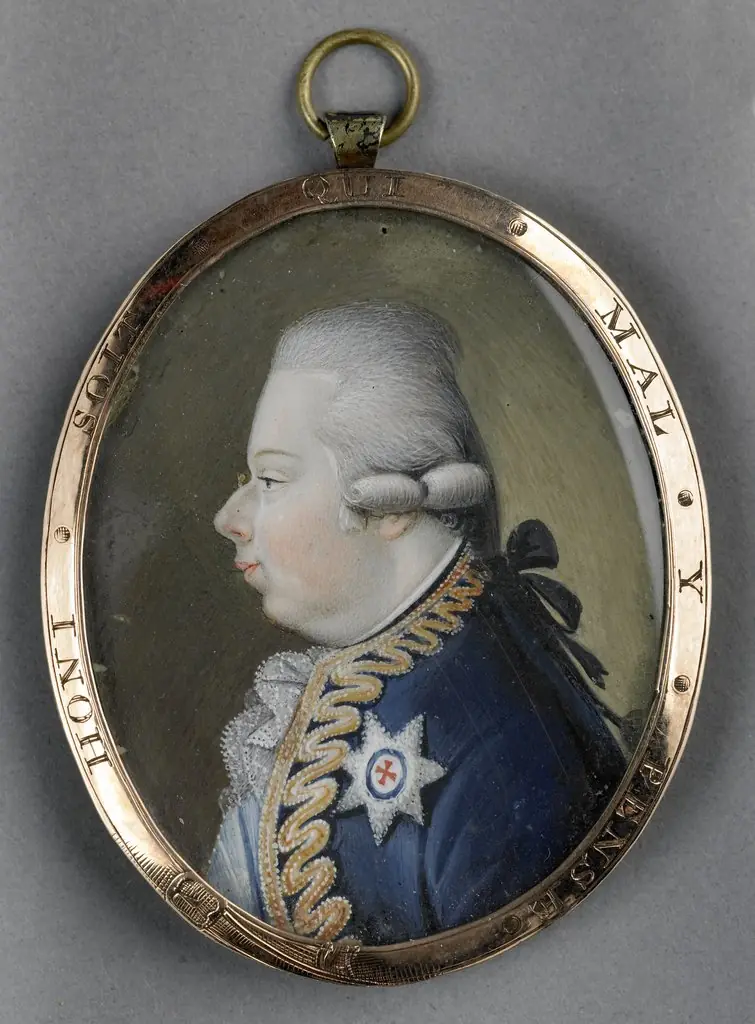
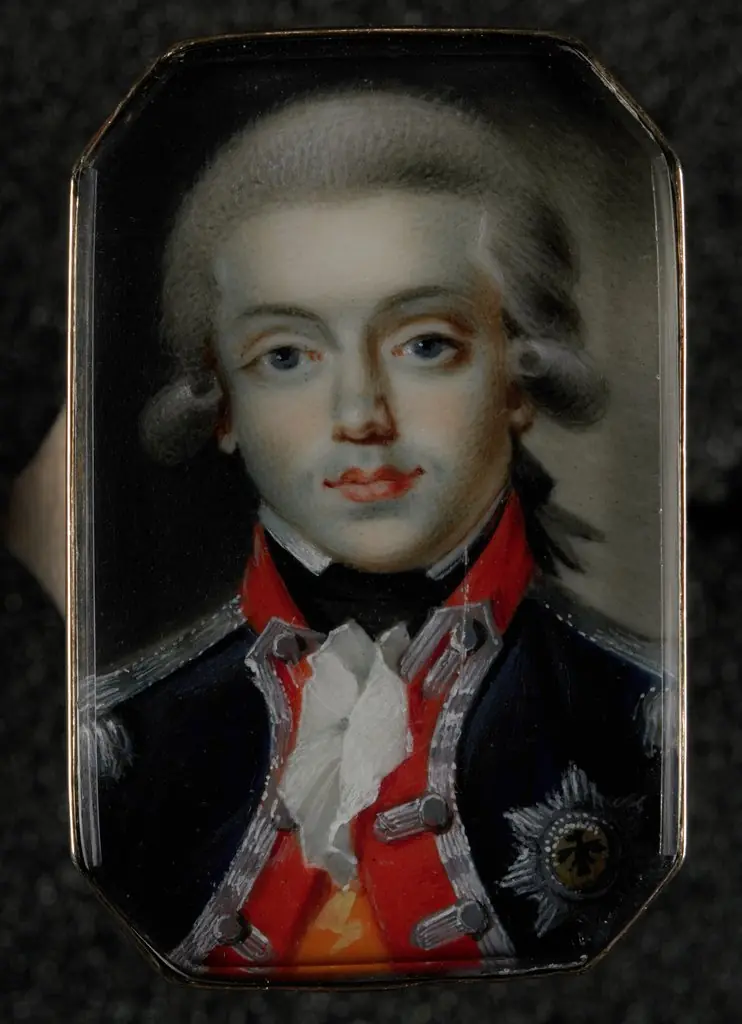
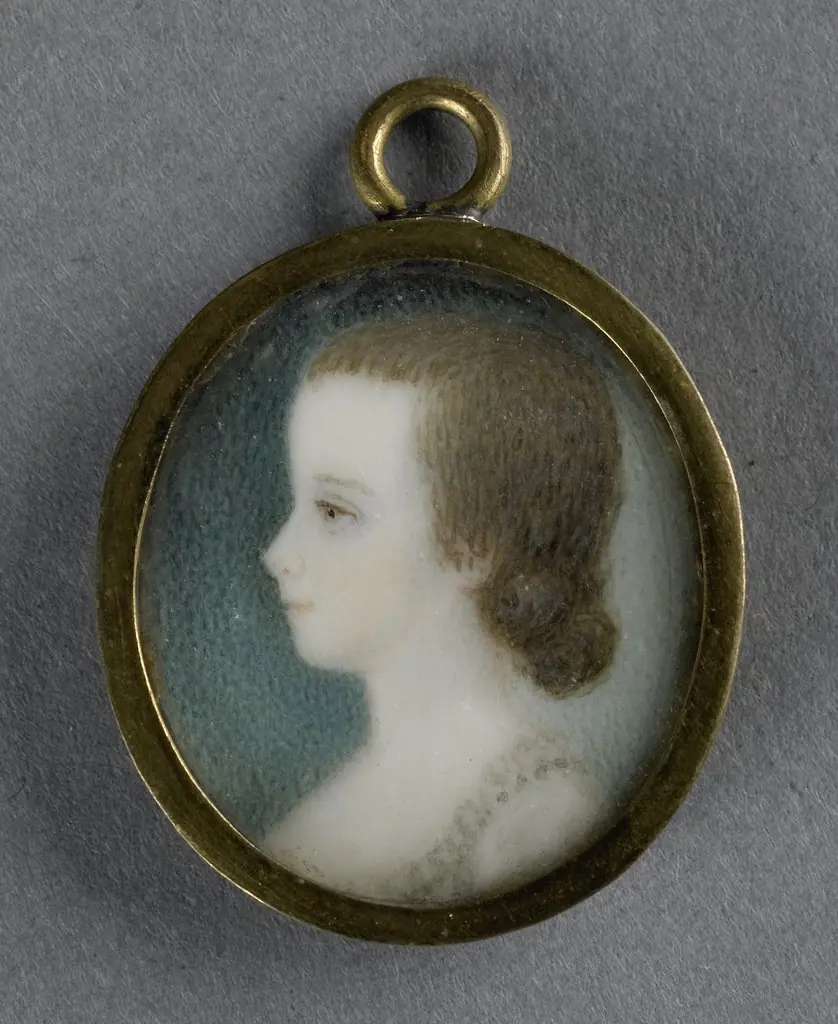
Portrait of Willem V van Oranje-Nassau (1748-1806)
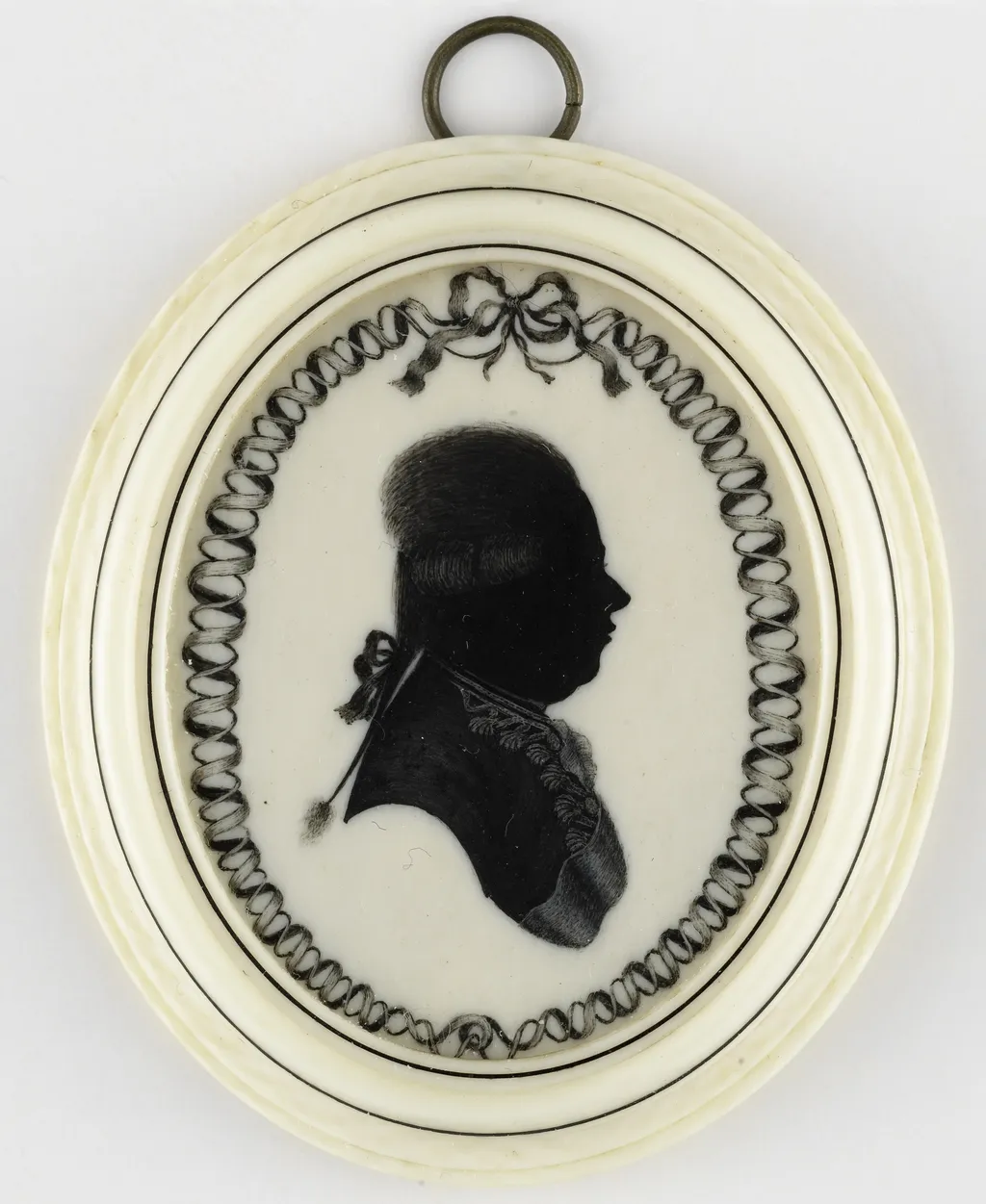
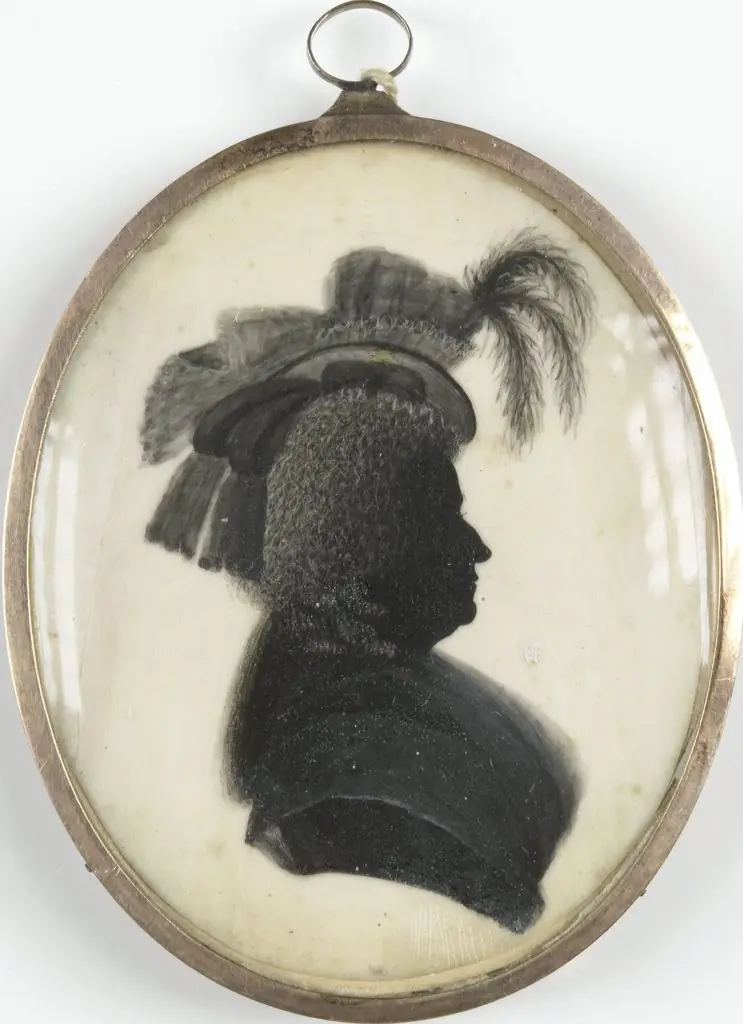
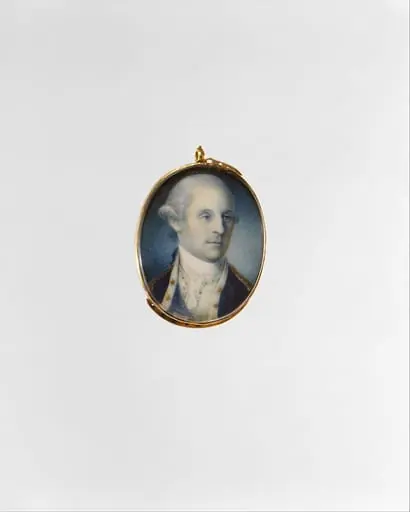
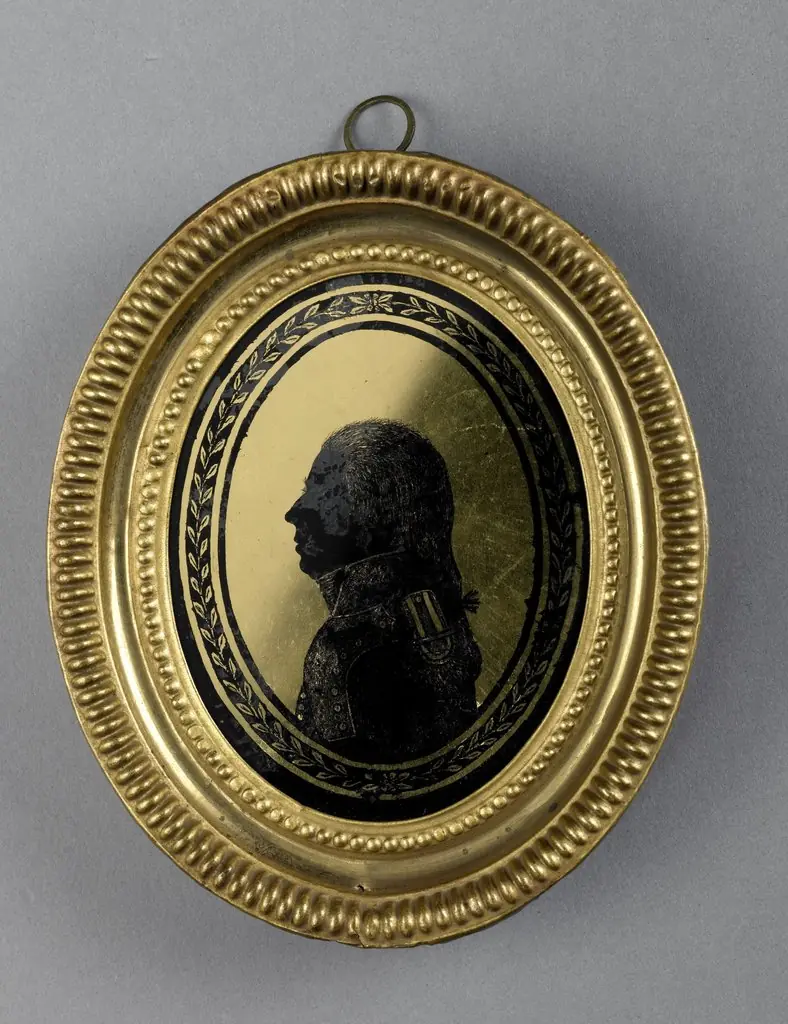
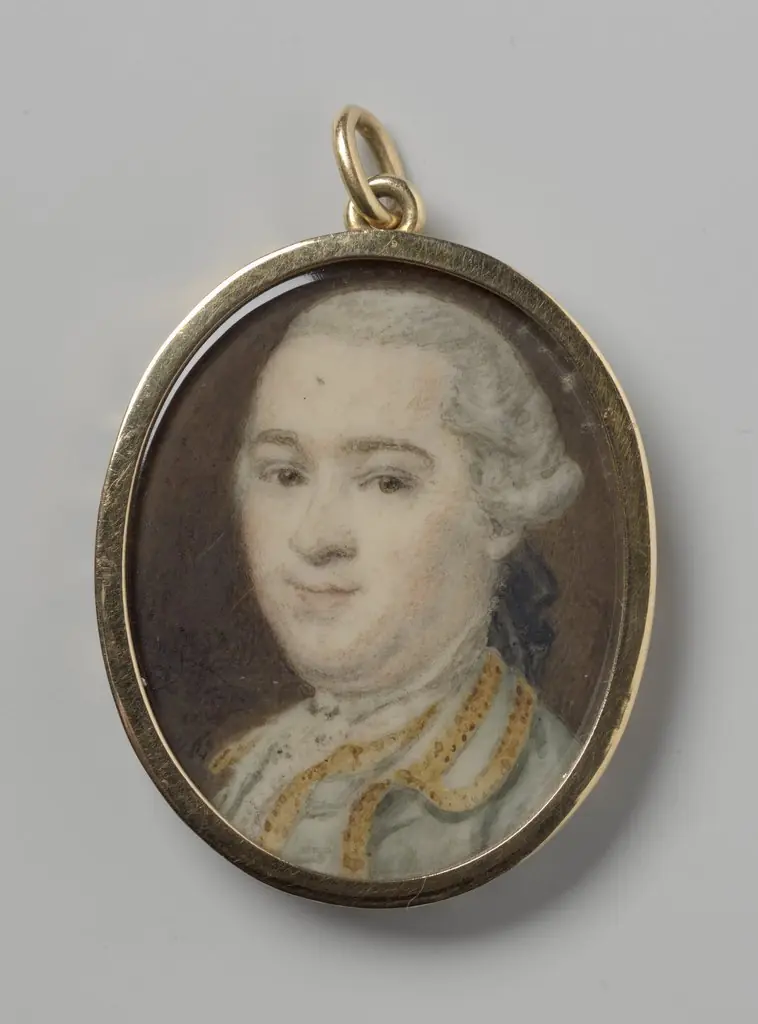
Portrait of Willem V van Oranje-Nassau (1748-1806) is an ivory painting. It dates from 1790 and is held in the collection of the Rijksmuseum. The work is a modestly sized, oval ivory relief portraying a single figure.
About this work
Overview
The work is a modestly sized, oval ivory relief portraying a single figure. Carved in monochrome, the composition is set against an unadorned background and bordered by a fine rope‑like motif. The subject is shown in half‑profile, with one hand concealed within a coat and the other grasping a small object, possibly a glove or baton.
Subject & Meaning
The figure represented is Willem V van Oranje‑Nassau (1748‑1806), a member of the Dutch House of Orange. The pose, with the turned head and concealed hand, follows conventional portrait conventions of the period, emphasizing status and dignity while the held object may allude to a role or honor.
Technique & Style
Executed as a low relief, the carving relies on stark contrasts between the raised surfaces and the recessed background, creating a chiaroscuro effect that suggests volume without pigment. The delicate rope‑like border frames the image, and the smooth ivory surface allows fine detailing of facial features and clothing folds.
History & Provenance
The piece is an ivory portrait, a medium favored for intimate, portable likenesses in the 18th and early 19th centuries. While specific ownership records are not provided, its subject’s dates (1748‑1806) place its creation in the late 18th century, likely commissioned to commemorate the individual’s status.
Context
Ivory relief portraits were common among European aristocracy as personal keepsakes or diplomatic gifts. The restrained composition and lack of background ornamentation reflect the neoclassical taste for clarity and emphasis on the sitter’s character rather than elaborate scenery.
Artist & collection