Artwork
Portrait of Michał Tyszkiewicz, Leliwa coat of arms (?–after 1762), starosta of Strzałków
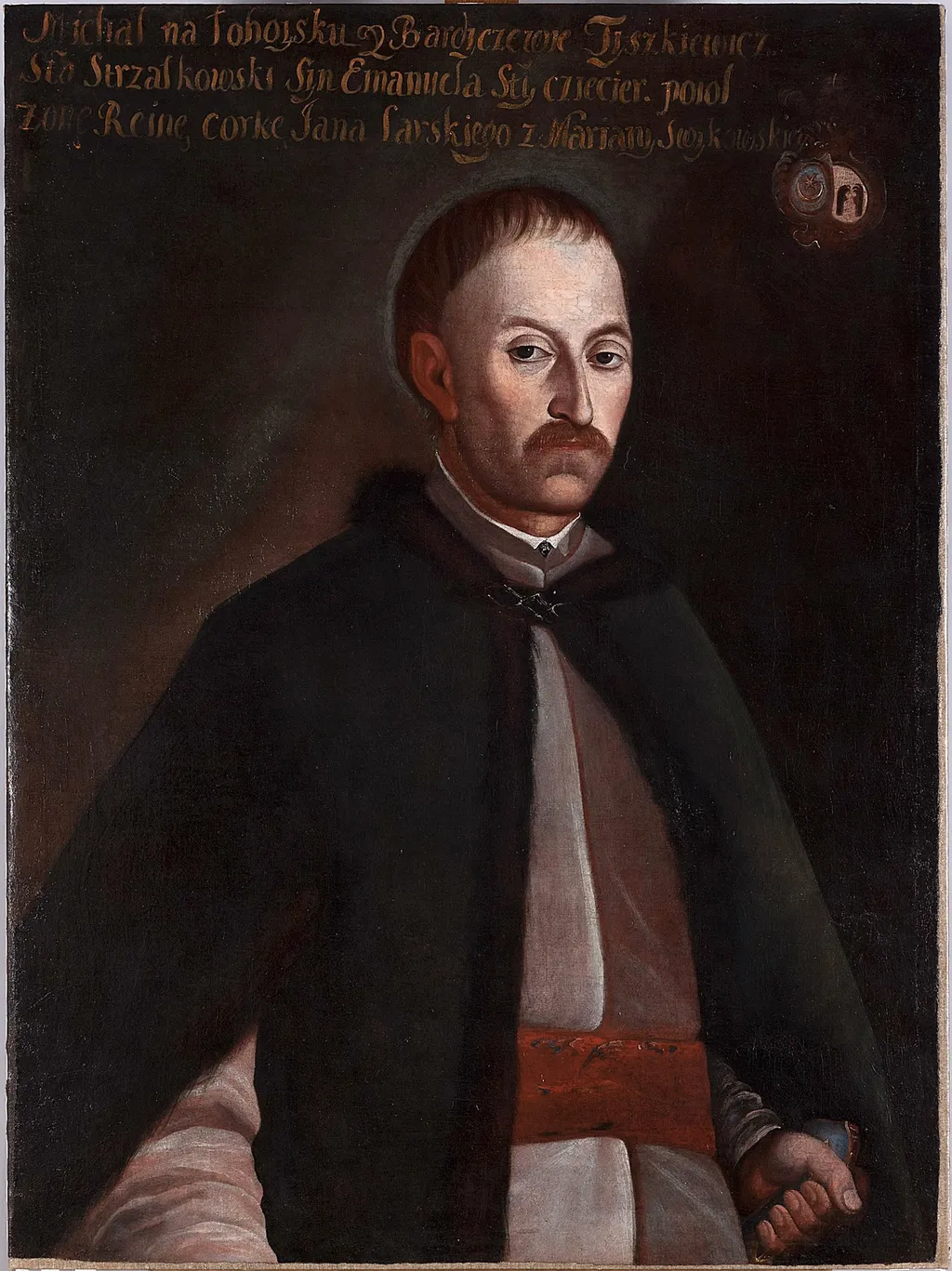
Portrait of Michał Tyszkiewicz, Leliwa coat of arms (?–after 1762), starosta of Strzałków is an oil painting by the Neoclassicist artist Unknown. It dates from 1798 and is held in the collection of the National Museum in Warsaw.
About this work
Overview
The oil portrait depicts Michał Tyszkiewicz, a member of the Polish‑Lithuanian nobility bearing the Leliwa coat of arms and serving as starosta of Strzałków. Rendered in a restrained palette, the sitter is presented against a uniform dark backdrop that isolates his figure. The composition emphasizes his formal attire and dignified bearing, typical of mid‑18th‑century aristocratic portraiture.
Subject & Meaning
Michał Tyszkiewicz is shown in a dark robe trimmed with a crisp white collar, a black bow tie, and a neatly trimmed mustache. His hands are concealed within the sleeves, a pose that conveys composure and authority. The inclusion of his heraldic emblem and title underscores his social rank and the importance of lineage in the Commonwealth’s elite culture.
Technique & Style
Executed in oil on canvas, the work employs a subtle chiaroscuro that models the figure through gradations of light and shadow.
Executed in oil on canvas, the work employs a subtle chiaroscuro that models the figure through gradations of light and shadow. The limited colour range—deep blacks, muted whites, and flesh tones—creates a stark contrast with the unadorned background, directing focus to the sitter’s facial features and clothing details. Brushwork is smooth, reflecting the polished aesthetic of formal portraiture of the period.
History & Provenance
The portrait dates from the mid‑18th century, with the subject’s death recorded sometime after 1762. While the original commission details remain unclear, the painting likely originated from a family collection, given the prominence of the Tyszkiewicz name. It has since entered a public collection, where it serves as a visual record of the Polish‑Lithuanian aristocracy’s visual culture.
Artist & collection

 Domestic Scene
 Giacomo and Cardinal Marco, investing Andrea, Abbot of San Zeno, with his Benefice
 The Nymph of Fontainebleau
 Portrait of a Woman
 Madonna and Child with Saints in the Enclosed Garden
 Venus and Minerva
 Family Group of Four on Sofa
 Wall painting from Room H of the Villa of P. Fannius Synistor at Boscoreale
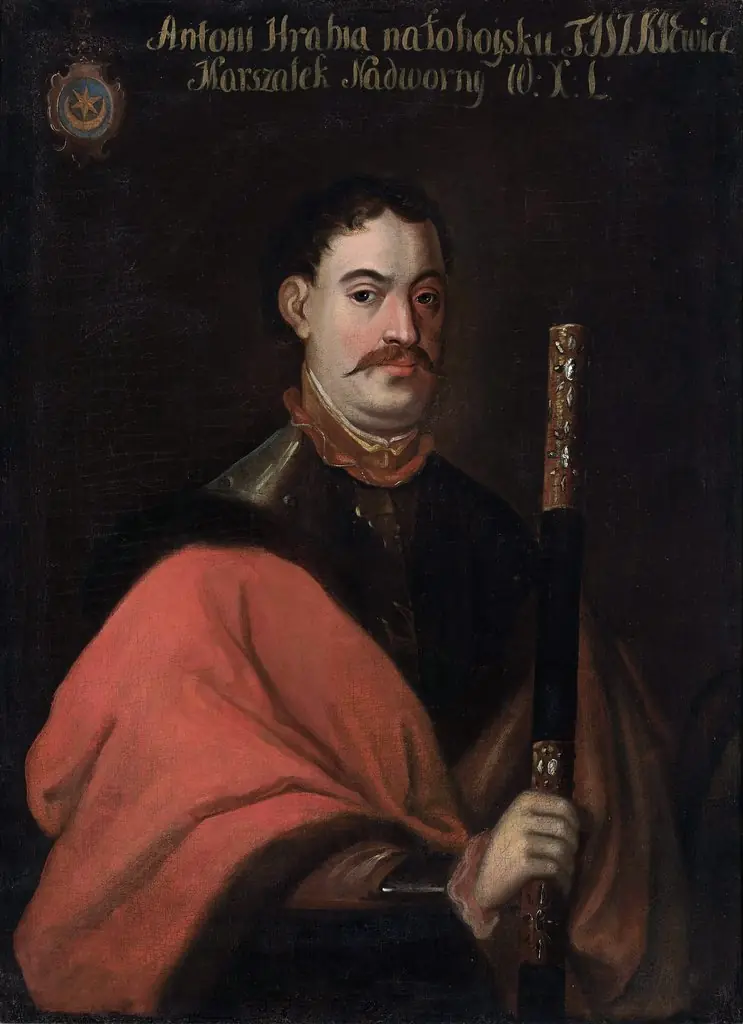 Portrait of Antoni Jan Tyszkiewicz (1609–1649), Leliwa coat of arms, court marshal of the Grand Duchy of Lithuania
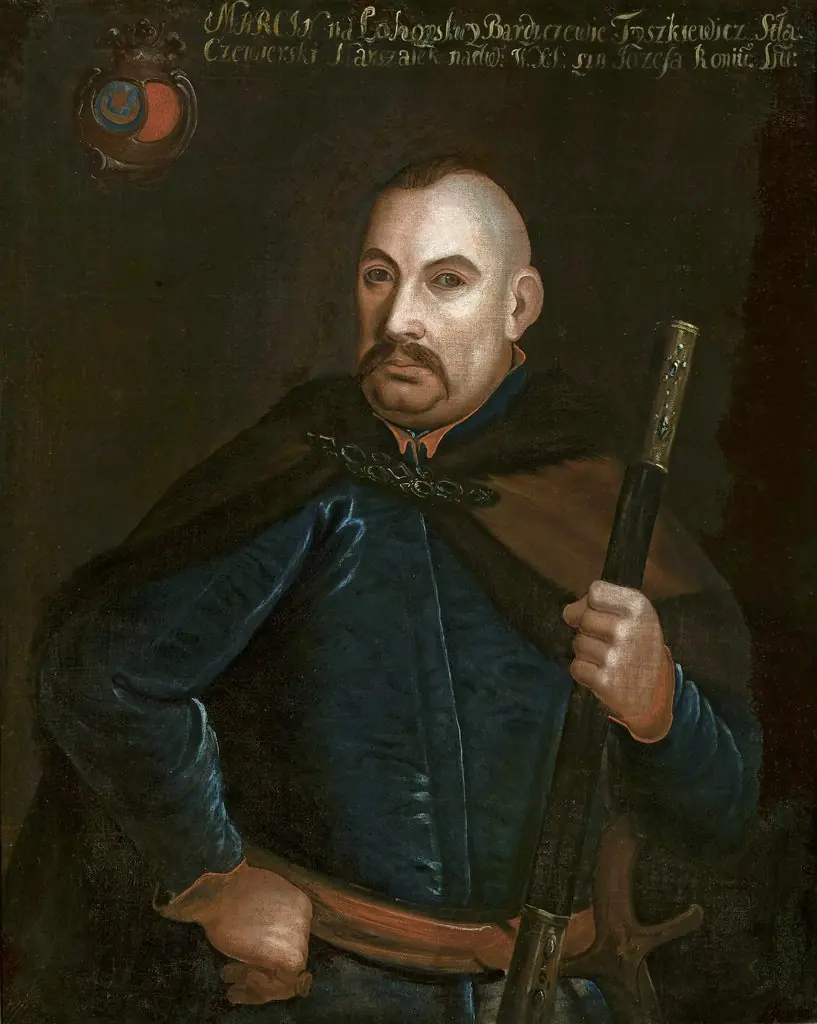 Portrait of Marcin Tyszkiewicz, Leliwa coat of arms (?–after 1631), court marshal of the Grand Duchy of Lithuania
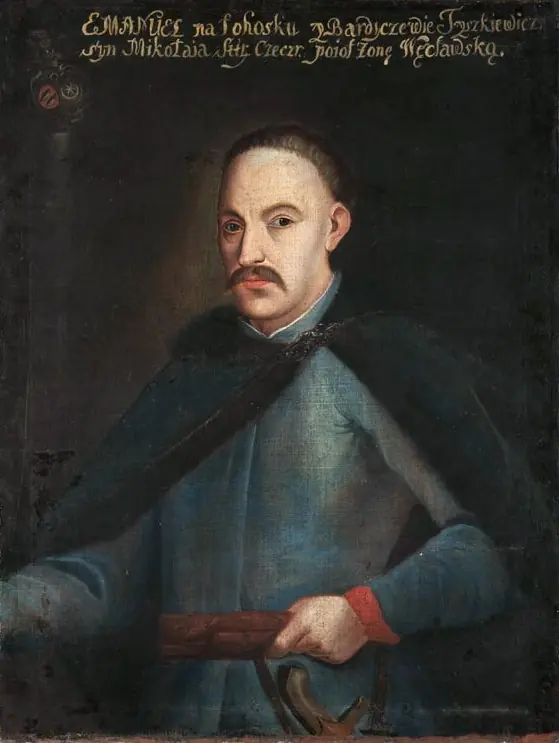 Portrait of Emanuel Władysław Tyszkiewicz, Leliwa coat of arms (?–1704), lord high steward of Brest
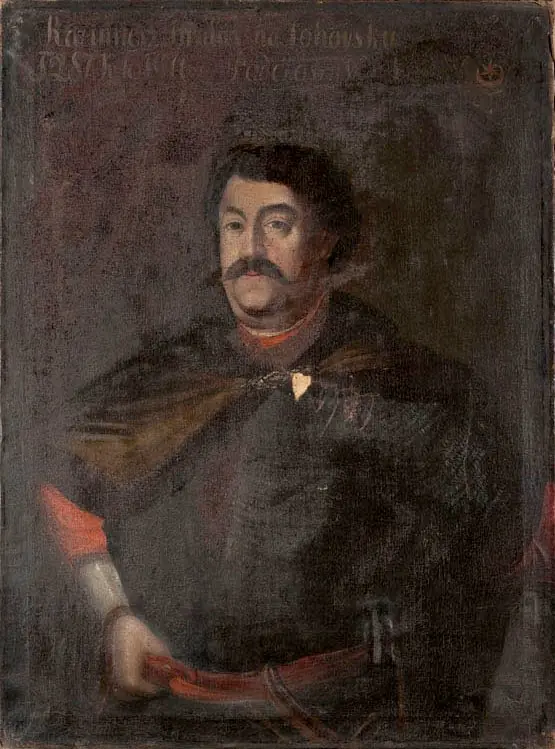 Portrait of Kazimierz Tyszkiewicz, Leliwa coat of arms (?–1652), cup-bearer of the Grand Duchy of Lithuania
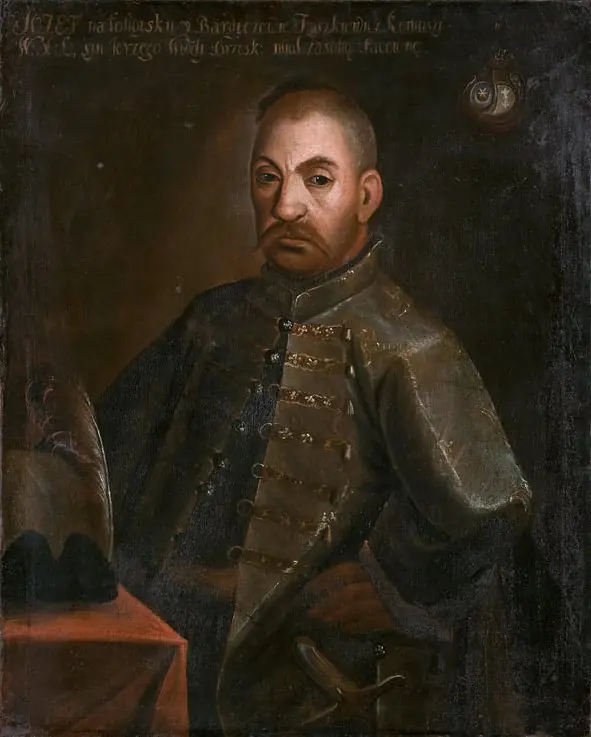 Portrait of Józef Tyszkiewicz (fl. 16th/17th c.), Leliwa coat of arms (?–1652), equerry of the Grand Duchy of Lithuania
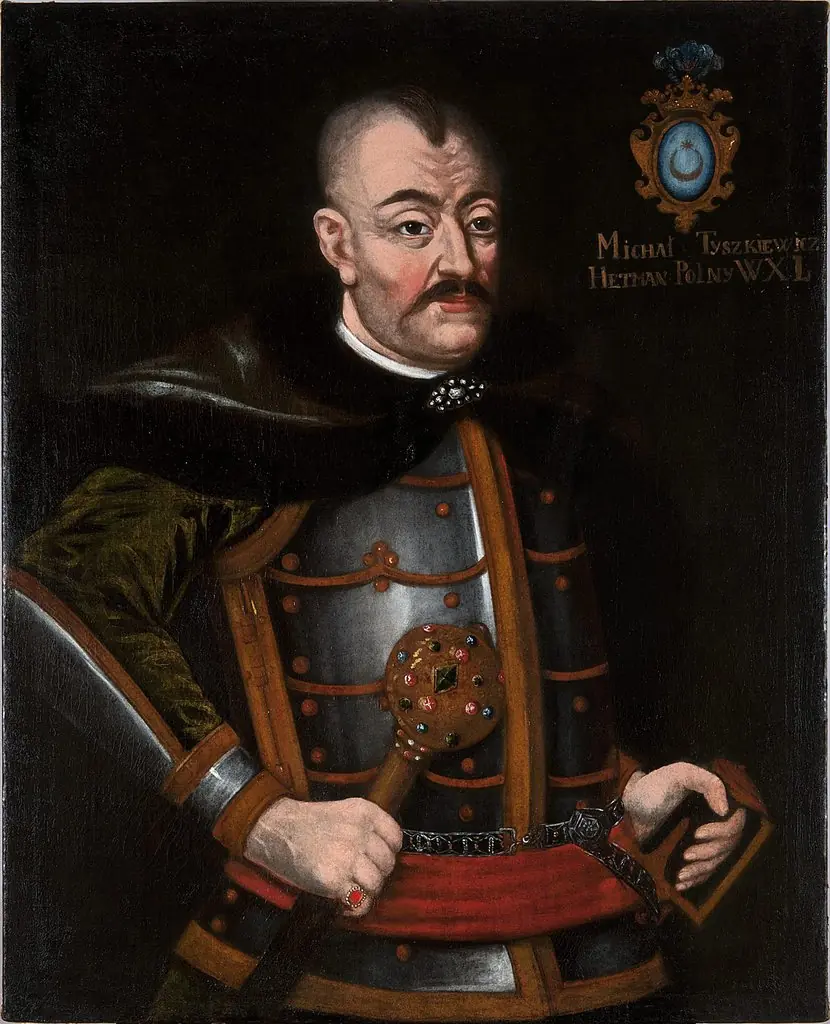 Portrait of Michał Tyszkiewicz, Leliwa coat of arms (?–after 1549), field hetman of the Grand Duchy of Lithuania
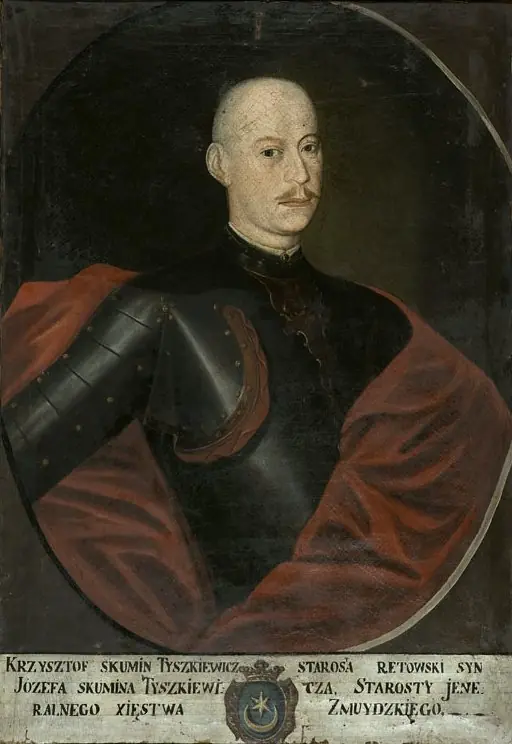 Portrait of Krzysztof Skumin Tyszkiewicz (1729–1762), starosta of Rietavas