Artwork
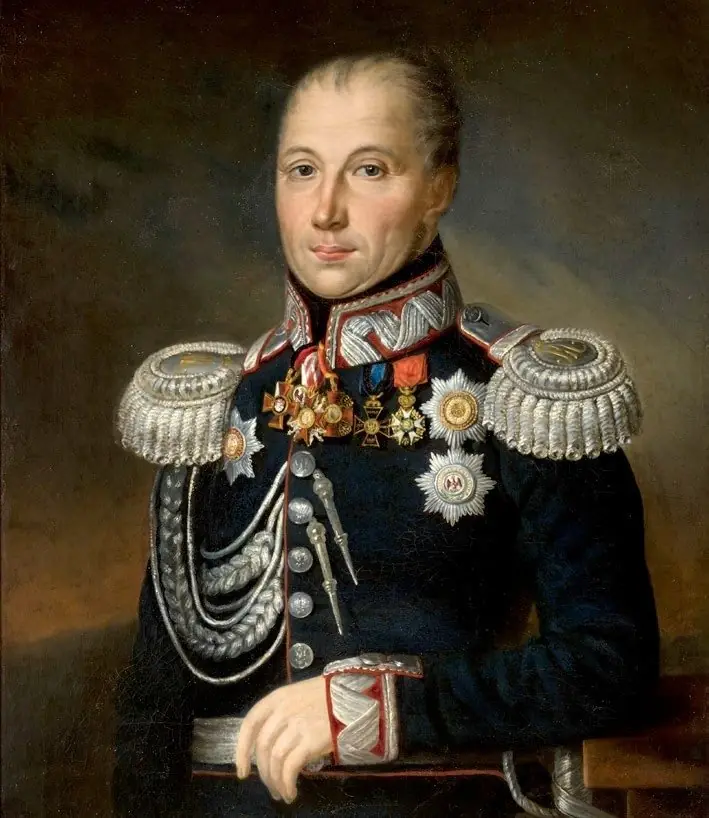
Portrait of general Tadeusz Tyszkiewicz (1774–1852)
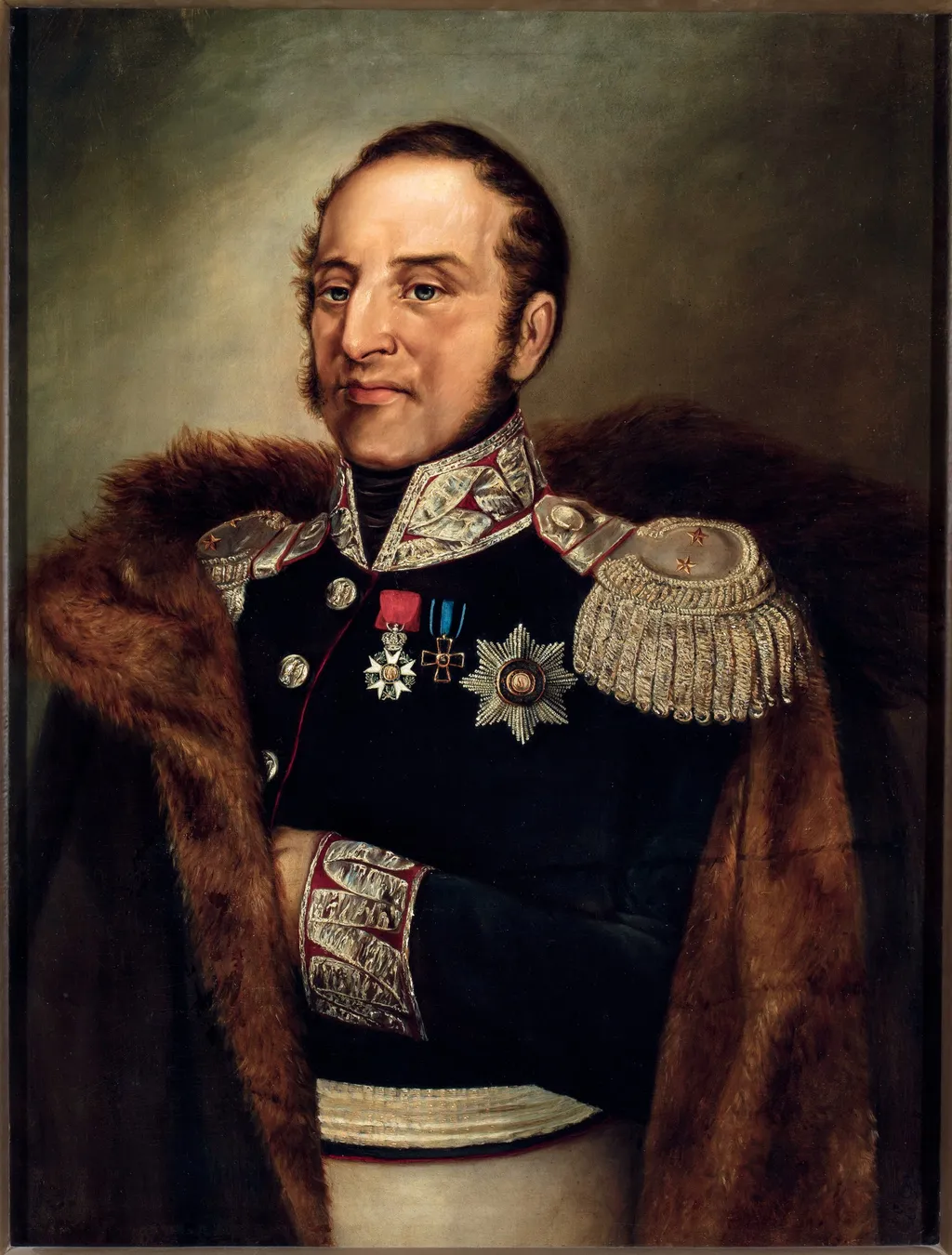
Portrait of general Tadeusz Tyszkiewicz (1774–1852) is an oil painting by Unknown. It dates from 1832 and is held in the collection of the National Museum in Warsaw. This oil painting depicts General Tadeusz Tyszkiewicz, a Polish military officer active in the late 18th and early 19th centuries.
About this work
Overview
This oil painting depicts General Tadeusz Tyszkiewicz, a Polish military officer active in the late 18th and early 19th centuries.
This oil painting depicts General Tadeusz Tyszkiewicz, a Polish military officer active in the late 18th and early 19th centuries. Rendered in a formal, restrained style, the portrait presents him standing stiffly against a neutral green background. His attire and adornments emphasize his rank and service, with no contextual elements to distract from his figure. The composition follows the conventions of military portraiture of the era, focusing on dignity and status.
Subject & Meaning
Tyszkiewicz is shown in full military dress, his chest adorned with medals and braided embellishments that signify honors earned through service. His hand rests gently over his heart, a gesture suggesting loyalty and solemn commitment. The absence of landscape or props directs attention to his bearing and insignia, reinforcing the portrait’s purpose: to convey authority, discipline, and the personal honor tied to his military role.
Technique & Style
The artist employed precise brushwork to render the textures of the uniform—metallic embroidery, fur trim, and polished buttons—with quiet realism. The muted green background isolates the figure, enhancing the visual weight of the dark coat and gleaming decorations. Lighting is even and frontal, avoiding dramatic contrast, which aligns with the sober, institutional tone typical of official military portraits in the early 19th century.
History & Provenance
The portrait was likely commissioned during or shortly after Tyszkiewicz’s active service, possibly to commemorate his contributions to Polish military efforts during the Napoleonic Wars or the November Uprising. It remained within family or institutional collections in Poland before entering the National Museum in Warsaw, where it is now held as part of its 19th-century Polish art holdings.
Context
In the decades following Poland’s partitions, portraits of military leaders like Tyszkiewicz served as symbols of national identity and resilience. Even under foreign rule, such images preserved the memory of Polish service and hierarchy. This portrait reflects a broader trend among the nobility and officer class to assert cultural continuity through visual representation, despite political fragmentation.
Legacy
The portrait endures as a representative example of Polish military portraiture from the post-Napoleonic era. It contributes to the historical record of officers who navigated the turbulent transition between the Polish-Lithuanian Commonwealth and the 19th-century nationalist movements. Its preservation in the National Museum in Warsaw ensures continued access for study and public reflection on military heritage.
Artist & collection

 Domestic Scene
 Giacomo and Cardinal Marco, investing Andrea, Abbot of San Zeno, with his Benefice
 The Nymph of Fontainebleau
 Portrait of a Woman
 Madonna and Child with Saints in the Enclosed Garden
 Venus and Minerva
 Family Group of Four on Sofa
 Wall painting from Room H of the Villa of P. Fannius Synistor at Boscoreale
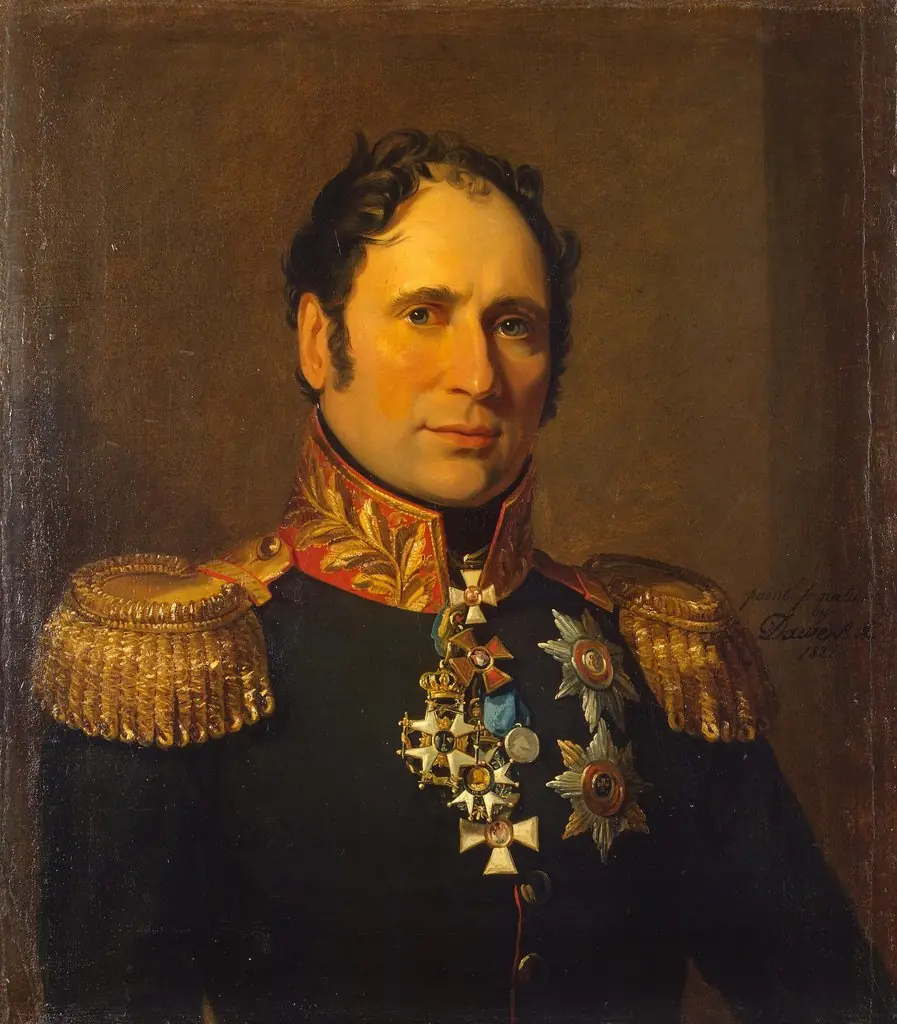 Portrait of Karl I. Oppermann (1765/66-1831)
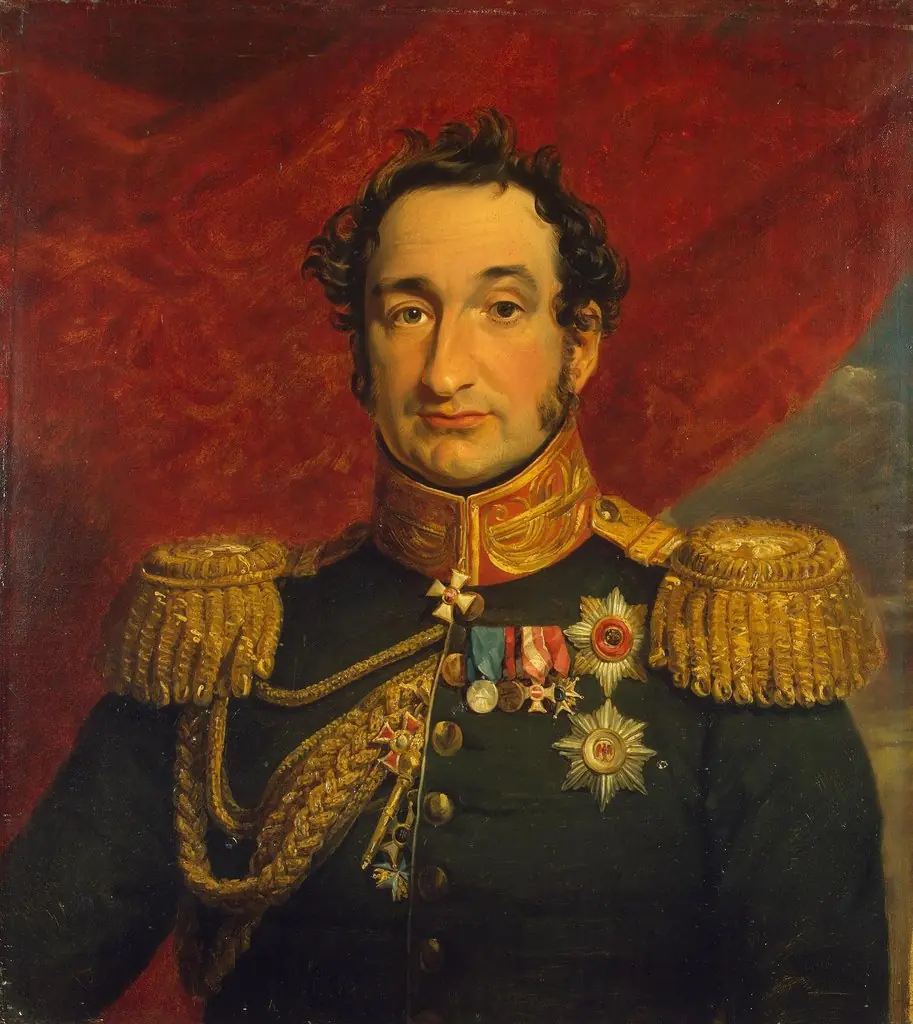 Portrait of Vasily S. Trubetskoy (1776-1841)
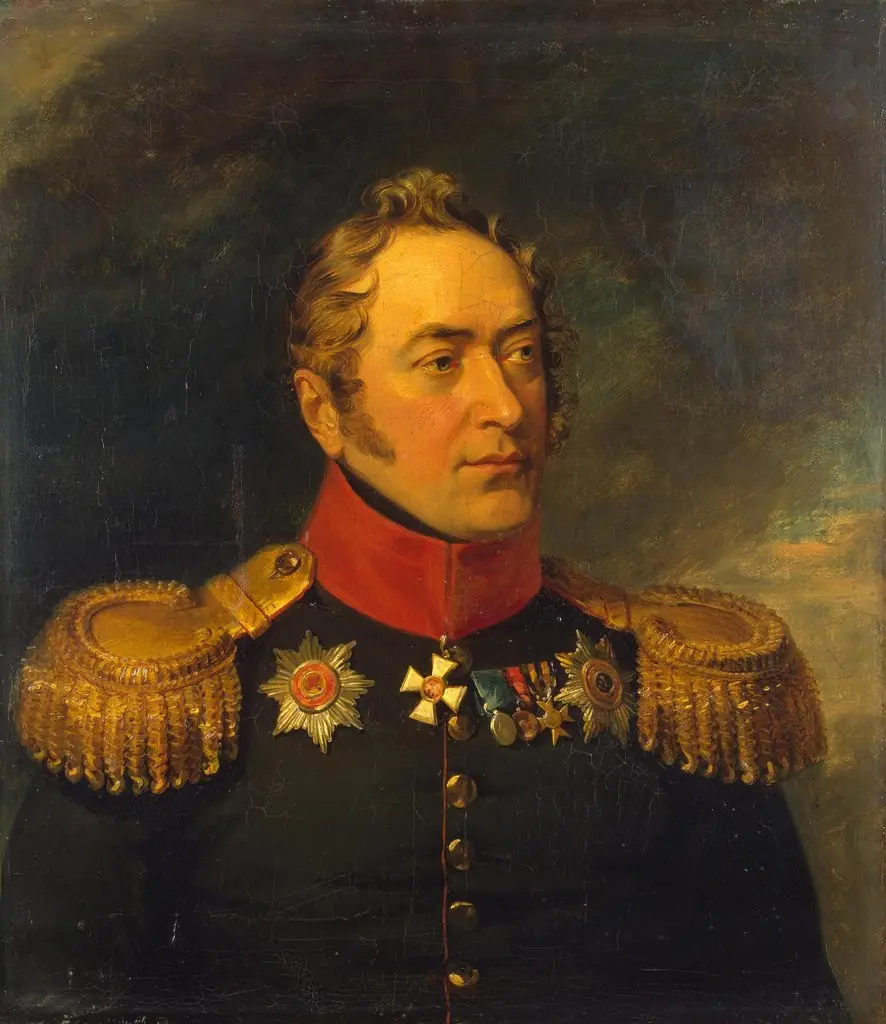 Portrait of Nikolai N. Khovansky (1777-1837)
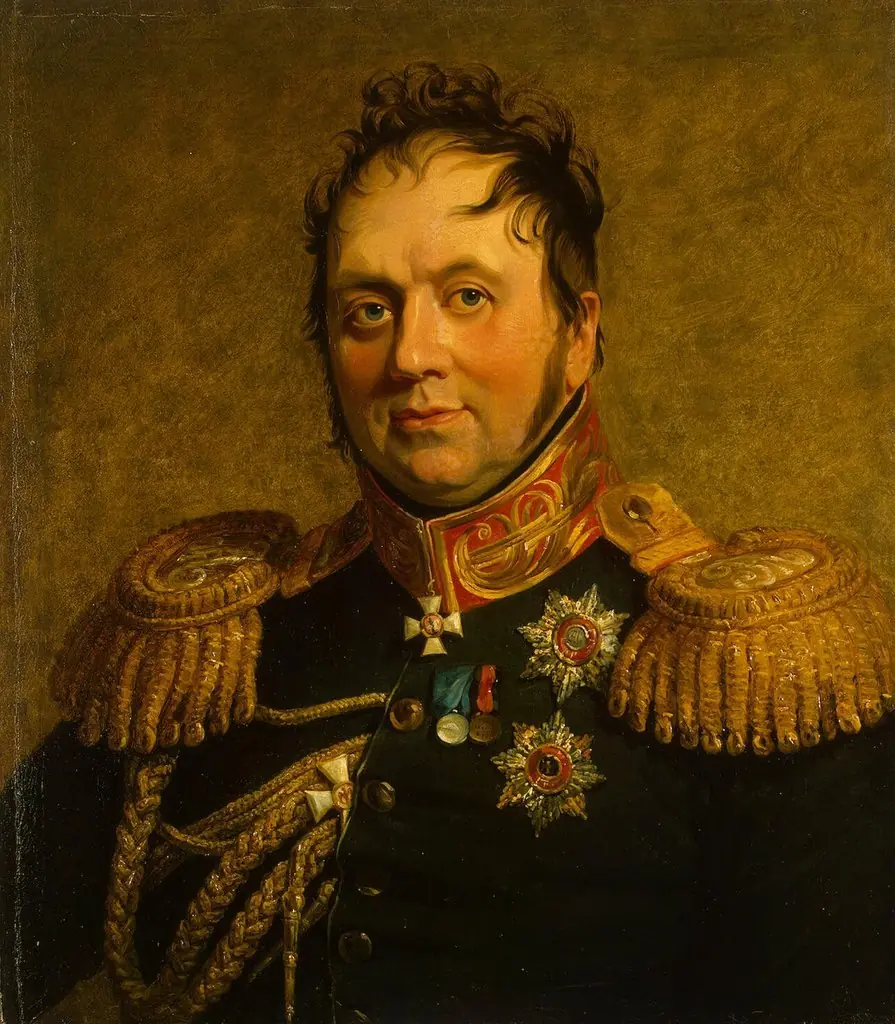 Portrait of Fyodor K. Korff (1773/74-1823)
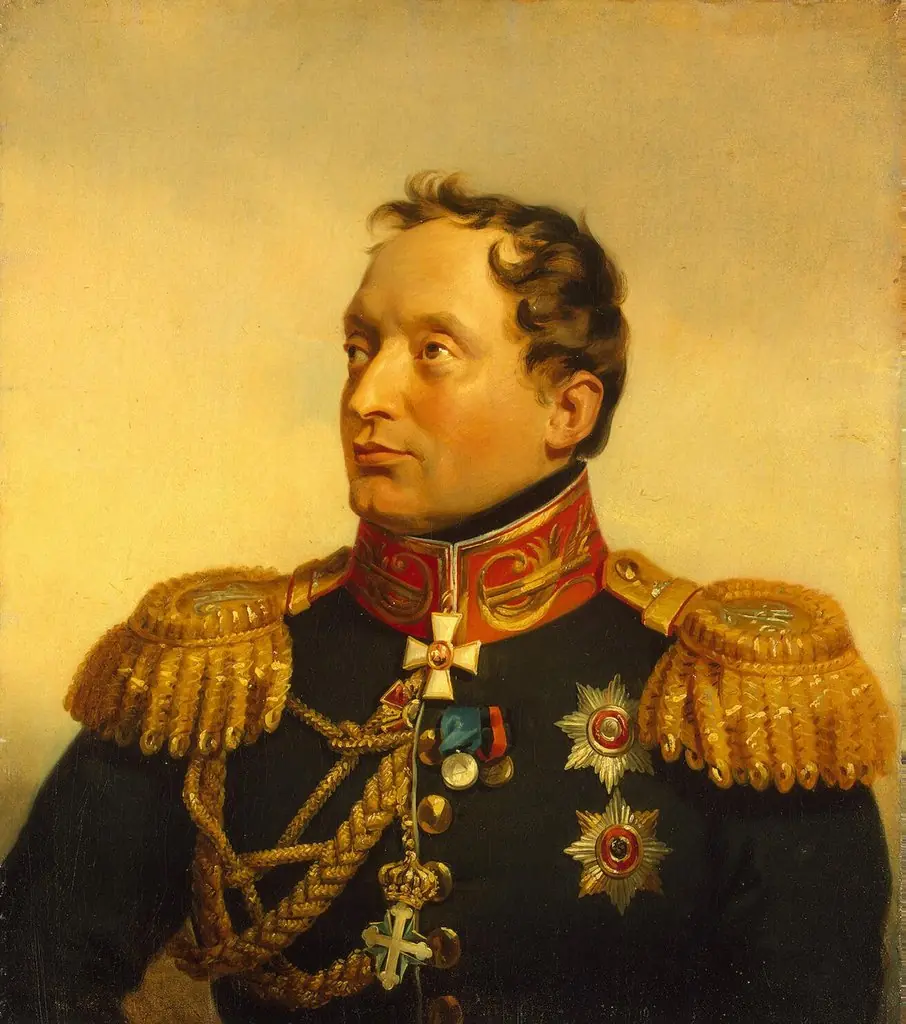 Portrait of Filippo (Filipp Osipovich) Paulucci (1779-1849)
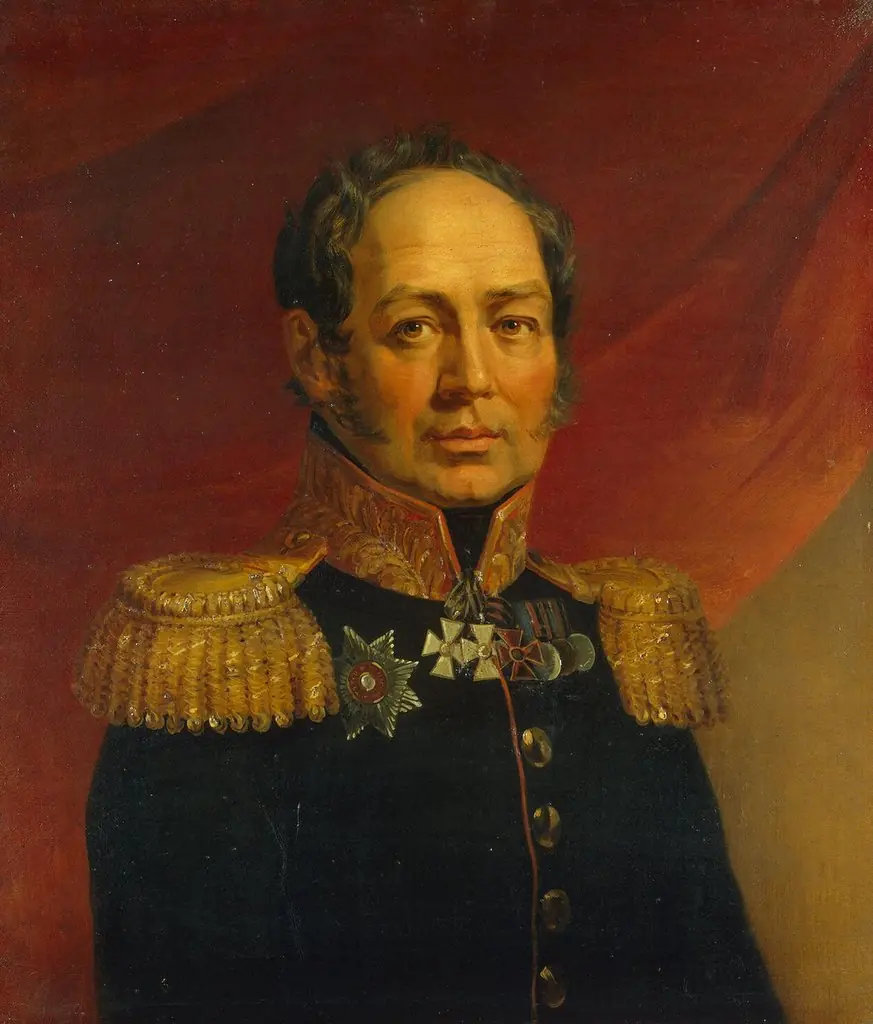 Portrait of Dmitry V. Lyalin (1772-1847/48)
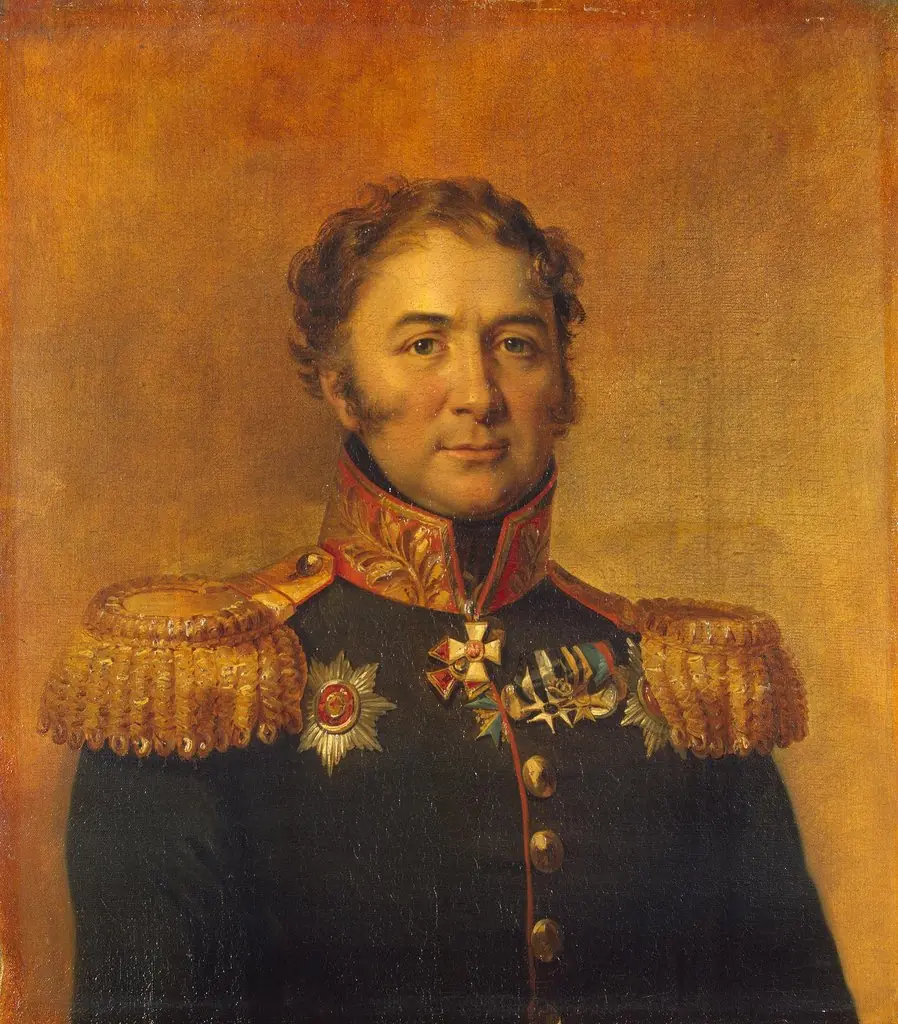 Portrait of Nikolai V. Dekhteryov (1775-1831)
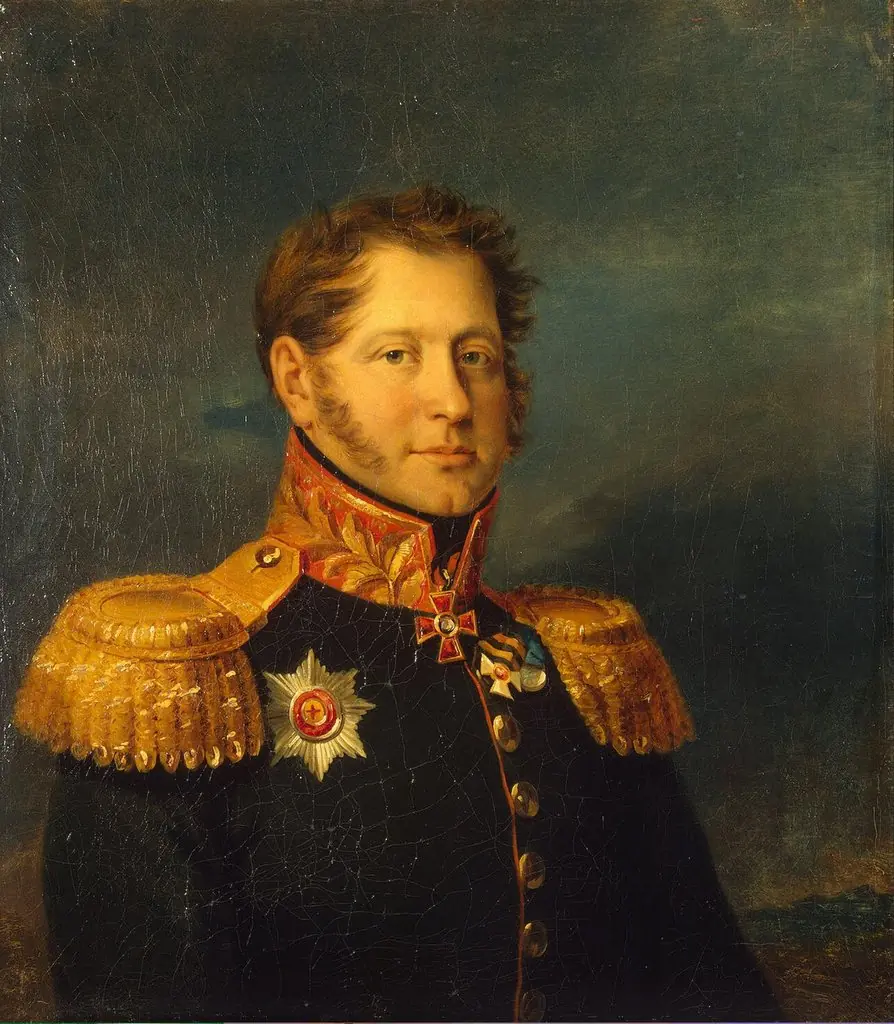 Portrait of Alexander I. Gressor (1772-1822)
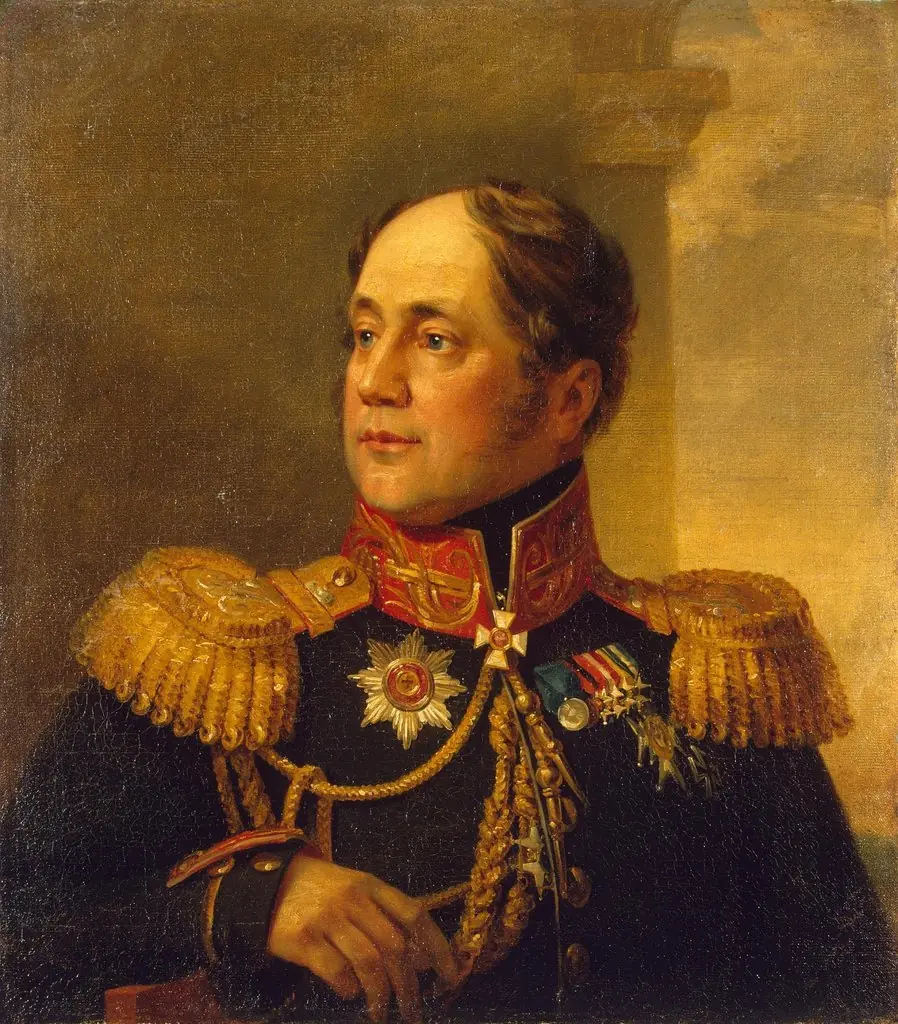 Portrait of Nikolai M. Sipyagin (1785-1828)
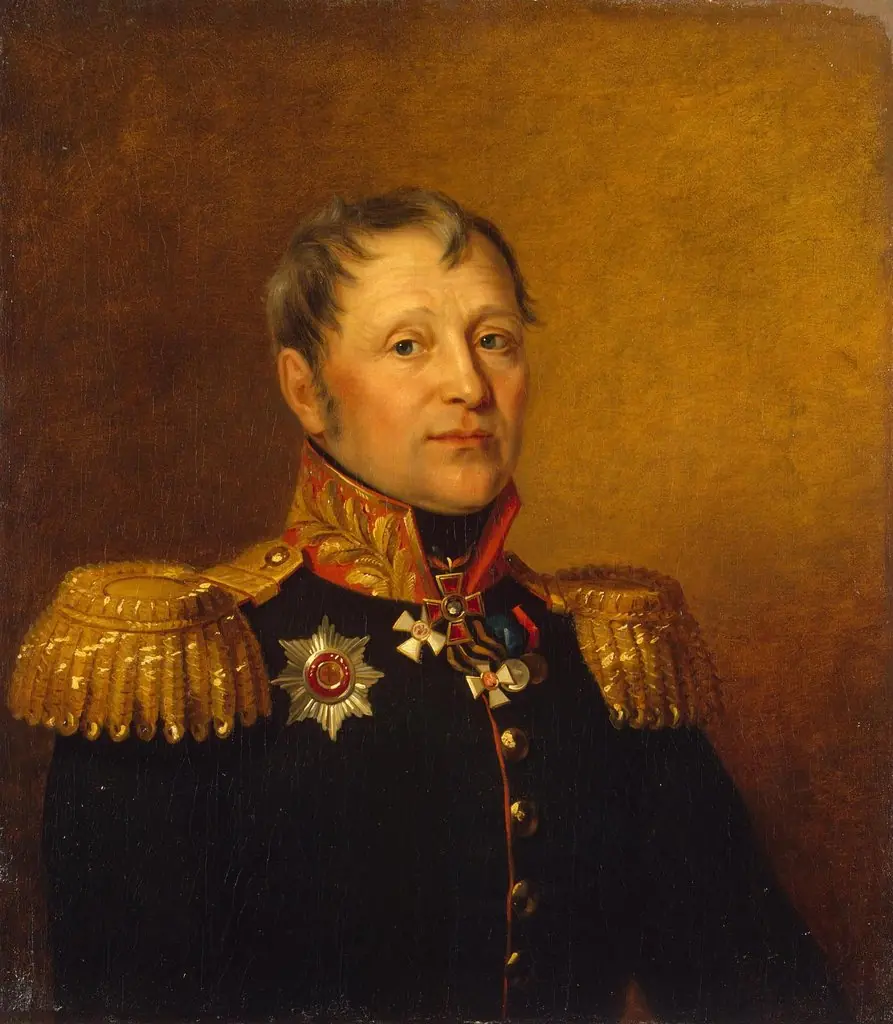 Portrait of Nikolai F. Yemelyanov (1768-1829)
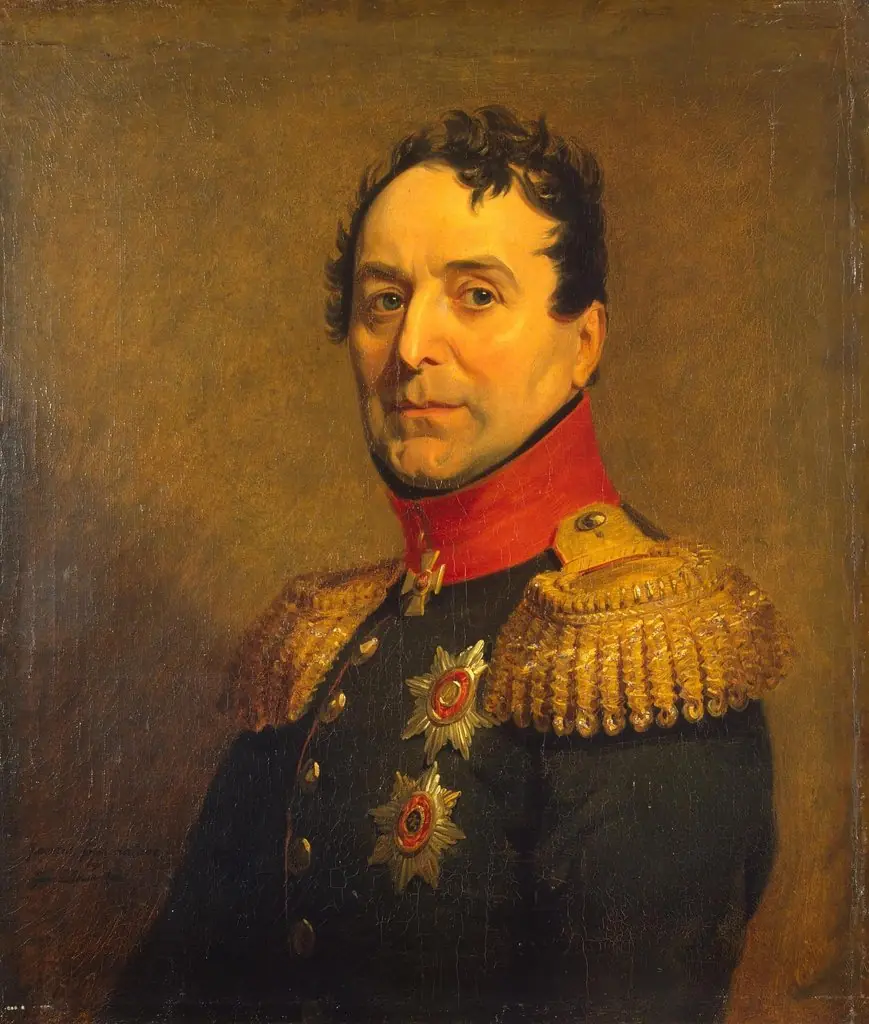 Portrait of Pyotr A. Tolstoy (1769/71-1844)
 Portrait of General Stanisław Potocki