Artwork
Portrait of Louis XI
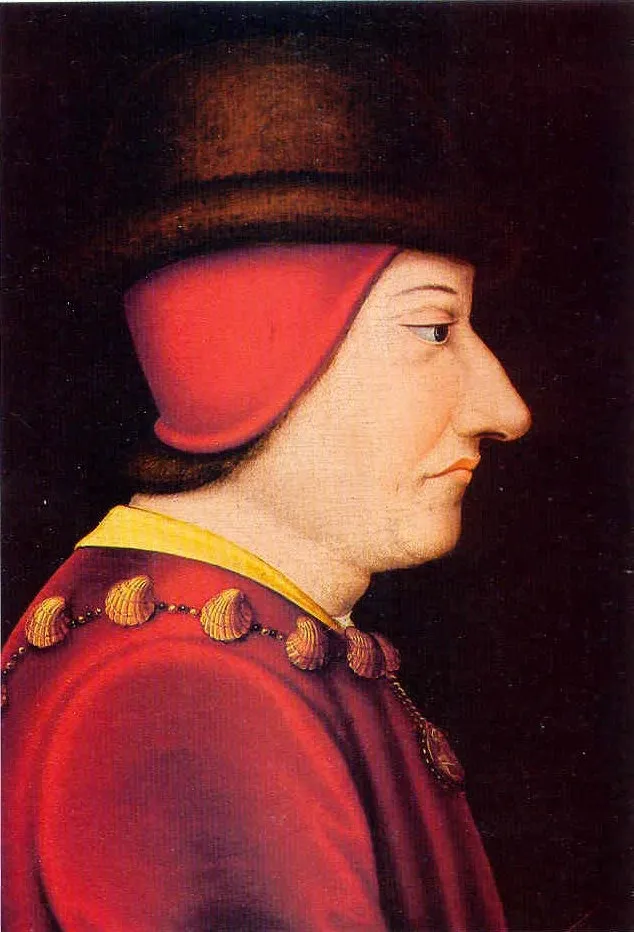
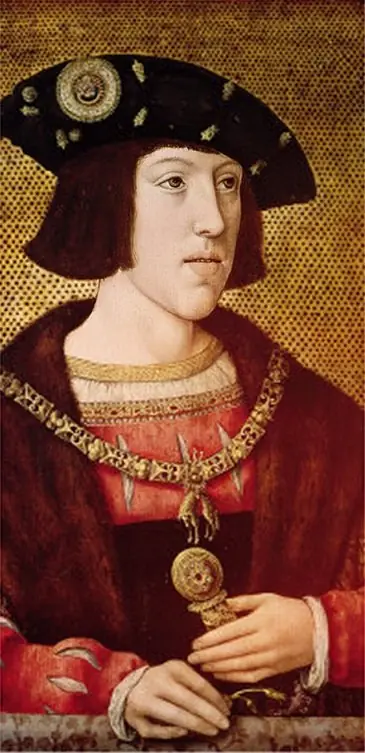
Portrait of Louis XI is an oil painting by the Early Baroque Italian artist Unknown. It dates from 1550 and is held in the collection of the Brooklyn Museum. The work is an oil painting that presents a male figure in profile, turned toward the viewer’s right.
About this work
Overview
The work is an oil painting that presents a male figure in profile, turned toward the viewer’s right. He is dressed in a red robe edged with gold trim and a brown hat, conveying a formal or ceremonial appearance. The composition’s focus on the sitter’s profile and attire situates the piece within a historical portrait tradition.
Subject & Meaning
The portrait is identified as Louis XI, the French monarch who reigned from 1461 to 1483. By depicting him in regal clothing, the image emphasizes his royal status and authority, while the profile pose, a convention of the period, underscores the dignified, almost timeless representation of sovereign power.
Technique & Style
Executed in oil on canvas, the painting employs a restrained palette dominated by deep reds, browns, and gold accents. The brushwork renders the fabric’s texture and the hat’s sheen with careful modeling, while the background remains subdued, allowing the figure’s attire and facial features to dominate the visual field.
History & Provenance
The portrait’s origins trace back to the late 15th century, aligning with the reign of Louis XI. Though specific documentation of its commission is lacking, the work has passed through several private collections before entering a public museum, where it is now displayed as part of the European royal portrait series.
Context
Portraits of monarchs in the late medieval period served both as political propaganda and as records of lineage. This depiction follows the conventions of Northern European court portraiture, where profile views and elaborate garments communicated legitimacy and continuity of the ruling house.
Legacy
As a visual record of Louis XI, the painting contributes to the visual historiography of French royalty. It offers scholars insight into contemporary fashion, courtly representation, and the evolving techniques of oil painting that would later influence Renaissance portraiture.
Artist & collection

 Domestic Scene
 Giacomo and Cardinal Marco, investing Andrea, Abbot of San Zeno, with his Benefice
 The Nymph of Fontainebleau
 Portrait of a Woman
 Madonna and Child with Saints in the Enclosed Garden
 Venus and Minerva
 Family Group of Four on Sofa
 Wall painting from Room H of the Villa of P. Fannius Synistor at Boscoreale
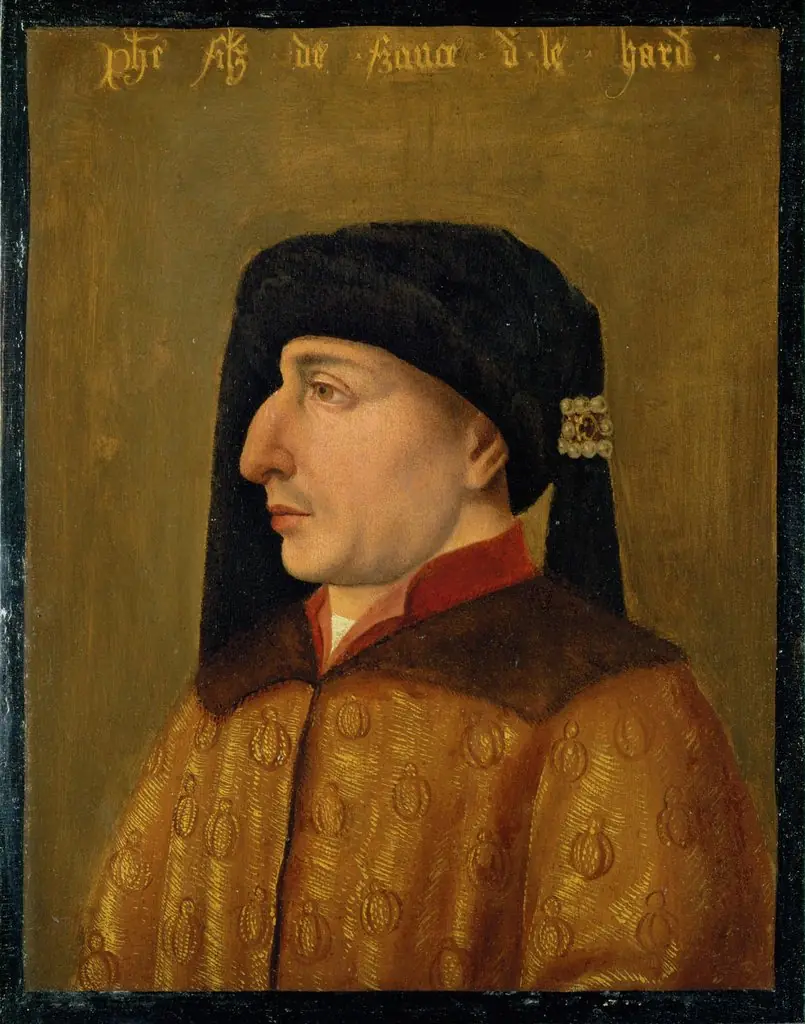 Herzog Philipp der Kühne (1342-1404) von Burgund im Profil
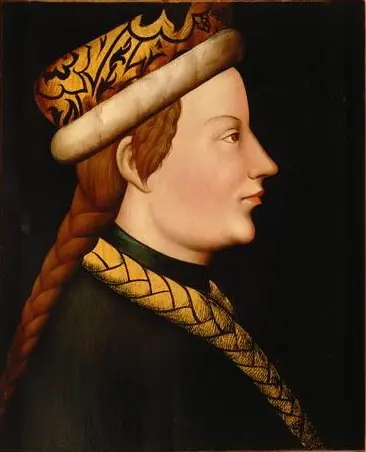 Herzogin Beatrix von Zollern (1362/65-1414), Profilbildnis mit dem Zopforden nach einem verlorenen Original (vom Meister von Heiligenkreuz?)
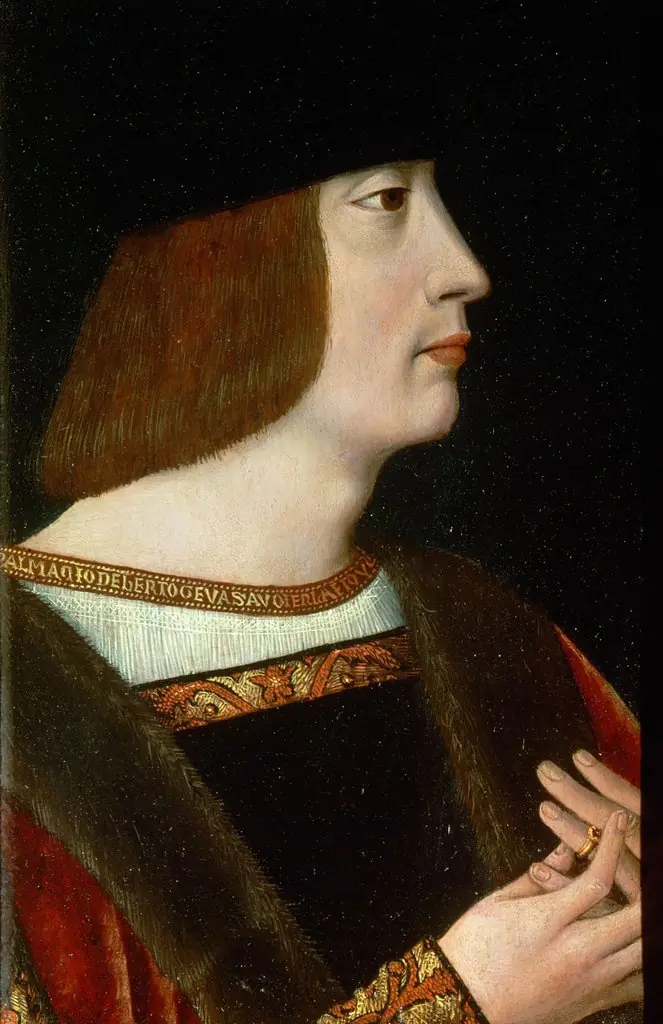 Herzog Philibert II. von Savoyen (1480-1504), Brustbild
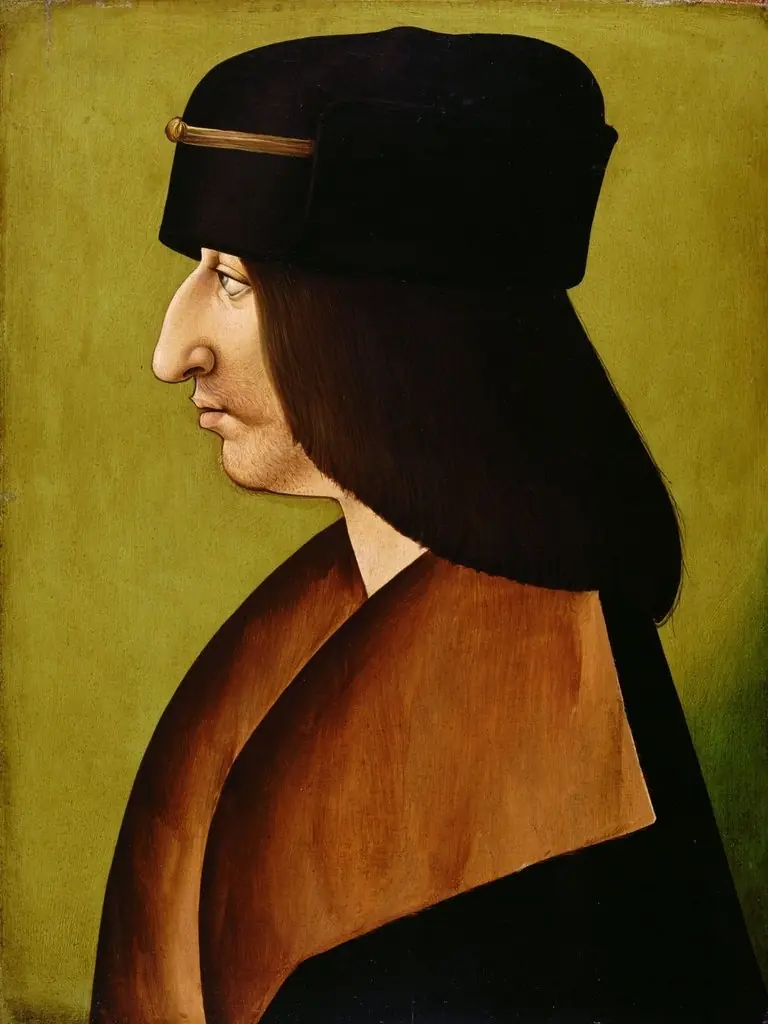 König Karl VIII. (1470-1498) von Frankreich, im Profil, Brustbild
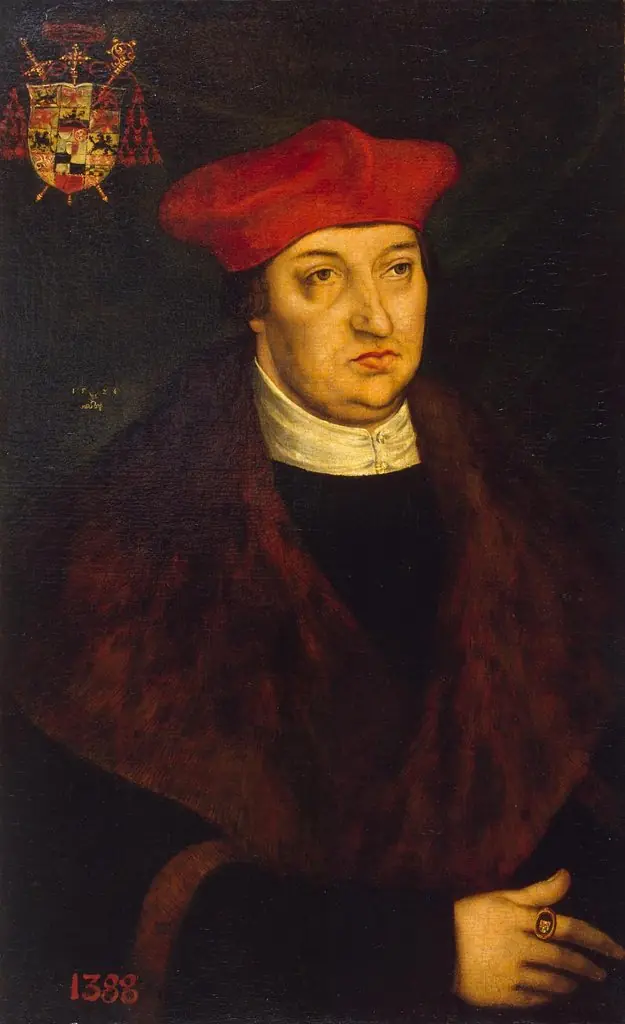 Portrait of Cardinal Albert of Brandenburg
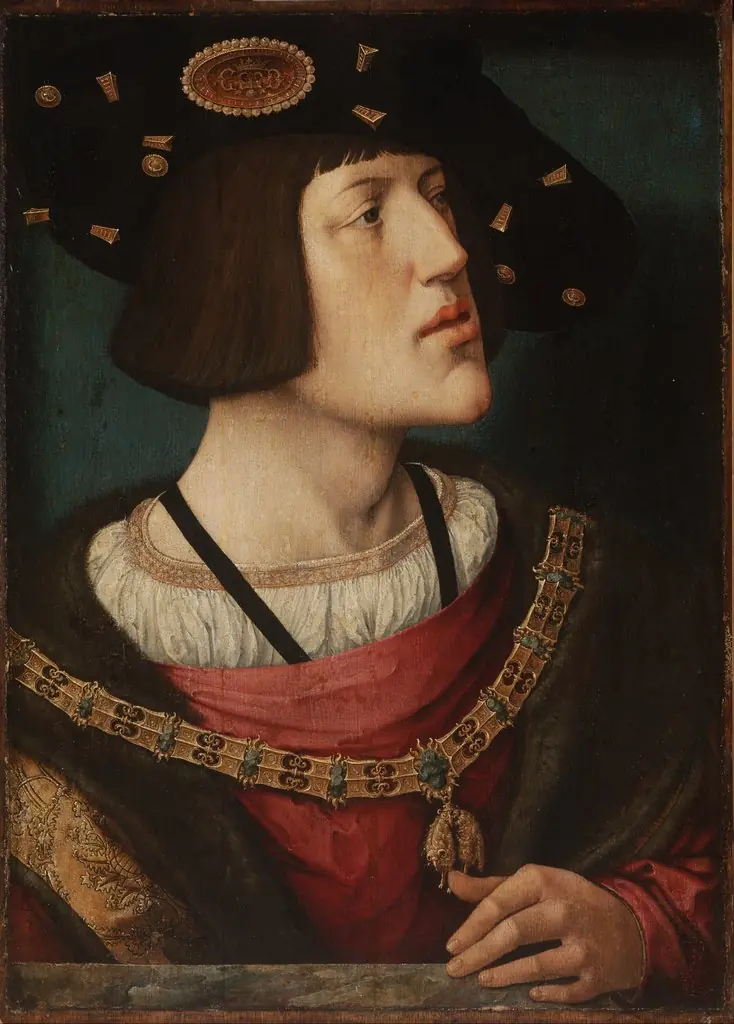 Portrait of Charles V, Holy Roman Emperor
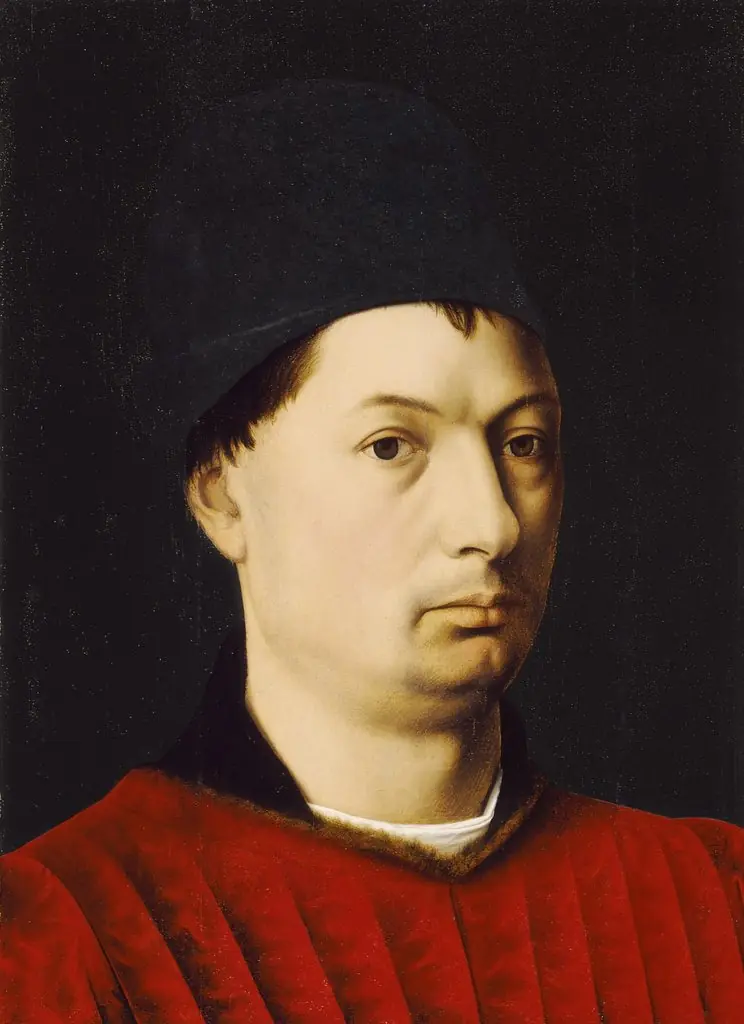 Portrait of a Man
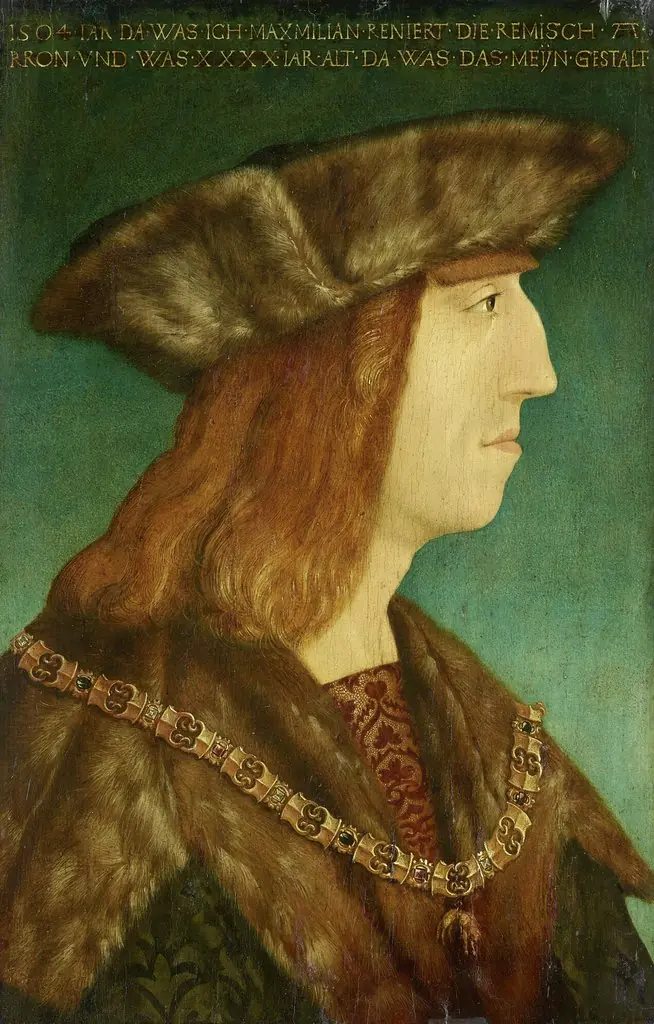 Emperor Maximilan I. (1459-1519)
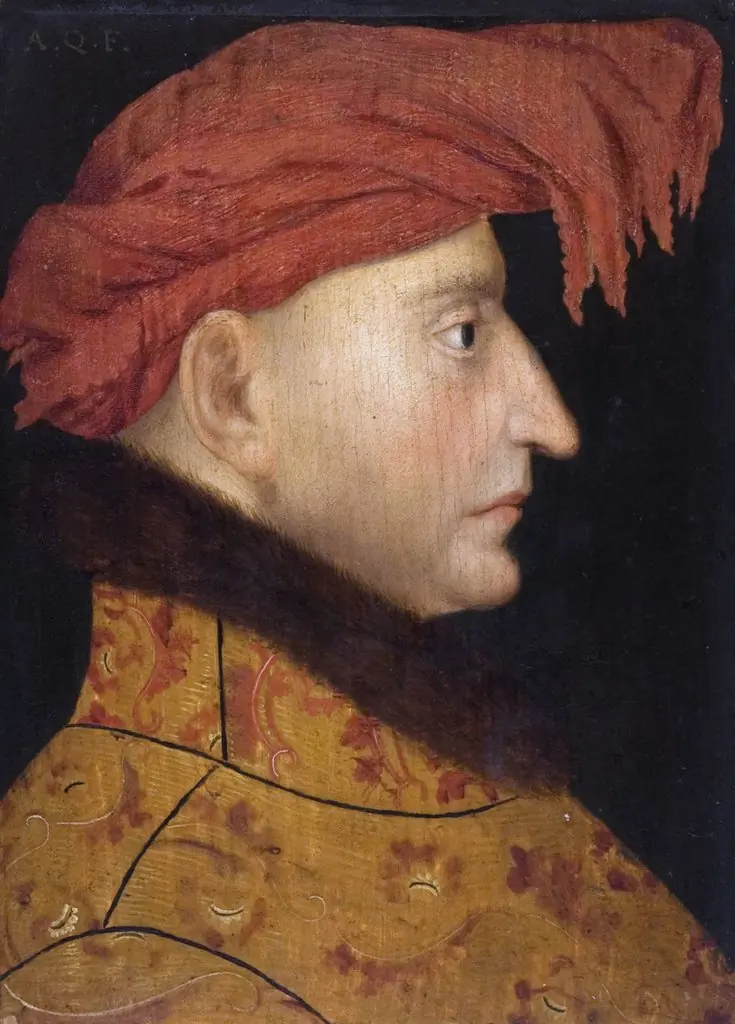 Portrait of Louis II of Anjou, King of Naples and Sicily
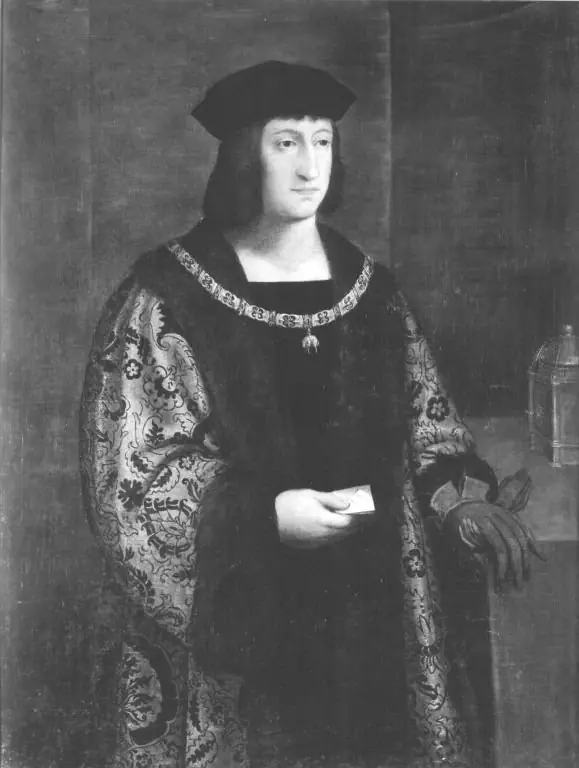 Bildnis eines jungen Fürsten (Kaiser Maximilian? Ferdinand?) (Kopie nach)
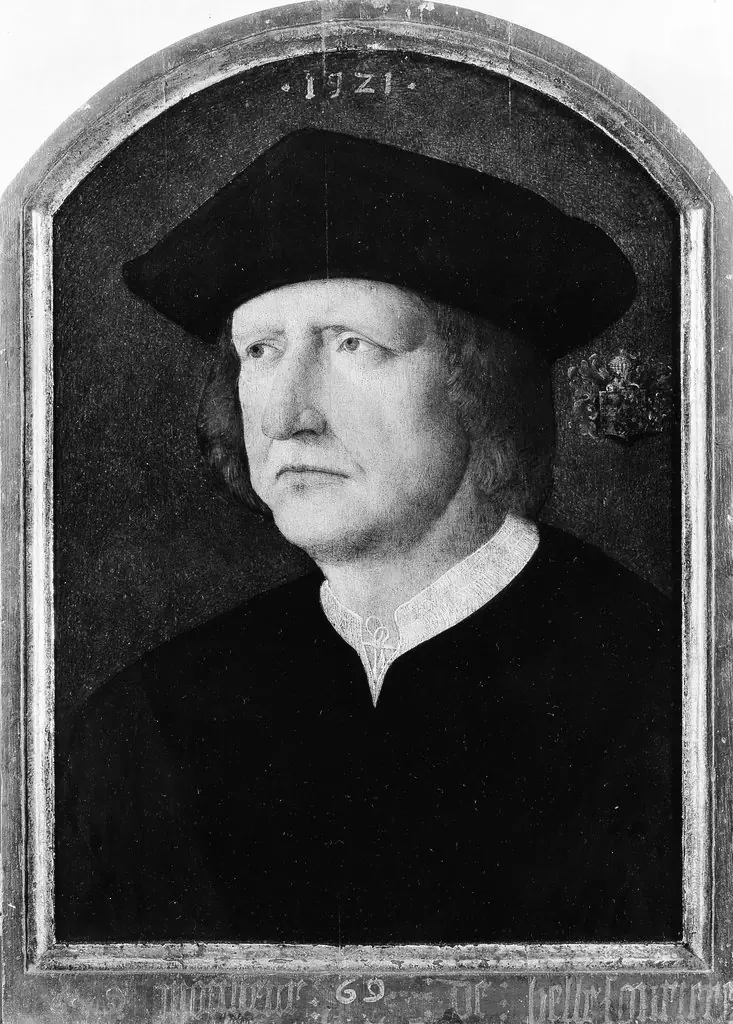 Monsieur de Bellefourière
 Portrait of Charles V