Artwork
Herzogin Beatrix von Zollern (1362/65-1414), Profilbildnis mit dem Zopforden nach einem verlorenen Original (vom Meister von Heiligenkreuz?)
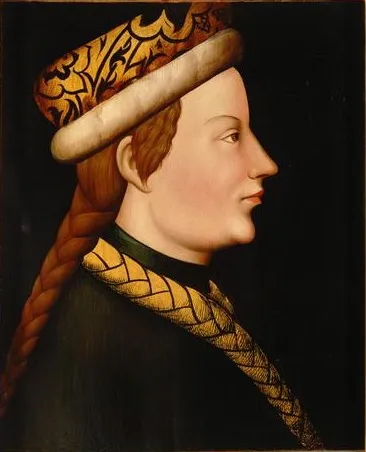
Herzogin Beatrix von Zollern (1362/65-1414), Profilbildnis mit dem Zopforden nach einem verlorenen Original (vom Meister von Heiligenkreuz?) is an unspecified painting by Unknown. It is held in the collection of the Kunsthistorisches Museum. The portrait presents a half‑length, right‑facing profile of a noblewoman, rendered against a stark black backdrop.
About this work
Overview
The portrait presents a half‑length, right‑facing profile of a noblewoman, rendered against a stark black backdrop. She is dressed in a dark robe trimmed with a gold braid at the neckline and a gold‑patterned headdress accented by a white band. The composition emphasizes the sitter’s serene expression and the intricate detailing of her attire.
Subject & Meaning
Identified as Duchess Beatrix of Zollern (c.1362/65–1414), the work commemorates her status within the medieval German aristocracy. The calm demeanor and formal pose reflect the conventions of elite portraiture, intended to convey dignity, lineage, and the piety associated with her noble rank.
Technique & Style
Executed in tempera on panel, the painting employs fine brushwork to delineate the delicate folds of the robe and the intricate gold ornamentation of the headdress. The profile format and the use of a dark, uniform background are characteristic of late‑medieval portrait conventions, while the subtle modeling of the face suggests a transition toward greater naturalism.
History & Provenance
The work is attributed to the so‑called Master of Heiligenkreuz, an anonymous artist active in the late 14th and early 15th centuries. It is a later copy of a now‑lost original, likely produced for a devotional or commemorative purpose. The painting entered the collection of the Kunsthistorisches Museum in Vienna, where it remains on display.
Context
During the period of Beatrix’s life, portraiture in the Holy Roman Empire was rare and typically reserved for high‑ranking individuals. The inclusion of luxurious gold details reflects both the wealth of the Zollern family and the broader Gothic aesthetic that favored ornate surface decoration.
Artist & collection

 Domestic Scene
 Giacomo and Cardinal Marco, investing Andrea, Abbot of San Zeno, with his Benefice
 The Nymph of Fontainebleau
 Portrait of a Woman
 Madonna and Child with Saints in the Enclosed Garden
 Venus and Minerva
 Family Group of Four on Sofa
 Wall painting from Room H of the Villa of P. Fannius Synistor at Boscoreale
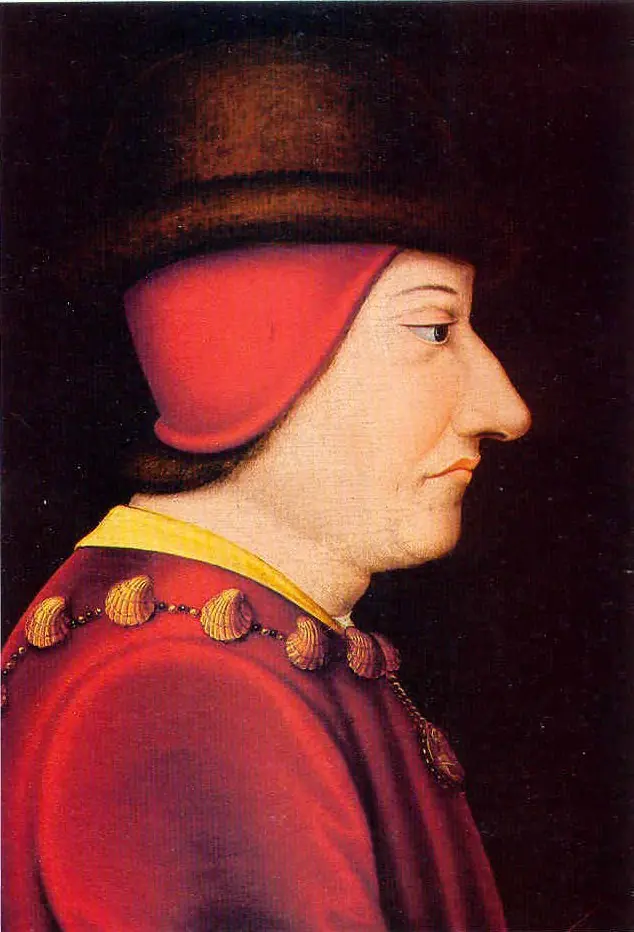 Portrait of Louis XI
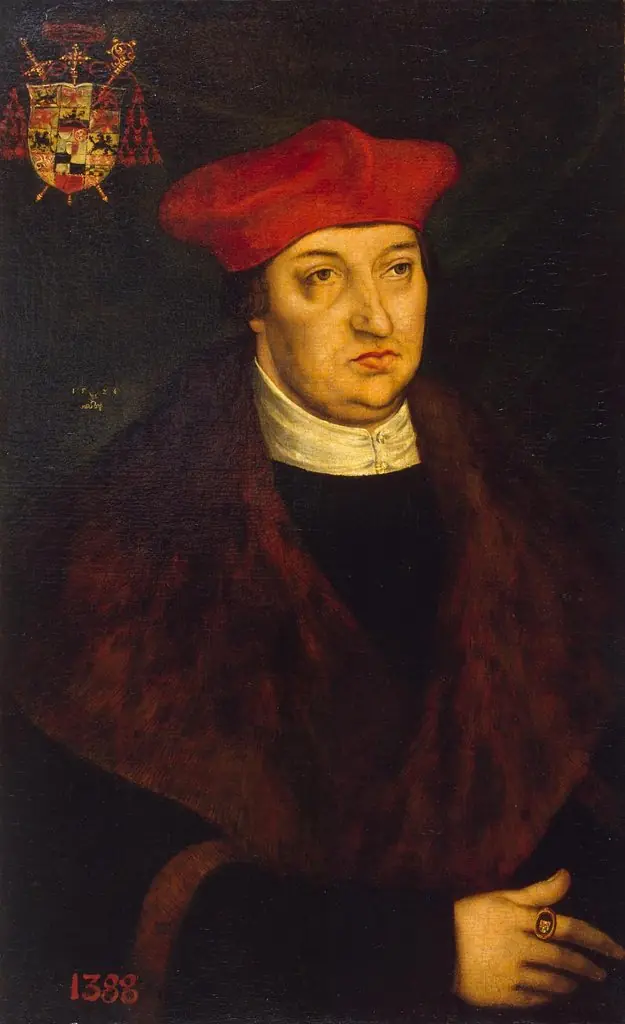 Portrait of Cardinal Albert of Brandenburg
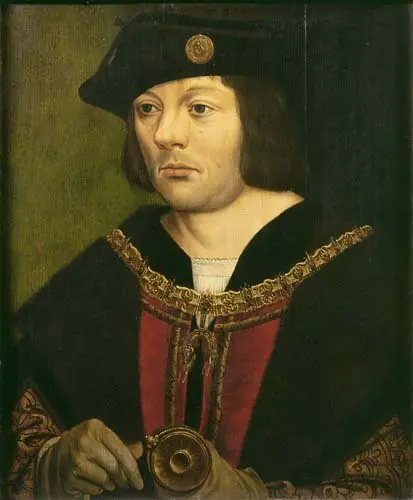 Portrait of William of Croÿ, lord of Chièvres
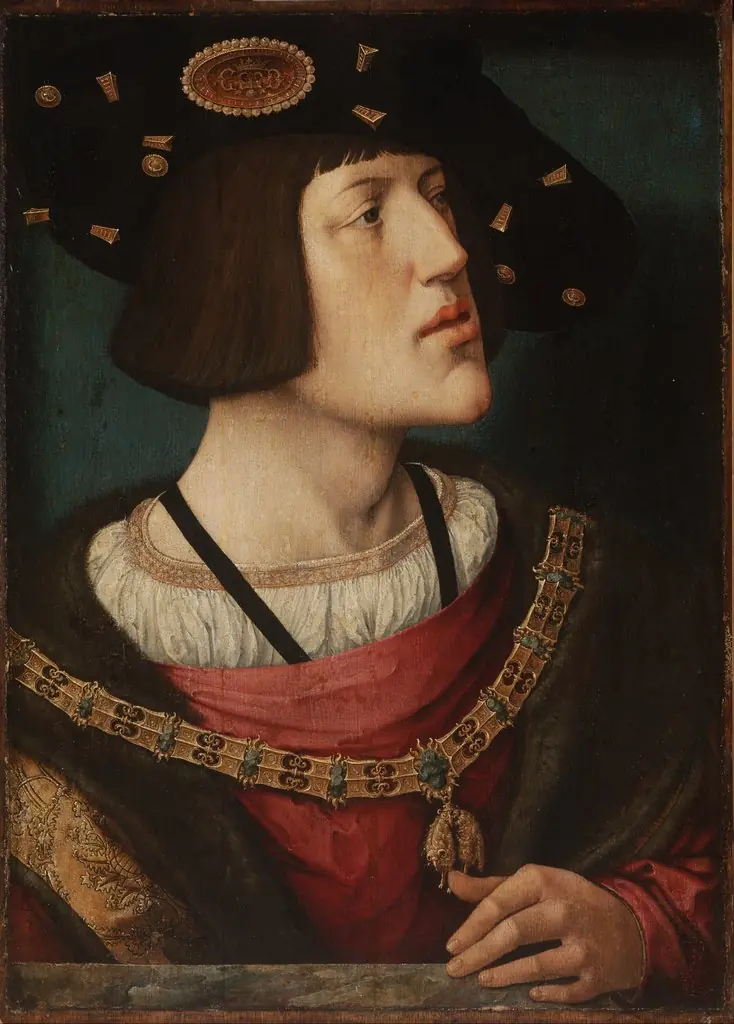 Portrait of Charles V, Holy Roman Emperor
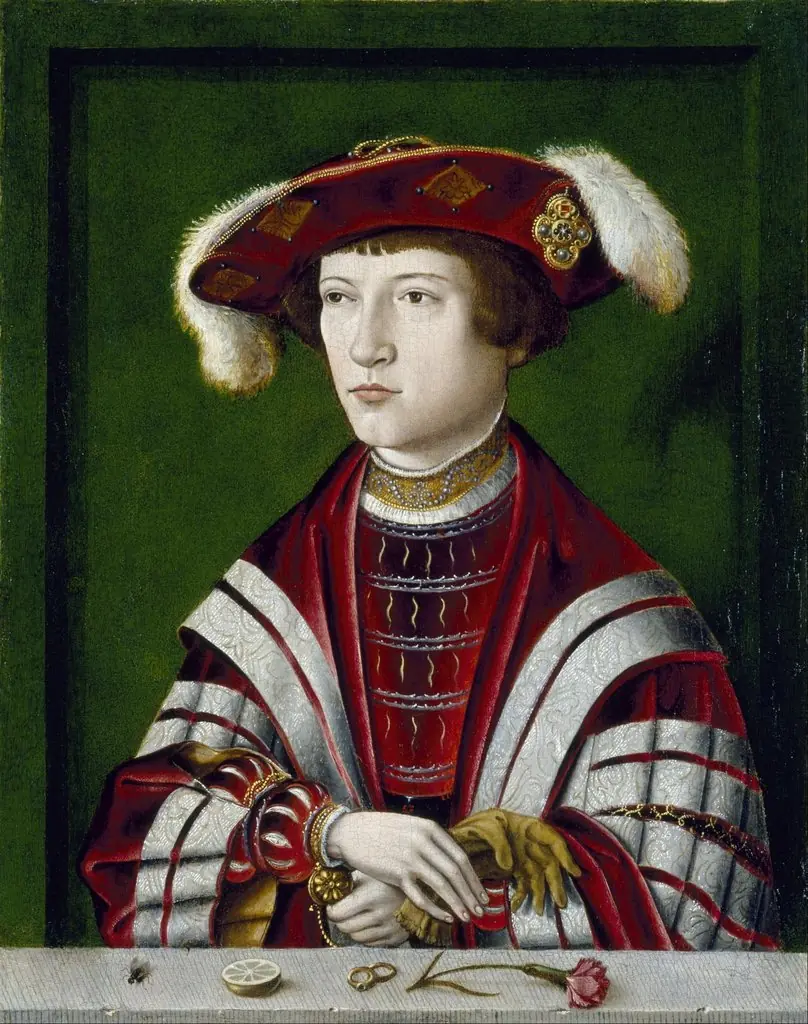 Portrait of a Nobleman
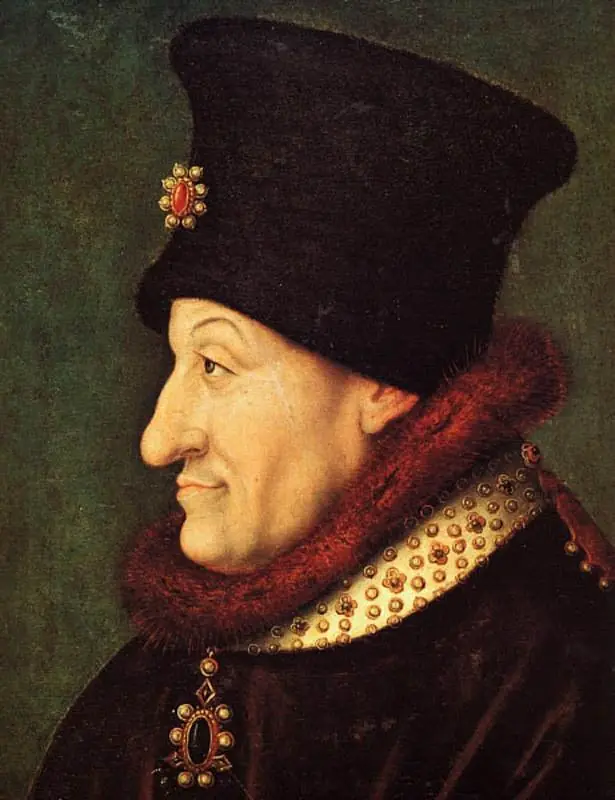 Portrait of Philip 'the Bold' Duke of Burgundy (1342-1404)
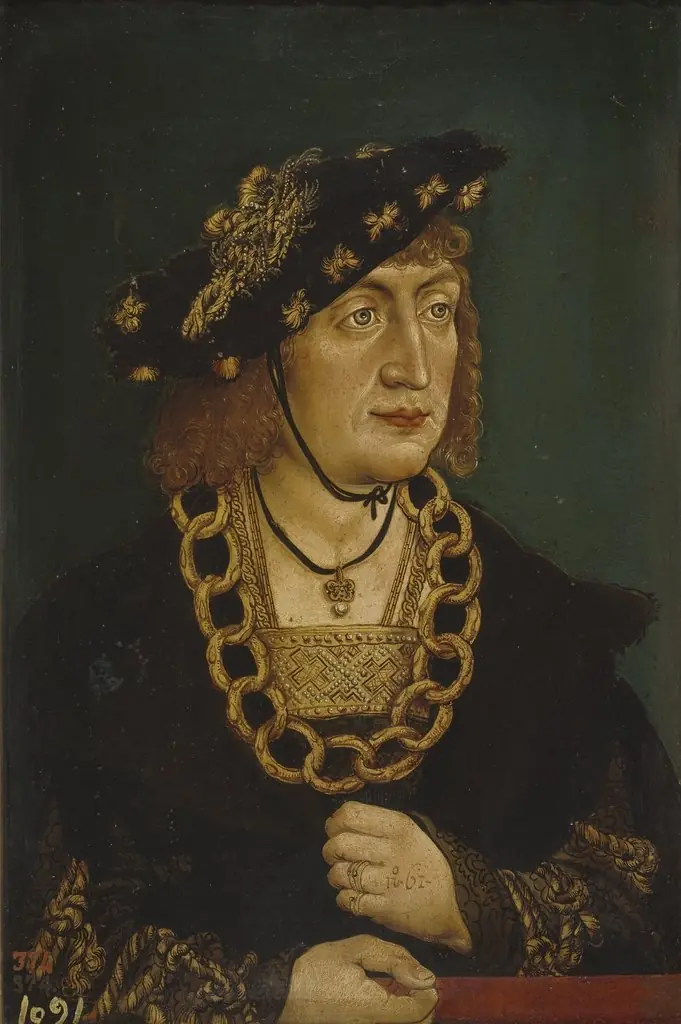 Frederick III
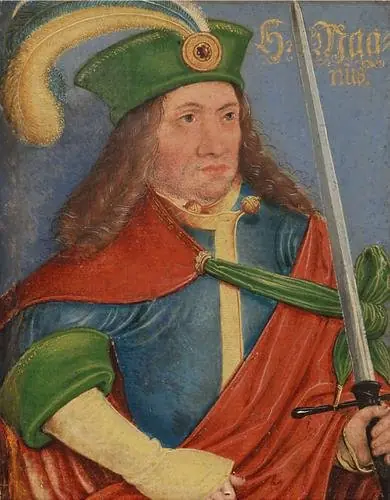 Magnus, Duke, son of Ordulf, died 1106
![A Member of the de Hondecoeter Family [obverse], by Antwerp 16th Century](https://artifactworldgallery.com/img/antwerp-16th-century--a-member-of-the-de-hondecoeter-family-obverse--56718cc2d35bf2df-w320.webp) A Member of the de Hondecoeter Family [obverse]
A Member of the de Hondecoeter Family [obverse]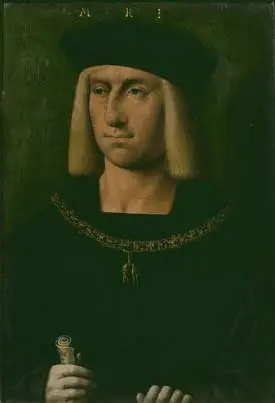 Portrait of Maximiliaan I (1459-1519), Keizer van het Heilige Roomse Rijk 1493-1519