Artwork
Joseph Interprets Pharaoh's Dream
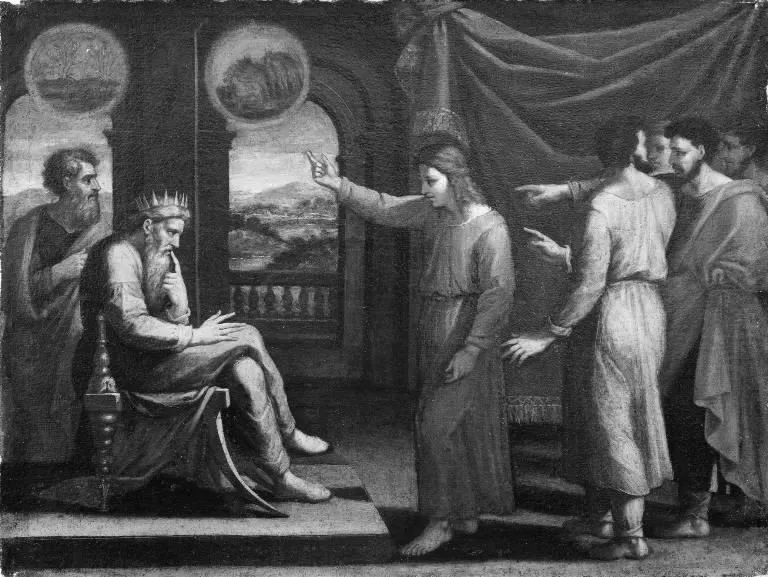
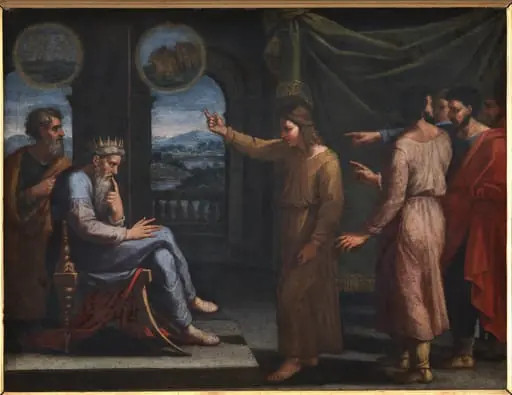
Joseph Interprets Pharaoh's Dream is an oil painting by the Early Baroque Italian artist Nicolas Poussin. It dates from 1637 and is held in the collection of the Statens Museum for Kunst.
About this work
Overview
Created in 1637 by Nicolas Poussin, a French painter active in Rome, this oil painting portrays a biblical episode in which Joseph interprets a dream for the Egyptian ruler. The composition is set in a modestly illuminated interior, with a seated pharaoh and a gesturing figure surrounded by attentive onlookers. The work is part of the collection of the Statens Museum for Kunst.
Subject & Meaning
The central figure, identified by his crown, represents the pharaoh, while the pointing man is Joseph, indicating the symbolic elements of the dream.
The scene derives from the Genesis narrative in which Joseph, having risen to power in Egypt, explains the meaning of Pharaoh’s nocturnal vision. The central figure, identified by his crown, represents the pharaoh, while the pointing man is Joseph, indicating the symbolic elements of the dream. The surrounding figures observe, emphasizing the gravity of the revelation and the transition from mystery to interpretation.
Technique & Style
Poussin employs the early Baroque language of Italian painting, using chiaroscuro to draw attention to faces and hands while the surrounding space recedes into shadow. The oil medium allows for smooth modeling of drapery and subtle gradations of light. The composition balances a restrained palette with a clear, orderly arrangement of figures, reflecting the artist’s classical sensibility within a Baroque framework.
History & Provenance
Executed during Poussin’s mature Roman period, the painting entered the Danish national collection in the 20th century, now residing at the Statens Museum for Kunst. Documentation traces its ownership through several private hands before its acquisition by the museum, where it has been displayed as part of the European Baroque holdings.
Context
The work reflects the 17th‑century fascination with biblical subjects rendered for a learned audience. Poussin’s choice of a narrative moment that combines political authority and divine insight aligns with contemporary interests in moral instruction and the power of reason. The tranquil landscape visible through the window provides a visual counterpoint to the interior drama, a device common in Baroque storytelling.
Artist & collection
Artist
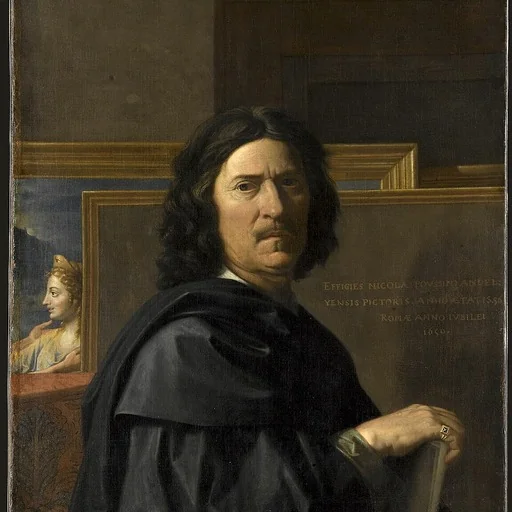
Nicolas Poussin (UK: , US: , French: ; June 1594 – 19 November 1665) was a leading painter of the classical French Baroque style, although he spent most of his working life in Rome.

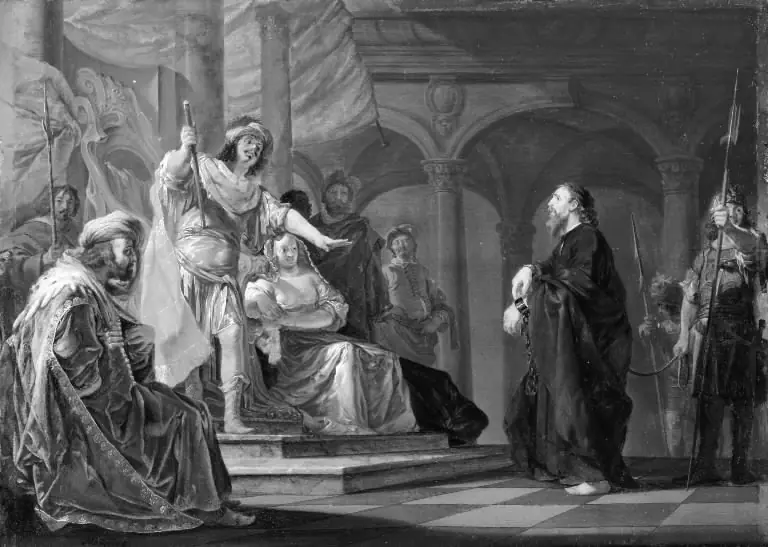 Paulus the Apostle defending himself at the Trial in Caesarea
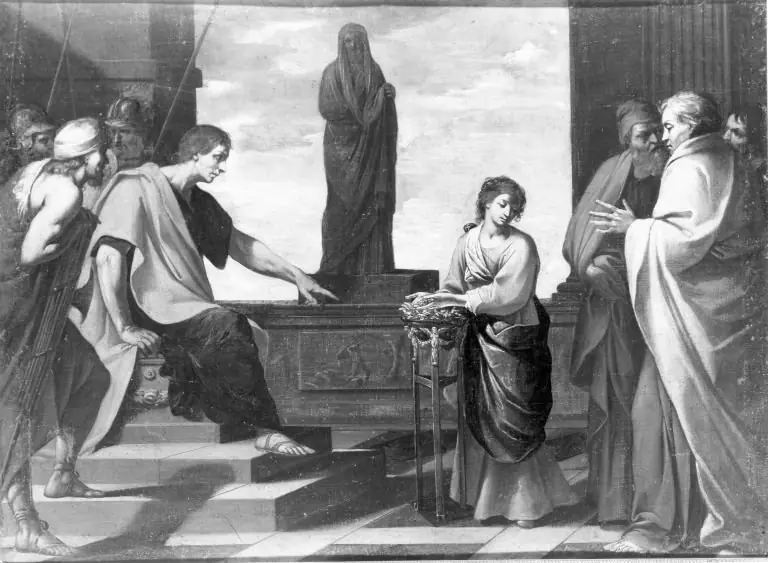 Feuerprobe (zugeschrieben)
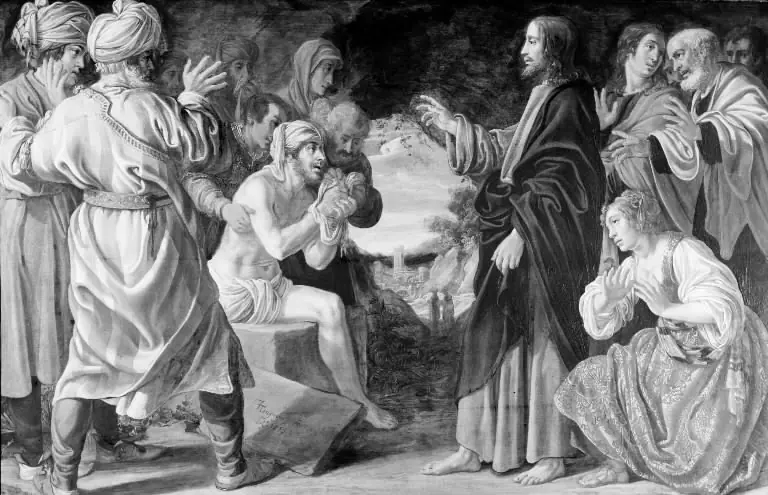 The Raising of Lazarus
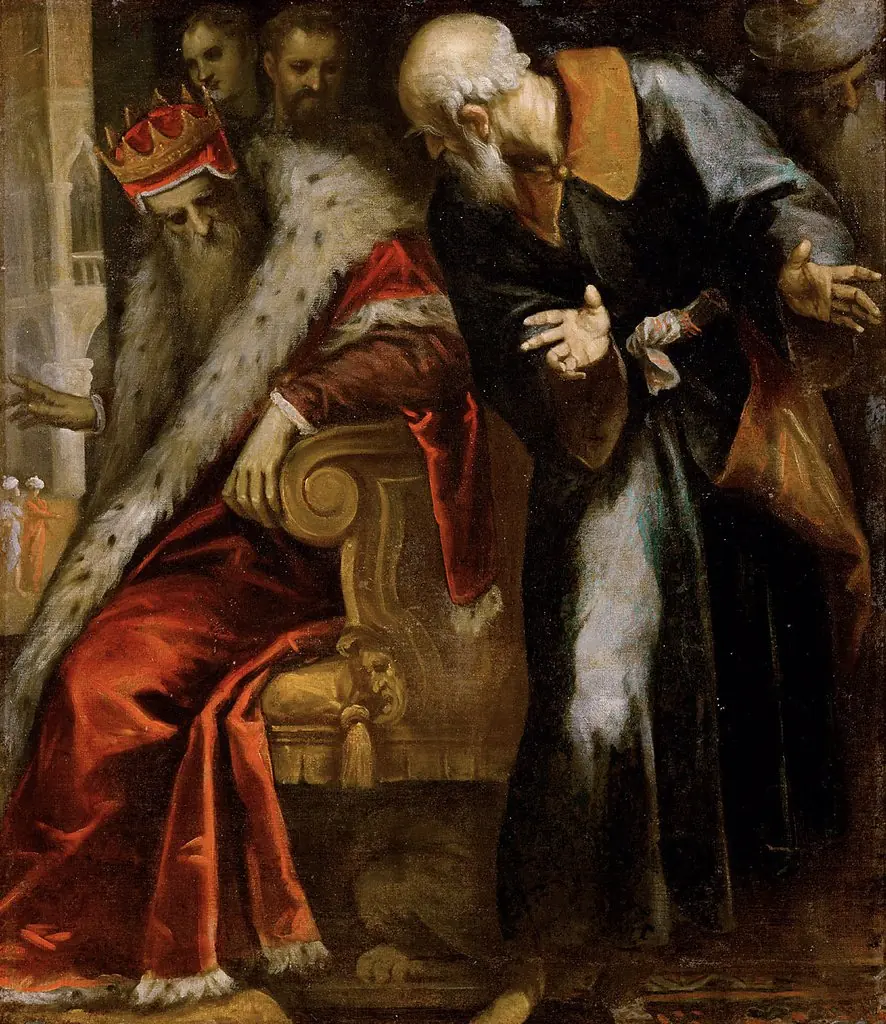 The prophet Nathan admonishes King David
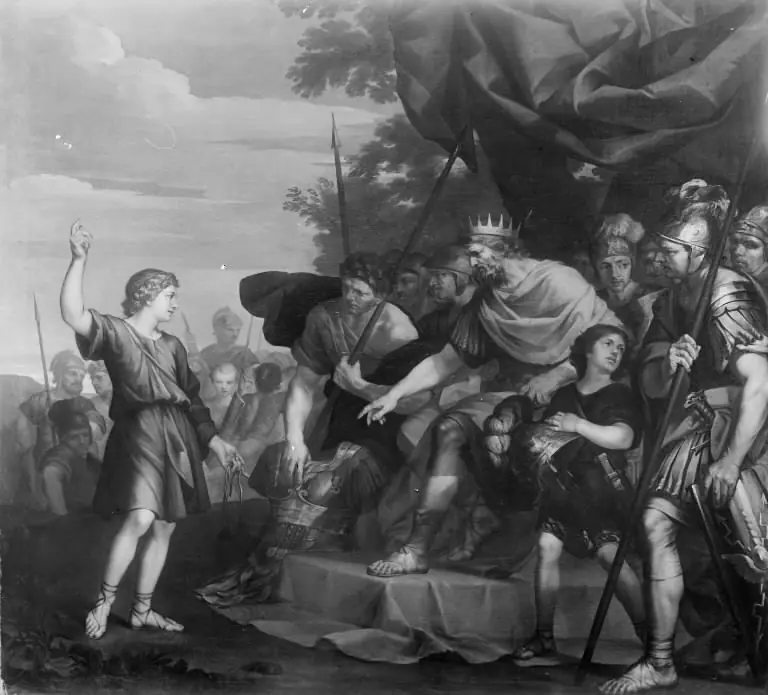 Saul and David
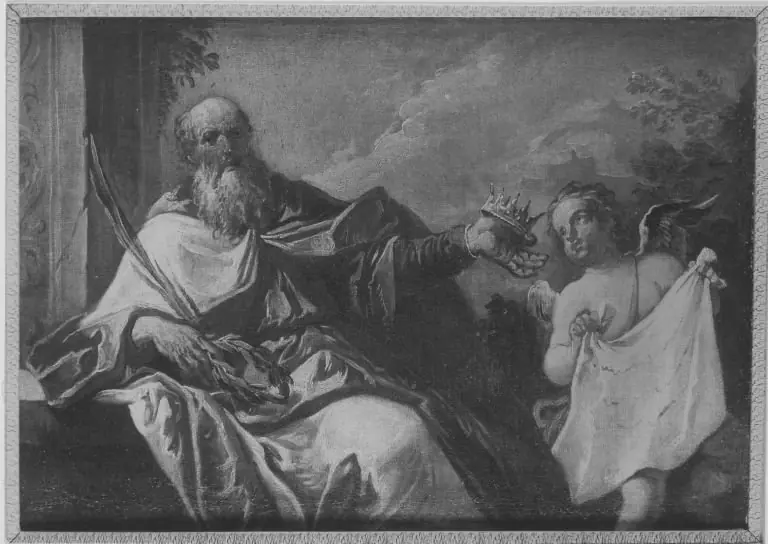 Allegorie
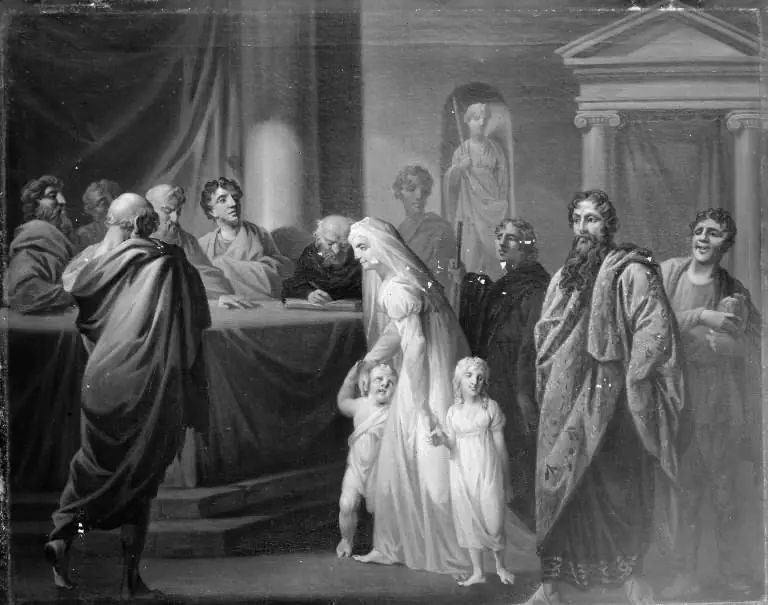 Plutus, IV akt, 4. scene
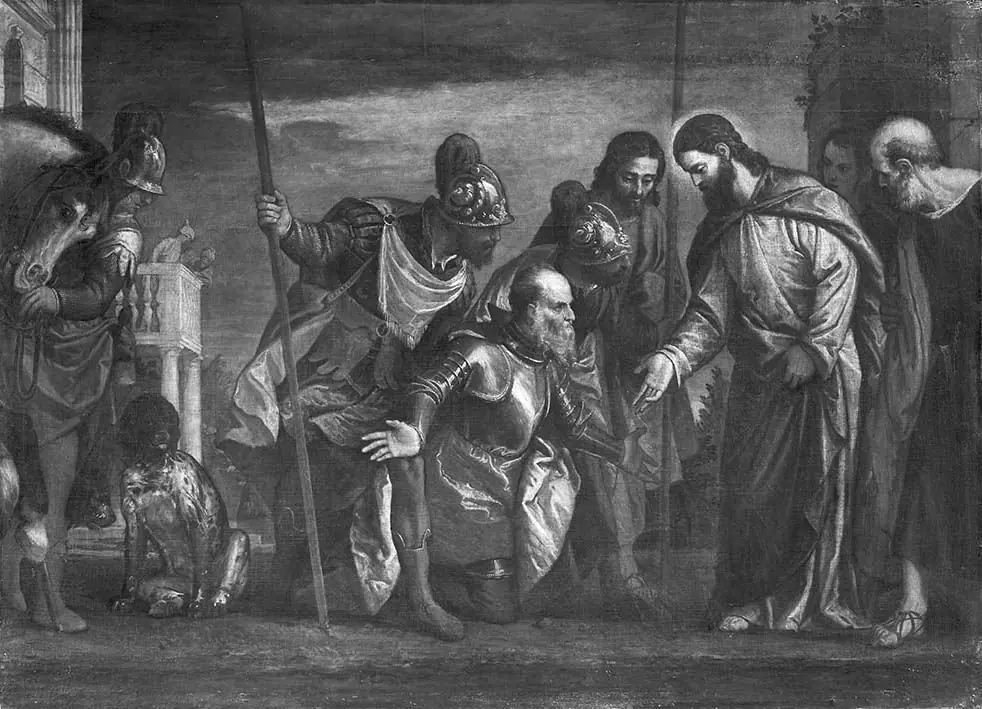 Christ and the Centurion
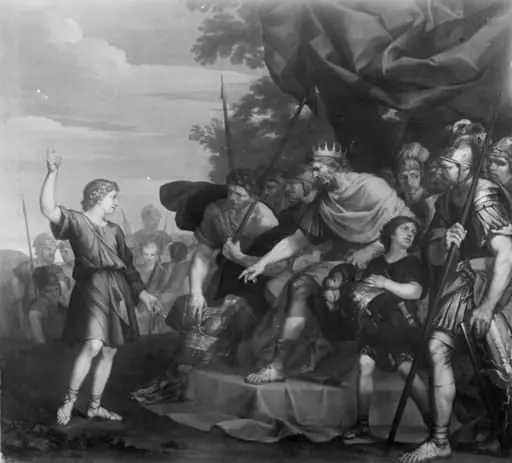 Saul and David
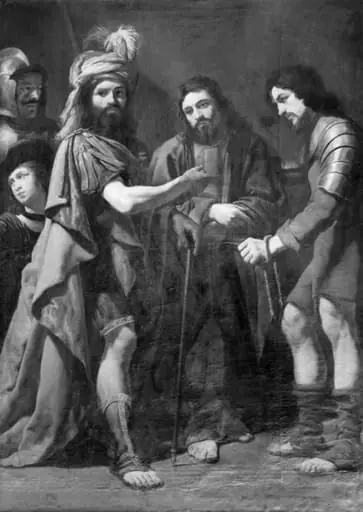 Christ before Pilate
 Enthaltsamkeit des Scipio
 Joseph Interprets Pharaoh's Dream