Artwork
The Raising of Lazarus
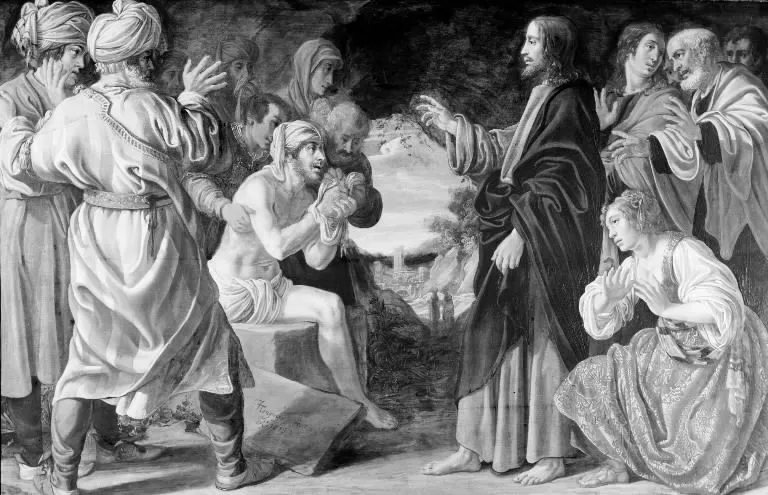
The Raising of Lazarus is an unspecified painting by the Early Baroque Italian artist Jan Tengnagel. It dates from 1615 and is held in the collection of the Statens Museum for Kunst.
About this work
Overview
The Raising of Lazarus is one of his few surviving easel paintings and remains in the collection of Statens Museum for Kunst in Copenhagen.
Painted in 1615 by Jan Tengnagel, a Dutch artist trained in Amsterdam and active in Rome between 1608 and 1611, this work reflects the influence of early Baroque Italian painting. Tengnagel, primarily known for his drawings, turned to religious subjects in his limited oil paintings. The Raising of Lazarus is one of his few surviving easel paintings and remains in the collection of Statens Museum for Kunst in Copenhagen.
Subject & Meaning
The painting illustrates the biblical miracle from the Gospel of John, in which Christ restores Lazarus to life after four days in the tomb. Tengnagel captures the moment of awakening, emphasizing the tension between disbelief and awe. The figures respond with varied reactions—shock, prayer, reverence—underscoring the divine nature of the event. The kneeling woman in the foreground intensifies the emotional gravity of the scene.
Technique & Style
Tengnagel employs chiaroscuro to heighten the drama, directing light toward Lazarus’s face and the tomb’s entrance while allowing surrounding figures to recede into shadow. The composition is tightly focused, with figures arranged in a shallow space to draw attention to the central act. Brushwork is controlled, with careful modeling of forms and muted tones that reflect the influence of Roman naturalism over Dutch conventions of the time.
History & Provenance
Created shortly after Tengnagel’s return from Italy, the painting entered the Danish royal collection in the 17th century and has remained in the national museum’s holdings since its founding. Its survival is notable, as Tengnagel produced few oil paintings, and most of his output consisted of drawings and prints. The work’s consistent attribution and documented presence in Denmark offer rare insight into his mature style.
Context
Tengnagel’s time in Rome exposed him to Caravaggisti and other Italian painters who emphasized emotional intensity and dramatic lighting. While Dutch artists of the period often favored domestic or secular scenes, Tengnagel, like some of his contemporaries, retained a strong interest in biblical narratives. This painting reflects a cross-cultural exchange, merging Italian compositional strategies with Northern European attention to detail and psychological nuance.
Legacy
Though Tengnagel is better known for his graphic work, The Raising of Lazarus stands as a significant example of early 17th-century Dutch-Italian synthesis. It provides evidence of how Northern artists absorbed and adapted Italian Baroque innovations without fully abandoning their own traditions. The painting remains a quiet but important artifact of transnational artistic dialogue in the early Baroque era.
Artist & collection
Artist
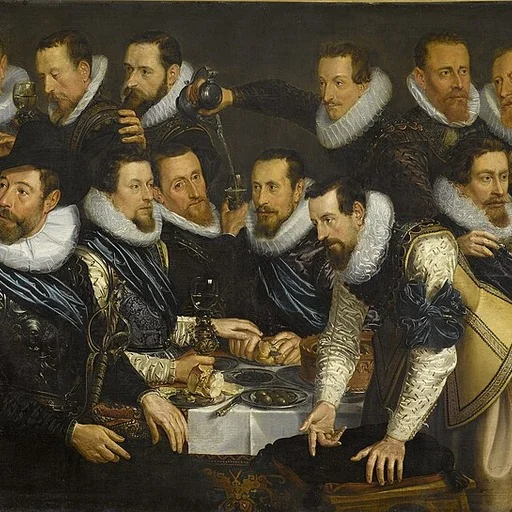
Jan Tengnagel (baptised 9 September 1584– buried 23 March 1635) was a Dutch draughtsman and painter.

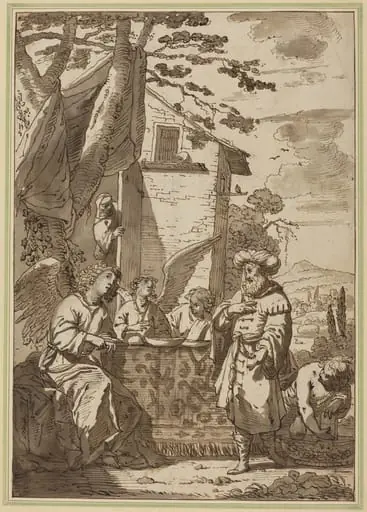
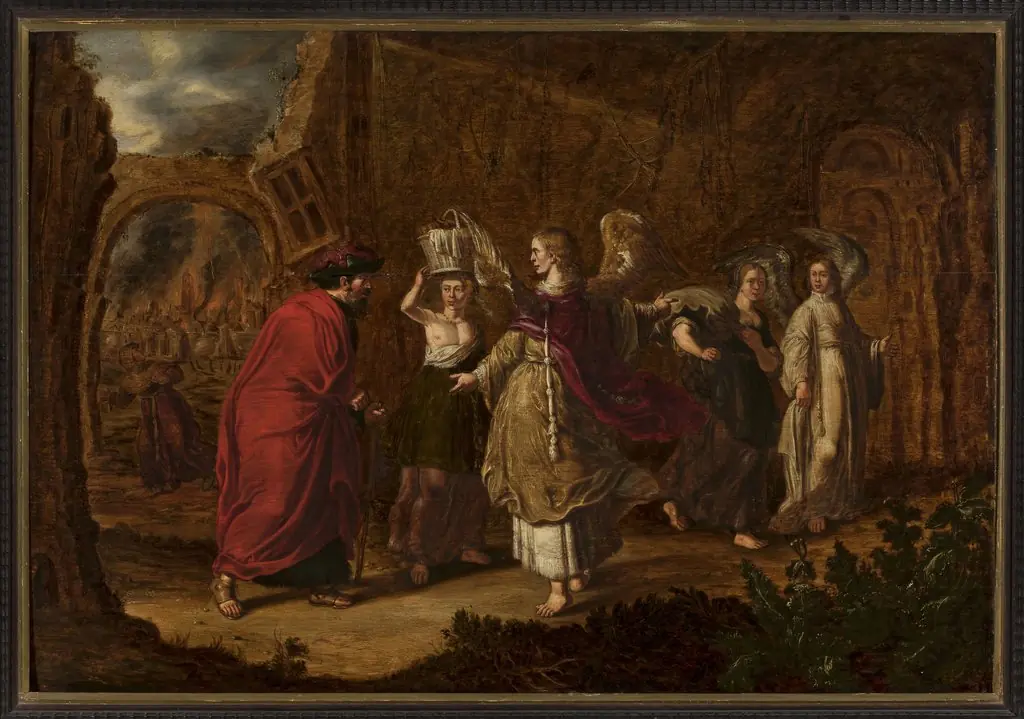
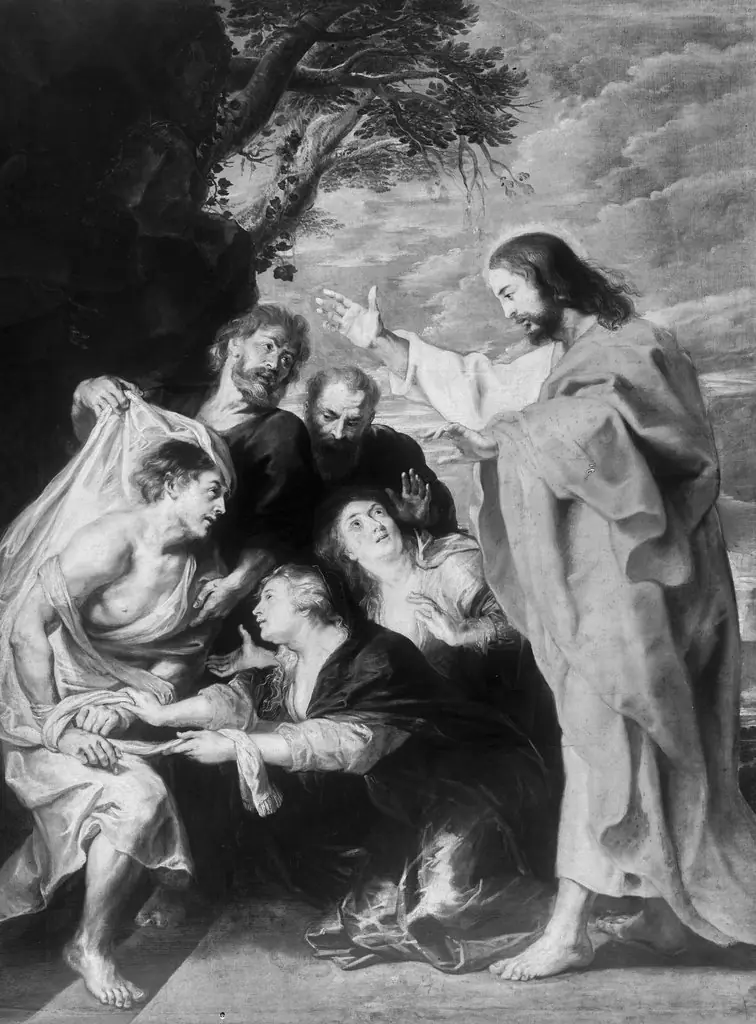 Resurrection of Lazarus
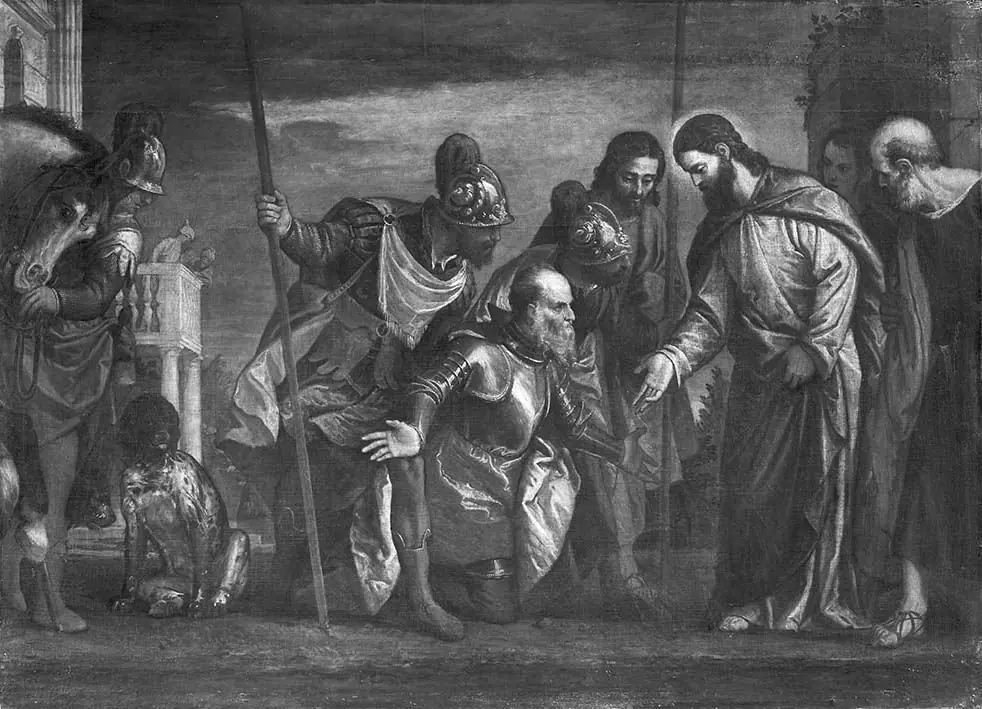 Christ and the Centurion
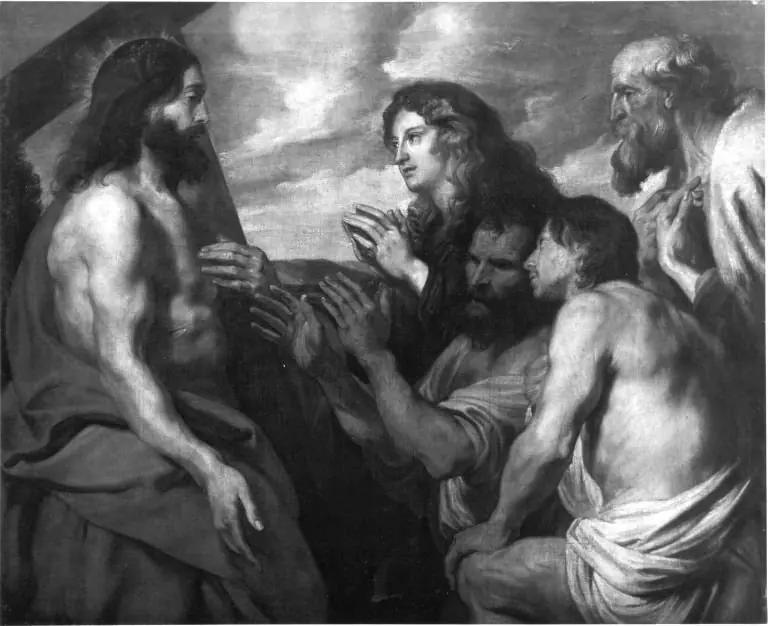 Christ and the repentant sinners
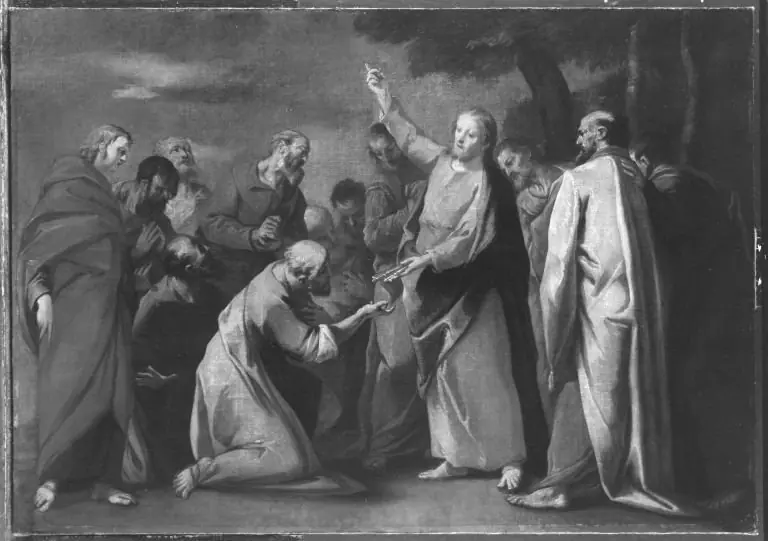 Schlüsselübergabe an Petrus
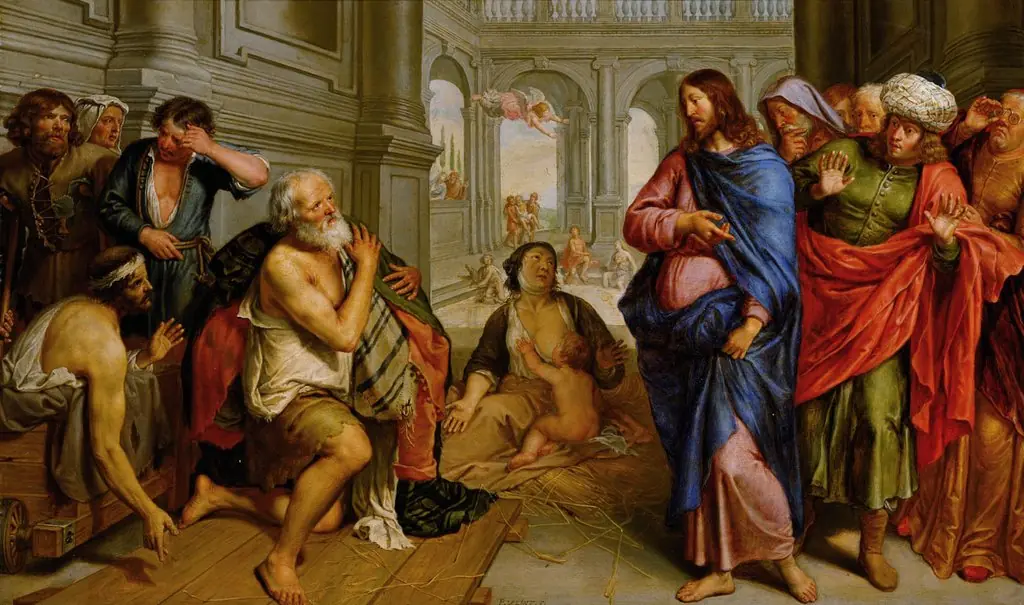 Christ healing the lame at the pool of Bethesda
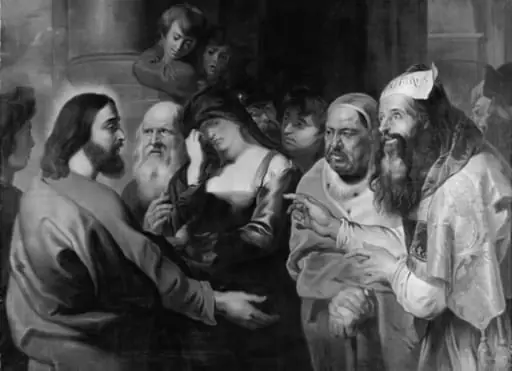 Kristus og synderinden
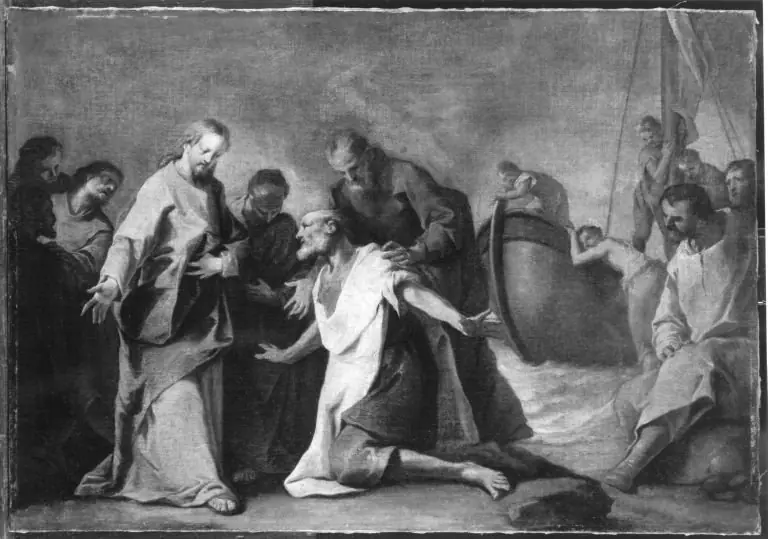 Berufung des hl. Andreas
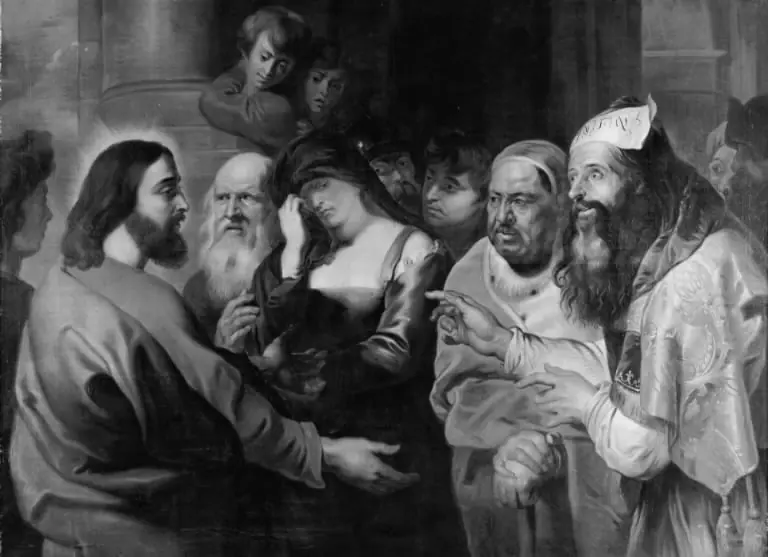 Kristus og synderinden
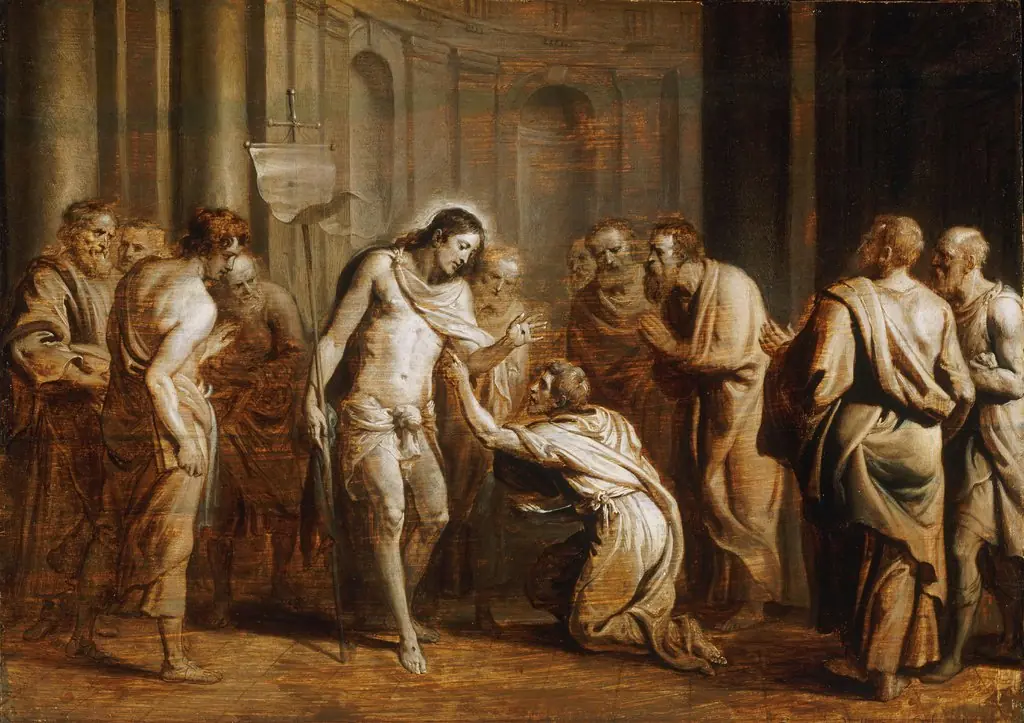 Saint Thomas Touching Christ's Wounds
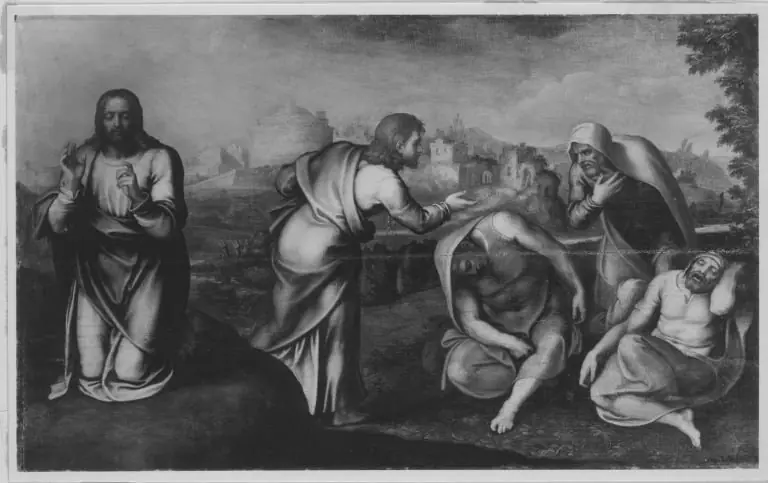 Christus am Ölberg (Kopie nach)
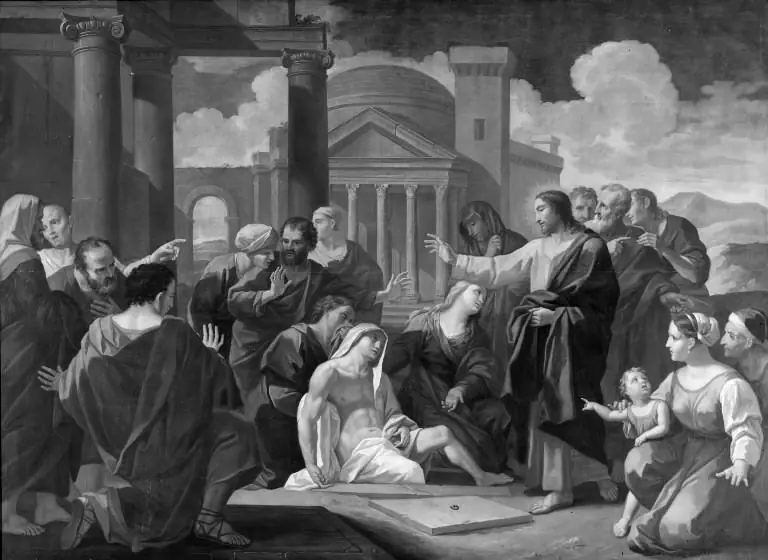 Lazarus' opvækkelse
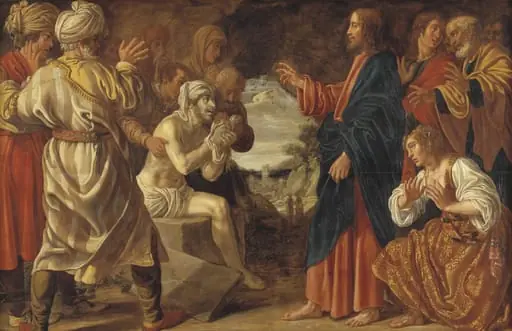 The Raising of Lazarus