Artwork
Henry Gibbs
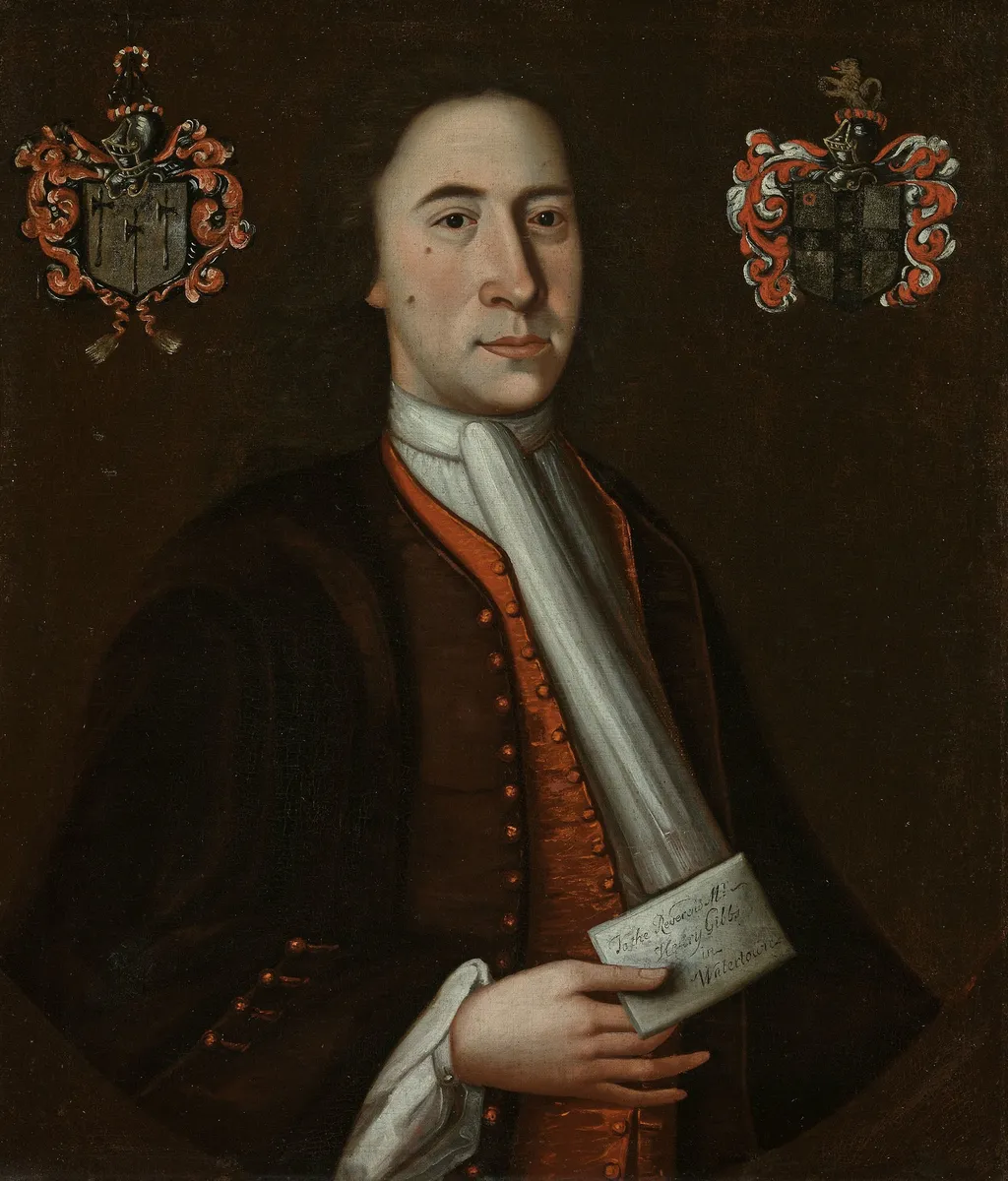
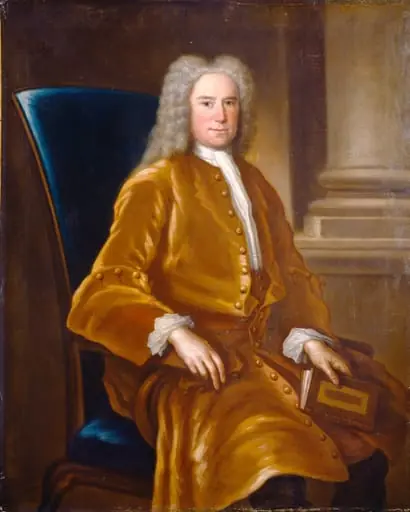
Henry Gibbs is an oil painting by the Rococo painting artist Unknown. It dates from 1721 and is held in the collection of the Art Institute of Chicago. This oil painting depicts a man against a dark, unadorned background, emphasizing his formal attire and facial features.
About this work
Overview
This oil painting depicts a man against a dark, unadorned background, emphasizing his formal attire and facial features. The composition focuses attention on his posture and clothing, typical of 18th-century portraiture. The absence of environmental detail directs the viewer’s gaze to the subject’s identity and status, conveyed through dress and heraldic symbols.
Subject & Meaning
The sitter is likely a member of the British gentry or nobility, indicated by his powdered wig, tailored gray coat, and vivid red vest—symbols of wealth and social standing. The folded paper in his hand may suggest civic or legal authority, while the two family crests above his shoulders affirm lineage and inherited status, reinforcing the portrait’s function as a statement of aristocratic identity.
Technique & Style
The artist employs chiaroscuro to model the figure with strong contrasts between light and shadow, enhancing the three-dimensionality of the face and fabric. The dark background isolates the subject, a convention common in formal portraiture of the period. Brushwork is precise in rendering textures, particularly the sheen of silk and the crispness of the lace at the wrists.
History & Provenance
The painting is attributed to Henry Gibbs, though little is documented about the artist’s life or career. The presence of specific family crests implies the portrait was commissioned by or for a particular noble household, likely in the early to mid-1700s. Its provenance remains untraced beyond private collections, with no public exhibition history recorded.
Context
In early 18th-century Britain, portraiture served as a tool for asserting social rank. Wealthy families commissioned likenesses to display lineage, taste, and influence. The use of heraldry, formal dress, and dramatic lighting aligned with conventions established by artists like Godfrey Kneller and later Joshua Reynolds, reflecting the era’s emphasis on hierarchy and decorum.
Legacy
Though Henry Gibbs is not widely recognized in art historical records, this work exemplifies the conventions of provincial British portraiture during the Georgian era. It contributes to the broader understanding of how lesser-known artists upheld elite visual traditions, preserving the imagery of aristocratic identity beyond the works of more celebrated contemporaries.
Artist & collection

 Domestic Scene
 Giacomo and Cardinal Marco, investing Andrea, Abbot of San Zeno, with his Benefice
 The Nymph of Fontainebleau
 Portrait of a Woman
 Madonna and Child with Saints in the Enclosed Garden
 Venus and Minerva
 Family Group of Four on Sofa
 Wall painting from Room H of the Villa of P. Fannius Synistor at Boscoreale
 Dr. William Foster
 Aernout van Citters (1633-96), Ambassador of the Dutch Republic in London
 Possibly William Metcalf
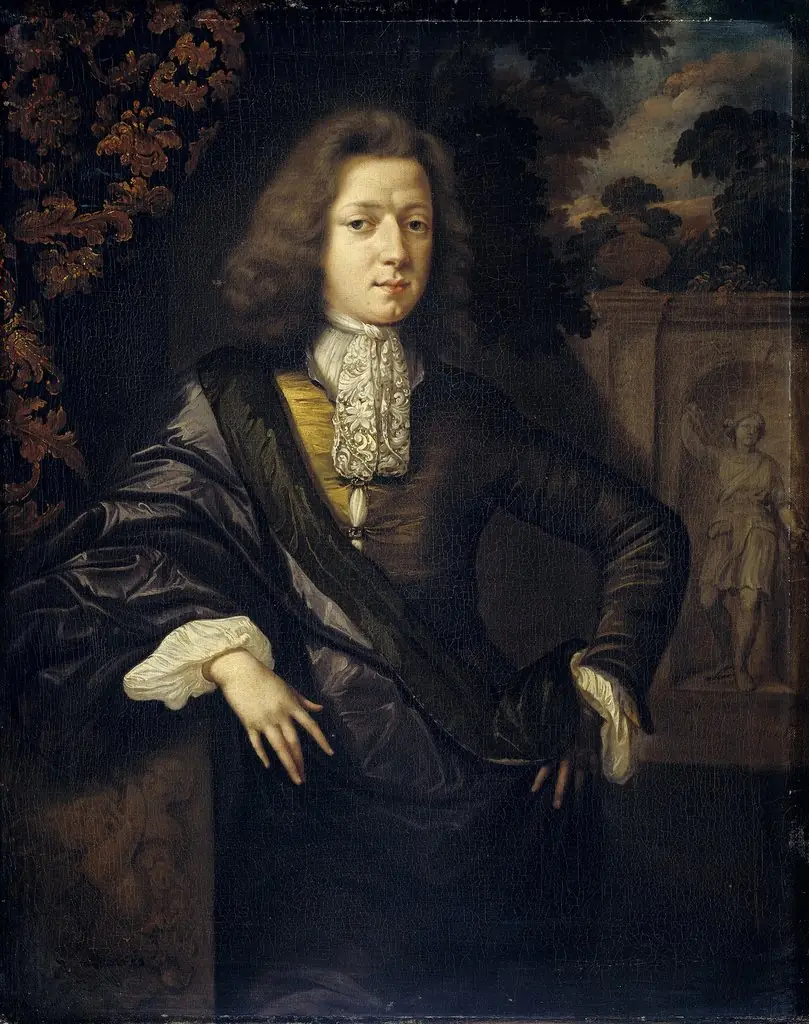 Portrait of Johan van Bochoven (1624-93), Public prosecutor and councillor at the court of Flanders
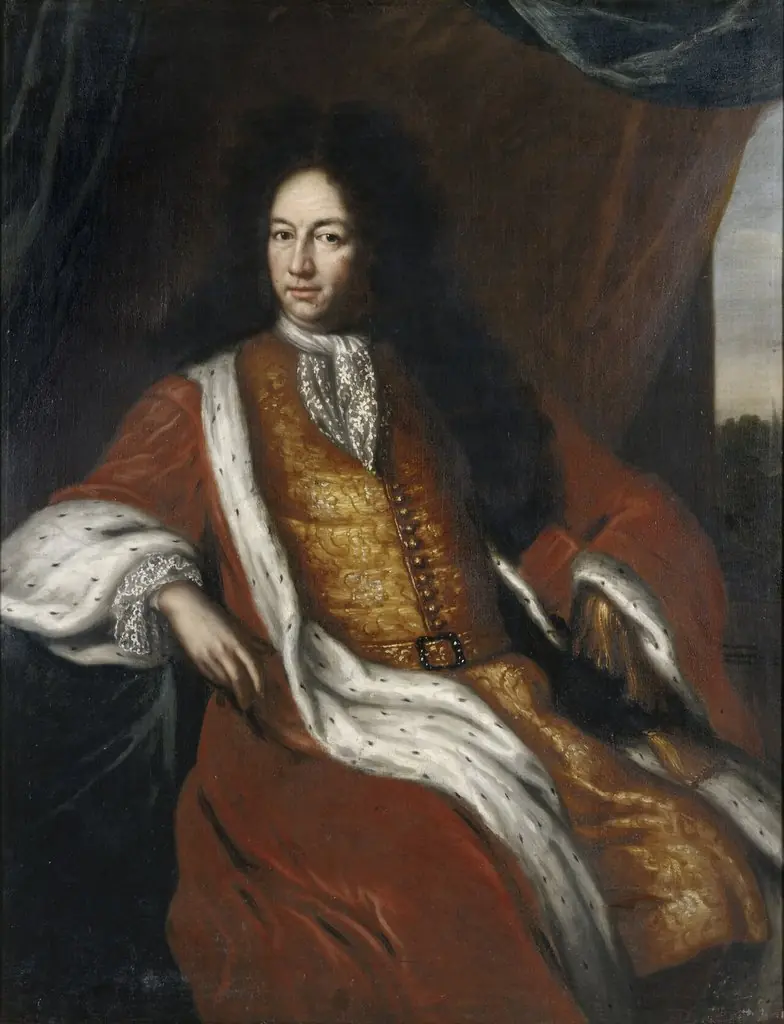 Carl Piper, 1647-1716, greve
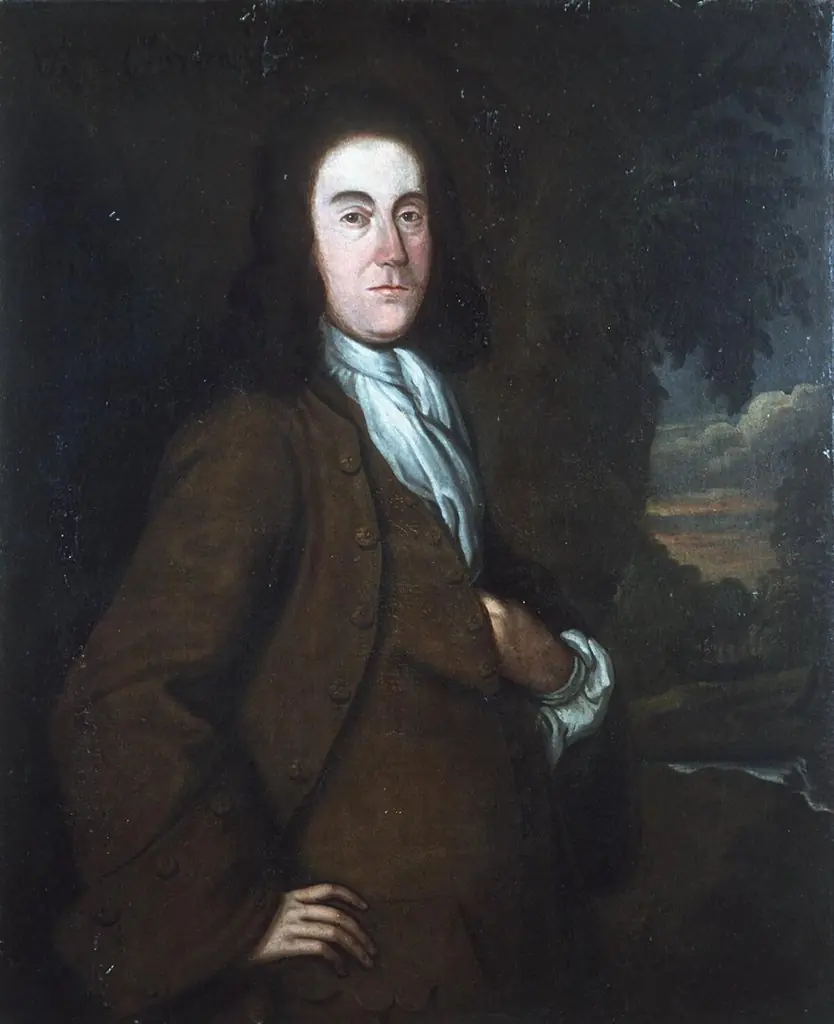 Vincent Corbet of Ynysmaengwyn 1651-1713
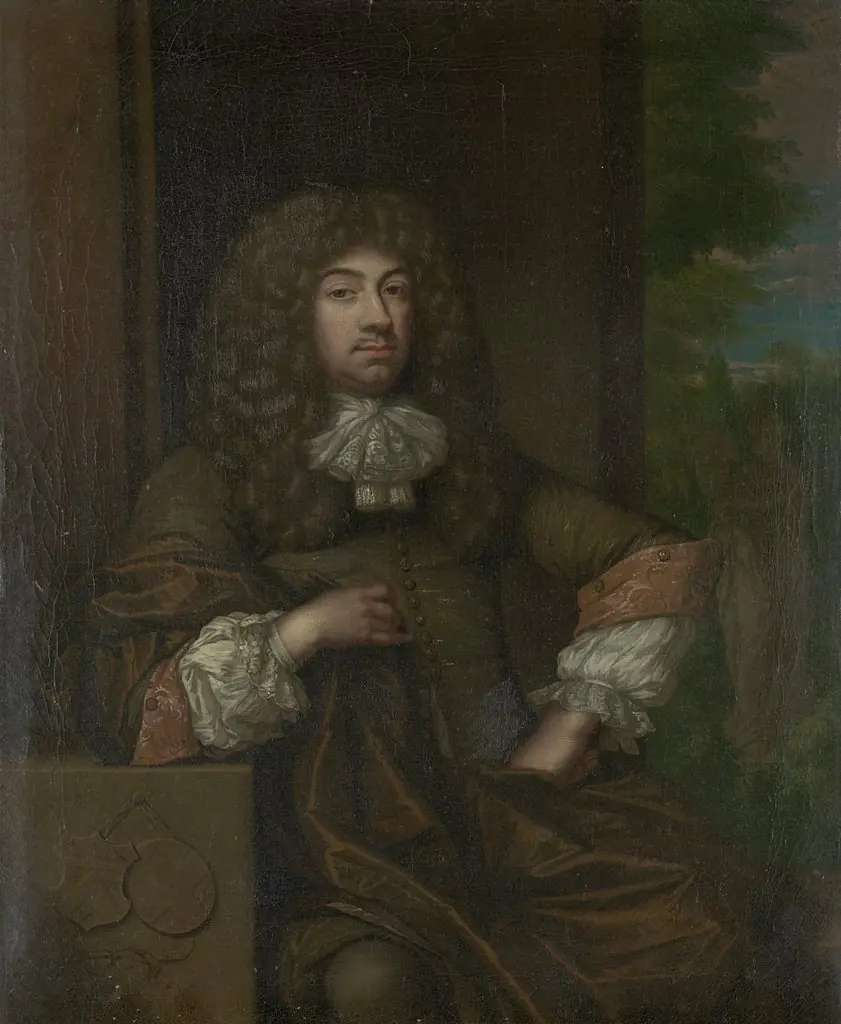 Portrait of Jan Boudaen Courten (1635-1716), lord of St. Laurens, Schellach and Popkensburg, Judge and alderman of Middelburg
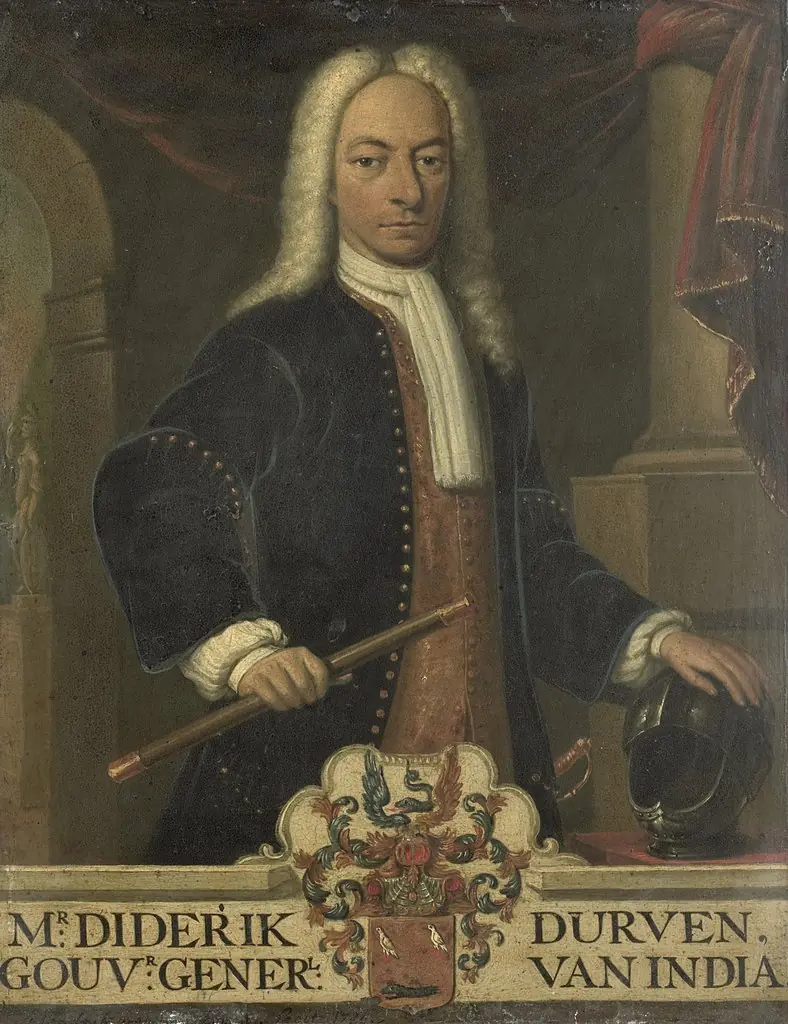 Portrait of Diederik van Durven (1676-1740)
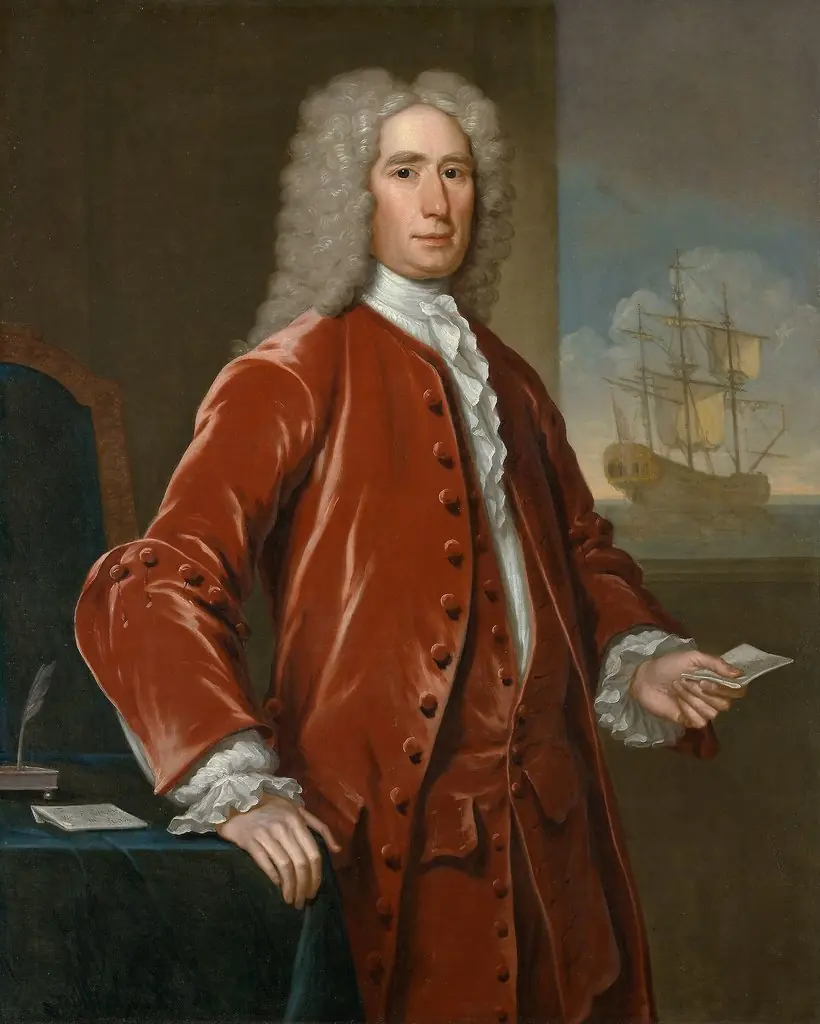 Richard Bill
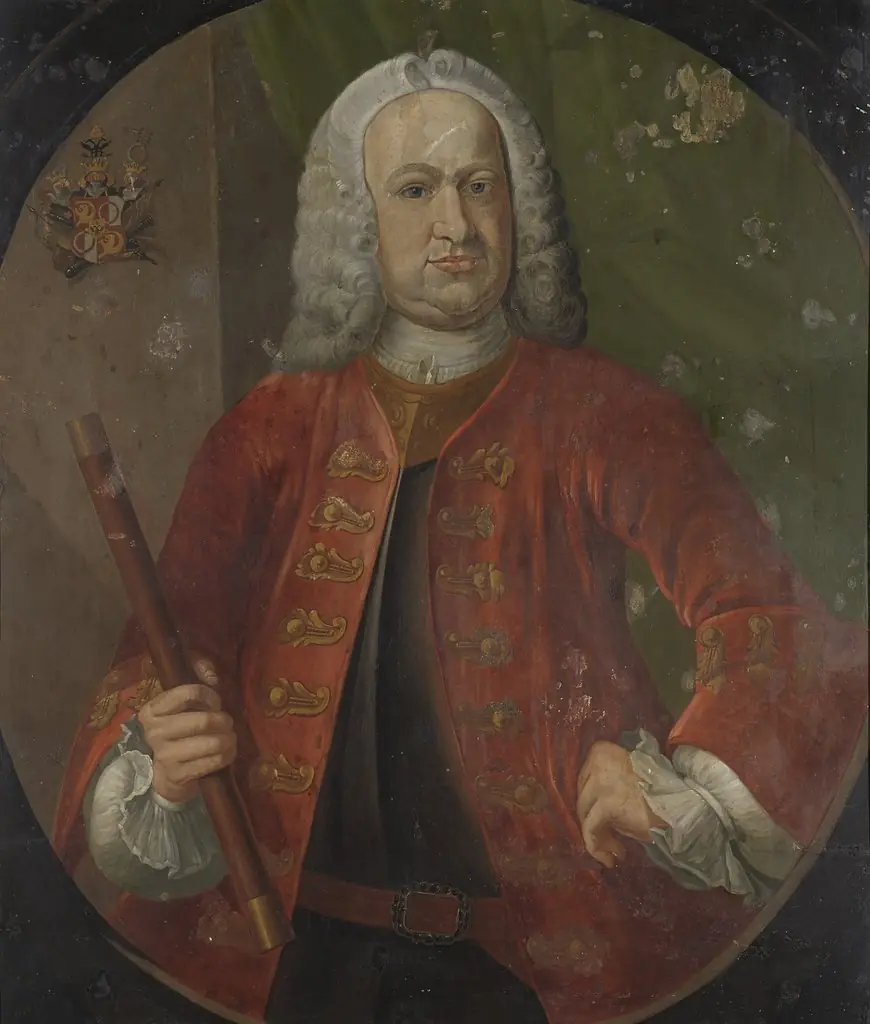 Portrait of Gustaaf Willem, Baron van Imhoff, Governor-General of the Dutch East India Company
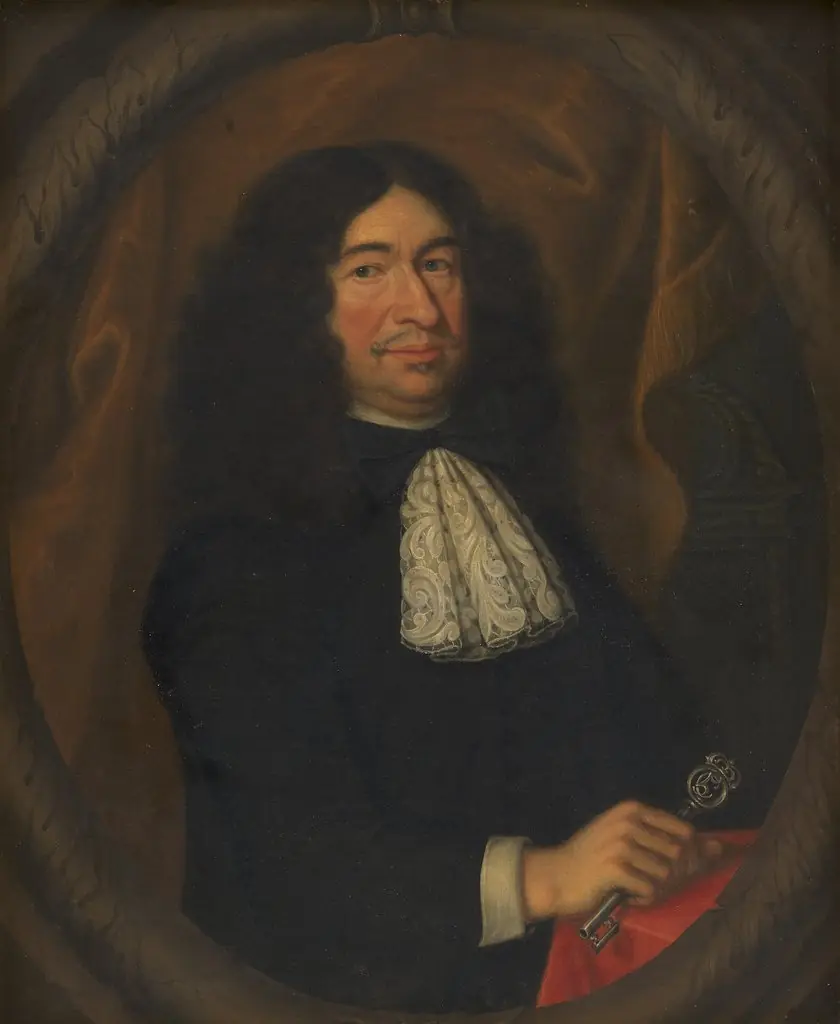 Kunstkammerforvalter Bendix Grodtschilling den ældre, kunstnerens fader
 Portrait of a Gentleman