Artwork
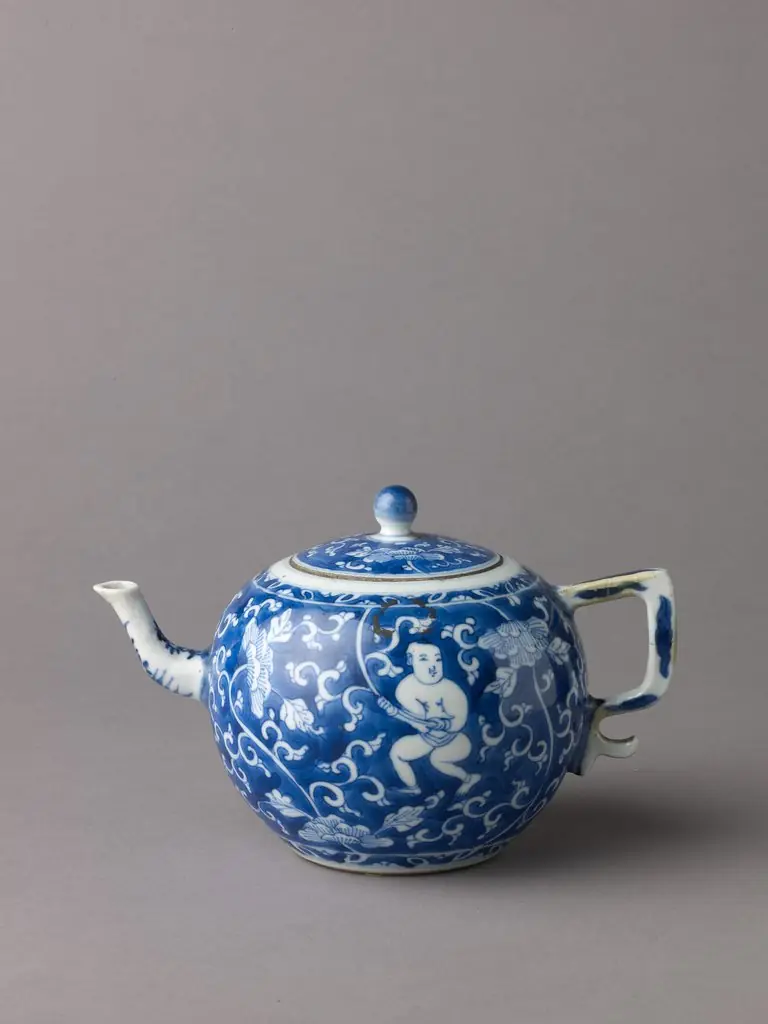
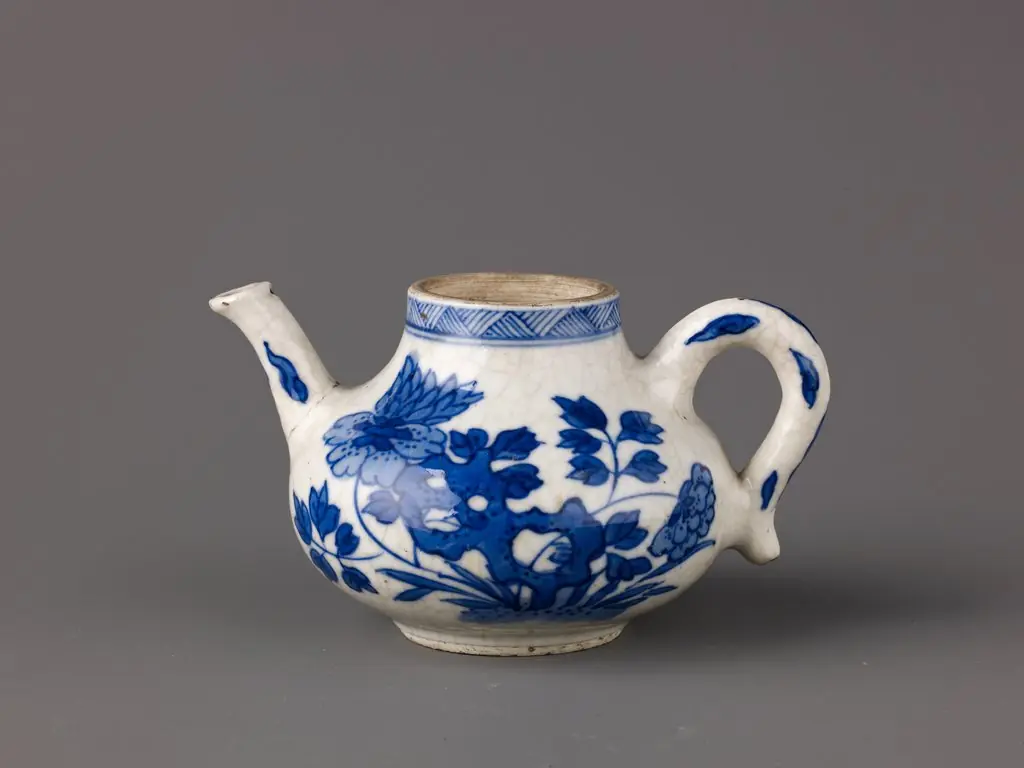
Small covered winepot or teapot (see also 1975.1.1710 and 1975.1.1712)
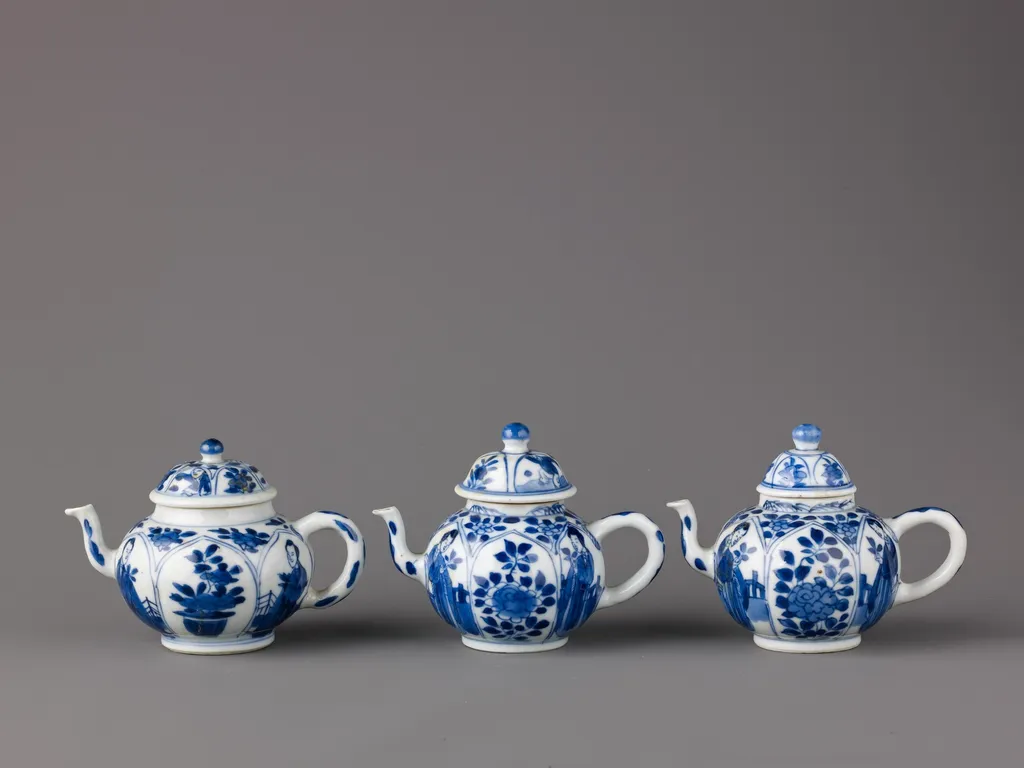
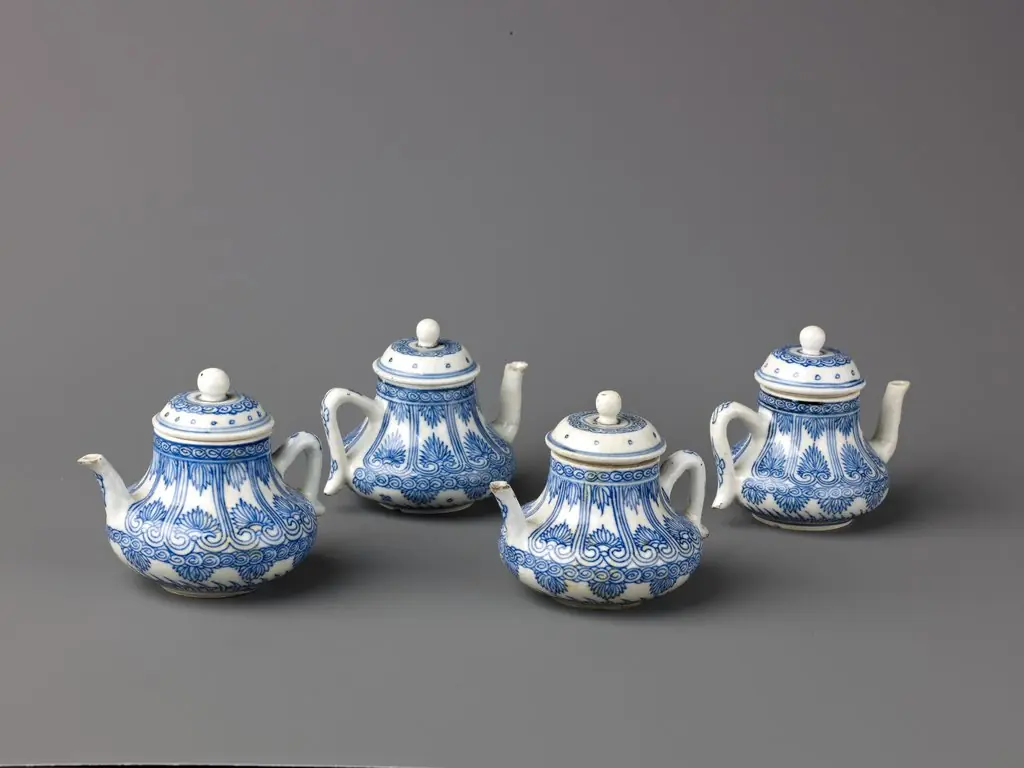
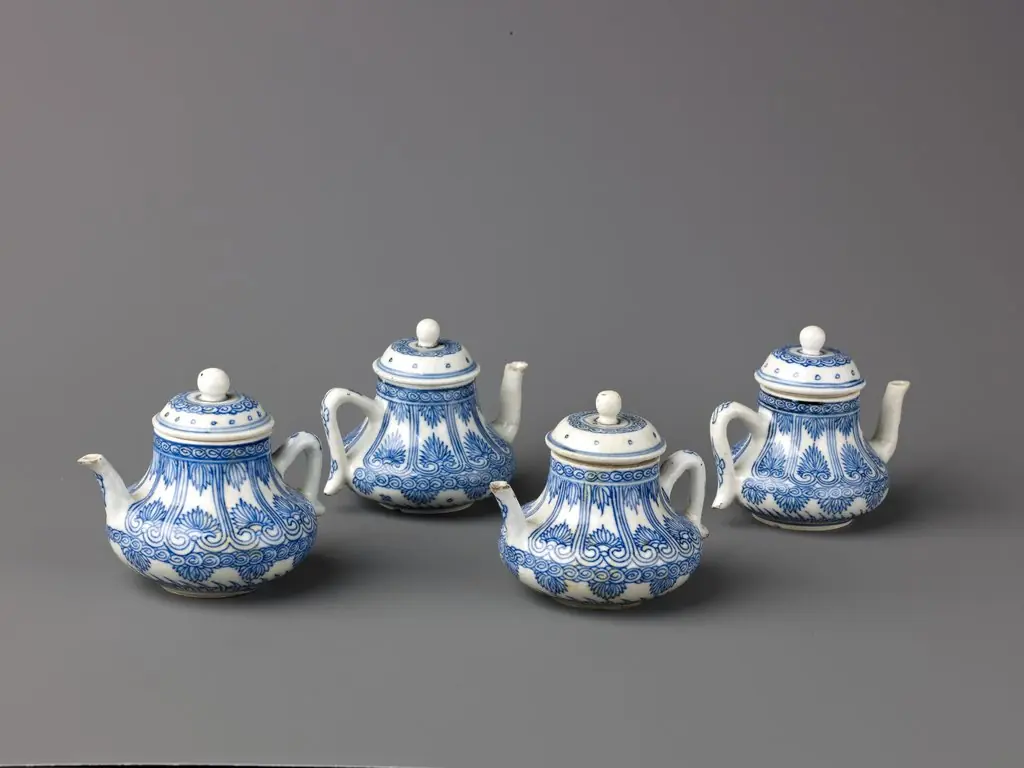
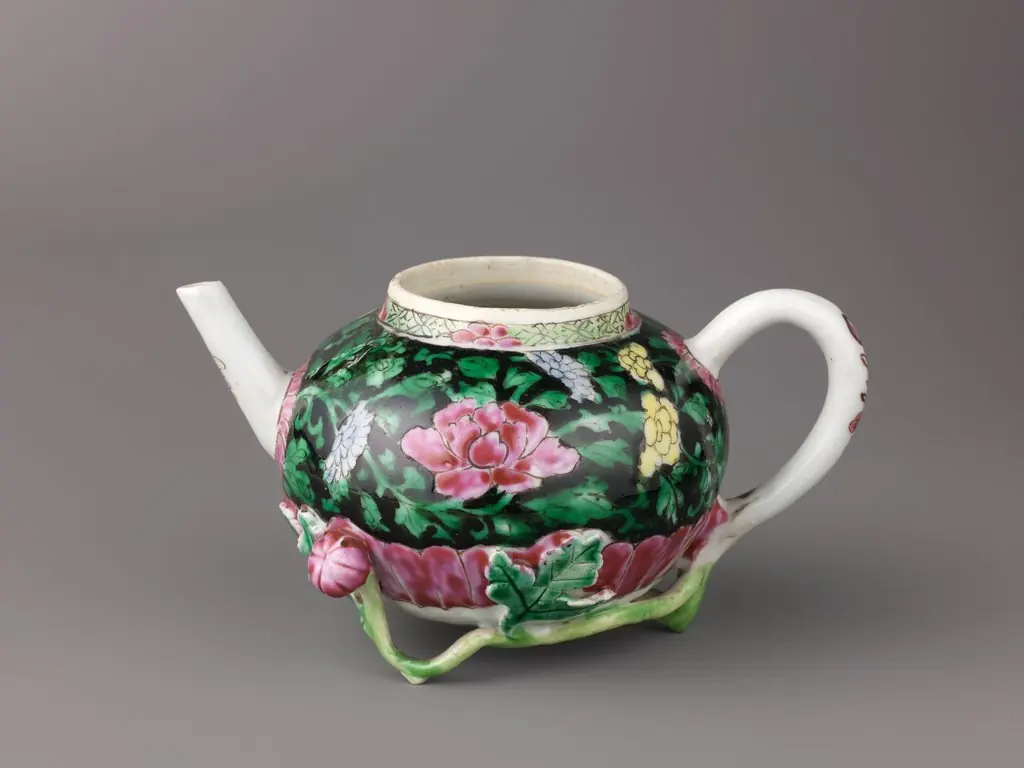
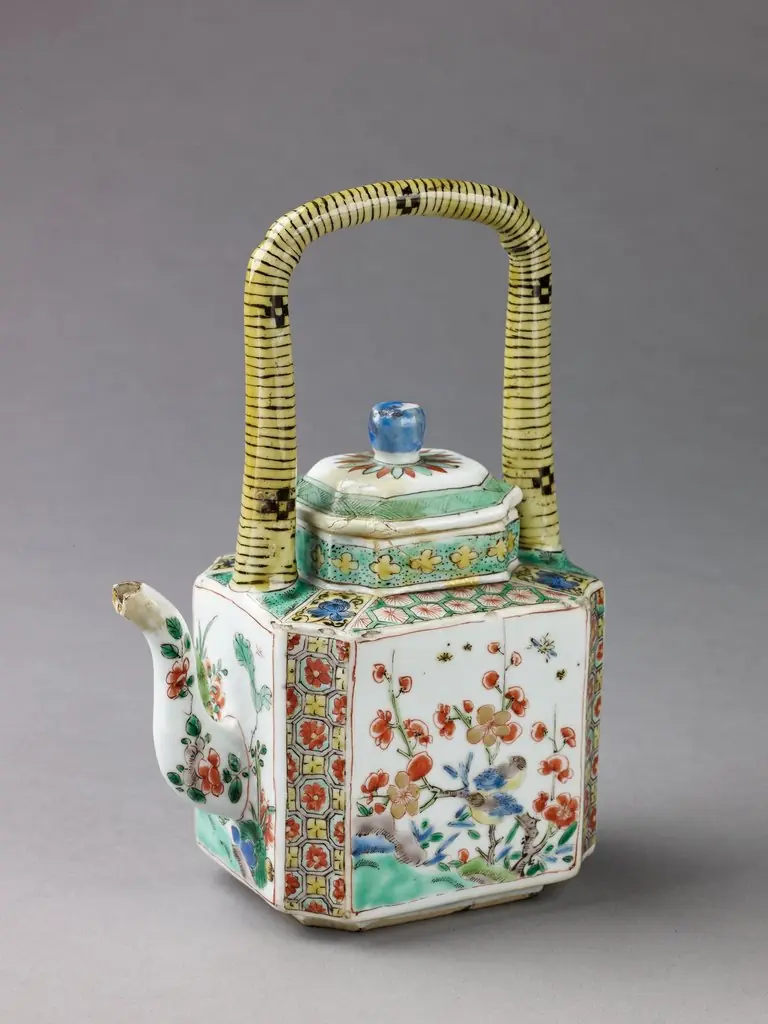
Small covered winepot or teapot (see also 1975.1.1710 and 1975.1.1712) is an unspecified painting. It dates from 1696 and is held in the collection of the Metropolitan Museum of Art. The work depicts three modest white vessels, each capped with a lid and a small knob, arranged side by side.
About this work
Overview
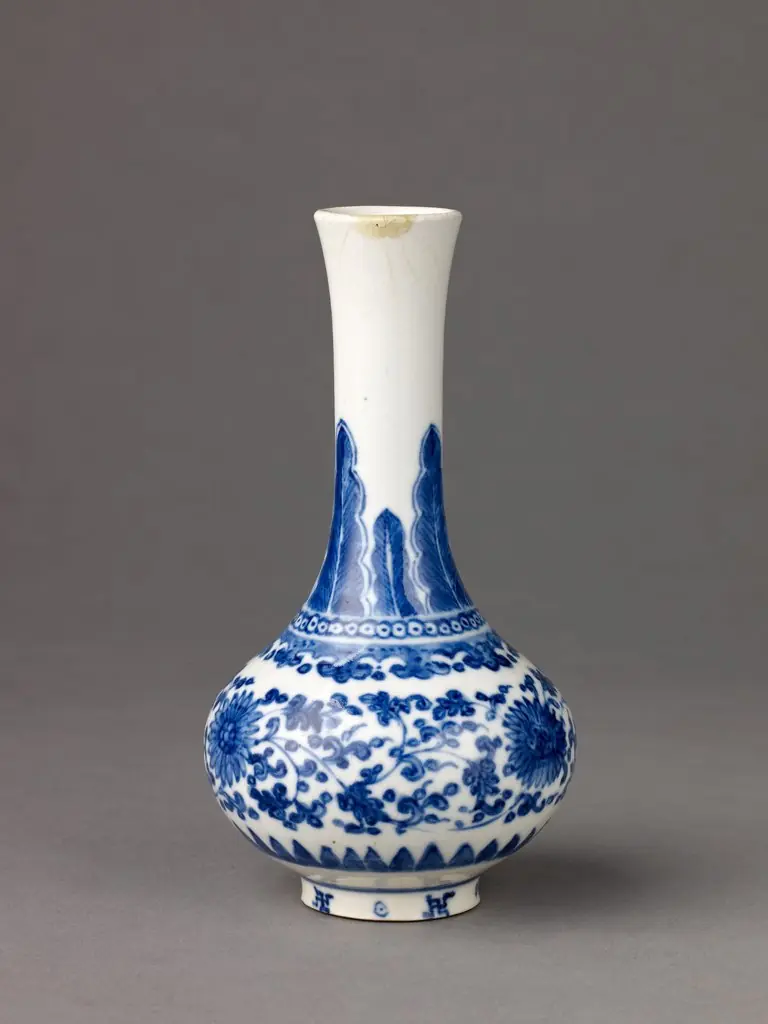
The work depicts three modest white vessels, each capped with a lid and a small knob, arranged side by side. Their surfaces are adorned with hand‑applied blue motifs of swirls and stylised flowers that cover the bodies and spouts. The composition is simple, focusing on the repetitive form and decorative pattern of the objects.
Subject & Meaning
The objects are small covered winepots or teapots, functional items likely intended for daily consumption in the late seventeenth century. Their presentation in a quiet, orderly row emphasizes their utilitarian role while the decorative blue‑on‑white designs suggest an appreciation for aesthetic embellishment even in everyday ware.
Technique & Style
The blue designs are executed in a hand‑painted technique reminiscent of Chinese blue‑and‑white porcelain, employing cobalt pigment applied before firing. The motifs consist of flowing lines and floral elements that echo the ornamental vocabulary of East Asian ceramics, translated here onto a Western material.
History & Provenance
Created in the late 1600s, the pieces belong to a period when the blue‑and‑white aesthetic, originally popular in China, was being emulated by European artisans. Their provenance traces back to workshops that sought to replicate the Chinese style for local markets, reflecting cross‑cultural exchange in decorative arts.
Context
During the seventeenth century, the demand for blue‑and‑white wares grew across Europe, spurred by imports from the Ming and early Qing dynasties. Domestic producers responded by adapting the motif to locally made vessels, resulting in objects such as these teapots that blend functional design with imported decorative trends.
Artist & collection