Artwork
Portrait of a Spanish Noblewoman
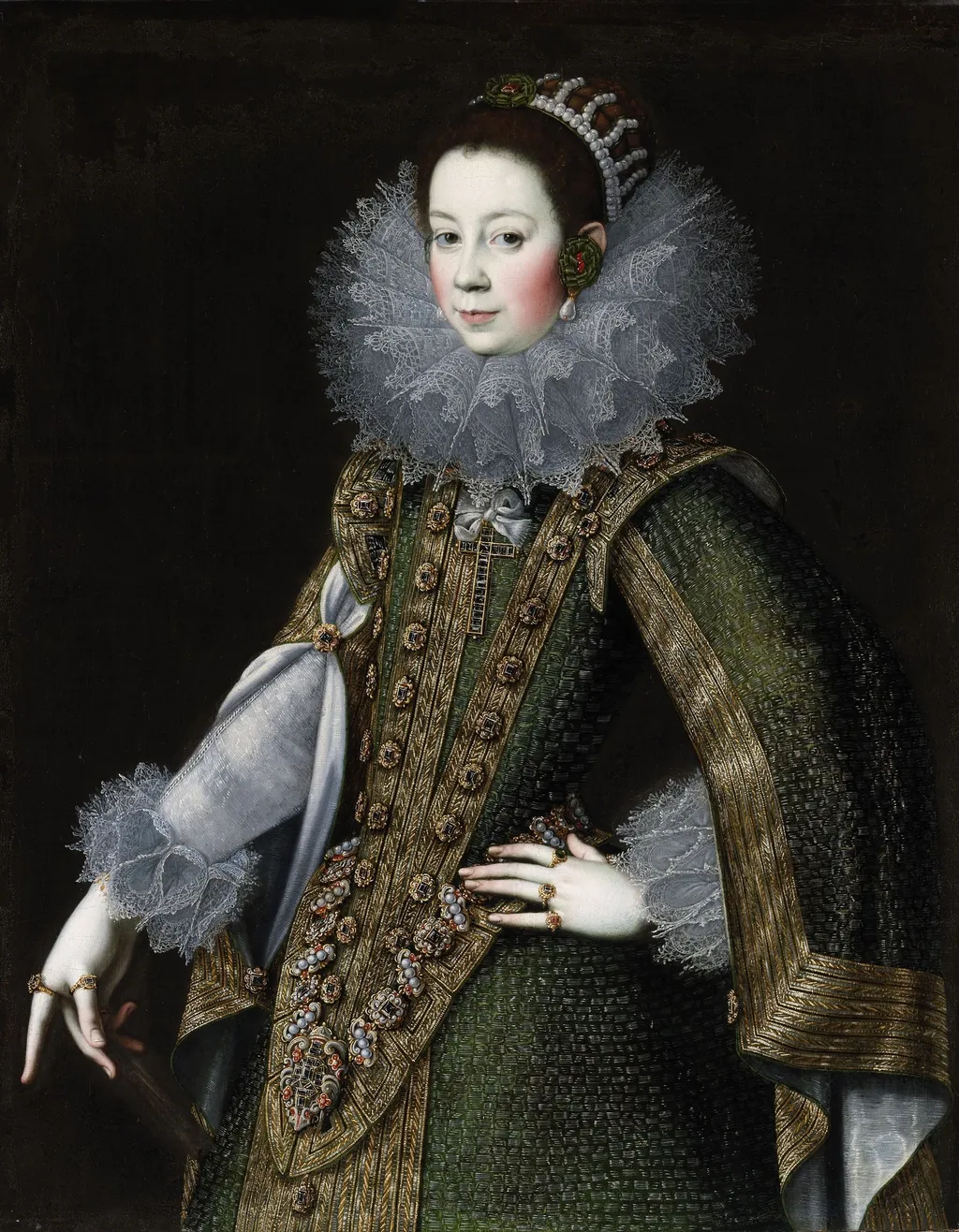
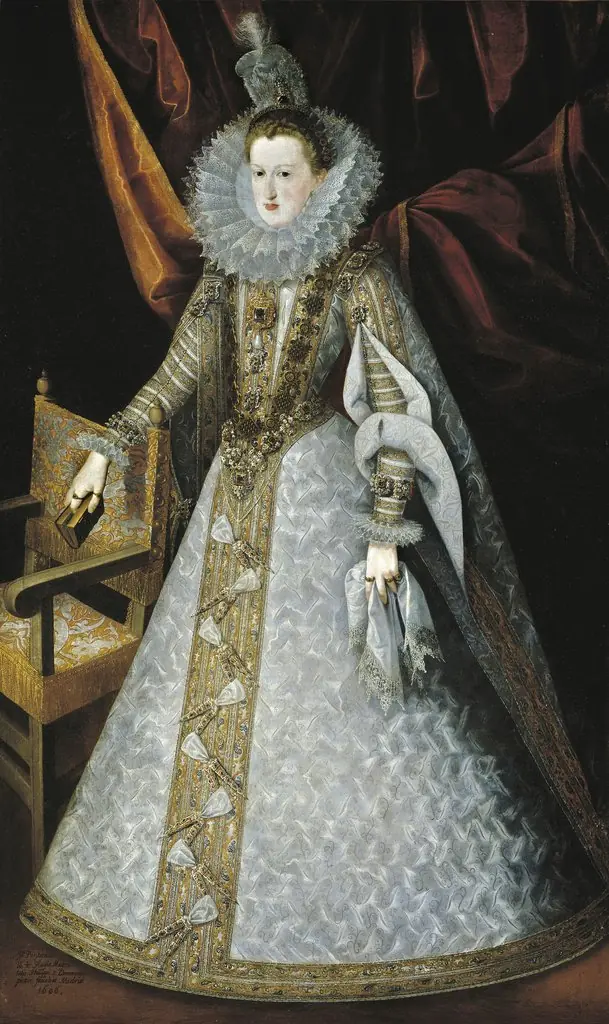
Portrait of a Spanish Noblewoman is an oil painting by the Early Baroque Italian artist Unknown. It dates from 1620 and is held in the collection of the National Gallery of Ireland. This oil painting depicts a Spanish noblewoman standing against a dark, undefined background.
About this work
Overview
This oil painting depicts a Spanish noblewoman standing against a dark, undefined background. Her attire, rich in green and gold, signals high social status, while the precise rendering of fabric and jewelry suggests attention to material detail. The composition focuses on her poised posture and the interplay of light and shadow, emphasizing volume and presence without decorative distraction.
Subject & Meaning
The elaborate lace collar and slashed sleeves reflect contemporary aristocratic fashion, while the jewels on her fingers denote wealth and lineage.
The woman’s stillness and restrained gesture—hand resting on the chest, the other holding a folded cloth—convey dignity and composure. The elaborate lace collar and slashed sleeves reflect contemporary aristocratic fashion, while the jewels on her fingers denote wealth and lineage. The portrait does not seek to express emotion but to affirm identity, status, and refinement through controlled elegance.
Technique & Style
The artist employs chiaroscuro to model the face and hands with subtle gradations of light and shadow, creating a sense of three-dimensionality. The textures of lace, silk, and metal are rendered with precision, using fine brushwork to capture the sheen of jewels and the crispness of the ruffled collar. The dark background isolates the figure, heightening the focus on her form and attire.
History & Provenance
The painting’s origins are tied to early modern Spanish court culture, likely created in the late 16th or early 17th century. Though the artist’s identity remains unconfirmed, the style aligns with portraiture produced for noble families in Castile or the Habsburg court. Its survival suggests it was preserved within a family collection, possibly passed down through generations.
Context
During this period, Spanish nobility used portraiture to project authority and piety, often avoiding overt expression in favor of solemnity. The emphasis on fabric, jewelry, and posture reflected sumptuary laws and social codes that regulated appearance. This portrait fits within a tradition where clothing functioned as a visual language of rank and restraint.
Legacy
The painting contributes to the understanding of Spanish portraiture’s quiet intensity, distinguishing it from the more theatrical styles of other European courts. Its technical precision and psychological reserve influenced later generations of painters who sought to capture aristocratic presence through subtlety rather than grandeur.
Artist & collection

 Domestic Scene
 Giacomo and Cardinal Marco, investing Andrea, Abbot of San Zeno, with his Benefice
 The Nymph of Fontainebleau
 Portrait of a Woman
 Madonna and Child with Saints in the Enclosed Garden
 Venus and Minerva
 Family Group of Four on Sofa
 Wall painting from Room H of the Villa of P. Fannius Synistor at Boscoreale
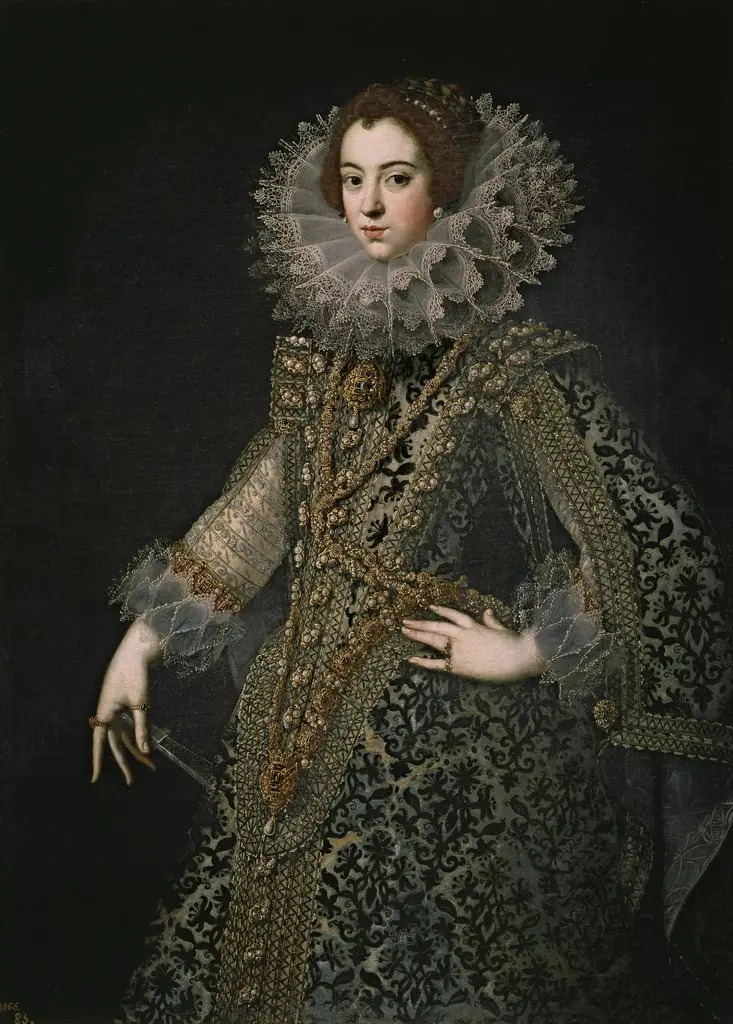 Portrait of Elisabeth of Bourbon, Queen of Spain
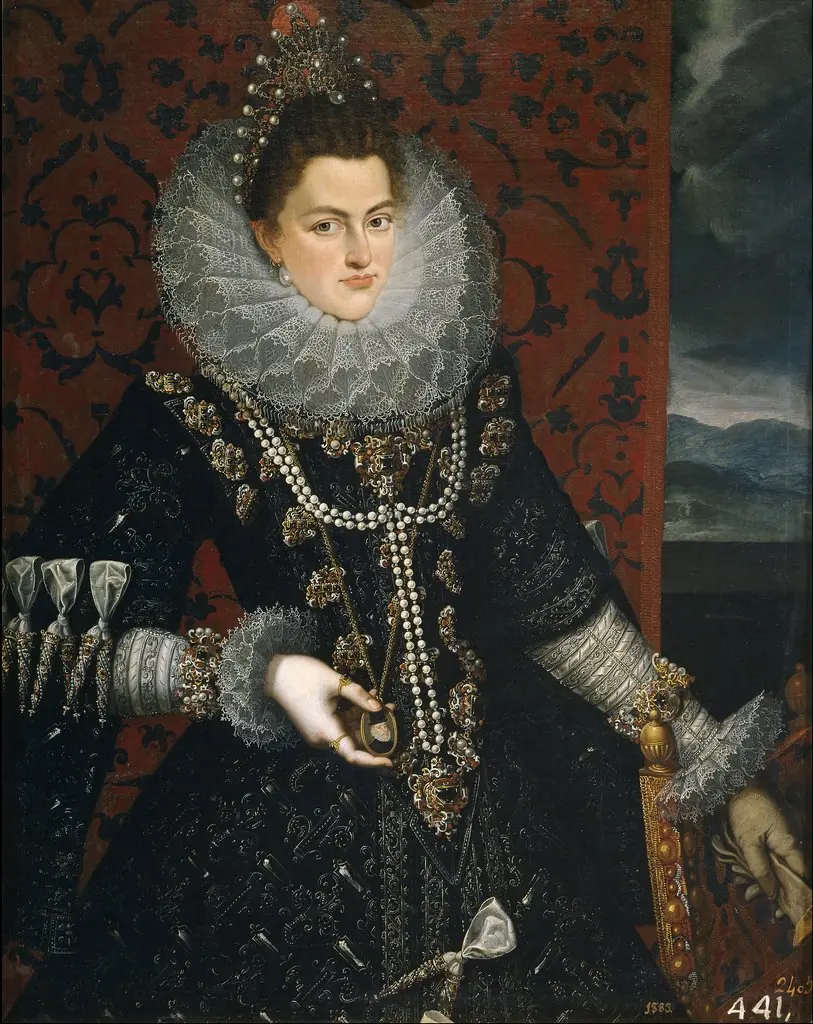 The Infanta Isabel Clara Eugenia
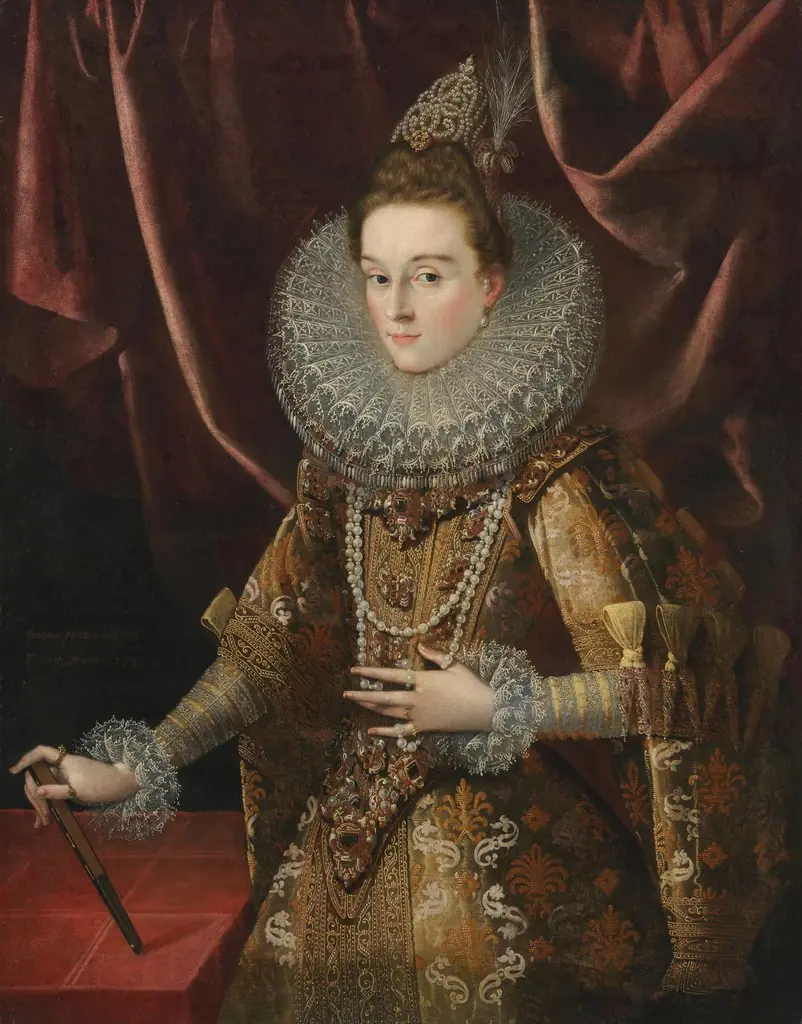 Isabella Clara Eugenia by Juan Pantoja de la Cruz
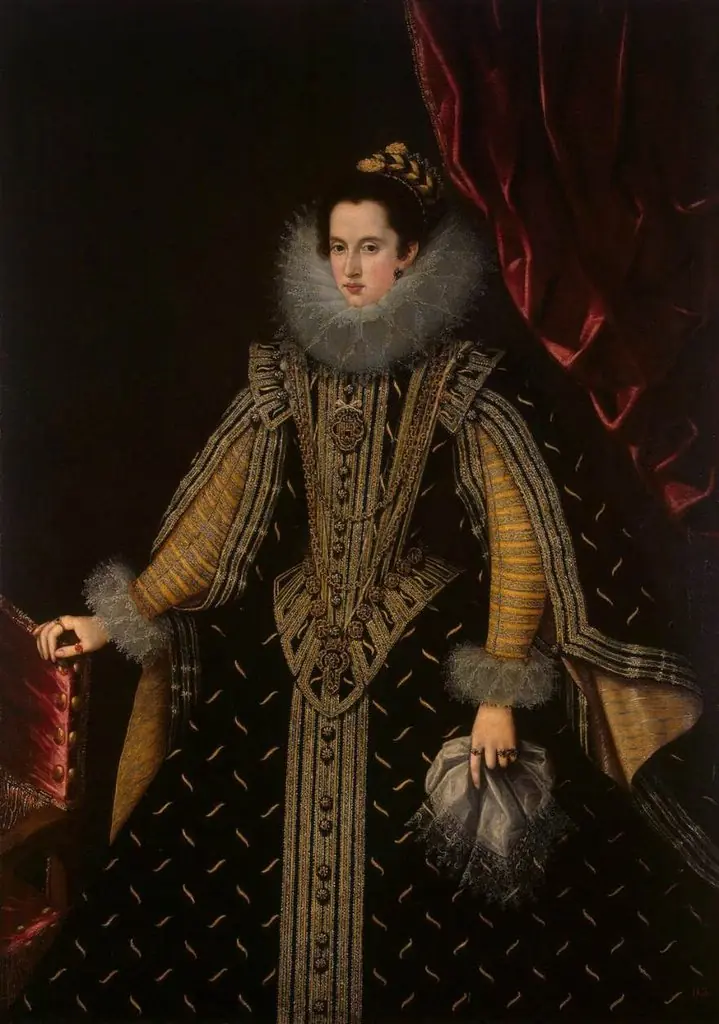 Portrait of Margarita Aldobrandini, Duchess of Parma
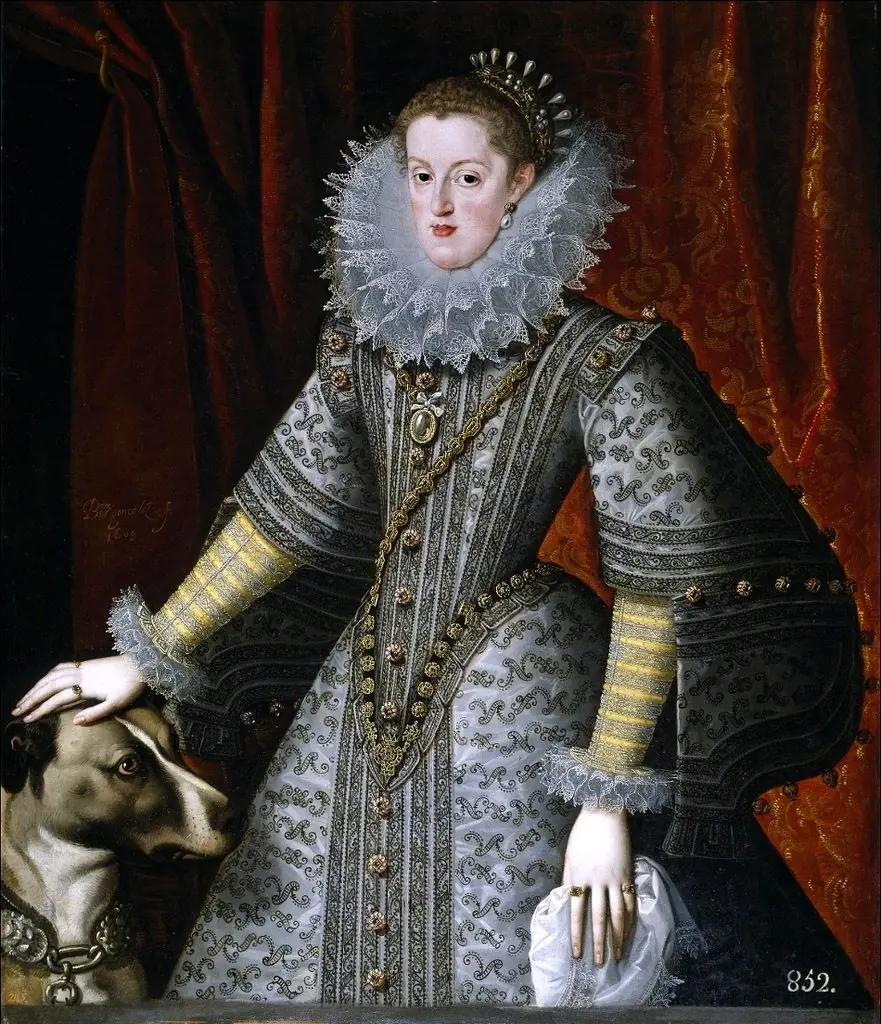 Queen Margaret of Austria
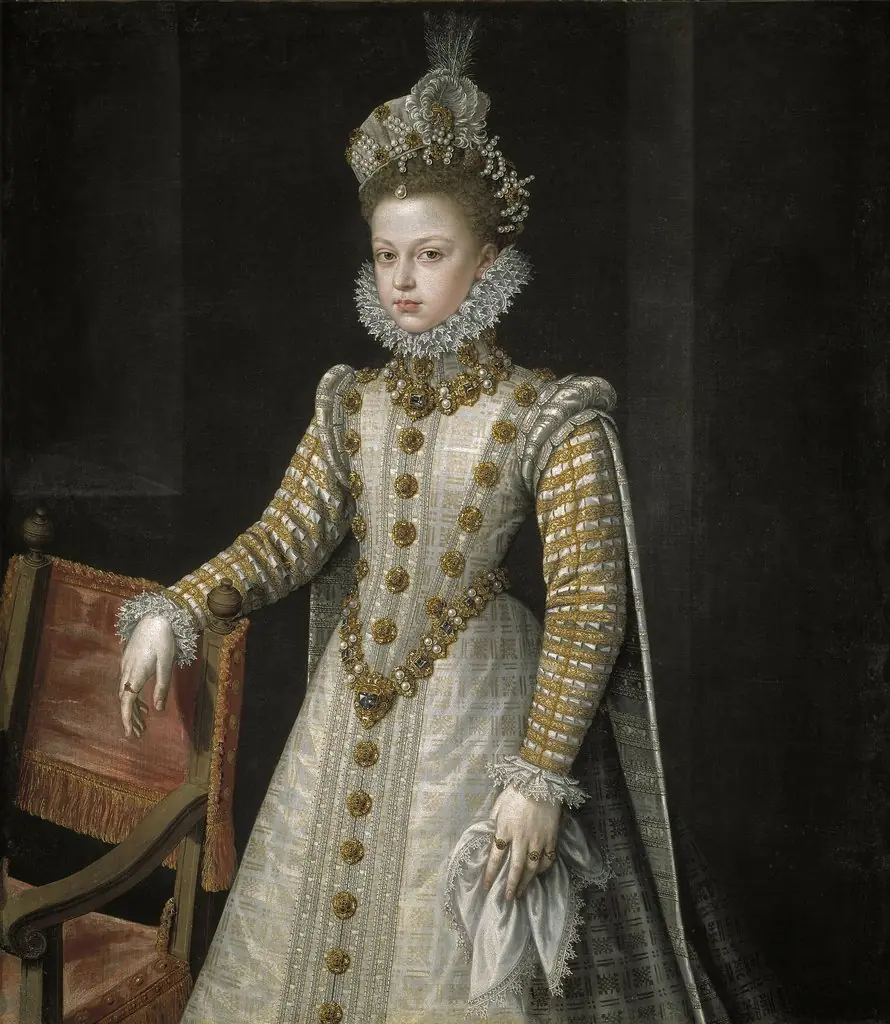 Infanta Isabel Clara Eugenia
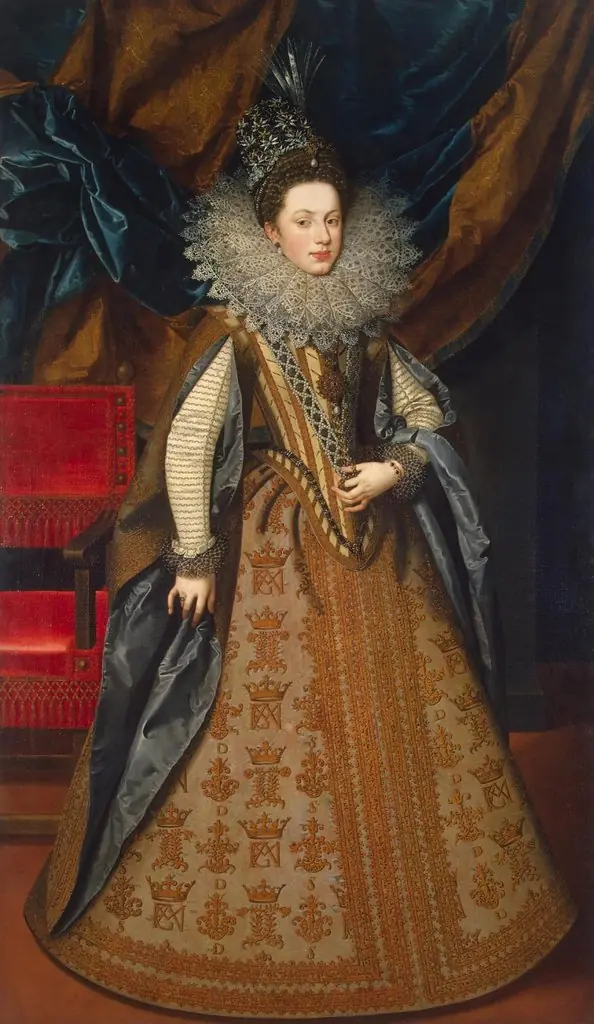 Portrait of Margaret of Savoy, Duchess of Mantua
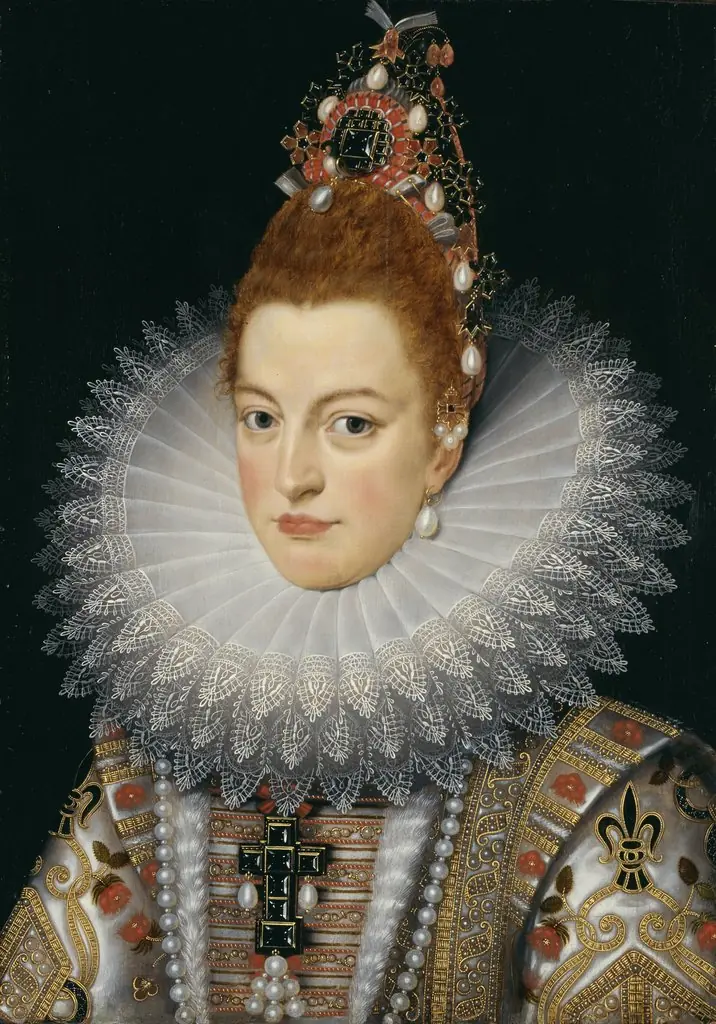 Portrait of Archduchess Isabella
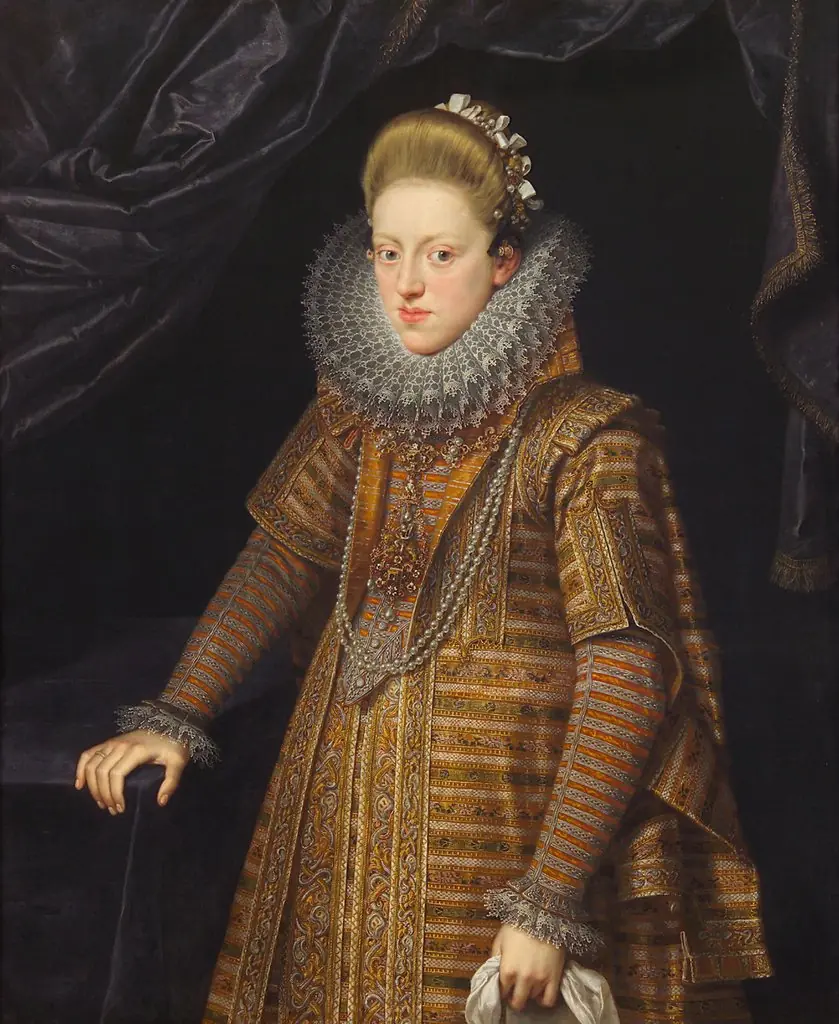 Erzherzogin Eleonore (1582-1620), Kniestück
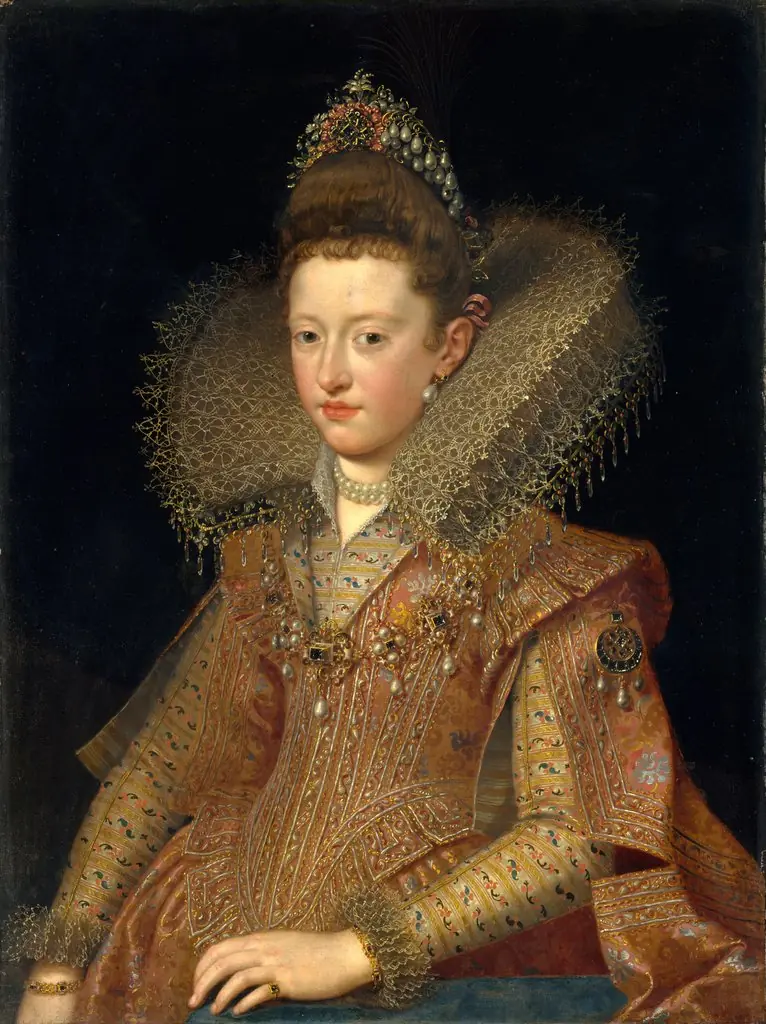 Margherita Gonzaga (1591–1632), Princess of Mantua
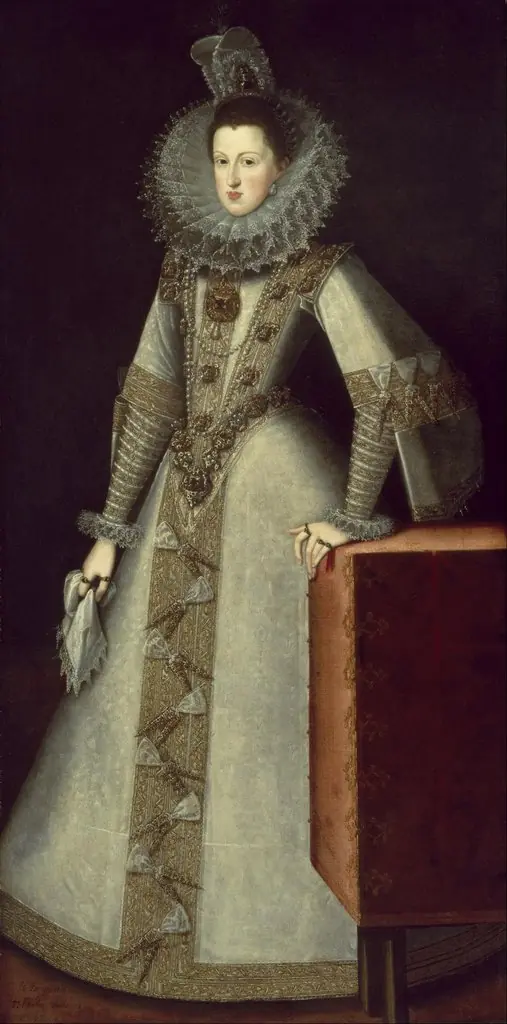 Margaret of Austria, Queen of Spain
 Margaret of Austria