Artwork
Queen Margaret of Austria
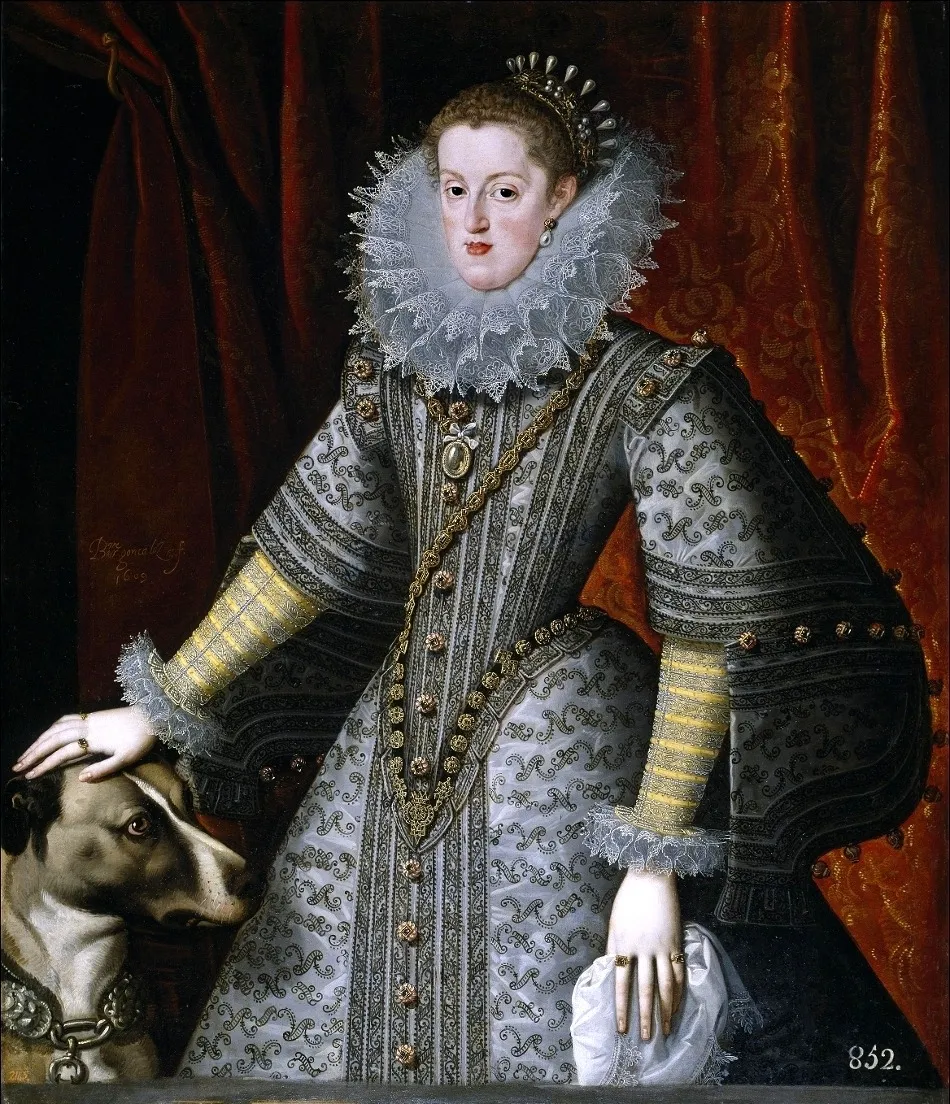
Queen Margaret of Austria is an oil painting by the Early Baroque Italian artist Bartolomé González y Serrano. It dates from 1609 and is held in the collection of the Museo del Prado.
About this work
Overview
Bartolomé González y Serrano’s 1609 oil portrait presents Margaret of Austria, queen consort of Spain, in regal attire. Executed in the early Baroque period, the work now resides in Madrid’s Museo del Prado. The composition centers the monarch against a dark red backdrop, emphasizing her status through sumptuous dress, a jeweled chain, and a gold crown.
Subject & Meaning
The painting depicts Margaret of Austria standing upright, one hand gently resting on a small, composed dog—a common symbol of fidelity. Her elaborate white ruff, dark gown trimmed in gold, and the ornate necklace convey both personal wealth and the political authority she embodied as queen.
Technique & Style
González y Serrano employs a chiaroscuro effect, allowing the deep red curtain to recede while the illuminated figure emerges with crisp detail. The fine brushwork on the embroidered fabrics and the subtle modeling of the dog’s fur illustrate the painter’s skill in rendering texture within the early Baroque aesthetic.
History & Provenance
Born in 1564, González y Serrano was a court painter whose career spanned the transition from Renaissance portraiture to Baroque sensibilities. The portrait remained in the Spanish royal collection before being transferred to the Prado, where it has been on public display since the museum’s early acquisitions.
Context
The work follows the portrait tradition established by Alonso Sánchez Coello and Juan Pantoja de la Cruz, maintaining a formal, static pose typical of court imagery. While rooted in Spanish royal iconography, the painting reflects broader Italian Baroque influences that were permeating Spanish art at the turn of the 17th century.
Artist & collection
Artist
Bartolomé González y Serrano (1564–1627) was a Spanish Baroque painter specializing in portraits that represent a continuation of Renaissance court portrait types practiced by Alonso Sánchez Coello and especially by Juan Pantoja de la Cruz.

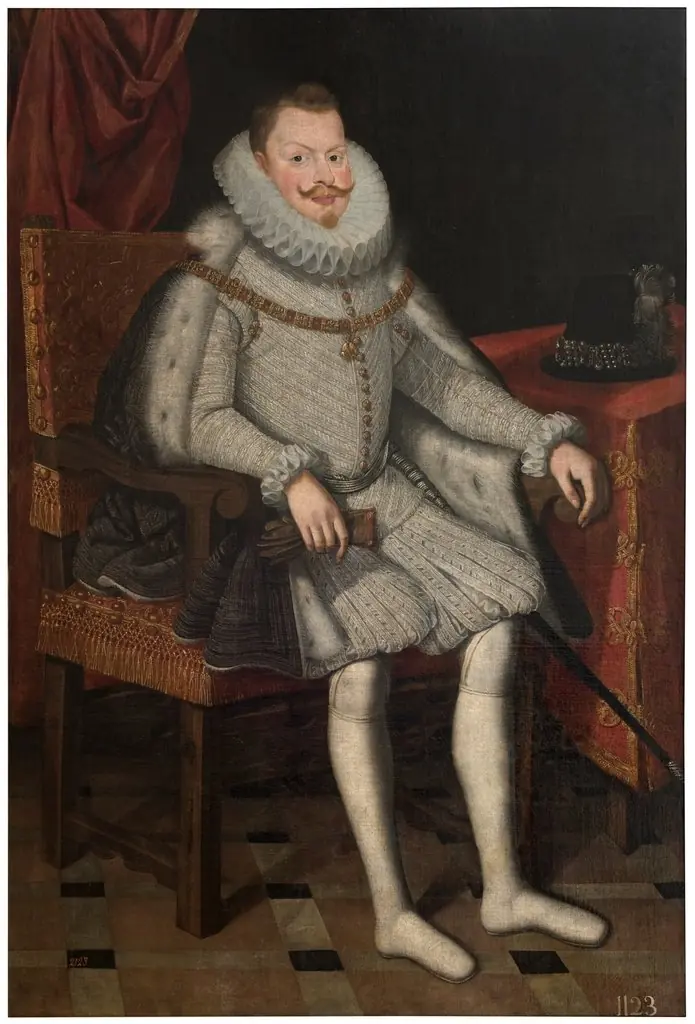 Felipe III rey de España sedente
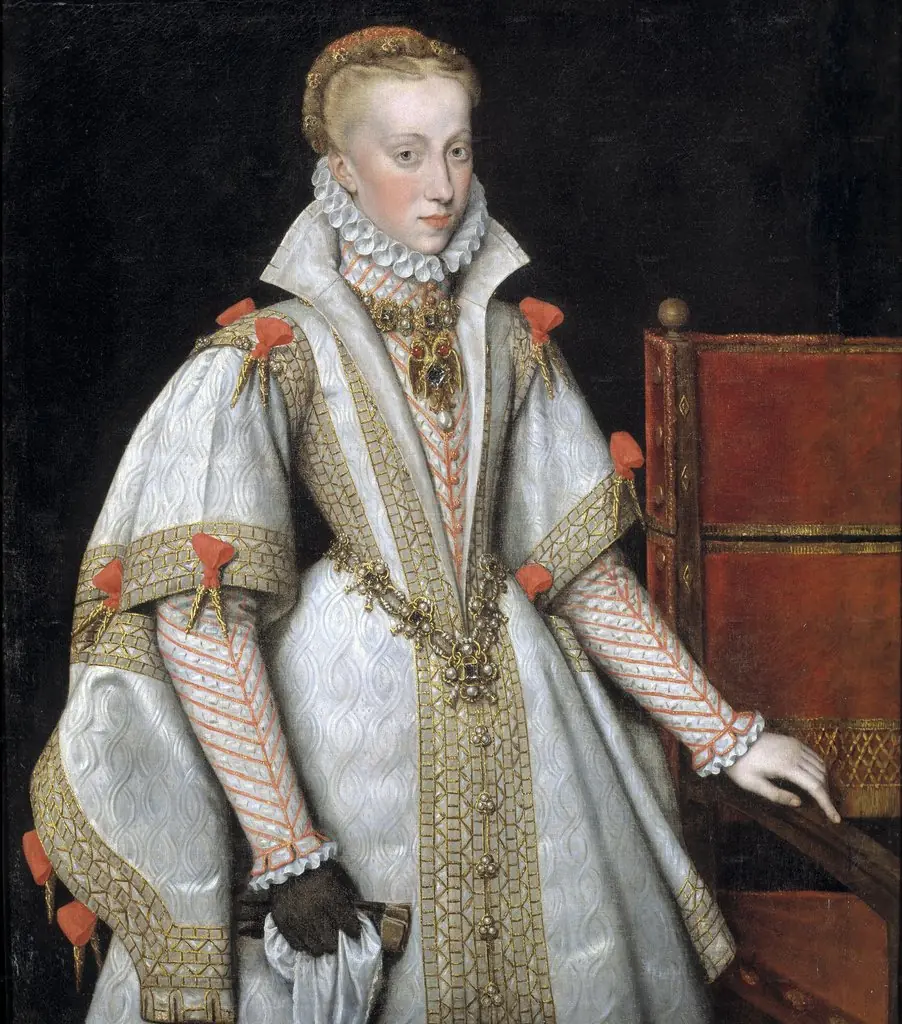 Queen Anne of Austria, fourth Wife of Philip II
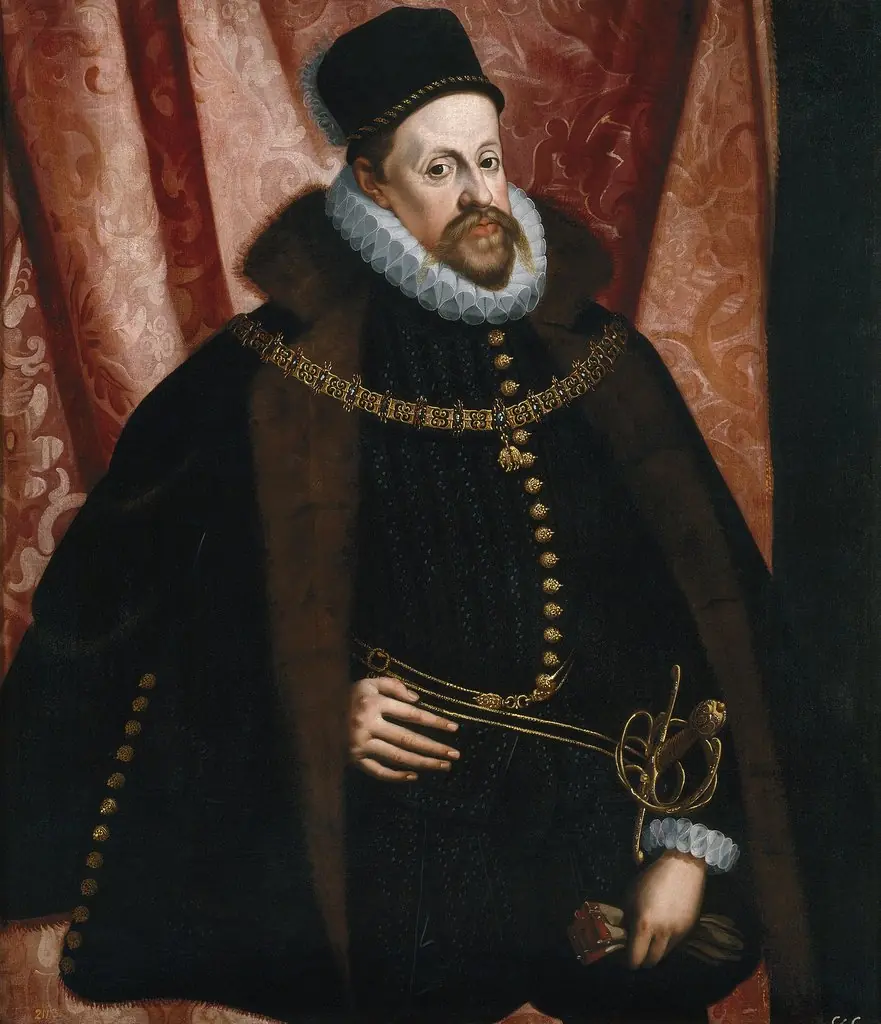 El archiduque Carlos de Austria, duque de Stiria
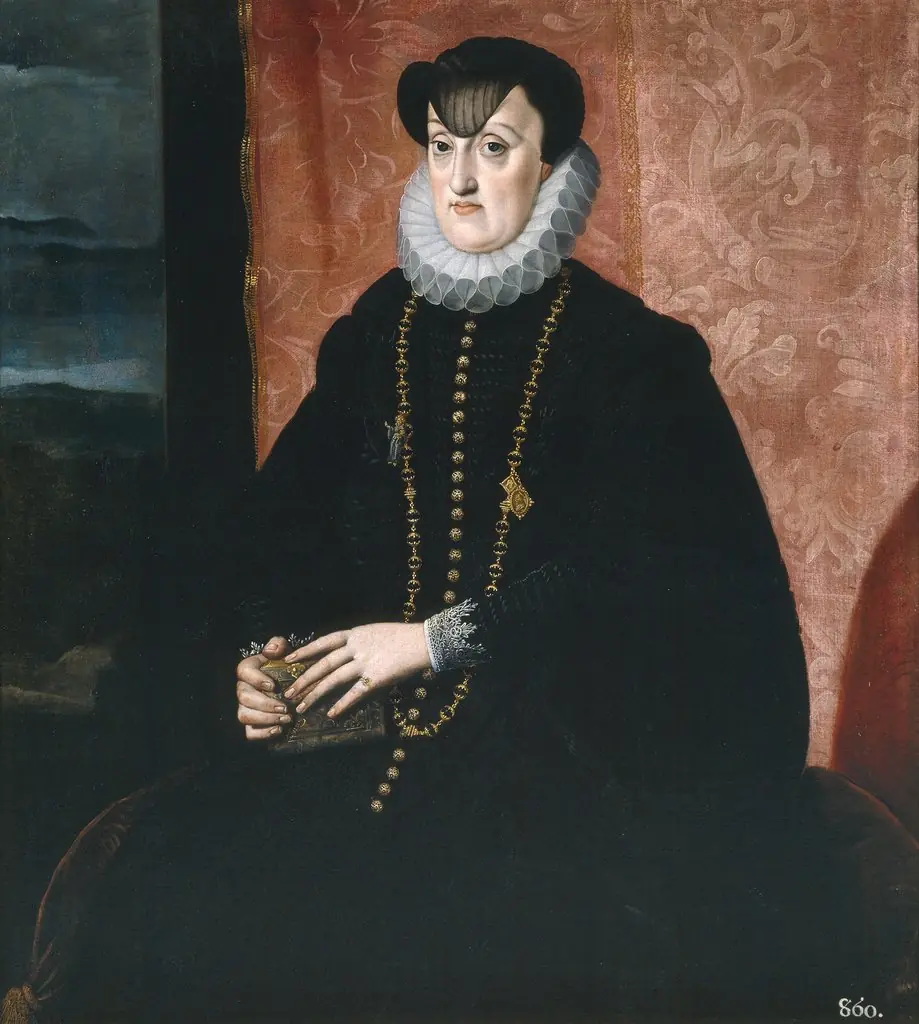 La archiduquesa María de Baviera duquesa de Stiria
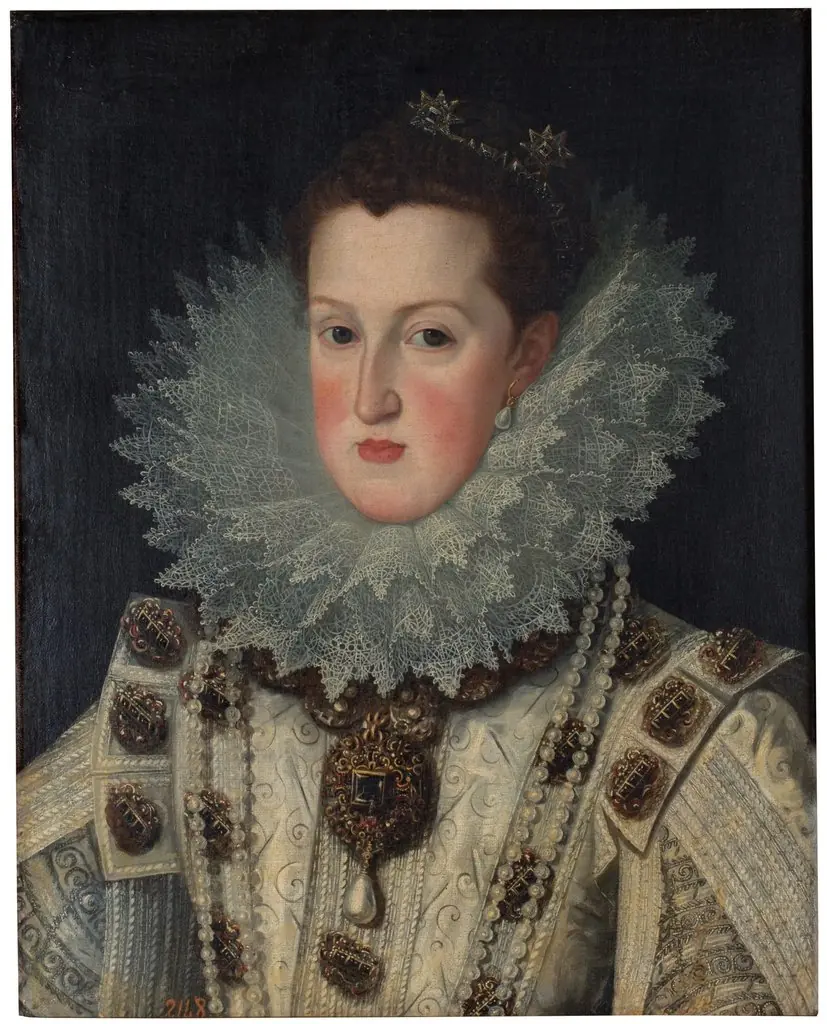 Margarita de Austria, reina de España
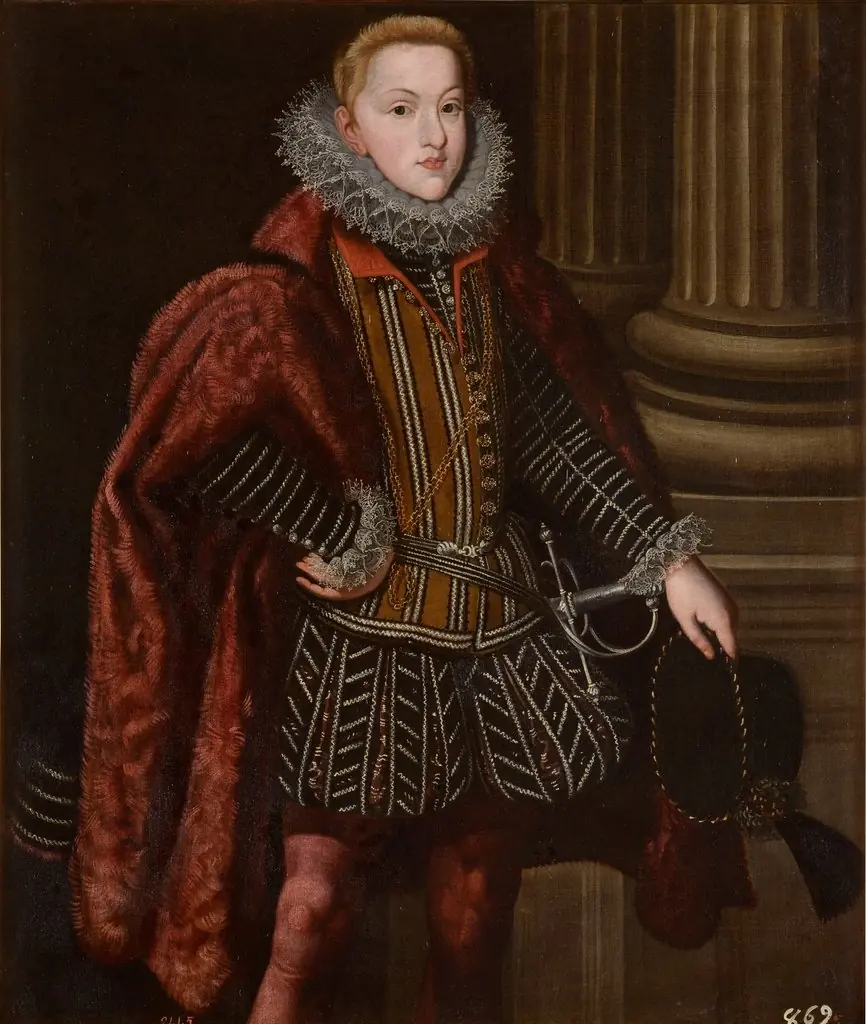 El archiduque Leopoldo cuñado de Felipe III
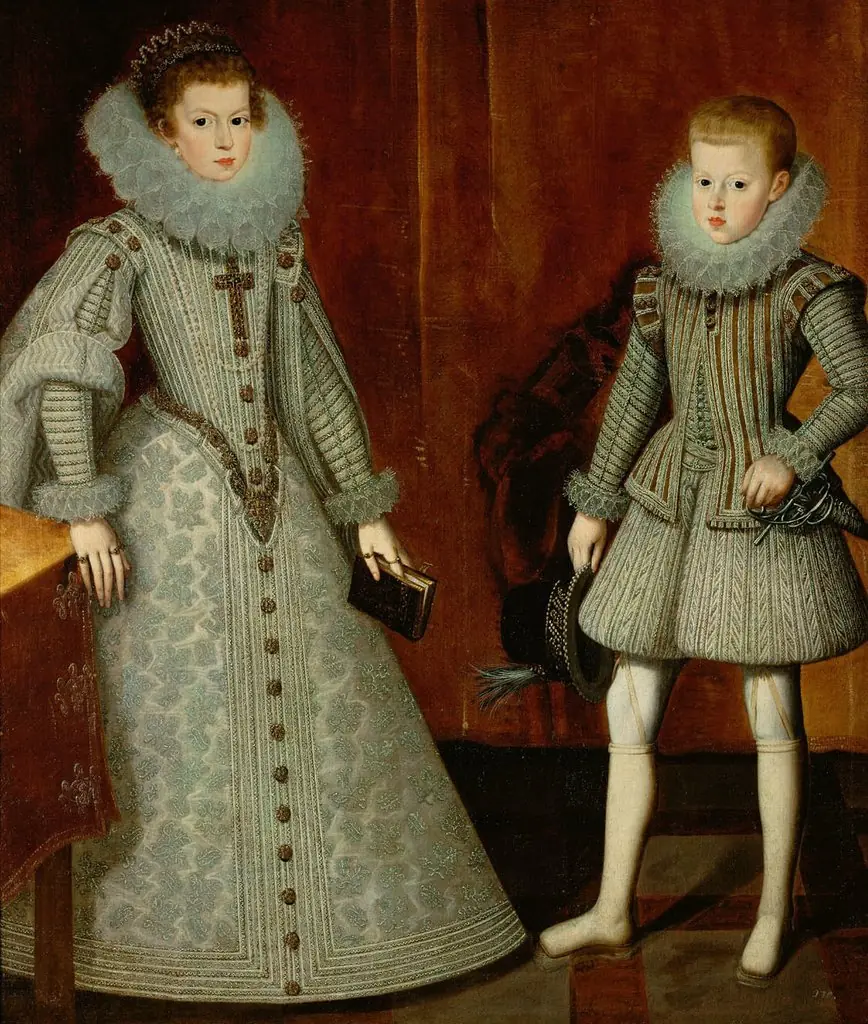 König Philipp IV. von Spanien (1605-1665) mit seiner Schwester, der Infantin Anna (1601-1666), Bildnis in ganzer Figur
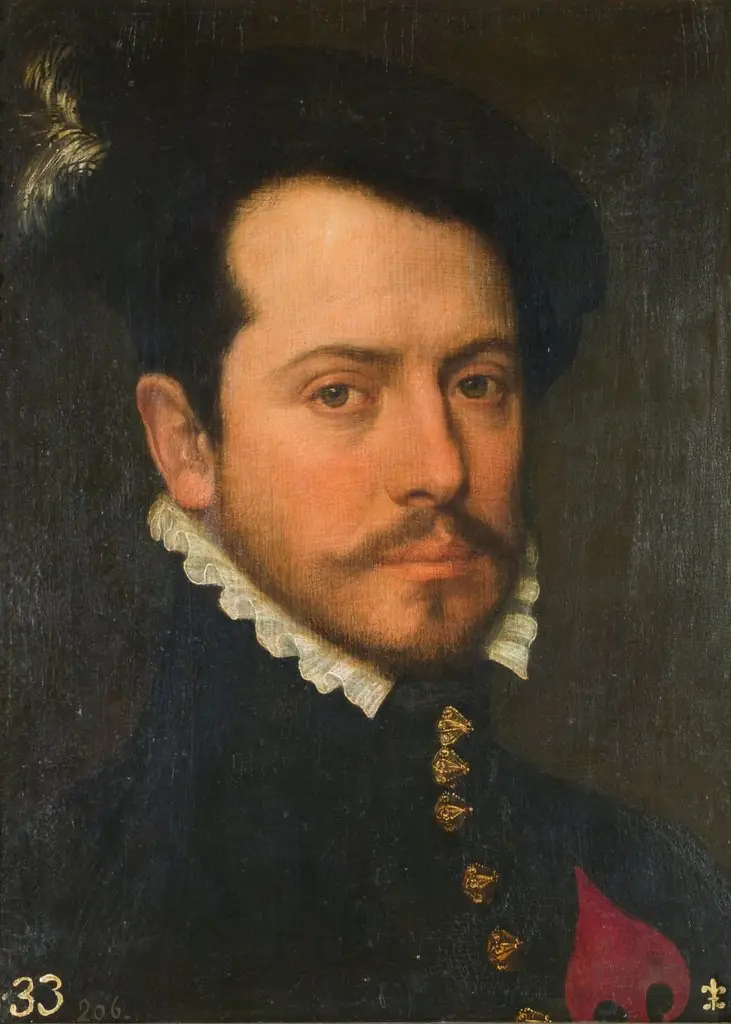 Portrait of a Knight of the Order of Santiago
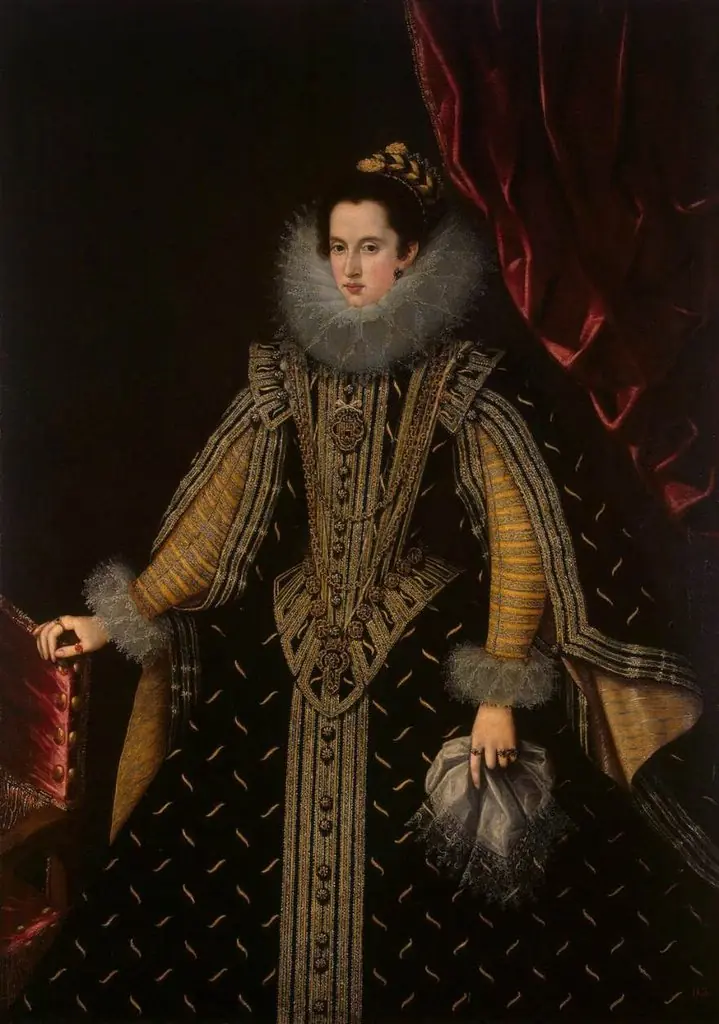 Portrait of Margarita Aldobrandini, Duchess of Parma
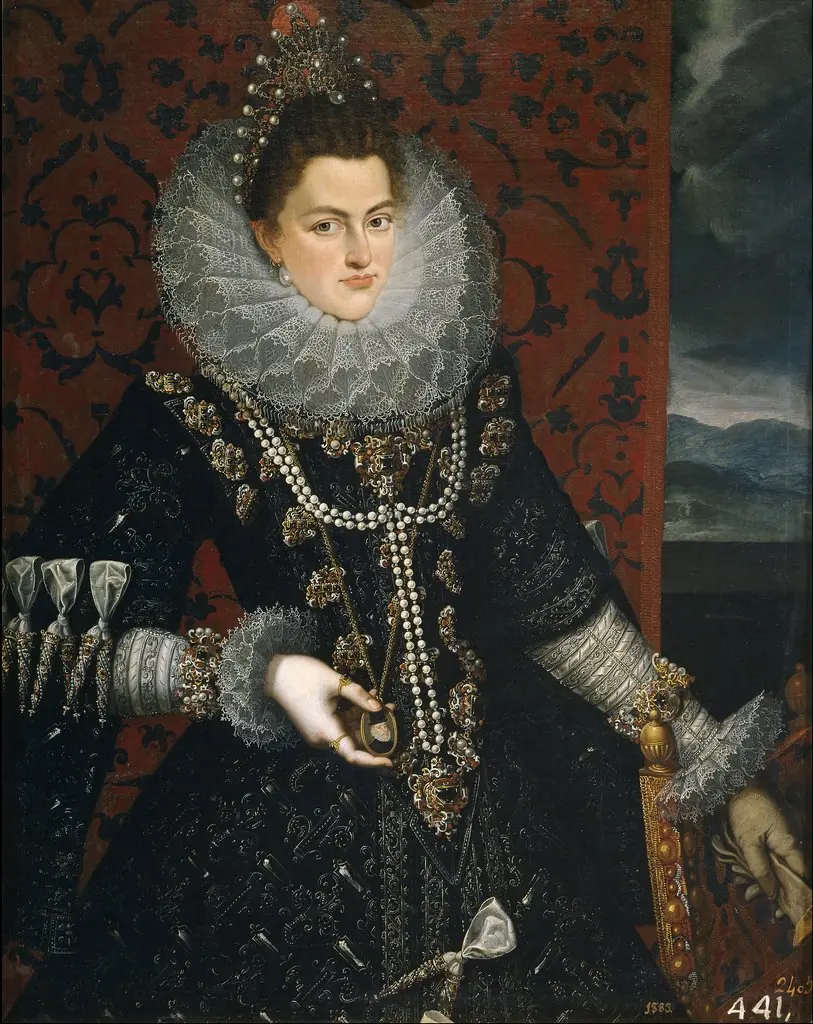 The Infanta Isabel Clara Eugenia
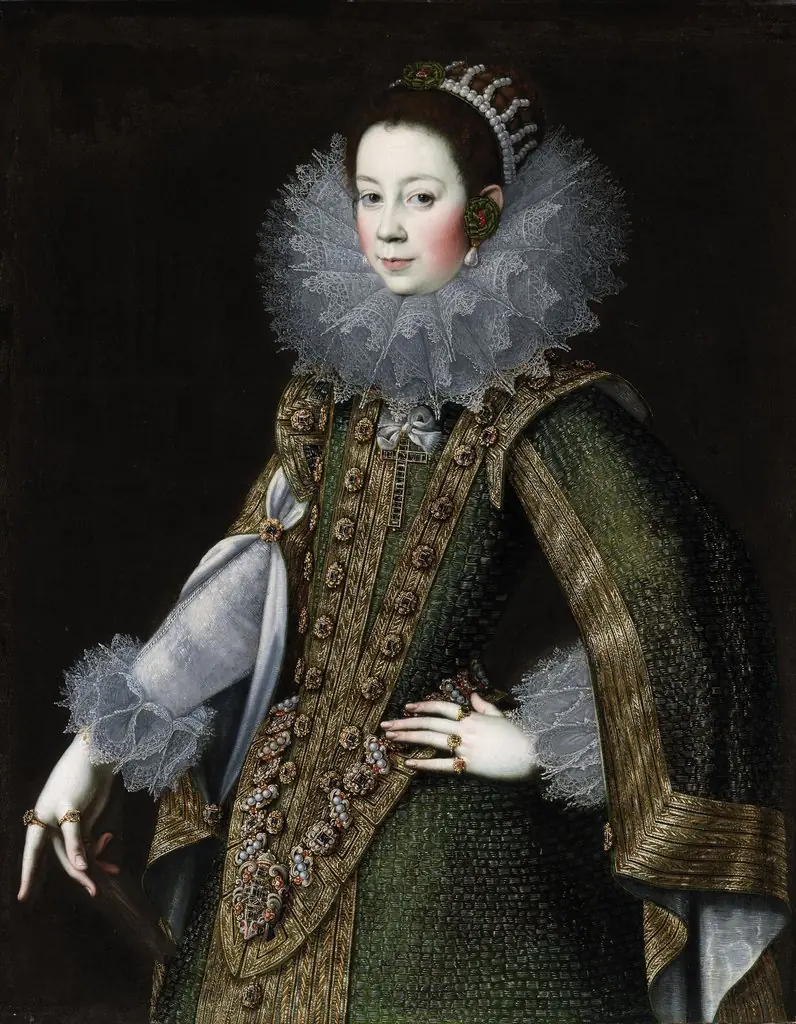 Portrait of a Spanish Noblewoman
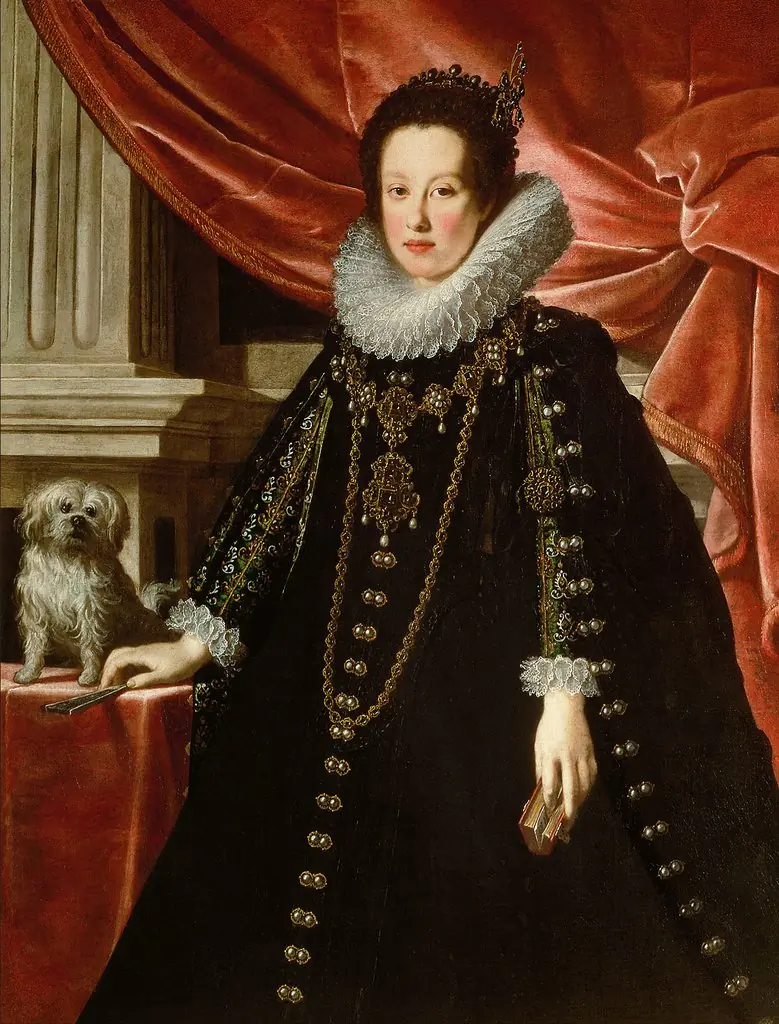 Portrait of Anna de' Medici (1616-1676), Archduchess with her Lapdog
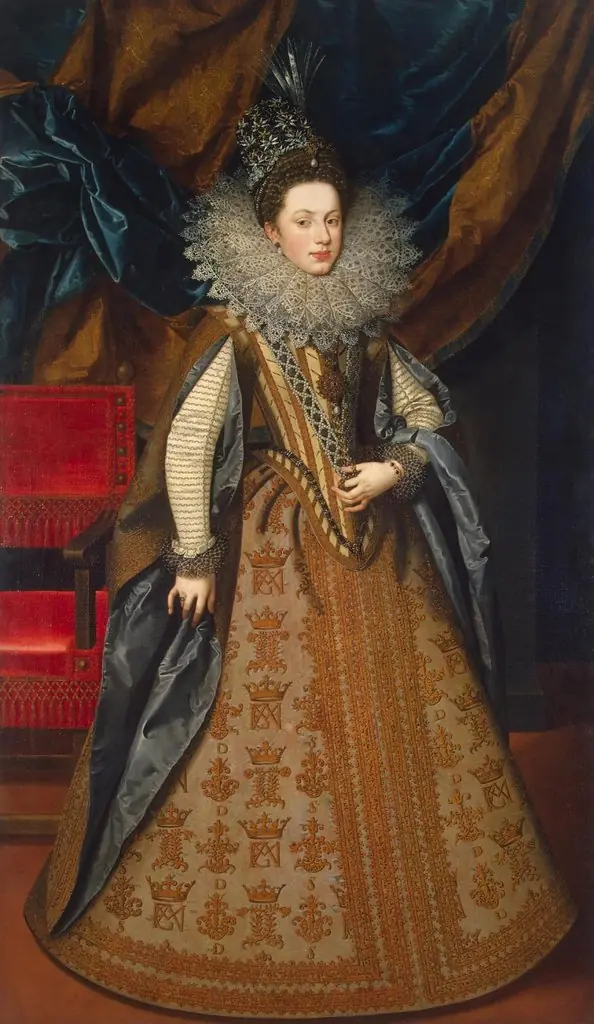 Portrait of Margaret of Savoy, Duchess of Mantua
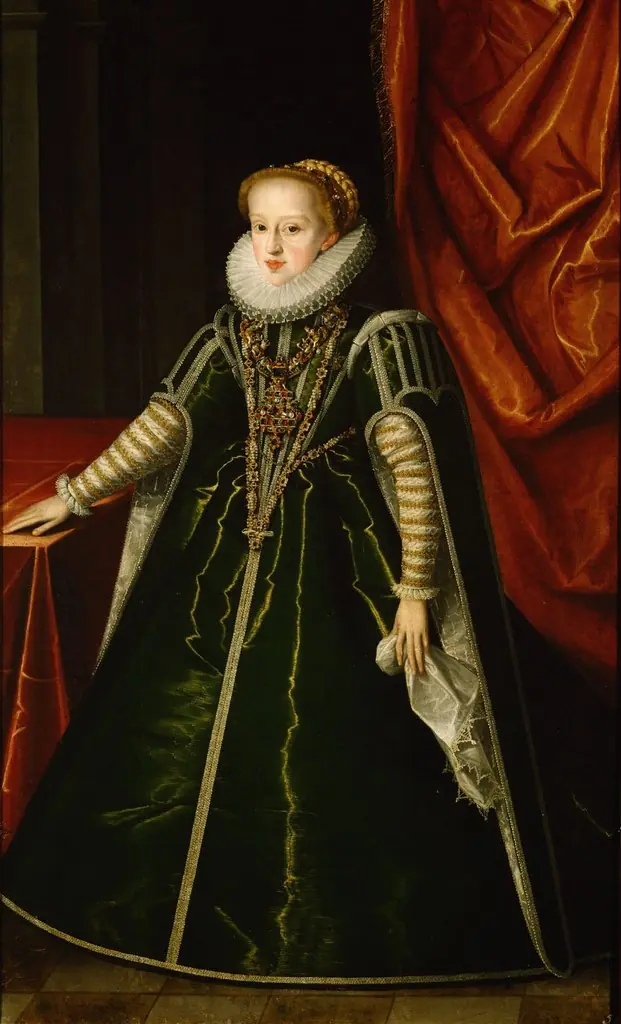 Erzherzogin Gregoria Maximiliane (1581-1597), Tochter von Karl II. von Innerösterreich, im Alter von 11 bis 12 Jahren in ganzer Figur
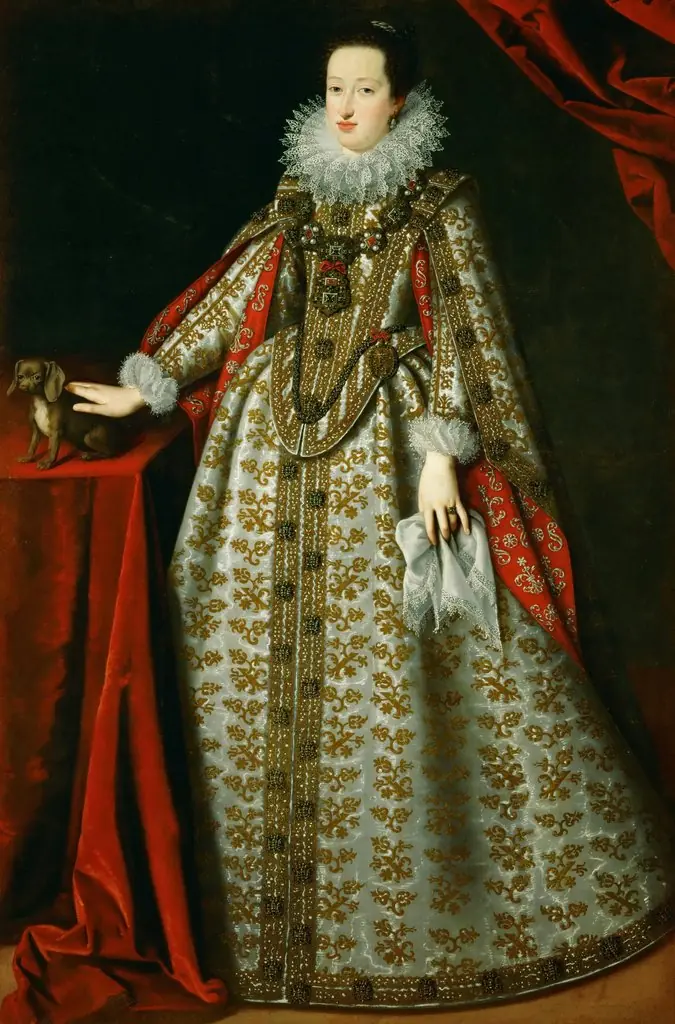 Portrait of Eleonore von Gonzaga (1598-1655), wife of Ferdinand II