Artwork
Madonna with the Christ Child Writing
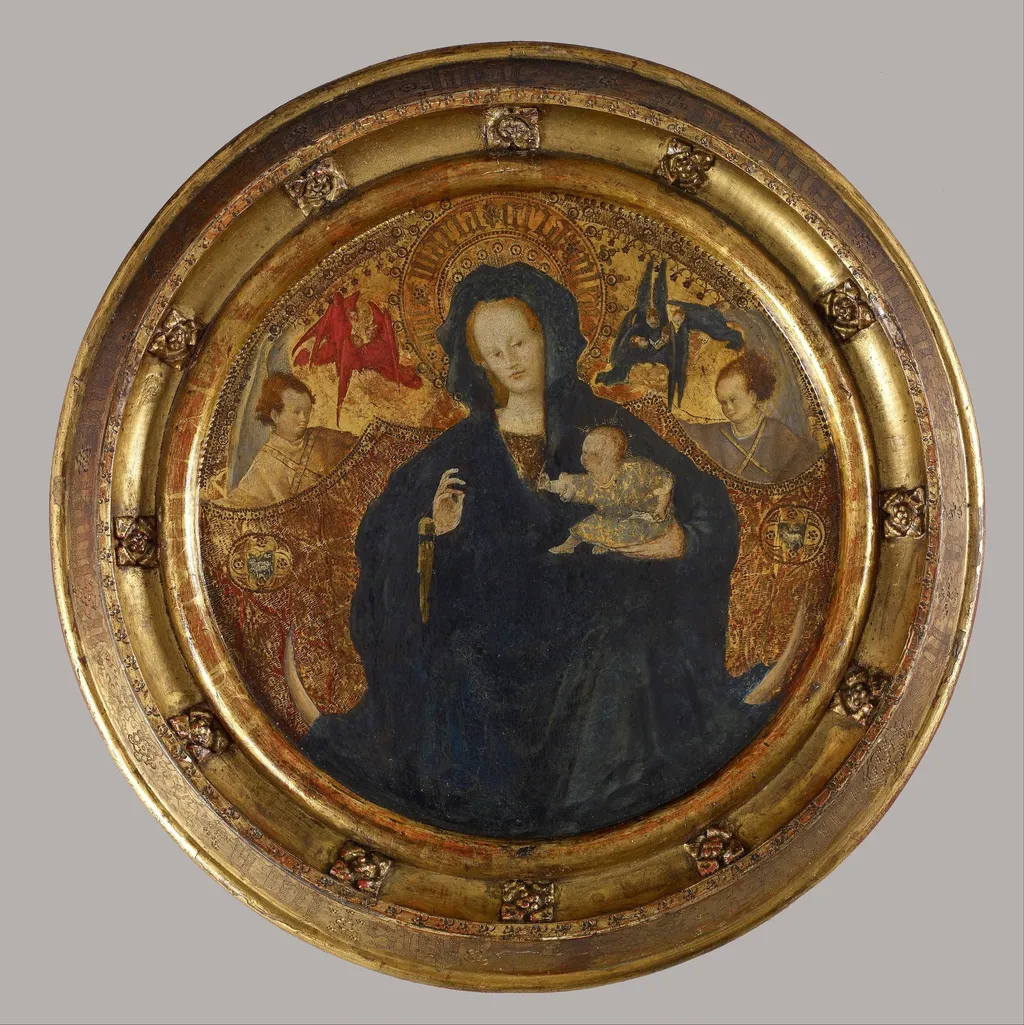
Madonna with the Christ Child Writing is an unspecified painting by the Early Renaissance artist Unknown. It dates from 1410 and is held in the collection of the Walters Art Museum. This panel painting portrays the Virgin Mary seated with the infant Jesus, who is depicted in the act of writing.
About this work
Overview
The use of gold suggests a sacred, otherworldly setting, while the figures’ stillness contrasts with the subtle motion of the child’s hand.
This panel painting portrays the Virgin Mary seated with the infant Jesus, who is depicted in the act of writing. The figures are centrally aligned within a gold-leaf background adorned with fine decorative patterns. The composition is balanced and formal, reflecting devotional conventions of late medieval and early Renaissance Italy. The use of gold suggests a sacred, otherworldly setting, while the figures’ stillness contrasts with the subtle motion of the child’s hand.
Subject & Meaning
The scene illustrates a theological concept: the Christ Child as the Word made flesh, actively composing divine scripture even in infancy. His gesture of writing, though unusual in Marian iconography, emphasizes his role as the source of sacred knowledge. Mary’s attentive gaze reinforces her role as witness and vessel of revelation. The image merges human tenderness with divine purpose, inviting contemplation rather than narrative drama.
Technique & Style
The painting employs tempera and gold leaf on wood, typical of Italian devotional panels from the 14th to early 15th century. The figures are rendered with soft modeling, suggesting volume without full chiaroscuro. The background’s intricate tooling and flat gold surface create a luminous, non-naturalistic space. Lines are precise, forms stylized, and spatial depth is minimal—prioritizing symbolic presence over illusionistic realism.
History & Provenance
The work likely originated in a private chapel or convent, commissioned for personal devotion. Its style aligns with workshops in Tuscany or Umbria during the transition from Byzantine to Renaissance aesthetics. While its exact origin and early ownership are undocumented, similar panels were commonly produced for domestic altarpieces. It entered a public collection in the 19th century, where it was cataloged as an example of early Italian religious art.
Context
During the late Middle Ages, images of the Virgin and Child were central to Christian piety, often emphasizing Mary’s role as intercessor. The rare motif of the Christ Child writing reflects growing theological interest in his divine intellect and pre-incarnate wisdom. This image exists alongside contemporaneous works that depict the Child holding books or scrolls, signaling a shift toward humanizing sacred figures while preserving their symbolic authority.
Legacy
Though not widely known today, the painting exemplifies a transitional phase in Italian religious art, bridging medieval symbolism and early Renaissance naturalism. Its quiet dignity and symbolic gesture influenced later depictions of the Holy Family in scholarly contexts. It remains a testament to how devotional imagery evolved to reflect theological nuance, even within rigid formal conventions.
Artist & collection

 Domestic Scene
 Giacomo and Cardinal Marco, investing Andrea, Abbot of San Zeno, with his Benefice
 The Nymph of Fontainebleau
 Portrait of a Woman
 Madonna and Child with Saints in the Enclosed Garden
 Venus and Minerva
 Family Group of Four on Sofa
 Wall painting from Room H of the Villa of P. Fannius Synistor at Boscoreale
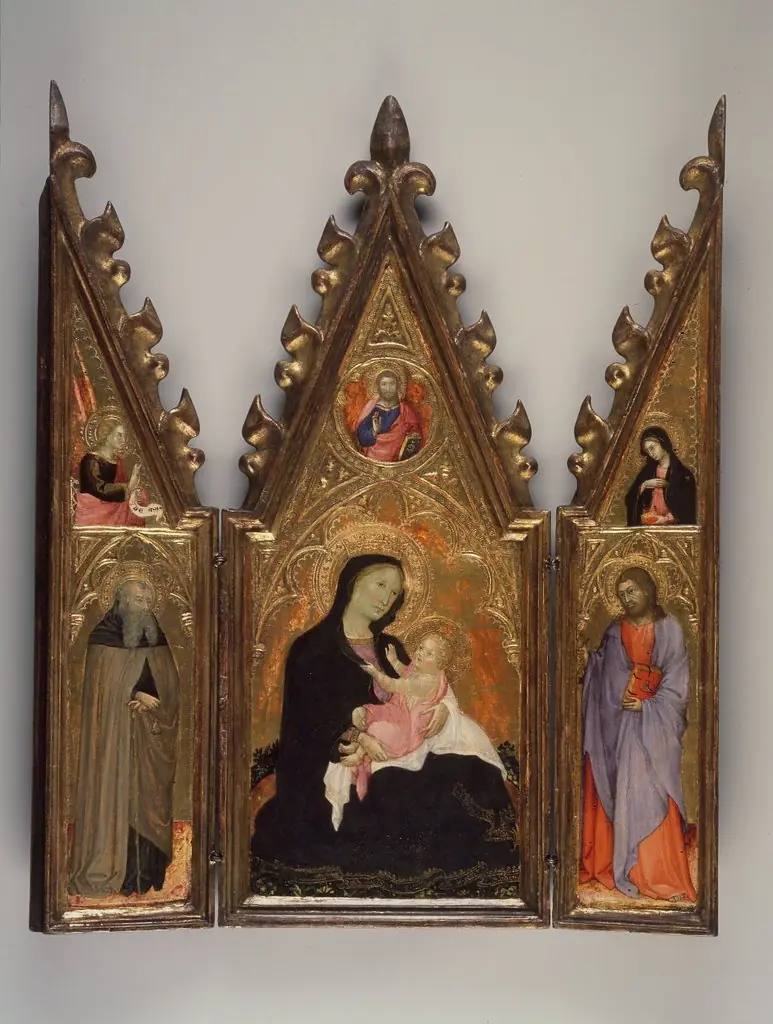 Madonna of Humility, portable altarpiece
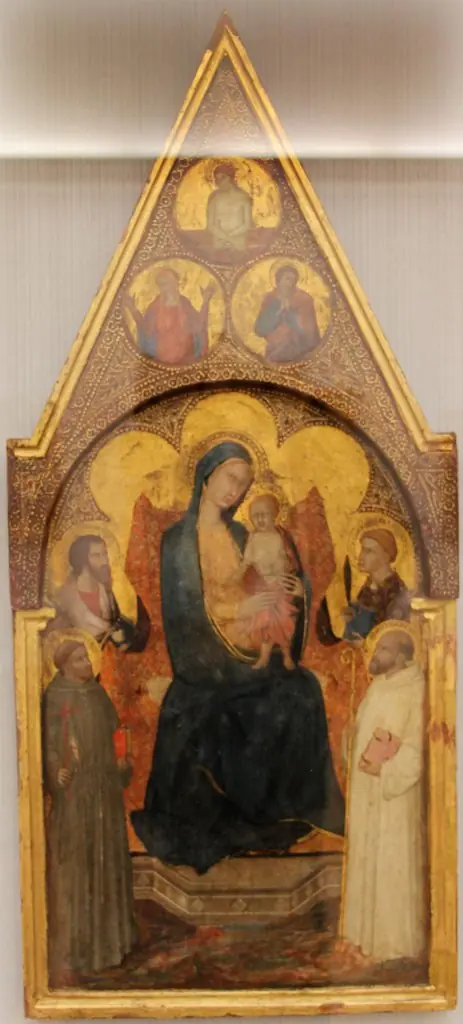 Thronende Maria mit dem Kind und vier Heiligen
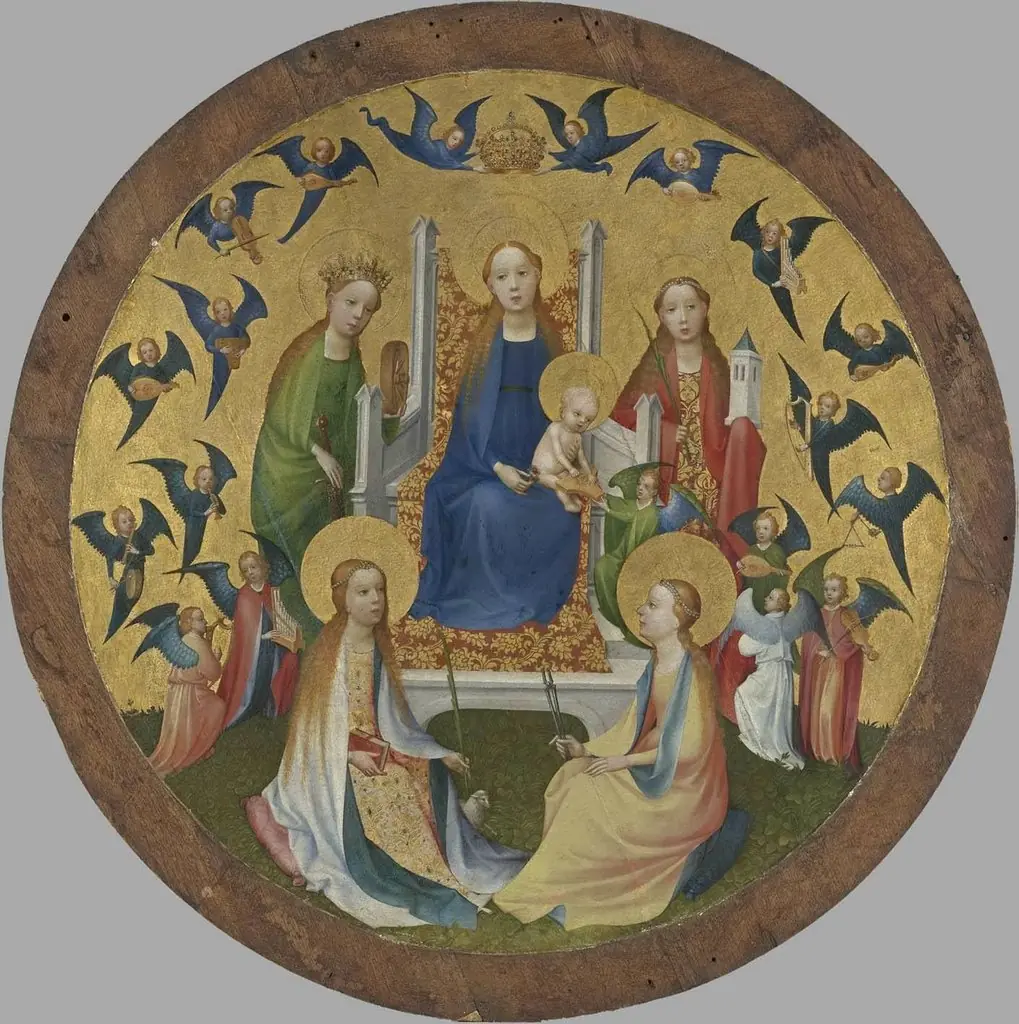 Madonna enthroned
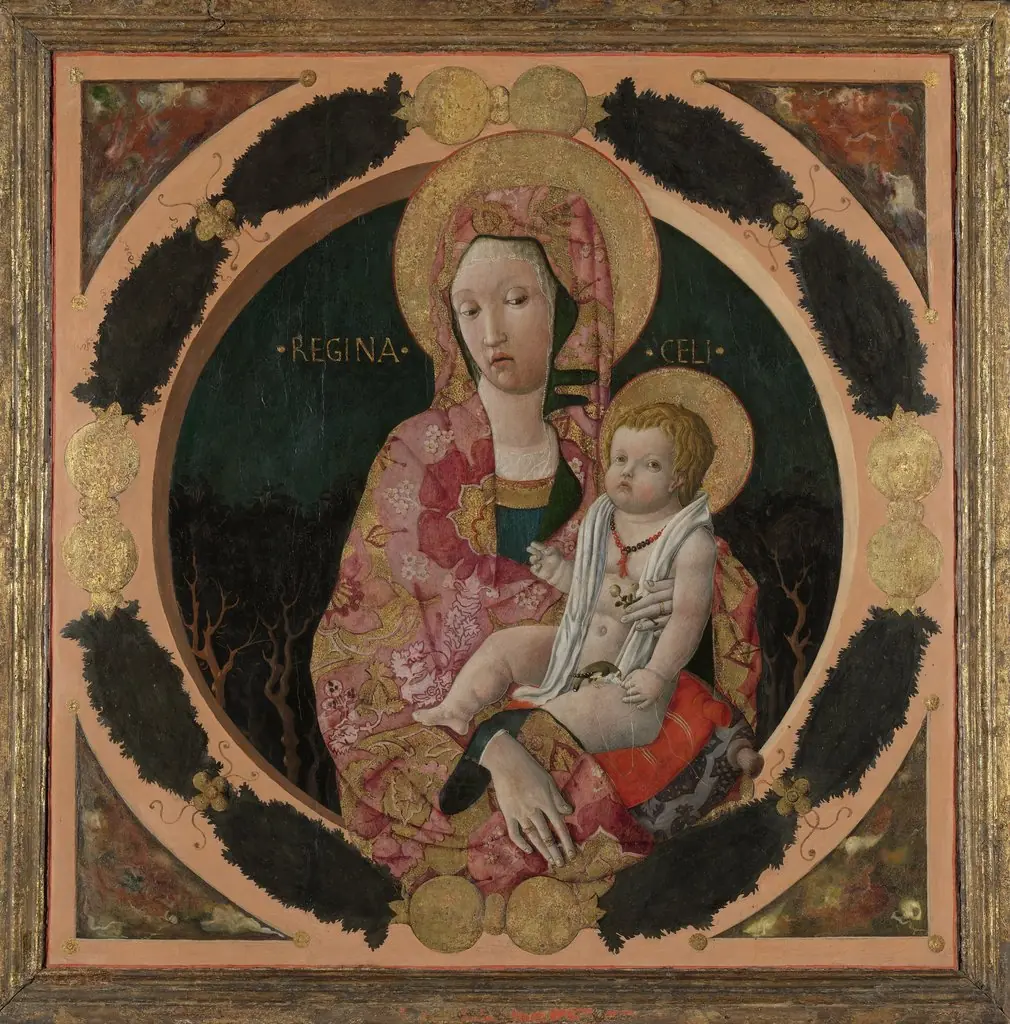 Virgin and Child
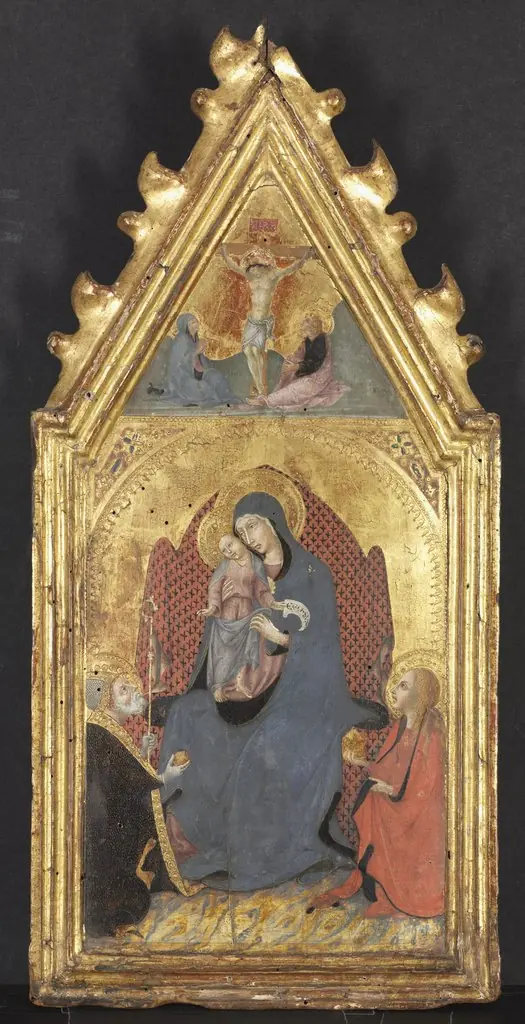 Virgin and Child Adored by Saints Mary Magdalene and Nicolas of Bari; Christ Crucified with the Virgin and Saint John the Evangelist
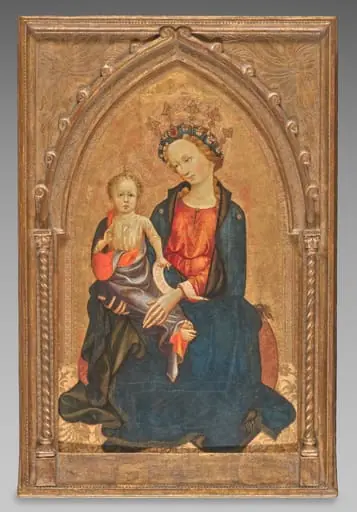 Madonna and Child
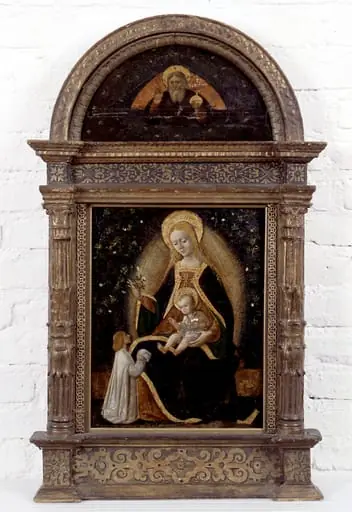 Neitsyt Maria, Jeesus-lapsi ja lahjoittaja
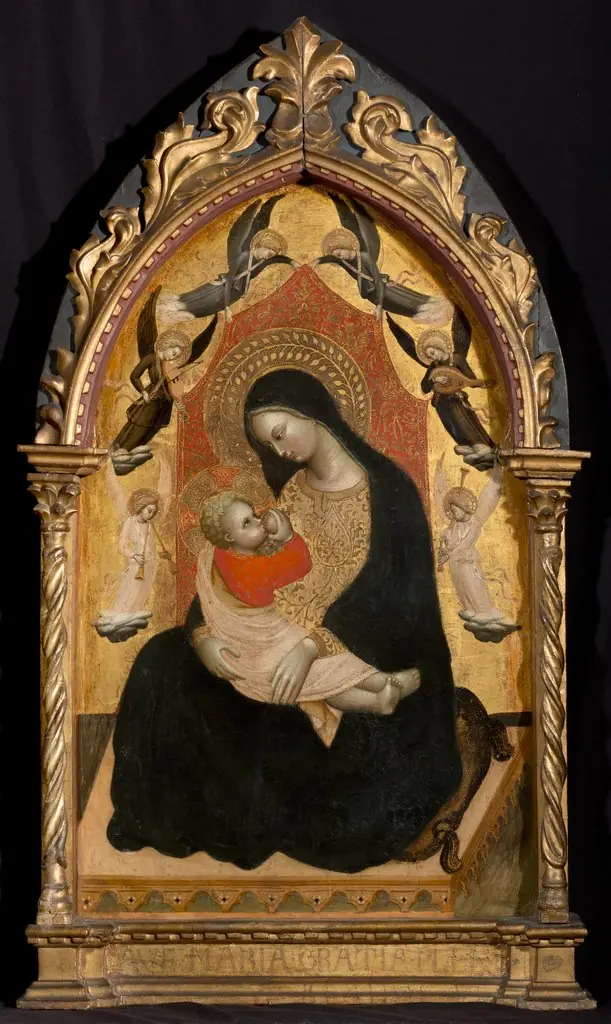 Virgin and Child with Music-Making Angels
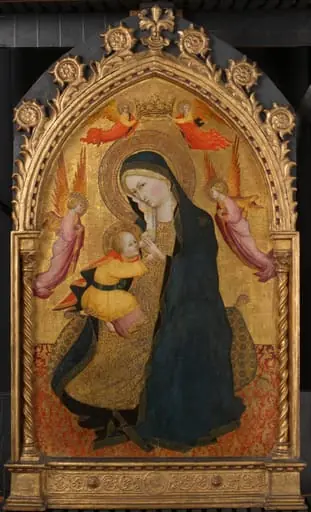 Madonna of Humility
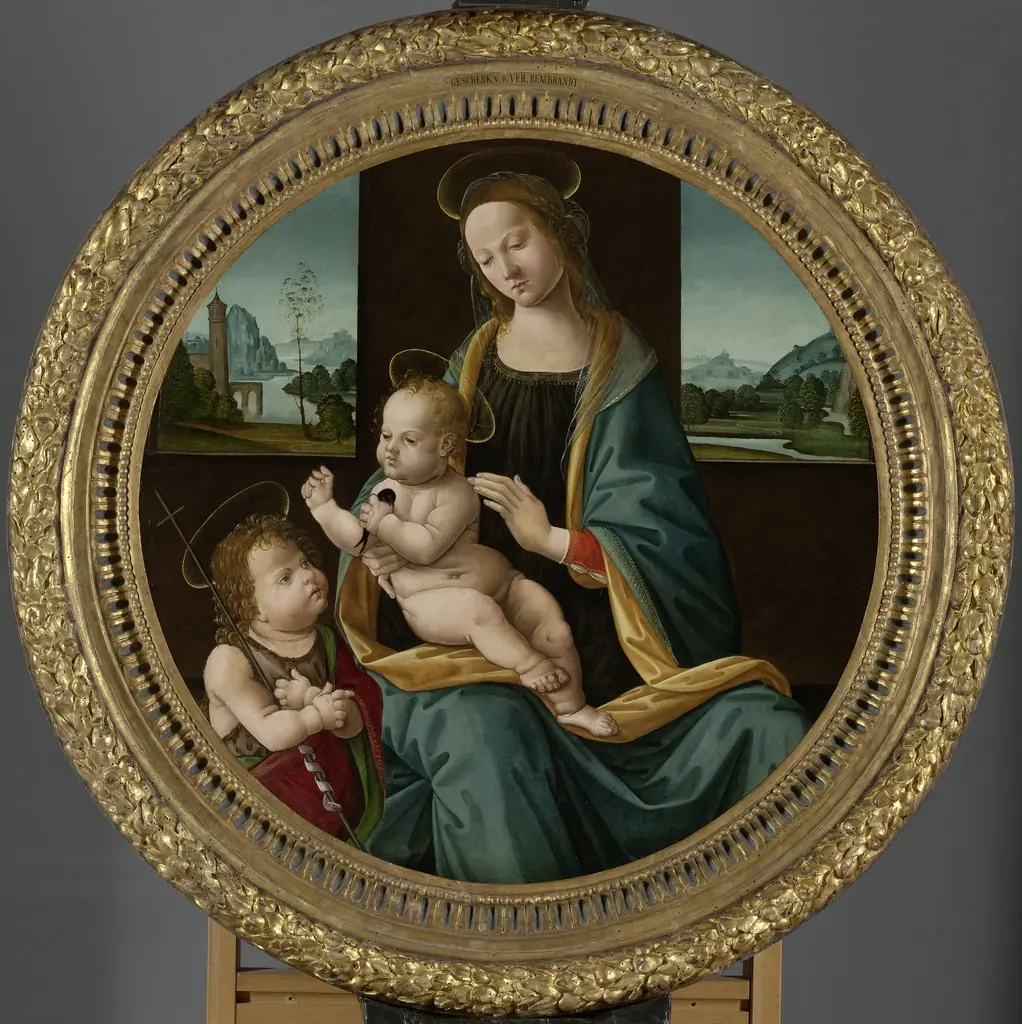 Virgin and Child with the Infant Saint John the Baptist
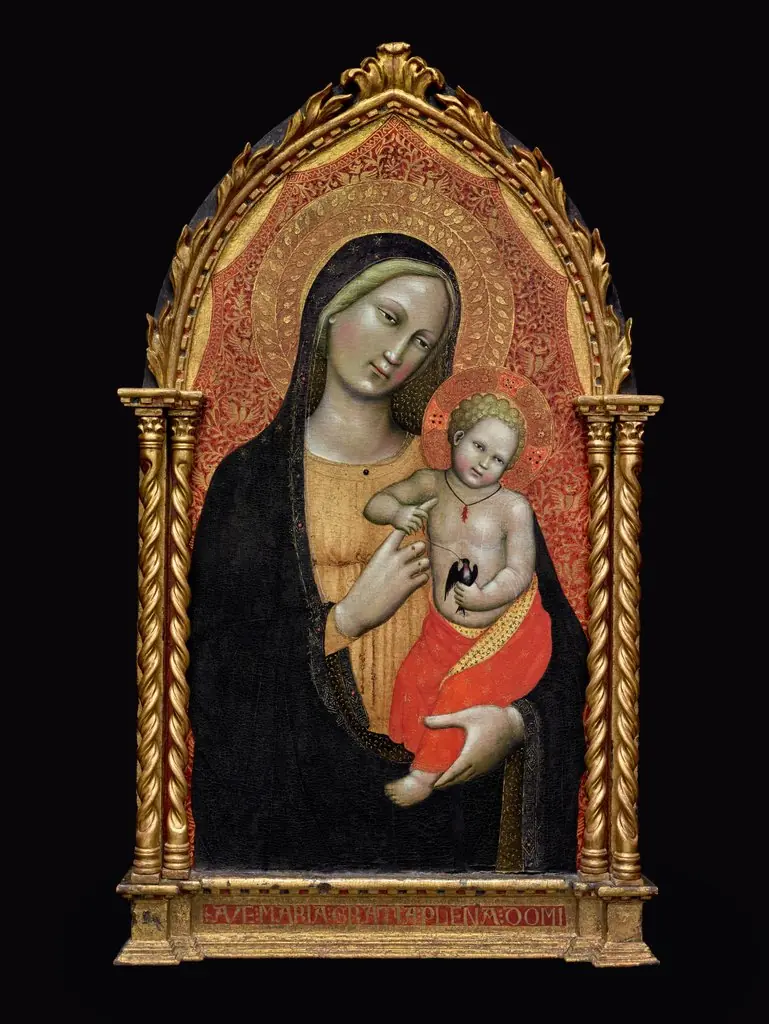 Virgin and Child
![Madonna and Child, with the Blessing Christ [middle panel], by Pietro Lorenzetti](https://artifactworldgallery.com/img/pietro-lorenzetti--madonna-and-child-with-the-blessing-christ-middle-panel--02357aa6ff04175b-w320.webp) Madonna and Child, with the Blessing Christ [middle panel]
Madonna and Child, with the Blessing Christ [middle panel]