Artwork
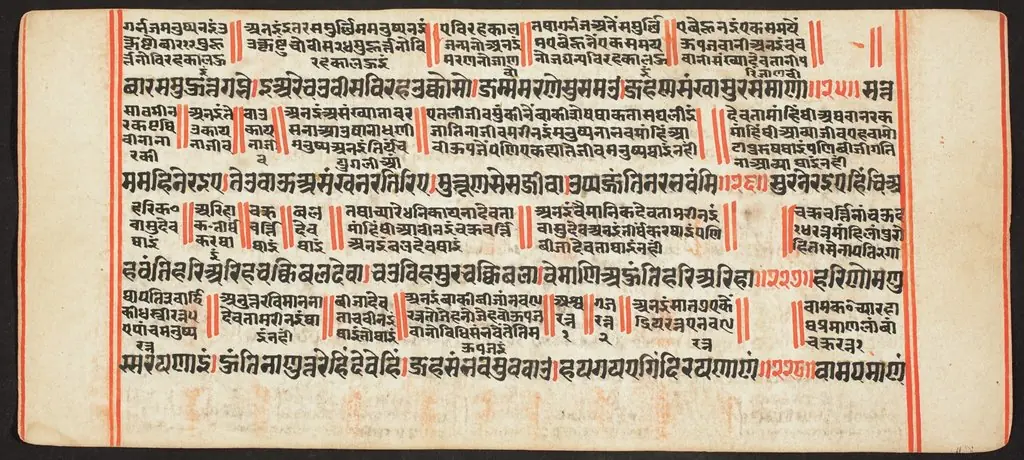
Tantric Manuscript, "Sangrahani Sutra"
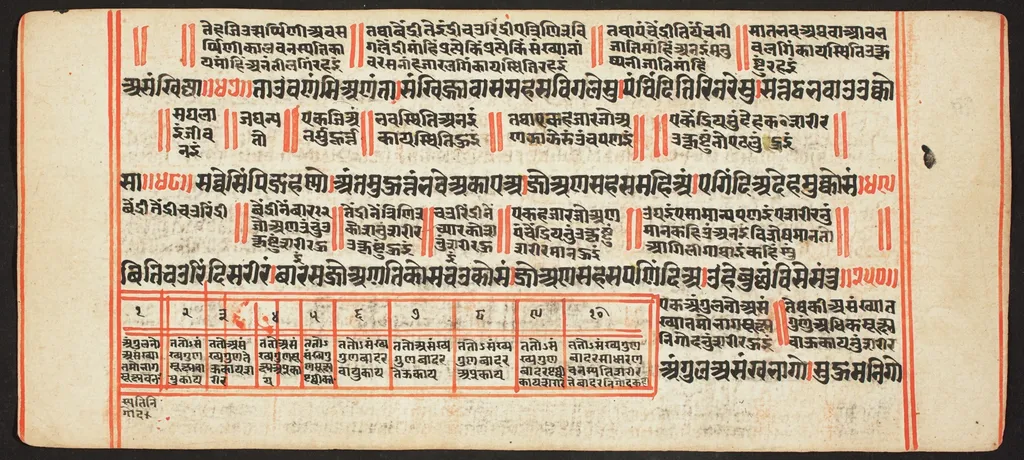
Tantric Manuscript, "Sangrahani Sutra" is an unspecified painting by Unknown. It is held in the collection of the Detroit Institute of Arts.
About this work
Overview
The layout is methodical, with text organized in linear and block-like segments, suggesting ritual or liturgical function.
A fragment of a medieval manuscript, likely from South Asia, features handwritten text in an undeciphered script, rendered in black ink with selective red highlights. The paper shows signs of age—yellowing, wear, and subtle surface degradation—indicating prolonged use or storage. The layout is methodical, with text organized in linear and block-like segments, suggesting ritual or liturgical function. The precision of the script and the deliberate use of color imply skilled artisan involvement.
Subject & Meaning
Though the language remains unidentified, the presence of red accents and structured formatting aligns with tantric textual traditions, where color often marks sacred syllables or ritual instructions. The manuscript may have served as a guide for meditation, invocation, or esoteric practice. Its survival suggests it was treated with reverence, possibly kept in a temple or private devotional setting rather than circulated widely.
Technique & Style
The script is executed with fine, controlled strokes, indicating the use of a pointed reed or brush. Red pigment, likely vermilion or cinnabar, was applied sparingly to emphasize key passages, a practice common in ritual texts to denote potency or divine names. The ink has faded unevenly, and the paper’s texture shows natural fiber wear, yet the overall composition retains clarity and intentional rhythm.
History & Provenance
The manuscript’s material and script suggest a South Asian origin, possibly from the medieval period between the 8th and 14th centuries. Its condition implies it was handled over time, perhaps in monastic or household rituals. No documented provenance exists, but similar fragments are known from藏传佛教 and tantric Buddhist communities in Nepal, Tibet, and eastern India.
Context
This artifact belongs to a broader tradition of esoteric Buddhist and Hindu tantric literature, where written words were believed to embody spiritual power. Manuscripts like this were often copied by trained scribes under ritual conditions, with color and form carrying symbolic weight. Its survival is rare, as many such texts were lost to humidity, fire, or deliberate dissolution after ritual use.
Legacy
Though unreadable without linguistic keys, the manuscript stands as a physical testament to the material culture of tantric practice. It reflects the intersection of devotion, craftsmanship, and secrecy in pre-modern South Asian religious life. Scholars continue to study similar fragments in hopes of decoding the script and understanding its ritual context.
Artist & collection

 Domestic Scene
 Giacomo and Cardinal Marco, investing Andrea, Abbot of San Zeno, with his Benefice
 The Nymph of Fontainebleau
 Portrait of a Woman
 Madonna and Child with Saints in the Enclosed Garden
 Venus and Minerva
 Family Group of Four on Sofa
 Wall painting from Room H of the Villa of P. Fannius Synistor at Boscoreale
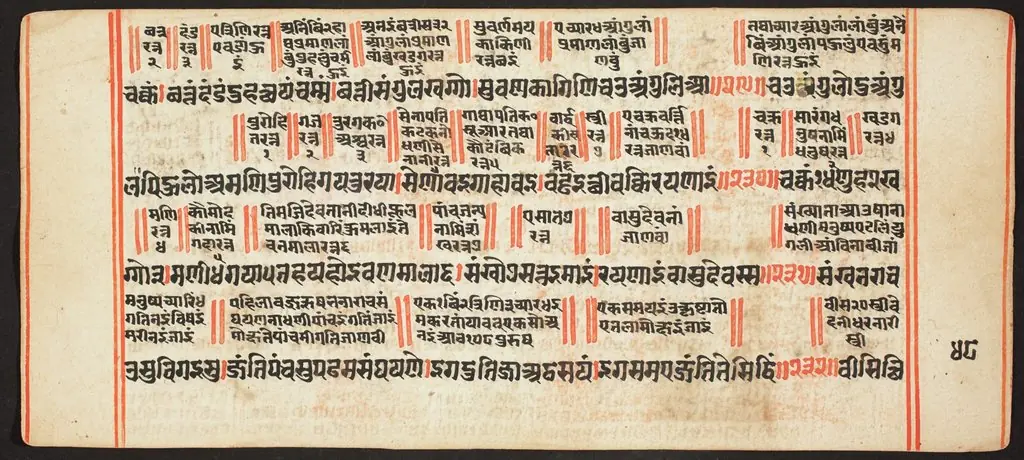 Tantric Manuscript, "Sangrahani Sutra"
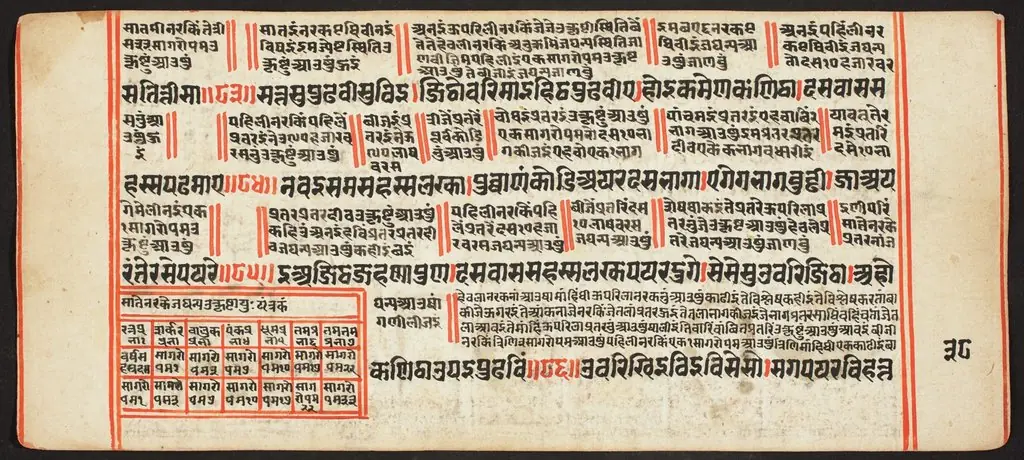 Tantric Manuscript, "Sangrahani Sutra"
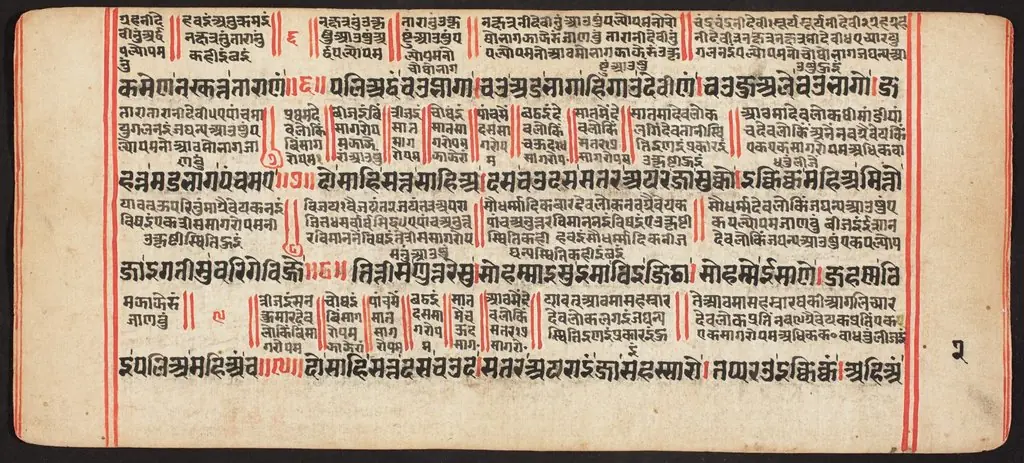 Tantric Manuscript, "Sangrahani Sutra"
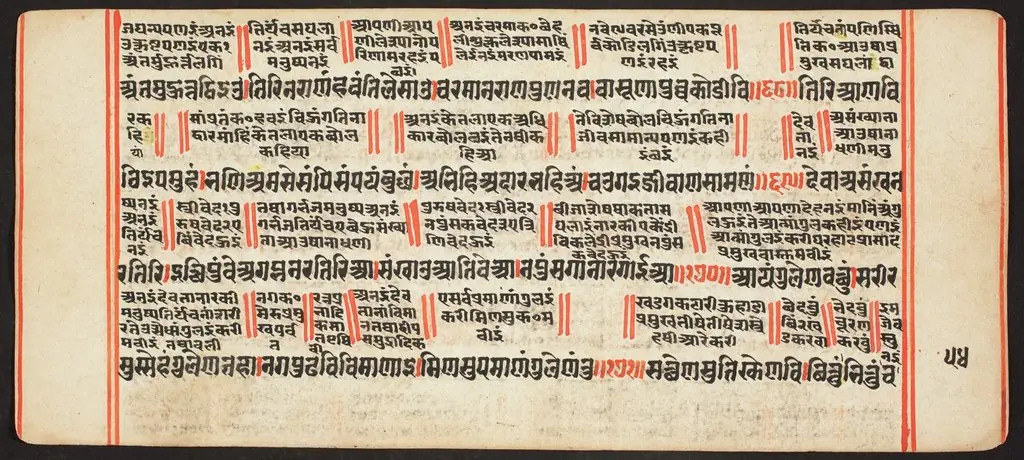 Tantric Manuscript, "Sangrahani Sutra"
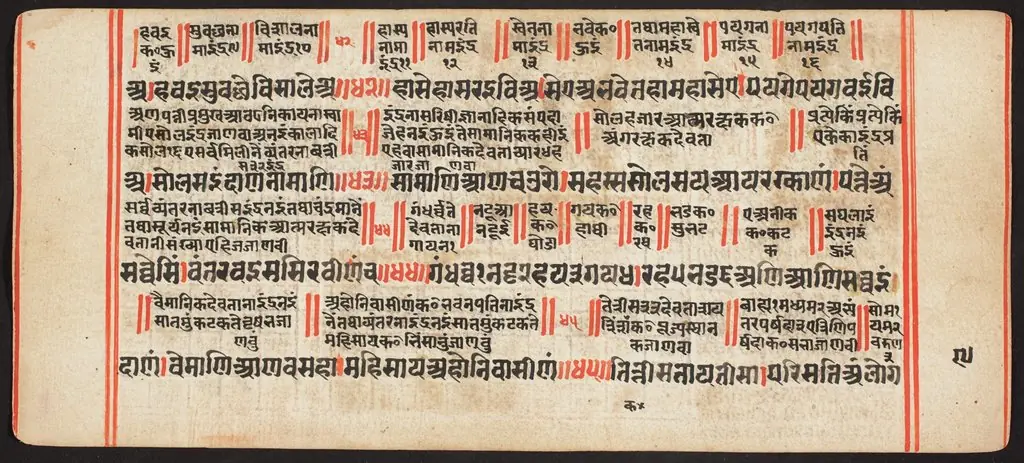 Tantric Manuscript, "Sangrahani Sutra"
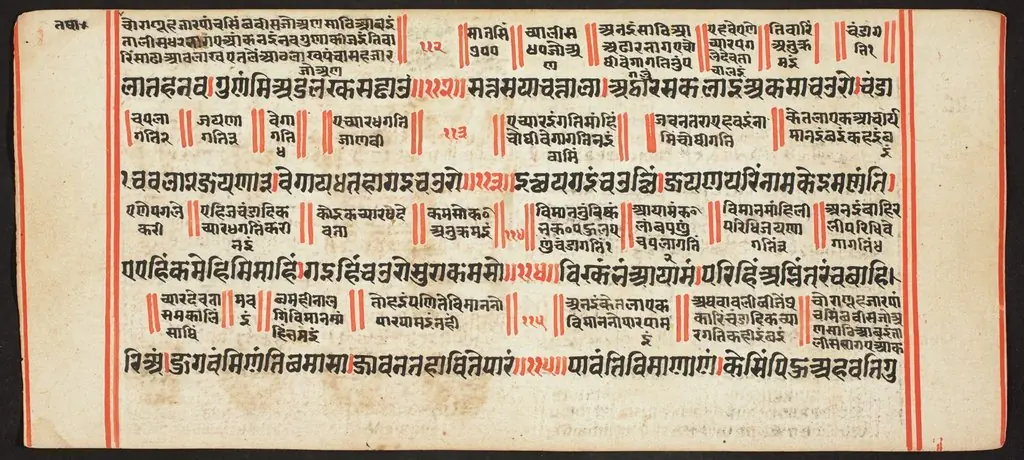 Tantric Manuscript, "Sangrahani Sutra"
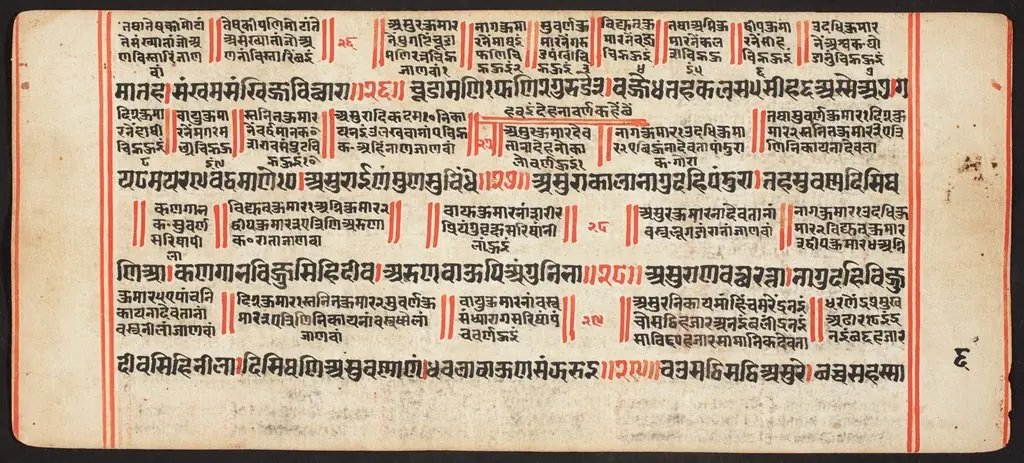 Tantric Manuscript, "Sangrahani Sutra"
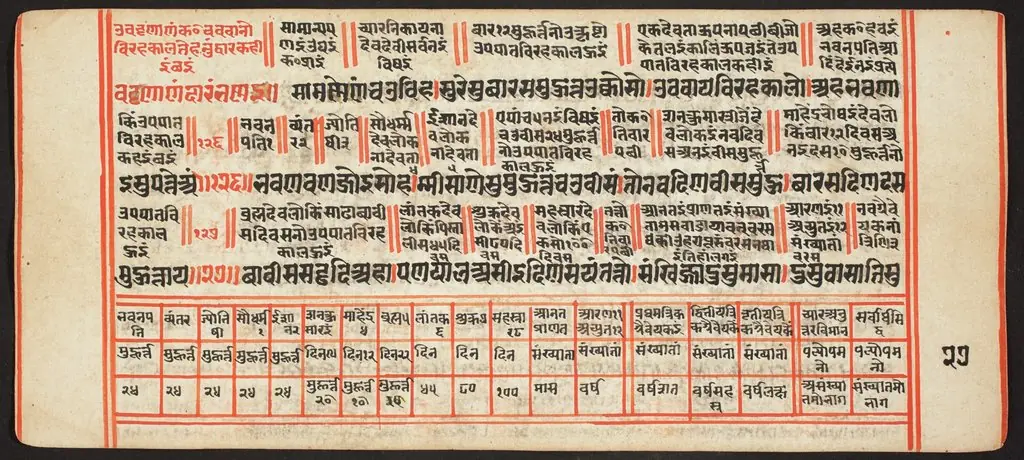 Tantric Manuscript, "Sangrahani Sutra"
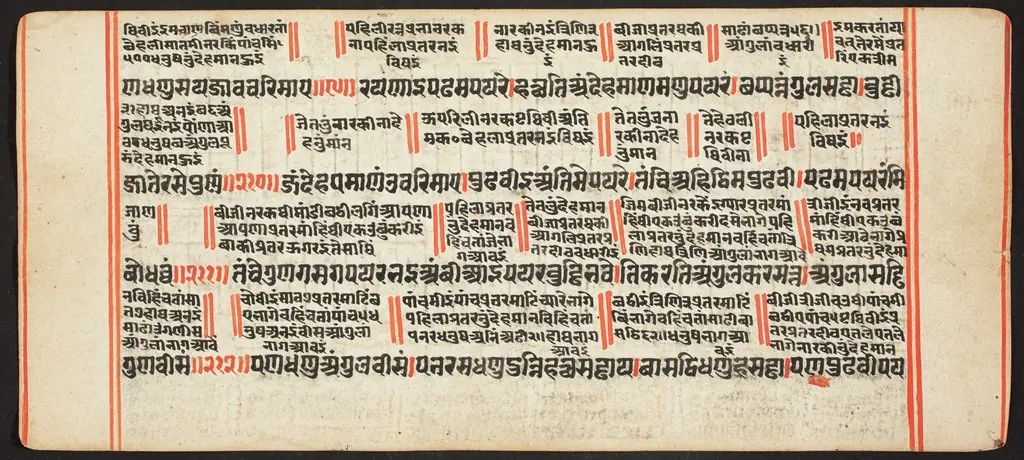 Tantric Manuscript, "Sangrahani Sutra"
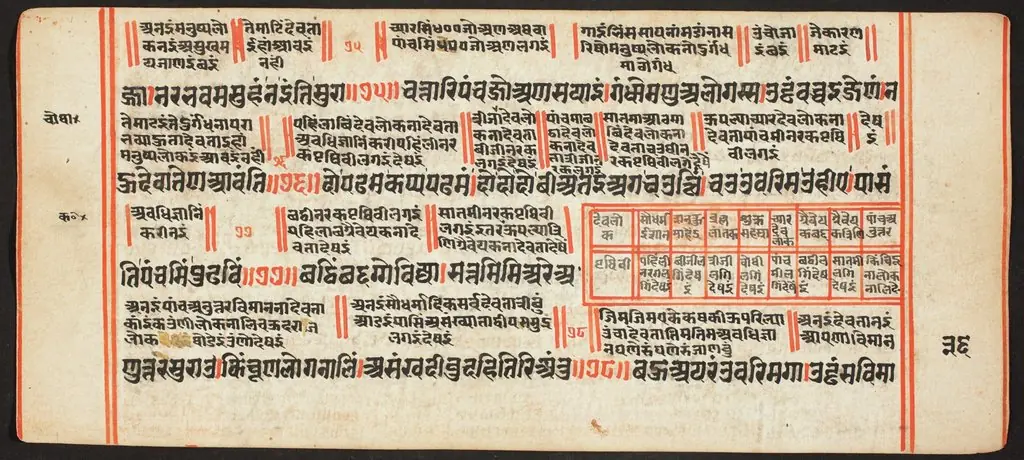 Tantric Manuscript, "Sangrahani Sutra"
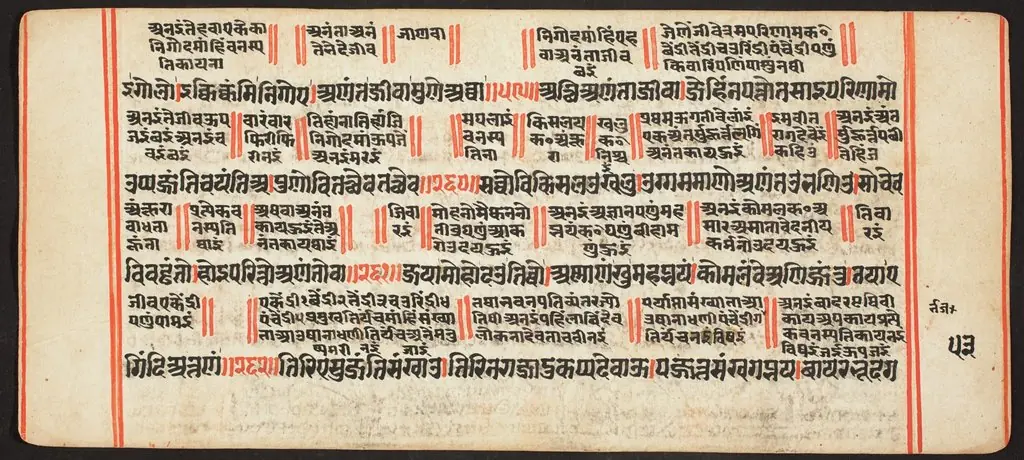 Tantric Manuscript, "Sangrahani Sutra"
 Tantric Manuscript, "Sangrahani Sutra"