Artwork
Tantric Manuscript, "Sangrahani Sutra"
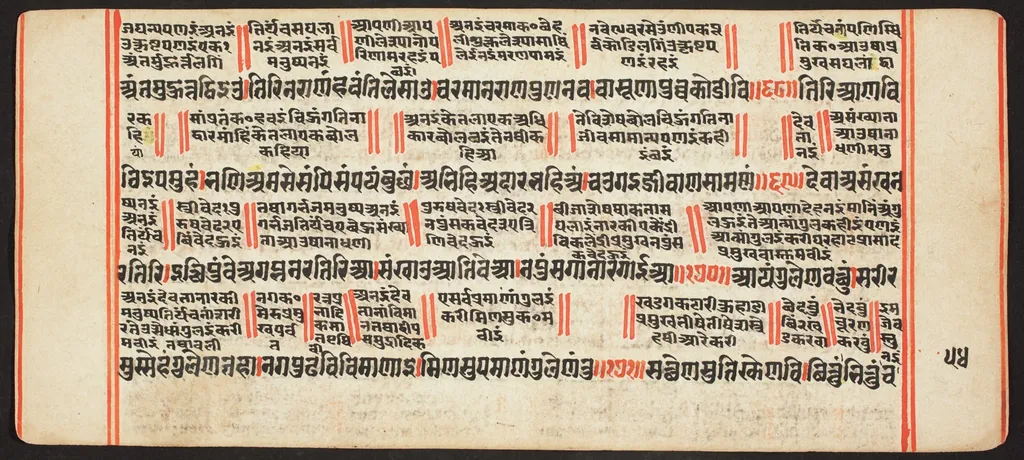
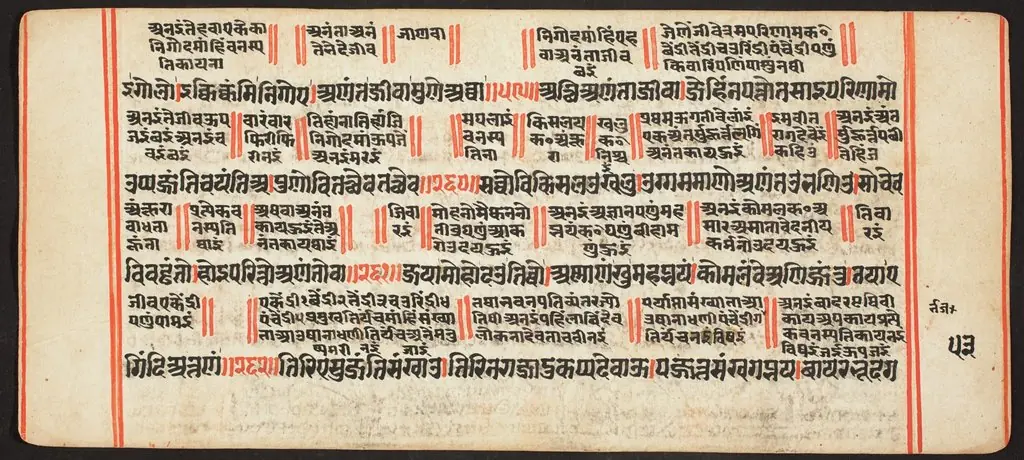
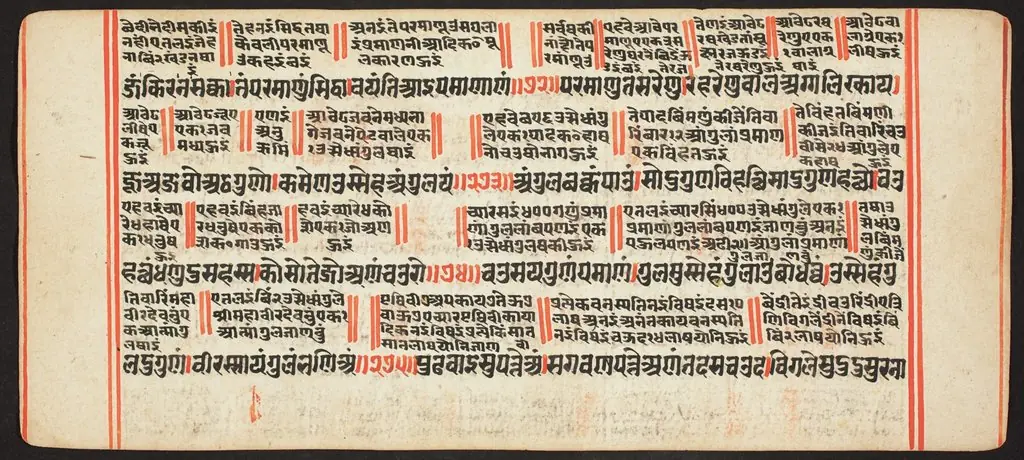
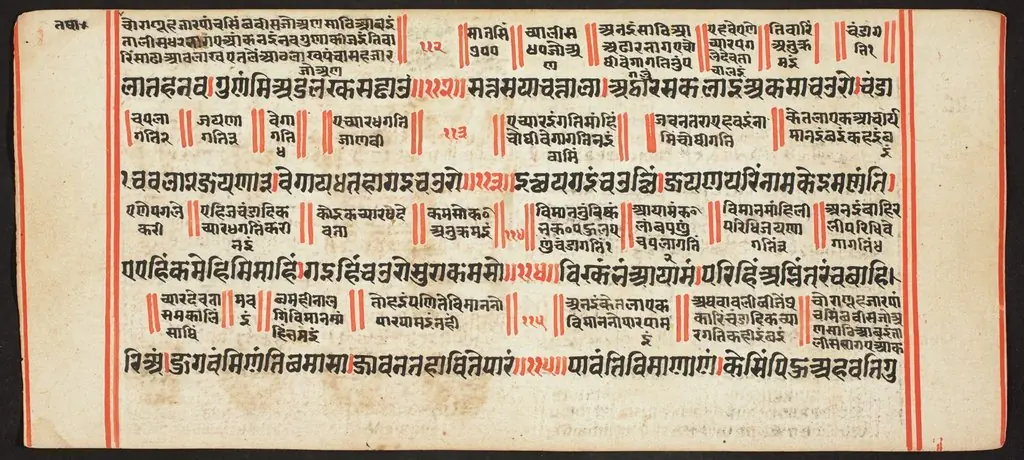
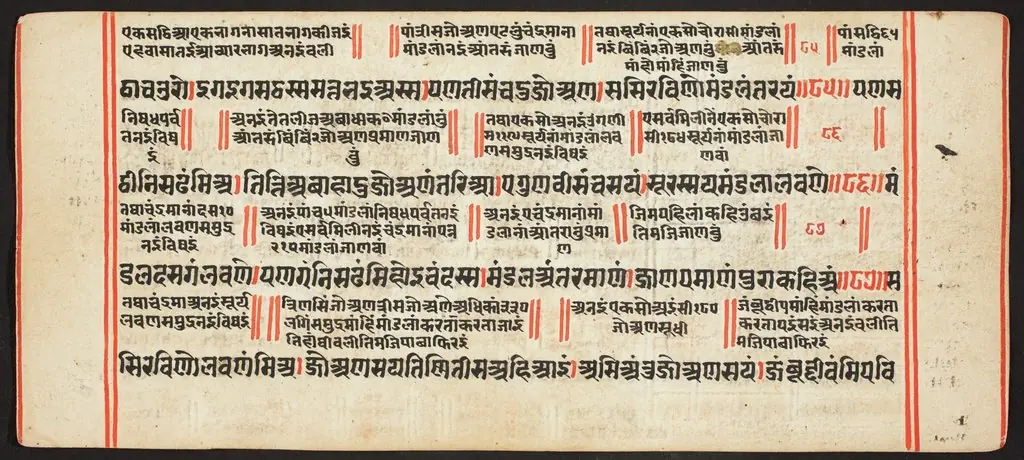
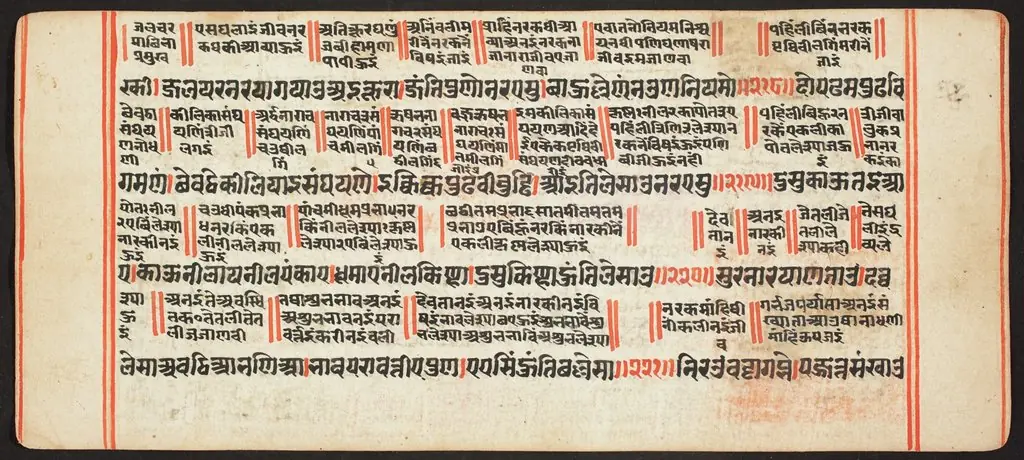
Tantric Manuscript, "Sangrahani Sutra" is an unspecified painting by Unknown. It is held in the collection of the Detroit Institute of Arts. This manuscript page contains religious text rendered in a formal, handwritten script using black ink on a beige surface.
About this work
Overview
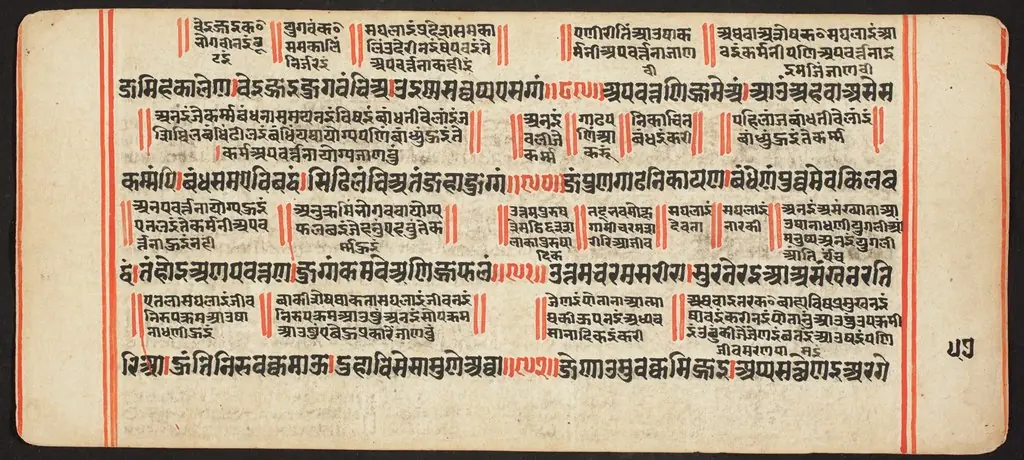
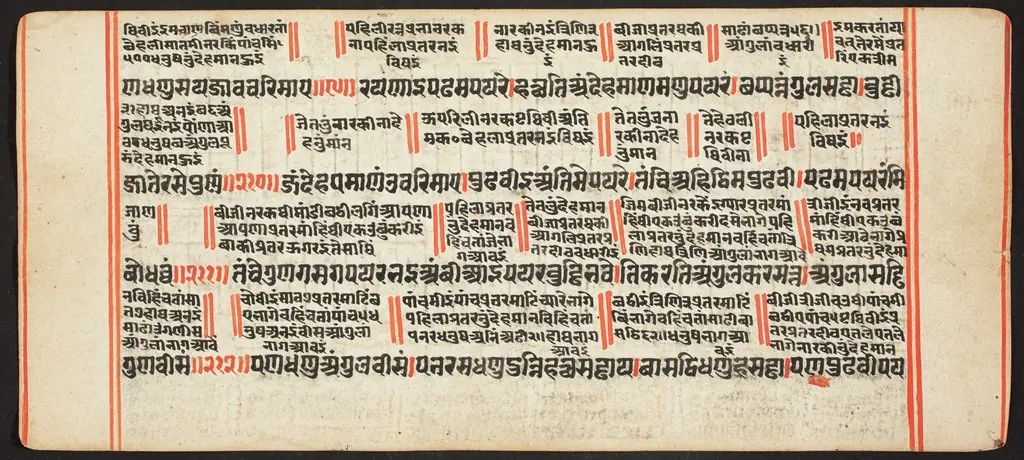
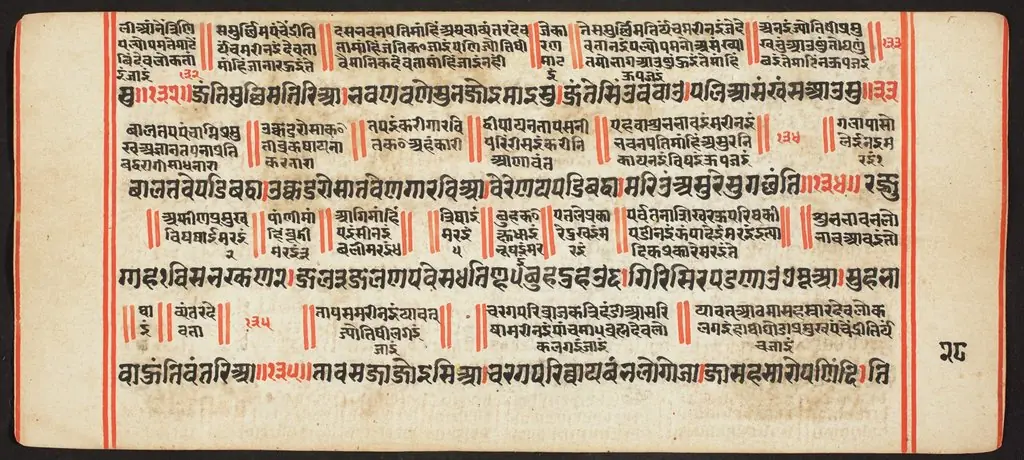
This manuscript page contains religious text rendered in a formal, handwritten script using black ink on a beige surface. Horizontal red lines divide the text into structured sections, indicating a deliberate layout meant to guide reading and emphasize sacred content. The absence of imagery focuses attention on the written word as the primary vessel of spiritual meaning.
Subject & Meaning
The text is drawn from the Sangrahani Sutra, a Buddhist scripture concerned with the collection and preservation of doctrinal teachings. Its physical form—meticulously copied and marked with red dividers—reflects ritual care, suggesting use in meditation, recitation, or monastic study. The script’s precision implies transmission by trained scribes within a disciplined religious tradition.
Technique & Style
The script is executed in uniform black ink with consistent stroke weight, typical of handwritten religious texts in South or Southeast Asian traditions. Red ink is used sparingly but purposefully, serving as visual separators rather than decoration. The paper or parchment is unadorned, prioritizing legibility and spiritual function over ornamental embellishment.
History & Provenance
The manuscript likely originated in a monastic setting where sutras were copied by hand for preservation and liturgical use. Its current location at the Detroit Institute of Arts indicates it entered a Western collection through academic or colonial-era acquisition, though its specific provenance prior to the 20th century remains undocumented.
Context
This page belongs to a broader tradition of handwritten Buddhist scriptures produced across regions like Nepal, Tibet, and Sri Lanka. Such manuscripts were often created under strict ritual guidelines, with scribes observing purity practices. The use of red lines aligns with practices seen in palm-leaf and paper manuscripts from the medieval period.
Legacy
As a surviving example of devotional handwriting, it represents the enduring role of textual transmission in Buddhist practice. Though replaced in many communities by printed texts, such manuscripts remain vital for understanding pre-modern religious education, scribal culture, and the material life of sacred literature.
Artist & collection

 Domestic Scene
 Giacomo and Cardinal Marco, investing Andrea, Abbot of San Zeno, with his Benefice
 The Nymph of Fontainebleau
 Portrait of a Woman
 Madonna and Child with Saints in the Enclosed Garden
 Venus and Minerva
 Family Group of Four on Sofa
 Wall painting from Room H of the Villa of P. Fannius Synistor at Boscoreale
 Tantric Manuscript, "Sangrahani Sutra"
 Tantric Manuscript, "Sangrahani Sutra"
 Tantric Manuscript, "Sangrahani Sutra"
 Tantric Manuscript, "Sangrahani Sutra"
 Tantric Manuscript, "Sangrahani Sutra"
 Tantric Manuscript, "Sangrahani Sutra"
 Tantric Manuscript, "Sangrahani Sutra"
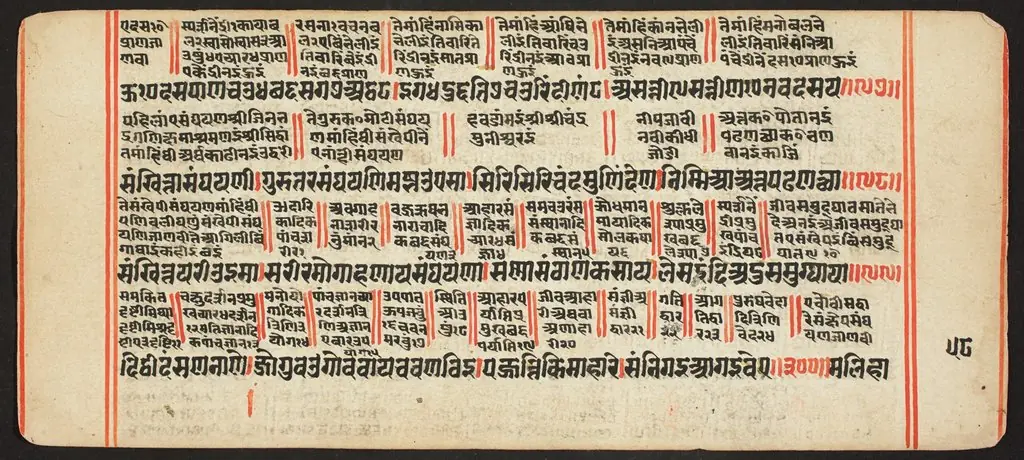 Tantric Manuscript, "Sangrahani Sutra"
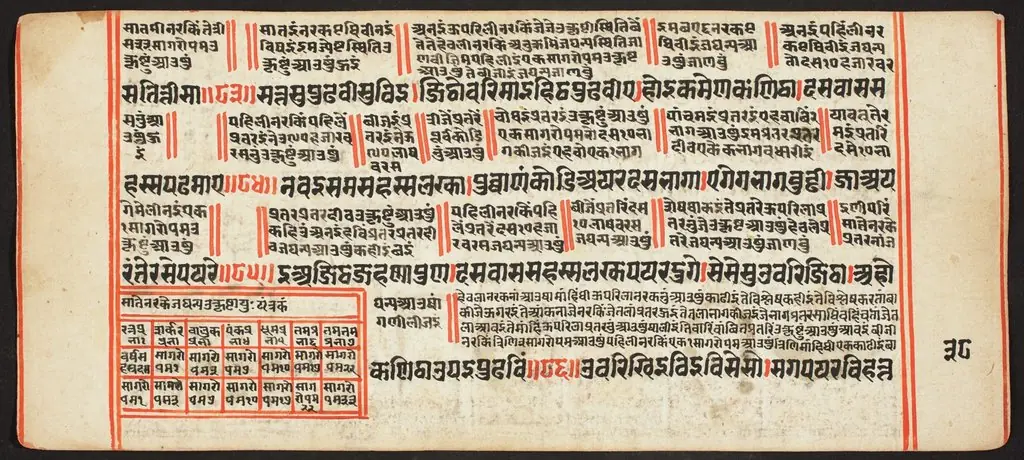 Tantric Manuscript, "Sangrahani Sutra"
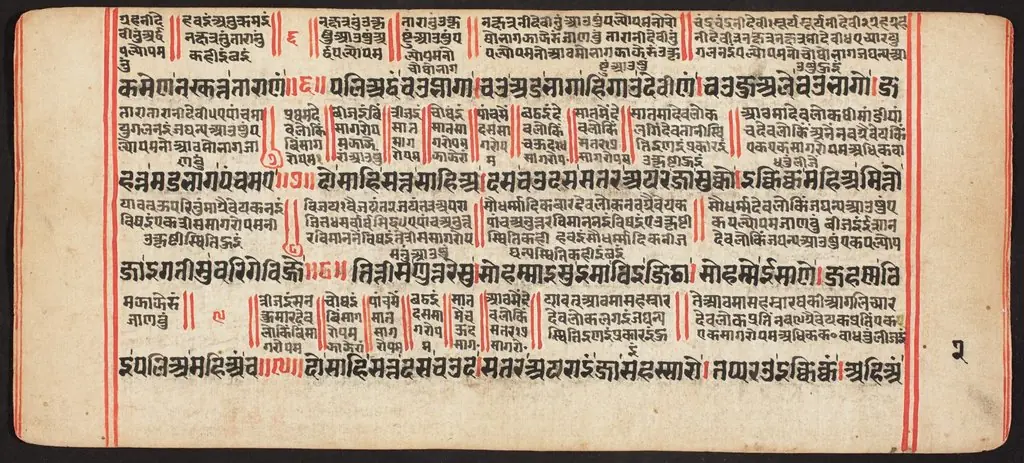 Tantric Manuscript, "Sangrahani Sutra"
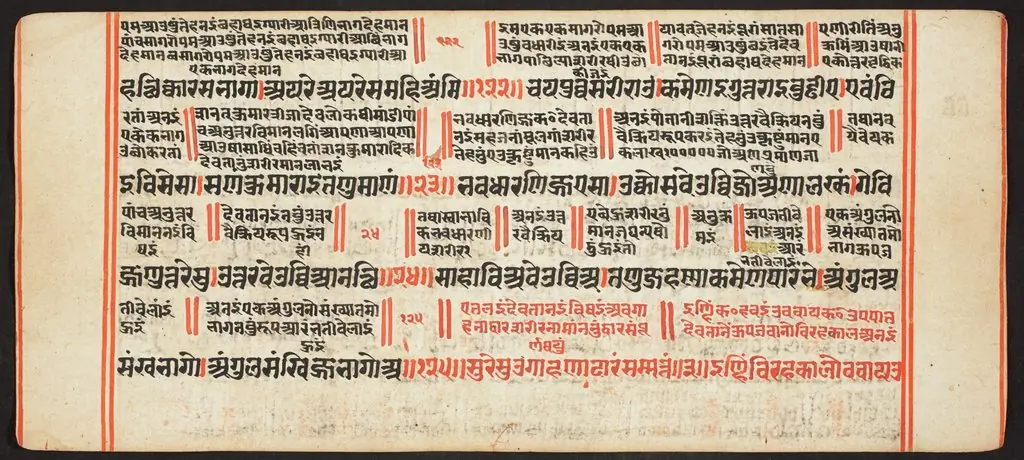 Tantric Manuscript, "Sangrahani Sutra"
 Tantric Manuscript, "Sangrahani Sutra"