Artwork
Buddhist Deities
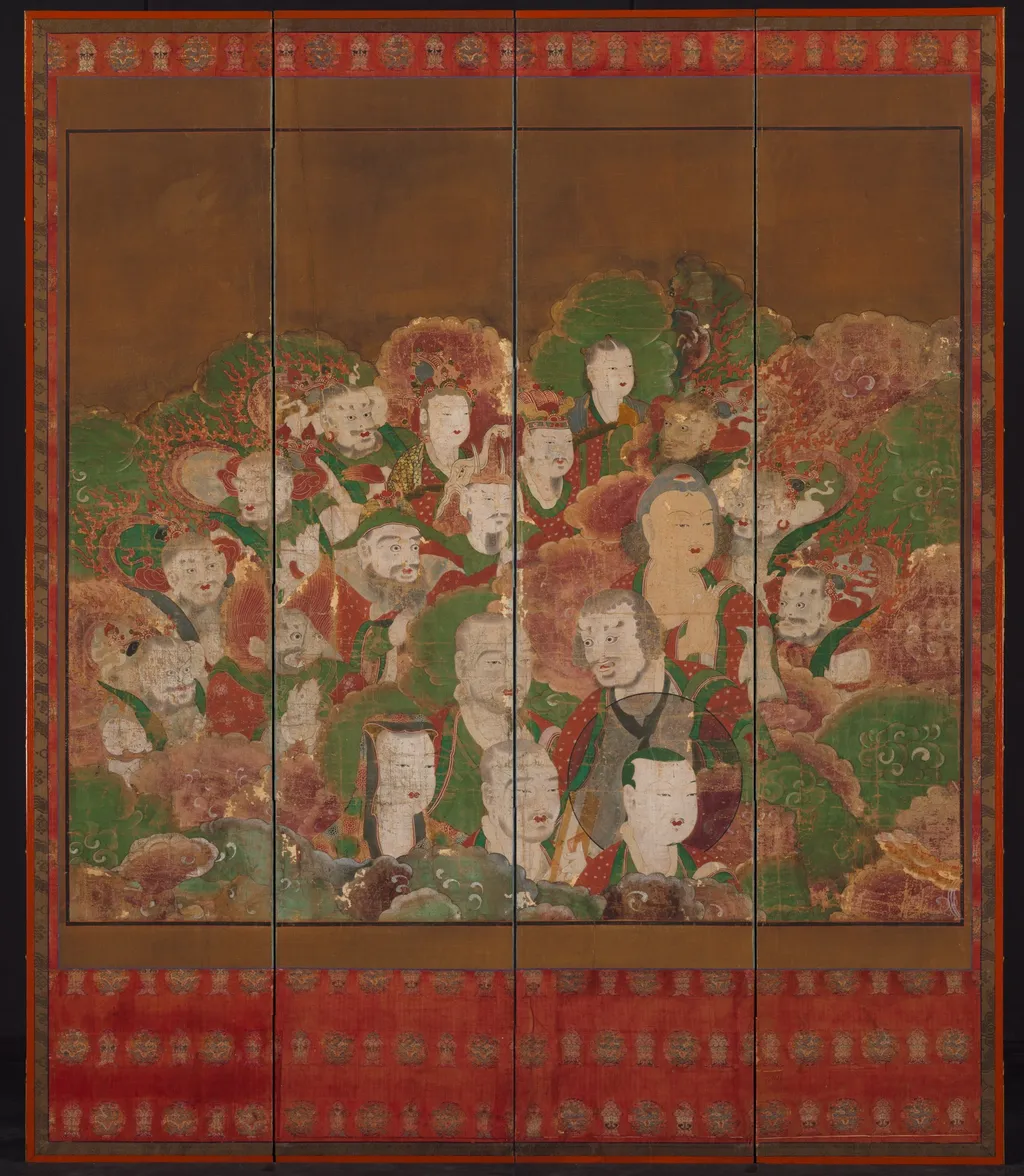
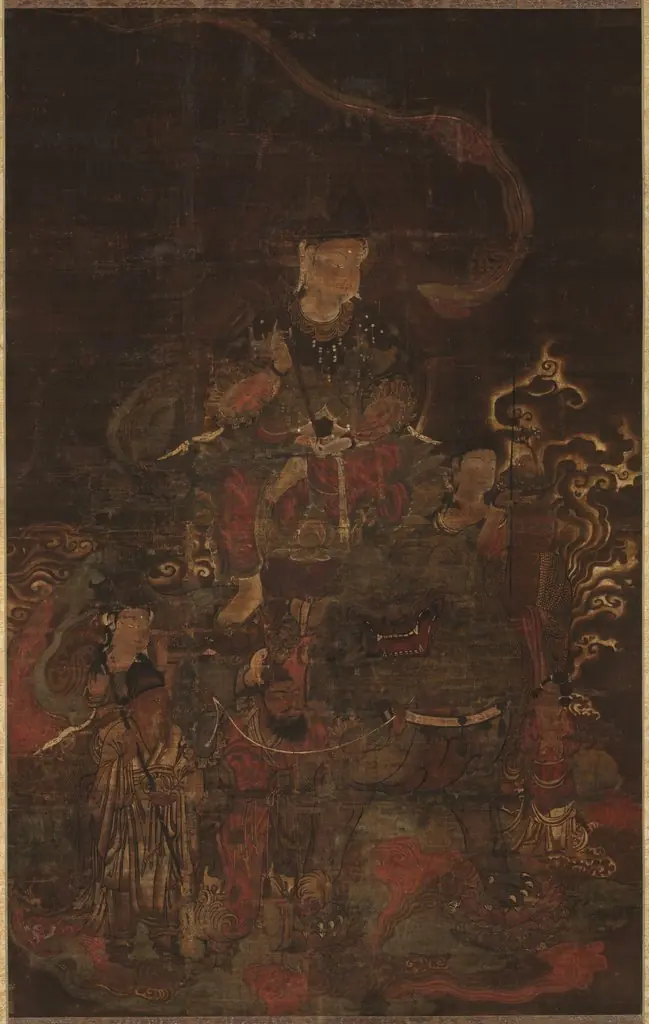
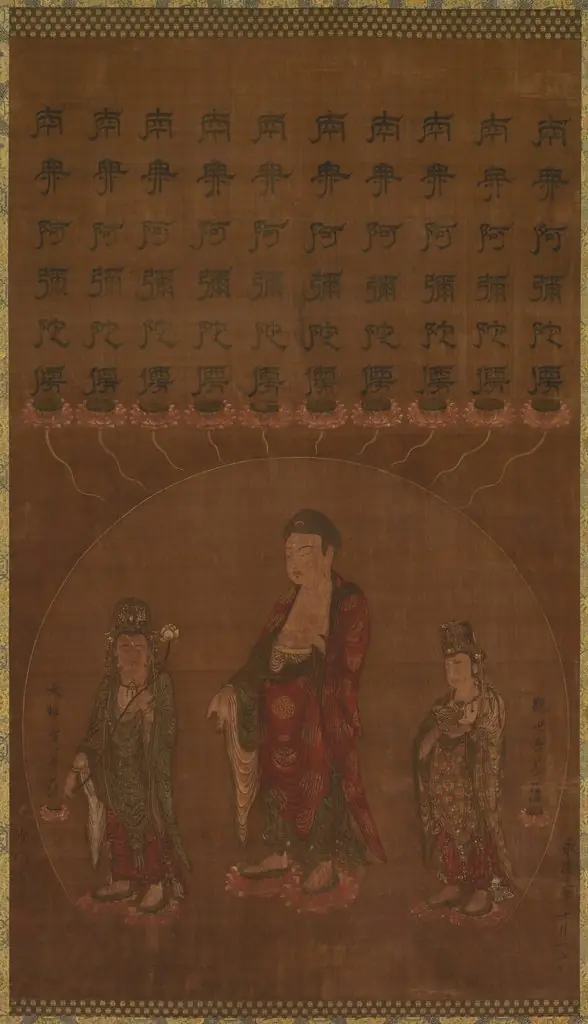
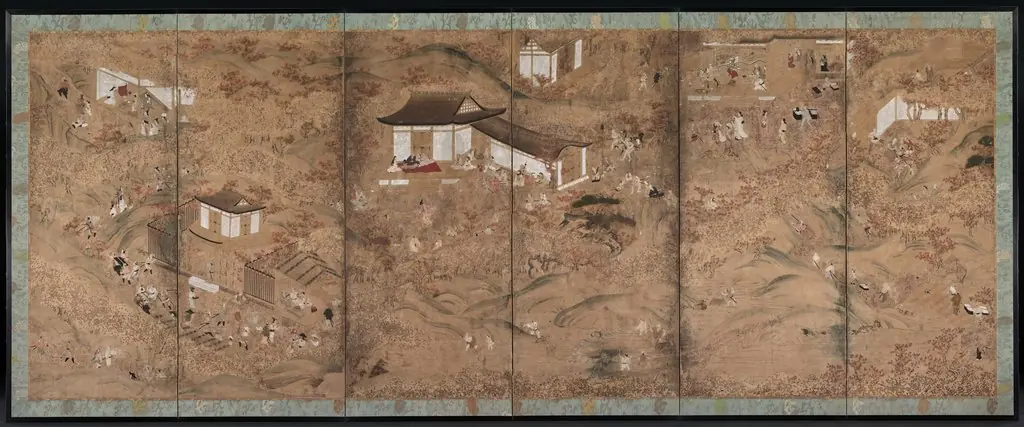
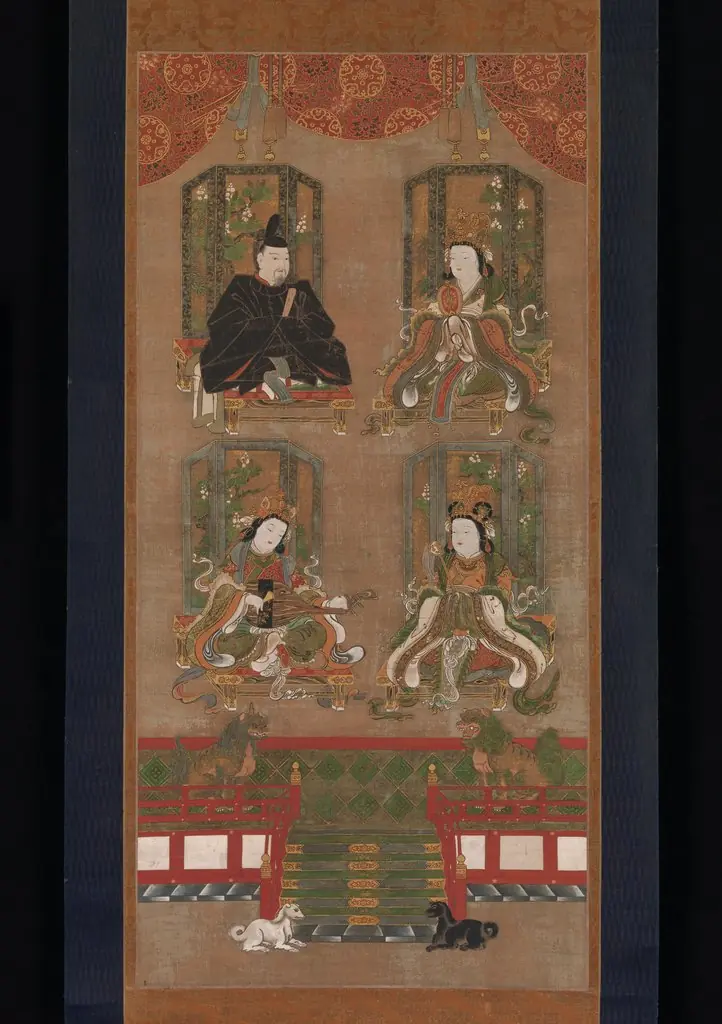
Buddhist Deities is an unspecified painting. It dates from 1800 and is held in the collection of the Cleveland Museum of Art. The work is a painted composition of numerous vibrant figures arranged in a dynamic, multi‑panel format.
About this work
Overview
The work is a painted composition of numerous vibrant figures arranged in a dynamic, multi‑panel format. Each character is rendered with a large, simplified visage outlined in bold lines and filled with saturated reds, greens and golds. The scene is set against a backdrop of stylised clouds and swirling motifs, with a bright red border framing the upper and lower edges.
Subject & Meaning
The figures represent a gathering of Buddhist deities, identifiable by their crowns, robes and the objects they hold—such as scrolls, vases and other ritual implements. Their collective presence suggests a celestial assembly, a visual expression of Buddhist cosmology and the manifold aspects of divine protection and wisdom.
Technique & Style
The painting employs a flat, cut‑out aesthetic typical of early Buddhist visual culture, with bold contour lines that define each form. Colors are applied in solid washes, though some areas show fading, especially where pigments have thinned over time. The composition’s division into panels and the use of swirling cloud motifs reflect conventional narrative structuring in the tradition.
History & Provenance
The piece originates from a period when Buddhist iconography was frequently reproduced on portable panels for devotional use. While specific origins are not recorded, the stylistic traits align it with works produced in East Asian monastic workshops during the medieval era, when such multi‑panel devotional screens were common.
Context
In Buddhist visual practice, assemblages of deities served both instructional and meditative functions, allowing practitioners to contemplate the attributes of each figure. The bright palette and clear outlines would have facilitated recognition and reverence within ritual settings, such as temple halls or private shrines.
Artist & collection