Artwork
La Dogana i Venezia
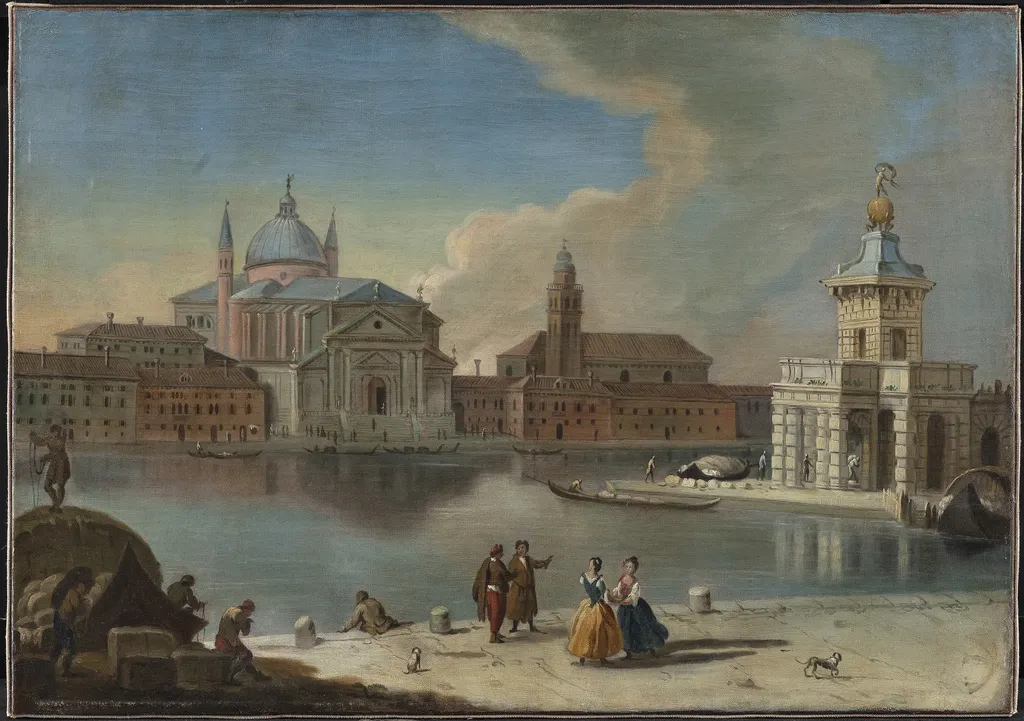
La Dogana i Venezia is an oil painting by Unknown. It dates from 1868 and is held in the collection of the Statens Museum for Kunst.
About this work
The artist likely chose this title for a reason, maybe related to the location or theme, but without more info, it's hard to say.
The painting is called La Dogana i Venezia.
It was made in 1868 using oil paint.
The artist likely chose this title for a reason, maybe related to the location or theme, but without more info, it's hard to say.
The painting is held at Statens Museum for Kunst.
This fact tells us it's considered important enough to be part of a museum collection.
You can learn more about this style by looking into the technique of glazing.
Overview
Painted in 1868, La Dogana i Venezia is an oil-on-canvas work depicting a view of Venice’s Dogana da Mar, the historic customs house at the tip of the Dorsoduro district. The piece is held in the collection of Statens Museum for Kunst in Copenhagen, indicating its recognition within European art institutions. Its subject and execution reflect 19th-century interest in Venetian architecture and urban atmosphere.
Subject & Meaning
The painting focuses on the Dogana da Mar, a prominent landmark where goods were taxed upon arrival in Venice. Its inclusion suggests an interest in the city’s maritime commerce and civic identity. The absence of human figures emphasizes the building’s architectural presence, possibly conveying a quiet contemplation of Venice’s economic past rather than its bustling present.
Technique & Style
The work employs oil paint with glazing techniques to achieve subtle shifts in light and atmosphere. Layers of translucent pigment enhance the reflective qualities of water and stone, creating a sense of depth and ambient glow. This method aligns with 19th-century academic traditions that valued precision in rendering architectural surfaces and atmospheric conditions.
History & Provenance
The painting entered the collection of Statens Museum for Kunst in Denmark, where it remains today. While its early ownership is undocumented, its inclusion in a national museum suggests it was acquired during a period of growing European interest in Italian vedute. Its preservation reflects institutional recognition of its historical and aesthetic value.
Context
Created during a time when Venice was transitioning from a commercial hub to a cultural symbol, the painting reflects broader 19th-century trends in landscape and architectural painting. Artists across Europe were drawn to Venice’s decayed grandeur, using it as a subject to explore memory, time, and the passage of empires through visual detail.
Legacy
Though not widely reproduced, the painting contributes to a body of 19th-century works that documented Venice’s architectural heritage before modernization. Its presence in a major museum collection ensures continued study of how artists interpreted the city’s civic structures, preserving a visual record of its historical character.
Artist & collection

 Domestic Scene
 Giacomo and Cardinal Marco, investing Andrea, Abbot of San Zeno, with his Benefice
 The Nymph of Fontainebleau
 Portrait of a Woman
 Madonna and Child with Saints in the Enclosed Garden
 Venus and Minerva
 Family Group of Four on Sofa
 Wall painting from Room H of the Villa of P. Fannius Synistor at Boscoreale
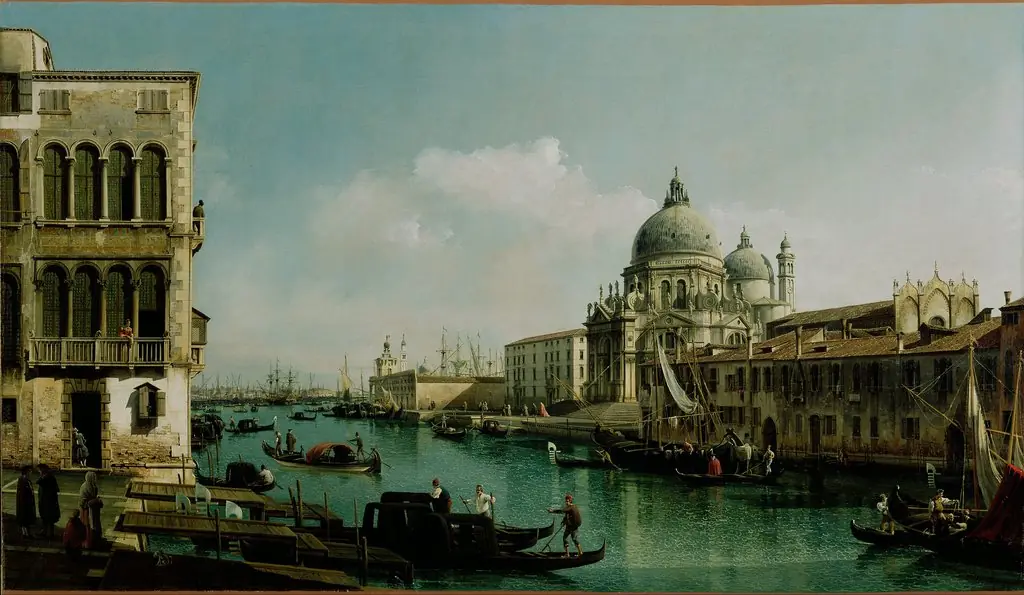 View of the Grand Canal: Santa Maria della Salute and the Dogana from Campo Santa Maria Zobenigo
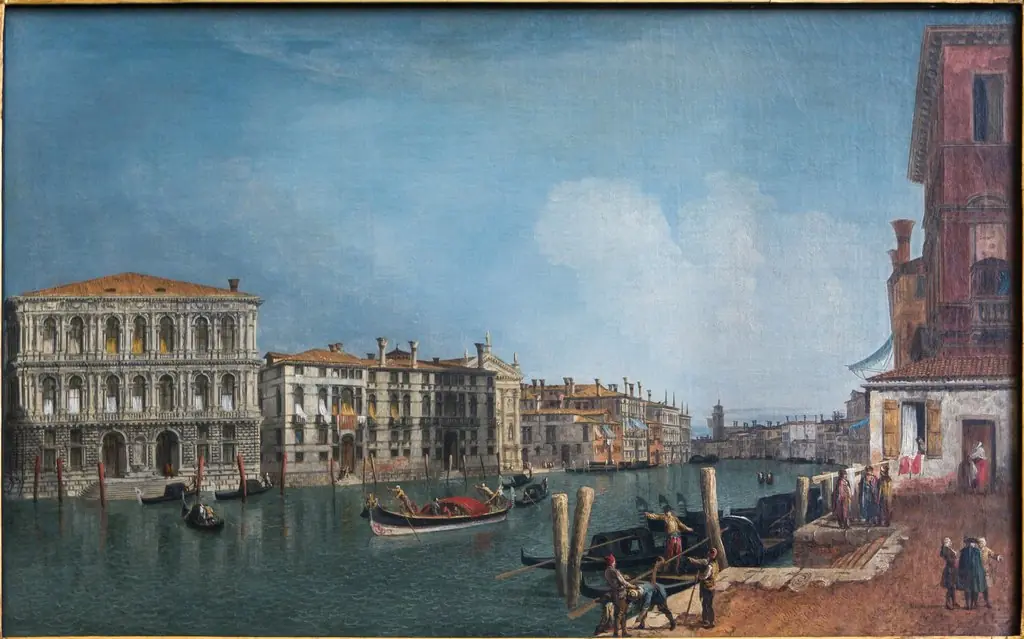 View of the Grand Canal near Cà Pesaro
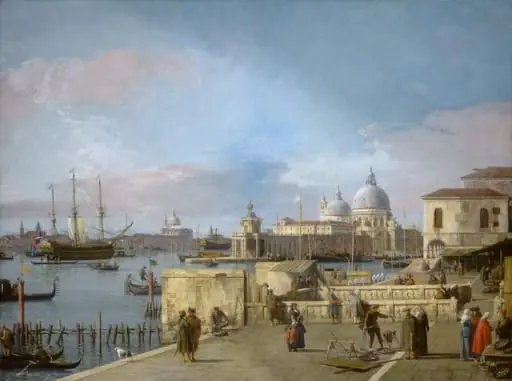 Entrance to the Grand Canal from the Molo, Venice
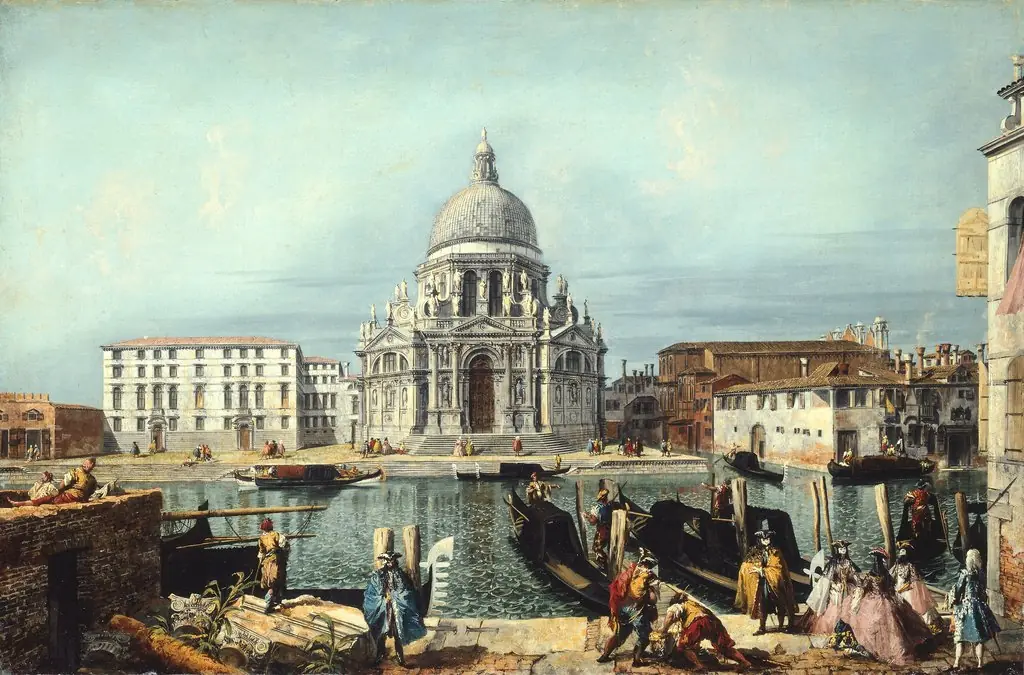 The Church of Santa Maria della Salute, Venice
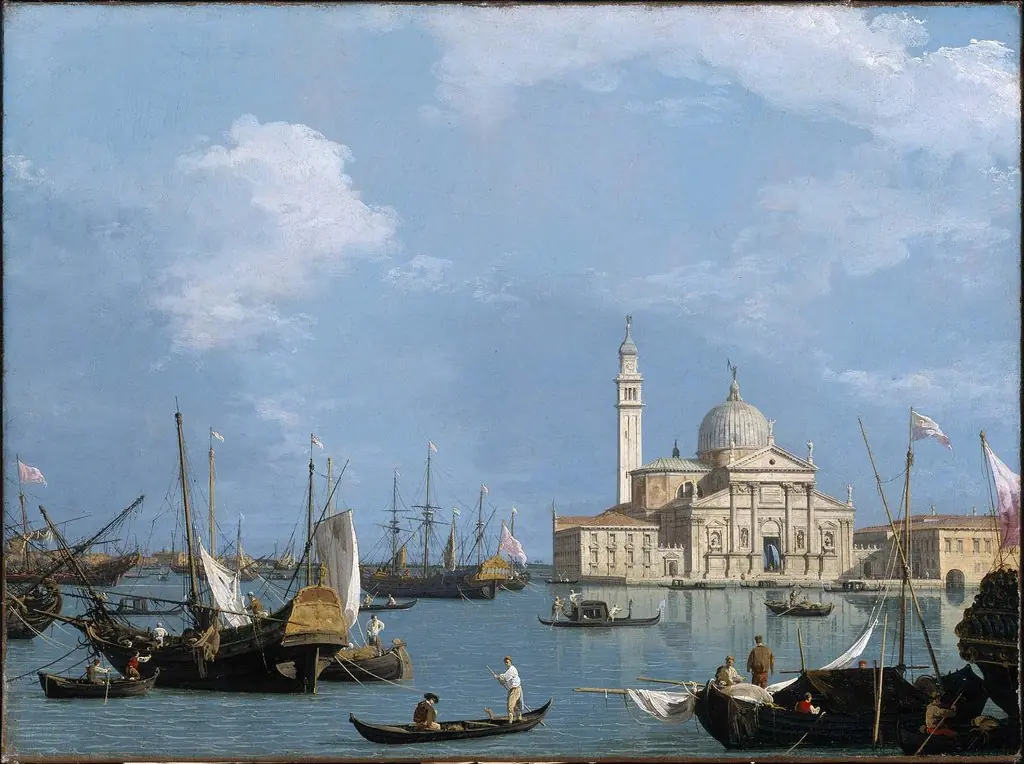 San Giorgio Maggiore: from the Bacino di S. Marco
 The Church of Santa Maria della Salute, Venice
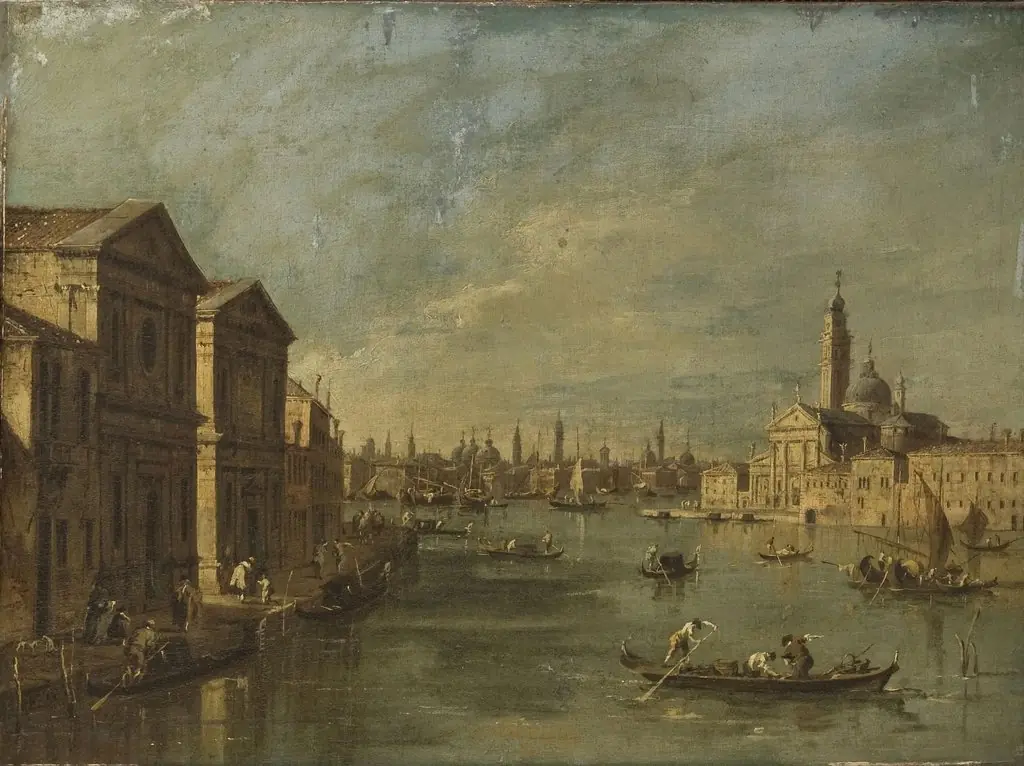 View between the Giudecca and San Giorgio Maggiore