Artwork
Portrait of Queen Anne of Austria (1601–1666)?
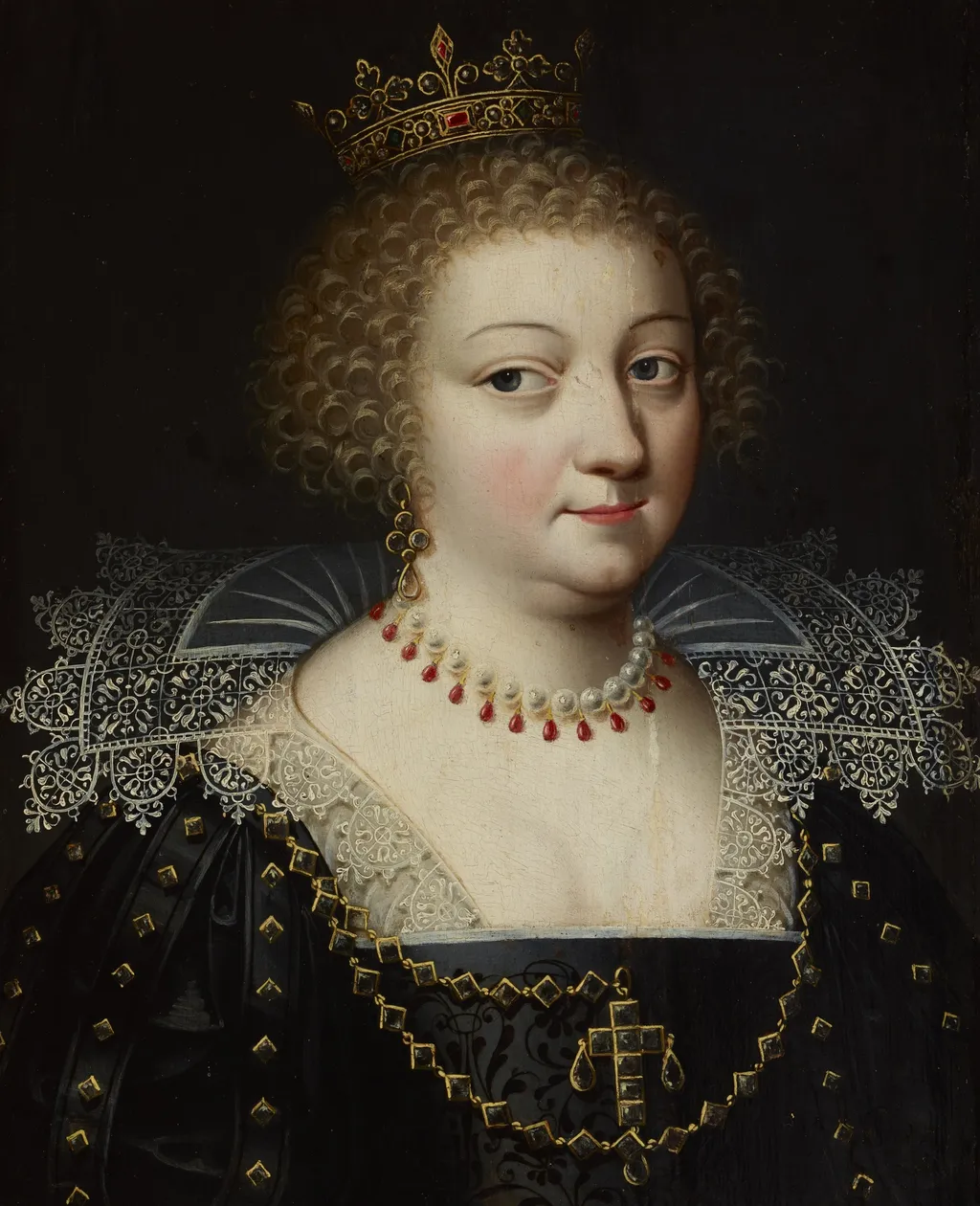
Portrait of Queen Anne of Austria (1601–1666)? is an oil painting by the Early Baroque Italian artist Unknown. It dates from 1625 and is held in the collection of the National Museum in Kraków. This oil painting portrays a royal woman identified as Queen Anne of Austria, rendered with precise detail and formal composure.
About this work
Overview
The artist’s handling of texture and light suggests a high degree of technical proficiency, likely from a workshop attuned to royal commissions.
This oil painting portrays a royal woman identified as Queen Anne of Austria, rendered with precise detail and formal composure. The subject is depicted in full regalia, emphasizing her status through elaborate clothing and jewelry. The composition is static yet dignified, typical of court portraiture of the early 17th century. The artist’s handling of texture and light suggests a high degree of technical proficiency, likely from a workshop attuned to royal commissions.
Subject & Meaning
The figure is presented as a sovereign consort, her crown and ornate attire signaling authority and lineage. The pearl necklace with red gemstones may reference purity and power, common symbolic elements in Habsburg iconography. Her turned gaze, neither fully frontal nor profile, balances approachability with distance, reinforcing her role as both person and emblem of monarchy.
Technique & Style
The painting employs fine brushwork to render the intricate gold embroidery and reflective surfaces of jewels, demonstrating mastery in depicting luxury materials. Layers of glaze likely enhance the depth of the dark dress and the luminosity of the pearls. The lighting is even and controlled, minimizing shadow to emphasize clarity and ceremonial presence, aligning with contemporary Flemish and Spanish court traditions.
History & Provenance
Though the painting’s exact origin is unconfirmed, its style and subject align with works produced in Spain or France during Anne’s lifetime. As queen consort to Louis XIII, she was frequently depicted by artists connected to the French or Spanish courts. The painting may have been commissioned to affirm her status or gifted as a diplomatic token, though its early ownership remains undocumented.
Context
In the early 1600s, royal portraiture served political and dynastic purposes, reinforcing legitimacy through visual grandeur. Anne, as a Spanish infanta married into the French monarchy, was a symbol of alliance between two powerful houses. Her image, carefully curated, was disseminated to assert continuity and authority amid religious and political tensions in Europe.
Legacy
The portrait contributes to a broader corpus of early modern royal imagery that shaped perceptions of female sovereignty. While not attributed to a named master, its craftsmanship reflects the standards of courtly ateliers active in the period. It remains a tangible record of how monarchy was visually constructed, preserved for study rather than public display.
Artist & collection

 Domestic Scene
 Giacomo and Cardinal Marco, investing Andrea, Abbot of San Zeno, with his Benefice
 The Nymph of Fontainebleau
 Portrait of a Woman
 Madonna and Child with Saints in the Enclosed Garden
 Venus and Minerva
 Family Group of Four on Sofa
 Wall painting from Room H of the Villa of P. Fannius Synistor at Boscoreale
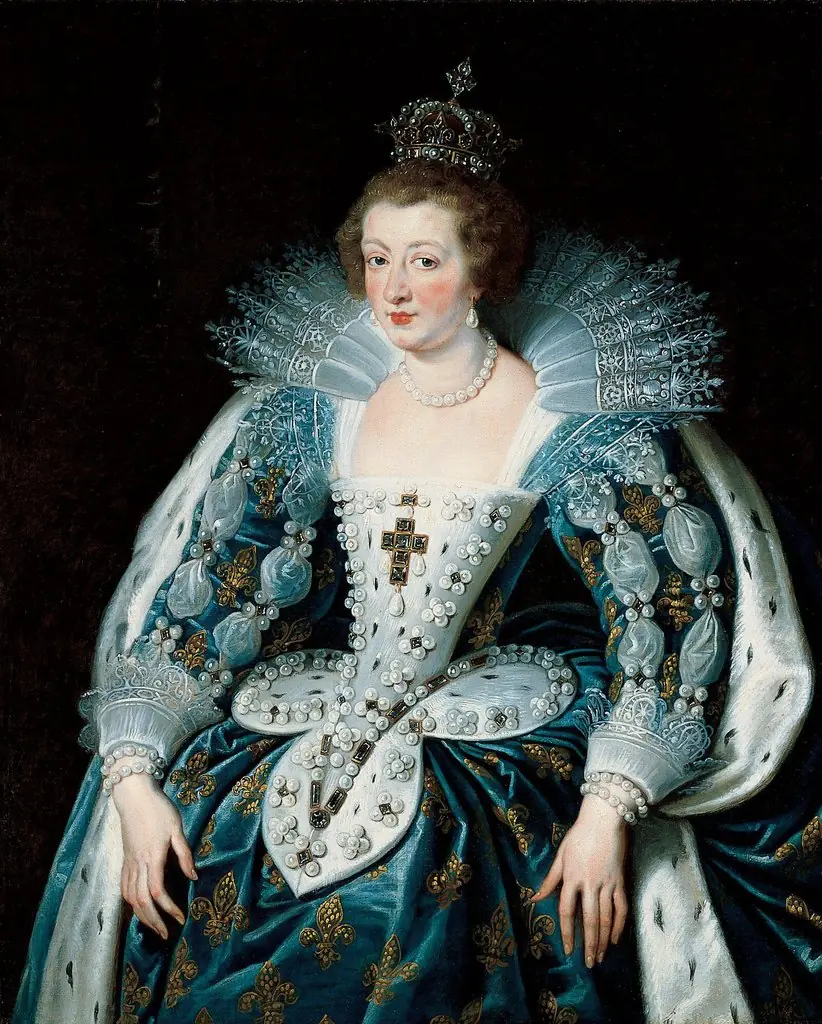 Portrait of Anne of Austria
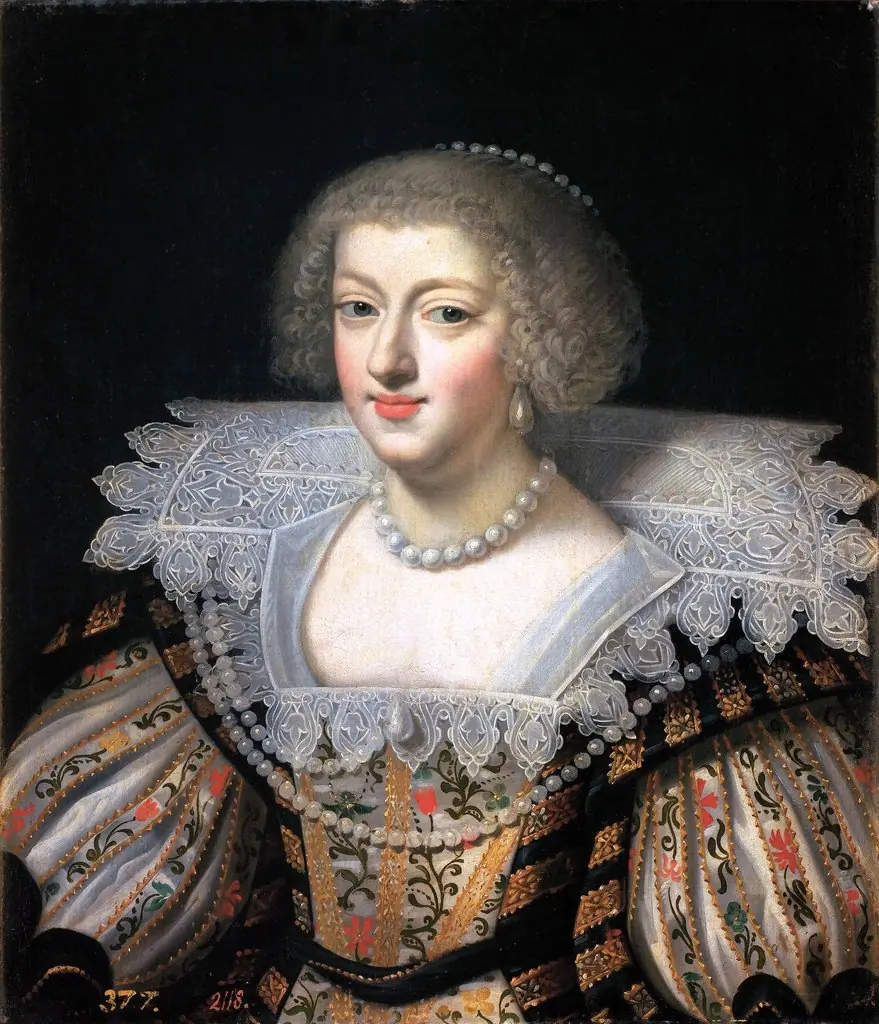 Anne of Austria, Queen of France
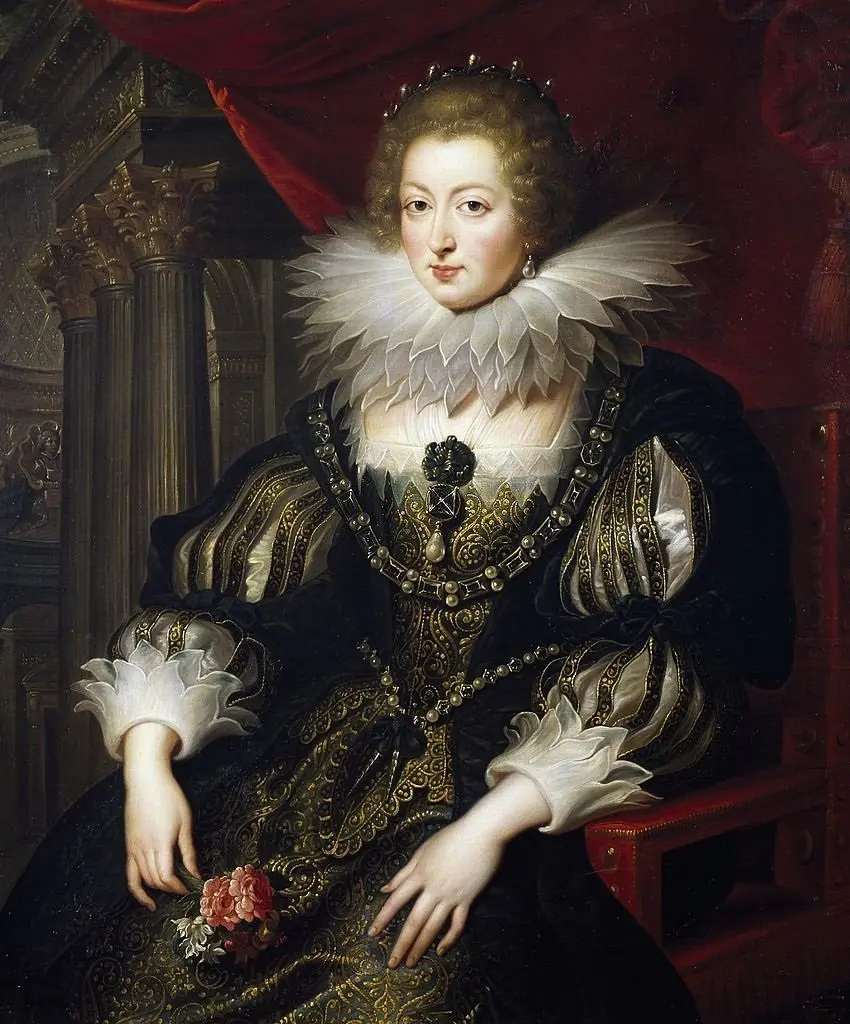 Portrait of Anne of Austria, Queen of France (1601-1666)
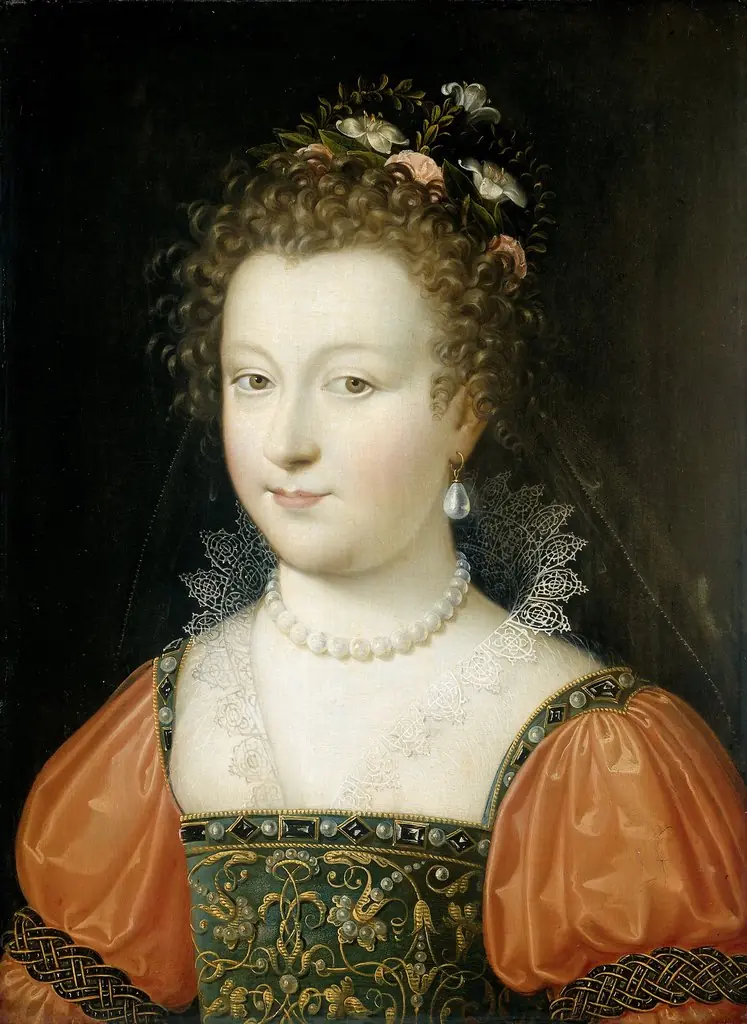 Portrait of a Woman (previously identified as Queen Elizabeth I)
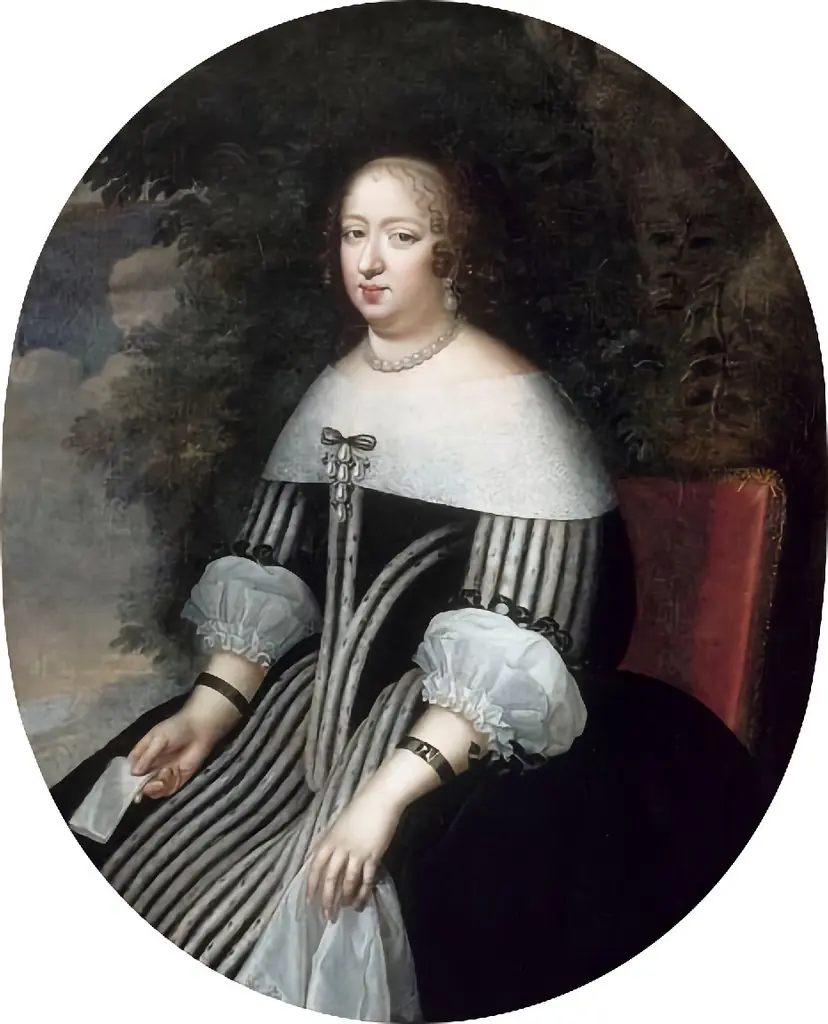 Portrait of Anne of Austria (1601-1666)
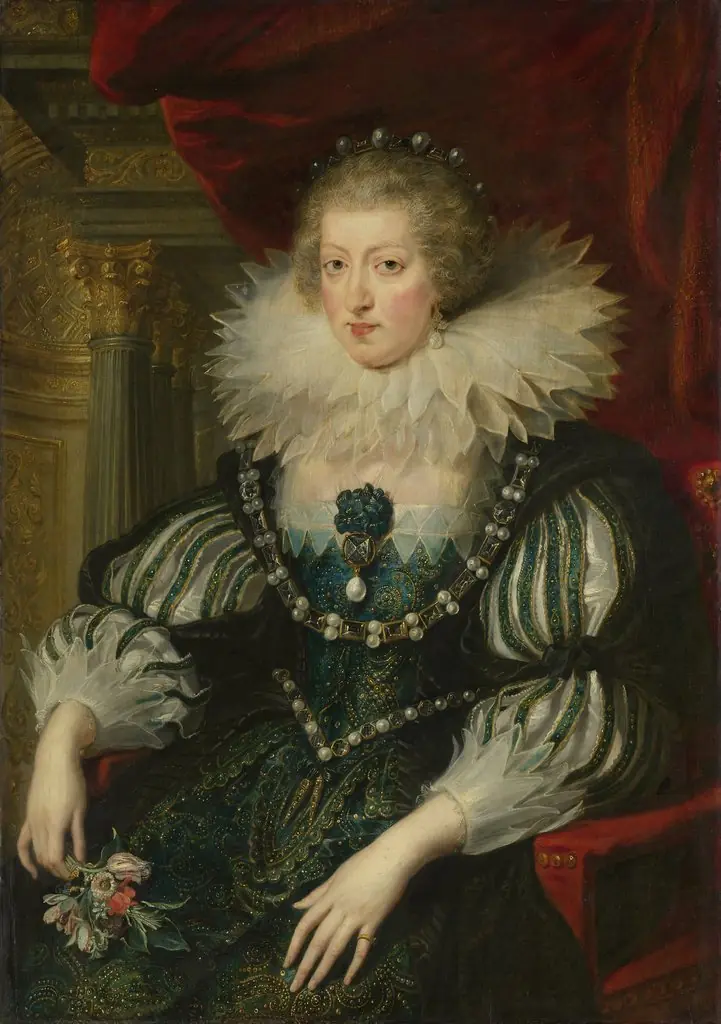 Anne of Austria (1601-66). Wife of Louis XIII, king of France
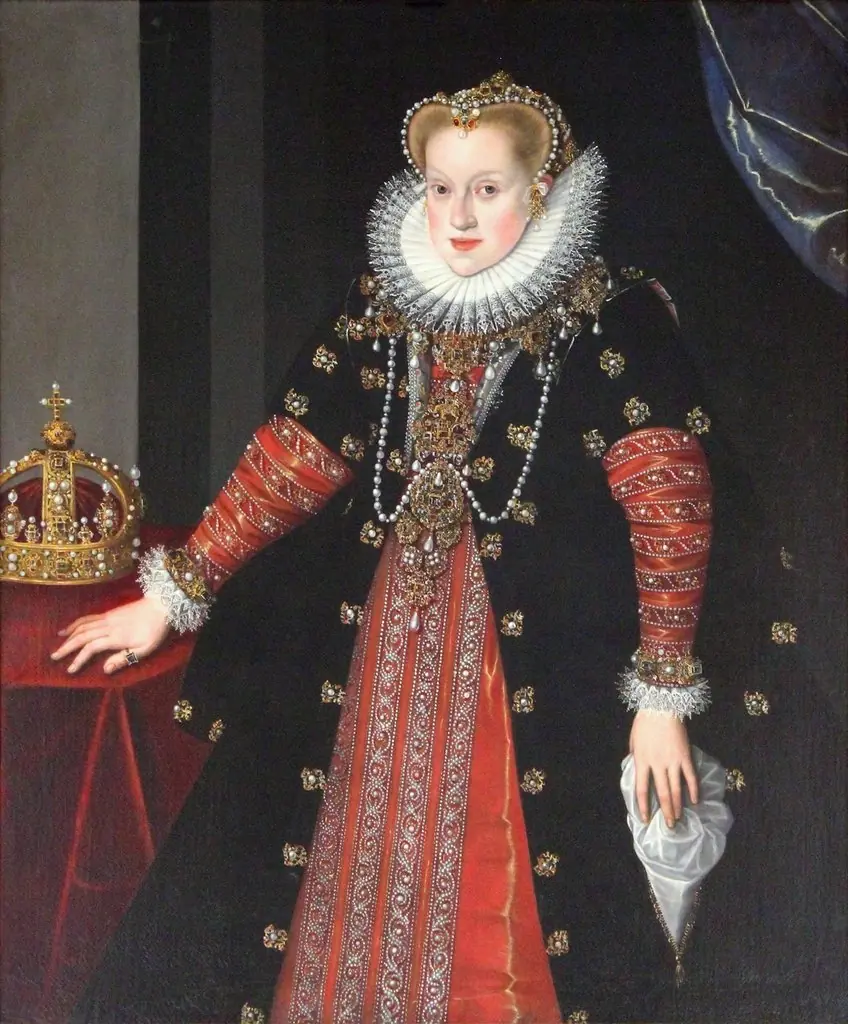 Portrait of Anne of Austria, Queen of Poland (1573-1598)
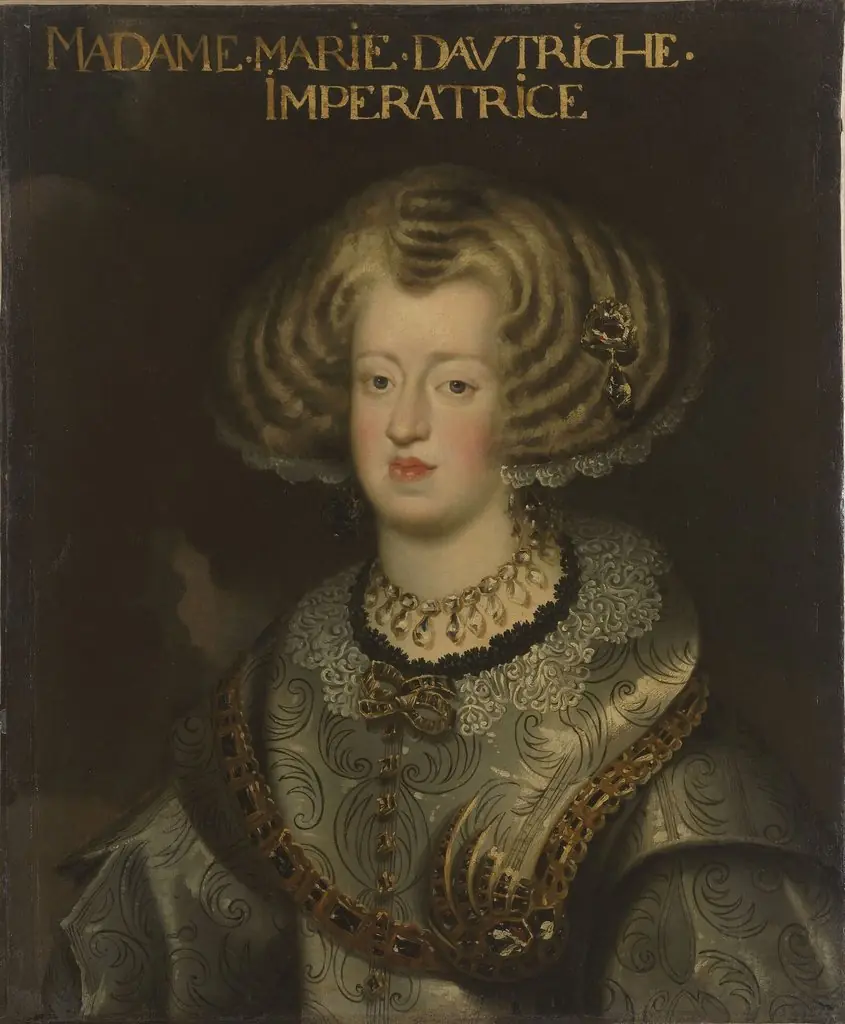 Marie-Anne of Austria, Empress of Germany (1606-1646)
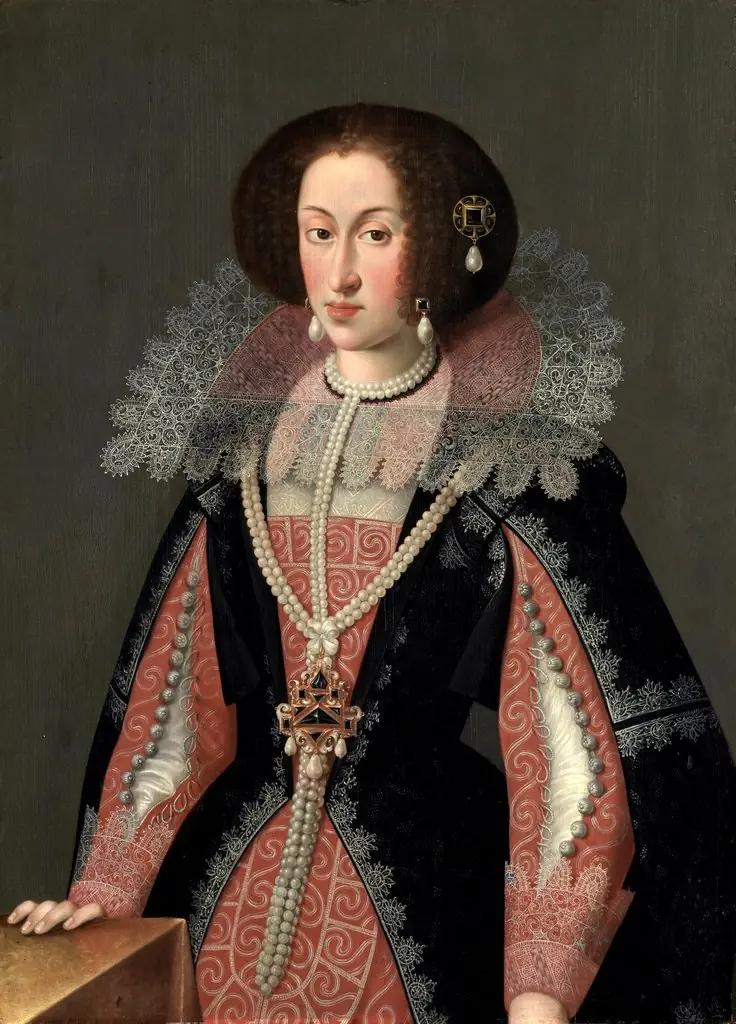 Portrait of Maria Anna of Austria, Electress of Bavaria