Artwork
Portrait of Anne of Austria, Queen of France (1601-1666)
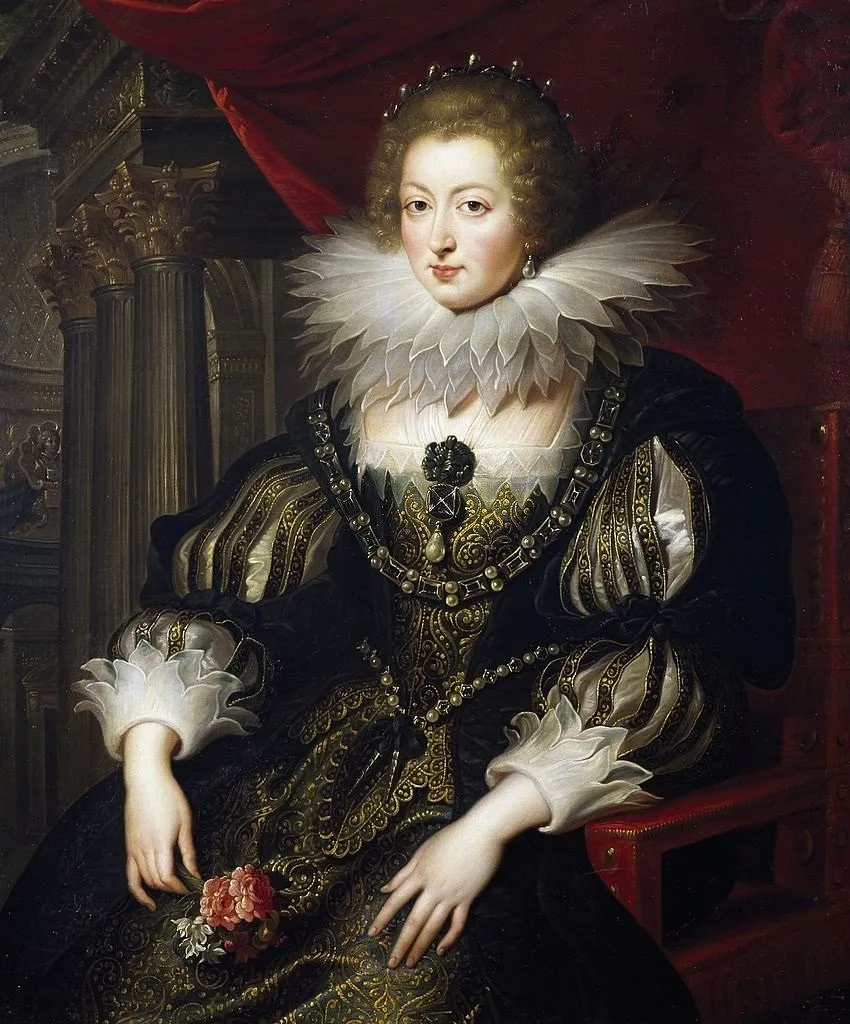
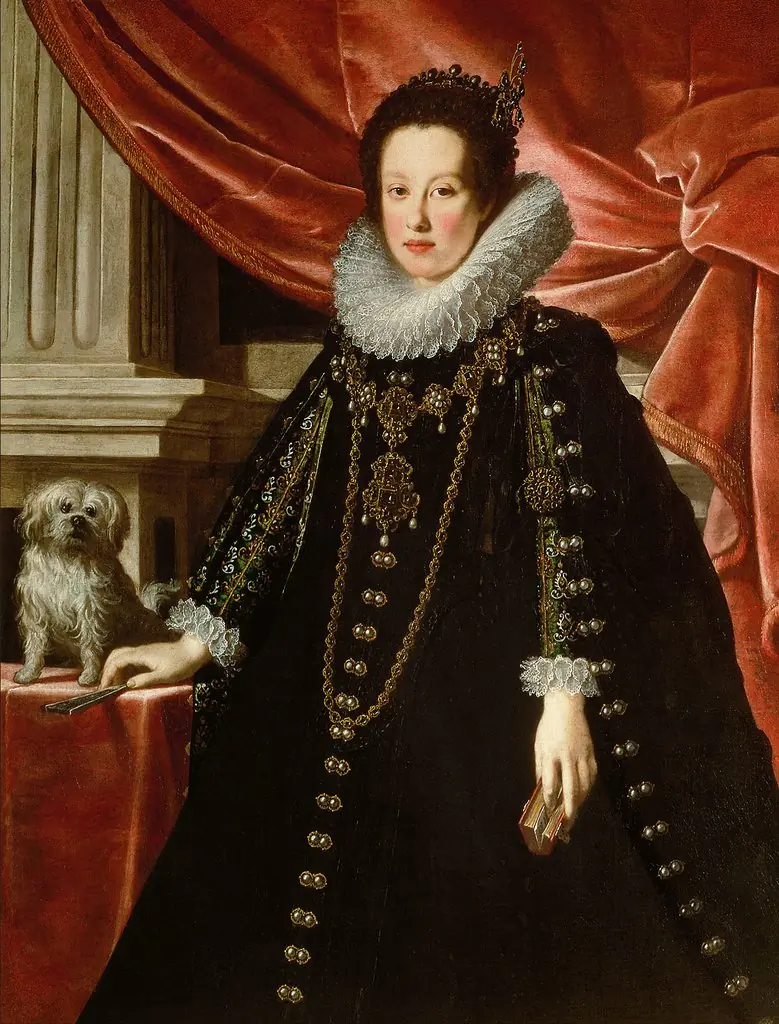
Portrait of Anne of Austria, Queen of France (1601-1666) is an oil painting by the Early Baroque Italian artist Unknown. It dates from 1625 and is held in the collection of the Palace of Versailles. This oil painting depicts Anne of Austria, Queen of France, seated formally in a richly adorned interior.
About this work
Overview
Her black and gold gown, white lace collar, and crown signal her royal status, while the pink flower she holds introduces a subtle gesture of delicacy.
This oil painting depicts Anne of Austria, Queen of France, seated formally in a richly adorned interior. Her black and gold gown, white lace collar, and crown signal her royal status, while the pink flower she holds introduces a subtle gesture of delicacy. The red curtain backdrop and gilded column frame her presence, enhancing the sense of ceremonial grandeur. The composition and color palette reflect the opulent aesthetic of early 17th-century court portraiture.
Subject & Meaning
Anne of Austria, wife of Louis XIII and mother of Louis XIV, is portrayed not merely as a royal figure but as a symbol of dynastic authority. The crown and regal attire affirm her position, while the flower may allude to fertility or the hope for an heir. The restrained expression and upright posture convey dignity rather than emotion, aligning with the expected decorum of queenship in Bourbon France.
Technique & Style
The painting employs rich textures and luminous contrasts typical of Baroque portraiture. Gold thread in the fabric, the sheen of silk, and the soft rendering of lace demonstrate careful attention to material detail. The red background and column create depth without perspective, focusing attention on the figure. The brushwork, though refined, lacks the dynamic movement seen in Rubens’s work, suggesting a more restrained courtly hand.
History & Provenance
Though the artist remains unidentified, the style and subject place the work within French royal circles circa 1620–1640. It likely originated in the Louvre or another royal residence, commissioned to affirm Anne’s status during a period of political instability. The painting remained in royal collections until the 19th century, when it entered a public museum, preserving its connection to the French monarchy.
Context
During Anne’s lifetime, France was navigating religious conflict and the consolidation of absolute monarchy. Portraits like this served as political tools, projecting stability and legitimacy. The use of red and gold—colors associated with royalty and divine right—echoed Habsburg and Bourbon traditions, reinforcing her dual identity as Spanish princess and French queen.
Legacy
The portrait stands as a representative example of French court portraiture before the rise of Rigaud and other later masters. It preserves the visual language of early Bourbon queenship, bridging Spanish Habsburg influences and emerging French stylistic norms. While not widely reproduced, it remains a key reference for understanding how royal women were visually constructed in 17th-century France.
Artist & collection

 Domestic Scene
 Giacomo and Cardinal Marco, investing Andrea, Abbot of San Zeno, with his Benefice
 The Nymph of Fontainebleau
 Portrait of a Woman
 Madonna and Child with Saints in the Enclosed Garden
 Venus and Minerva
 Family Group of Four on Sofa
 Wall painting from Room H of the Villa of P. Fannius Synistor at Boscoreale
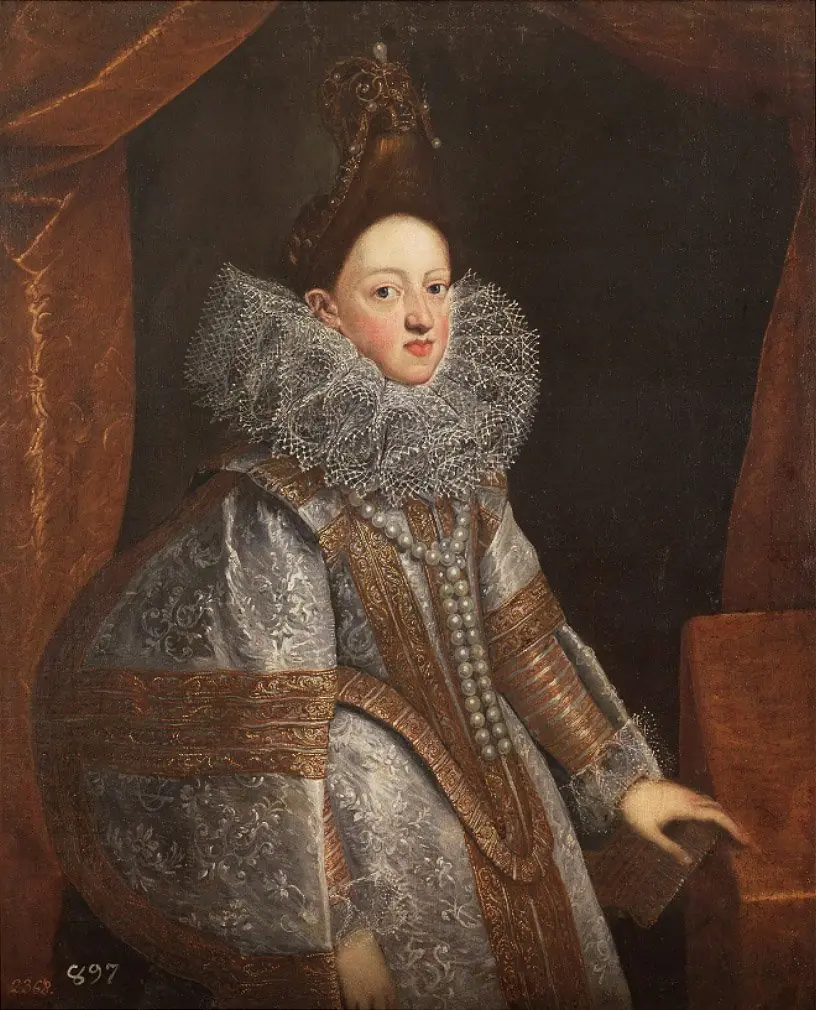 Portrait of Eleanor of Austria
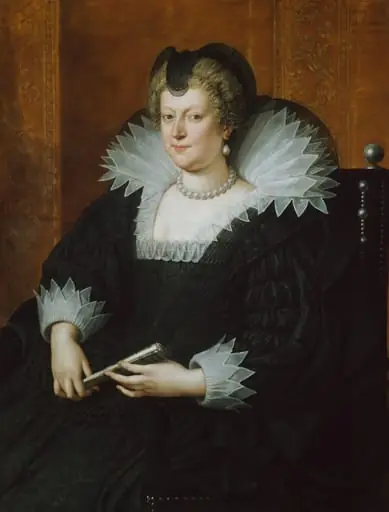 Marie de’ Medici
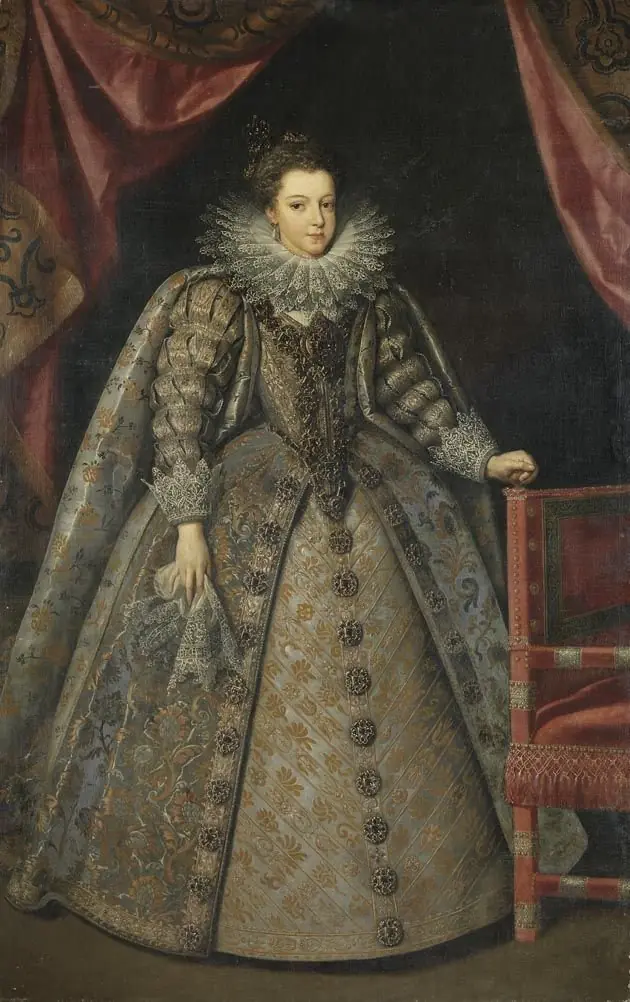 Elisabeth von Bourbon (1602-1644)
 Marie de Médici
 Bildnis der Herzogin Magdalena von Bayern, Gemahlin Herzog Wolfgang Wilhelms von Pfalz-Neuburg, im Hochzeitsstaat (1597-1628)
 Marie de Medici, Queen of France
 Portrait of Margaret of Savoy, Duchess of Mantua
 Portrait of Anna de' Medici (1616-1676), Archduchess with her Lapdog