Artwork
Portrait of an Unknown Lady
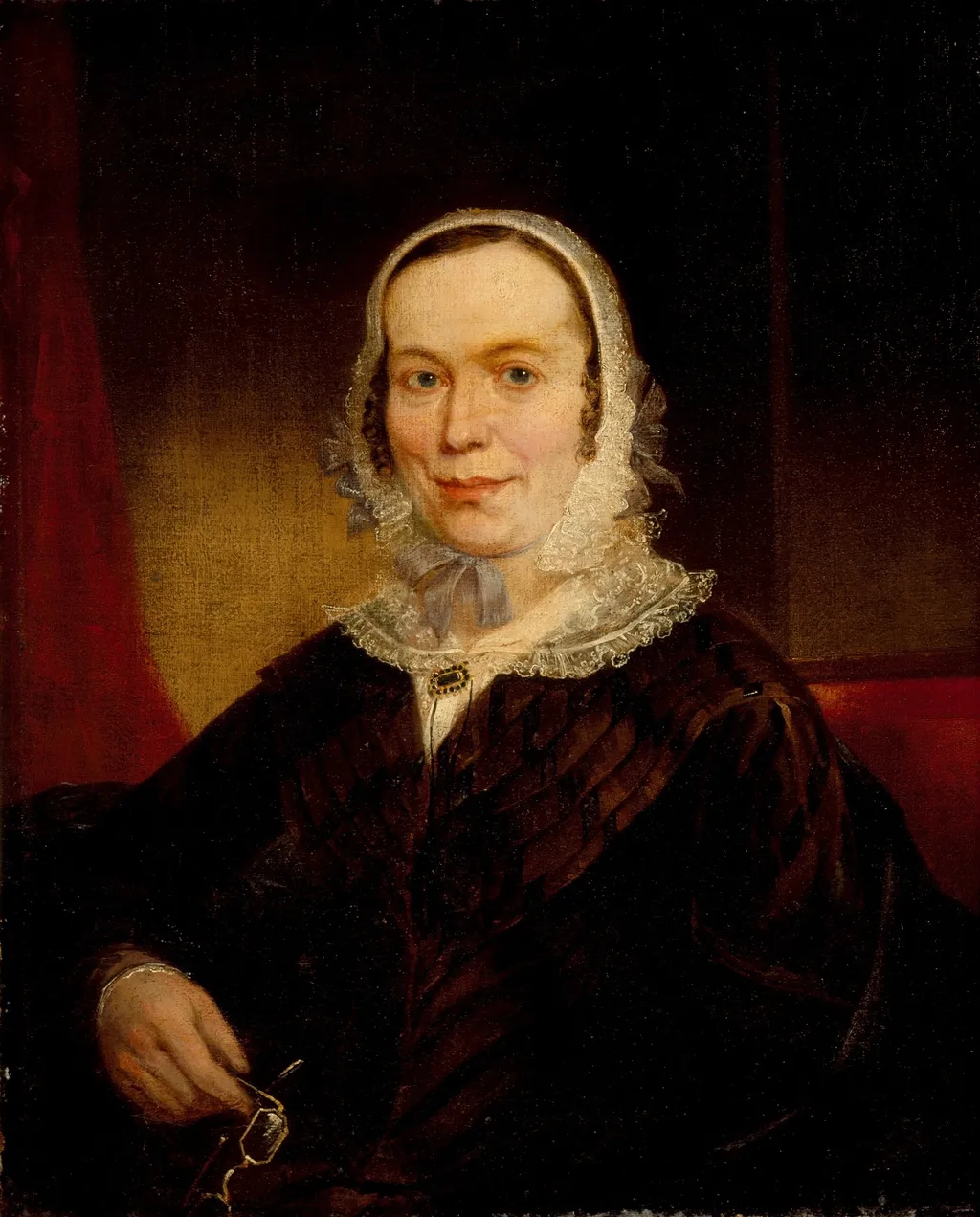
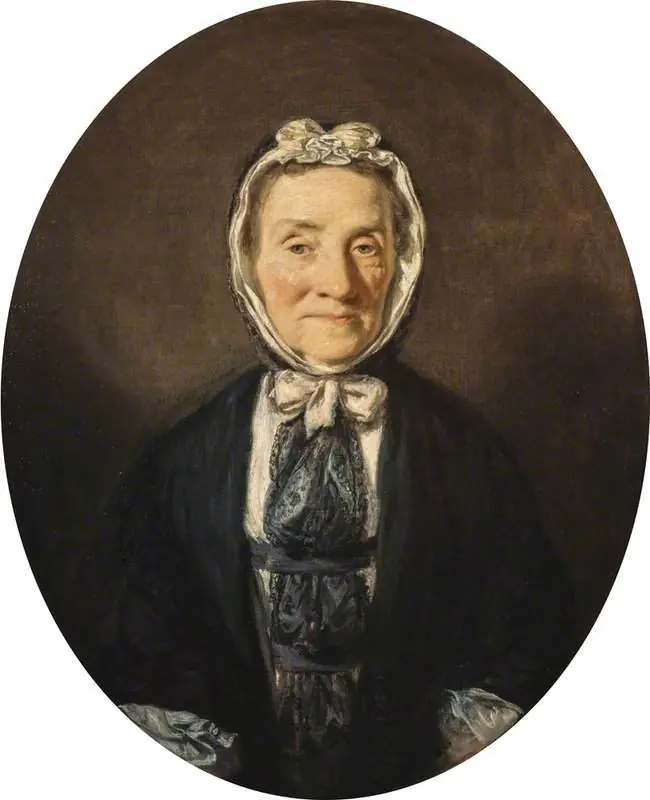
Portrait of an Unknown Lady is an unspecified painting by Unknown. It dates from 1830 and is held in the collection of the Los Angeles County Museum of Art. This 19th-century portrait depicts an unidentified woman in quiet repose, rendered with a restrained palette and focused lighting.
About this work
The Los Angeles County Museum of Art has a collection of paintings that showcase this technique, including works by artists such as Rembrandt and Caravaggio.
This painting is a portrait of a woman, likely from the 19th century. She is depicted wearing a dark dress with a white lace collar and a head covering. Her right hand rests on her lap, holding a pair of glasses.
The background of the painting is dark, which helps to highlight the subject's features. The overall mood of the painting is somber and introspective.
The artist's use of chiaroscuro, a technique that uses strong contrasts between light and dark, adds depth and volume to the painting. The Los Angeles County Museum of Art has a collection of paintings that showcase this technique, including works by artists such as Rembrandt and Caravaggio.
Overview
This 19th-century portrait depicts an unidentified woman in quiet repose, rendered with a restrained palette and focused lighting. Her dark attire and modest headwear suggest a formal or mourning context, while the absence of decorative elements directs attention to her expression and posture. The painting’s composition emphasizes stillness and inward reflection, characteristic of intimate portraiture from the period.
Subject & Meaning
The woman’s gaze is lowered, her right hand resting gently on her lap as she holds a pair of spectacles—suggesting literacy, age, or a moment of pause in reading. The glasses, neither ornamental nor functional in a theatrical sense, imply a private, everyday ritual. The somber tone and lack of external context invite interpretation as a meditation on solitude, intellect, or the passage of time.
Technique & Style
The artist employs chiaroscuro to model the face and hands with subtle gradations of light, enhancing three-dimensionality against a near-black background. The lace collar is rendered with delicate brushwork, contrasting the smoothness of the skin and fabric. The dark setting isolates the figure, reinforcing psychological depth through controlled illumination rather than environmental detail.
History & Provenance
The painting’s origin and early ownership remain undocumented. It entered the collection of the Los Angeles County Museum of Art without a known artist attribution or documented provenance prior to its acquisition. Its stylistic similarities to regional portraiture of the 1800s suggest it may have been painted by a lesser-known artist working within established conventions of the time.
Context
In the 19th century, portraits of women often conveyed moral or domestic virtues through restrained poses and modest dress. The inclusion of spectacles was uncommon in formal portraiture, making this detail noteworthy. The painting aligns with a trend toward psychological realism, where inner life was suggested through gesture and lighting rather than narrative elements.
Legacy
Though unsigned and unattributed, the portrait contributes to broader studies of non-elite portraiture in the 19th century. Its quiet intensity and technical precision reflect the enduring influence of Old Master techniques, particularly chiaroscuro, adapted by regional painters. It stands as an example of how anonymity in portraiture can amplify emotional resonance.
Artist & collection

 Domestic Scene
 Giacomo and Cardinal Marco, investing Andrea, Abbot of San Zeno, with his Benefice
 The Nymph of Fontainebleau
 Portrait of a Woman
 Madonna and Child with Saints in the Enclosed Garden
 Venus and Minerva
 Family Group of Four on Sofa
 Wall painting from Room H of the Villa of P. Fannius Synistor at Boscoreale
 Portrait of Golitsyna
 Mrs Janet Davies, Fronheulog, Llandderfel
 Lydia Jones
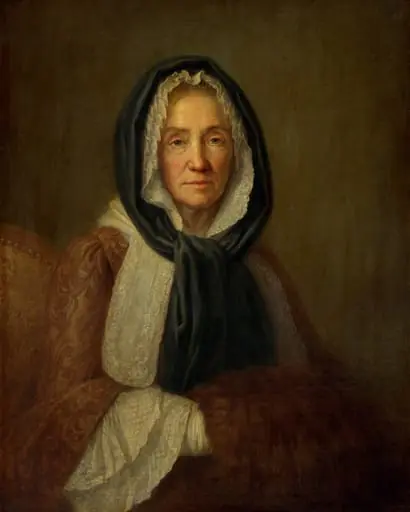 Old Woman with a Muff
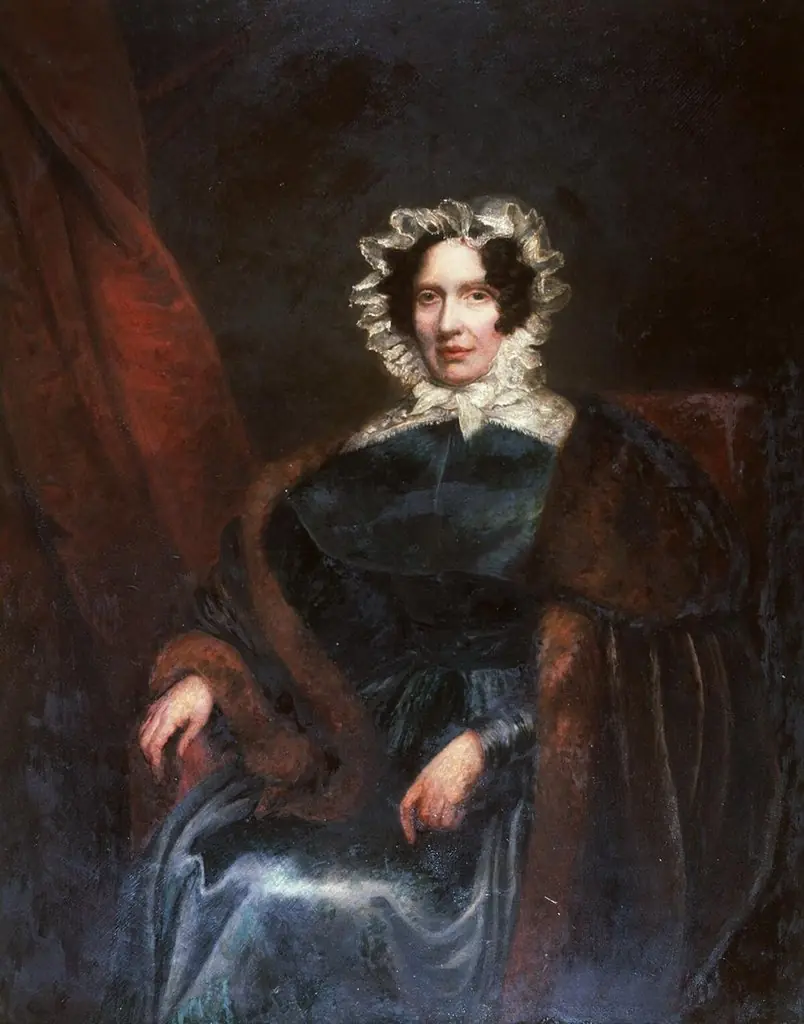 Margaret Lady Walsh (at 78)
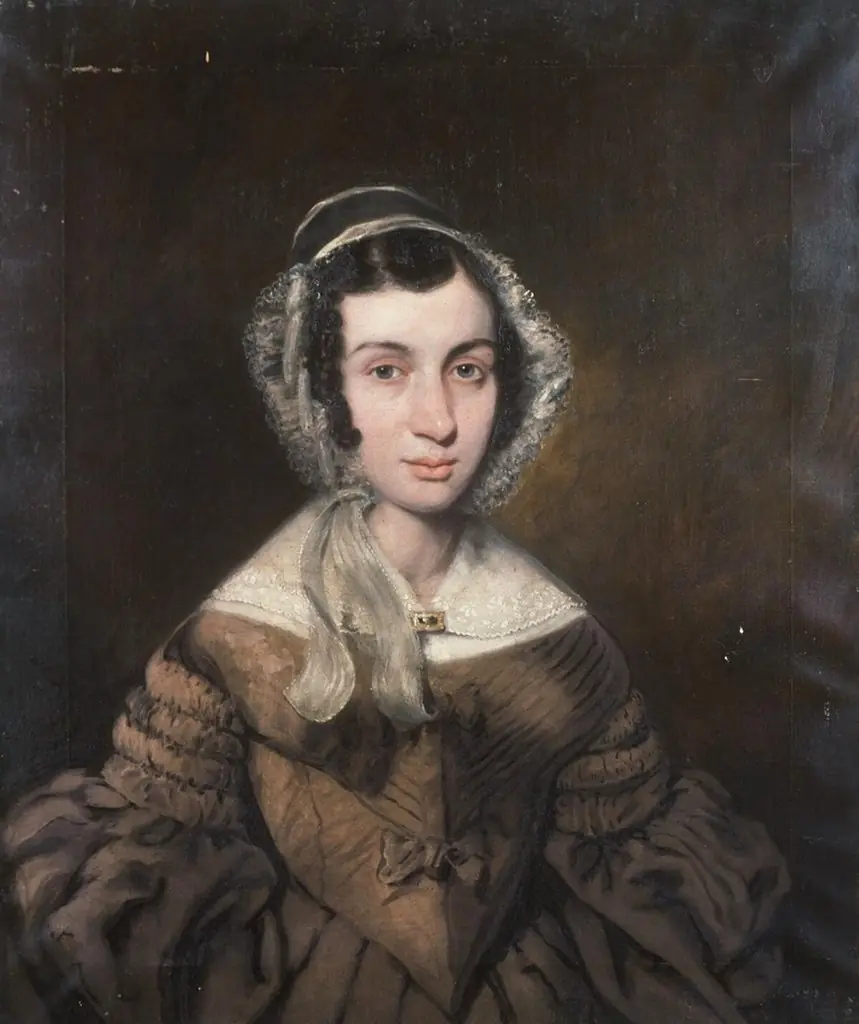 Jane Edwards
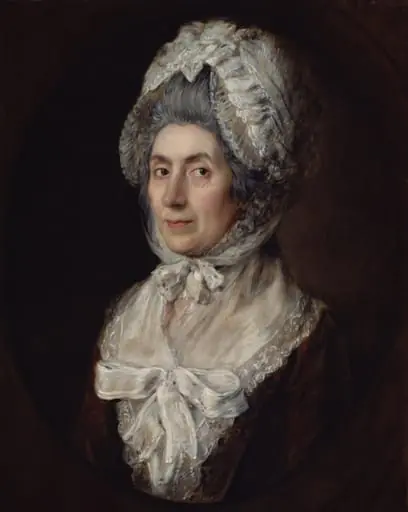 Sarah Dupont
 Mrs John Jones, Castle St, Liverpool
 Portrait of Barbara Brodowicz
 Jane Roberts (Garn Fawr)
 Brændevinsbrænder Bagges enke
 Katherine Paterson, Mrs John Walkinshaw of Barrowfield and Camlachie (called Lady Barrowfield), (c 1683 - 1780). Mother of Clementina Walkinshaw