Artwork
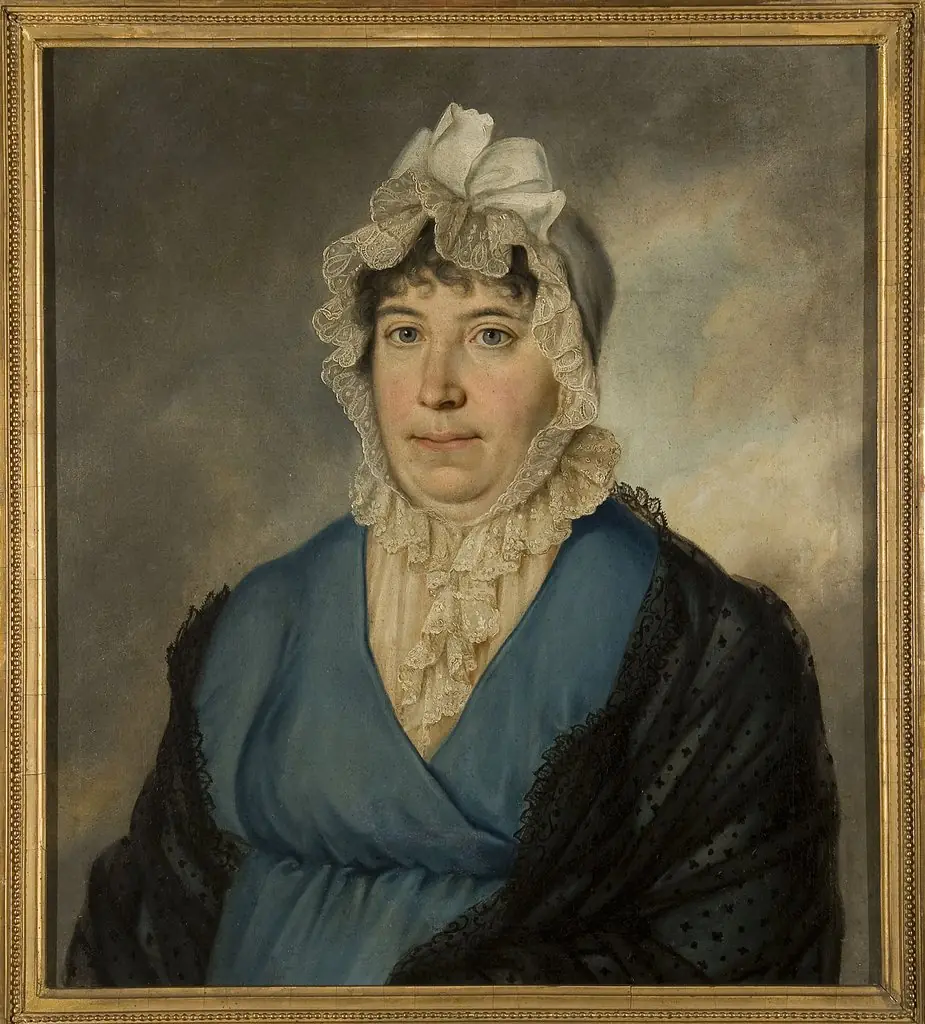
Brændevinsbrænder Bagges enke
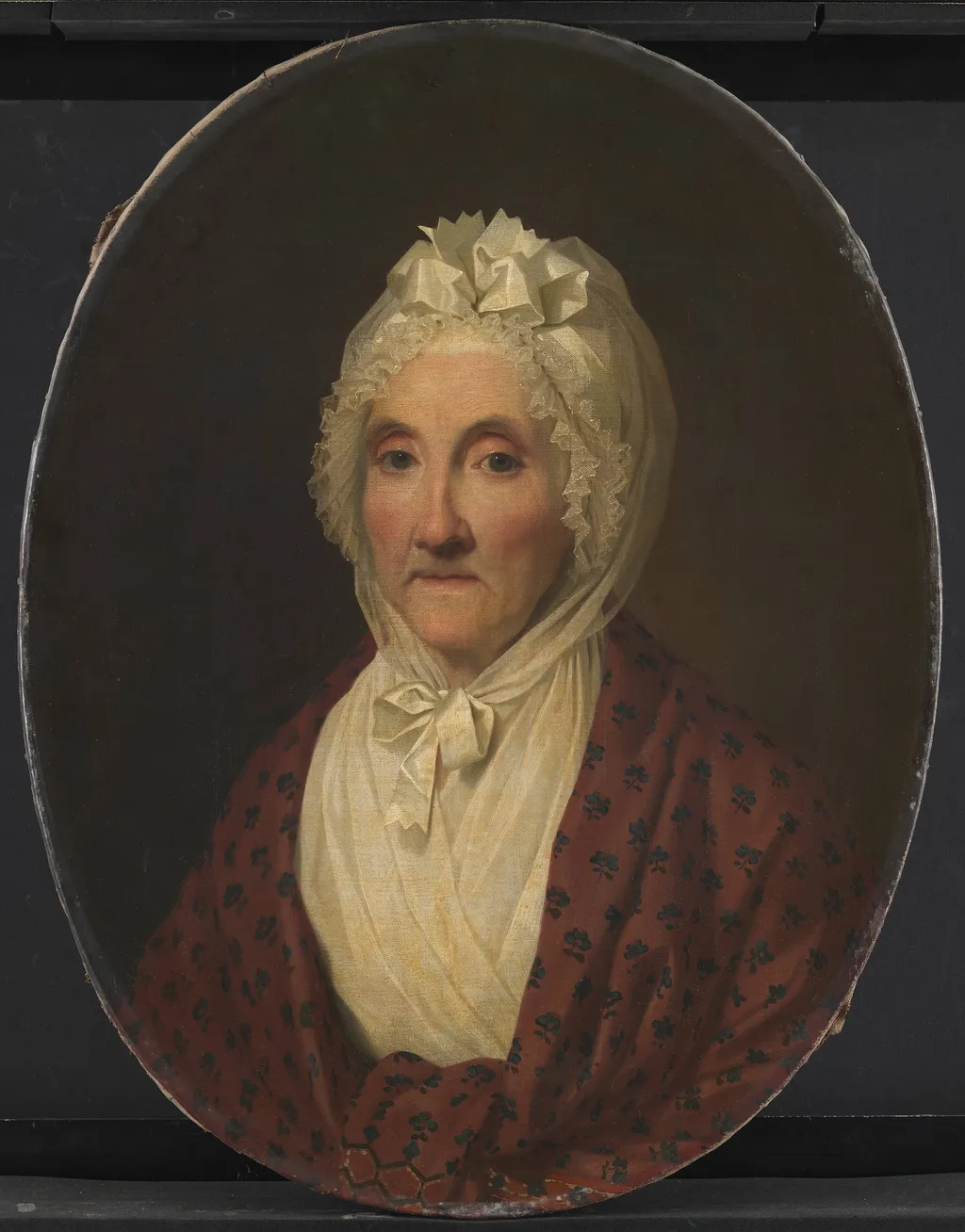
Brændevinsbrænder Bagges enke is a photography by Unknown. It dates from 1750 and is held in the collection of the Statens Museum for Kunst. This early photograph depicts a woman identified as the widow of a distiller, created around 1750.
About this work
Overview
This early photograph depicts a woman identified as the widow of a distiller, created around 1750. Though the date appears inconsistent with photographic technology, the image is likely from the mid- to late 1800s. It is preserved in the Museum of Ethnography. The composition is formal, centered, and rendered in monochrome, emphasizing the subject’s presence through careful lighting and attire.
Subject & Meaning
The absence of overt symbolism points to a documentary intent—capturing an individual rather than conveying allegory or status through conventional portraiture.
The woman is portrayed as the widow of a distiller, suggesting a connection to a trade often associated with local economy and domestic labor. Her dignified bearing and precise dress reflect social standing and personal resilience after loss. The absence of overt symbolism points to a documentary intent—capturing an individual rather than conveying allegory or status through conventional portraiture.
Technique & Style
The image employs chiaroscuro to model the face, with light concentrated on the forehead and cheeks, creating depth against a dark background. The high collar, lace cap, and patterned dress are rendered with clarity, indicating a long exposure and stable setup. The texture of fabric and lace suggests a glass plate or early wet-plate process, typical of mid-19th-century photographic practice.
History & Provenance
The photograph entered the collection of the Museum of Ethnography, likely as part of a broader effort to document everyday life and occupational identities. Its origin remains undocumented beyond the subject’s identification. The misdating to 1750 may stem from misattribution or confusion with earlier painted portraits of similar subjects.
Context
In mid-19th-century Scandinavia, photography began replacing painted portraiture among the middle classes. Widows of tradesmen were commonly photographed in their mourning attire, preserving their role within the community. This image reflects a shift from idealized representation to direct, unembellished documentation of ordinary lives.
Legacy
The photograph endures as a quiet record of a woman whose identity is tied to her husband’s trade and her status as a widow. It contributes to historical studies of gender, labor, and early photographic practice in Northern Europe. Its value lies not in artistic innovation but in its unvarnished testimony to daily life in a transitional era.
Artist & collection

 Domestic Scene
 Giacomo and Cardinal Marco, investing Andrea, Abbot of San Zeno, with his Benefice
 The Nymph of Fontainebleau
 Portrait of a Woman
 Madonna and Child with Saints in the Enclosed Garden
 Venus and Minerva
 Family Group of Four on Sofa
 Wall painting from Room H of the Villa of P. Fannius Synistor at Boscoreale
 Old Woman with a Muff
 Cecilie Marie Elisabeth Schouw, f. Bagge, Poul Johan Schouws hustru
 Sarah Dupont
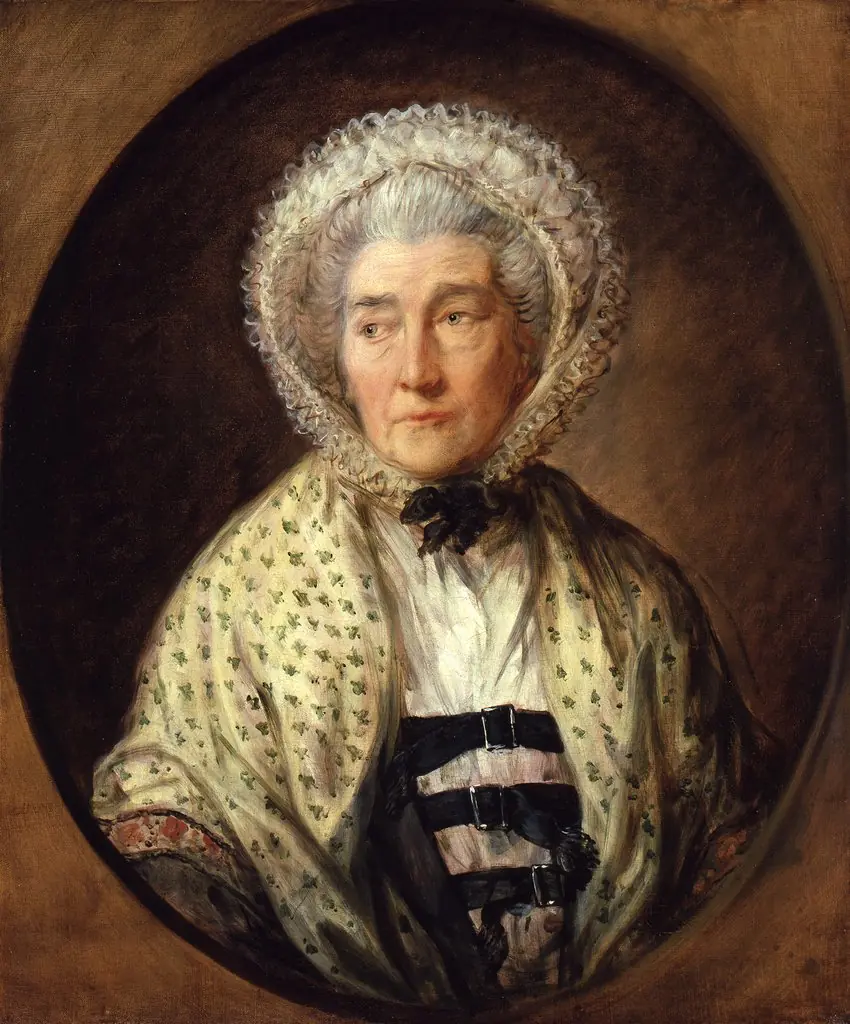 Mrs. Robert Hingeston (died 1793)
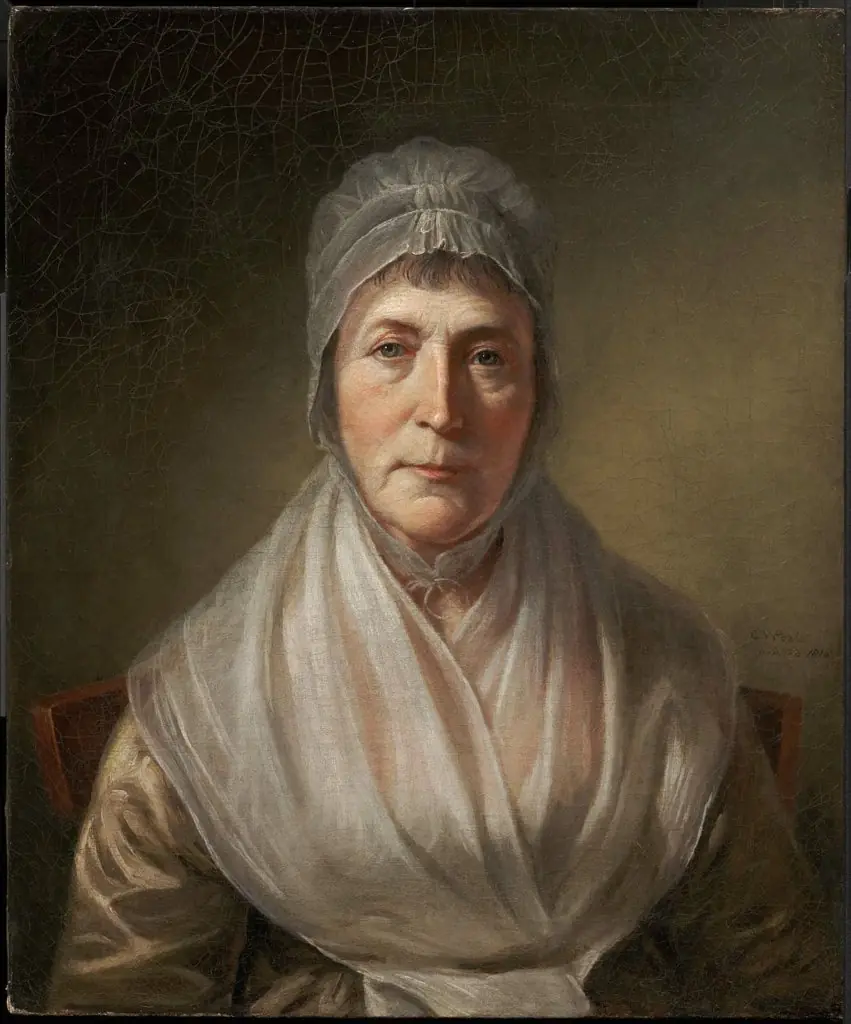 Mrs. Charles Willson Peale (Hannah Moore)
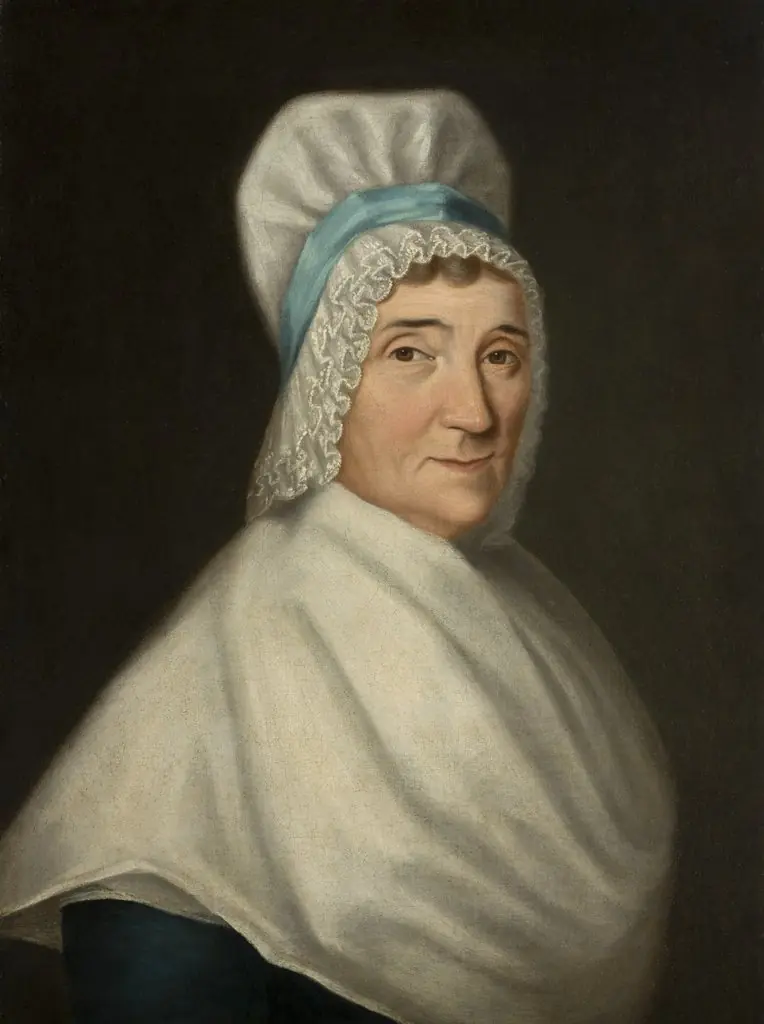 Madame Gabriel Cotte
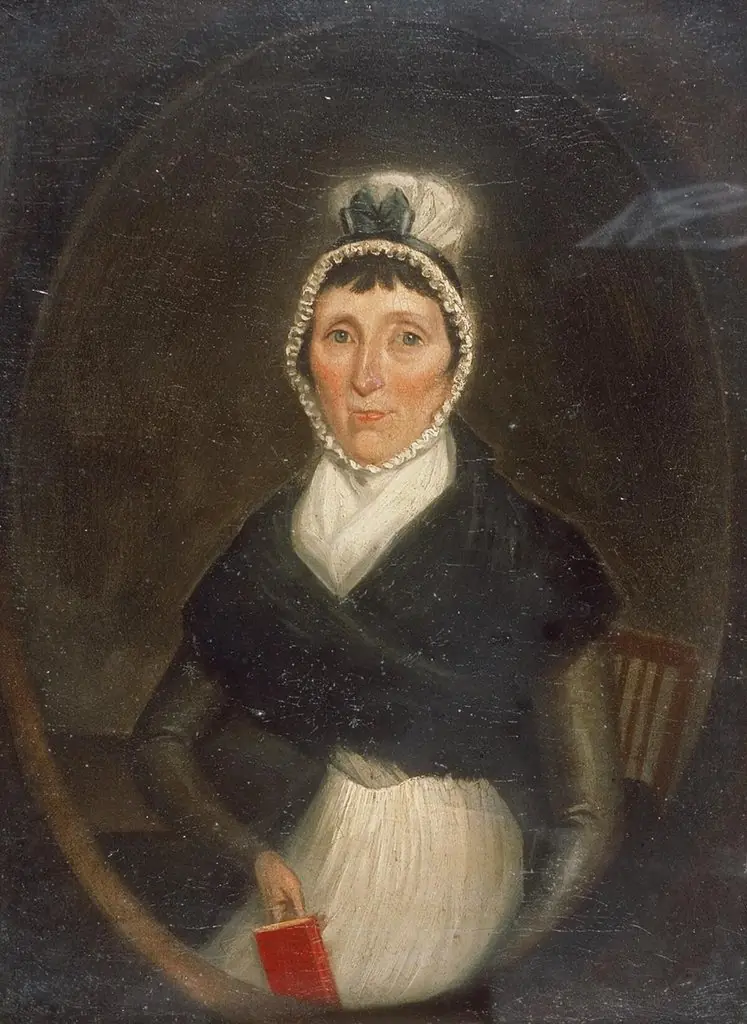 Jane Roberts (Garn Fawr)
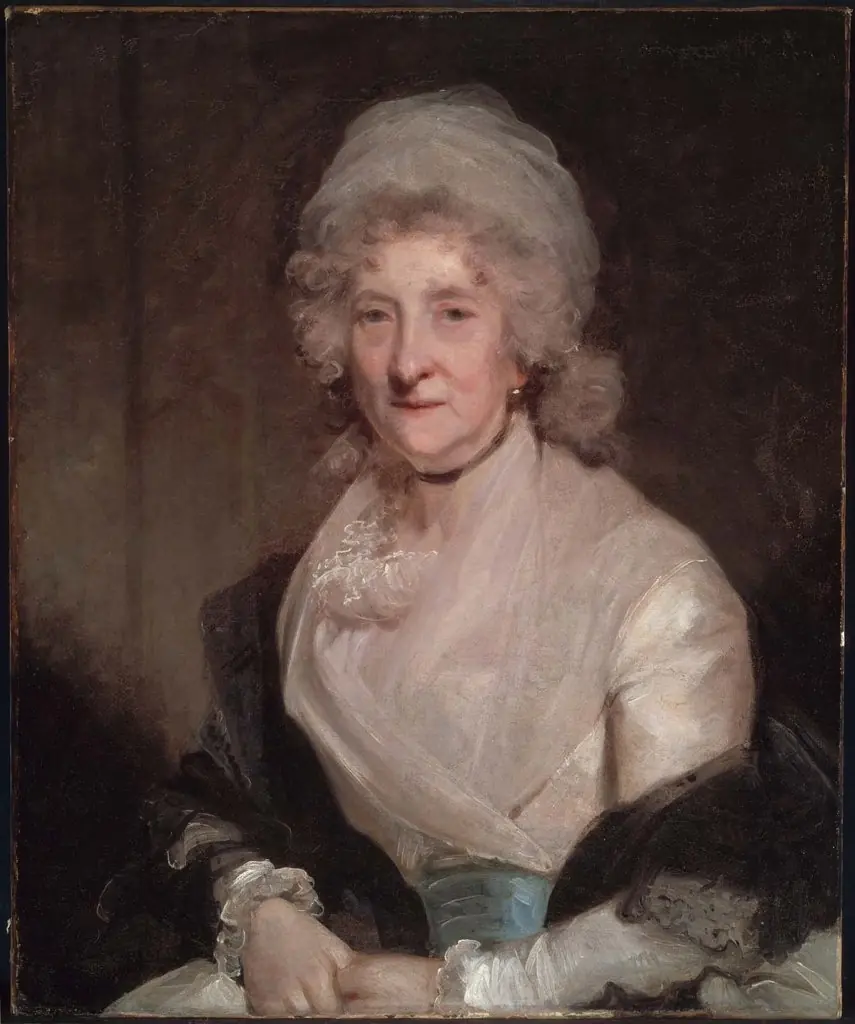 Dorcas, Lady Blackwood (Dorcas Stevenson), Baroness
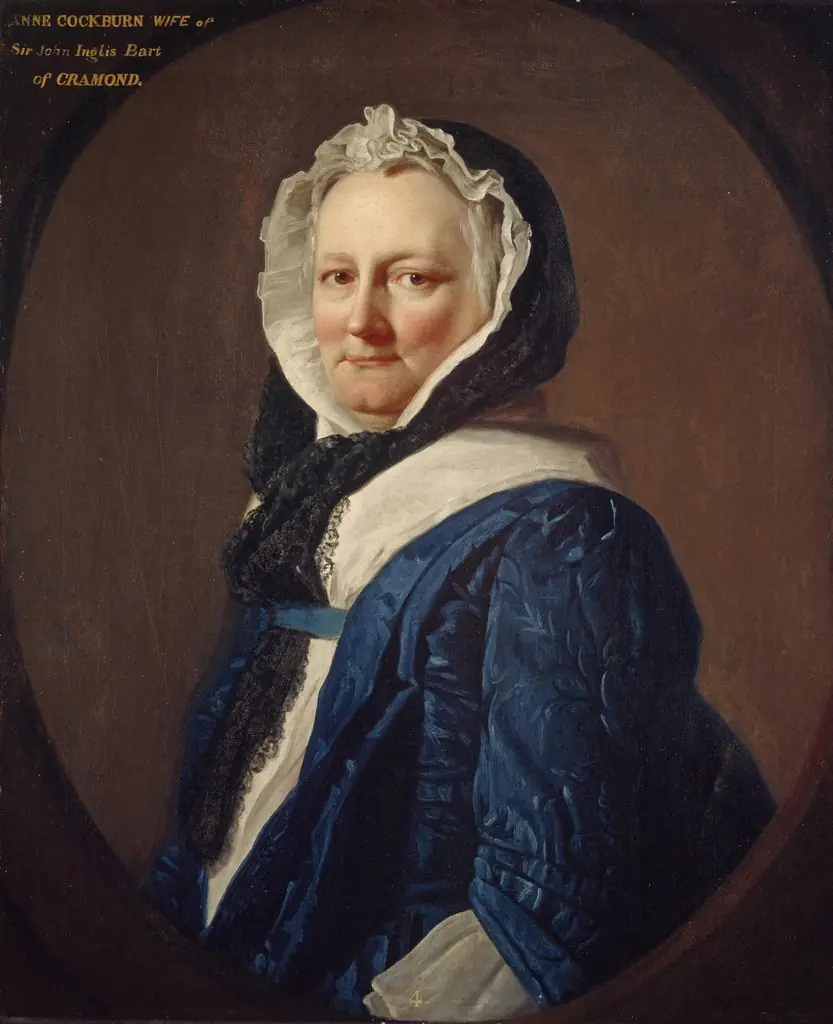 Anne Cockburn, Lady Inglis (died 1772)
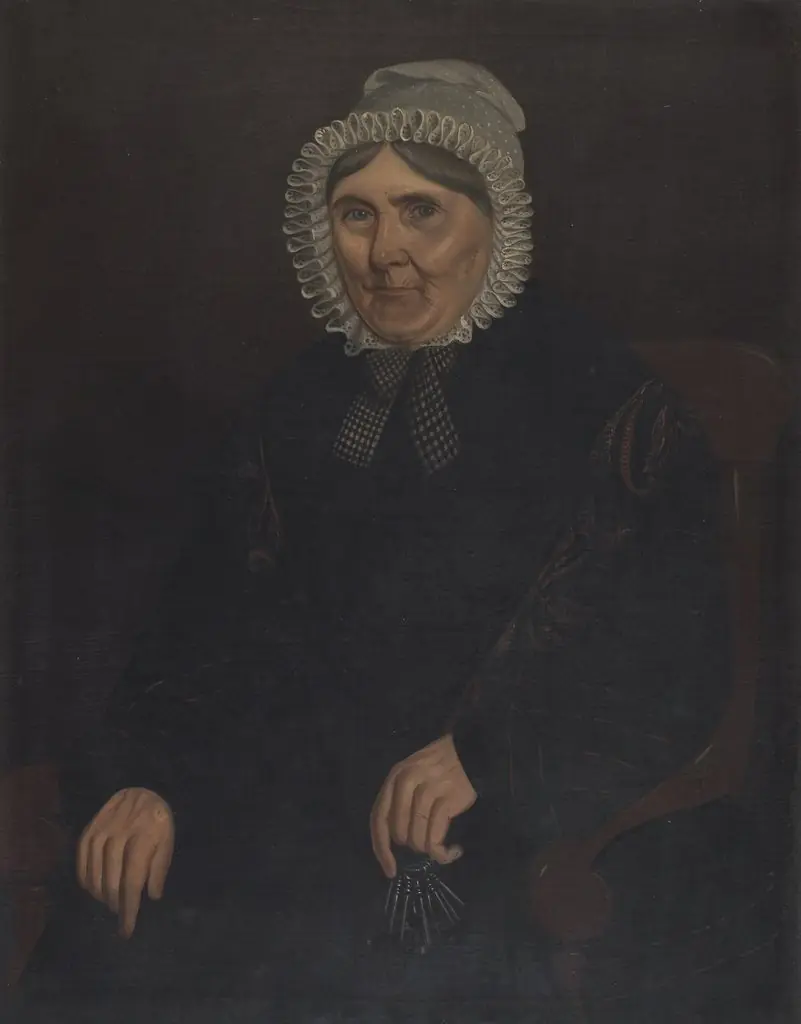 Half length portrait of woman
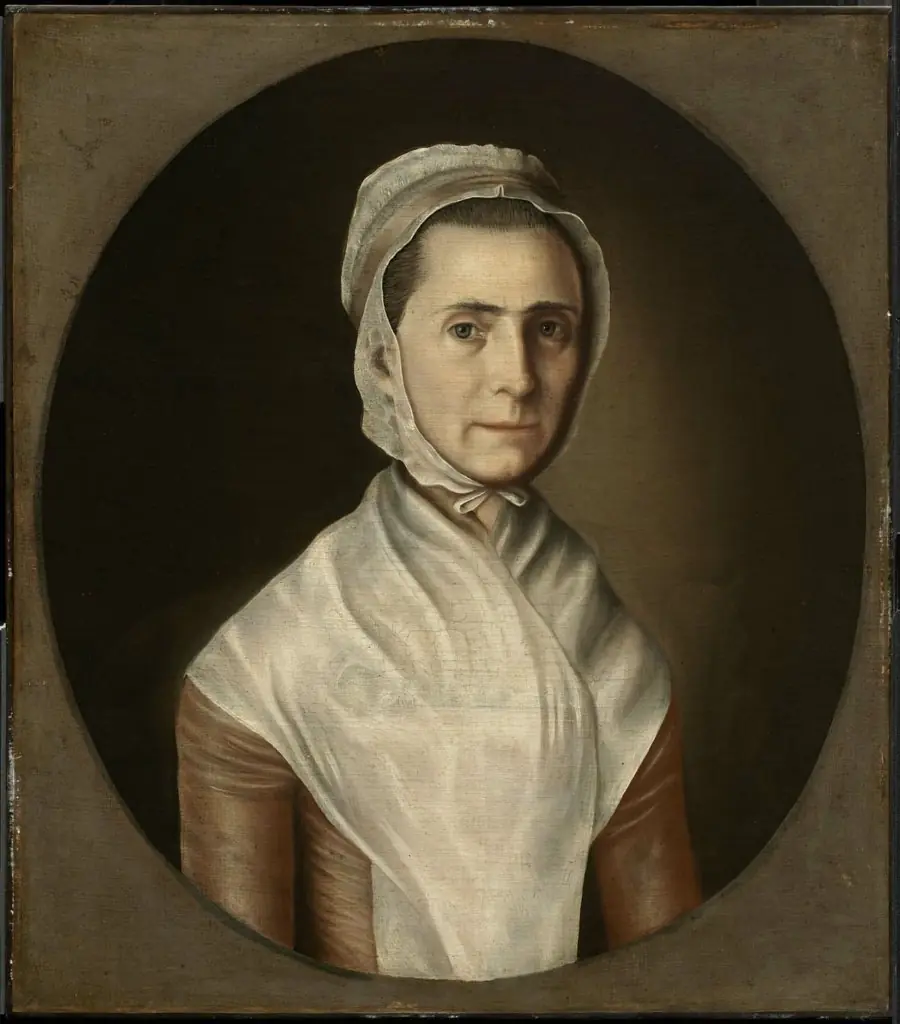 Mrs. Levi Willard (Catherine Chandler)
 Portrait of Mrs. Luboradzka /?/