Artwork
Saint Nicholas
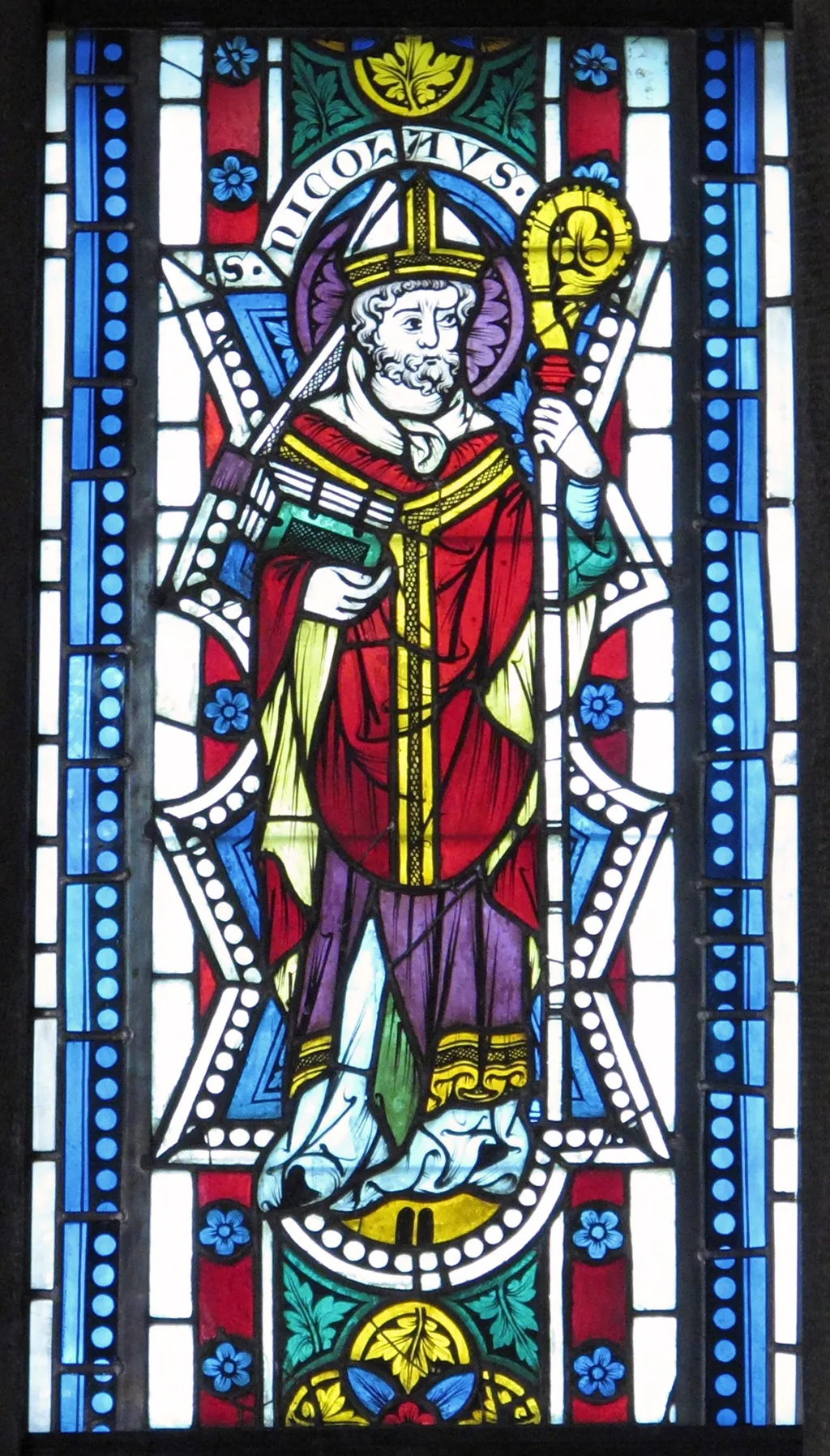
Saint Nicholas is an unspecified painting. It dates from 1350 and is held in the collection of the Metropolitan Museum of Art.
About this work
Overview
An inscription, "COLAVVS," arches above his head, potentially indicating the artist or a significant patron associated with the creation of this piece.
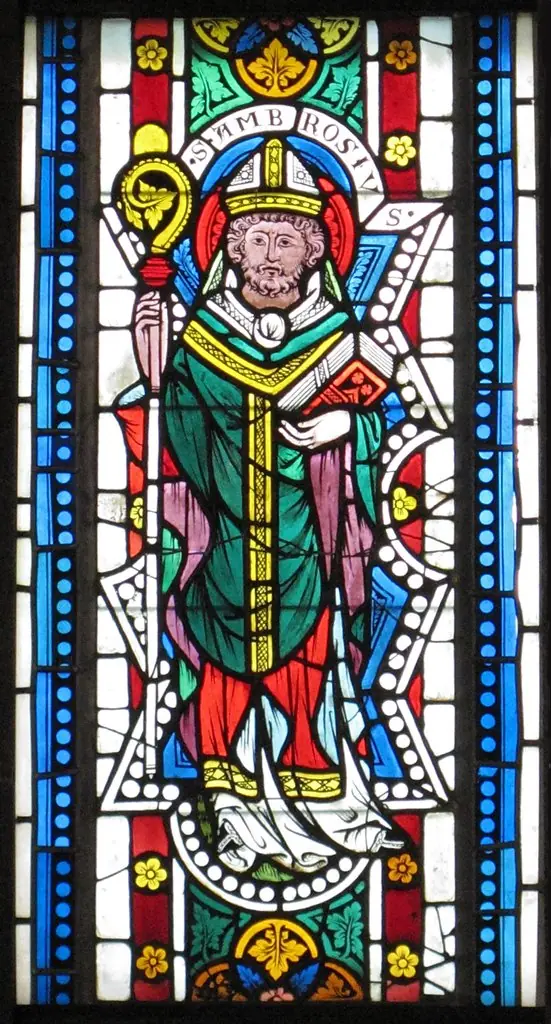
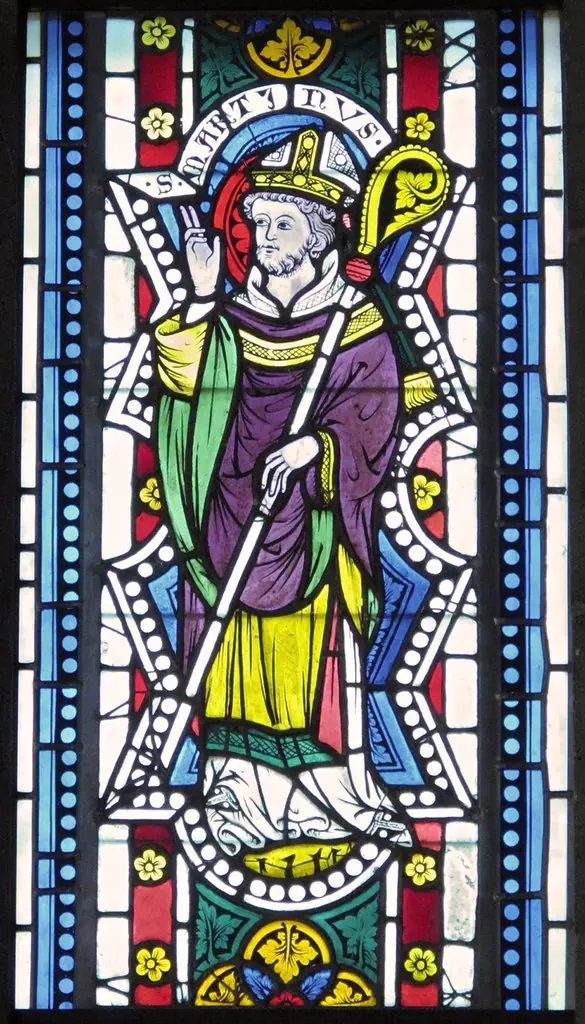
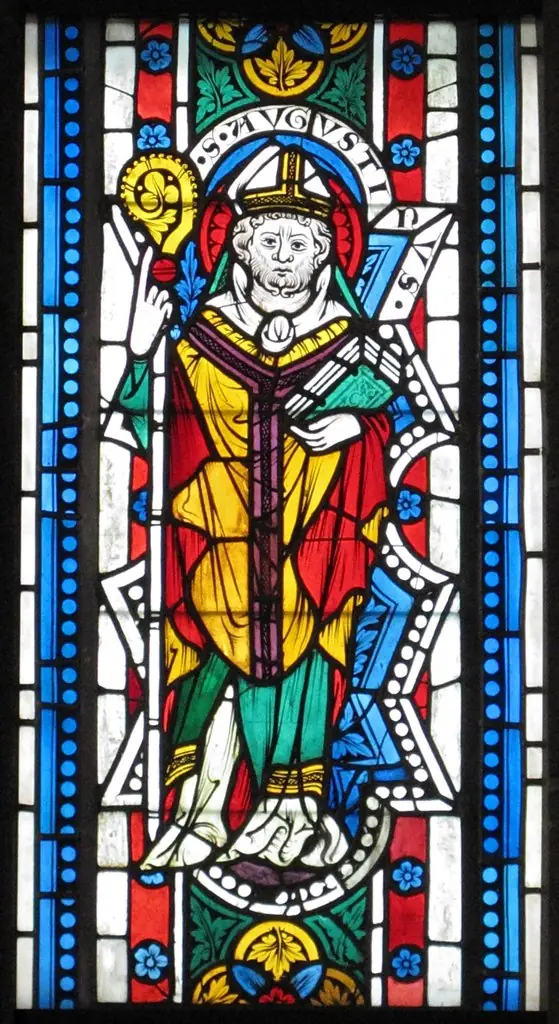
This artwork presents a full-length depiction of Saint Nicholas rendered in stained glass. The figure stands prominently against a vibrant, patterned backdrop, characterized by a solemn expression, a white beard, and dark eyebrows. He is adorned in a red robe with gold embellishments and a purple hat. An inscription, "COLAVVS," arches above his head, potentially indicating the artist or a significant patron associated with the creation of this piece.
Subject & Meaning
Saint Nicholas is recognized by his traditional attributes, including a tall staff and a golden orb. The orb, notably, contains the small figures of three children, referencing a key legend associated with the saint. This iconography specifically alludes to the miracle where Nicholas resurrected three young boys who had been murdered and concealed in a pickling tub by a wicked butcher, underscoring his role as a protector of the innocent and a performer of miracles.
Technique & Style
The artwork's medium, stained glass, dictates its visual characteristics, featuring a tall, elongated figure and a brightly patterned background. The use of bold colors, such as the saint's red robe and purple hat, contributes to the piece's striking presence. The serious demeanor and detailed facial features, including the white beard and dark eyebrows, are rendered with a clarity typical of devotional art designed for visibility and impact within a sacred space.
History & Provenance
The name "COLAVVS" inscribed in a semi-circle above the saint's head offers a potential clue regarding the artwork's origins. Such inscriptions often served to identify the craftsman responsible for the stained glass panel or to commemorate a donor who commissioned the work. While its precise meaning remains open to interpretation, this detail provides a direct historical link to the individuals or workshops involved in the panel's creation.
Artist & collection