Artwork
Japanese Drawing
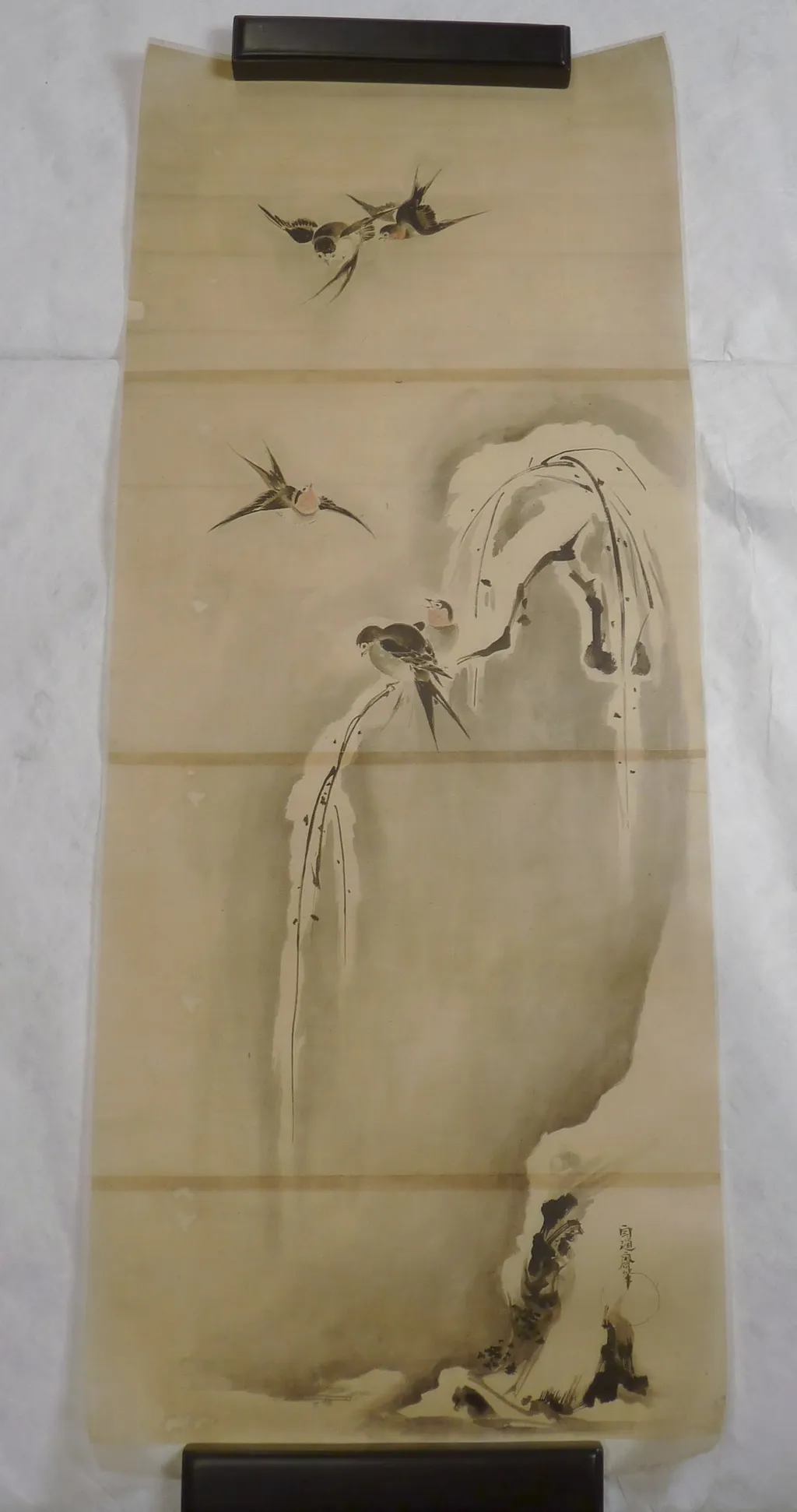
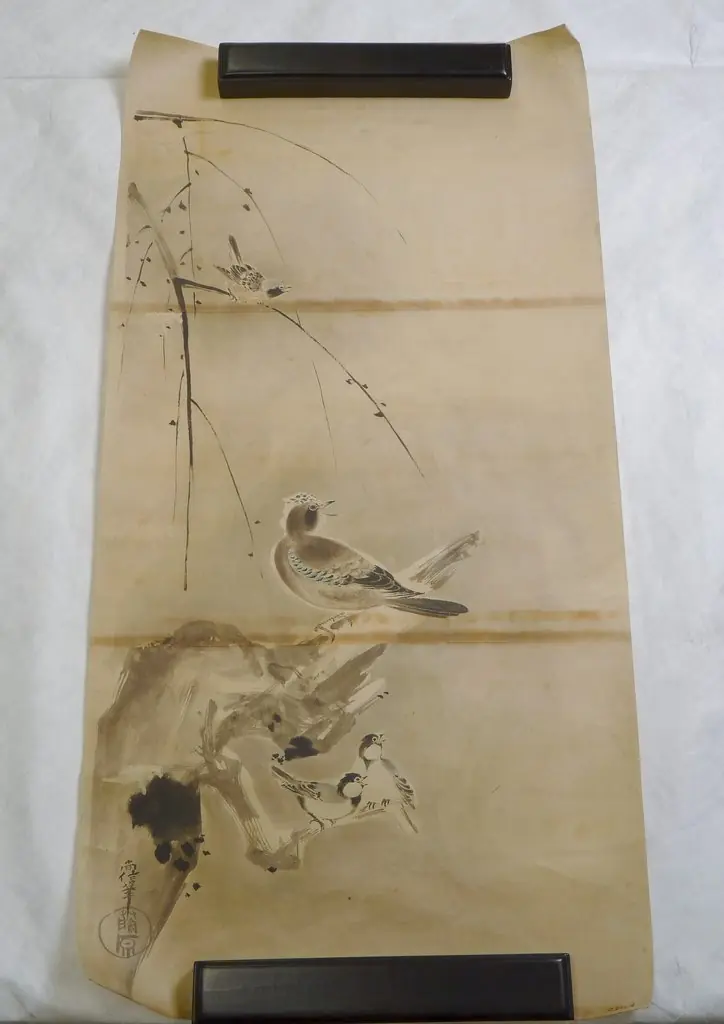
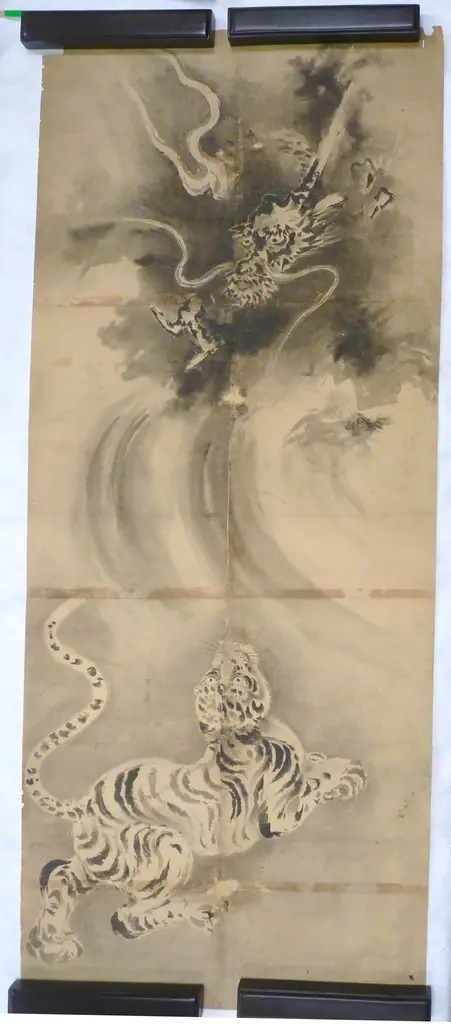
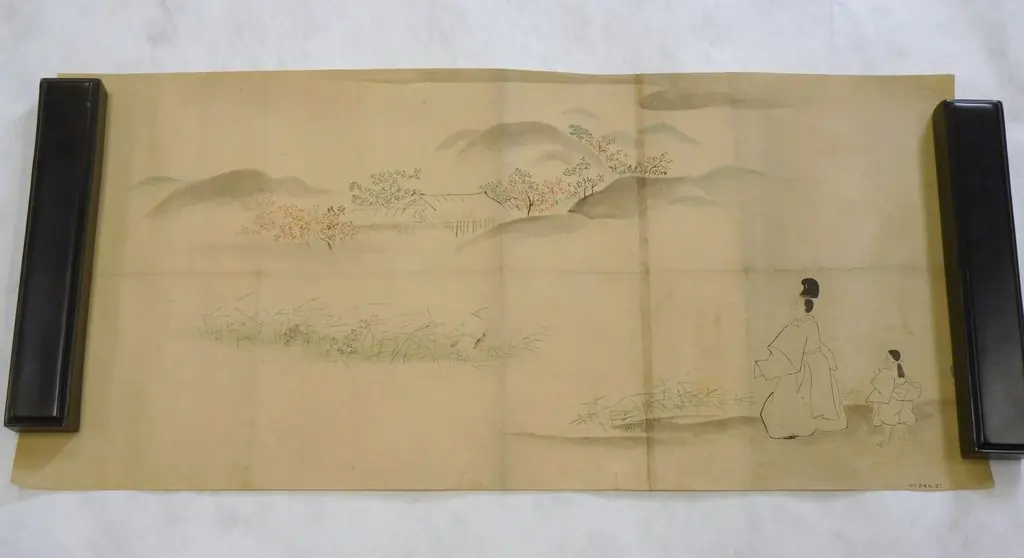
Japanese Drawing is an unspecified painting. It dates from 1816 and is held in the collection of the Metropolitan Museum of Art. The work presents a slender, elongated tree rendered with swift, expressive brushwork, set against an almost barren backdrop.
About this work
Overview
The work presents a slender, elongated tree rendered with swift, expressive brushwork, set against an almost barren backdrop. A cluster of birds is depicted in various stages of flight, some hovering close to the branches, while the lower edge hints at a distant hill or cloud. The composition relies heavily on the contrast between the dark ink forms and the expansive white of the paper.
Subject & Meaning
The central motif of a lone tree surrounded by airborne birds evokes themes of solitude and transience, common in East Asian visual poetry. The birds, captured in fleeting motion, suggest a momentary disturbance of stillness, inviting contemplation of nature’s impermanence and the subtle interplay between the grounded and the soaring.
Technique & Style
Executed with simple black ink on light, uncoated paper, the artist employs minimal strokes, allowing the medium’s inherent fluidity to convey form.
Executed with simple black ink on light, uncoated paper, the artist employs minimal strokes, allowing the medium’s inherent fluidity to convey form. The tree’s trunk and branches are suggested through loose, gestural lines, while the birds consist of a few dots and arcs that imply movement. The generous white space functions as an integral element, emphasizing the sparseness and rhythm of the composition.
Context
This piece aligns with the Japanese ink painting tradition (sumi-e), where economy of line and the use of negative space are prized. Such works often serve as visual haiku, distilling a scene to its essential elements. The emphasis on natural subjects and the meditative quality of the brushwork reflect aesthetic principles prevalent in the Edo period’s literati circles.
Artist & collection