Artwork
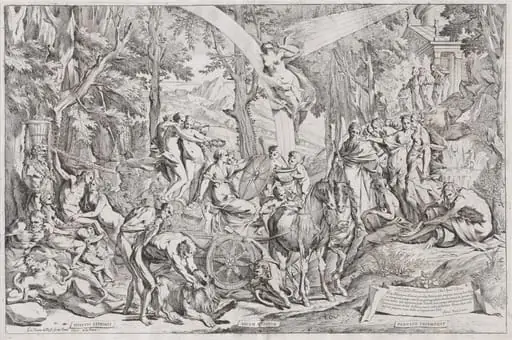
The Triumph of Painting
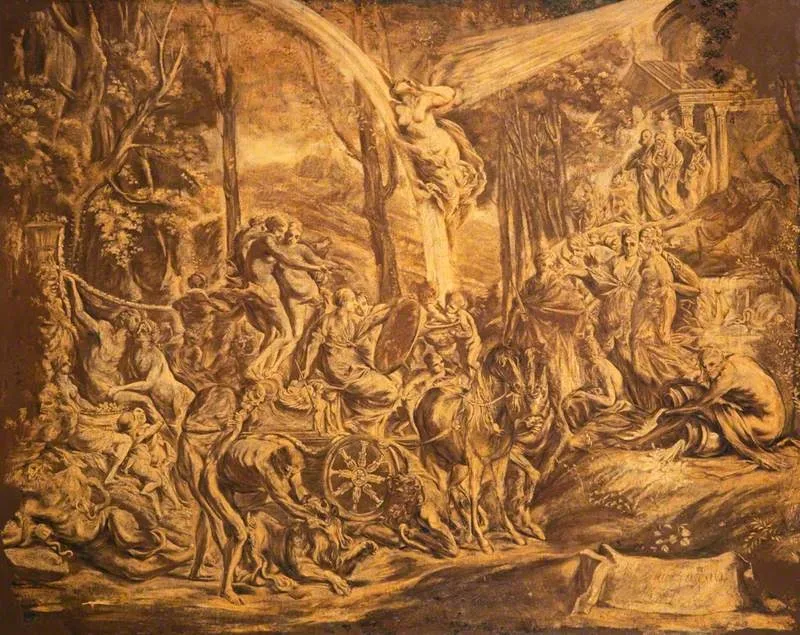
The Triumph of Painting is an oil painting by the Flemish Baroque painting artist Unknown. It dates from 1675 and is held in the collection of the National Galleries Scotland.
About this work
The painting is called The Triumph of Painting.
It was made in 1675 using oil paint.
The artist chose to create an allegory, which is a type of painting that uses symbols to convey meaning.
This painting is interesting because it represents a specific theme, and allegories often require some thought to understand.
You can learn more about this style by looking into the technique of glazing.
Overview
The work titled The Triumph of Painting was executed in 1675 with oil paint on canvas. As an allegorical composition, it employs symbolic figures to celebrate the art of painting itself, inviting viewers to contemplate the medium’s virtues. The piece reflects the late‑Baroque interest in personifying artistic disciplines, positioning painting within a broader cultural narrative.
Subject & Meaning
The painting presents an allegory in which personified elements—often muses, tools, or mythic figures—embody the triumph of the visual arts.
The painting presents an allegory in which personified elements—often muses, tools, or mythic figures—embody the triumph of the visual arts. Such symbolism was intended to convey the intellectual and moral superiority of painting, suggesting that the medium could capture truth and beauty more directly than other forms. Interpreting the iconography requires familiarity with contemporary emblematic conventions.
Technique & Style
Executed in oil, the artist likely employed the glazing method common in the 17th century, layering translucent pigments to achieve depth and luminous color. This approach allowed for subtle modeling of forms and a rich, atmospheric quality characteristic of the period’s Baroque aesthetic. The composition balances dynamic movement with a harmonious arrangement of allegorical figures.
History & Provenance
Created in the latter half of the 17th century, The Triumph of Painting entered the art market through private collections before being acquired by a museum in the early 20th century. Documentation traces its ownership through several European aristocratic families, reflecting the work’s appeal to patrons who valued intellectual allegory and the prestige of owning a sophisticated oil painting.
Artist & collection

 Domestic Scene
 Giacomo and Cardinal Marco, investing Andrea, Abbot of San Zeno, with his Benefice
 The Nymph of Fontainebleau
 Portrait of a Woman
 Madonna and Child with Saints in the Enclosed Garden
 Venus and Minerva
 Family Group of Four on Sofa
 Wall painting from Room H of the Villa of P. Fannius Synistor at Boscoreale
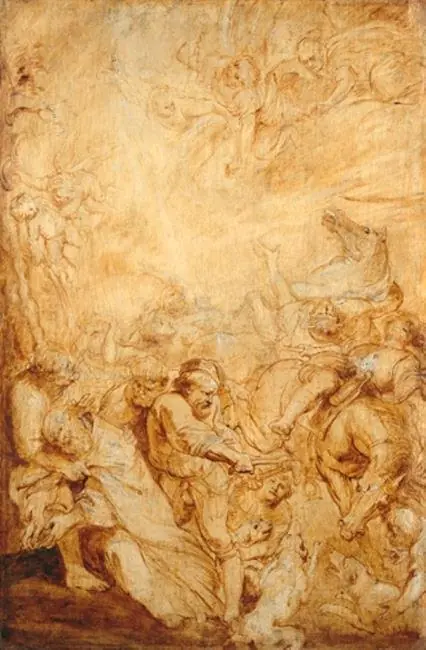 The Martyrdom of St Livinus (study)
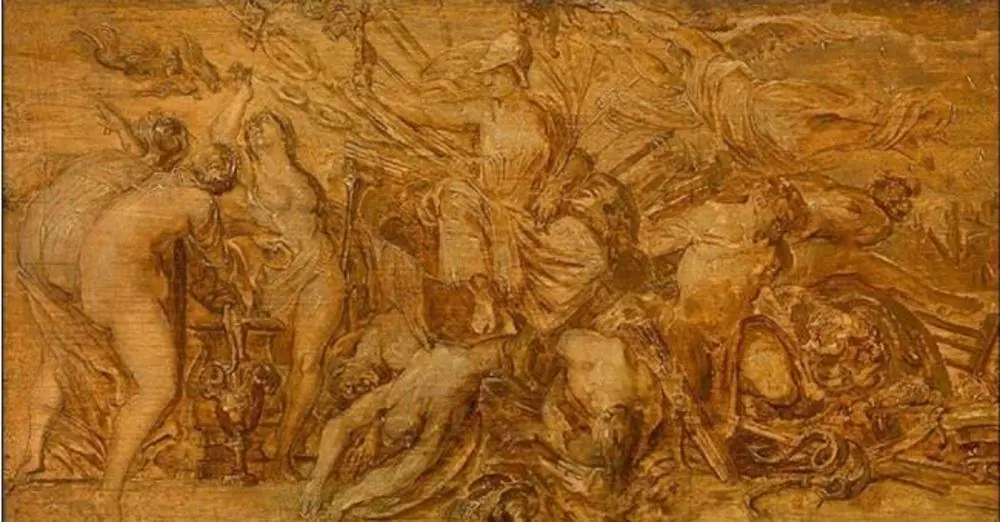 Bellona
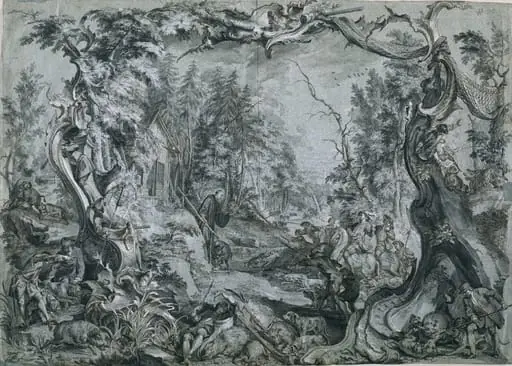 Saint Deicolus and the Boar
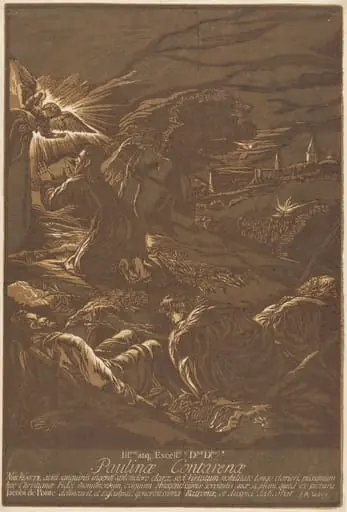 Christ on the Mount of Olives
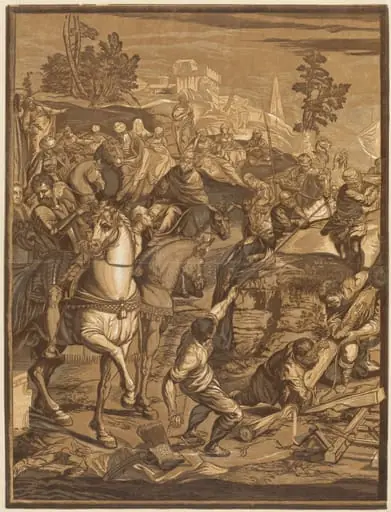 The Crucifixion (Left Panel)
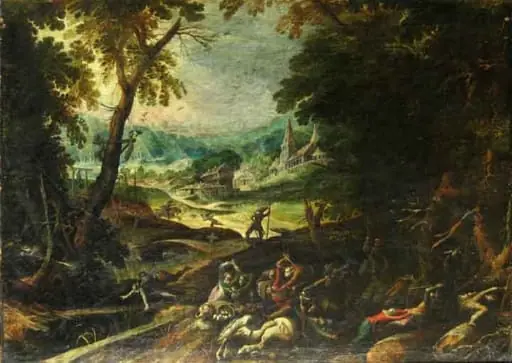 Atacul hoților
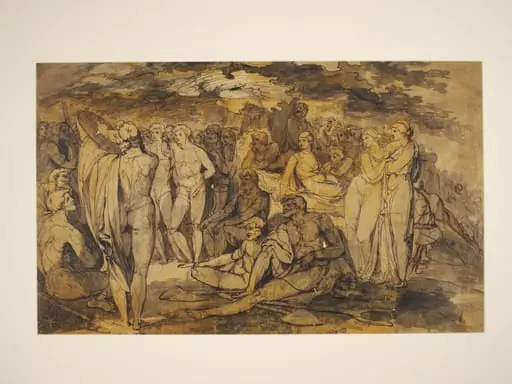 Apollo endeavouring to raise the walls of Troy by the music of his harp
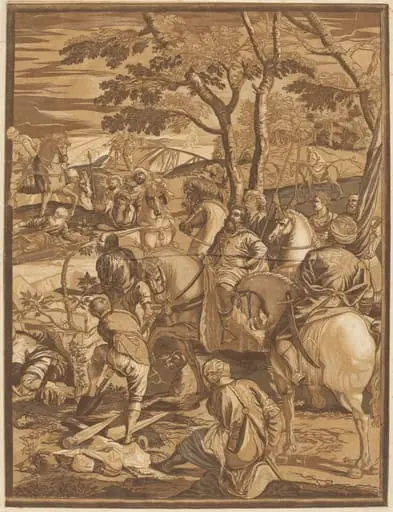 The Crucifixion (Right Panel)
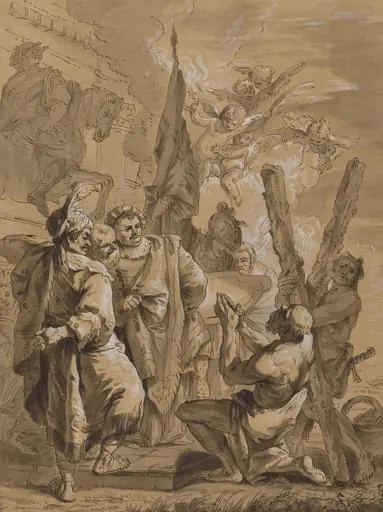 Martyrdom of Saint Andrew
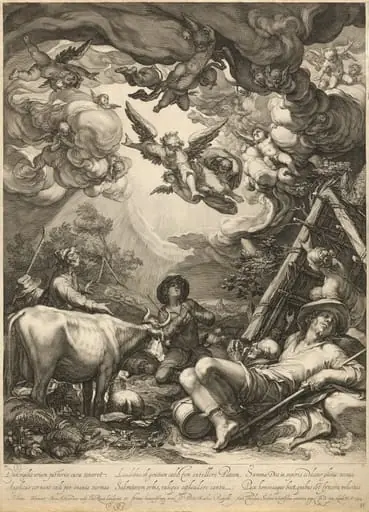 Annunciation to the Shepherds
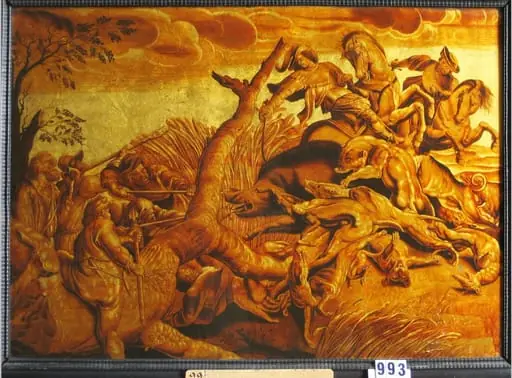 Mistreț la strâmtoare
 The Triumph of Painting on Parnassus