Artwork
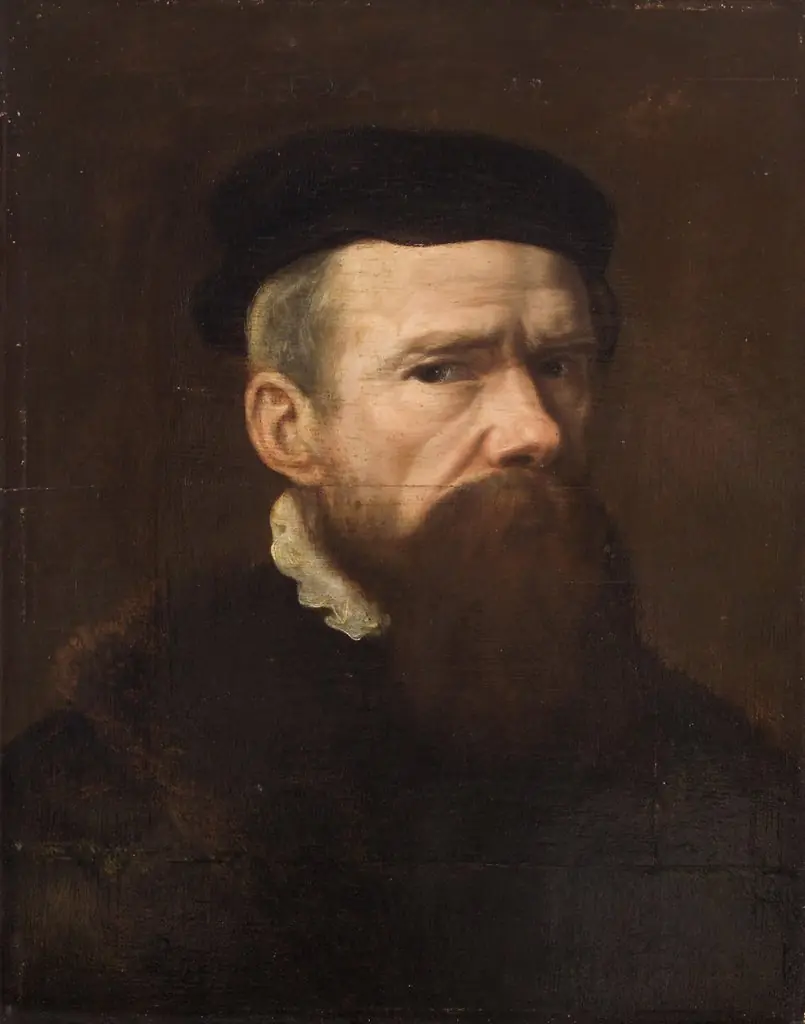
Bildnis eines bärtigen Mannes mit Barett
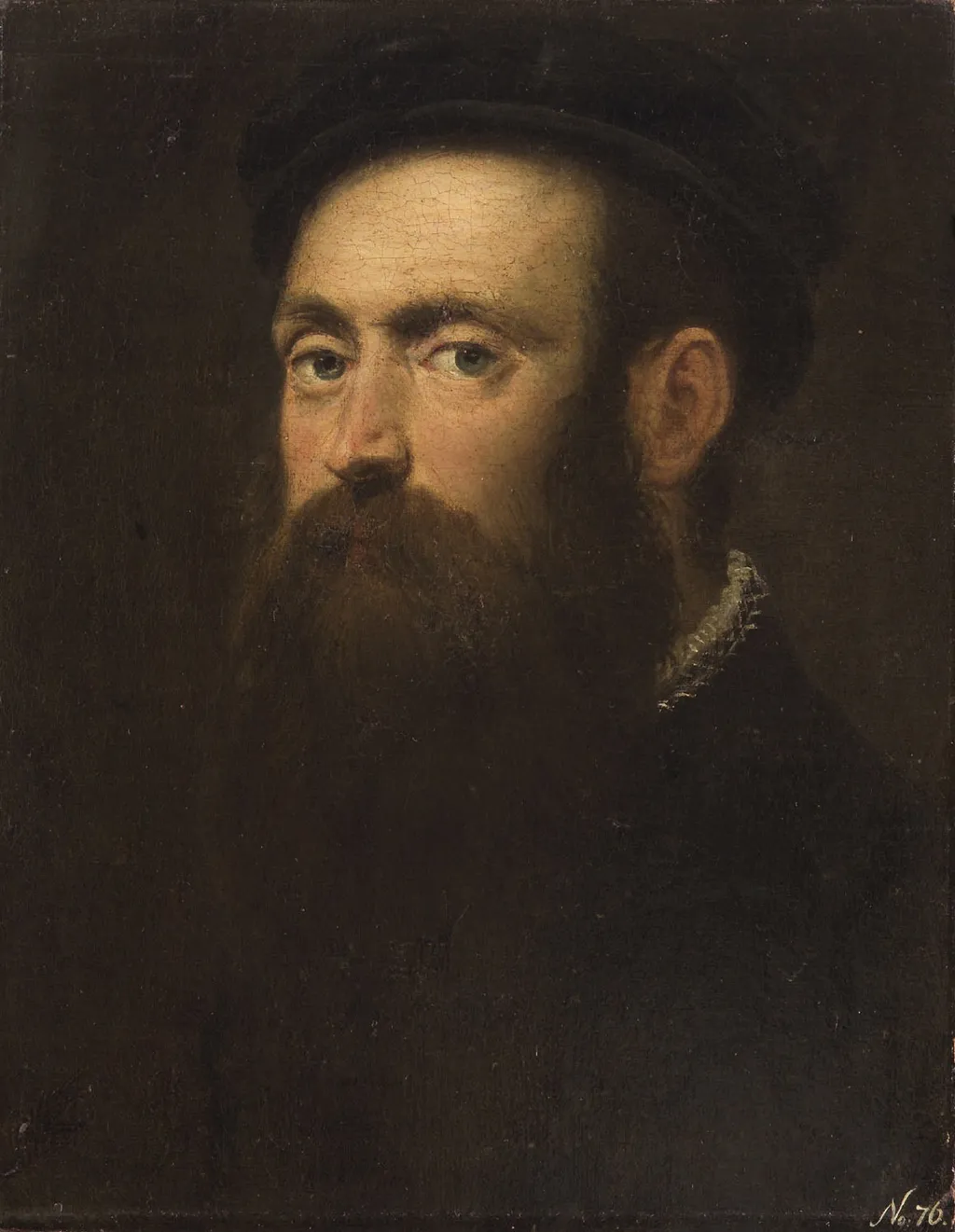
Bildnis eines bärtigen Mannes mit Barett is an unspecified painting by the Mannerist artist Unknown. It dates from 1575 and is held in the collection of the Kunsthistorisches Museum. This portrait depicts a bearded man wearing a dark beret, rendered with intense focus on his facial features.
About this work
Overview
The composition eliminates distractions, centering attention entirely on the subject’s presence and expression.
This portrait depicts a bearded man wearing a dark beret, rendered with intense focus on his facial features. Set against an entirely black background, the figure emerges through precise modulation of light and shadow. The composition eliminates distractions, centering attention entirely on the subject’s presence and expression. The technique reflects a deliberate use of contrast to model form and convey psychological depth.
Subject & Meaning
The identity of the man remains unknown, but his direct gaze and dignified bearing suggest a person of quiet authority or introspection. The absence of contextual elements—no clothing details, no symbols—shifts emphasis to his individuality. The subtle luminosity in his eyes adds a sense of inner life, inviting contemplation rather than narrative interpretation. The portrait functions as a study of human presence rather than social status.
Technique & Style
The artist employs chiaroscuro to define the contours of the face and beret, using gradations of warm browns and deep shadows to create volume. The skin is modeled with soft transitions, while the edges of the hat and beard are rendered with sharper contrasts. The black background intensifies the three-dimensionality of the figure, a hallmark of early modern portraiture that prioritizes optical realism over decorative detail.
History & Provenance
The painting’s origins are undocumented, with no clear record of its commission or early ownership. It lacks inscriptions or markings that might indicate artist, date, or patron. Its survival suggests it was valued as a personal or private work, possibly kept within a collector’s circle. The lack of provenance leaves its historical context deliberately obscure, emphasizing its formal qualities over its narrative.
Context
Created during a period when portraiture increasingly favored psychological realism, this work aligns with trends in Northern European painting that emphasized individual character over heraldic display. The stripped-down composition reflects a shift away from elaborate settings toward intimate, focused depictions. Similar approaches appear in the works of contemporaries who sought to capture presence through light and gesture alone.
Legacy
Though not widely exhibited or documented, the painting contributes to a broader tradition of minimalist portraiture that prioritizes emotional resonance over external detail. Its influence is subtle, echoing in later works that use darkness as a framing device to isolate and elevate the human face. It stands as a quiet example of how restraint can amplify presence in visual art.
Artist & collection

 Domestic Scene
 Giacomo and Cardinal Marco, investing Andrea, Abbot of San Zeno, with his Benefice
 The Nymph of Fontainebleau
 Portrait of a Woman
 Madonna and Child with Saints in the Enclosed Garden
 Venus and Minerva
 Family Group of Four on Sofa
 Wall painting from Room H of the Villa of P. Fannius Synistor at Boscoreale
 Bildnis eines bärtigen Mannes mit Barett
 Portrait of a Man
 Bildnis eines Mannes mit dunkelblondem Vollbart
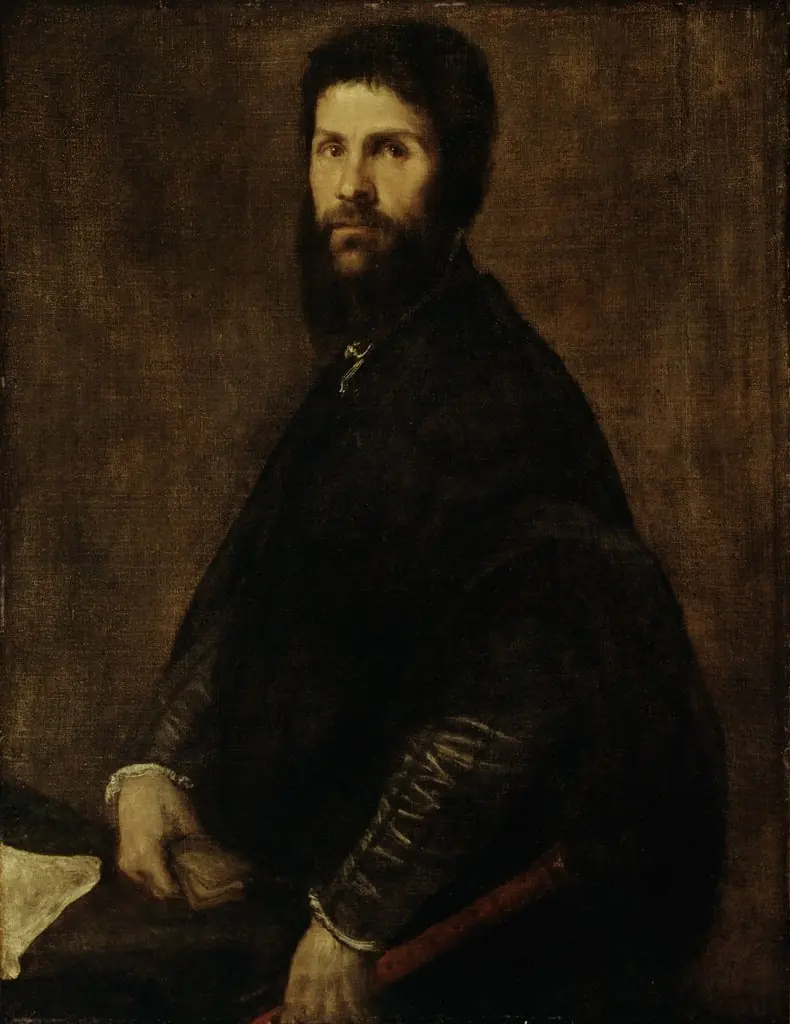 Man Holding a Flute
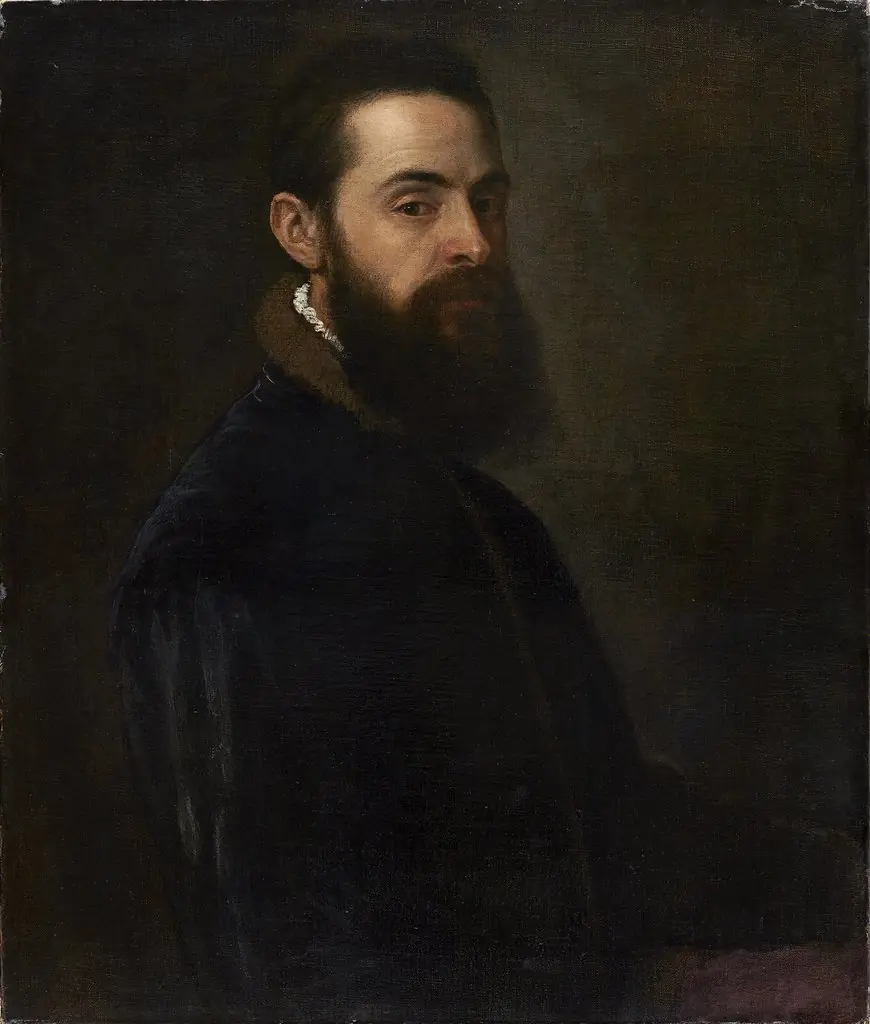 Portrait of Antonio Anselmi
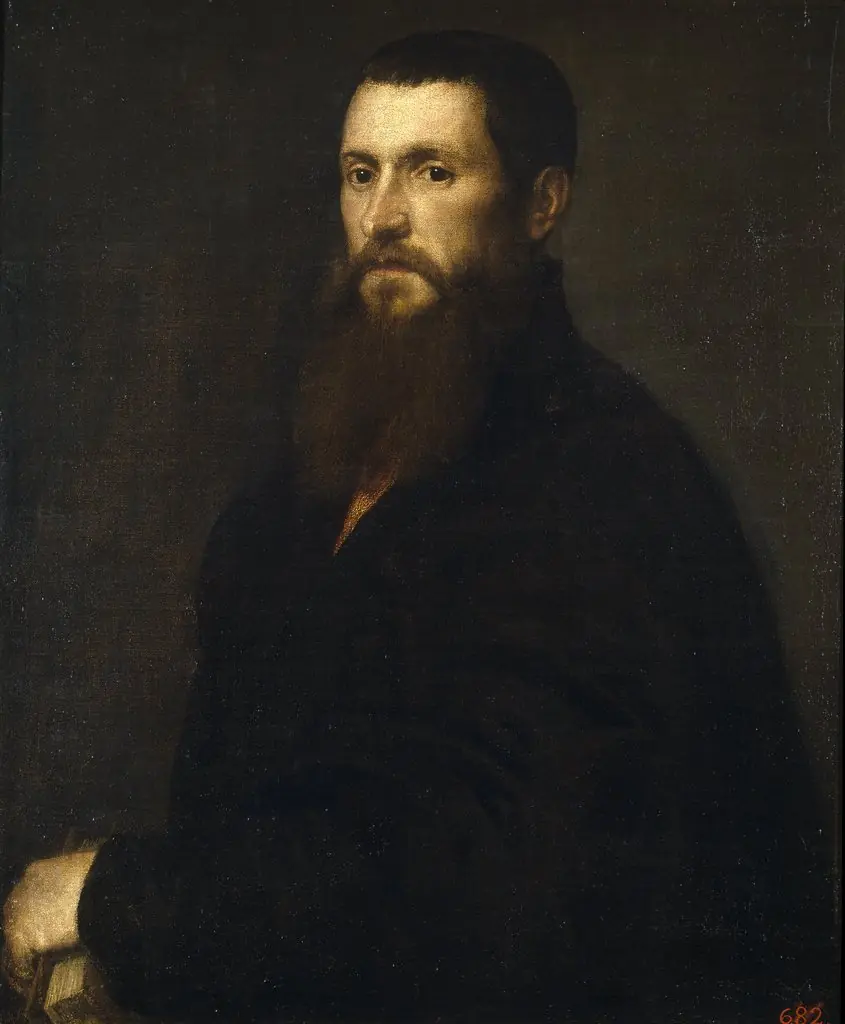 Daniele Barbaro, Patriarch of Aquileia
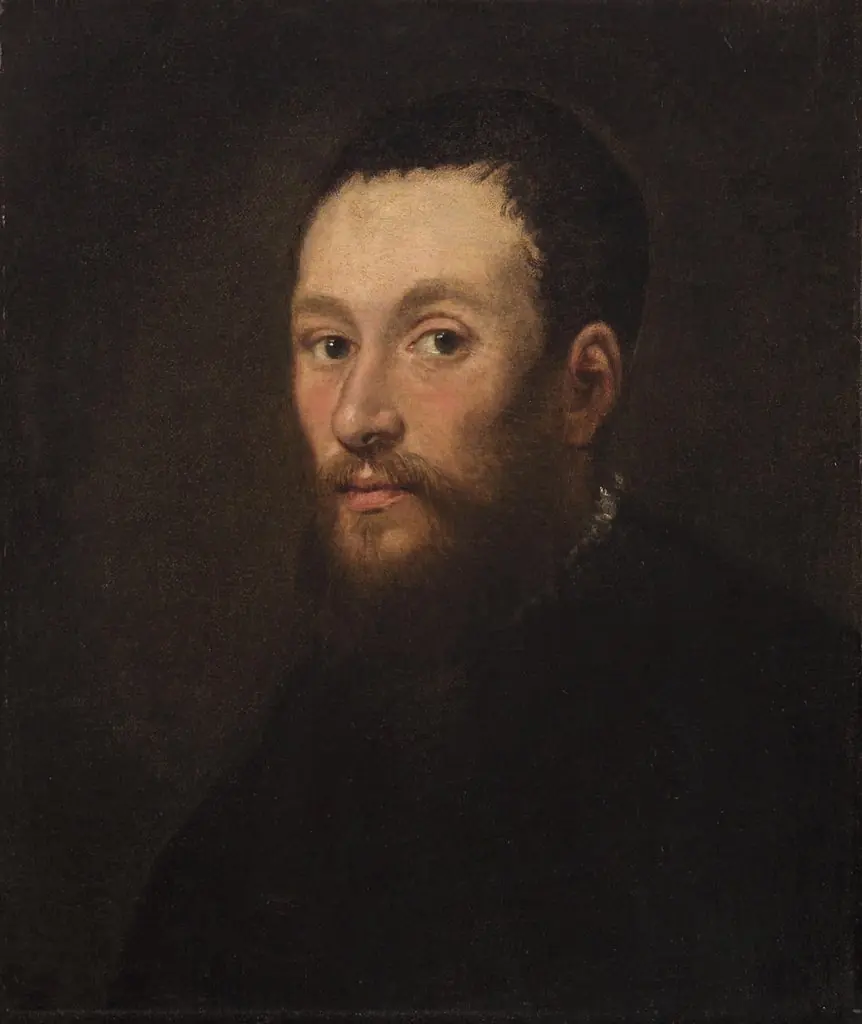 Bildnis eines jungen bärtigen Mannes
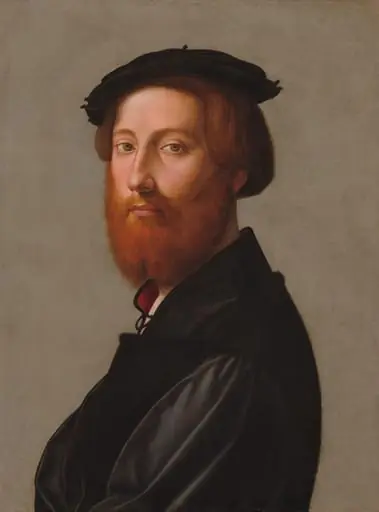 Leonardo de' Ginori
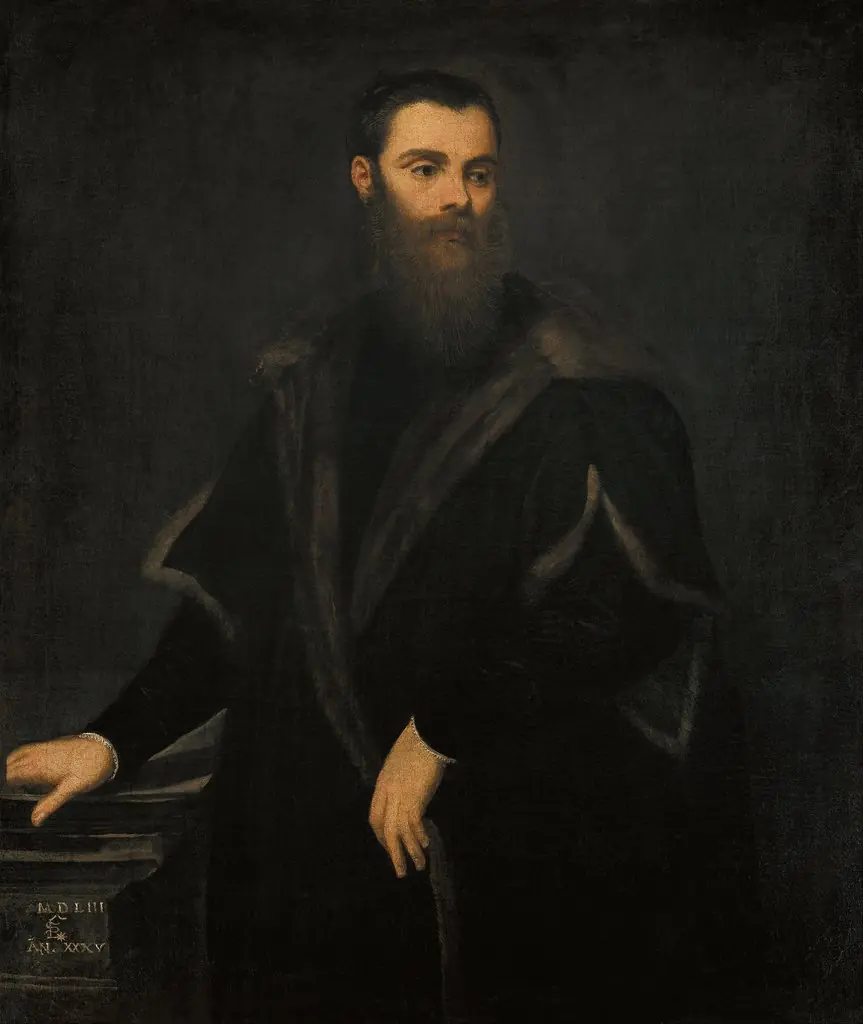 Lorenzo Soranzo
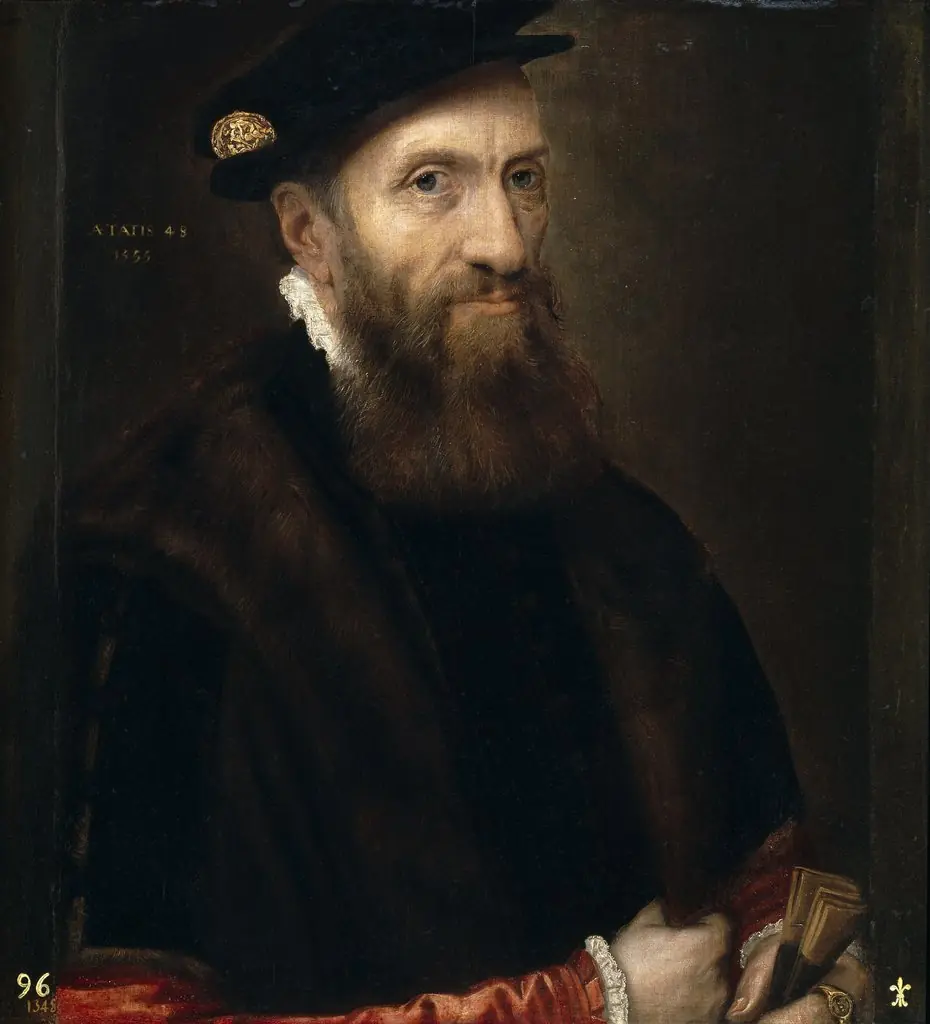 Portrait of a Man aged 48
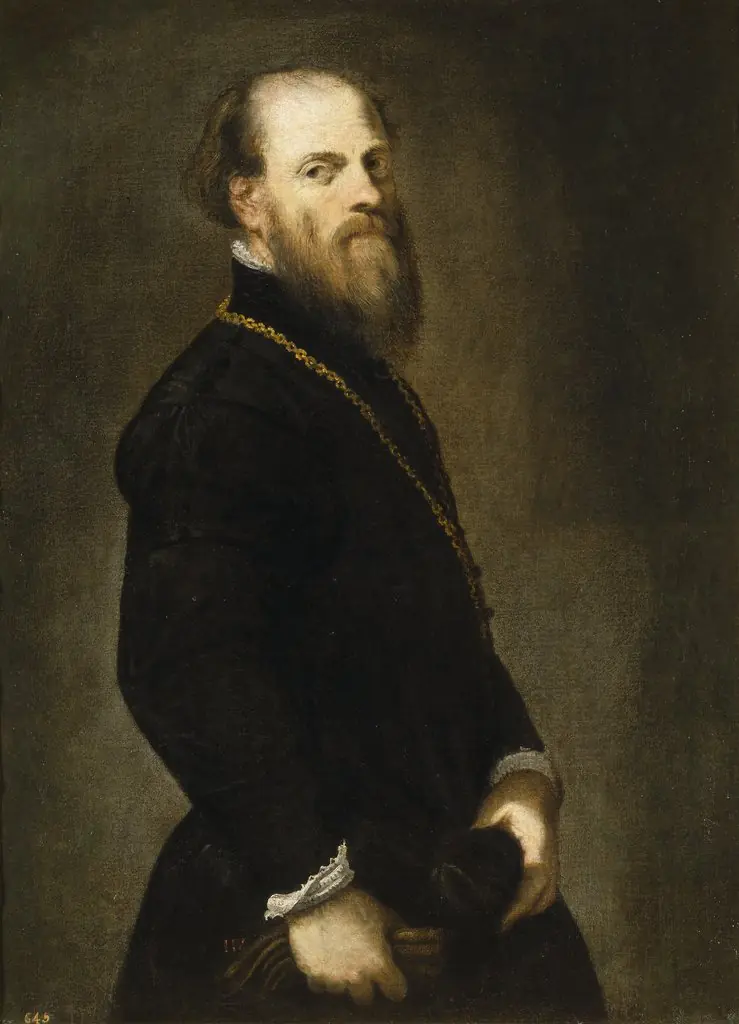 Man with a Golden Lace
 Männliches Bildnis