Artwork
Lorenzo Soranzo
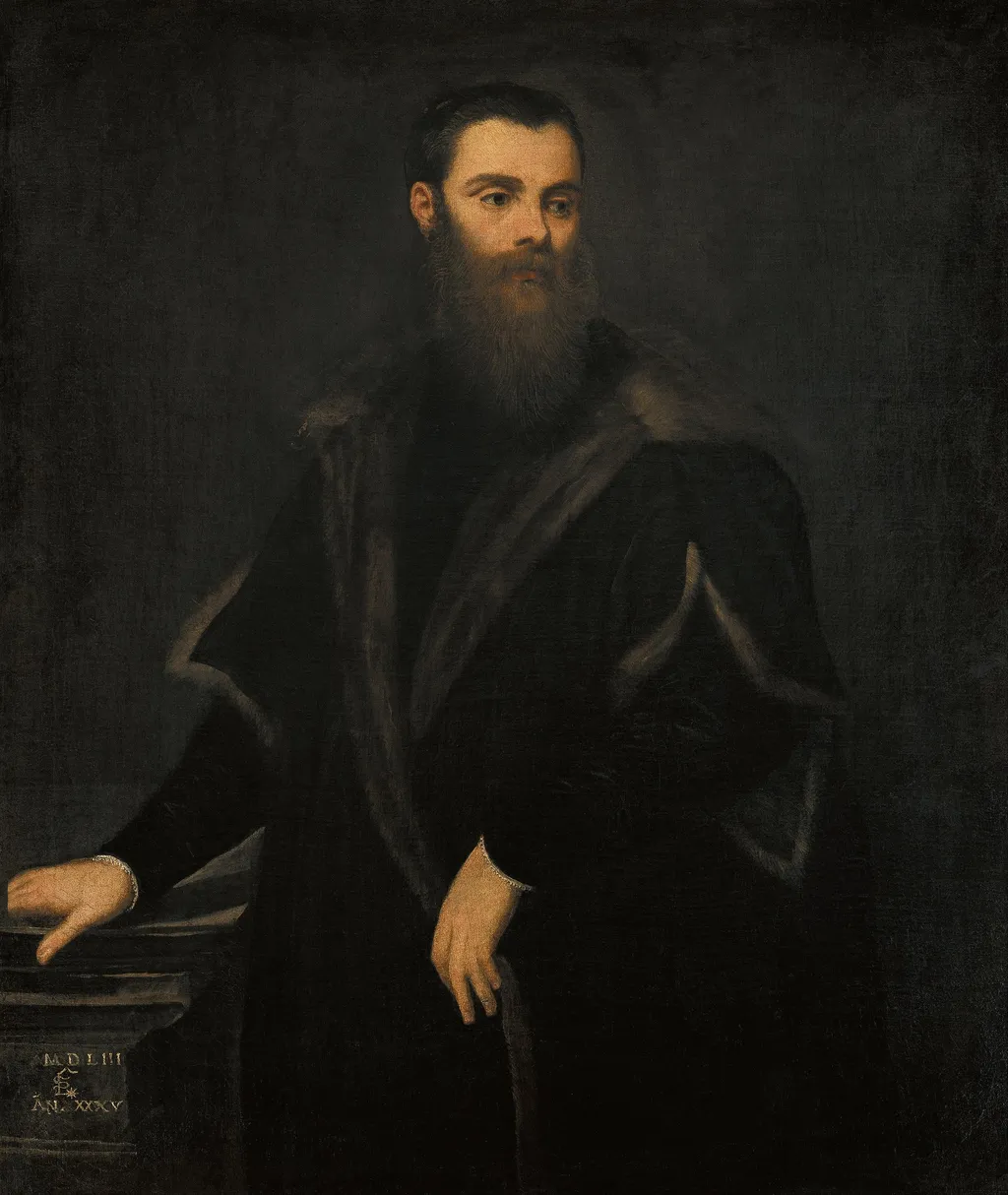
Lorenzo Soranzo is an unspecified painting by the Mannerist artist Jacopo Tintoretto. It dates from 1553 and is held in the collection of the Kunsthistorisches Museum.
About this work
Overview
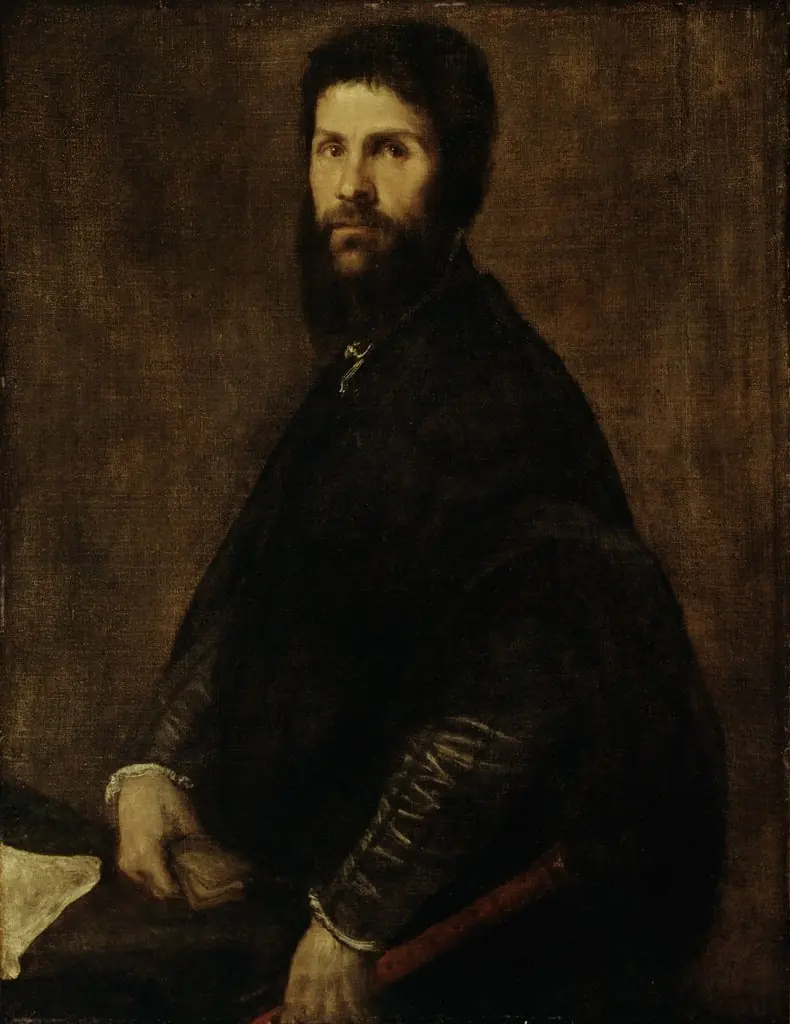
Painted in 1553 by Jacopo Tintoretto, this portrait captures Lorenzo Soranzo, a Venetian nobleman, in a tightly framed, shadow-drenched setting.
Painted in 1553 by Jacopo Tintoretto, this portrait captures Lorenzo Soranzo, a Venetian nobleman, in a tightly framed, shadow-drenched setting. The work exemplifies Tintoretto’s distinctive style—vigorous, intimate, and emotionally charged—within the broader context of mid-16th-century Venetian painting. Its compact scale and intense focus on the sitter’s presence distinguish it from more formal court portraits of the era.
Subject & Meaning
Lorenzo Soranzo is portrayed not as a symbol of status but as a contemplative individual. His folded paper or cloth suggests engagement with written matter—perhaps correspondence or legal documents—hinting at his civic role. The absence of heraldic symbols or elaborate attire shifts emphasis from lineage to personal demeanor, reflecting a growing interest in psychological depth over external display among Venetian elites.
Technique & Style
Tintoretto employs strong chiaroscuro to model Soranzo’s face and hands, drawing attention to their texture and warmth against a near-black background. His brushwork is swift and decisive, particularly in the rendering of the beard and fabric folds, conveying immediacy rather than polish. The carved edge of the table, inscribed with unintelligible lettering, adds a cryptic, almost symbolic layer to the composition without clarifying its meaning.
History & Provenance
The portrait has remained in institutional hands since at least the early modern period. It entered the Kunsthistorisches Museum’s collection in Vienna, likely through Habsburg acquisitions of Venetian art. Its continuous preservation suggests early recognition of its artistic significance, though its specific commissioning and early ownership remain undocumented in public records.
Context
In 1550s Venice, portraiture was evolving beyond rigid conventions. Artists like Tintoretto and Titian began exploring emotional nuance and atmospheric depth. This work aligns with that shift, rejecting idealized symmetry in favor of psychological realism. The dark, undefined space reflects a broader trend toward isolating the subject, heightening intimacy and focus in an age of growing individualism.
Legacy
Though less celebrated than Tintoretto’s large-scale religious works, this portrait exemplifies his ability to infuse quiet moments with dramatic intensity. It influenced later generations of portraitists who prioritized mood and presence over ornamentation. Its enduring presence in a major European museum underscores its role as a quiet but pivotal example of Venetian Mannerist portraiture.
Own this work as a print
Artist & collection
Artist
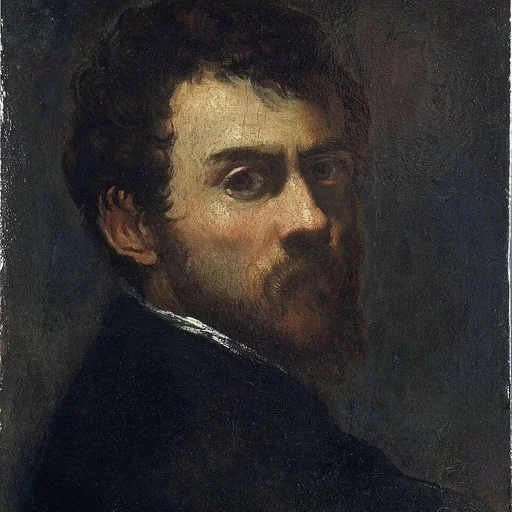
Jacopo Robusti (late September or early October 1518 – 31 May 1594), best known as Tintoretto ( TIN-tə-RET-oh; Italian: ; Venetian: ), was an Italian Renaissance painter of the Venetian school.

 Man Holding a Flute
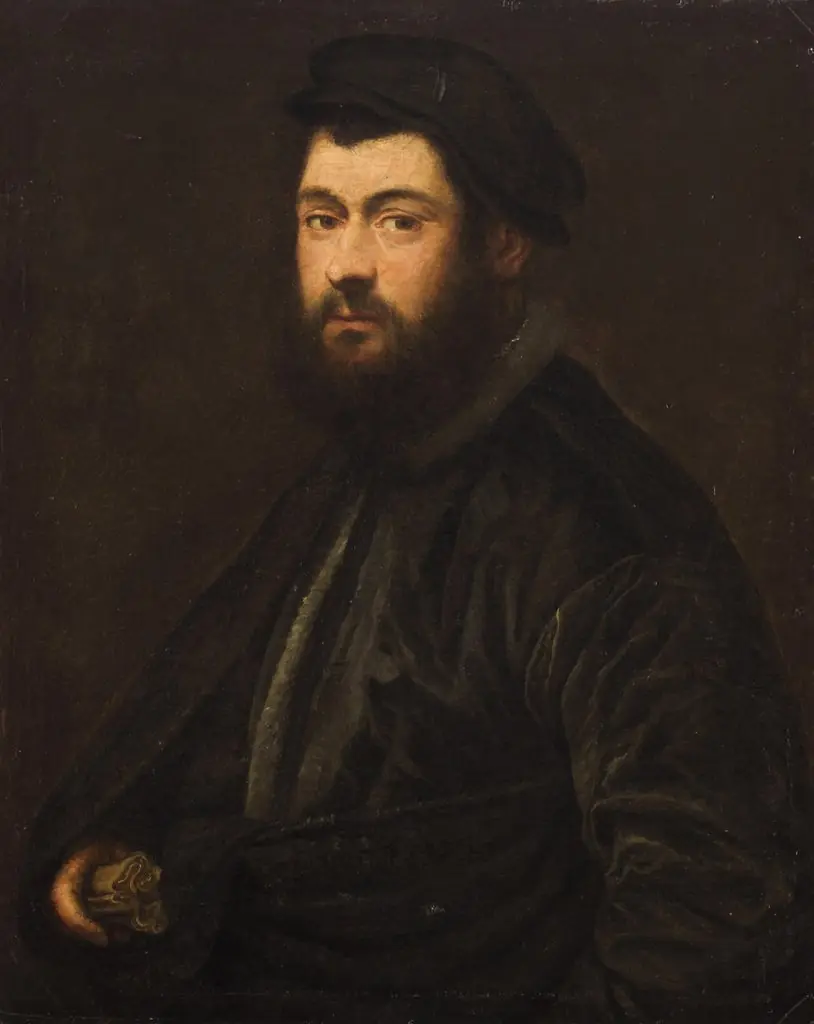 Bildnis eines bärtigen Mannes mit Barett
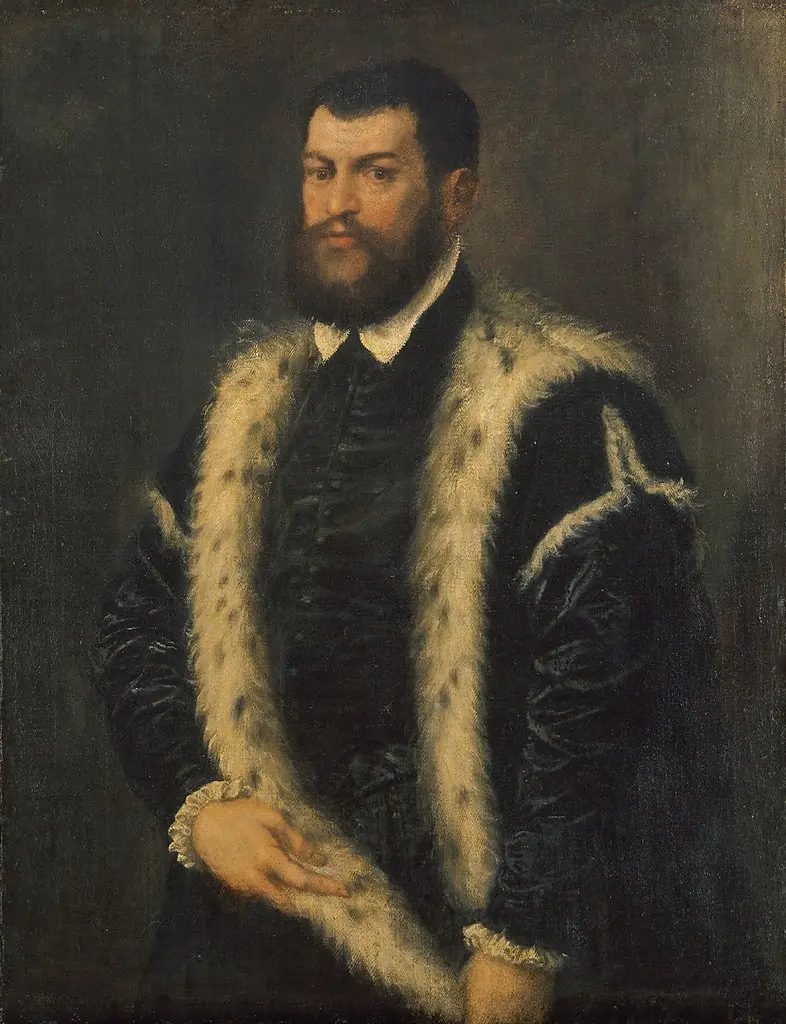 Man with Ermine Coat
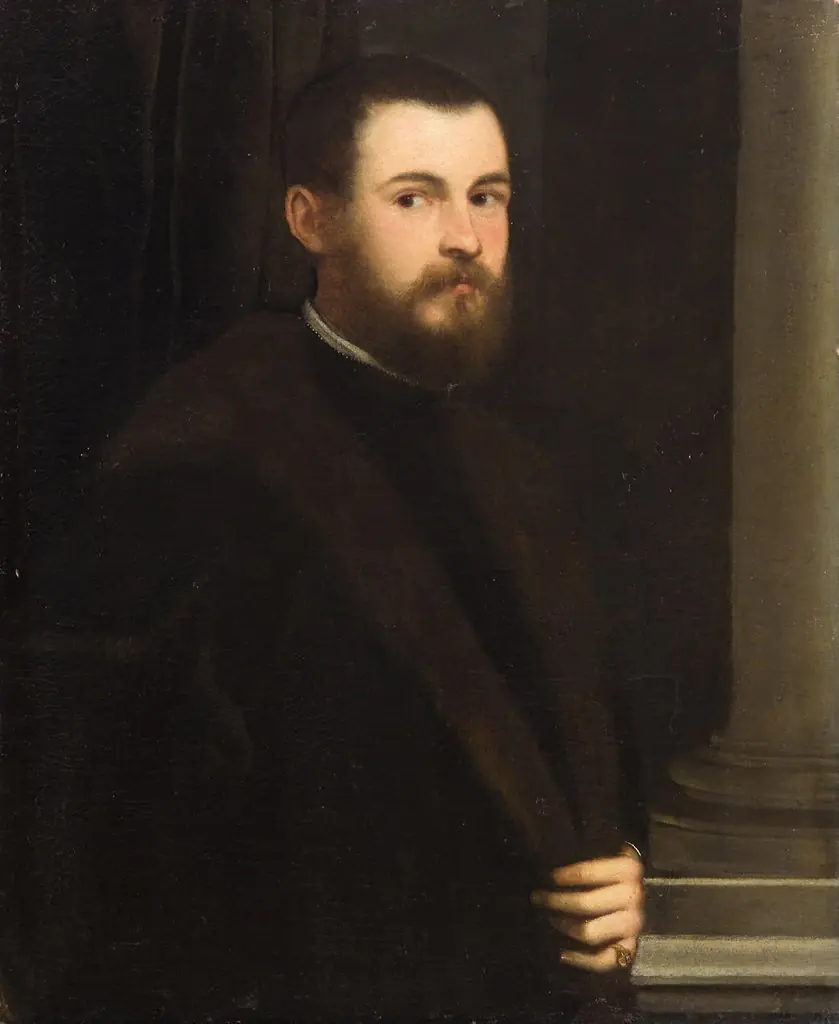 Portrait of a young bearded man
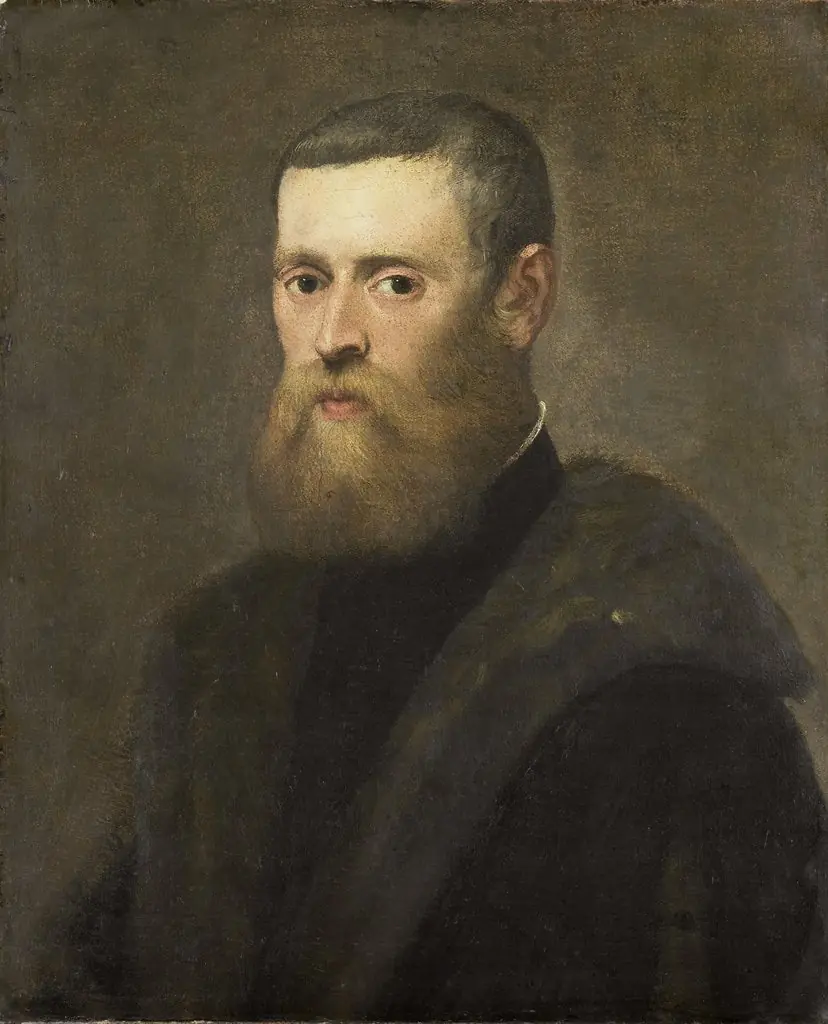 Portrait of a Man
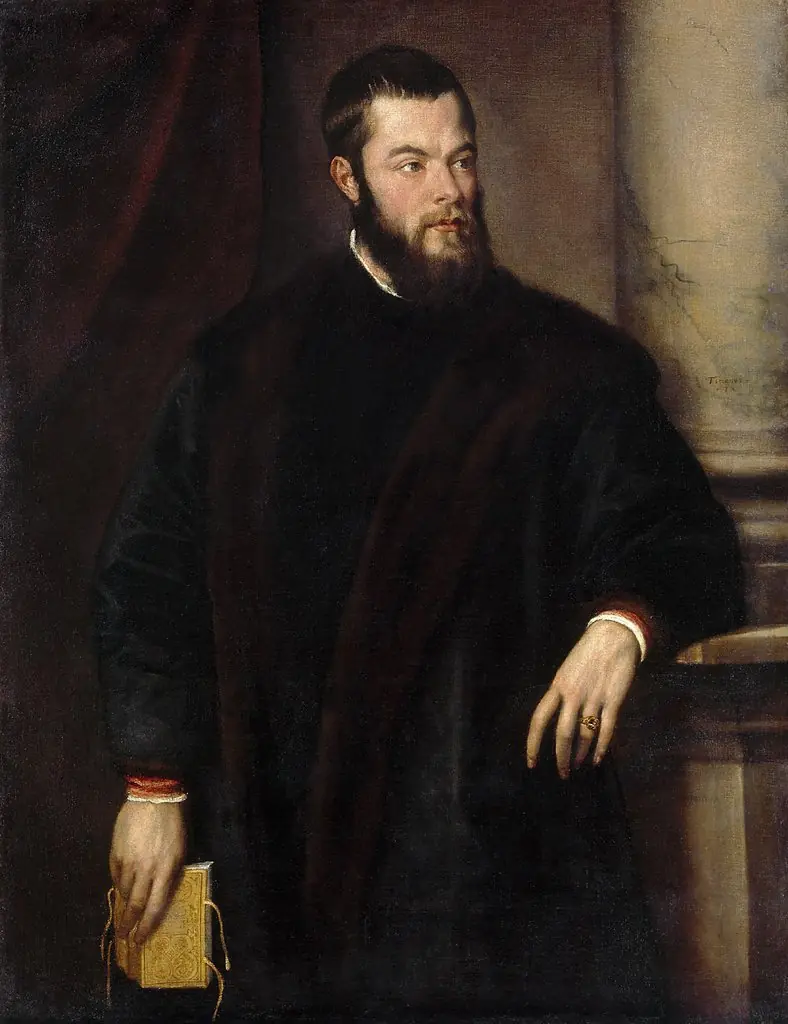 Portrait of Benedetto Varchi
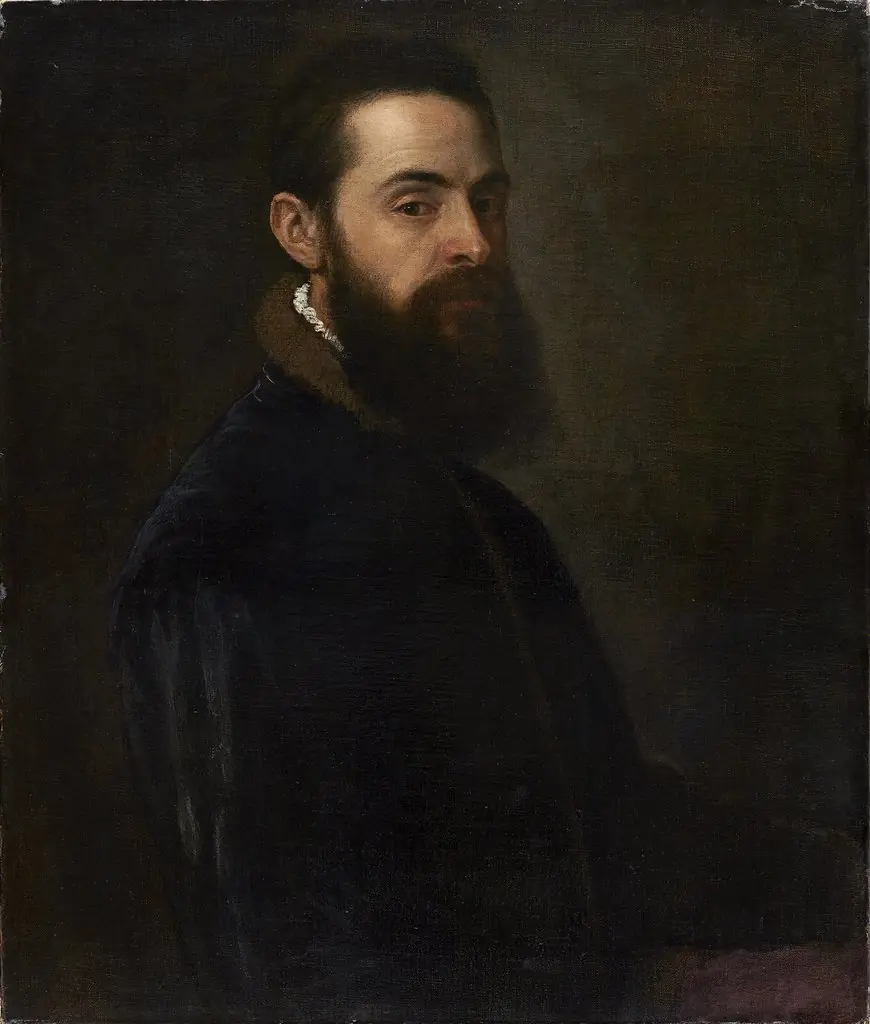 Portrait of Antonio Anselmi
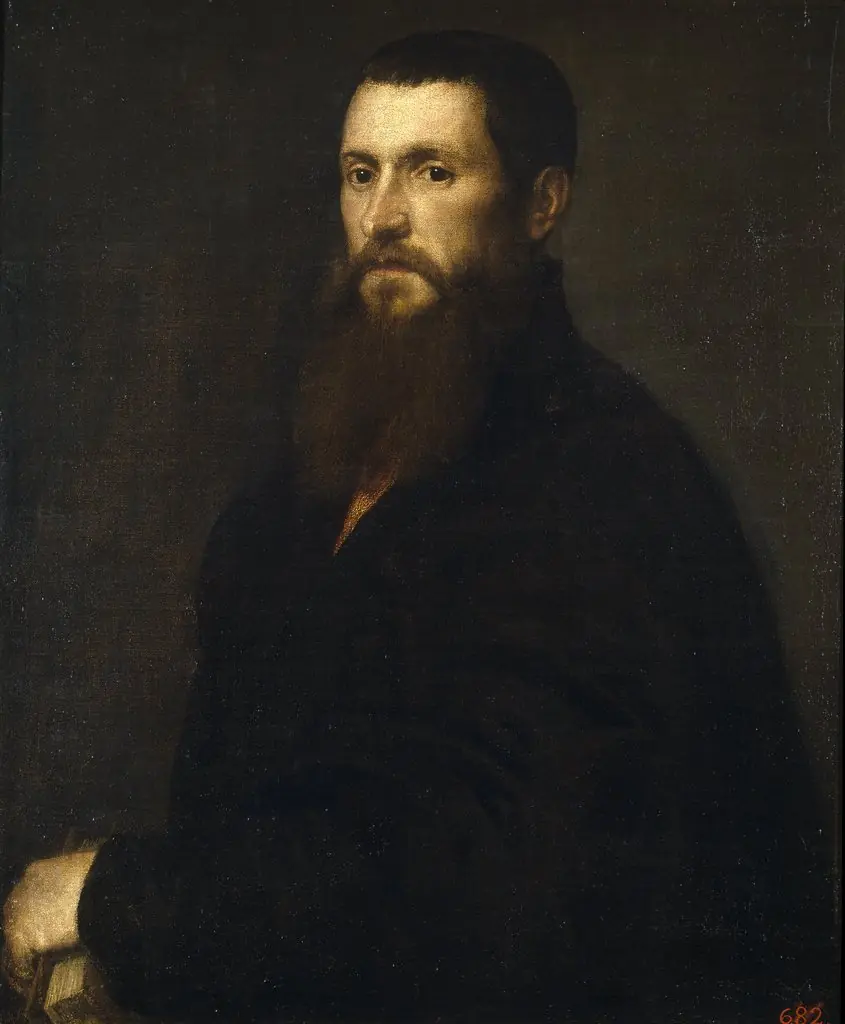 Daniele Barbaro, Patriarch of Aquileia
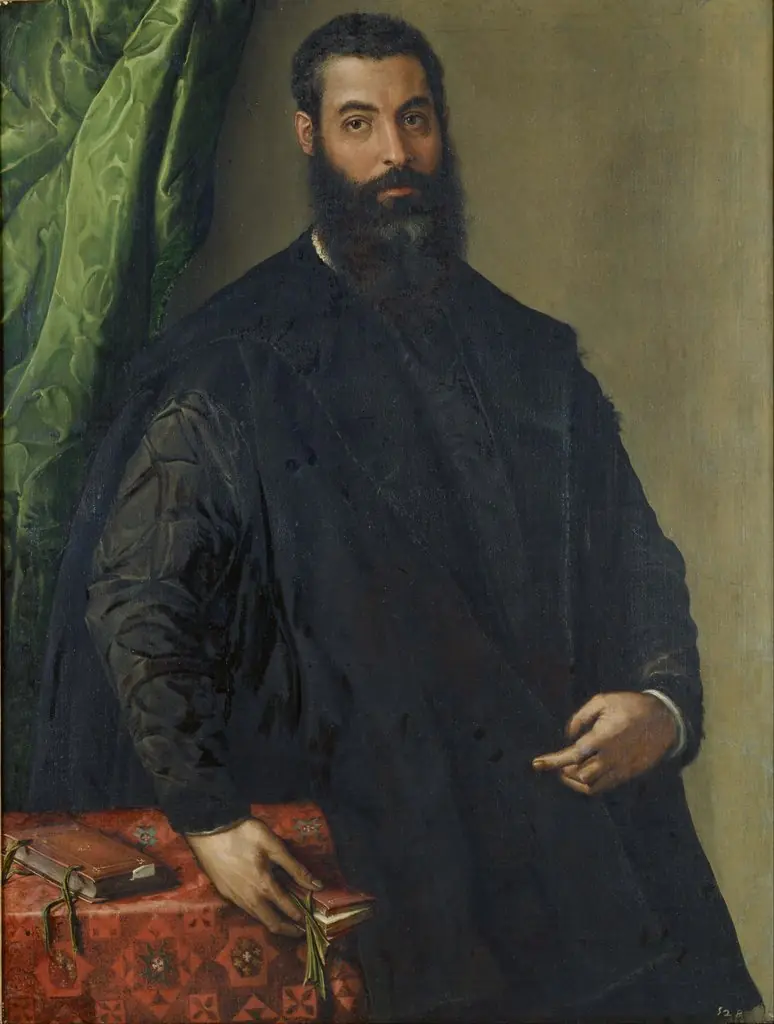 Portrait of a Man
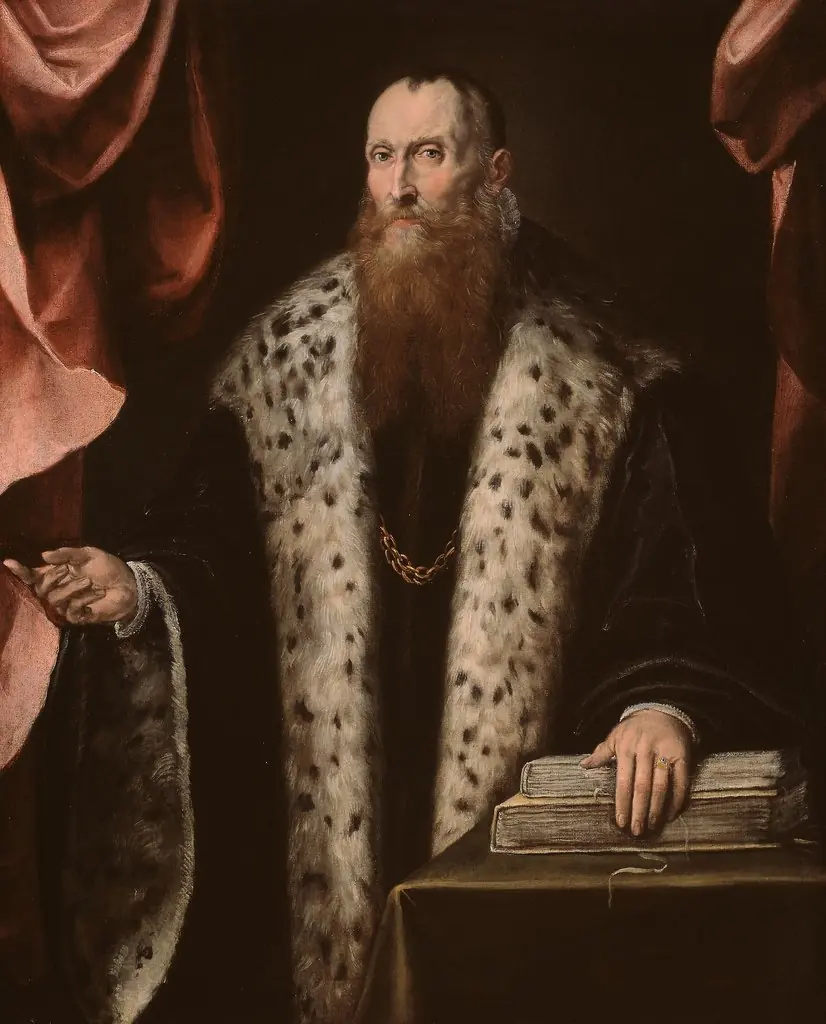 Portrait of a Gentleman
 Portrait of Alvise Contarini (?)
 Monsignor della Casa