Artwork
Raga Dipak, Page from a Jaipur Ragamala Set
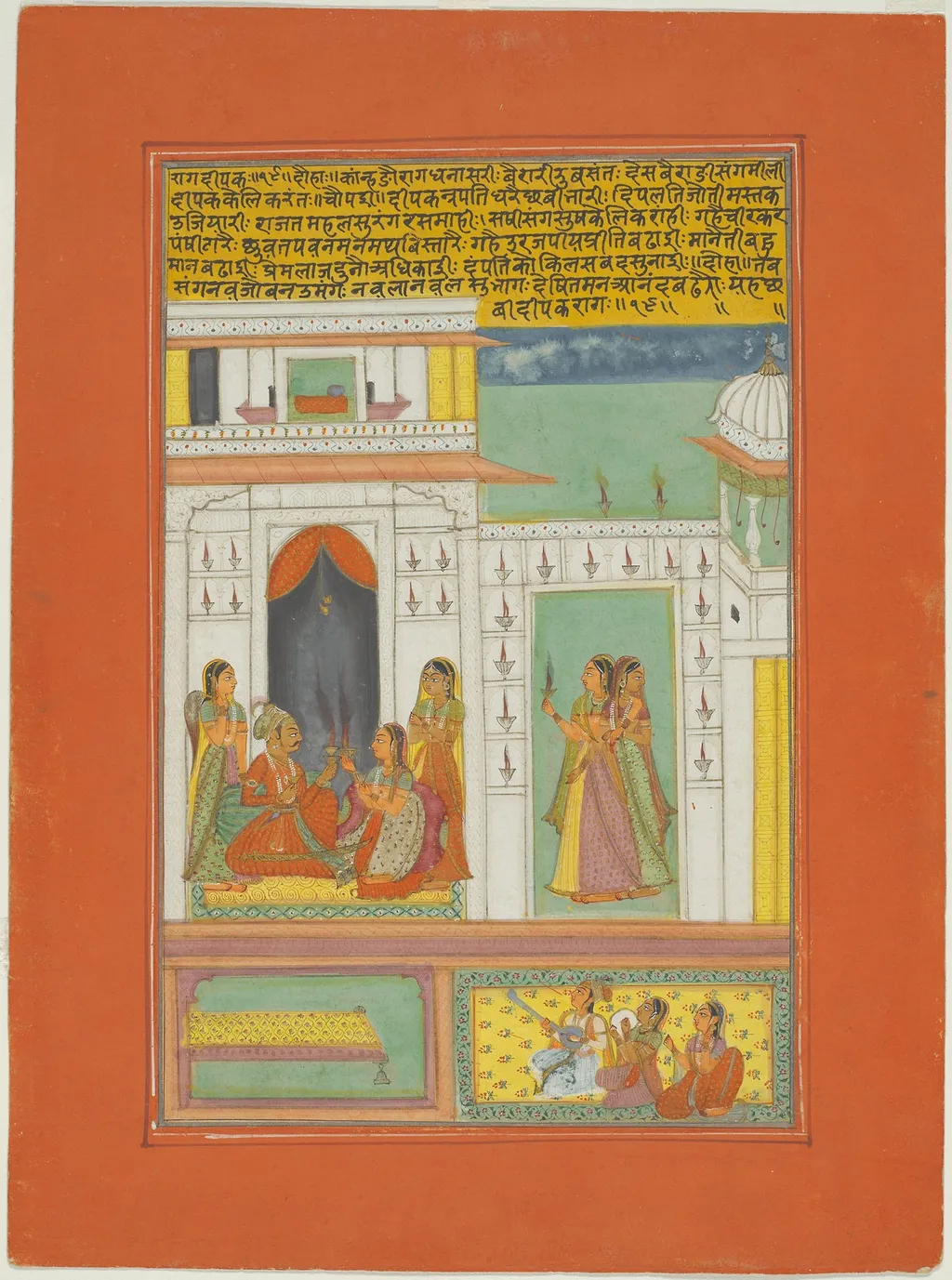
Raga Dipak, Page from a Jaipur Ragamala Set is an unspecified painting by Unknown. It dates from 1757 and is held in the collection of the Art Institute of Chicago. Raga Dipak is a miniature painting from a Jaipur Ragamala series, a collection that visually interprets Indian musical modes.
About this work
Overview
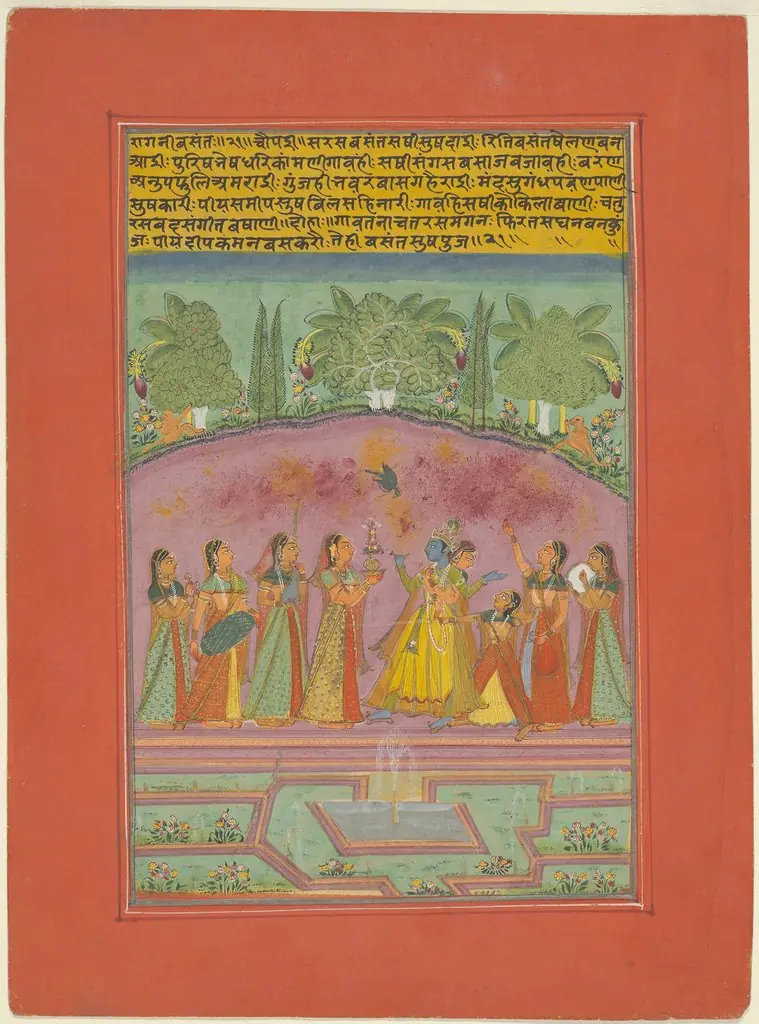
Raga Dipak is a miniature painting from a Jaipur Ragamala series, a collection that visually interprets Indian musical modes. Executed on paper, the work portrays a tranquil interior scene framed by an ornate archway. The composition is dominated by a group of women in vibrant attire, illuminated by the soft glow of candles, set against a pale green background that enhances the calm atmosphere.
Subject & Meaning
The figures represent a gathering of women engaged in a ritual or celebratory moment, their gestures and shared glances suggesting communal interaction.
The figures represent a gathering of women engaged in a ritual or celebratory moment, their gestures and shared glances suggesting communal interaction. The central figure, positioned within the doorway, holds a candle aloft, a possible symbol of illumination or devotion. The title, referencing the raga “Dipak,” aligns the visual narrative with the musical mode traditionally associated with the light of a lamp.
Technique & Style
Rendered in the characteristic Jaipur miniature style, the painting employs fine brushwork and a limited palette of bright reds, blues, and greens. Delicate outlines define the garments and architectural details, while the use of gold leaf on the arch and decorative motifs adds a subtle luster. The light green wash behind the scene creates depth without overwhelming the intricate foreground elements.
History & Provenance
Part of a larger Ragamala set produced in the early 19th century, this sheet reflects the patronage of the Jaipur court, which fostered a distinctive regional aesthetic. The series was likely compiled for a connoisseur of both visual art and Hindustani music, serving as a visual accompaniment to the corresponding raga. The work now resides in a public collection, having passed through several private hands before acquisition by the museum.
Artist & collection

 Domestic Scene
 Giacomo and Cardinal Marco, investing Andrea, Abbot of San Zeno, with his Benefice
 The Nymph of Fontainebleau
 Portrait of a Woman
 Madonna and Child with Saints in the Enclosed Garden
 Venus and Minerva
 Family Group of Four on Sofa
 Wall painting from Room H of the Villa of P. Fannius Synistor at Boscoreale
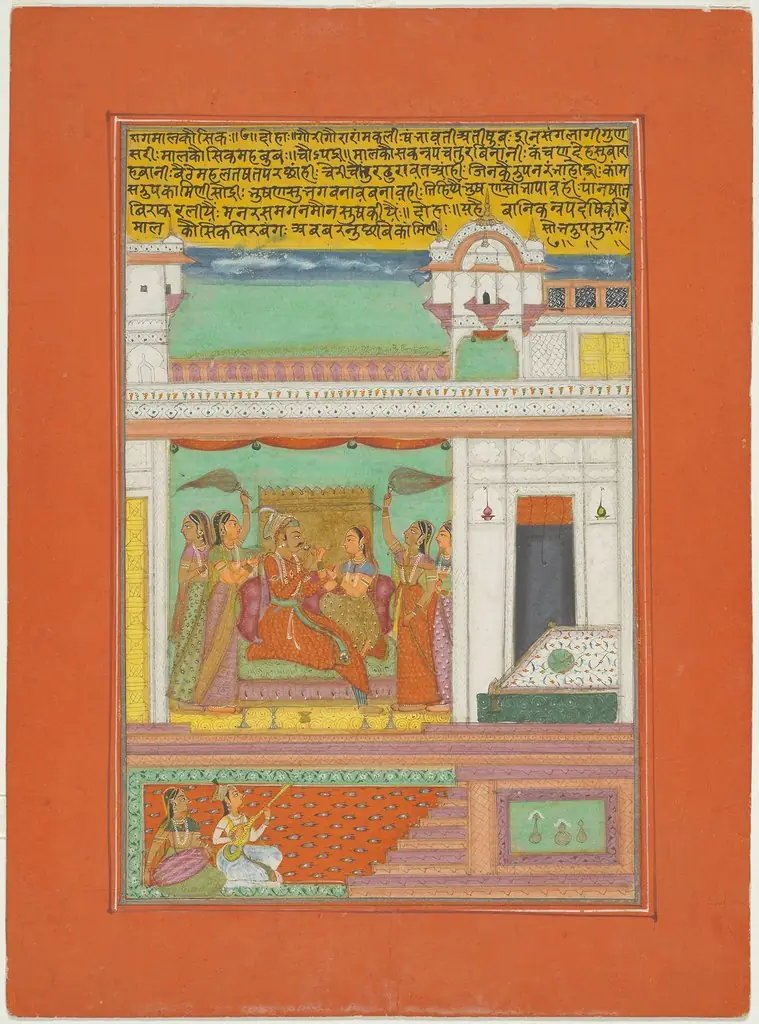 Raga Malkaushika, Page from a Jaipur Ragamala Set
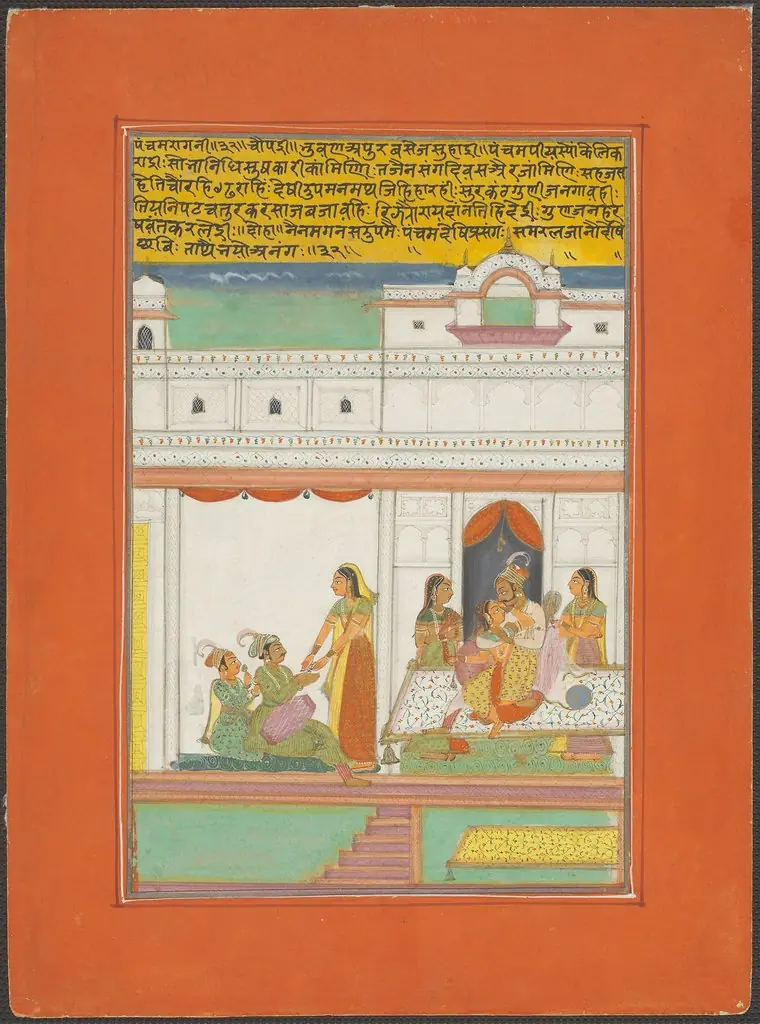 Panchama Ragini, Page from a Jaipur Ragamala Set
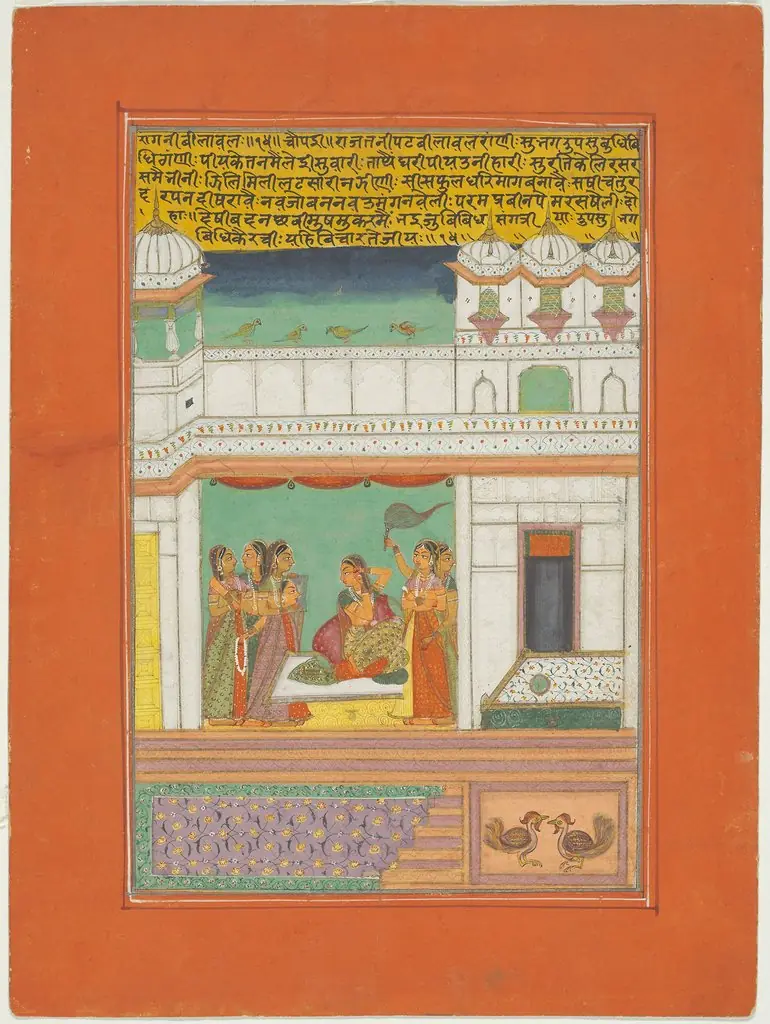 Ragini Bilaval, Page from a Jaipur Ragamala Set
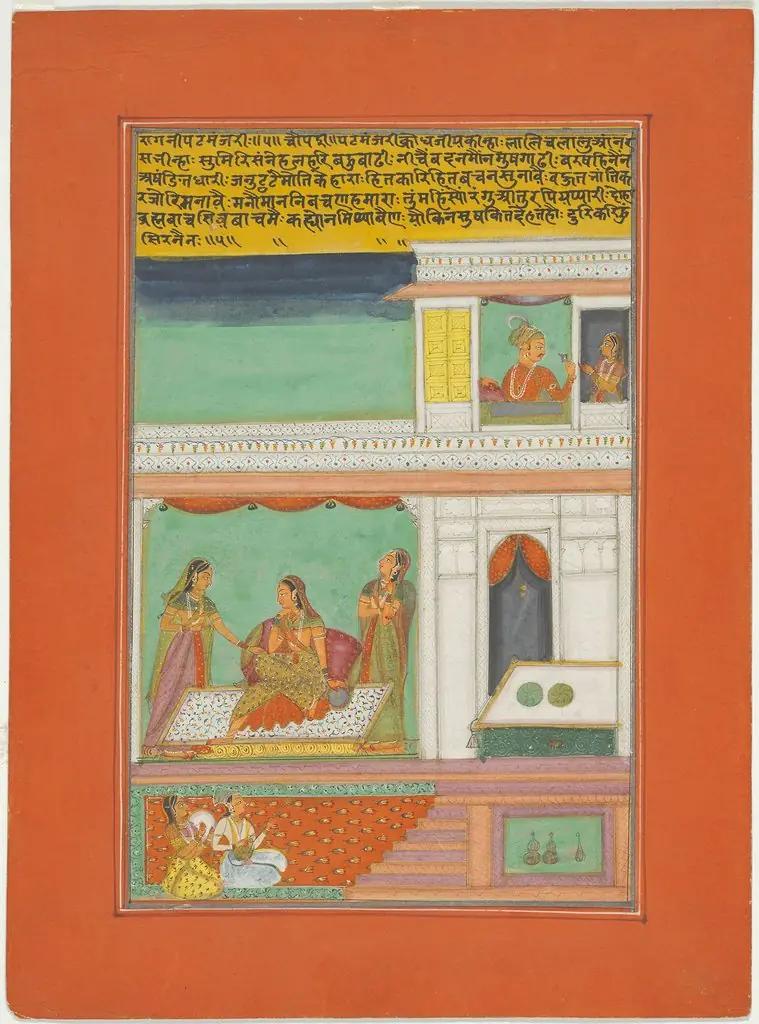 Ragini Patmanjari, Page from a Jaipur Ragamala Set
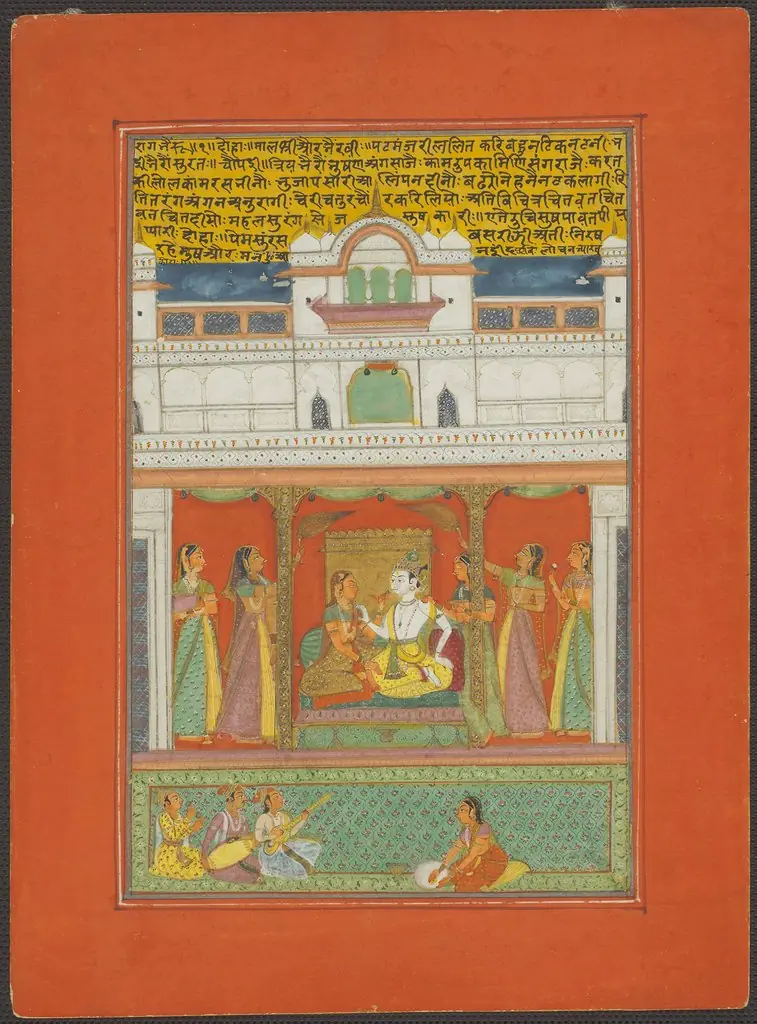 Raga Bhairaon, Page from a Jaipur Ragamala Set
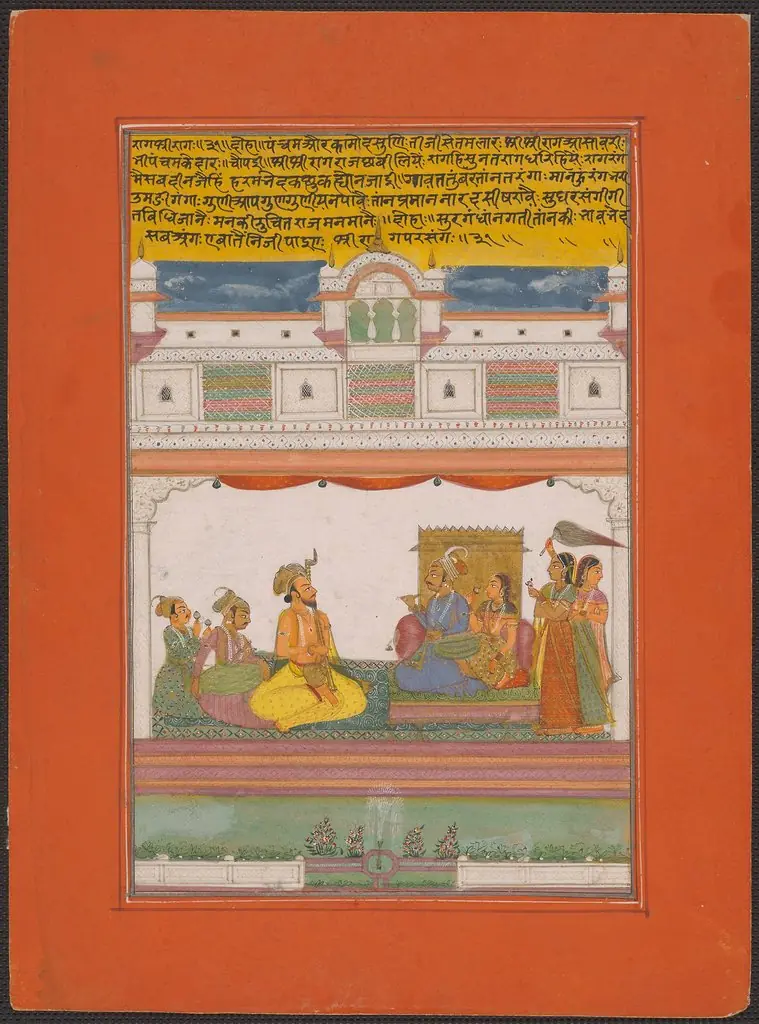 Raga Shri-rag, Page from a Jaipur Ragamala Set
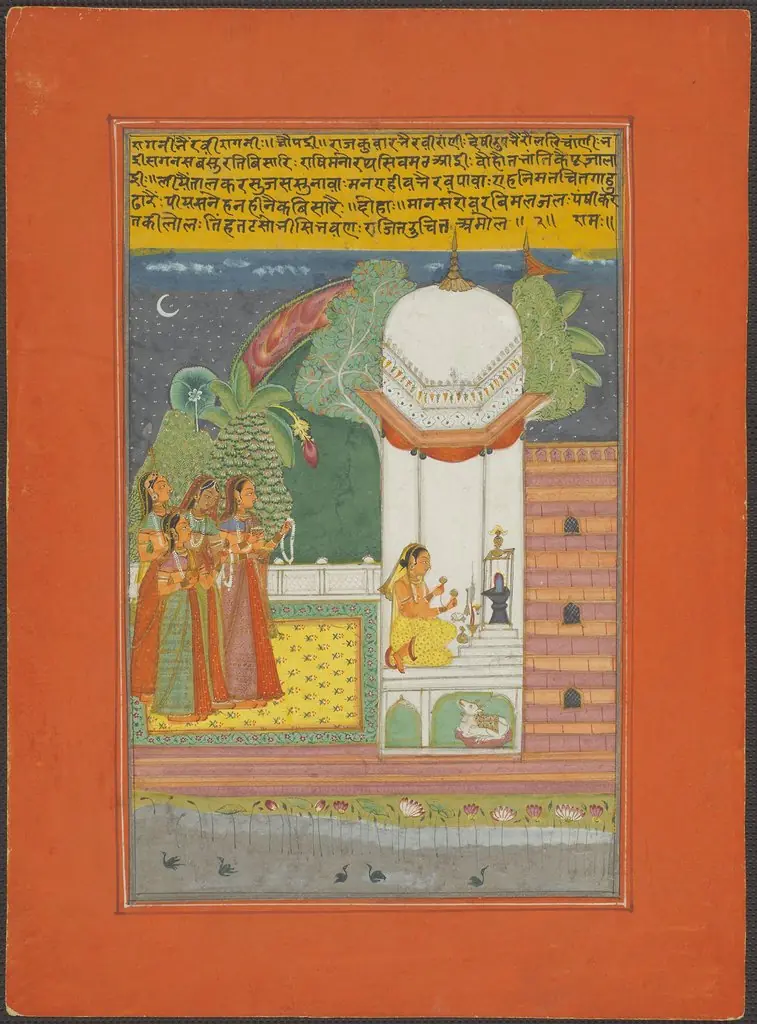 Ragini Bhairavi, Page from a Jaipur Ragamala Set
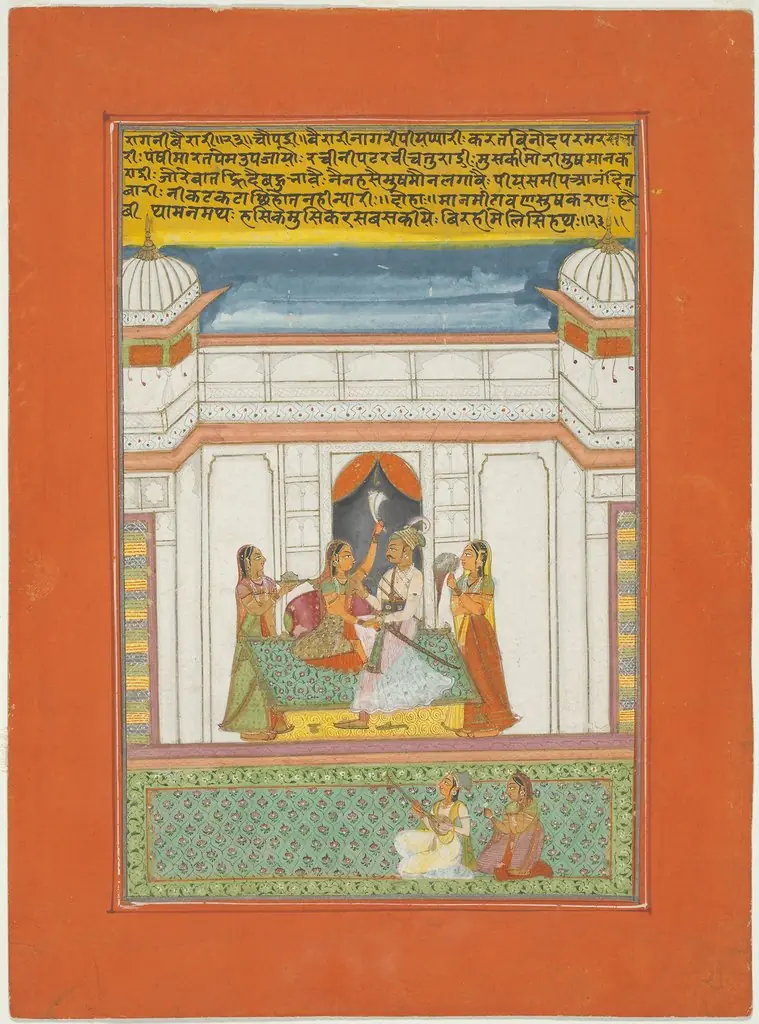 Ragini Bairari, Page from a Jaipur Ragamala Set
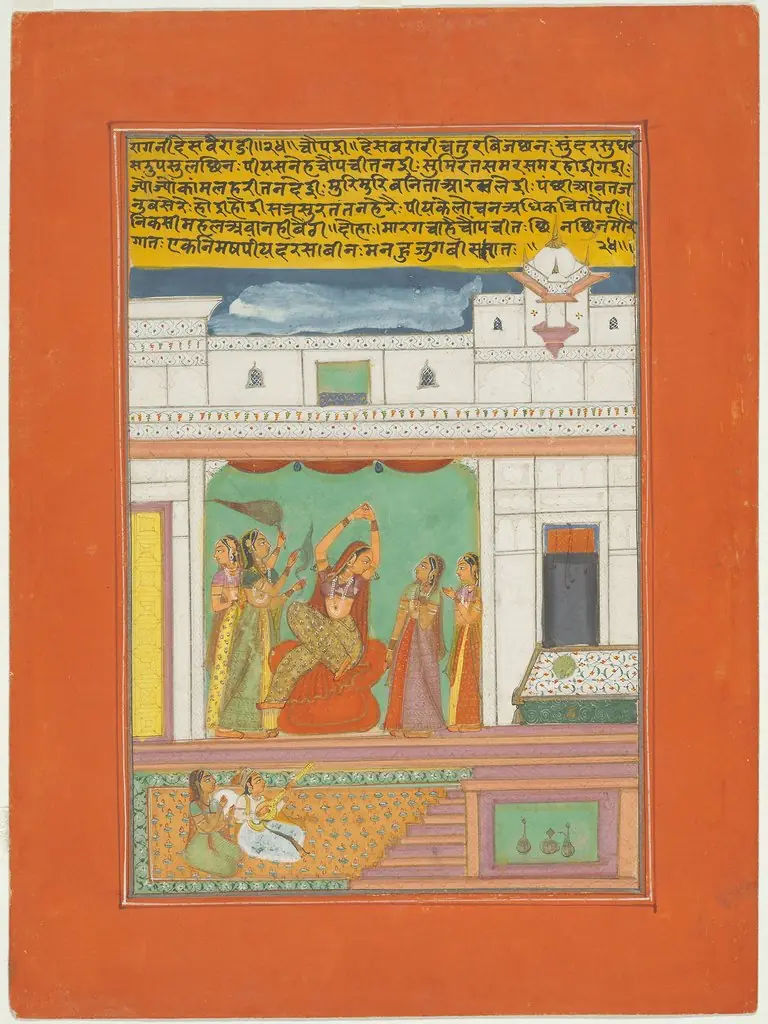 Ragini Desavaradi, Page from a Jaipur Ragamala Set
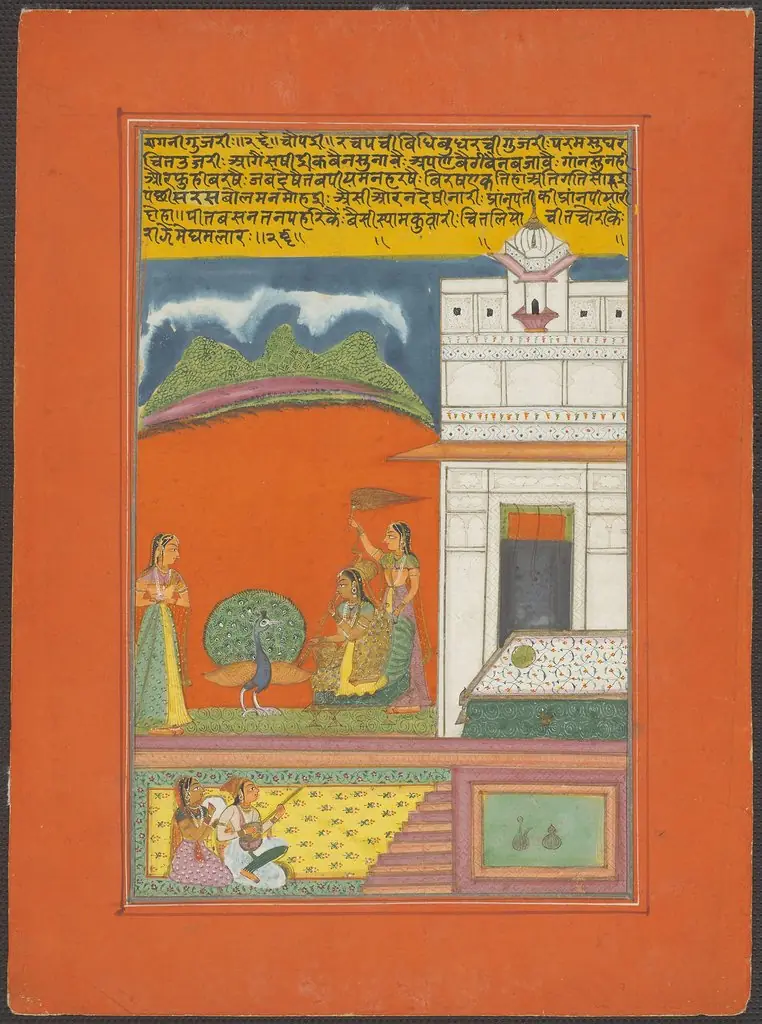 Ragini Gujari, Page from a Jaipur Ragamala Set
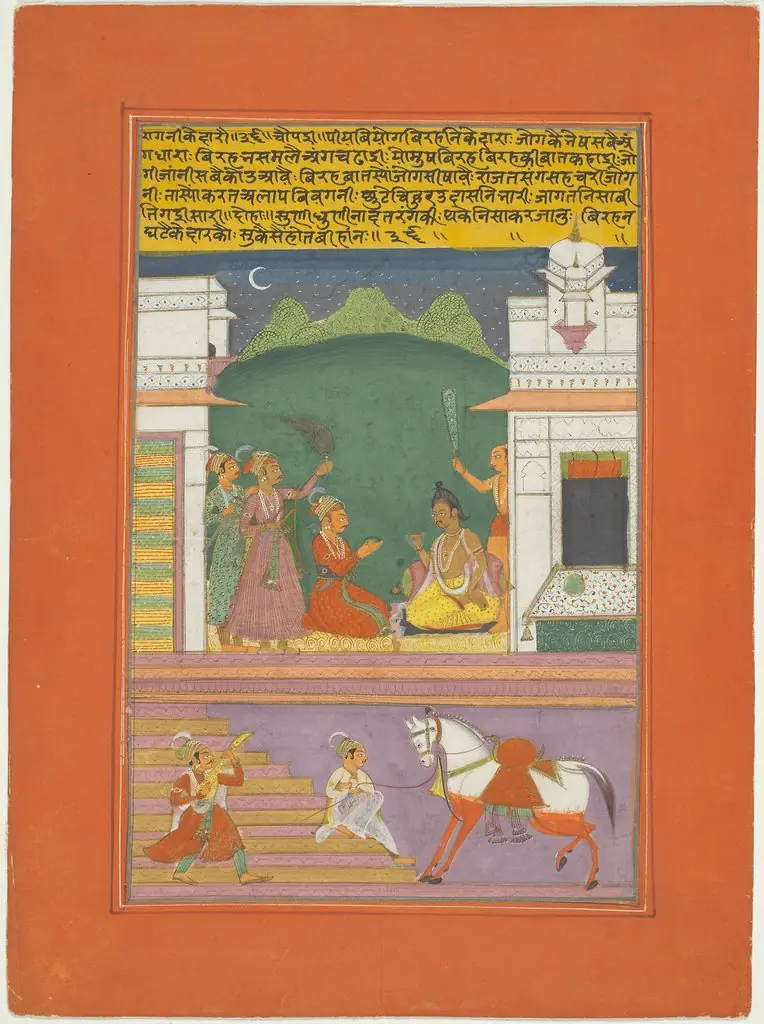 Ragini Kedara, Page from a Jaipur Ragamala Set
 Ragini Vasanta, Page from a Jaipur Ragamala Set